

 English
 Español
 日本語
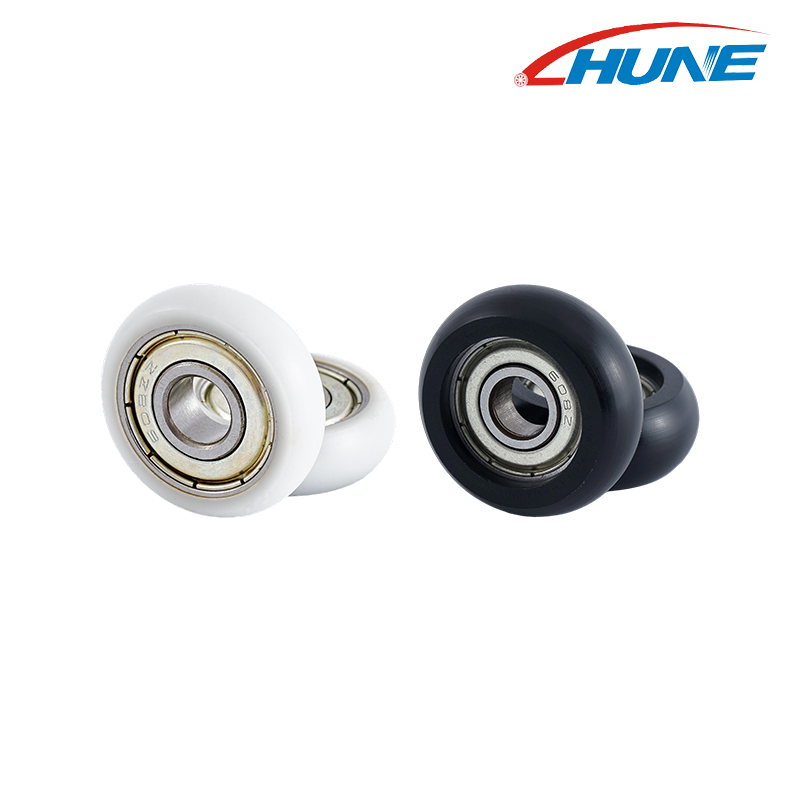
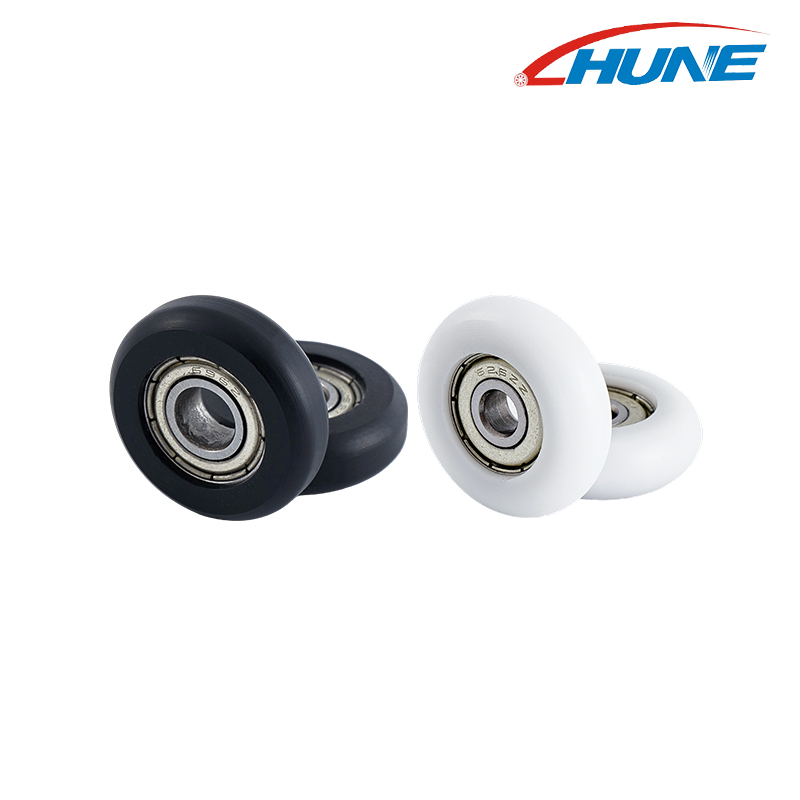
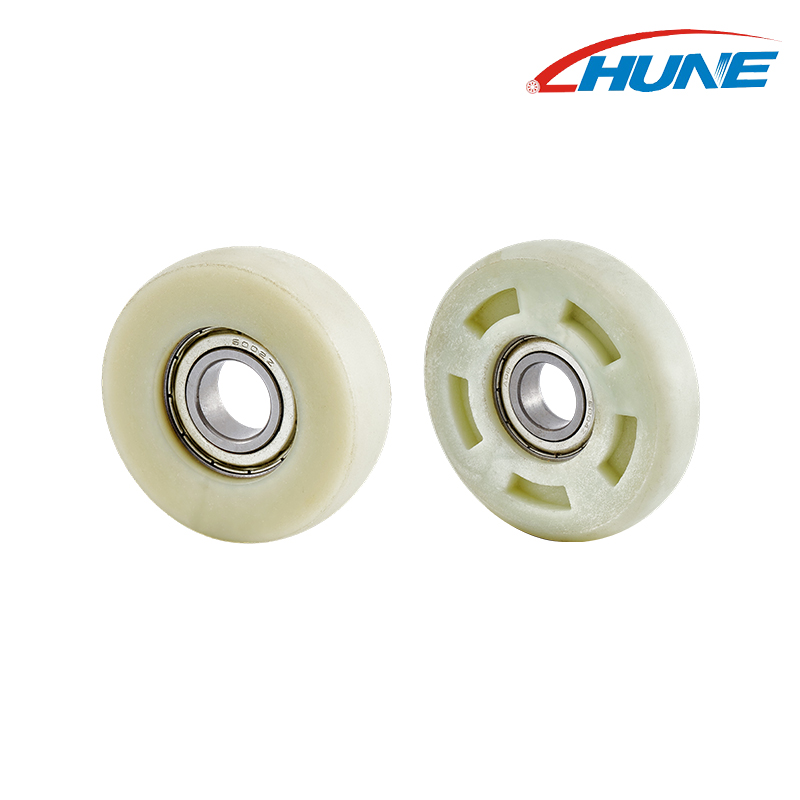
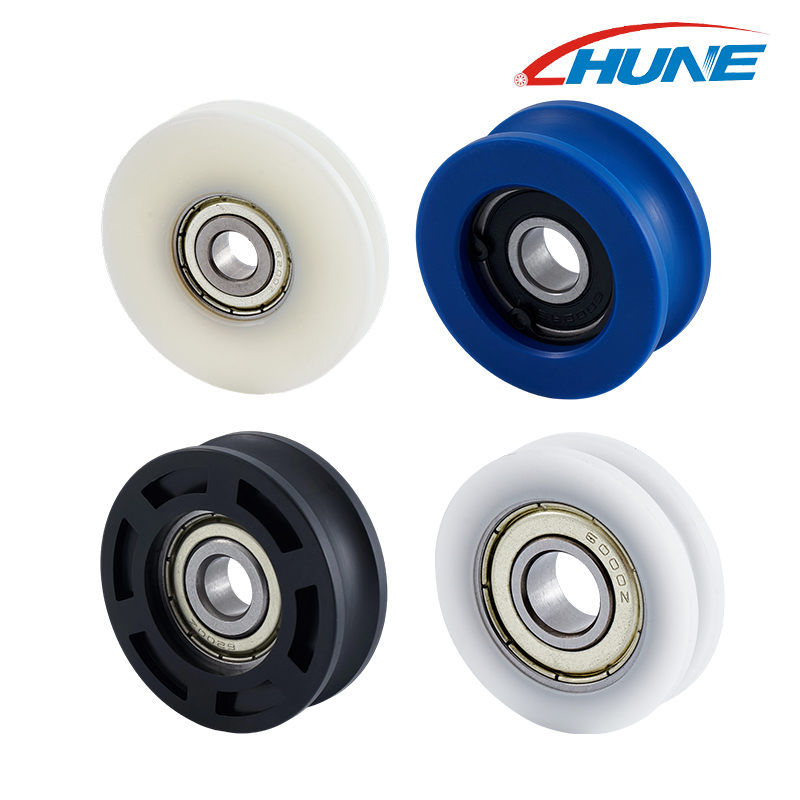
日本語Sliding shower doors are common in modern bathrooms because they save space and keep the layout simple. The movement looks effortless from the outside, but inside the track system, small components are doing all the repetitive work. Nylon Pulley Wheels are one of those parts that quietly carry the load every time the door moves.
When everything is new, the system feels smooth and light. The door opens without effort, closes without noise, and the motion feels predictable. That feeling is real, but it does not stay exactly the same forever. Over time, everyday conditions start to influence how the system behaves, even if nothing looks obviously broken.
What changes is usually not sudden. It is slow enough that most people only notice it after the difference becomes clear in daily use.
Why the door feels so smooth at the beginning
A newly installed shower door usually feels very easy to operate. The track is clean, the parts are aligned, and there is very little friction.
At this stage, movement usually feels like this:
- The door slides without resistance
- The sound level stays very low
- The motion feels steady from start to finish
- No uneven points are noticeable
This early condition often creates the impression that the system will always feel the same. In reality, this is just the "fresh state" before real usage begins to shape the experience.
What starts to change after regular daily use
Why does the sliding feel slightly different over time?
After weeks or months of use, small differences begin to appear. They are easy to miss at first because the door still works normally.
Common changes people notice include:
- Slight increase in effort when moving the door
- Small variations in smoothness along the track
- Occasional light sound during movement
- A less "light" feeling compared to before
These changes usually come from a mix of everyday factors. Moisture, cleaning residue, and fine dust slowly build up in areas that are not easy to see. Even a thin layer can affect how smoothly the wheel moves.
When sound becomes the first noticeable clue
Why does a quiet door start making noise?
A sliding shower door is expected to be quiet. So when sound appears, it usually gets attention quickly.
The sounds are often subtle at first:
- Light squeaking when opening or closing
- Small clicking at certain positions
- Slight friction noise during slow movement
- Irregular sound in one part of the track
These sounds do not always mean something is broken. In many cases, they are early signs that conditions inside the track have changed, such as buildup or slight alignment shifts.
Sound is often the first thing that reveals a change in the system.
Why the door feels heavier even when nothing looks wrong
What creates hidden resistance in sliding movement?
One common situation is when the door still looks fine but feels different during use. It may slide, but not as easily as before.
This feeling often comes from:
- Dust or residue inside the track
- Slight uneven pressure on the rolling parts
- Small shifts in alignment over time
- Natural wear on contact surfaces
These changes happen slowly. Because they are gradual, they are often accepted as "normal aging" rather than a specific issue.
How bathroom conditions slowly influence performance
Why moisture matters more than expected
Bathrooms are constantly exposed to humidity, water droplets, and cleaning products. Even when materials are suitable for this environment, long-term exposure still has an effect.
Over time, the following can build up:
- Thin residue from soap or shampoo
- Water marks that dry and leave minerals behind
- Fine particles mixing with moisture inside the track
- Slight surface stickiness in hidden areas
None of these appear suddenly, but together they slowly change how smoothly the system moves.
Installation differences that show up later
Why two similar doors can feel completely different
Two sliding doors may look identical, but still behave differently after some time. The reason is often hidden in installation details.
Small differences that matter:
- Whether the track is perfectly level
- How evenly the door weight is distributed
- Whether alignment is consistent across the full path
- How stable the fixing points are over time
At first, these differences may not be noticeable. After repeated use, however, they can affect wear patterns and movement quality.
Does usage frequency affect how fast changes appear?
Why some doors change faster than others
A door that is used frequently naturally goes through more movement cycles. More cycles mean more friction events over time.
Different usage levels include:
- Light use in guest bathrooms
- Regular use in family homes
- High-frequency use in shared living spaces
- Continuous use in commercial environments
The system is not failing faster in high-use spaces. It is simply going through its natural cycle more quickly because it is being used more often.
Small habits that quietly help maintain smoother movement
Is maintenance actually necessary if the door still works?
Many doors continue to function even when small issues are starting to develop. Because of this, maintenance is often delayed until movement feels clearly different.
Simple habits that help include:
- Keeping the track free from visible dust
- Wiping away moisture after heavy use
- Watching for early changes in movement feel
- Avoiding buildup in corners or hidden areas
These actions are simple, but they help reduce unnecessary friction over time.
When it makes sense to pay attention to the system
What early signs should not be ignored?
Certain changes usually appear before the system becomes difficult to use. These early signs often develop slowly.
Common indicators include:
- Slight increase in sliding resistance
- New or repeated noise during movement
- Uneven motion in certain sections of the track
- Door not feeling as balanced as before
- Small vibration during opening or closing
These signs often suggest that cleaning or adjustment may help improve performance again.
Why performance changes without visible damage
Is wear always something you can see?
Sliding systems rarely fail suddenly. More often, performance changes gradually due to small internal shifts.
This means:
- The door still functions normally
- Movement quality slowly changes over time
- Early signs appear before visible wear is obvious
Because the process is slow, it is often noticed only after the difference becomes clear in daily use.
What long-term use usually looks like in real life
How does sliding performance evolve over time?
In real environments, sliding systems usually follow a gradual pattern rather than sudden failure.
The typical progression looks like:
- Early stage: smooth and quiet movement
- Middle stage: slight resistance or sound changes
- Later stage: more noticeable friction or uneven sliding
- Extended stage: maintenance or replacement may be needed
This pattern is common because it reflects real usage conditions, not ideal test environments.
Why design differences matter more than expected
What makes some systems feel more stable?
Not all sliding doors are built in the same way. Structural design affects how load is distributed and how movement feels over time.
Common variations include:
- Framed or frameless construction
- Top-hung or bottom-supported systems
- Single-panel or multi-panel designs
Each structure changes how pressure is applied to the rolling parts, which influences long-term behavior.
Why early attention is more practical than late repair
Is it better to act early or wait?
Because sliding systems are partly hidden, issues are often noticed later than ideal. By that point, movement may already feel noticeably different.
Early attention helps:
- Keep daily movement smoother
- Reduce unexpected performance changes
- Limit unnecessary wear on components
- Support longer stable use
Small actions taken early usually prevent larger issues later.
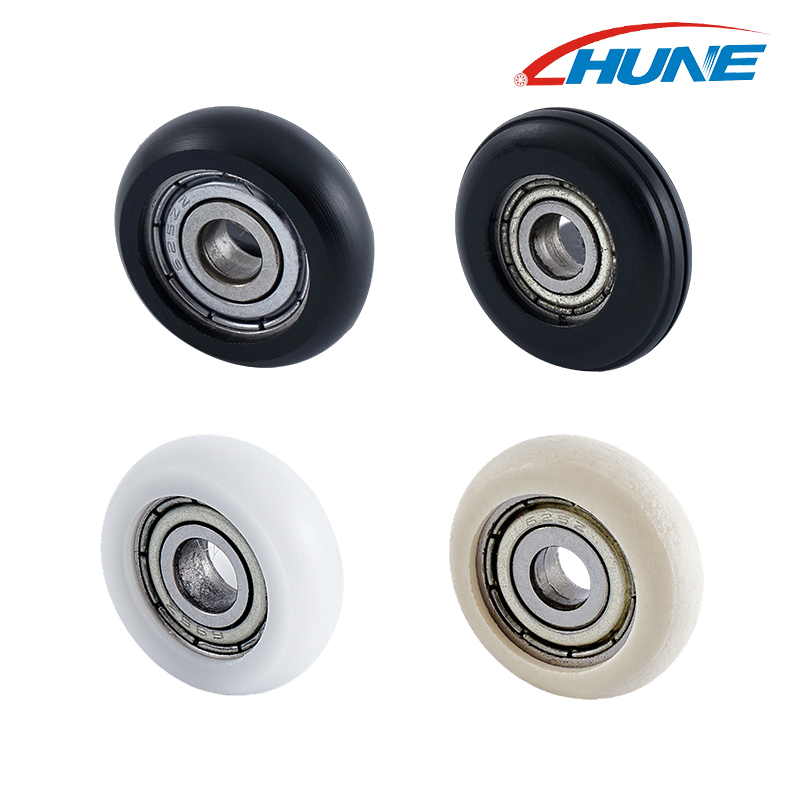
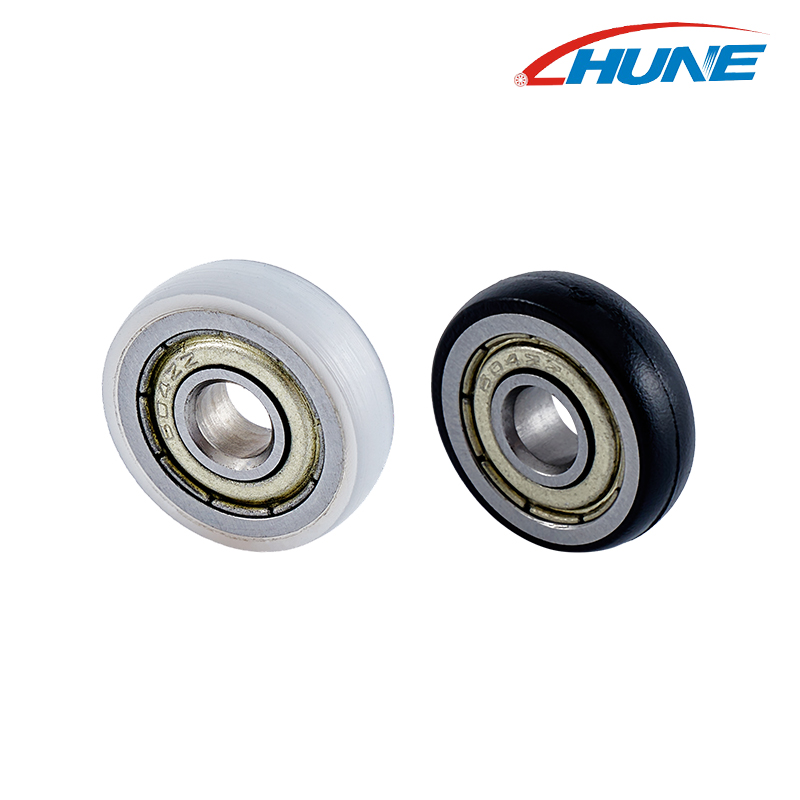
Nylon Pulley Wheels may look simple, but they play a constant role in how a shower door feels every day. Their performance is shaped by environment, usage habits, and installation accuracy.
In real conditions, changes happen slowly. Early signs like slight noise or mild resistance often appear long before any serious issue develops. Once these patterns are understood, it becomes easier to maintain stable performance without overthinking the system.
Most of the time, consistency does not come from complexity. It comes from small, regular attention and a basic understanding of how real-world conditions slowly affect movement over time.