


 English
 Español
 日本語
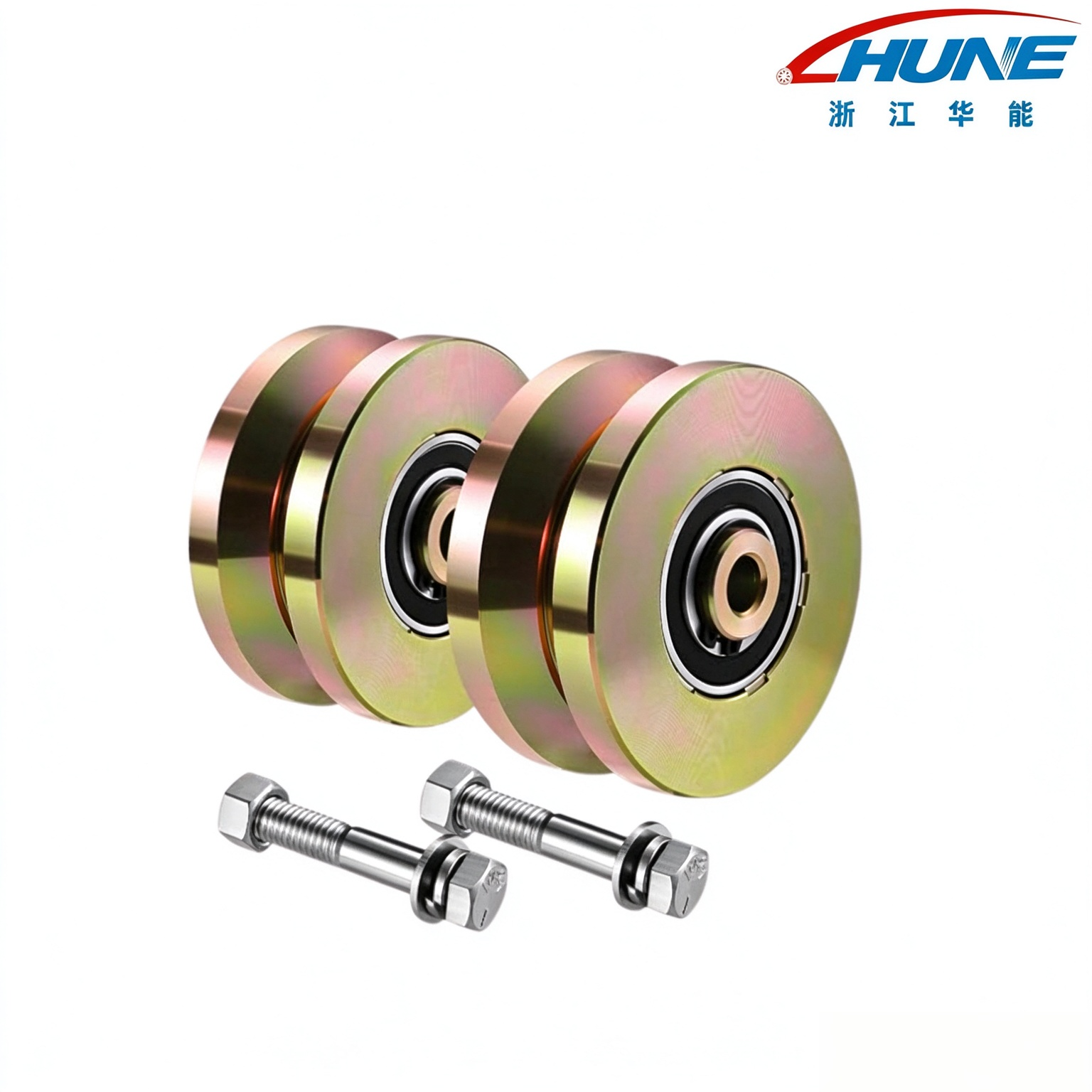
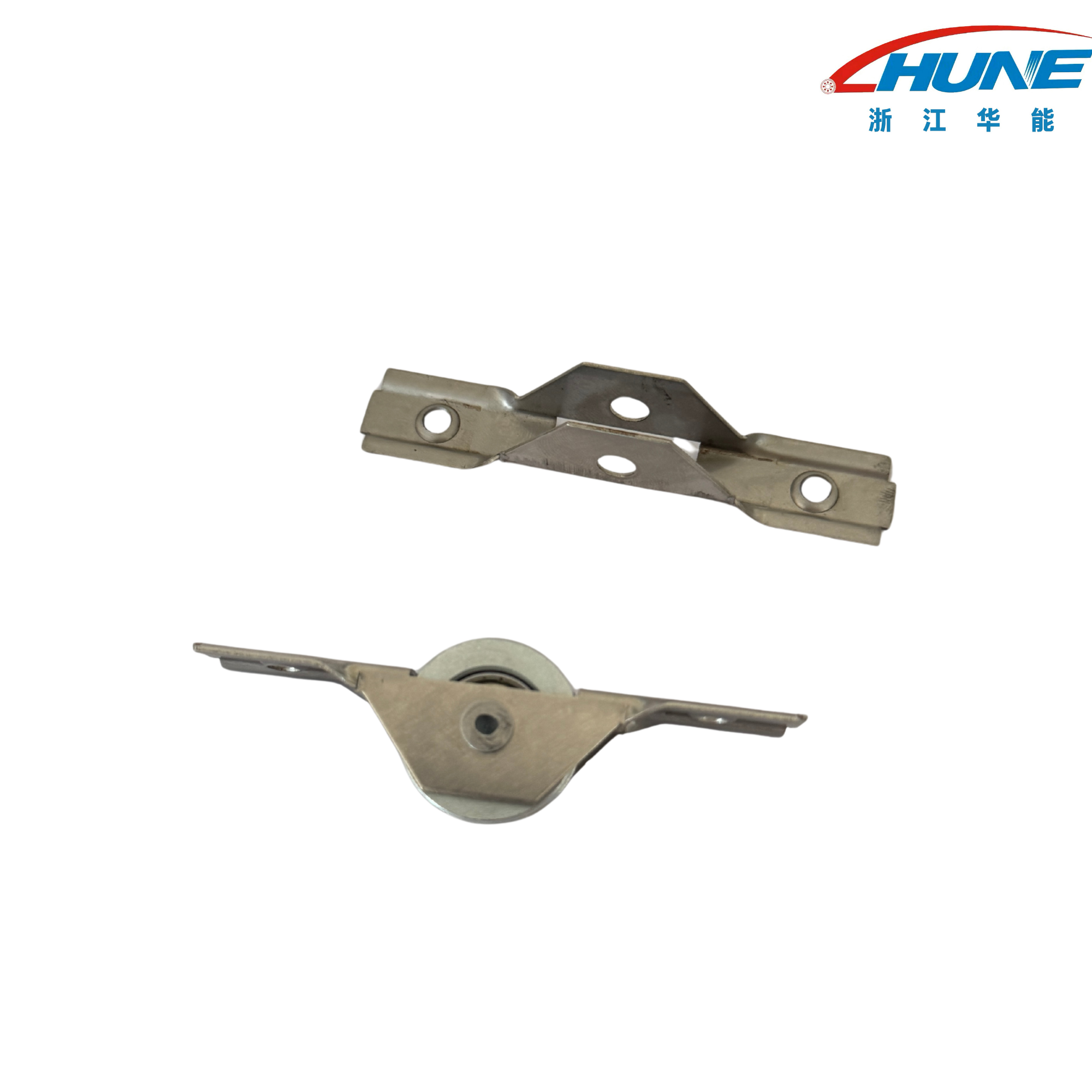
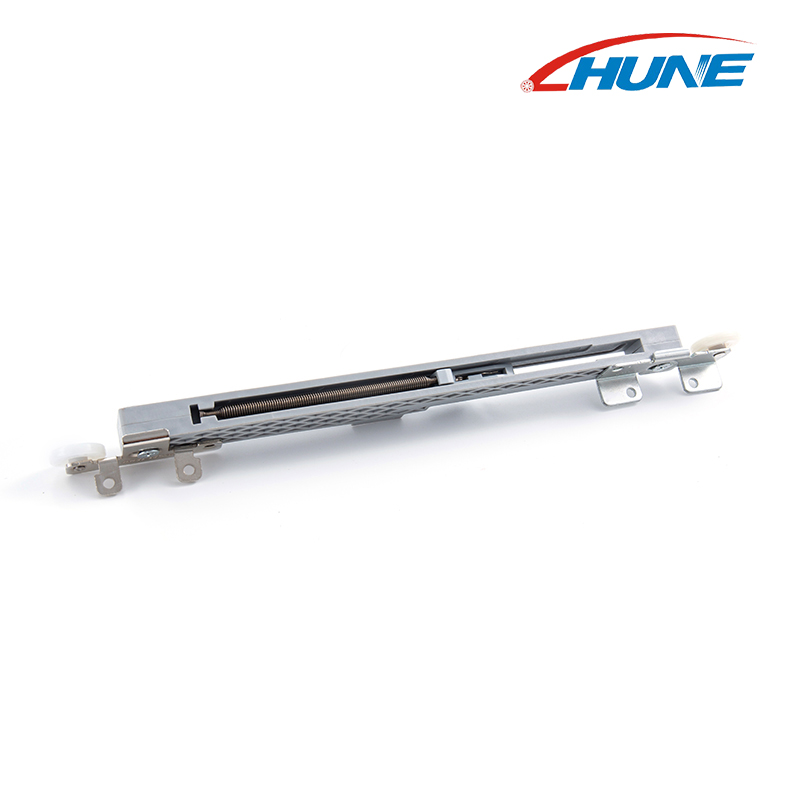
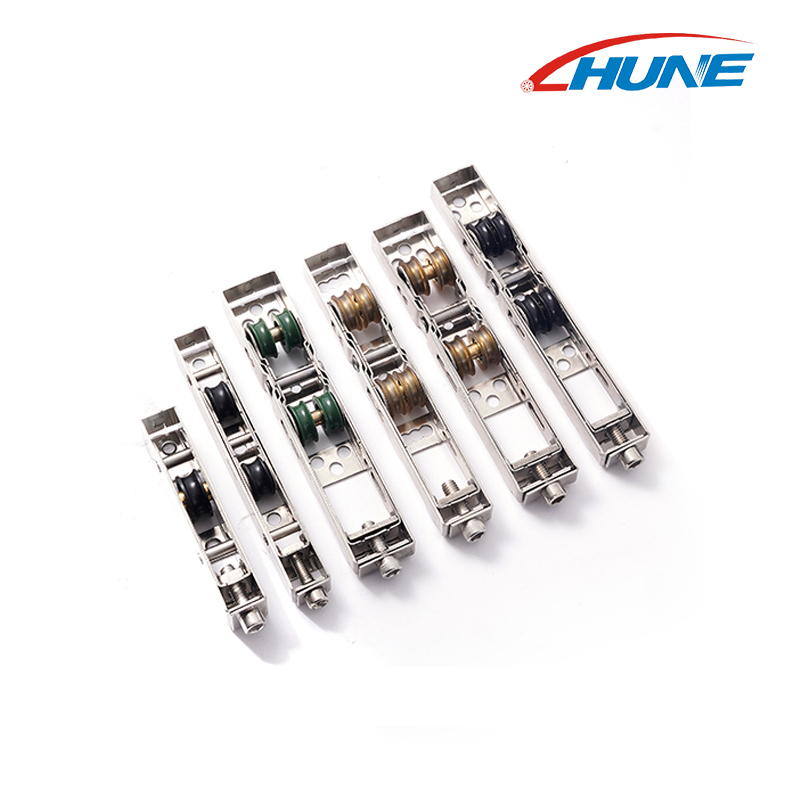
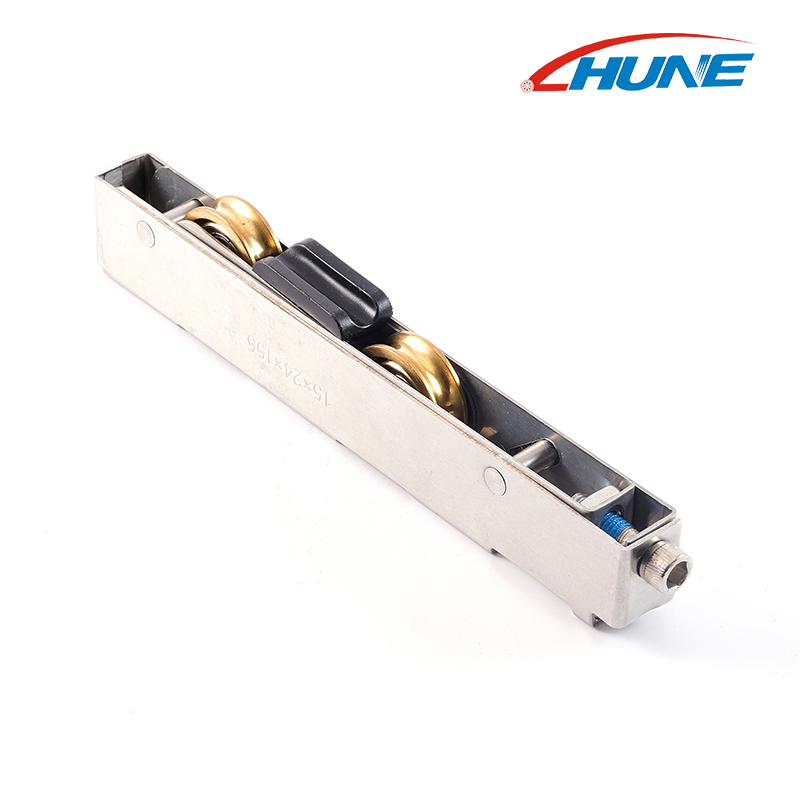
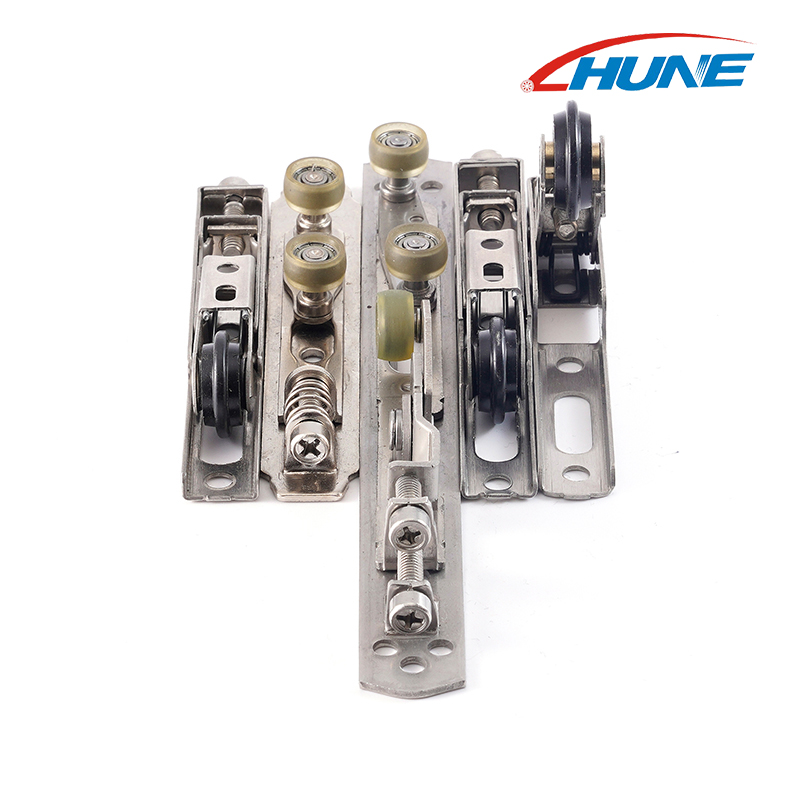
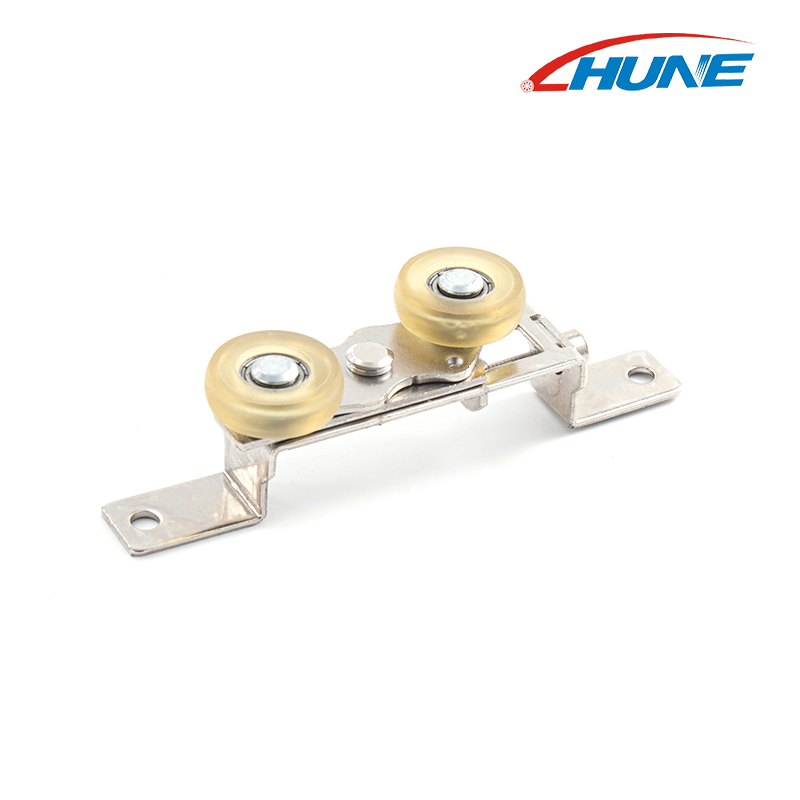
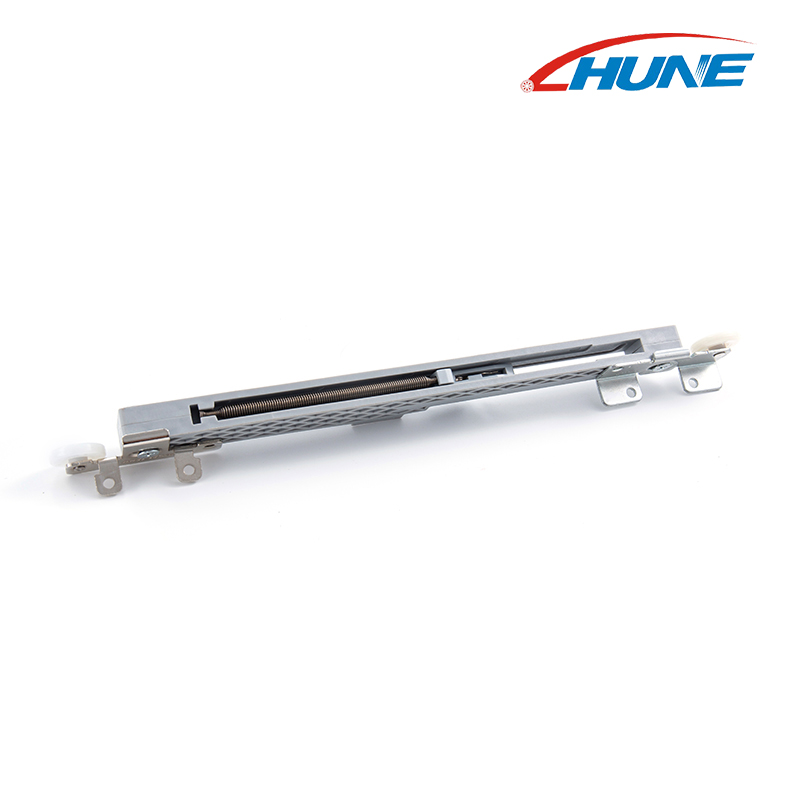


Stainless Steel Sliding Door&Window Rollers Industry Knowledge
A sliding door roller might look like a minor hardware detail, but it's actually the part that determines whether an entire sliding system feels smooth, holds up under weight, and lasts for years without trouble. Whether you're looking at a sliding glass door, an aluminum window, a patio door, a balcony door, a wardrobe door, or an interior partition, the roller assembly is doing the same essential job: carrying the panel's weight while letting it glide along the track with just the right amount of controlled friction.
In real-world use, this means a roller has to check several boxes at once — enough strength to handle the load, resistance to corrosion, smooth rotation, tight dimensional tolerances, and a good match with whatever track profile it's paired with. That's why the industry leans on a specific set of materials depending on the situation: 201 stainless steel, 304 stainless steel, 316 stainless steel, No. 45 carbon steel, nylon, POM, and bearing steel each get selected based on door weight, installation environment, noise tolerance, and how the system will actually be used day to day.
Huaneng designs and manufactures stainless steel pulley rollers along with custom sliding roller solutions across a range of door and window systems — from standard roller wheels and bearing-equipped rollers to adjustable assemblies, recessed rollers, and hardware built specifically to match a given track profile.
What Is Stainless Steel Sliding Door&Window Rollers?
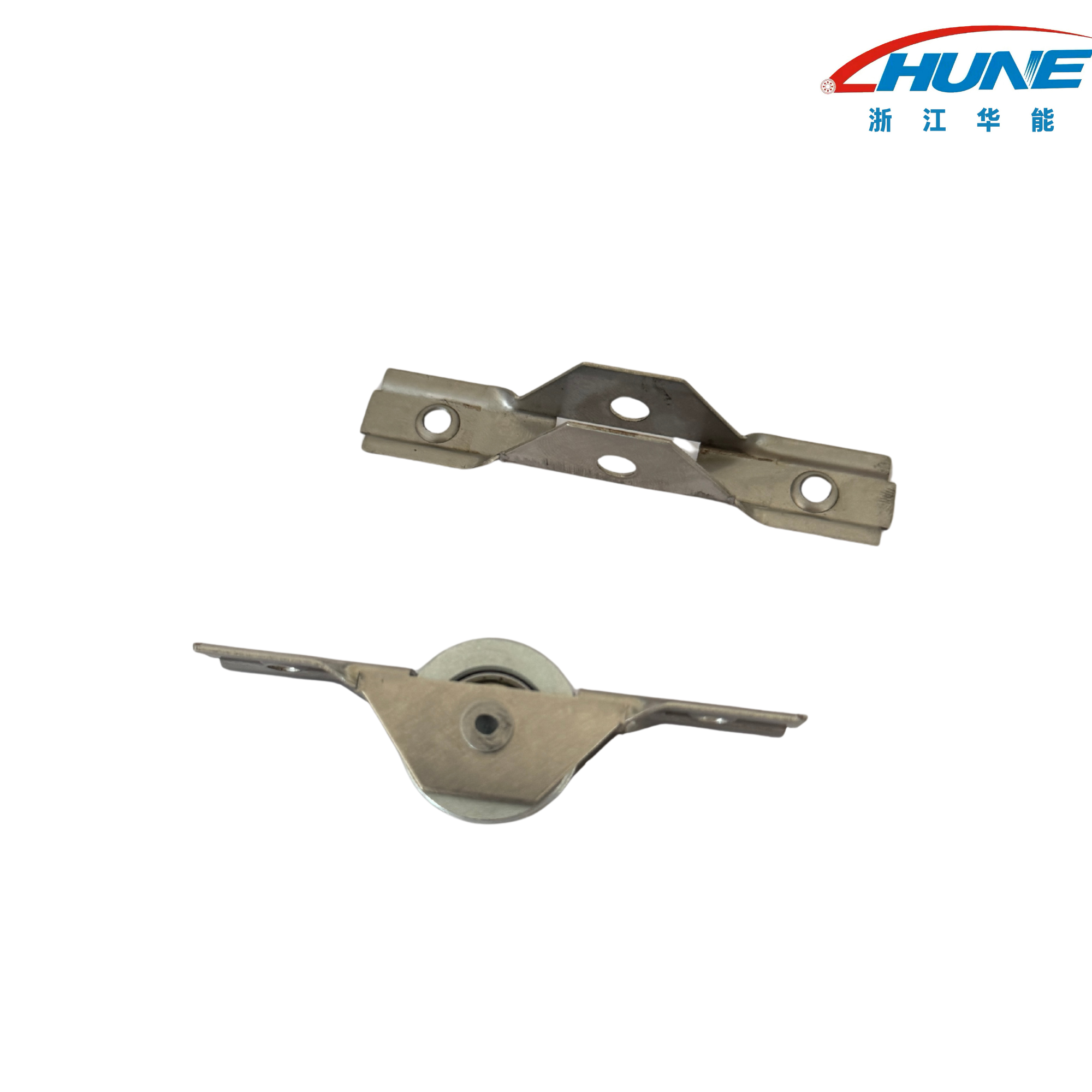
At its core, a stainless steel sliding door or window roller is simply a wheel or roller assembly mounted at the bottom, side, or top guide position of a sliding system. Its job is to cut down friction and keep movement controlled as the panel slides.
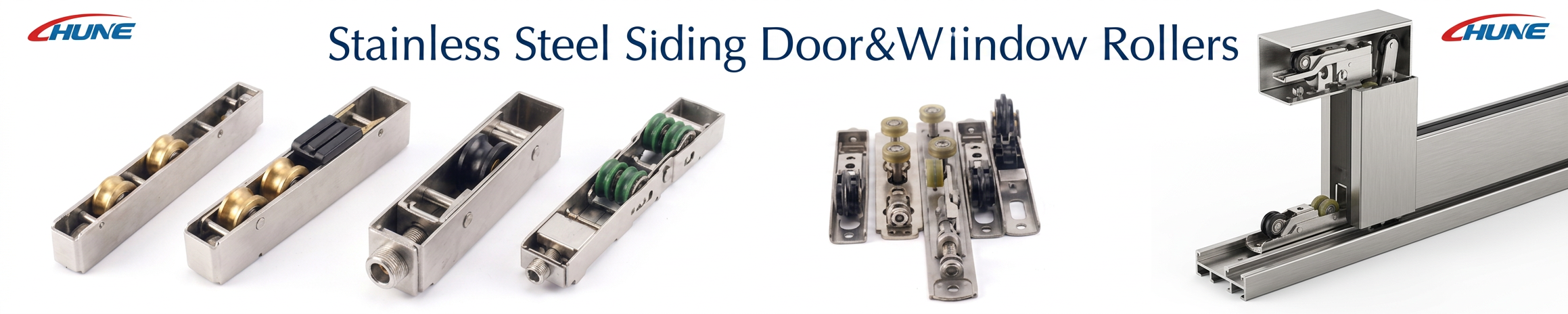
You'll find these components doing their work in places like:
- Sliding glass doors
- Sliding aluminum windows
- Patio doors
- Balcony doors
- Sliding wardrobe doors
- Sliding closet doors
- Wooden cabinet sliding doors
- Shower doors
- Furniture sliding panels
- Custom door and window systems
A typical roller setup usually brings together several parts working in tandem:
- Roller wheel
- Bearing
- Stainless steel housing or bracket
- Shaft or axle
- Mounting screws
- Adjustment structure
- Dust cover or sealing component
- Track-matching wheel profile
The concept behind a roller is straightforward — help the door or window move without a fight while still supporting the panel's weight. But things go sideways quickly when the wheel doesn't match the track properly, or when the load exceeds what the wheel was built to handle. That's usually when people start noticing noise, stiffness, or wear patterns that shouldn't be there.
Key Components of Sliding Door and Window Roller Systems
It's tempting to think of a roller assembly as "just a wheel," but that undersells how many parts are actually working together. Each component plays a role in movement quality, load handling, noise, corrosion resistance, and how stable the installation stays over time.
Roller Wheel
The wheel is the piece making direct contact with the track, and its diameter, groove shape, material, and surface finish all combine to determine how smoothly the panel actually moves.
Common wheel profiles you'll come across include:
- Flat wheel
- U-groove wheel
- V-groove wheel
- Concave wheel
- Convex wheel
- Custom track-matched profile
Getting the wheel profile right isn't just a nice-to-have — it cuts down on vibration, reduces track wear, and lowers the risk of the panel jumping off the rail.
Bearing
The bearing is what lets the wheel spin around its shaft with minimal resistance. Its quality has a direct bearing (no pun intended) on how smooth things feel, how much noise gets generated, how long the roller lasts, and how well it handles load.
Typical bearing setups include:
- Single bearing structure
- Dual bearing structure
- Sealed bearing
- Dustproof bearing
- Stainless steel bearing
- Bearing steel bearing
For sliding glass doors and windows especially, a well-built bearing structure can make the difference between a door that glides open effortlessly and one that feels like a chore every single time.
Stainless Steel Housing or Bracket
The housing or bracket is what physically ties the roller to the door or window frame. Stainless steel gets chosen here so often because it holds up structurally, resists rust, and keeps a clean look over time.
Bracket designs tend to fall into a few categories:
- Fixed mounting holes
- Adjustable screw structure
- Recessed installation shape
- Side-mounted structure
- Bottom-mounted structure
- Custom stamped housing
A sturdy housing isn't just about looks — it keeps everything aligned and stops the bracket from warping after months or years of repeated use.
Shaft or Axle
The shaft or axle is the backbone supporting both the wheel and the bearing. It needs to stand up to bending, friction, and corrosion without giving in. Depending on the environment and how much strength is actually required, manufacturers will choose between stainless steel or electroplated steel for this part.
Adjustment Structure
Plenty of sliding door and window rollers come with height adjustment screws built in, giving installers a way to fine-tune the panel's position once everything is mounted.
This kind of adjustment tends to come in handy for:
- Correcting panel tilt
- Improving track contact
- Reducing rubbing
- Compensating for small installation deviations
- Extending usable service time
Common Materials Used in Stainless Steel Roller Hardware
Not every roller material performs the same way, and that's by design — different door types, environments, and movement demands call for different trade-offs.
| Material | Main Characteristics | Typical Applications |
| 201 Stainless Steel | Solid strength with practical corrosion resistance for standard indoor conditions | Sliding glass doors, windows, furniture sliding systems |
| 304 Stainless Steel | Noticeably stronger corrosion resistance compared to 201 | Humid rooms, balcony doors, shower doors, general outdoor-protected areas |
| 316 Stainless Steel | Built to handle salt and chemical exposure better than other grades | Coastal areas, high-humidity environments, demanding exterior systems |
| No. 45 Carbon Steel | High strength and wear resistance once surface-treated | Heavy-duty rollers, pulley wheels, track rollers |
| Nylon | Lightweight and quieter in motion, keeps track noise down | Wardrobe doors, closet doors, light sliding panels |
| POM | Low friction, dimensionally stable, wears well over time | Precision sliding systems, furniture rollers, quiet-movement applications |
| Bearing Steel | High hardness paired with stable rotation performance | Bearings inside roller assemblies |
This kind of material range gives roller systems the flexibility to be tailored for almost anything — from a lightweight cabinet door all the way up to a heavier sliding glass panel.
Understanding 201 Stainless Steel Sliding Door&Window Roller Wheels
201 stainless steel roller wheels show up constantly in residential and commercial sliding systems, mainly because they hit a sweet spot between strength, appearance, and reasonable corrosion resistance without pushing costs too high.
The alloy itself contains chromium and manganese, with less nickel than you'd find in some other stainless grades. That composition still gives it solid mechanical strength and a finish that holds up well in most indoor and semi-protected settings.
Key Characteristics of 201 Stainless Steel Rollers
- Good structural strength for standard sliding systems
- Suitable wear resistance for everyday door and window movement
- Practical corrosion resistance under normal indoor conditions
- Works well with glass, aluminum, wood, and metal frame systems
- A cost-conscious choice for projects involving multiple doors
- Clean metallic appearance that suits modern sliding hardware
You'll see 201 stainless steel used heavily in sliding glass doors, aluminum window rollers, furniture sliding systems, and interior partition doors. That said, for coastal locations, shower environments, or anywhere with long-term moisture exposure, stepping up to 304 or 316 stainless steel is generally the smarter move.
How Stainless Steel Rollers Improve Sliding Performance
Every sliding door and window system runs on controlled rolling contact, and a well-designed roller is what keeps friction between the panel and the track in check.
Smooth Movement
Pair a stainless steel roller with a solid bearing structure, and the panel ends up moving with far less resistance — which just means less effort every time someone opens or closes it.
Lower Noise
Noise problems usually trace back to a handful of culprits: rough bearings, poor track matching, a deformed wheel, or debris that's snuck into the track. A well-machined wheel paired with a stable bearing goes a long way toward cutting out that rattling or grinding sound.
Reduced Track Wear
When the wheel profile actually matches the track, pressure spreads out more evenly across the contact surface. That even distribution is what keeps wear from concentrating in one spot on either the wheel or the track itself.
Stable Panel Alignment
Roller assemblies help keep the panel balanced throughout its range of motion, and adjustable rollers are particularly useful when you need to correct a panel that's sitting too high, too low, or slightly tilted.
Longer System Service Life
Get the material, bearing, axle, and track all working together correctly, and the sliding system tends to run for a long stretch without throwing up movement problems.
Applications of Stainless Steel Sliding Door&Window Rollers
Stainless steel sliding door and window rollers turn up across residential, commercial, architectural, and furniture hardware applications — basically anywhere something needs to slide.
Sliding Glass Doors
Sliding glass doors put real demands on rollers, since they need to support panel weight while still moving smoothly. Stainless steel roller assemblies are a common choice for patio doors, balcony doors, and interior glass partitions.
Selection focus:
- Load capacity
- Bearing smoothness
- Corrosion resistance
- Track compatibility
- Noise control
Sliding Aluminum Windows
Aluminum sliding windows need compact rollers that can fit inside narrow frame profiles. Stainless steel window rollers help the sash slide smoothly while standing up to the humidity and condensation that come with typical window use.
Selection focus:
- Small installation size
- Smooth wheel rotation
- Rust resistance
- Accurate dimensional tolerance
Patio Doors
Patio doors sit right at the boundary between indoor and outdoor spaces, so their rollers deal with dust, moisture, and shifting temperatures more than most. Stainless steel rollers hold up well under that kind of repeated exposure and use.
Selection focus:
- Corrosion resistance
- Wheel durability
- Easy adjustment
- Track cleaning access
Balcony Doors
Balcony sliding doors need roller assemblies capable of carrying glass or aluminum panels while shrugging off the occasional moisture exposure that comes with being near an open-air space.
Selection focus:
- Stainless steel material grade
- Bearing protection
- Track alignment
- Anti-rust finish
Sliding Wardrobe Doors
Wardrobe doors are often expected to move quietly and smoothly, so it's common to see stainless steel paired with nylon or POM wheels, depending on the specific track and how heavy the door is.
Selection focus:
- Low noise
- Compact structure
- Smooth sliding feel
- Furniture track compatibility
Sliding Closet Doors
Closet door systems can involve wooden, mirrored, or framed panels, so roller selection really comes down to matching panel weight with available installation space.
Selection focus:
- Roller height
- Adjustable structure
- Stable mounting bracket
- Quiet movement
Wooden Cabinet Sliding Doors
Cabinet doors call for small rollers that move smoothly with minimal friction. Stainless steel brackets combined with nylon or POM wheels help keep furniture applications quiet.
Selection focus:
- Small wheel diameter
- Track fit
- Low-friction movement
- Hidden or recessed structure
Shower Doors
Shower door rollers face constant exposure to water and humidity, which is exactly why 304 or 316 stainless steel tends to be the go-to choice for these environments.
Selection focus:
- Moisture resistance
- Bearing sealing
- Surface finish
- Smooth rotation after water exposure
Furniture Sliding Panels
Furniture sliding panels usually need compact rollers that can handle frequent movement without drawing attention to themselves. Custom wheel profiles and recessed structures work well in this kind of design.
Selection focus:
- Concealed installation
- Quiet operation
- Lightweight movement
- Custom dimensions
Custom Door and Window Systems
Some sliding systems just don't fit standard hardware — they need special wheel profiles, unique bracket structures, specific material combinations, or custom adjustment mechanisms.
Selection focus:
- Drawing-based design
- Track-matched wheel groove
- Load requirement
- Surface treatment
- Mold development
How to Select the Right Sliding Door or Window Roller
Picking the right roller takes more than eyeballing a size chart — it means actually understanding how the whole door or window system works together.
Door or Window Weight
Heavier panels need stronger wheels, bigger bearings, and shafts built to handle the extra load. Sliding glass doors, for instance, typically demand more load support than a small cabinet door ever would.
Track Profile
The wheel has to match the shape of the track it's riding on. Get this wrong, and you're looking at noise, unstable sliding, uneven wear, or worse — the panel derailing entirely.
Wheel Diameter
Bigger wheels generally roll over track imperfections more easily, while smaller wheels make sense when installation space is tight.
Wheel Material
Stainless steel, carbon steel, nylon, and POM each bring different strengths to the table. The right choice depends on load, noise tolerance, and the environment the roller will live in.
Bearing Structure
Bearings shape both smoothness and longevity. Sealed bearings, in particular, can offer real protection against dust and moisture in the right applications.
Corrosion Resistance
201 stainless steel usually covers indoor systems just fine. But humid or exposed environments call for stepping up to 304 or 316 stainless steel instead.
Noise Requirement
Quiet sliding systems depend on a combination of bearing quality, wheel material, and track condition. Nylon and POM wheels in particular help cut down contact noise in furniture applications.
Installation Space
The roller needs to physically fit the frame, bottom channel, or side housing it's going into. Recessed rollers especially demand tight dimensional control.
Adjustment Function
Adjustable rollers earn their keep by correcting installation tolerances and fixing panel alignment after the fact.
Operating Environment
Moisture, dust, salt air, temperature swings, and how often the door gets used all deserve consideration before locking in a roller structure.
Why Stainless Steel Matters in Sliding Roller Systems
Stainless steel keeps showing up in roller systems for a good reason — it strikes a practical balance between mechanical strength, surface stability, and corrosion resistance that's hard to beat.
Main Advantages of Stainless Steel
- Resists rust far better than untreated carbon steel
- Keeps a clean appearance in hardware that's meant to be visible
- Provides strong support for brackets and housings
- Works across many door and window frame materials
- Suits glass, aluminum, wood, and composite panel systems alike
- Comes in different grades tailored to different environments
201 Stainless Steel
201 stainless steel fits well with most indoor sliding doors and windows, delivering standard corrosion resistance alongside solid strength.
304 Stainless Steel
304 stainless steel steps in when stronger corrosion resistance becomes necessary — think humid rooms, balcony areas, or higher-grade door hardware overall.
316 Stainless Steel
316 stainless steel is the pick for coastal environments or anywhere dealing with heavier salt and moisture exposure.
Choosing the right grade isn't about defaulting to the "strongest" option every time — it's about matching the roller to the environment it'll actually operate in, without over-specifying or under-specifying the hardware.
Customization Options for Sliding Door and Window Rollers
Sliding door and window systems rarely look identical from one project to the next — frame design, track shape, panel weight, and installation method all vary. That's exactly why custom roller development matters for getting fit and movement right.
Hunepulley develops stainless steel pulley rollers and custom sliding roller solutions based on drawings, samples, track structures, or specific application requirements.
Customizable Items
- Roller diameter
- Wheel width
- Wheel groove profile
- Housing material
- Bracket shape
- Bearing type
- Shaft diameter
- Mounting hole position
- Adjustment screw structure
- Surface finish
- Load capacity requirement
- Noise reduction design
- Dustproof structure
- Mold development
Custom roller assemblies get put to work in sliding glass doors, aluminum windows, furniture doors, wardrobe systems, shower doors, and specialized architectural hardware alike.
FAQ About Stainless Steel Sliding Door&Window Rollers
What are stainless steel sliding door and window rollers used for?
They support and guide sliding doors and windows along a track. You'll typically find them in sliding glass doors, aluminum windows, patio doors, wardrobe doors, shower doors, and furniture sliding panels.
What is the difference between 201 and 304 stainless steel rollers?
201 stainless steel offers good strength with practical corrosion resistance suited to standard indoor use. 304 stainless steel steps that up with stronger corrosion resistance, making it a better fit for humid or semi-exposed environments.
Can stainless steel rollers be used in humid environments?
Yes — stainless steel rollers handle humid environments well. For higher moisture exposure specifically, 304 or 316 stainless steel is usually the better call over 201.
How do bearing types affect roller performance?
Bearings influence smoothness, noise, load support, and overall service life. Better-quality bearings cut down on friction and help the door or window move more consistently over time.
Can sliding door rollers be customized for different tracks?
Absolutely. Roller diameter, groove profile, bracket shape, shaft size, bearing type, and mounting position can all be adjusted to match different track systems.
What causes sliding door rollers to become noisy or difficult to move?
Usual suspects include track debris, worn bearings, mismatched wheel profiles, poor alignment, wheel deformation, skipped maintenance, or corrosion setting into the moving parts.
Are nylon or POM wheels suitable for sliding doors?
They're a strong fit wherever quieter movement and lower friction matter — commonly seen in furniture doors, wardrobe doors, and light-to-medium sliding systems.
Why is track matching important for sliding rollers?
Because it's what ensures the wheel actually makes proper contact with the rail. Get the match right, and you cut down on vibration, noise, uneven wear, and the risk of derailment.
Stainless steel sliding door and window rollers might be small components, but they carry outsized importance across sliding glass doors, aluminum windows, patio doors, balcony doors, wardrobe doors, closet doors, shower doors, cabinet doors, and custom sliding systems alike. How well they perform ultimately comes down to material selection, bearing structure, wheel profile, bracket strength, dimensional accuracy, and how well they match the track.
201 stainless steel rollers cover plenty of standard indoor and semi-protected applications, while 304 and 316 stainless steel step in for environments demanding stronger corrosion resistance. Nylon, POM, No. 45 carbon steel, and bearing steel round out the material options, each suited to different combinations of load, noise, and movement requirements.
Hunepulley provides stainless steel pulley rollers and custom sliding roller solutions across a wide range of door and window systems, helping sliding hardware deliver smoother movement, stable support, and dependable long-term performance.