


 English
 Español
 日本語
日本語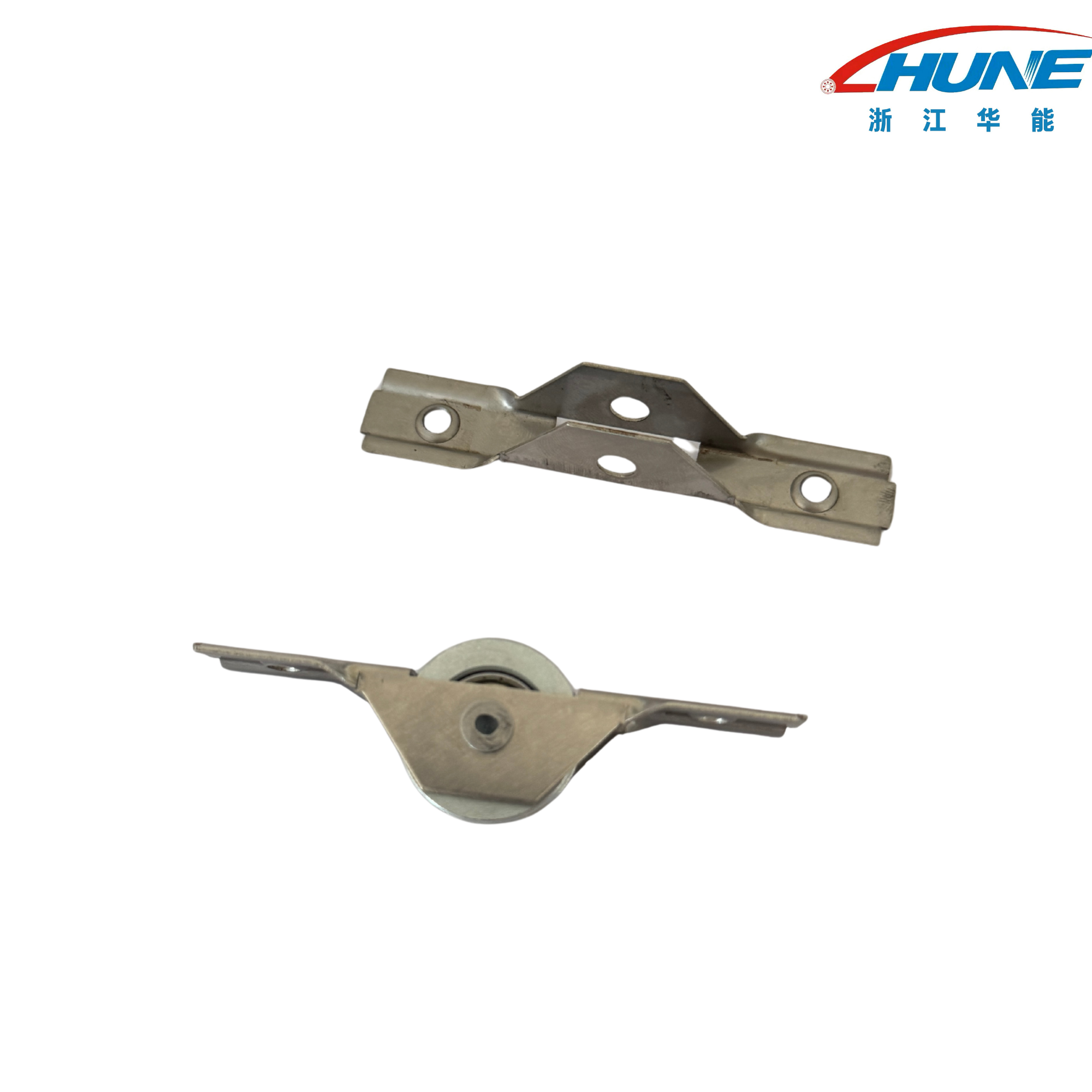
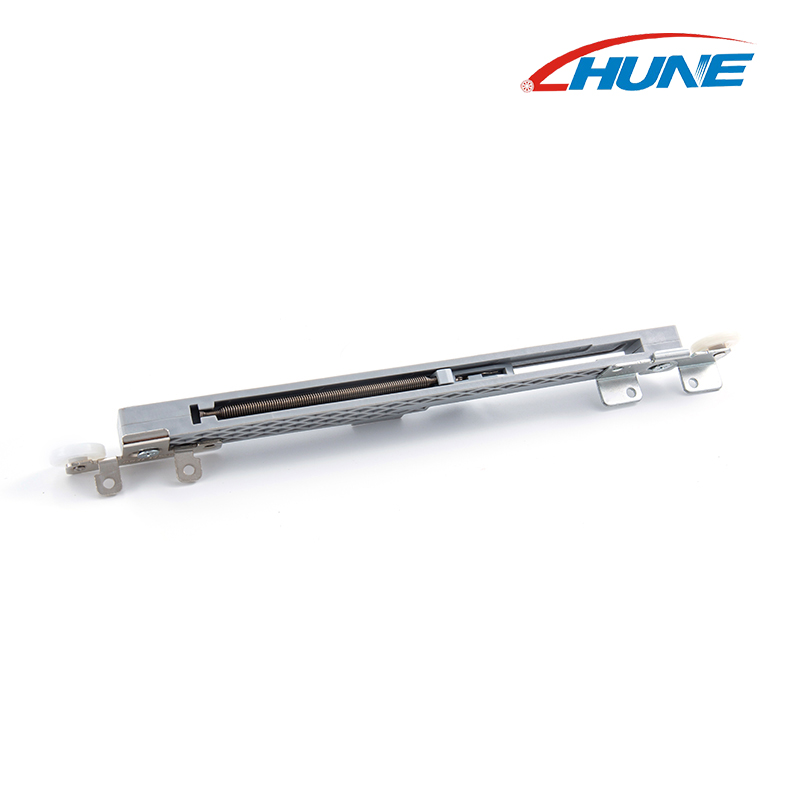
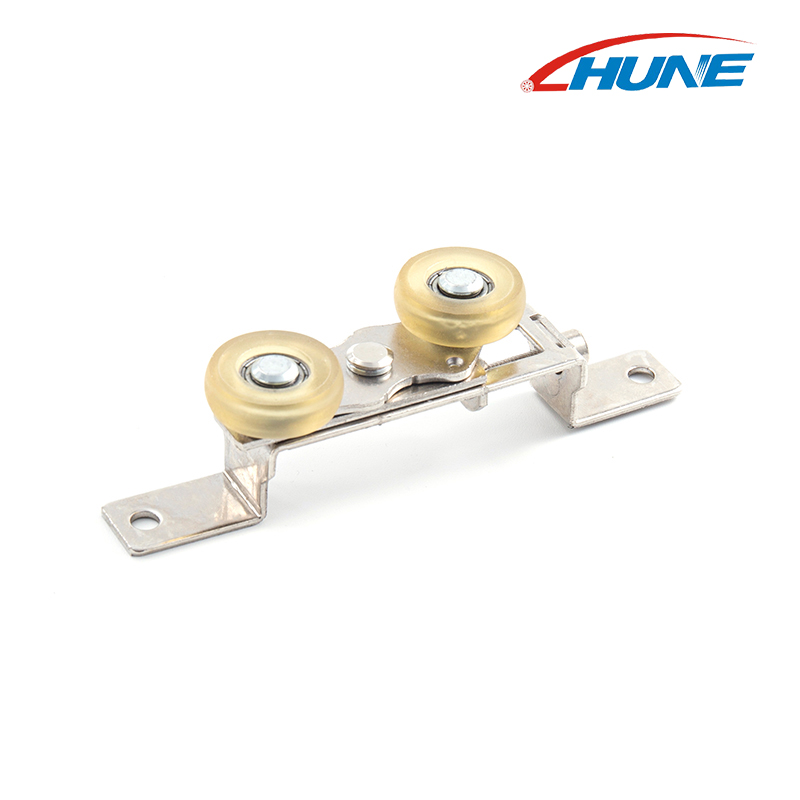
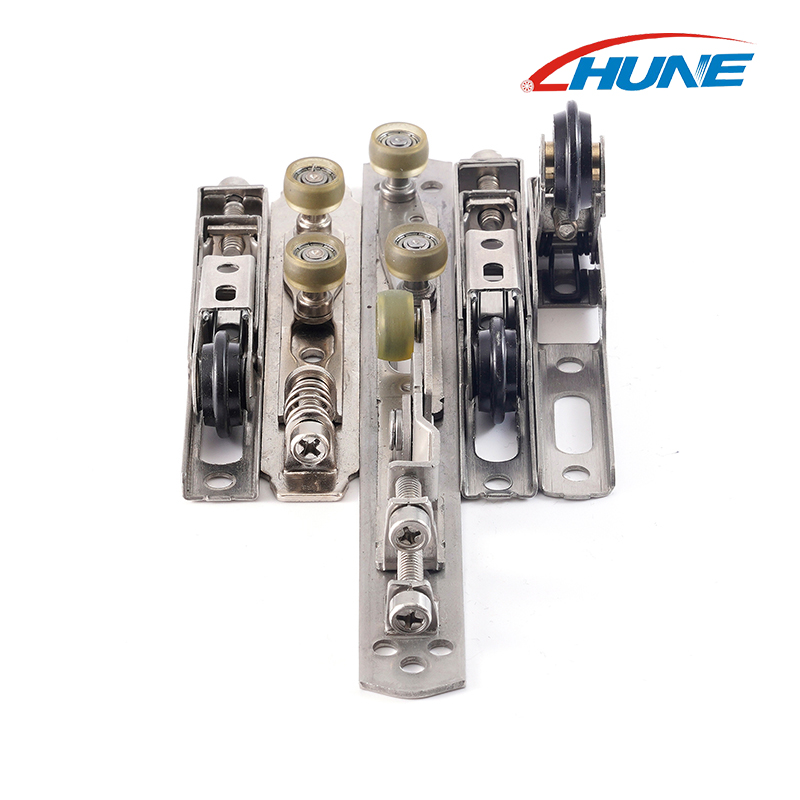
Over the past few years, we have diligently pursued higher standards to enhance our product quality, aiming to deliver increased convenience and a better user experience.
Product Categories
Hot Products
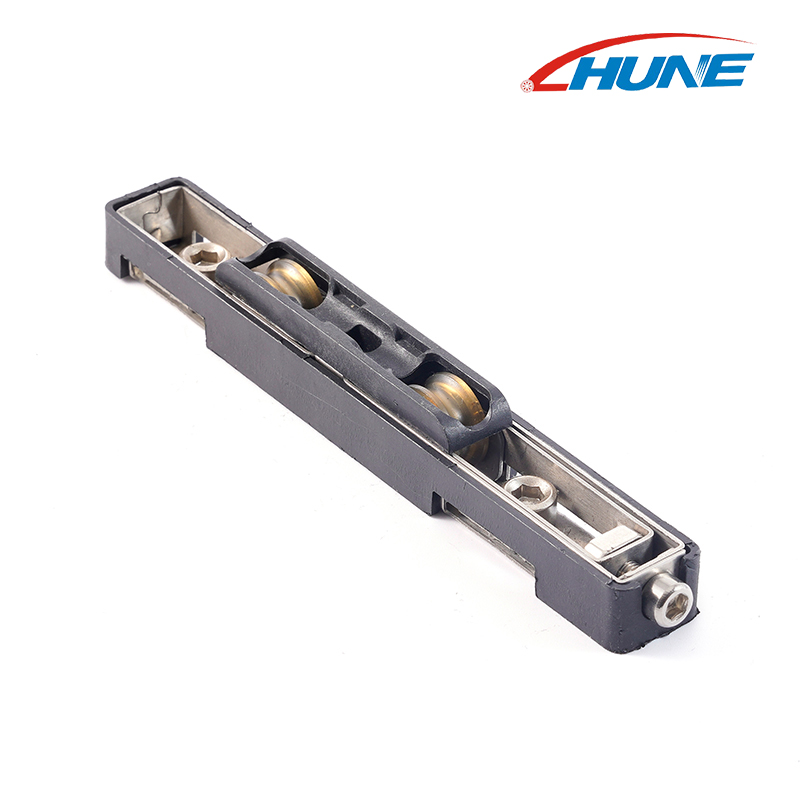
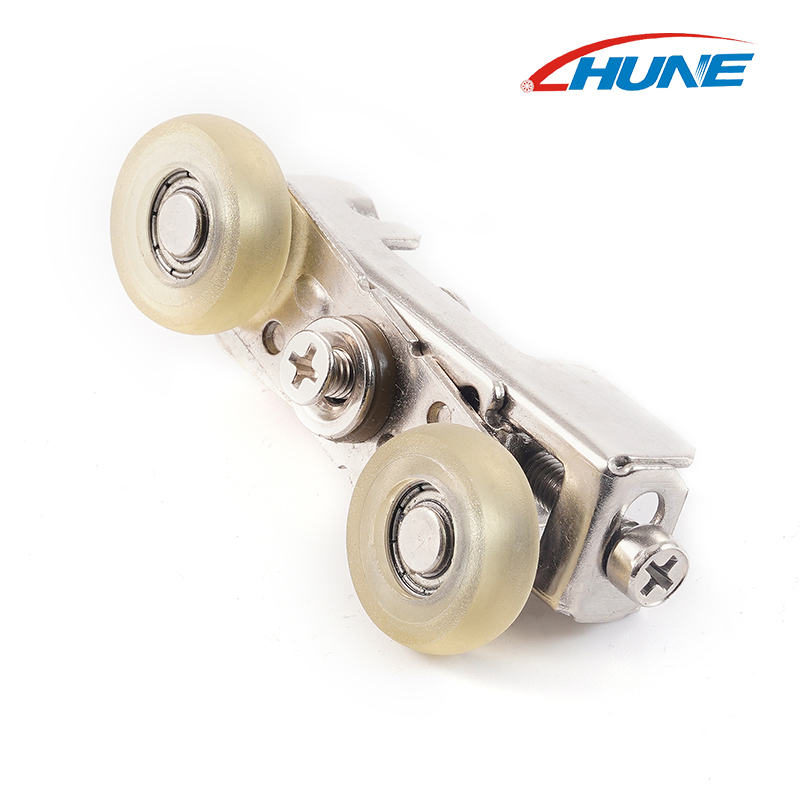

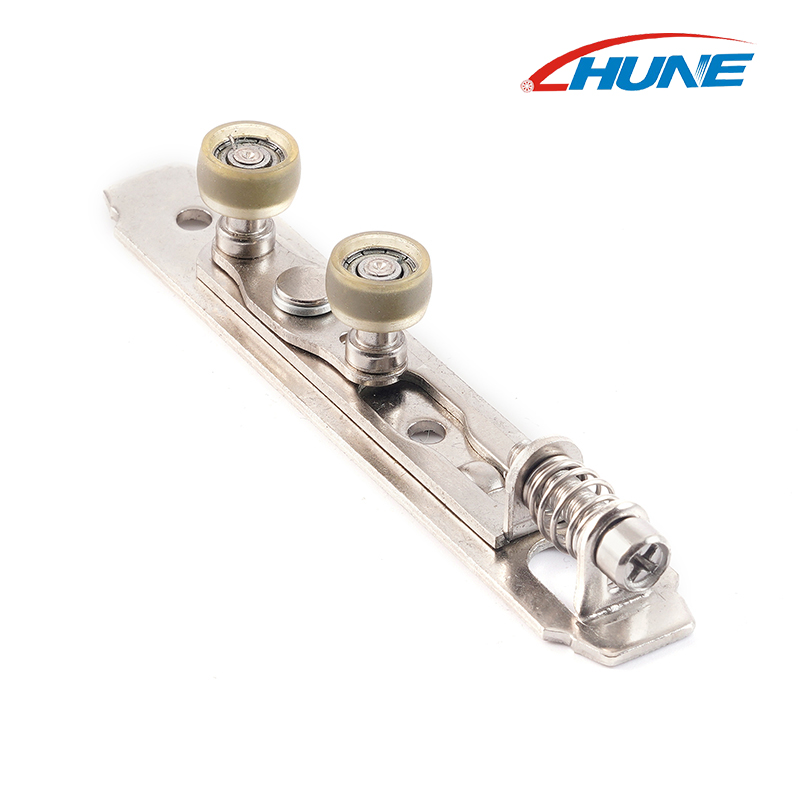

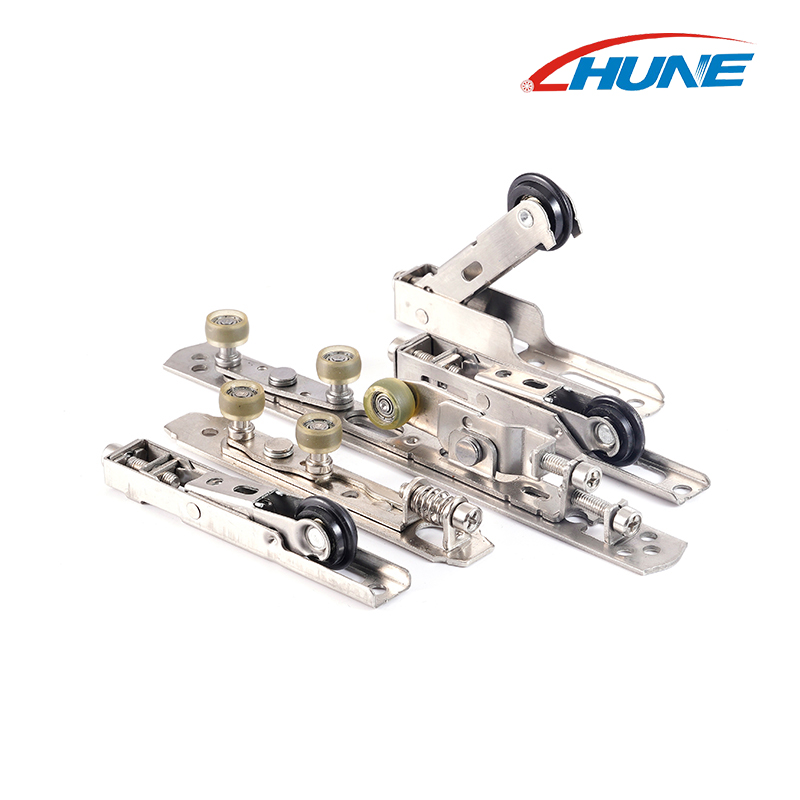
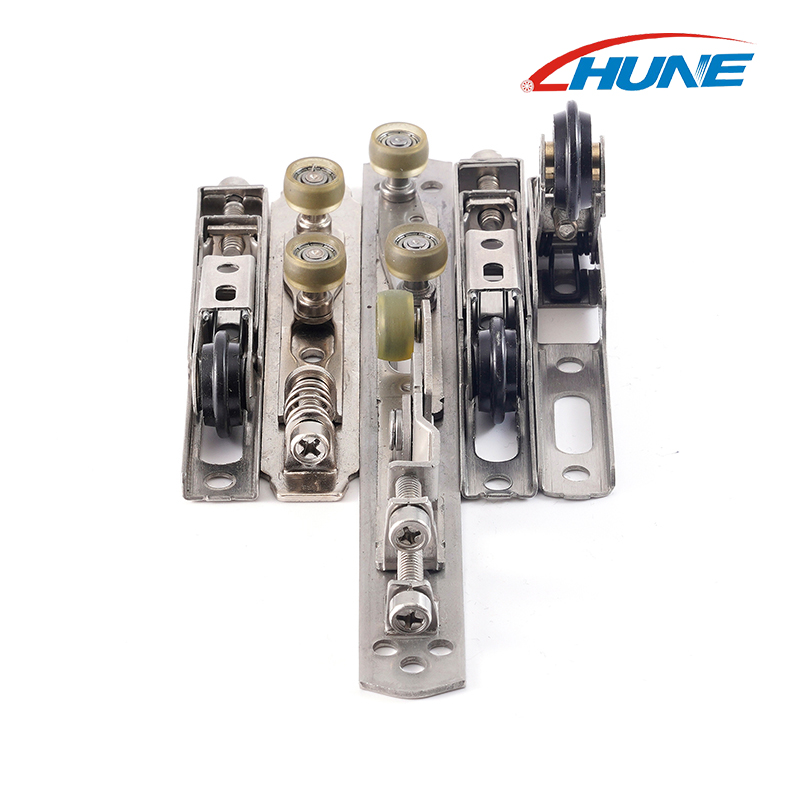
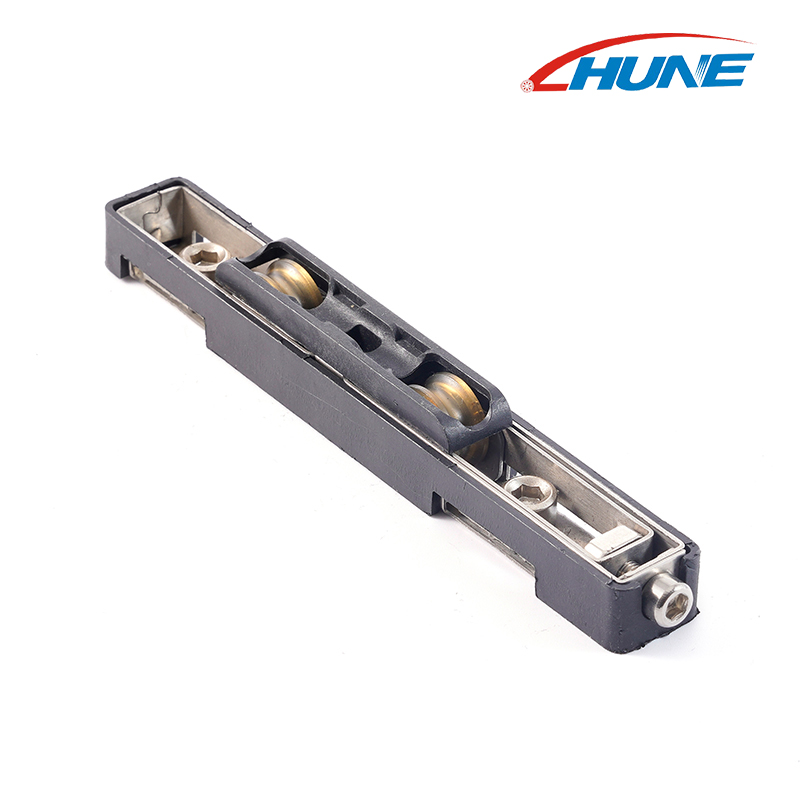
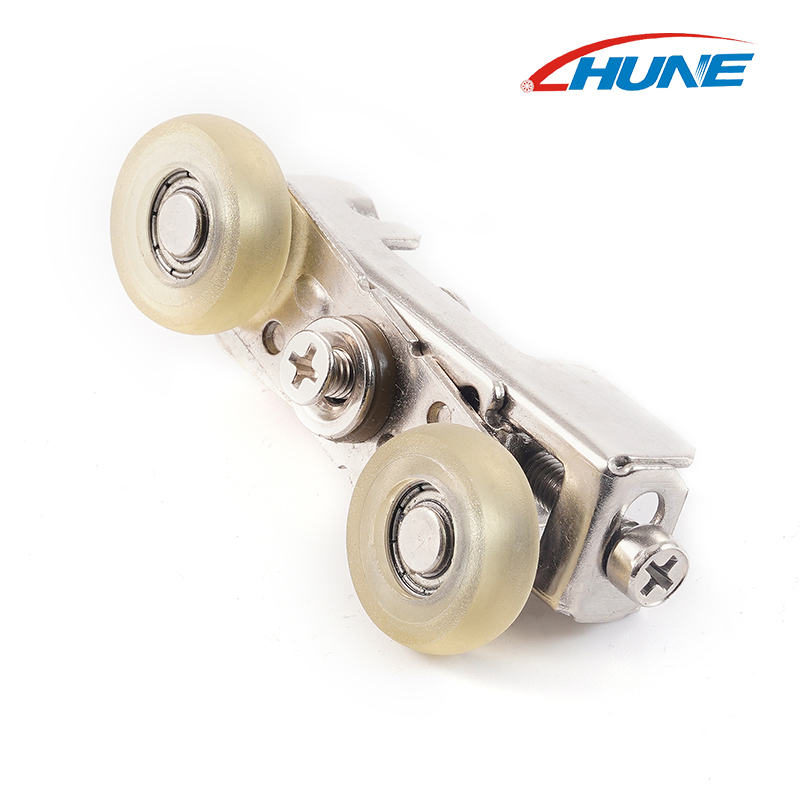

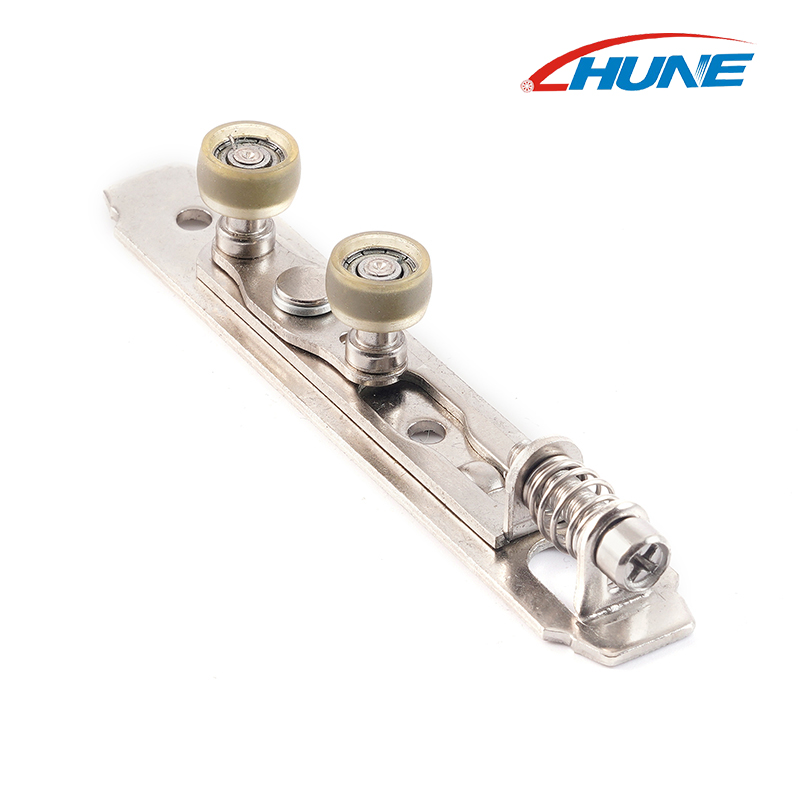

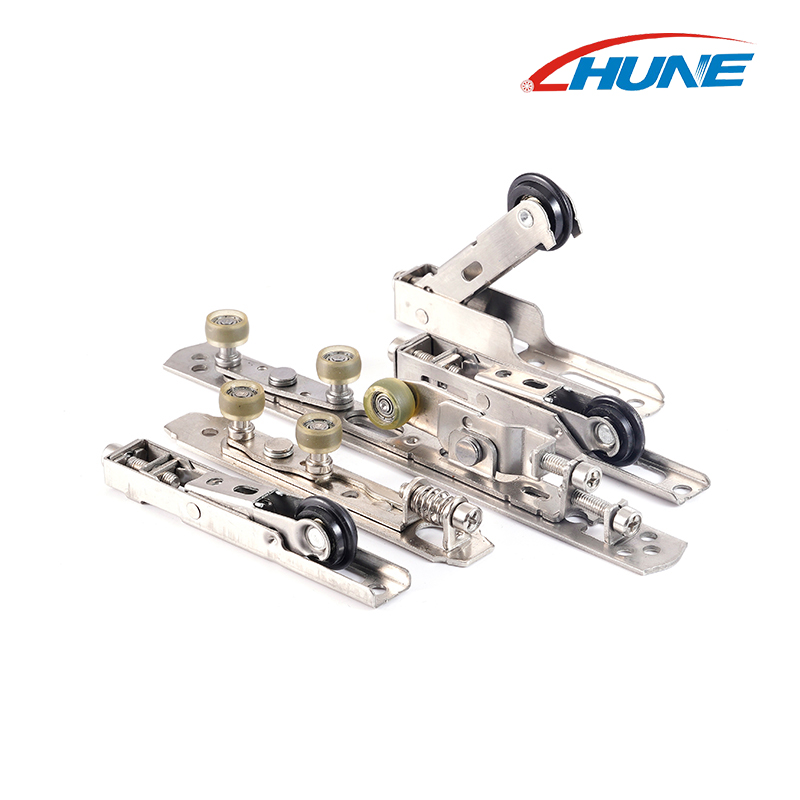
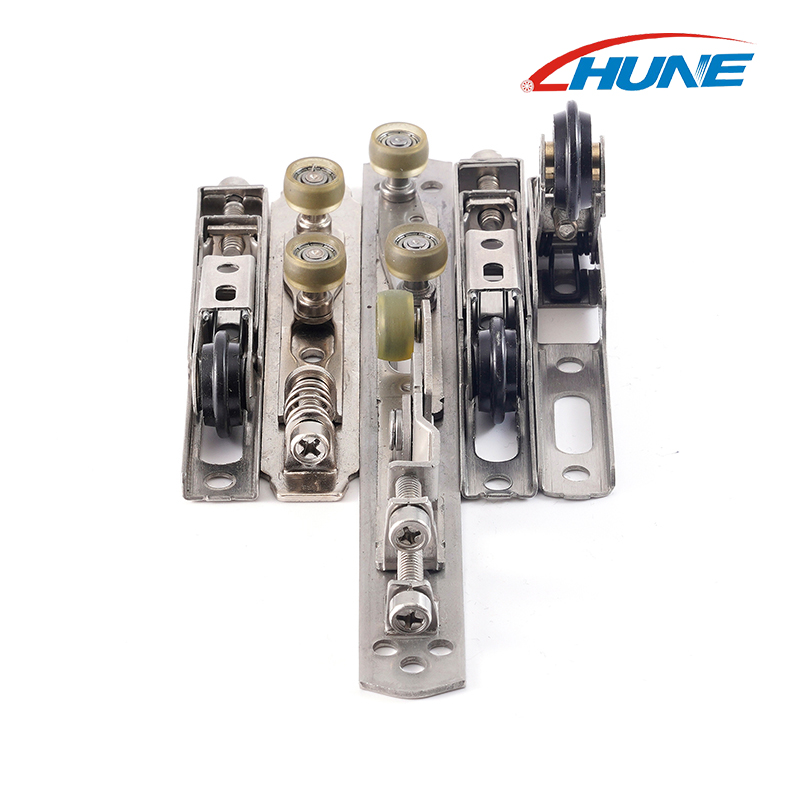
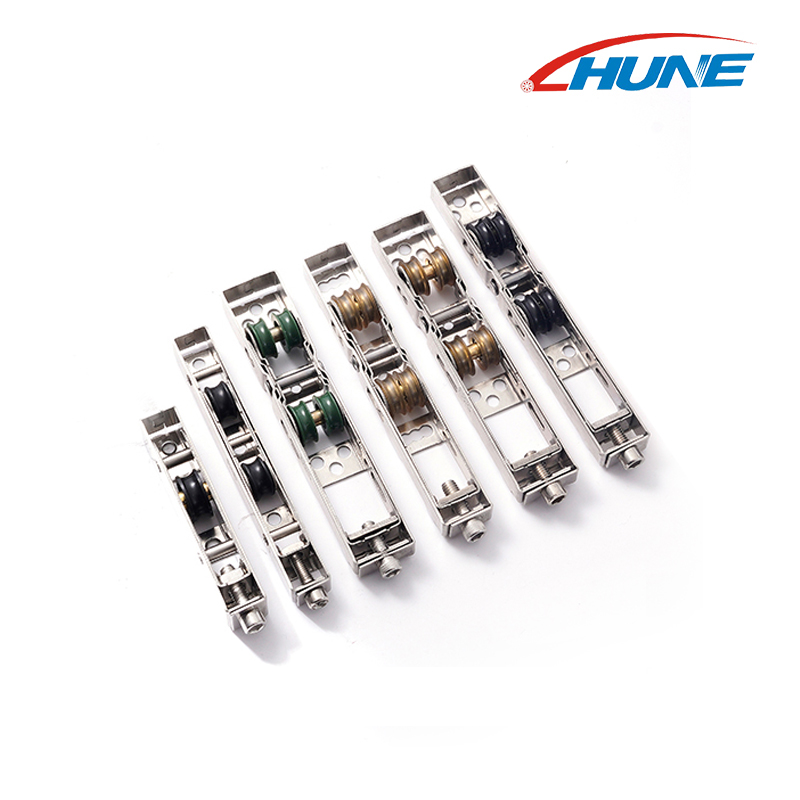
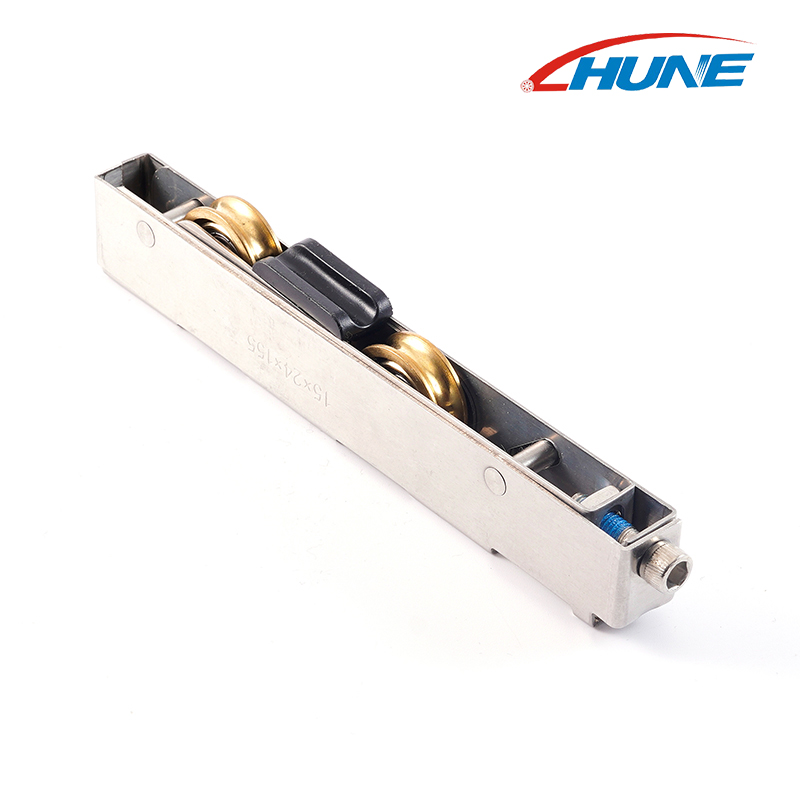
201 Stainless Steel Sliding Hang Glass Door Roller Adjustable Anti-sway Upper Wheel Bearing
○ Material and color can according to customers' requirement.
○ We can make different size as per customers' requirement.
○ We can make different size as per customers' requirement.
 +86-15058997617
Product Advantages
- Smooth Operation
The spacer design ensures smooth rolling and no jamming, even when screws are fully tightened. - Silent & High Load Pulley
Combines quiet bearings with high load capacity for smooth, low-noise performance. - Durable Materials
The nylon-coated outer layer offers strength, toughness, and fatigue resistance. - Precision Bearings
High-quality bearing steel provides quiet, high-speed, and wear-resistant performance. - Sealed & Dustproof
Metal dust cover ensures tight sealing; smooth surface with no burrs for refined quality.
Product Description
201 Stainless Steel Sliding Hang Glass Door Wheel Adjustable Anti-sway Upper Wheel Smooth Push
The 201 stainless steel adjustable upper wheel for hanging glass sliding doors is built for steady support and a noticeably smoother glide across many sliding door setups. With a practical adjustment mechanism and durable, wear-resistant construction, it helps the panel stay properly aligned, reduces friction during movement, and keeps operating noise under control—making it a dependable choice for both residential projects and everyday commercial use where long service life matters.
Key Features
This roller is designed to improve the "feel" of the door, not just hold it up.
- Anti-sway stability: Helps reduce side-to-side play, so the panel feels more planted and less "wobbly" during sliding.
- Adjustable alignment: Micro-adjustment makes it easier to dial in height and level, especially helpful after settling, seasonal changes, or long-term use.
- Smooth bearing action: The wheel bearing supports a more consistent roll, reducing drag and minimizing the start/stop jerk that makes doors feel cheap.
- 201 stainless steel body: Strong, wear-resistant, and well-suited to typical indoor installations where durability and appearance both matter.
Technical Details
- Materials: Strong iron body with rubber elements
- Bearing: Precision ball bearing for effortless movement
- Adjustment: Several height options for exact door positioning
- Compatibility: Fits wood doors, hollow-core sliding doors, diamond mesh screens, and related systems
- Noise Control: Engineered to limit sway and keep operation quiet
- Load Support: Capable of handling heavier sliding doors reliably
Perfect for:
- Home patios, bedrooms, wardrobes, or kitchen pass-throughs
- Office partitions and meeting-room dividers
- Any spot where smooth, silent sliding improves the space without drawing attention to itself
Grab one (or a pair) and feel the difference the next time you slide the door open.
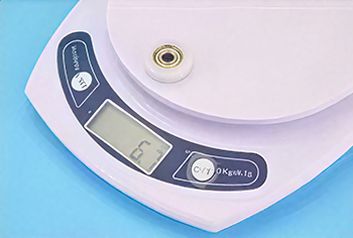
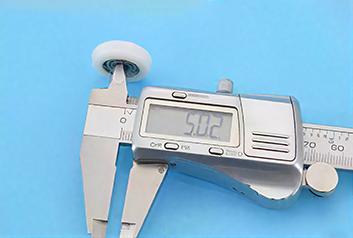
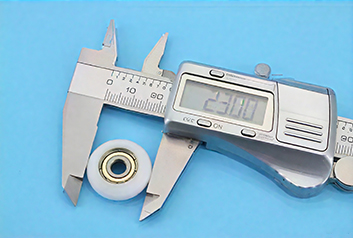
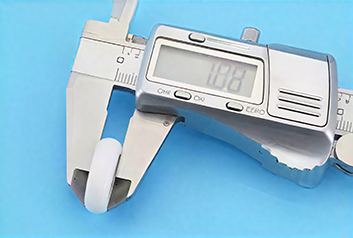
Measurement Method
 |
 |
 |
 |
| Weight(g) | ID(mm) | OD(mm) | Height(mm) |
Payment Terms
1.100% T/T in advance
2.30% T/T deposit, 70% balance against copy of B/L
3. PayPal
Packaging Details: Standard export packing (plastic bag, carton, and pallet or wooden case), or as per customer's requirements.
Delivery Port: Ningbo / Shanghai
Delivery Time: Normally within 30 days for ready goods or as per customer's request.
2.30% T/T deposit, 70% balance against copy of B/L
3. PayPal
Packaging Details: Standard export packing (plastic bag, carton, and pallet or wooden case), or as per customer's requirements.
Delivery Port: Ningbo / Shanghai
Delivery Time: Normally within 30 days for ready goods or as per customer's request.
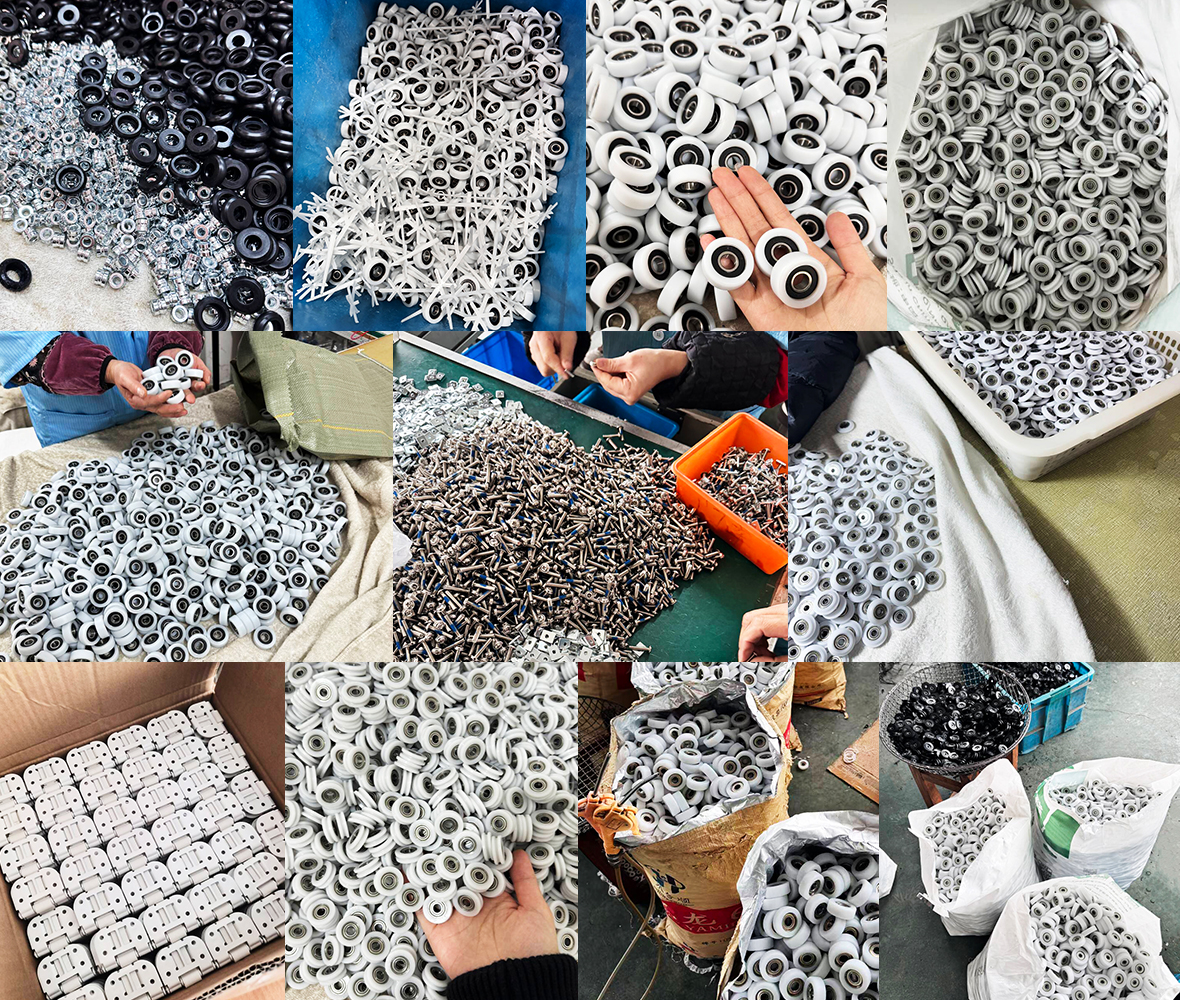
ACTUAL PHOTOS
FAQ
-
What are your payment terms?What are your payment terms?
1.100% T/T in advance2.30% T/T deposit, 70% balance against copy of B/L3. PayPalPackaging Details: Standard export packing (plastic bag, carton, and pallet or wooden case), or as per customer's requirements.Delivery Port: Ningbo / ShanghaiDelivery Time: Normally within 30 days for ready goods or as per customer's request.
-
How do you handle shipment?How do you handle shipment?
For small orders: we ship via express (DHL, FedEx, UPS, TNT, etc.).For bulk orders: we ship by sea or by air, depending on your preference.
-
How long is the production lead time?How long is the production lead time?
For in-stock samples: shipped within 2 days.For out-of-stock samples: lead time is within 7 days.For mass production: approximately 15 days after receiving the deposit.
-
What after-sales service do you offer for sliding rollers?What after-sales service do you offer for sliding rollers?
We provide online technical support. If the issue is caused by a quality defect, we will replace the defective items with new ones.
-
How does your factory ensure quality control?How does your factory ensure quality control?
80% of our staff have over 10 years of experience. We have a mature and skilled technical team along with a comprehensive quality management system to ensure consistent product quality.
-
Can we print our logo on the products?Can we print our logo on the products?
Yes, we can print your logo on the products based on your design requirements.
-
Can we customize our own color box?Can we customize our own color box?
Yes, if your order quantity reaches 1,000 sets, we can provide customized color box packaging.
-
Do you offer free samples?Do you offer free samples?
Yes, we are happy to provide free samples for you to evaluate the quality.
-
Are you a manufacturer?Are you a manufacturer?
Yes, we are a professional manufacturer specializing in door and window roller pulleys for over 20 years. We also have our own international sales department and handle both production and sales in-house.
-
How long does it take to receive a response after sending an inquiry?How long does it take to receive a response after sending an inquiry?
We will reply to you within 6 working hours on business days.
Related Product
-
limit="6" child="1" no_p="1" page_num="5"}
- Nylon Wheel Sliding Rollers with Steel Frame for Windows and Doors limit="6" child="1" no_p="1" page_num="5"}
- Stainless Steel Wheels Sliding Rollers for Sliding Doors and Windows limit="6" child="1" no_p="1" page_num="5"}
- 201 Stainless Steel Sliding Hang Glass Door Roller Adjustable Anti-sway Upper Wheel Bearing limit="6" child="1" no_p="1" page_num="5"}
- Adjustable Tandem Upper Roller Assembly for Sliding Doors limit="6" child="1" no_p="1" page_num="5"}
- Custom Soft-Closing Mechanism Kit for Wardrobe Sliding Door Systems limit="6" child="1" no_p="1" page_num="5"}
- 304 Stainless Steel Recessed Bottom Roller
Send Inquiry
-
 0㎡Plant Area
 -
 0+Staff
 -
 0Established in
 -
 0+Exporting Countries
Zhejiang Huaneng Micro Bearing Co., Ltd.
Zhejiang Huaneng Micro Bearing Co., Ltd. specializes in the development and manufacturing of miniature and medium-sized bearings, non-standard bearings, 201 Stainless Steel Sliding Hang Glass Door Roller Adjustable Anti-sway Upper Wheel Bearing and pulley systems. With over a decade of industry experience, we offer high-precision processing and responsive customization capabilities.As stainless steel sliding glass door rollers manufacturer for hanging door systems. Our products are widely used in home appliances, industrial equipment, and door/window systems, and are exported to Japan, Korea, Europe, and beyond.
201 Stainless Steel Sliding Hang Glass Door Roller: Adjustable, Anti-Sway, Upper Wheel Bearing
Design Details That Matter
Small mechanical choices make a big difference over time.
- Anti-sway support
- By controlling unwanted lateral movement, the roller helps:
- keep the panel running true along the track
- reduce rubbing and uneven gaps
- lower the chance of repeated "re-adjust and hope" maintenance
- Practical adjustment
- Adjustment is meant for fine tuning, not forcing a bad installation to behave. When the track is properly mounted, this feature makes final setup faster and results cleaner.
Compatibility Notes (Before You Order)
To ensure a clean fit, confirm these items against your door system:
- Track/rail style and mounting method
- Glass panel thickness and connection style (clamp / bolt / cutout requirements depend on system design)
- Door weight and number of rollers used per panel
- Available clearance at the header/top track area
Quick Care Tips
A little maintenance keeps the "smooth glide" from turning into a grind.
- Keep the track clean: Dust and grit are the fastest way to create noise and wear.
- Use light, appropriate lubrication only if needed: Avoid thick oils that trap debris.
- Check alignment periodically: If you notice new rubbing, uneven gaps, or vibration, a small adjustment early prevents bigger issues later.
FAQS - 201 Stainless Steel Sliding Hang Glass Door Roller
- How Do I Know if This Roller Will Fit My Sliding Door?
- Most of these 201 stainless models are pretty forgiving—they work with 8–12 mm glass, wooden panels, hollow-core doors, even some mesh screens. The key is checking the track width (usually 18–25 mm inside) and the roller's mounting hole spacing. If your current roller has two screws about 40–60 mm apart, chances are good it's a direct swap.
- "Anti-sway" Means What in Real Use?
- It's there to stop the door from feeling loose. You get less side-to-side shake, steadier travel, and the panel is less likely to drift out of alignment over time.
- What Exactly is "Adjustable" on This Roller?
- In most setups, you can fine-tune the hanger height (and sometimes the panel's position slightly). It's the difference between "it slides" and "it slides perfectly without rubbing."
- Can I Adjust the Height After Everything is Already Installed?
- Yes, that's the whole point of the adjustable ones. There's usually a side screw (eccentric cam or threaded) you can turn with a screwdriver while the door is hanging. A quarter turn can raise or lower the panel 3–6 mm—enough to level it perfectly without taking the whole thing apart.
- How Do I Pick the Correct Weight Capacity?
- Use the door's actual weight, then give yourself extra headroom. Heavy glass, frequent use, or commercial spaces all benefit from a higher rating so the hardware isn't living on the edge.
- Is 201 Stainless Steel a Smart Choice?
- For many indoor applications, yes—it's sturdy and cost-effective. If the project sits near salt air, constant moisture, or harsh cleaners, 304/316 usually holds up better long-term.
- The Door Still Makes Noise—what's the Usual Culprit?
- Most "roller noise" is really track problems: grit in the rail, a slightly twisted track, misalignment, or bearings starting to wear. Cleaning and re-leveling often fixes more than people expect.
- Can One Person Install It Safely?
- For smaller panels, possibly. For large glass doors, it's safer (and honestly easier) with two people or a lifting tool—glass doesn't forgive "just one more push."
- What Are the Telltale Signs the Door Needs Adjustment?
- If the door starts to scrape, gaps look uneven, the panel doesn't sit level, or it suddenly feels heavier at one end of travel, it's usually time for a small adjustment—not a full rebuild.
- Should I Lubricate the Track and Wheels?
- Only lightly, and only with a recommended lubricant. Thick oils and greasy sprays tend to collect dust, which turns into a paste that slows the door down.
- When is Replacement the Better Option Than Re-adjusting?
- If the wheel has flat spots, cracks, the bearings feel rough, or you're constantly re-tuning and it won't stay put, the rollers are likely done. Replacing them as a pair keeps the door balanced and prevents uneven wear.
Message Feedback

Huaneng specializes in the R&D and manufacturing of miniature and medium-sized bearings, non-standard bearings, and pulley systems.
Wholesale OEM/ODM Miniature Bearings, Bearing Pulley, Wheel Bearing Pulley, Door And Window Pulleys.
- PRODUCTS
- Stainless Steel Sliding Door&Window Rollers
- Plastic Bearing Pulley
- Screw Thread Bearing Pulley
- Door & Window Roller Hardware
- Ball Bearing
- Rubber Ring
- Hardware Accessories
- INFORMATION
-
-
Tel+86-15058997617
-
E-mailshirley@cnhune.com
-
AddNo. 118, Development Road, Wengyang Industrial Zone, Yueqing City, Zhejiang Province, China
-
- MOBILE SITE
-