


 English
 Español
 日本語
日本語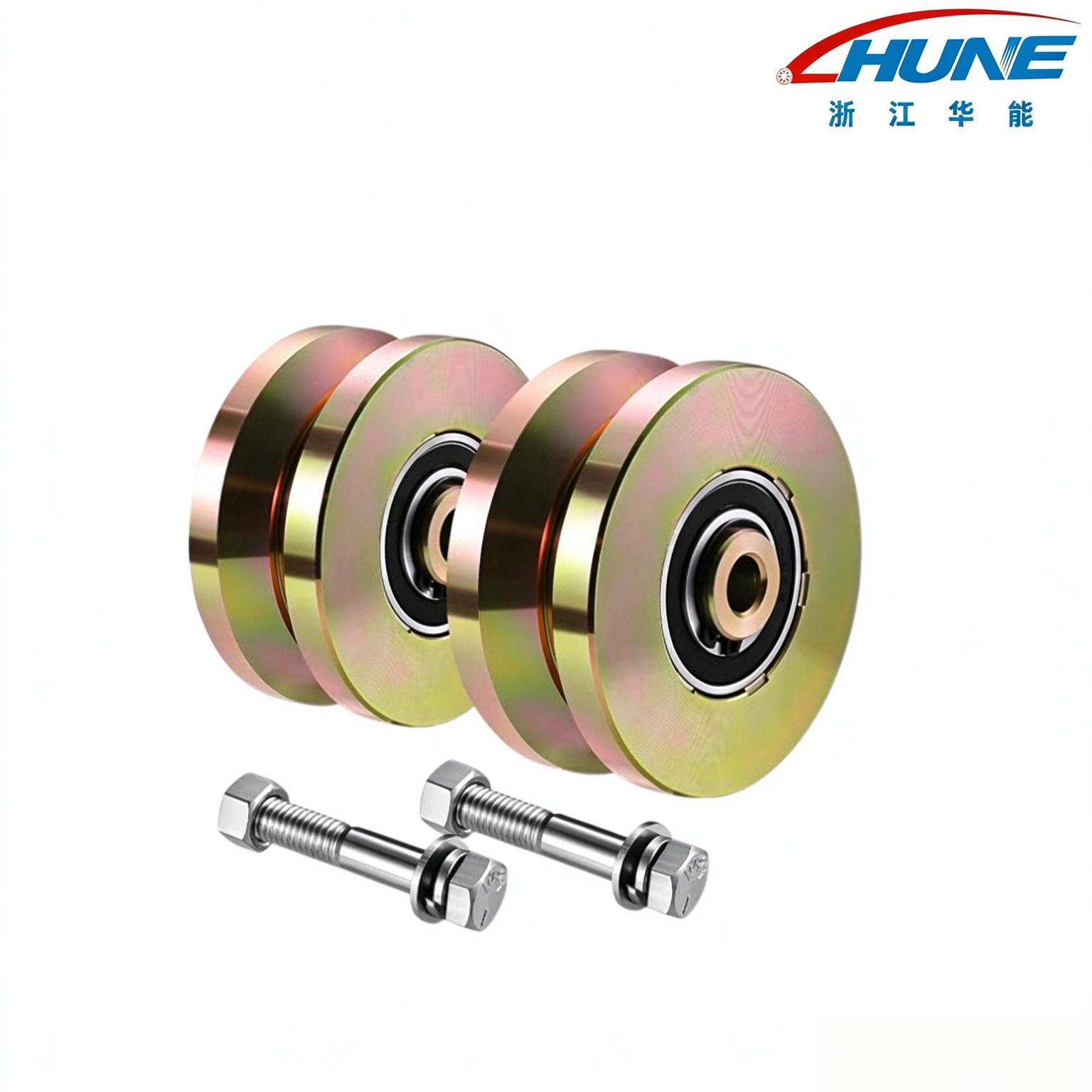
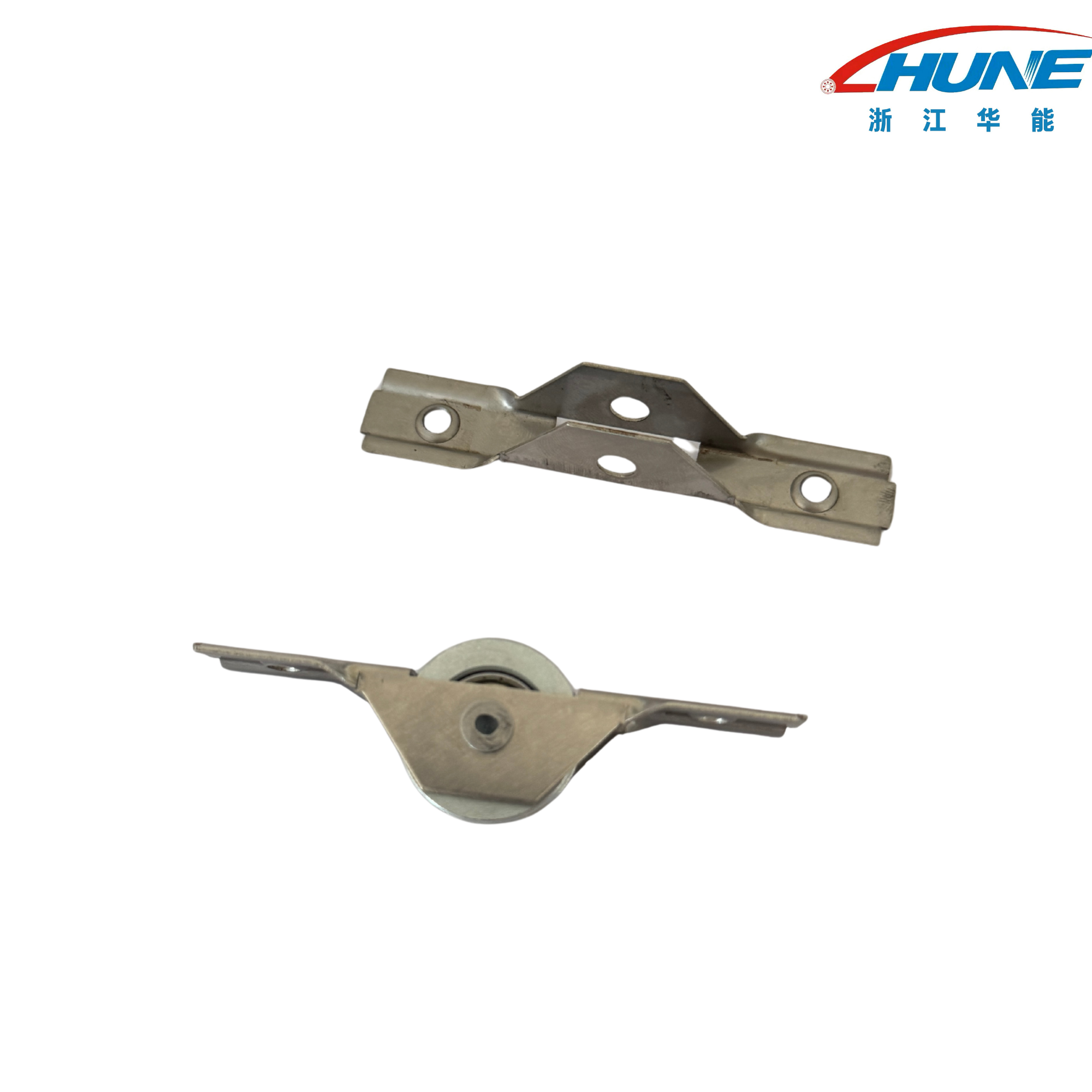
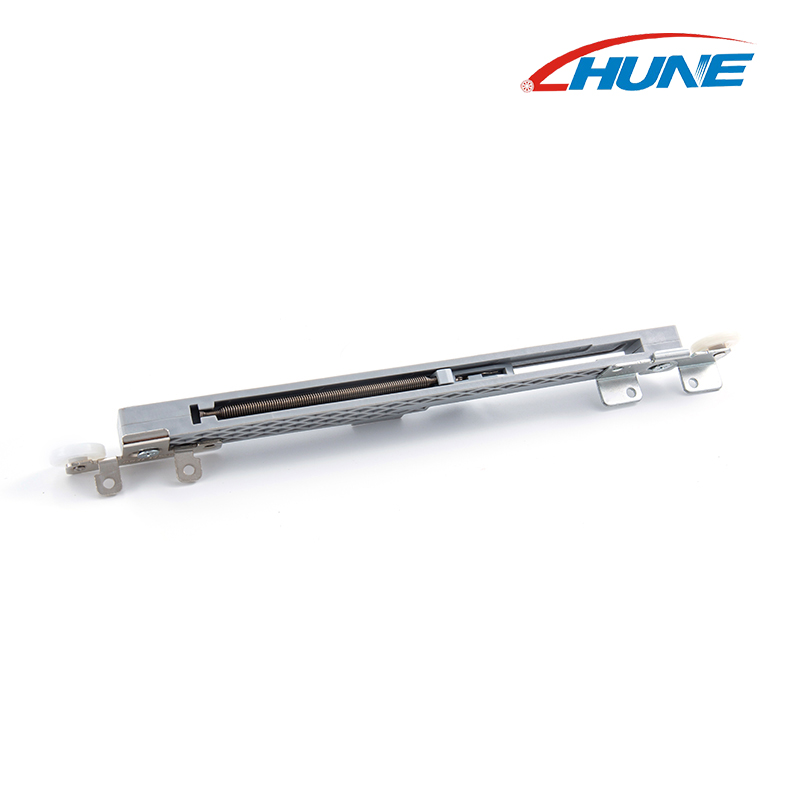
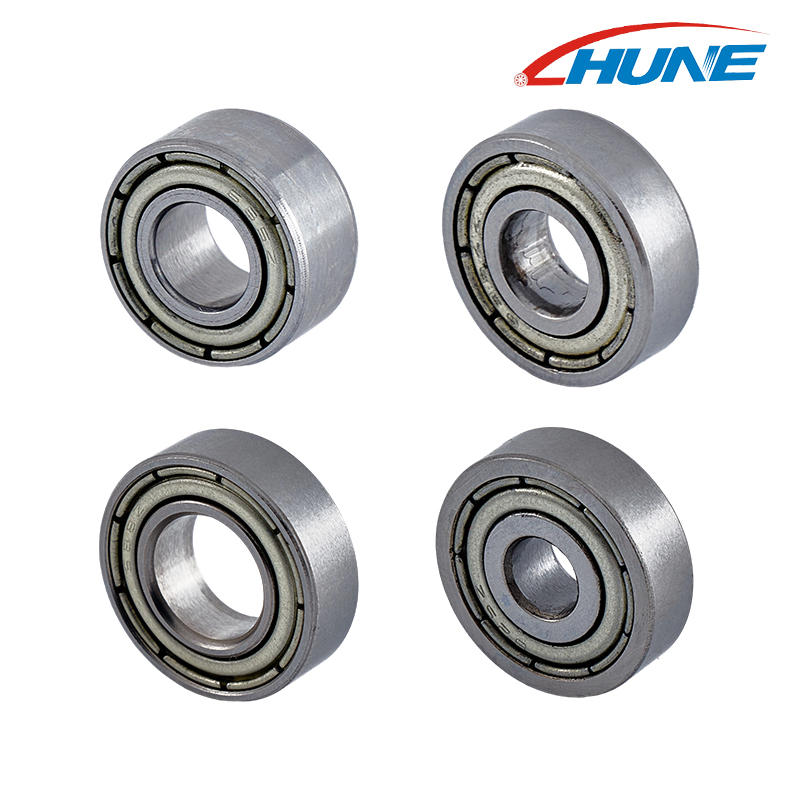
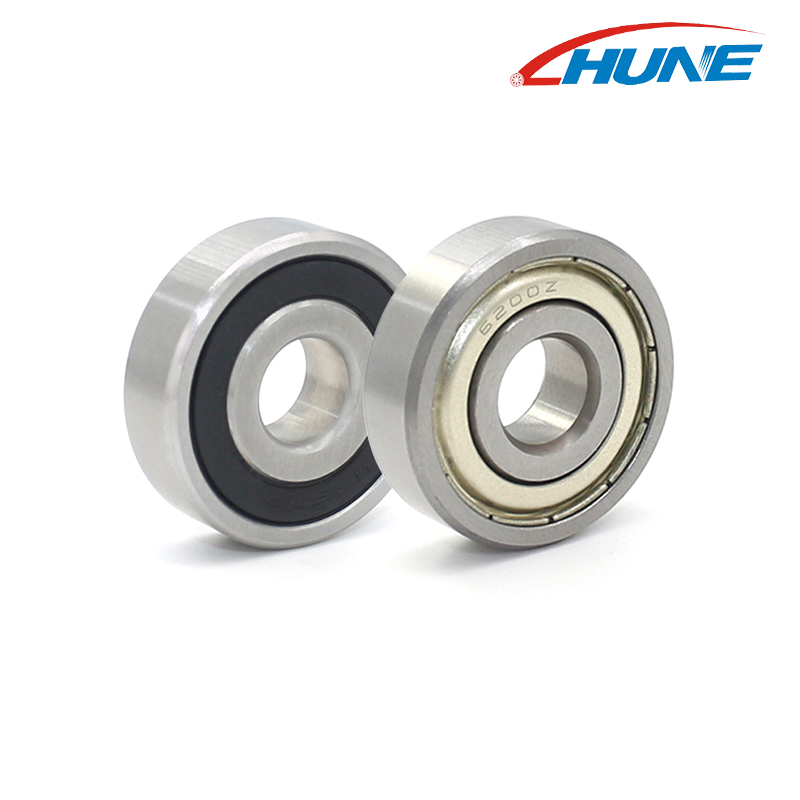


Ball Bearing for Pulley Wheels, Door and Window Rollers, Guide Systems, Motors, and Custom Rotating Assemblies
A pulley wheel may turn only a few times a day, while a motor bearing may rotate continuously for hours. Both rely on the same basic principle—rolling elements supporting movement—but they do not need the same bearing specification.
Ball bearing is used in pulley wheels, door and window roller assemblies, guide rollers, small equipment, electric motors, conveyor mechanisms, and transmission structures. It helps a wheel or shaft rotate with controlled friction while supporting the loads created during operation.
In Hunepulley products, bearings can be fitted inside plastic bearing pulleys, coated pulley wheels, sliding door roller hardware, and window roller assemblies. They can also be supplied as individual components for a compatible shaft, wheel, housing, or custom rotating assembly. Hune / Hunepulley / Zhejiang Huaneng Micro Bearing Co., Ltd. works with miniature and small ball bearings, including bearing selection for pulley and roller applications.
What Is Ball Bearing?
A Ball Bearing is a rolling bearing with balls positioned between an inner ring and an outer ring. As one ring turns relative to the other, the balls roll along shaped raceways. This replaces much of the sliding contact that would otherwise occur between a shaft and its surrounding component.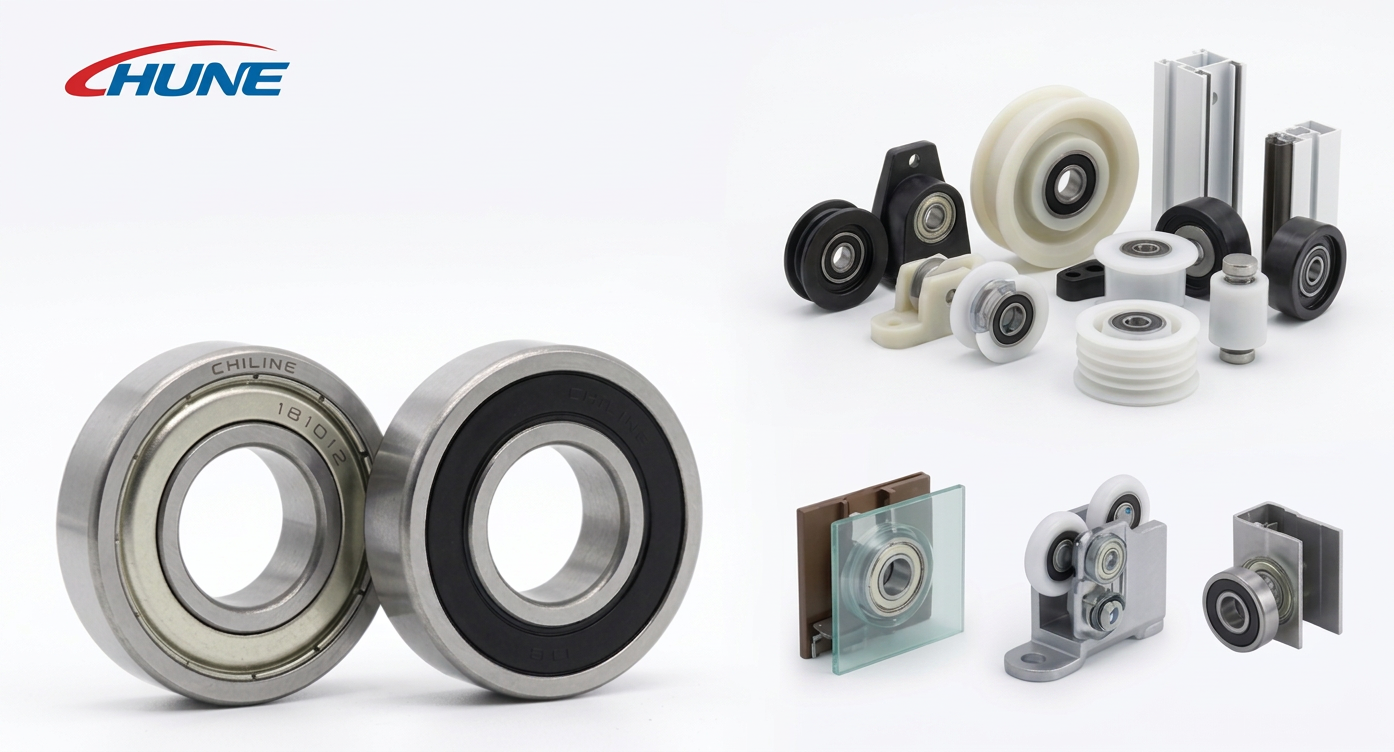
A standard ball bearing generally contains:
- An inner ring and outer ring
- Steel balls or other specified rolling elements
- A cage that separates the balls
- Raceways formed in the rings
- Lubrication
- Seals or shields, where required
Ball bearings are used when a wheel, pulley, roller, shaft, or similar part needs rotational support. Many designs primarily carry radial load—force acting across the shaft—and can also accommodate some axial load. The allowable load depends on the bearing's type, dimensions, mounting, speed, and operating conditions.
Inside a pulley or door roller, the bearing is easy to overlook. Yet its fit and running condition have a noticeable effect on how the finished assembly moves and sounds.
How a Ball Bearing Works
In a typical wheel assembly, the inner ring is mounted on a shaft or axle, while the outer ring is held inside the wheel or housing. When the wheel turns, the balls roll between the two rings. The bearing supports the load while allowing relative rotation.
This arrangement can reduce friction and wear, but a bearing does not work independently of its surroundings. A poorly fitted shaft, distorted wheel bore, or unsuitable lubricant can affect a precision bearing after it is installed.
Key Factors That Affect Bearing Performance
Several details deserve attention when specifying a ball bearing:
- Bearing clearance: Influences how the bearing runs after mounting and at operating temperature.
- Raceway finish and ball roundness: Affect vibration and rotational smoothness.
- Lubrication grease: Separates contacting surfaces and should suit the expected speed and temperature.
- Seal or shield structure: Helps limit contamination, with different effects on protection and running resistance.
- Material and hardness: Influence wear and corrosion behavior.
- Dimensional tolerance and mounting fit: Determine how the bearing seats in the shaft, wheel, or housing.
Deep groove ball bearing and radial ball bearing designs are common starting points for small pulleys, plastic bearing pulleys, sliding door rollers, window rollers, guide wheels, and selected motors or conveyor components. The final specification should still follow the actual duty cycle and load.
Main Components of Ball Bearing
A bearing's exterior gives little indication of the details inside it. Each component contributes to how the bearing carries load, retains lubrication, and rotates over time.
Inner Ring
The inner ring usually fits around the shaft or axle. Its bore size and fit affect positioning and stability once the bearing is installed.
Outer Ring
The outer ring is typically seated in a wheel, pulley, roller body, or housing. A suitable fit keeps it in position without unnecessarily distorting the bearing.
Steel Balls
Steel balls carry load as they roll between the rings. Their size consistency, hardness, roundness, and surface finish affect running quality.
Cage
The cage spaces the balls apart and guides their movement. Cage material and design are selected with speed, load, noise, and application conditions in mind.
Raceway
The raceways are the paths formed in the inner and outer rings. Their geometry and finish influence how evenly the balls roll under load.
Seal or Shield
A seal or shield helps keep contaminants out and lubricant in. Metal shields generally provide non-contact or low-contact protection; seal designs vary and may provide greater protection with a different level of running resistance.
Lubrication Grease
Grease protects the internal contacts and helps the bearing run consistently. The amount and type of grease matter: more is not necessarily better, particularly at higher speeds.
Common Types of Ball Bearings
The right bearing type depends on what the rotating part must do—not just on whether its dimensions fit.
Deep Groove Ball Bearing
A deep groove ball bearing is widely used for radial loads and appropriate axial loads. Its compact design makes it common in pulley wheels, guide rollers, door and window rollers, and many motors.
Miniature Ball Bearing
A miniature ball bearing serves assemblies with limited installation space, such as compact rollers, small instruments, and lightweight rotating components.
Small Ball Bearing
A small ball bearing provides rotational support in compact equipment and hardware where space, load, and fit must be balanced.
Radial Ball Bearing
A radial ball bearing is primarily intended for loads acting perpendicular to the shaft. Pulleys, guide wheels, and rotating shafts are typical applications.
Shielded Ball Bearing
A shielded ball bearing uses metal shields to help limit particle entry. It can be suitable where contamination protection is needed without the contact characteristics of some seal designs.
Sealed Ball Bearing
A sealed ball bearing uses seals to help retain grease and restrict contaminants. Seal construction should be chosen according to moisture, dust, speed, and friction requirements.
Stainless Steel Ball Bearing
A stainless steel ball bearing may be specified for improved corrosion resistance in humid or exposed conditions. The appropriate stainless grade and lubricant still depend on the environment.
Flanged Ball Bearing
A flanged ball bearing has a rim on the outer ring. The flange can help locate the bearing axially in a wheel or housing when the assembly is designed for it.
Custom Ball Bearing
A custom ball bearing addresses a specific combination of dimensions, clearance, sealing, lubrication, flange design, or fit that a standard bearing does not meet.
Common Materials Used in Ball Bearings
A bearing is rarely made from one material throughout. Rings, balls, cages, and seals have different jobs, so their materials should be considered separately.
| Material | Main characteristics | Typical applications |
| Bearing Steel | Hard, wear-resistant material commonly used for bearing rings and balls | Pulley bearings, guide roller bearings, motor ball bearings |
| Stainless Steel | Improved corrosion resistance; suitability depends on grade and exposure | Shower door rollers, window roller bearings, moisture-prone systems |
| Carbon Steel | Practical strength for selected structural parts when appropriately treated | Certain low-speed hardware and supporting components |
| Ceramic Balls | Low weight and high hardness for selected bearing designs | Specialized high-speed or other application-specific bearings |
| Nylon Cage | Lightweight polymer cage option | Selected compact or low-noise bearing designs |
| Steel Cage | Durable cage option for many conventional designs | Deep groove ball bearings and radial bearings |
| Rubber Seal | Helps retain grease and limit contaminant entry | Sealed bearings in rollers, pulleys, and compact equipment |
| Metal Shield | Helps keep larger particles away from the bearing interior | Shielded bearings in motors, pulleys, and guide rollers |
Material alone does not determine performance. A suitable bearing also needs the right internal design, lubricant, installation fit, and protection for its operating environment.
Applications of Ball Bearing
Ball bearings appear in many products, but their working conditions differ considerably. A door roller may prioritize low-speed movement and moisture protection; a motor may place greater demands on speed, vibration, and temperature.
Plastic Bearing Pulleys
In plastic bearing pulleys, the bearing sits inside the wheel body and allows it to rotate around a shaft. Selection should account for the bearing's dimensions, wheel-bore fit, expected load, sealing, and noise requirements.
Door and Window Roller Assemblies
Door and window roller assemblies use bearings inside the rolling wheel. The bearing supports rotation as the door panel or window sash moves along its track. Bearing quality matters, but track shape, wheel material, and panel alignment also affect the finished system.
Sliding Door Roller Bearings
A sliding door roller bearing experiences repeated starts, stops, and changes in load distribution. Clearance, lubrication, fit, and protection against dust should be chosen for the door’s installation conditions.
Window Roller Bearings
Window roller bearings must often fit within a narrow frame profile. Compact dimensions, suitable corrosion protection, and consistent rotation are useful priorities.
Guide Rollers
Guide roller bearings support wheels that follow a rail or defined path. Besides radial load, the design may need to account for side forces created by the guide arrangement.
Small Equipment
Miniature ball bearings are used in small equipment where shafts and moving parts have little room for larger supports. Accurate sizing and repeatable assembly are often as important as the bearing’s standalone specification.
Electric Motors
Motor ball bearings support the rotor and help maintain shaft position during operation. Speed, heat, vibration, grease life, and installation fit require careful review. A bearing suitable for a low-speed pulley should not automatically be treated as a motor bearing.
Conveyor Mechanisms
Conveyor mechanisms use bearings in rollers, pulleys, and related rotating parts. Load, dust exposure, lubrication, operating time, and maintenance access influence selection.
Transmission Mechanisms
In transmission mechanisms, bearings support shafts and rotating elements while helping maintain alignment. Both radial and axial forces should be evaluated where belts, gears, or other drive components create them.
Pulley Wheels and Rotating Parts
A ball bearing inside a pulley wheel allows the wheel body to rotate around its mounting shaft. Reliable operation depends on the inner-ring fit, outer-ring retention, wheel material, and how the assembly is secured.
How to Select the Right Ball Bearing
Begin with the assembly drawing and operating conditions. A bearing that fits dimensionally may still be unsuitable for the load, speed, environment, or mounting method.
The main checks include:
- Dimensions: Confirm inner diameter, outer diameter, and width against the shaft and housing.
- Loads: Identify radial load and any axial or side load, including changes during operation.
- Speed and duty cycle: Note whether movement is occasional, repeated, or continuous.
- Clearance and fit: Consider how mounting and temperature may change internal clearance.
- Protection: Choose a seal or shield arrangement for expected dust, fibers, or moisture.
- Lubrication: Match grease to speed, temperature, and service conditions.
- Noise and vibration: Define the requirement at the assembled-product level.
- Environment: Review corrosion exposure and operating temperature.
- Retention: Confirm how the bearing is positioned in the wheel or housing and on the shaft.
An incorrect choice can cause looseness, wheel wobble, noise, overheating, difficult rotation, or early wear. Where possible, evaluate the bearing after it has been mounted in the actual assembly.
Why Ball Bearing Quality Matters in Pulley and Roller Systems
Two pulley wheels can share the same outside dimensions and still feel different in use. The bearing inside each wheel—and how it has been fitted—can explain much of that difference.
Bearing condition affects pulley rotation, sliding door movement, window roller stability, guide roller accuracy, motor vibration, conveyor resistance, and wear over time. Excessive play may allow movement that becomes audible in a door frame. Contamination can damage the raceways. An unsuitable fit may add stress before the wheel has completed its first cycle.
Quality therefore means more than a bearing that spins freely by hand. It means the bearing continues to run appropriately at the expected load, speed, and environmental conditions.
Customization Options for Ball Bearing
Standard dimensions cover many applications, but a particular wheel, shaft, or housing may call for a different configuration. Hune can review custom ball bearing requirements against the surrounding assembly rather than treating the bearing as an isolated part.
Depending on the project, options may include:
- Inner diameter, outer diameter, and width
- Bearing clearance and dimensional tolerance
- Seal or shield type
- Ring, ball, and cage materials
- Lubrication grease
- Corrosion-resistance requirements
- Flange structure
- Fit with a pulley wheel, roller body, shaft, or housing
- Application-specific noise requirements
For integrated pulley and roller assemblies, the interface between the bearing and wheel body deserves particular attention. The assembly should also be evaluated for secure retention and smooth rotation after installation.
Why Choose Hune Ball Bearing
Zhejiang Huaneng Micro Bearing Co., Ltd. focuses on miniature and small bearing products and their use in pulley and roller hardware. That combination is useful when a project requires both a bearing specification and a workable surrounding assembly.
Experience with Pulley and Roller Bearing Applications
Hune works with bearings as individual parts and as components inside pulley wheels and rollers. This supports practical consideration of the shaft, wheel bore, housing, and mounting structure.
Focus on Smooth Rotation and Noise Control
Noise in a finished roller can be influenced by clearance, lubrication, wheel fit, and installation—not just by the bearing itself. Hune considers these connected factors when developing bearing-based pulley and roller products.
Miniature and Small Bearing Capability
Miniature ball bearing and small ball bearing designs suit compact wheels, guide rollers, door and window hardware, and small rotating devices where installation space is limited.
Deep Groove Ball Bearing and Custom Bearing Development
Hune works with deep groove ball bearing, radial ball bearing, pulley bearing, sliding door roller bearing, window roller bearing, and custom ball bearing requirements according to the intended application.
Matching with Wheels, Shafts, and Housings
The assembled fit affects bearing performance. Matching bearing dimensions, clearance, protection, and lubrication to the wheel, shaft, and housing helps prevent avoidable installation problems.
Application Coverage
Hune ball bearing products may be specified for plastic bearing pulleys, sliding door roller hardware, window roller assemblies, guide rollers, pulley wheels, small equipment, electric motors, conveyor mechanisms, transmission mechanisms, and custom rotating parts—subject to the requirements of each application.
FAQ About Ball Bearing
What is a ball bearing used for?
A ball bearing supports relative rotation while carrying load and reducing friction. It is commonly used in wheels, pulleys, rollers, motors, conveyors, transmission mechanisms, and small equipment.
What is the difference between a deep groove ball bearing and a radial ball bearing?
A deep groove ball bearing is a widely used type of radial ball bearing. It primarily supports radial load and can accommodate axial load within its design limits. “Radial ball bearing” is the broader description.
Can ball bearings be used inside pulley wheels?
Yes. The bearing is fitted inside the wheel so the wheel can rotate around a shaft. Its size and mounting fit must match the pulley design.
What bearing is used for sliding door rollers?
Many sliding door rollers use a deep groove ball bearing, often in a compact size. Sealed or shielded versions may be selected according to the installation environment and roller design.
What affects ball bearing noise?
Noise can come from internal clearance, raceway condition, ball quality, lubrication, contamination, mounting fit, or the load applied in service. The surrounding wheel and track can also be sources of sound.
How do seals and shields affect bearing performance?
Both help limit contamination. Their construction affects how well they protect the bearing, retain grease, and influence running resistance. The appropriate option depends on the operating conditions.
Can ball bearings be customized for specific wheels or housings?
Yes. Dimensions, clearance, materials, lubrication, sealing, flange design, and mounting fit may be specified for a particular wheel or housing.
How do I choose a ball bearing for a small motor, guide roller, or conveyor mechanism?
Confirm dimensions first, then assess load, speed, duty cycle, temperature, contamination, lubrication, noise requirements, and mounting. These applications should not be assigned the same bearing specification simply because the dimensions match.
Why does bearing clearance matter?
Clearance affects the bearing's internal freedom of movement after installation. Too much or too little clearance for the actual fit and temperature can influence noise, vibration, heat, and service life.
Are stainless steel ball bearings suitable for humid environments?
They are often considered where corrosion resistance is important. Suitability still depends on the stainless grade, seals, lubricant, level of exposure, and maintenance conditions.
Ball Bearing is a small component with an outsized effect on the rotating assembly around it. For plastic bearing pulleys, door and window roller assemblies, guide rollers, motors, conveyors, and custom rotating parts, the best result comes from matching the bearing to its load, speed, environment, shaft, and housing.
Hune provides ball bearing, miniature ball bearing, small ball bearing, deep groove ball bearing, pulley bearing, sliding door roller bearing, window roller bearing, guide roller bearing, and custom ball bearing options for appropriately matched applications.