


 English
 Español
 日本語
日本語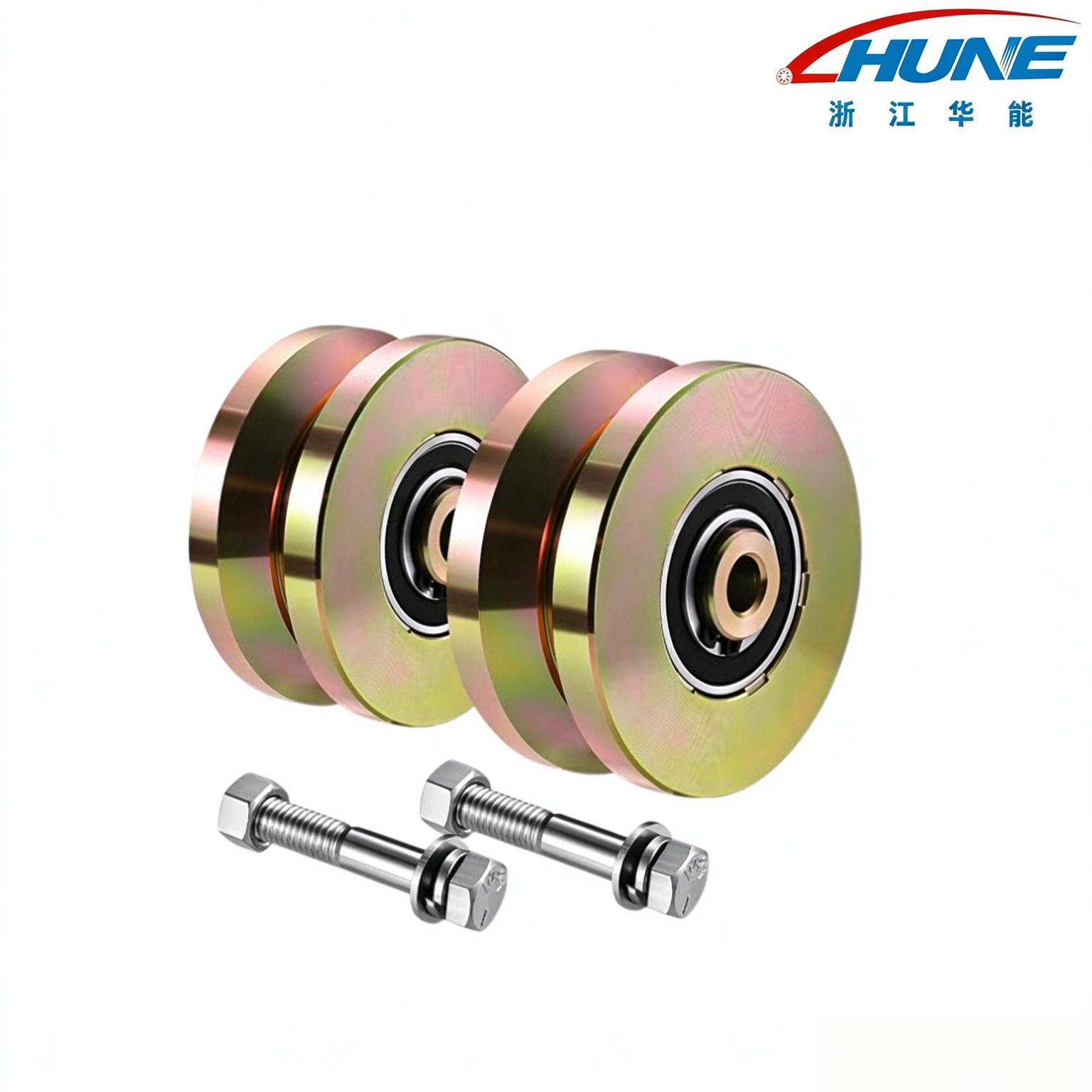
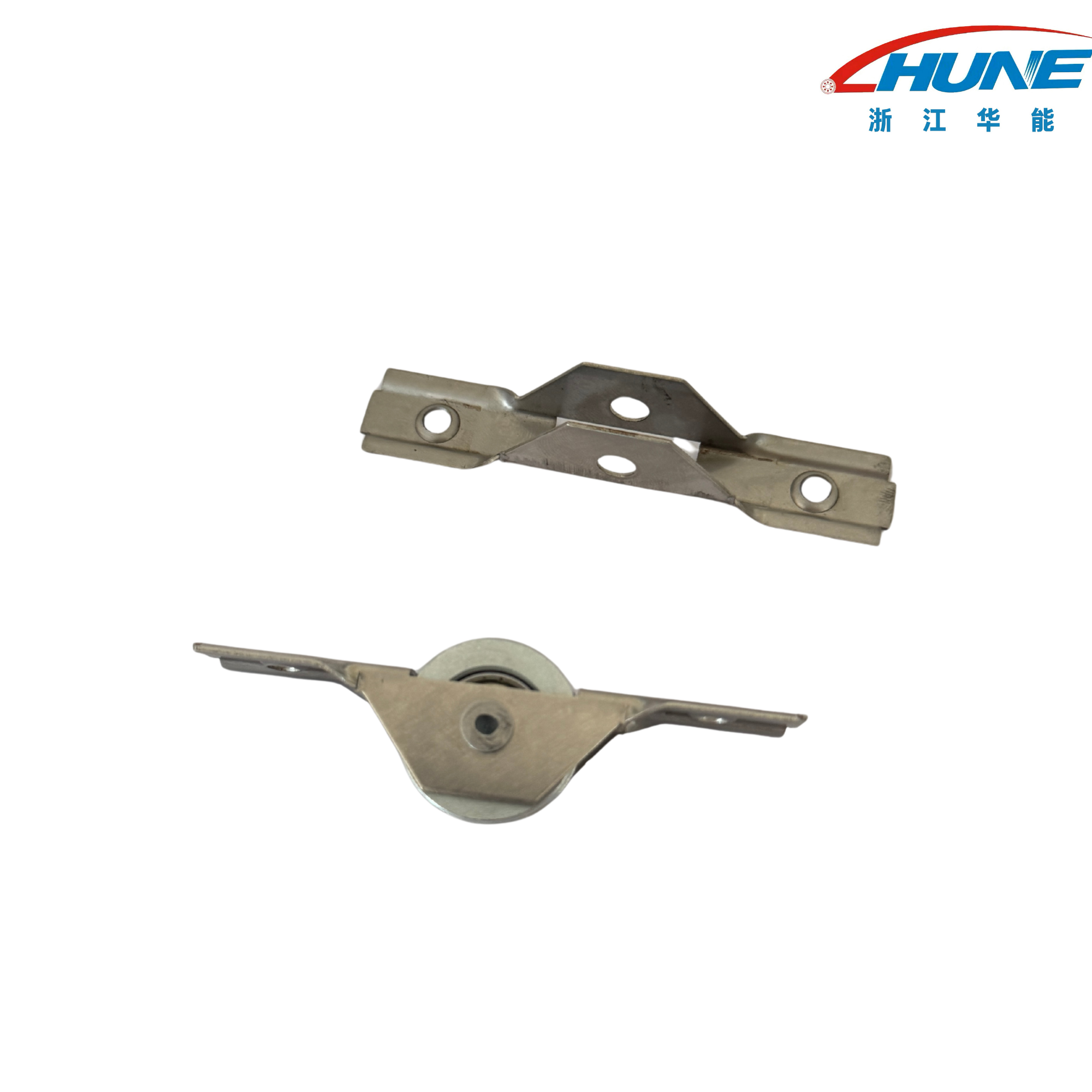
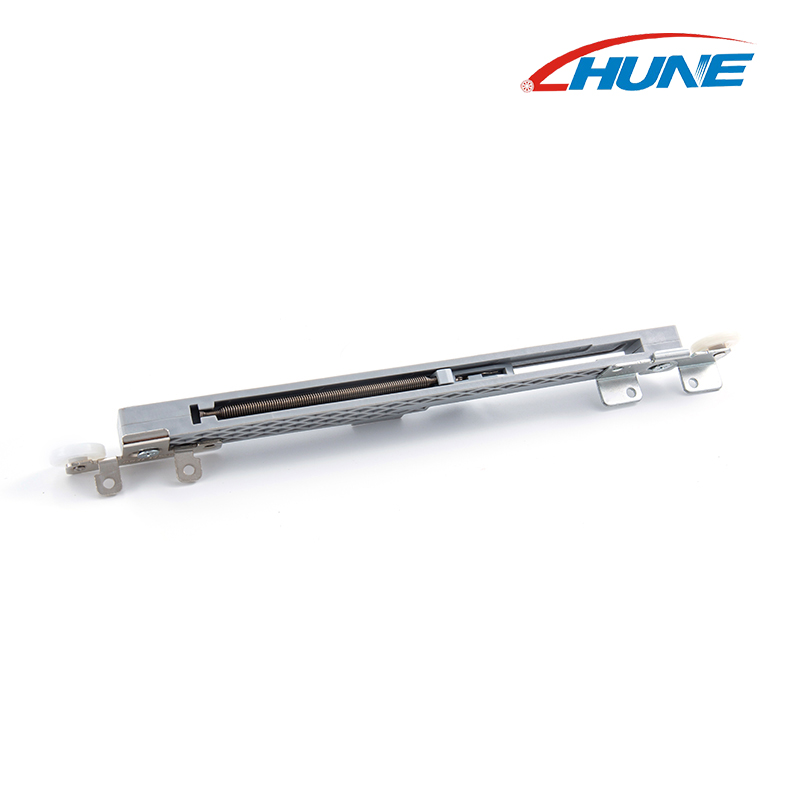
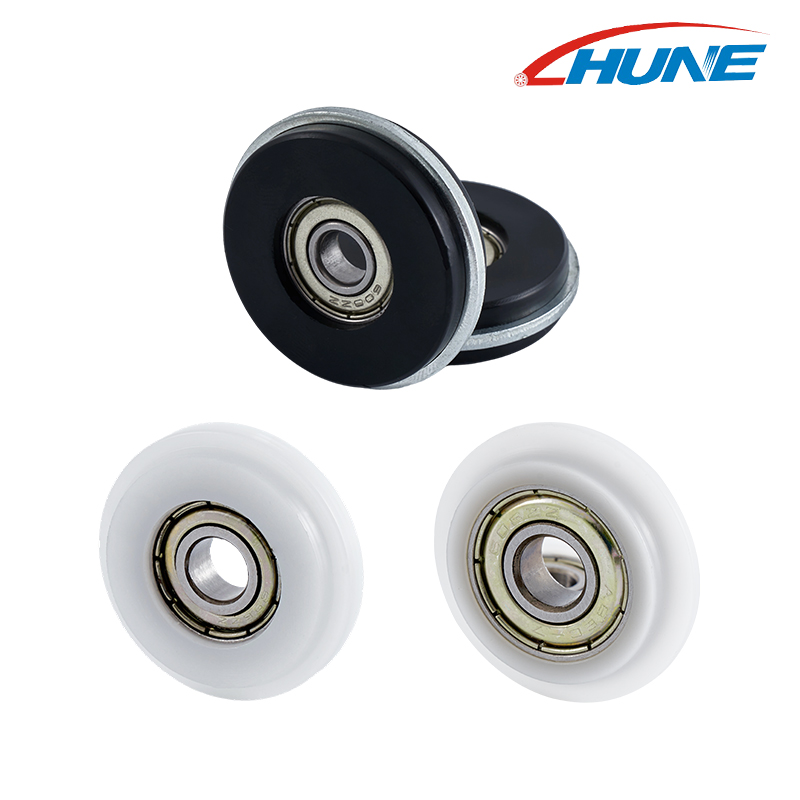


Y-shaped Bearing Pulley Guide: Structure, Materials, Bearing Options, Applications, and Selection
A roller can turn freely in your hand yet still run unevenly once it meets a track. The difference often lies in the wheel profile. If its angled surfaces do not match the guide, the pulley may ride on an edge, shift sideways, or make more noise than expected.
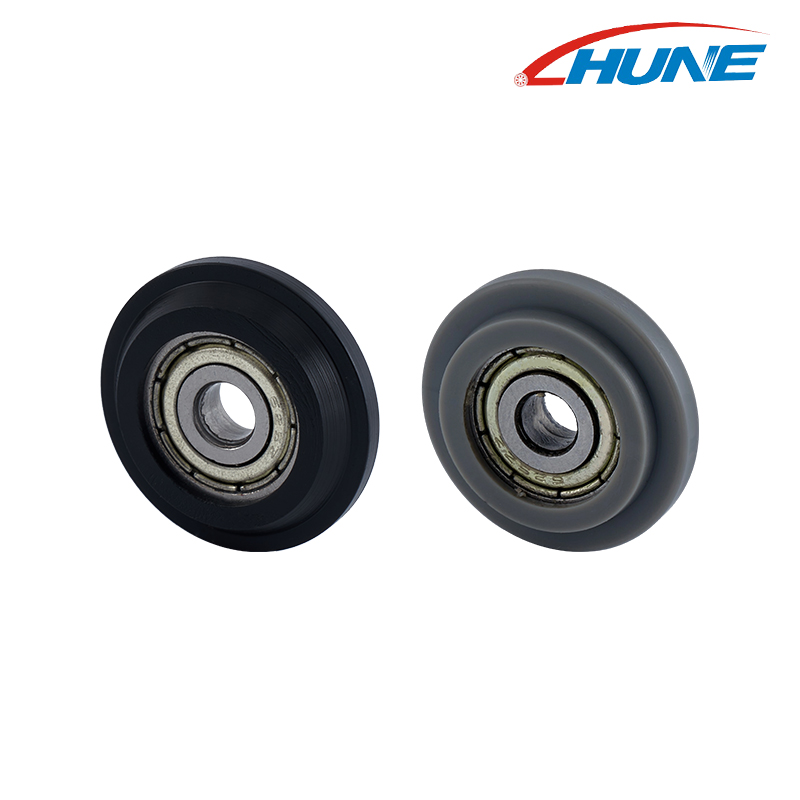
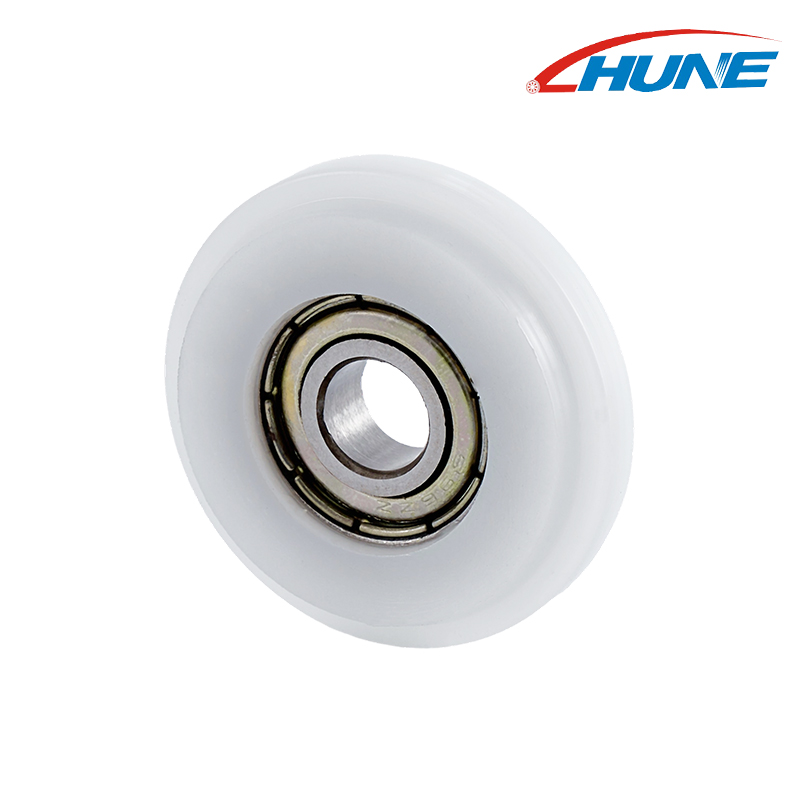
A Y-shaped Bearing Pulley combines an internal ball bearing with an outer profile designed for a compatible rail, groove, or sliding track. Its profile may have two inclined contact surfaces and a central channel. The bearing supports rotation around a shaft, bolt, or pin; the shaped wheel body determines where contact occurs during travel.
Huaneng Micro Bearing company provides Y-shaped Bearing Pulley, Y type bearing roller, plastic bearing pulley, nylon pulley roller, POM bearing pulley, PA pulley, quiet guide wheel, door and window roller, glass sliding door roller, drawer slide roller, sliding hardware roller, and custom bearing pulley options for matched sliding assemblies.
What Is Y-shaped Bearing Pulley?
A Y-shaped Bearing Pulley is a bearing-supported wheel whose running surface has an angled or Y-like cross-section. Depending on the design, the outer profile may include inclined sides, a central groove, or a central load channel.
A typical assembly consists of a nylon, POM, PA, or other plastic wheel body; a built-in ball bearing; and a shaft, bolt, or pin. The bearing may be shielded or sealed according to the environment. Its central bore and the wheel's outer profile must both fit the intended assembly.
The name Y-shaped does not define a universal groove angle or depth. Two Y type bearing rollers may look similar but contact different parts of a rail. For a replacement wheel or new design, the track cross-section is therefore as important as the pulley drawing.
A Y type bearing roller can be supplied as an individual bearing roller wheel or incorporated into a door and window roller, glass sliding door roller, cabinet door roller, drawer slide roller, sliding hardware roller, or custom guide mechanism.
How a Y-shaped Bearing Pulley Works
The inner bearing ring is supported by the shaft or bolt, while the wheel rotates around it. At the outside of the wheel, the shaped profile meets a rail or groove and establishes the running path.
Where the load is carried depends on the mating track. In one design, the two inclined surfaces may make the primary contact. In another, a central area may also support load. A central load channel should not be assumed to carry the full load simply because it appears in the wheel profile.

The angled surfaces can help control lateral movement when their geometry and clearance match the guide. They cannot correct a bent track, loose shaft, or bracket installed out of alignment. Bearing clearance, wheel concentricity, material, side force, and mounting position all influence how the finished assembly moves.
For example, a nylon pulley roller may be selected for a tough running surface, while a POM bearing pulley may be useful where consistent molded dimensions are a priority. A quiet guide wheel still depends on track condition and bearing fit; material alone does not make a roller silent.
Main Structures of Y-shaped Bearing Pulley
The following names describe possible wheel constructions or uses. They do not imply that the same profile will fit every door, cabinet, or guide rail.
Y Type Bearing Roller
A Y type bearing roller has an angled running profile intended to follow a matching rail or groove. Its contact angle and channel dimensions are specified for the guide.
Plastic Bearing Pulley
A plastic bearing pulley combines a molded or machined plastic wheel body with an internal bearing. Plastic allows a defined profile to be formed around the bearing seat.
Bearing Pulley Wheel
A bearing pulley wheel provides rolling contact around a fixed mounting point. In a Y-shaped design, the outer profile also contributes to guidance.
Bearing Roller Wheel
A bearing roller wheel is used where a component repeatedly rolls along a mating surface. Its bearing, wheel body, and shaft must be considered together.
Nylon Pulley Roller
A nylon pulley roller offers a tough plastic contact surface. Its grade, dimensions, and groove finish should be matched to the rail and operating load.
POM Bearing Pulley
A POM bearing pulley has a stable wheel body and smooth running surface. It may suit compact cabinet, drawer, and guide assemblies with closely controlled profile dimensions.
PA Pulley
A PA pulley uses a polyamide wheel body. PA is a material family commonly associated with nylon; the specified grade determines its properties in a particular application.
Quiet Guide Wheel
A quiet guide wheel is designed to limit noise from rolling contact. Profile fit, bearing condition, wheel material, track finish, and installation all contribute to the result.
Door and Window Roller
A door and window roller supports or guides a moving panel or sash. A Y-shaped profile is appropriate only when it matches that system's track.
Glass Sliding Door Roller
A glass sliding door roller must suit the door's load, track, mounting hardware, and available adjustment. The wheel profile is one part of that complete assembly.
Cabinet Door Roller
A cabinet door roller operates in a compact furniture track. Wheel size, groove depth, and clearance matter where space is limited.
Drawer Slide Roller
A drawer slide roller works within a drawer's guide structure. The wheel should be checked along the full opening and closing travel, not only in one position.
Sliding Hardware Roller
A sliding hardware roller may be used in door, window, cabinet, or furniture hardware. Its Y-shaped profile must be specified against the actual mating guide.
Custom Bearing Pulley
A custom bearing pulley can be developed for a particular groove angle, wheel size, bearing, shaft, or mounting arrangement. Mating-track drawings make profile selection more reliable.
Common Bearing Options for Y-shaped Bearing Pulley
Possible product configurations include:
- 625ZZ Y-shaped nylon pulley
- 626ZZ bearing pulley
- 628ZZ bearing pulley
- POM plastic Y-shaped 628ZZ bearing pulley
- 625ZZ door and window roller
- 626ZZ glass sliding door roller
- 628ZZ sliding hardware roller
These model numbers identify bearing sizes, not complete pulley load ratings. A larger bearing may allow a different shaft and wheel structure, but the capacity of the assembled pulley also depends on the plastic wheel body, bearing seat, shaft, bracket, and load direction.
A ZZ shielded bearing has metal shields on both sides to help limit the entry of larger particles. A sealed bearing may be considered where additional protection is needed, but seal type should be selected for the actual moisture, dust, speed, and friction requirements.
When comparing bearing options, confirm bore size, outside diameter, width, clearance, operating speed, and the fit between the bearing and wheel body.
Common Materials Used in Y-shaped Bearing Pulley
Material choice affects the wheel's profile stability and its contact with the track. The bearing and shaft have separate material requirements.
| Material | Main characteristics | Typical applications |
| Nylon | Tough plastic suited to many repeated-contact designs | Nylon pulley roller, door and window roller |
| POM | Dimensionally stable with a smooth running surface | POM bearing pulley, drawer slide roller, quiet guide wheel |
| PA | Polyamide material family; properties vary by grade | PA pulley, cabinet door roller, sliding hardware roller |
| Engineering Plastic | Can be formed into compact or specialized wheel profiles | Plastic bearing pulley, custom bearing pulley |
| PU or Rubber Coating | More compliant contact, depending on formulation | Selected guide rollers and sliding structures |
| Bearing Steel | Common material for bearing rings and rolling elements | 625ZZ, 626ZZ, and 628ZZ bearing assemblies |
| Stainless Steel Bearing | Improved corrosion resistance, depending on grade | Selected humid or exposed installations |
| Carbon Steel Shaft or Bolt | Mounting support when suitably specified | Pulley shafts, bolts, and brackets |
Nylon and PA should not be treated as wholly separate material categories without a grade specification. For any wheel material, confirm suitability against load, temperature, moisture, contact pressure, and movement frequency.
Key Functions of Y-shaped Bearing Pulley
A Y-shaped Bearing Pulley can serve several functions when its profile and installation are designed for them:
- Smooth rolling: The internal bearing allows rotation around the shaft.
- Guided movement: Angled surfaces follow a compatible track or groove.
- Load support: The wheel, bearing, shaft, and bracket carry the working load together.
- Lateral positioning: A matched profile can help limit sideways movement.
- Track following: The wheel maintains intended contact with a sliding rail or guide.
- Surface separation: A suitable plastic wheel avoids direct contact between harder components.
- Wear control: Correct profile matching can reduce unintended edge rubbing.
Quiet sliding and vibration control are possible outcomes, not automatic properties of the Y-shaped profile.
Applications of Y-shaped Bearing Pulley
A Y-shaped wheel may be useful in many sliding systems, but each track needs its own profile and load assessment.
Door and Window Rollers
In door and window rollers, the wheel may support a panel while following a shaped track. Selection should cover track cross-section, panel load, wheel diameter, bearing, and bracket position.
Glass Sliding Door Roller Systems
Glass sliding door roller systems need reliable support and correct contact with the track. The wheel should be reviewed with the mounting hardware, door weight, adjustment method, and installation clearance.
Cabinet Door Rollers
Cabinet door rollers are typically compact. A nylon pulley roller or POM bearing pulley may be considered where the track geometry and available space suit the design.
Drawer Slide Rollers
A drawer slide roller experiences repeated travel and changing load positions. Rail fit, side force, wheel width, and clearance across the full slide path deserve attention.
Sliding Hardware Rollers
Sliding hardware rollers appear in a range of door and furniture mechanisms. The bearing bore and outer profile should be matched to the specific hardware rather than selected by product category alone.
Furniture Sliding Systems
Wardrobes, cabinets, drawers, and movable panels may use a plastic bearing pulley to reduce direct metal contact. Quiet movement also depends on rail condition and secure installation.
Guide Roller Systems
A Y type bearing roller may follow a shaped guide in equipment or a mechanical assembly. Concentricity, side loading, and contact with both inclined surfaces should be checked.
Household Appliances
A compact bearing roller wheel can support a moving tray, cover, or internal guide. Operating temperature and nearby materials may influence the choice of wheel body and bearing protection.
Mechanical Equipment
Mechanical equipment may use Y-shaped pulleys for selected light-duty guide and positioning arrangements. Load direction, movement frequency, contamination, and maintenance access affect the specification.
Custom Rotating Assemblies
A custom assembly may need a non-standard angle, channel width, material, or mounting method. Testing a sample on the intended rail is useful before confirming the final wheel profile.
How to Select the Right Y-shaped Bearing Pulley
Begin with the track cross-section and intended contact points. Then define the wheel and bearing around them.
- Measure the mating guide. Record rail or groove angles, width, depth, surface finish, and dimensional variation.
- Identify load paths. Determine whether the inclined faces, central area, or both are intended to carry load.
- Specify wheel dimensions. Include outer diameter, width, groove angle, groove depth, and central channel dimensions.
- Check forces. Consider panel weight, load sharing between rollers, side force, and impact.
- Match bearing and shaft. Confirm bore size, bearing retention, shaft fit, and environmental protection.
- Choose wheel material. Compare nylon, POM, PA, or another engineering plastic against wear and exposure conditions.
- Verify installation. Check bracket alignment and clearance throughout the full travel.
- Test the assembled system. Observe contact marks, noise, rolling resistance, and wear under representative load.
A profile mismatch may create narrow edge contact or side stress. Replacing the bearing alone will not resolve that geometry problem.
Why Y-shaped Profile Design Matters
The Y-shaped profile determines how the pulley meets its rail. Its value lies in creating the intended contact pattern, not simply in adding an angled groove.
Inclined Contact Surfaces
The inclined surfaces can meet corresponding faces on a rail or guide channel. Their angles and finish affect whether contact is balanced or concentrated on one side.
Central Load Channel
A central load channel may provide clearance, guidance, contact, or a combination of these, depending on the rail. Its function must be established from the complete cross-section rather than assumed from the wheel alone.
Groove Angle and Groove Depth
An incorrect groove angle can cause uneven contact or persistent side force. Insufficient or excessive depth may change which surfaces touch or interfere with installation.
Lateral Positioning
A correctly matched Y-shaped profile can help keep the wheel on its intended path. It cannot eliminate lateral movement caused by loose hardware, a damaged rail, or substantial misalignment.
Customization Options for Y-shaped Bearing Pulley
Hune can review Y-shaped Bearing Pulley requirements against drawings, samples, and dimensions of the mating rail or sliding structure. Custom details may include:
- Wheel outer diameter and width
- Groove angle, groove depth, and central load channel width
- Nylon, POM, PA, or another specified wheel material
- Bearing model, bore, clearance, and shield or seal type
- Color, hardness, or PU or rubber coating where appropriate
- Shaft or bolt fit
- Special guide profile
- Mold development and assembly method
- Application-specific inspection requirements
For a custom bearing pulley, provide the rail cross-section, mounting layout, and expected load. These show which parts of the wheel are intended to touch and which need clearance.
Why Choose Hune Y-shaped Bearing Pulley
Hune / Hunepulley / Zhejiang Huaneng Micro Bearing Co., Ltd. works with plastic bearing pulleys, miniature bearings, and door, window, and furniture roller hardware. This background supports evaluation of the wheel profile, bearing, shaft, and mating track as one assembly.
Experience with Bearing and Pulley Components
Hune's product scope includes Y-shaped Bearing Pulley, plastic bearing pulley, bearing pulley wheel, bearing roller wheel, nylon pulley roller, POM bearing pulley, PA pulley, quiet guide wheel, sliding hardware roller, and custom bearing pulley designs.
Matching of Profile, Bearing, Shaft, and Track
The important interfaces are the Y-shaped profile against the guide, the bearing within the wheel, and the bearing on the shaft. Reviewing them together helps identify fit problems before assembly.
Bearing Options for Different Structures
Possible configurations include 625ZZ Y-shaped nylon pulley, 626ZZ bearing pulley, 628ZZ bearing pulley, and POM plastic Y-shaped 628ZZ bearing pulley. The appropriate model depends on shaft size, wheel dimensions, load, and available space.
Material and Structure Options
Depending on the application, designs may use nylon, POM, PA, other engineering plastics, PU or rubber coating, and suitable shielded or sealed bearings.
Attention to Functional Details
Groove angle, channel dimensions, bearing fit, wheel concentricity, surface finish, and shaft alignment all affect how the pulley runs on its intended track.
Application Coverage
Potential applications include door and window rollers, glass sliding door roller systems, cabinet door rollers, drawer slide rollers, sliding hardware rollers, furniture sliding systems, guide roller systems, household appliances, mechanical equipment, and custom rotating assemblies.
FAQ About Y-shaped Bearing Pulley
What is a Y-shaped Bearing Pulley used for?
It is used where a bearing-supported wheel needs to roll along a compatible shaped track or groove. Depending on the assembly, it may provide load support, guidance, or lateral positioning.
What is the difference between a Y-shaped Bearing Pulley and a V-shaped pulley?
A Y-shaped Bearing Pulley may have inclined surfaces together with a broader or differently formed central channel. A V-shaped pulley generally has a V-like groove. Neither name establishes standard dimensions; the actual wheel and rail cross-sections should be compared.
Can Y-shaped Bearing Pulley be used for glass sliding doors?
Yes, when its profile, bearing, shaft, mounting hardware, and load capacity suit the particular glass door and track system.
What materials are used for Y-shaped Bearing Pulley?
Wheel bodies may use nylon, POM, PA, or other engineering plastics. Selected designs may use PU or rubber coating. Bearings and shafts may use bearing steel, suitable stainless steel, or carbon steel components.
How does groove angle affect performance?
Groove angle determines how the wheel's inclined surfaces meet the track. A mismatch can concentrate contact, increase side force, and contribute to noise or uneven wear.
What bearing models are commonly used in Y-shaped Bearing Pulley?
Possible models include 625ZZ, 626ZZ, and 628ZZ. Selection depends on bore size, wheel structure, load, speed, and installation space.
Can Y-shaped Bearing Pulley be customized?
Yes. Wheel size, groove geometry, central channel, material, bearing, bore, coating, and mounting details can be specified for a particular assembly.
How do I choose a Y-shaped pulley for a door, window, cabinet, drawer slide, or guide rail system?
Start with the mating track profile and expected load. Then check groove dimensions, intended contact areas, wheel material, bearing and shaft fit, side force, environmental exposure, and clearance over the full travel.
Why is the central load channel important?
It influences how the wheel fits and contacts its guide. Depending on the design, it may carry load, provide clearance, or assist guidance; its role must be confirmed against the mating rail.
Is a sealed bearing useful for Y-shaped Bearing Pulley?
A sealed bearing may be useful where greater protection from moisture or fine contamination is needed. The seal type should be selected for the actual environment and operating requirements.
A Y-shaped Bearing Pulley combines a ball bearing with an angled outer wheel profile intended for a matching guide. Its performance depends on where the wheel contacts the track, how load passes through the bearing and shaft, and whether the complete assembly remains aligned during movement.
Hune provides Y-shaped Bearing Pulley, Y shaped pulley, Y type bearing roller, plastic bearing pulley, bearing pulley wheel, bearing roller wheel, nylon pulley roller, POM bearing pulley, PA pulley, quiet guide wheel, door and window roller, glass sliding door roller, cabinet door roller, drawer slide roller, sliding hardware roller, 625ZZ Y-shaped nylon pulley, 626ZZ bearing pulley, 628ZZ bearing pulley, POM plastic Y-shaped 628ZZ bearing pulley, and custom bearing pulley options for appropriately matched sliding and guide systems.