

 English
 Español
 日本語
A rope goes over the wheel, you pull, the load rises. At that moment one question sits quietly behind the whole operation: how much can this block actually take before something gives?
The honest answer is that the question has layers. Rated capacity, rope strength, sheave geometry, friction, and wear all interact, and the gap between "it held last time" and "it will hold every time" is exactly where this article lives.
Two Numbers People Constantly Mix Up
Nearly every capacity misunderstanding starts here, so it is worth untangling the pair of figures printed in any serious specification.
Breaking Strength Versus Working Capacity
Breaking strength describes the point at which a component fails in a destructive test. Working capacity, sometimes called the working load limit, is the far lower figure that the manufacturer says is acceptable for ongoing service. The working figure is derived by dividing the breaking figure by a margin, and that margin exists because real lifting is messier than a test rig.
Shocks, side loading, temperature swings, and worn surfaces all push real-world stress above the smooth pull of a laboratory. The margin absorbs that mess. This is also why advertising that quotes a dramatic break figure without mentioning the working figure deserves scepticism. The two numbers differ by design, and only one of them belongs in your planning.
Where the Limit Actually Lives
Here is a subtlety that surprises newcomers: in a rope-through-block system, the block itself is rarely the weakest link. The rope, the attachment hardware, the anchor point, and the knots all carry the same load, and any of them can cap the system. Judging capacity means judging the whole chain, not the shiniest part of it.
A useful habit: before any lift, name the weakest element in the chain out loud. If you cannot name one, you have not looked hard enough.
Why Sheave Diameter Matters More Than You Would Guess
The size of the groove the rope runs over is not cosmetic. It decides how sharply the rope bends as it passes through the block, and bending is what fatigues fibre and wire alike.
Picture the difference between draping a hose over a wide barrel and kinking it around a thin pole. Same hose, same force, dramatically different strain. Rope behaves the same way. A generous sheave diameter lets the rope flex through a gentle curve, spreads the bending stress, and preserves the rope's internal structure over many cycles. A tight groove concentrates stress at a narrow zone, and the rope weakens there invisibly, cycle after cycle.
Practical guidance falls out of this directly:
- Match the groove to the rope. A groove sized for a narrower line lets a wider one wedge and pinch; a groove sized wider lets a narrow rope flatten and abrade on the cheeks.
- Prefer the larger sheave whenever the installation allows it. Depth of the groove and generous diameter together keep the rope seated and cool.
- Treat repeated sharp bends as damage in progress. A line that runs through small, tight blocks on every lift is quietly consuming its own margin.
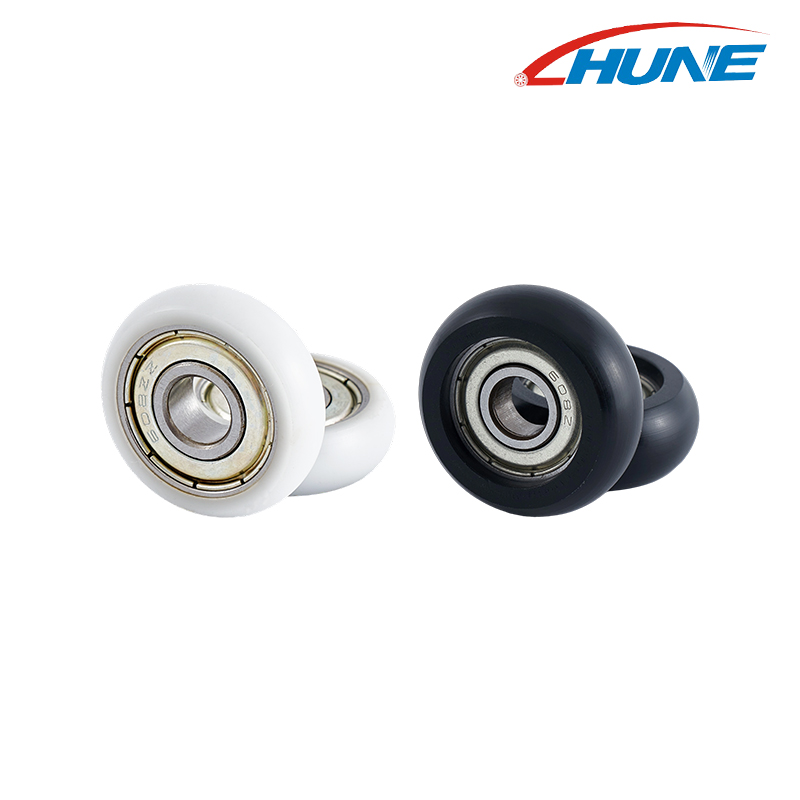
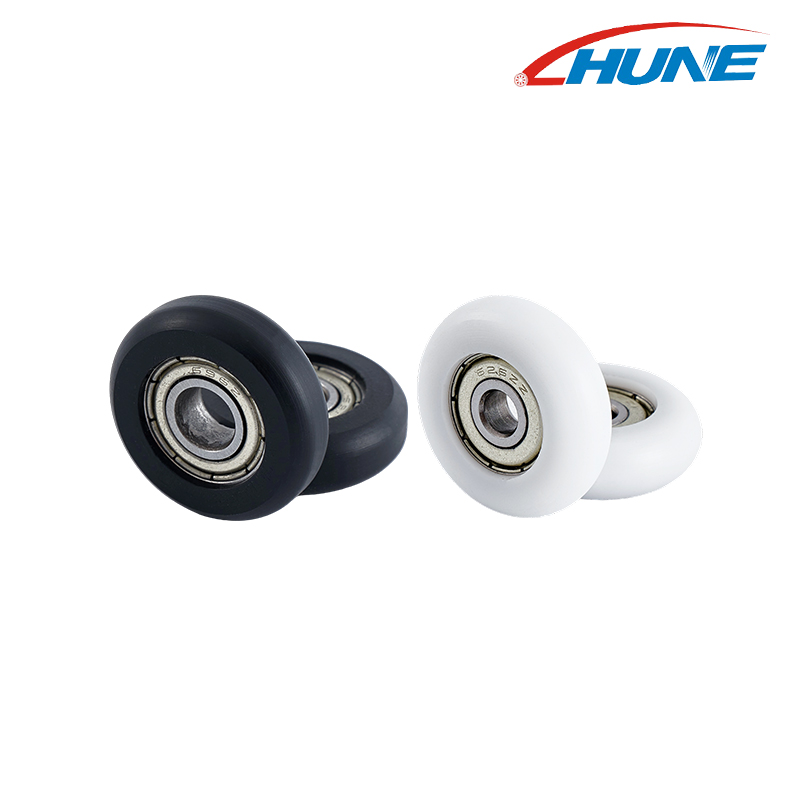
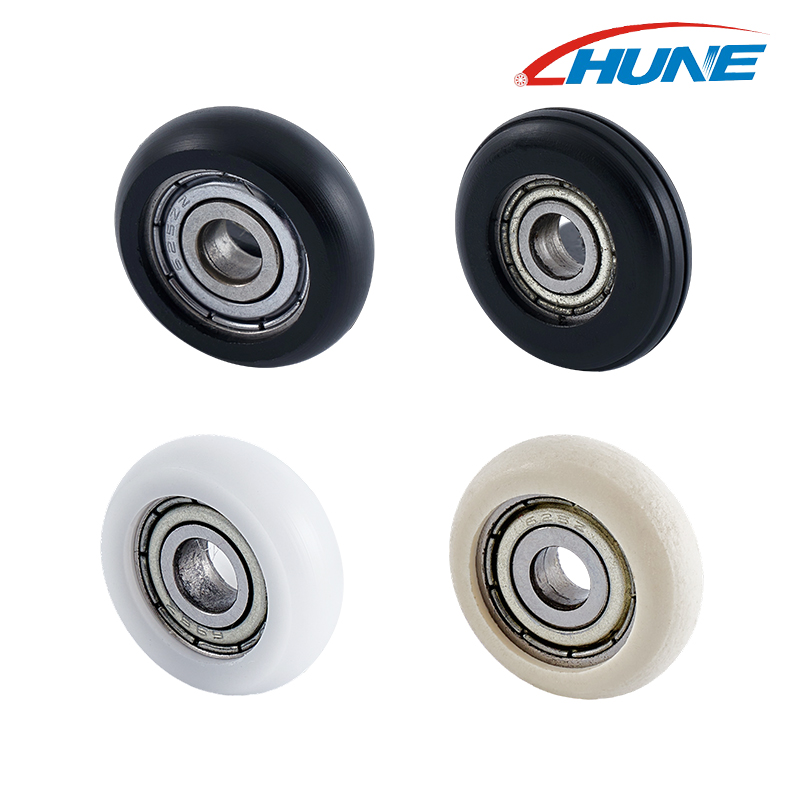
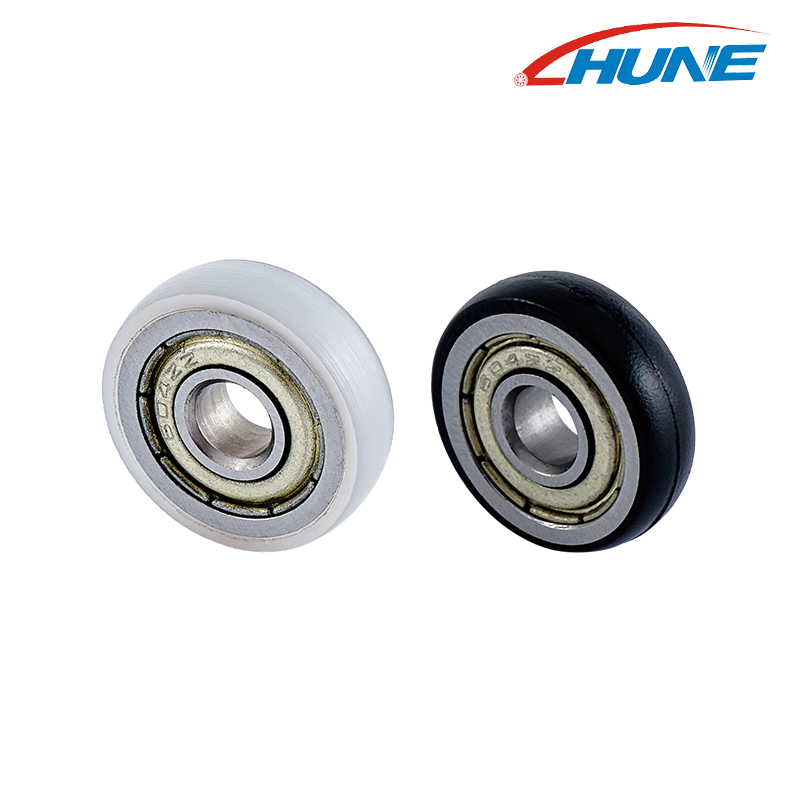
Manufacturers size sheaves in proportion to the rope class they expect, which is why customising the groove to the actual line in use is worth the conversation. The measurements that define a custom rope pulley include exactly this groove relationship.
How Friction Quietly Steals Your Margin
An unloaded rope glides through a block as if the hardware barely matters. Under load, friction announces itself, and it arrives from several directions at once.
The rope drags along the groove surface. The wheel resists spinning on its axle, more if the bearing is tired or the bore is dirty. Misalignment between the block and the pull direction scrapes the line against the cheeks. Each of these converts some of your pulling effort into heat and wear, and each one grows as the hardware ages.
Friction rarely causes a dramatic failure by itself. What it does is nastier: it makes the operator pull harder for the same result, and higher pull force loads every element in the chain harder than the plan assumed. A system sized with a slim margin suddenly runs near its edge simply because the block needs cleaning.
The fix is boring and effective. Keep the bearing spinning freely, keep the groove clean, align the pull direction with the sheave plane, and the designed margin stays where the designer put it.
What Wears a Block Down Over Time
Capacity is not a constant. It is a condition, and the conditions below erode it.
| Wear Factor | What It Does | Sensible Response |
|---|---|---|
| Groove wear | Deepens or widens the seat, lets the rope ride wrong | Inspect the groove profile; retire the block once the seat deforms |
| Bearing grit | Adds drag, heats the hub | Choose sealed bearings; clean or replace when spin turns rough |
| Corrosion | Pits metal surfaces, roughens the rope path | Prefer plated or stainless hardware outdoors; store dry |
| Side loading | Forces rope against one cheek, distorts the frame | Rig so the pull runs in the sheave plane |
| Shock loading | Applies force far beyond the steady pull | Lift smoothly; avoid jerking and dropping |
None of these require an engineering degree to spot. They require a thirty-second look before the load goes on, which is precisely the look plenty of people skip.
Doubling Up: Why Two Sheaves Beat One
When a lift feels heavy, the classic answer is not a stronger arm. It is more sheaves.
Running the rope through multiple wheels in a block-and-tackle arrangement shares the load across several rope segments. Each segment then carries a fraction of the total, and the pulling effort drops accordingly. The trade is speed: the more segments sharing the load, the more rope you pull to raise the load a given distance. Storage hoists embrace that trade happily, since nobody needs a kayak to rise quickly, only to rise easily.
Two cautions keep the doubling honest. Every added sheave adds its own friction, so the theoretical relief is always slightly larger than the felt relief. And every added segment multiplies the number of parts that must carry its share, so the anchoring hardware deserves proportionally more attention.
A Practical Pre-Lift Inspection, in Plain Steps
Condensing everything above into a routine that takes under a minute:
- Spin the wheel by hand. Free, quiet coasting passes; grinding fails.
- Run your finger through the groove. A smooth, even seat passes; ridges, flat spots, or sharp edges fail.
- Check the frame and attachment points for cracks, bends, or stretched holes.
- Look at the rope itself where it rides the groove. Fraying, glazing, or a kink memory means the line is the weak link, whatever the block says.
- Confirm the anchor can take the load with margin, then lift smoothly and watch how the system sounds. New noises mean new problems.
Rope Choice Reshapes the Entire Calculation
Conversations about capacity tend to orbit the block, yet the rope decides as much of the outcome as any hardware choice. Three rope families dominate practical use, and each reshapes the system around itself.
Natural Fibre Lines
Manila and similar natural ropes grip blocks warmly and knot securely, which is why they persist in traditional settings. Their weaknesses show up outdoors: moisture rots the fibres, repeated bending through a tight groove shortens their life, and their strength per diameter trails the synthetics. A natural rope asks for a generous sheave and dry storage in return for dependable service.
Synthetic Lines
Nylon and polyester ropes carry more load per diameter, resist rot, and shrug off moisture. They also stretch under load, which absorbs shock pleasantly but turns a slipped cleat into a surprise rebound. Polypropylene, the budget favourite, floats on water and costs little but degrades in sunlight faster than its cousins. A synthetic rope asks for cleats that grip firmly and for UV-aware storage.
Wire Rope
Where serious loads live, wire changes the conversation entirely. It barely stretches, it demands a groove shaped to its construction, and it punishes kinks permanently. Wire also hides its damage; a broken strand inside a lay is invisible from outside, which is why wire systems pair with formal inspection routines rather than casual glances.
The pairing principle across all three: the block and the rope were designed for each other or they were not. Mixing a stiff synthetic into a groove cut for soft fibre wedges, abrades, and heats. Mixing a soft line into a wire groove lets it bed too deeply and bind. When in doubt, ask the block's maker which line class the groove expects.
Rigging Sense: Angles, Anchors, and Direction
Capacity lives in the geometry as much as the materials. Three rigging habits preserve it.
Keep the pull in the plane of the wheel. A rope approaching the block at a sharp angle loads the cheeks sideways, and sideways load multiplies friction while bending the frame. Reposition the block rather than fighting the angle.
Respect the anchor's direction too. A ceiling-mounted block experiences an upward pull that wants to extract its fasteners from the joist; a wall-mounted one pulls outward toward the wall face. Anchoring hardware should oppose the actual pull direction, not merely hold the block's weight at rest.
Watch the system's symmetry. A two-line arrangement shares load only while both segments run at similar angles; if one segment steepens, its share of the load climbs past the other's, and the margin migrates to whichever line you least expected to carry it.
Caring for Hardware Between Jobs
Storage sounds like an afterthought, yet it is where much of a block's service life is quietly decided. Moisture sitting in a stored block does the same work as rain, just without an audience. A few habits close that door:
- Hang stored blocks in a dry, ventilated spot rather than leaving them in a toolbox where they contact damp rags and salty gear.
- Coil ropes loosely and hang them; tight coils set kinks into synthetic lines and trap moisture against natural ones.
- Wipe metal blocks after wet-weather work. A thirty-second dry-down after a rainy lift prevents the slow oxidation that inspection would later flag.
- Keep a small log with each lifting setup, noting inspection dates and any changes to the rope or hardware. The log turns pre-lift checks from memory into habit.
None of this adds work on lifting day. It simply ensures the block you reach for is the block you inspected, maintained, and trusted last season, rather than a stranger that spent the winter rusting in a dark drawer.
So how much weight can a rope pulley hold? Exactly as much as the weakest, the furthest worn, the least maintained element in its chain will allow, on the day you ask. A sound block with a matched groove, a freely spinning sealed bearing, and a healthy rope carries its working capacity with room to spare. The same hardware, gritty and misaligned, might struggle at a fraction of that figure.
Capacity, in other words, is less a number printed on the side and more a state of maintenance you choose to keep. Keep the state, and the load follows.