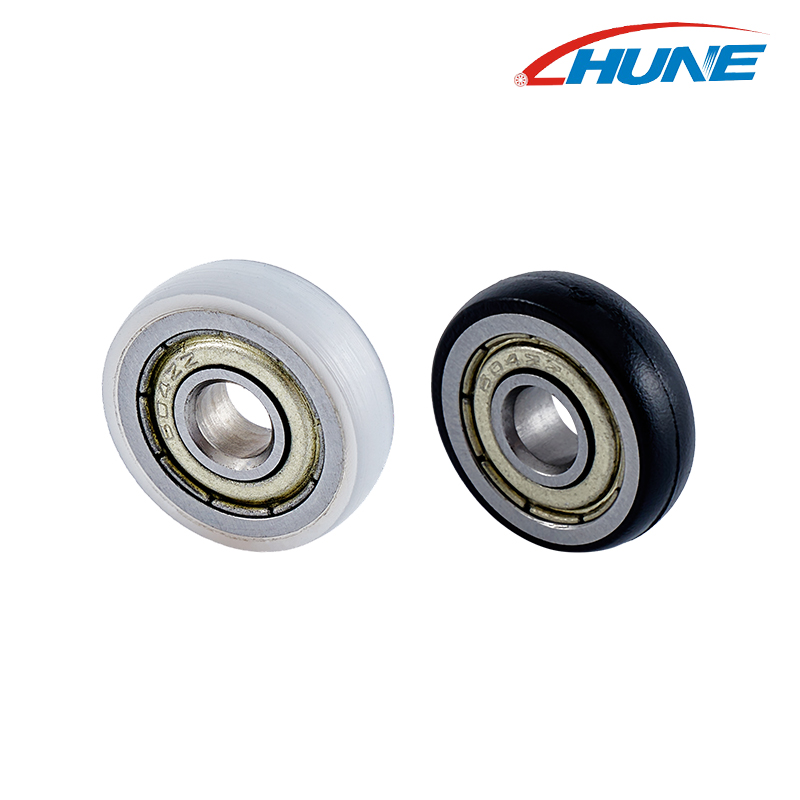
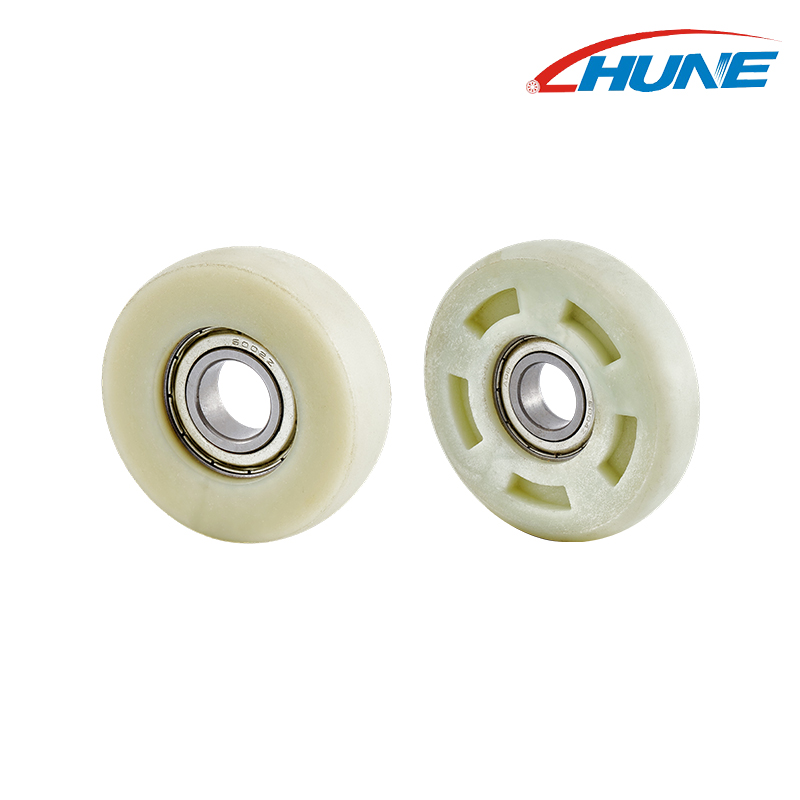
Quiet Sliding Door Rollers with Sealed 6000-Series Bearings – Durable Nylon & PU Roller Wheels
Sliding doors show up everywhere—patios, wardrobes, office partitions, room dividers. They look simple, but the day-to-day experience is decided by one small system most people never think about: the rollers and the track. After replacing worn sets in older homes and helping friends install new doors, I've come to see rollers as less about "making the door move" and more about preventing the constant annoyances—sticking, scraping, rattling, and that subtle wobble that makes a door feel cheap.
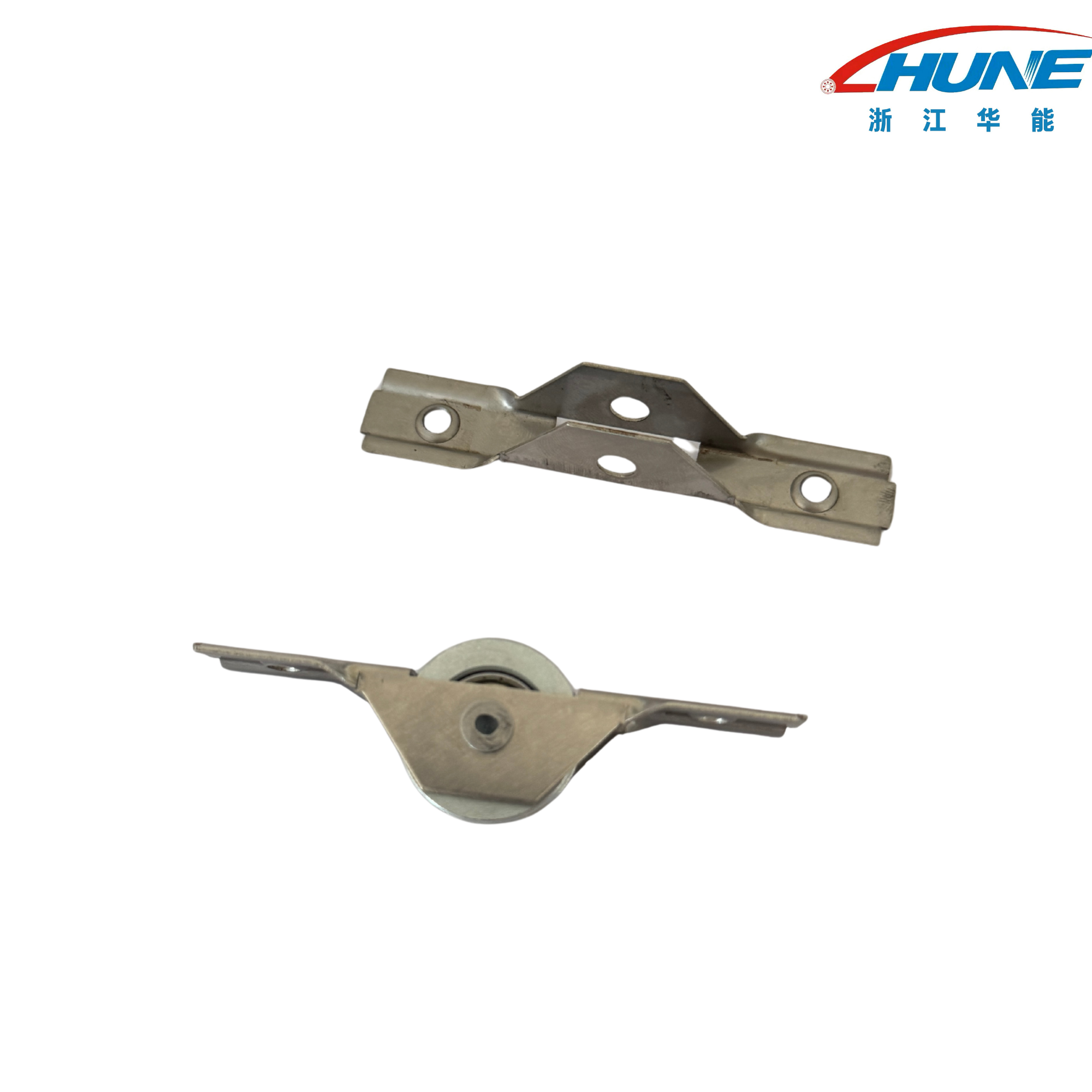
At the most basic level, a roller is just a wheel on a bracket that carries the door along a rail instead of letting it drag. When rollers are low-quality—brittle plastic, thin metal, or hardware that's already starting to corrode—they tend to wear quickly and unevenly. That's when doors start to bind, lean out of level, or in the worst cases, hop the track. A good set, especially one with solid adjustability and durable materials, distributes the load better and keeps the panel running straight. The difference is obvious: one door disappears into the background of your life, the other becomes a daily negotiation.
Materials and Design Details That Actually Matter
Those details are exactly what determines whether you're fixing the same door again next year.
- Corrosion resistance: For humid areas (bathrooms, kitchens, coastal homes, or patio doors that see condensation), I lean toward corrosion-resistant metal components because rust isn't just cosmetic—it increases friction and accelerates wear.
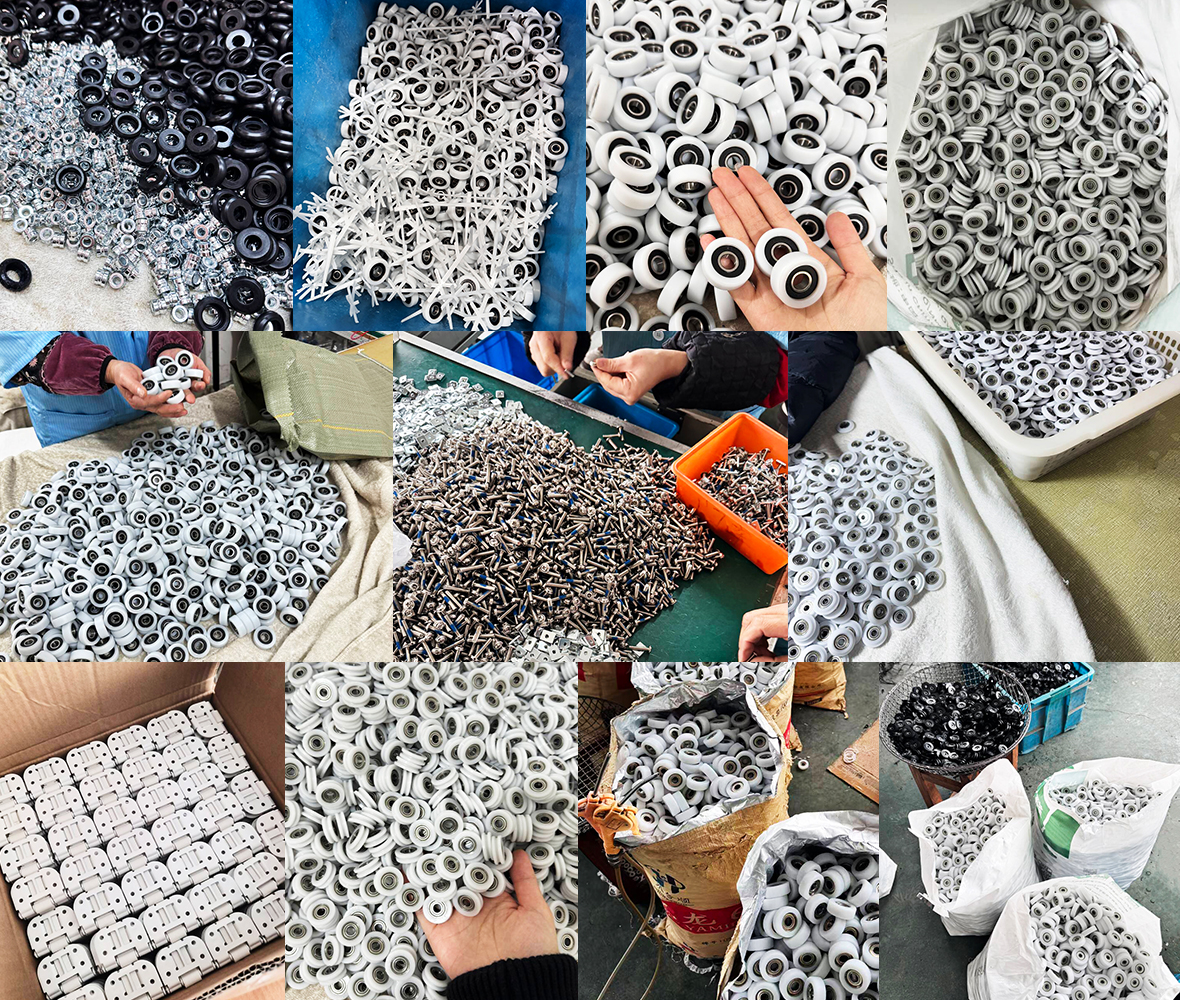
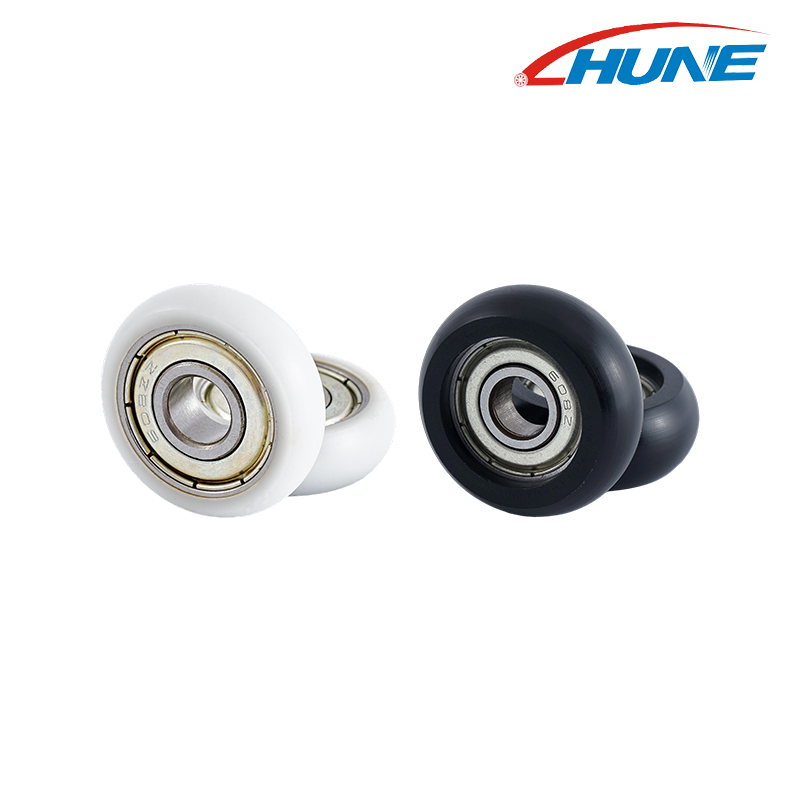
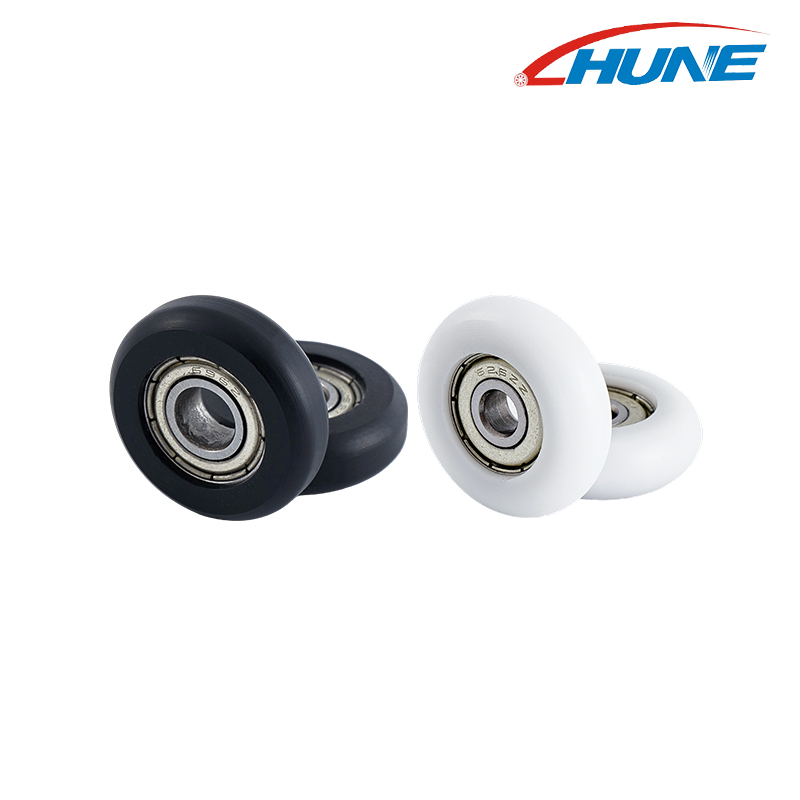
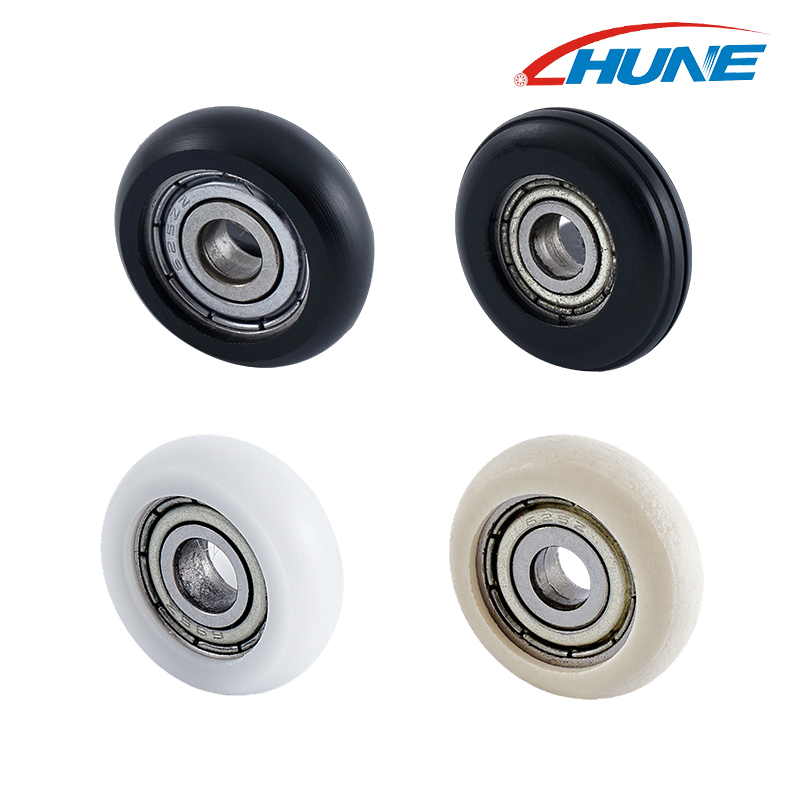
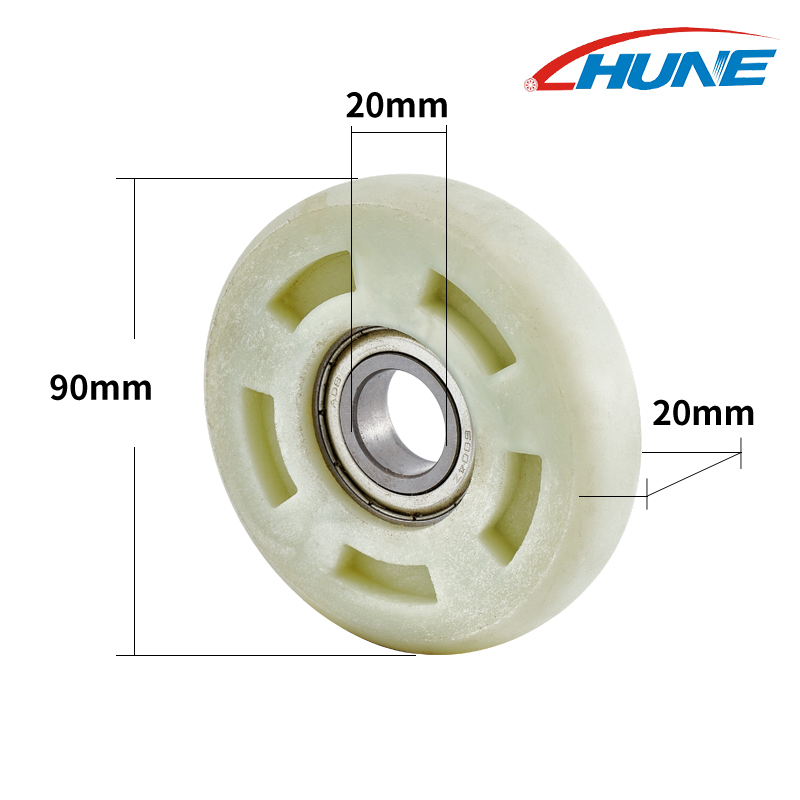
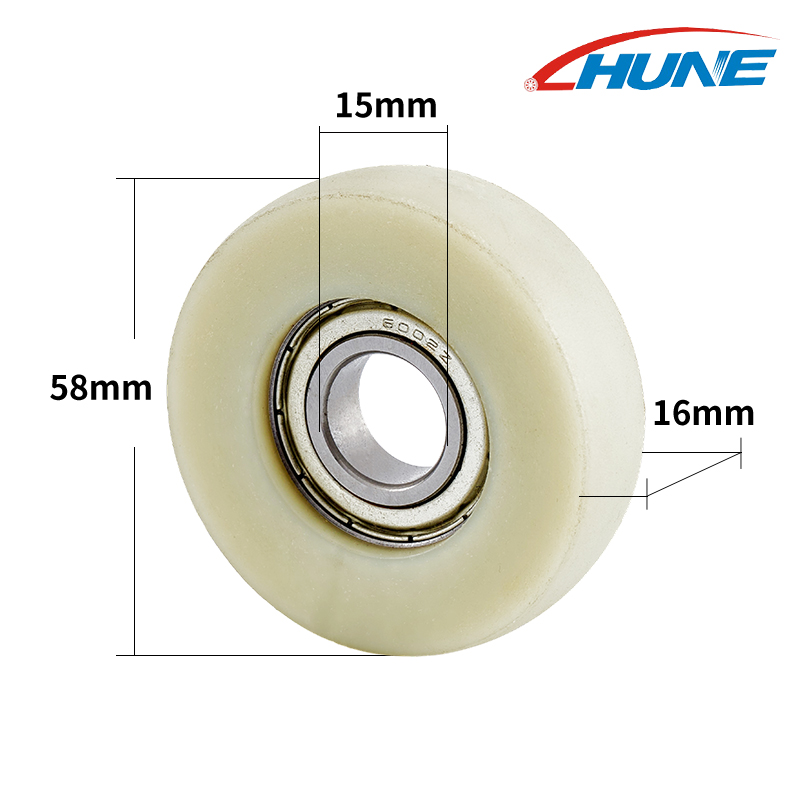
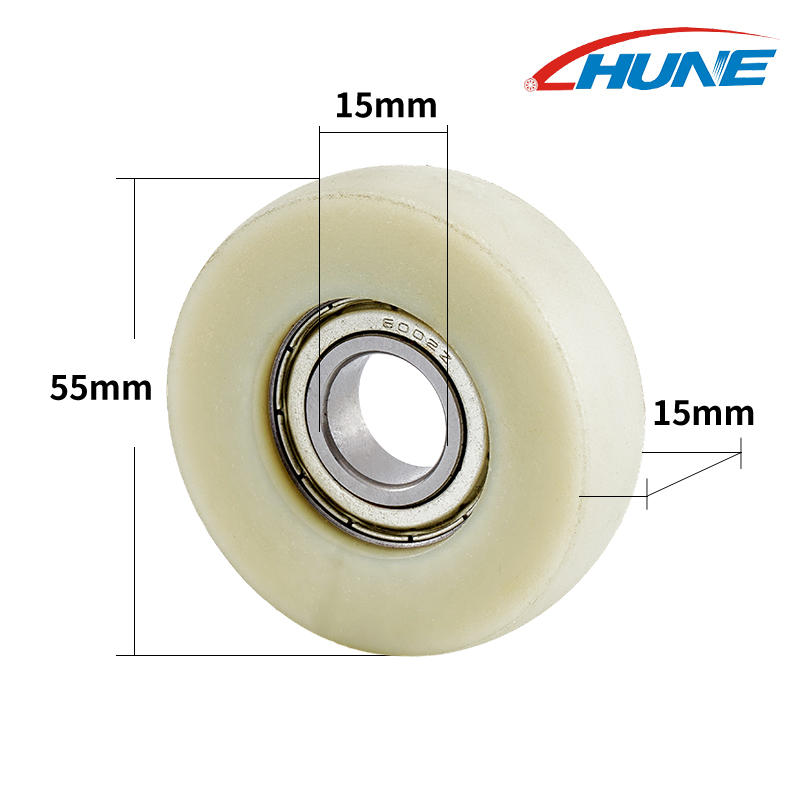
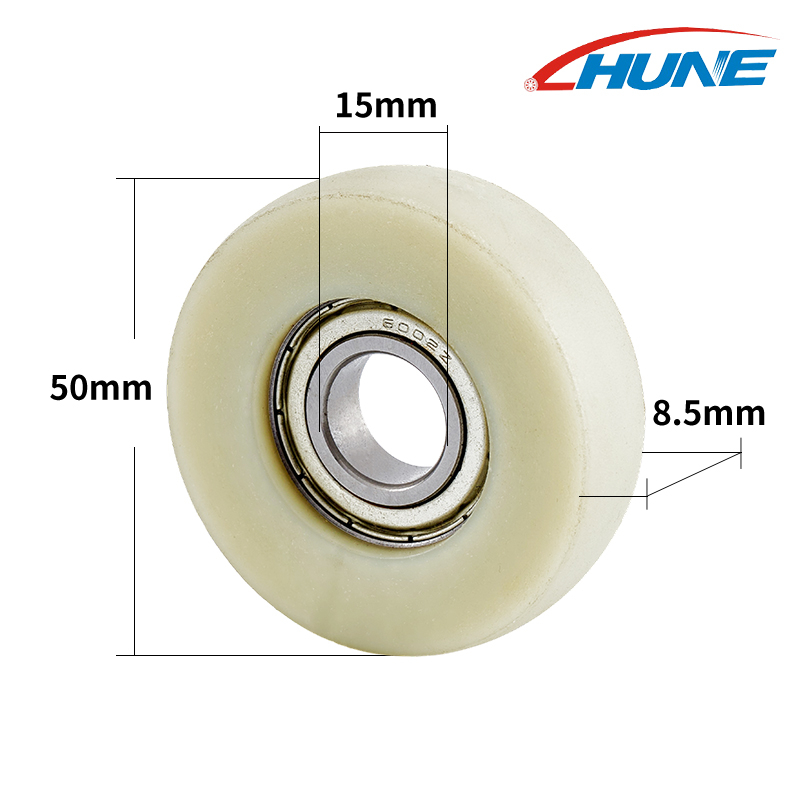
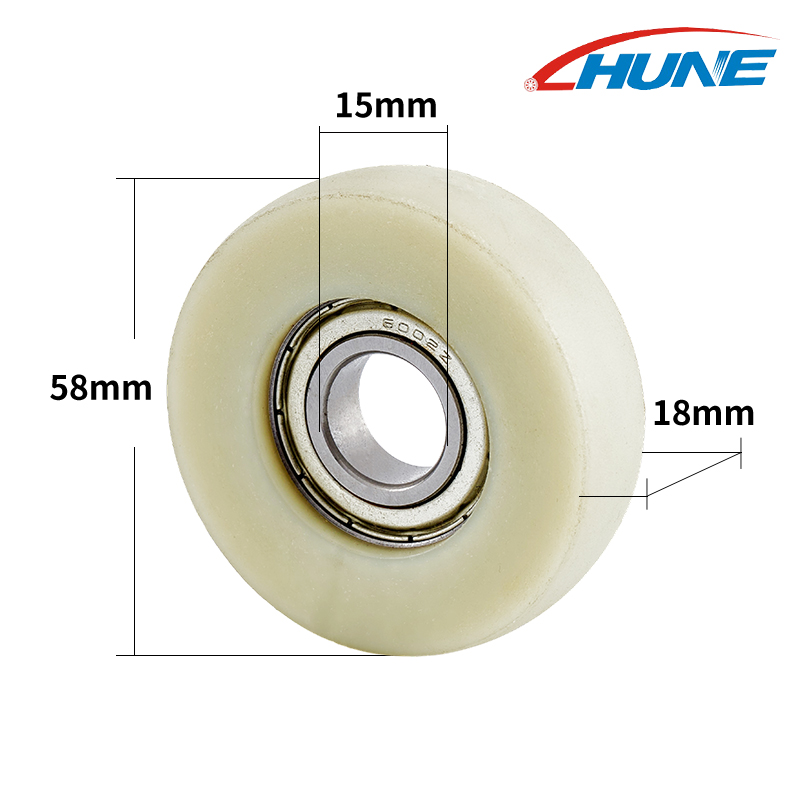
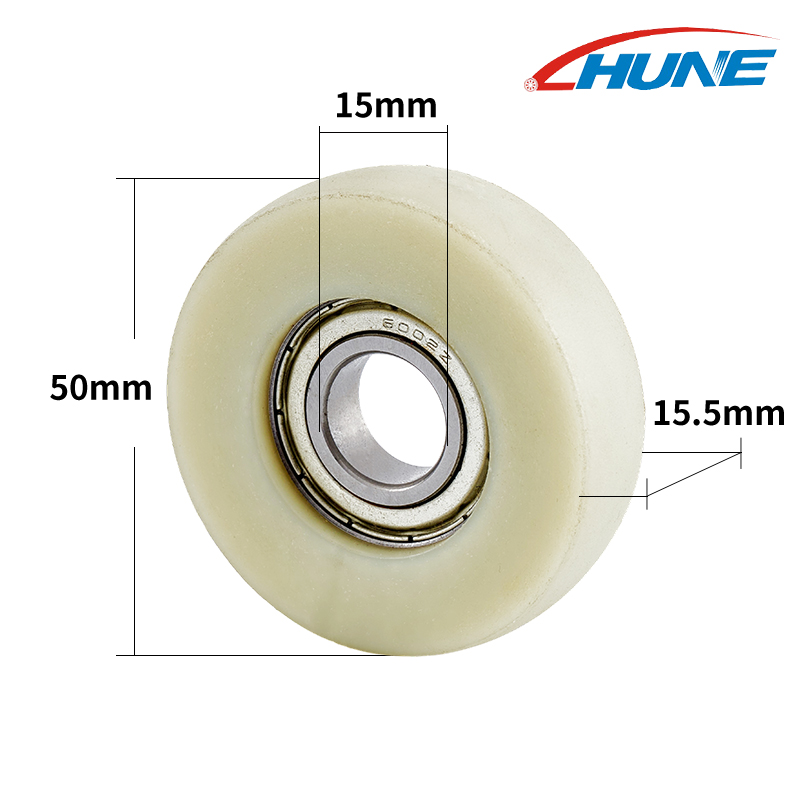
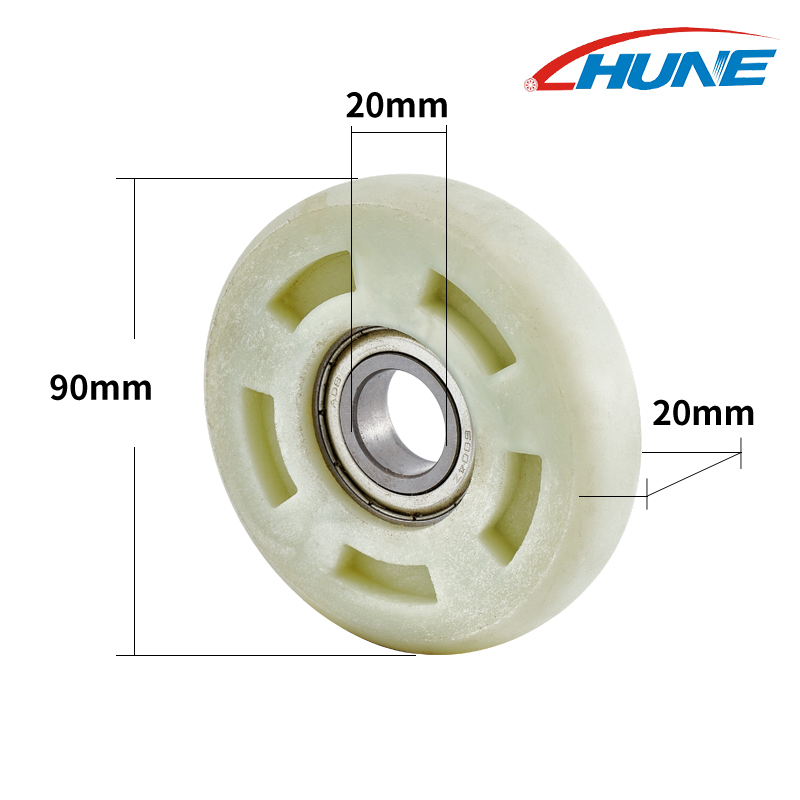
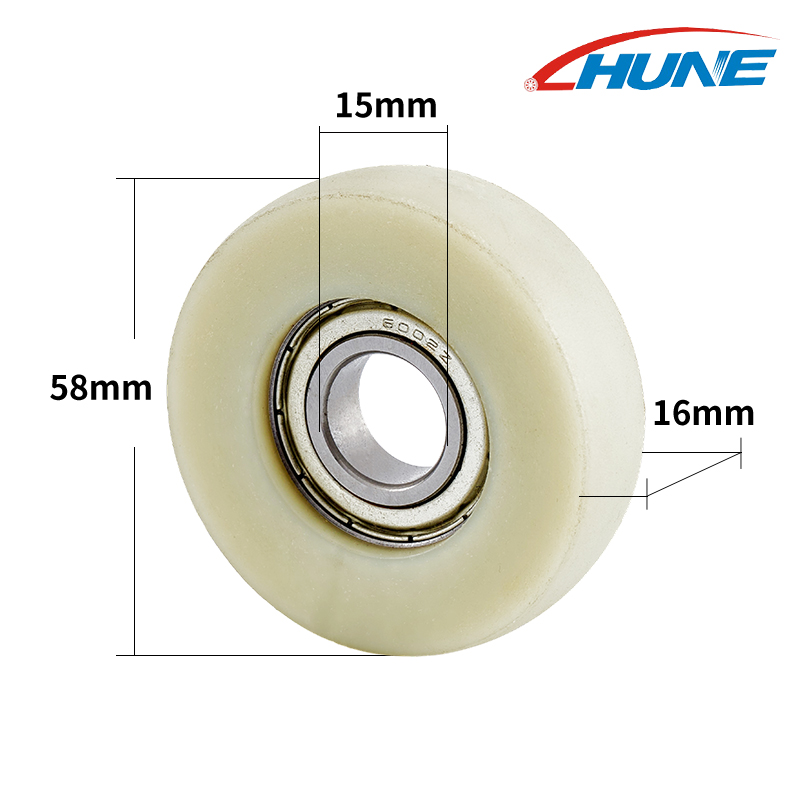
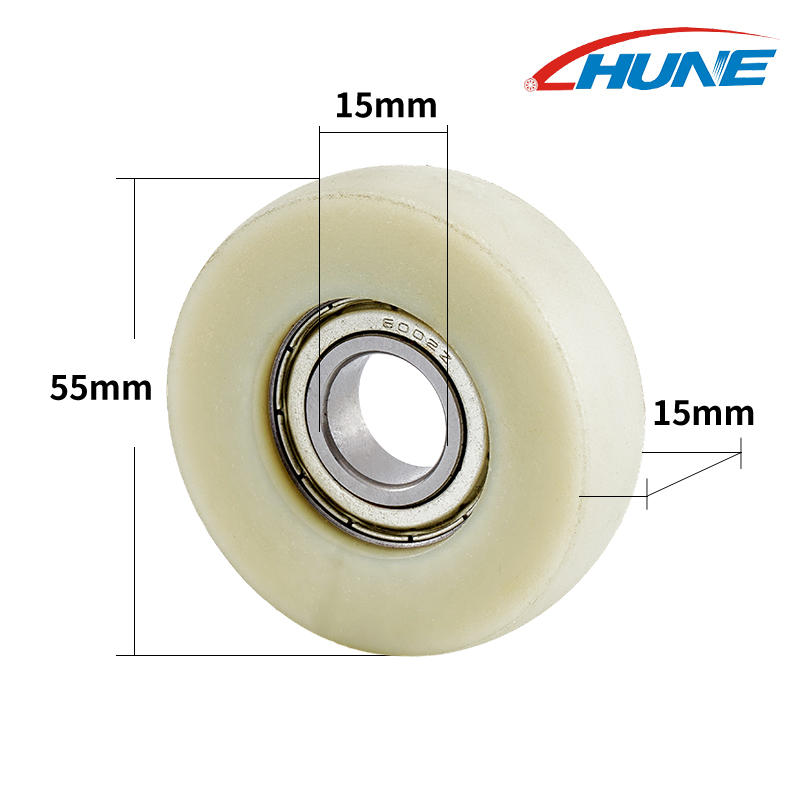
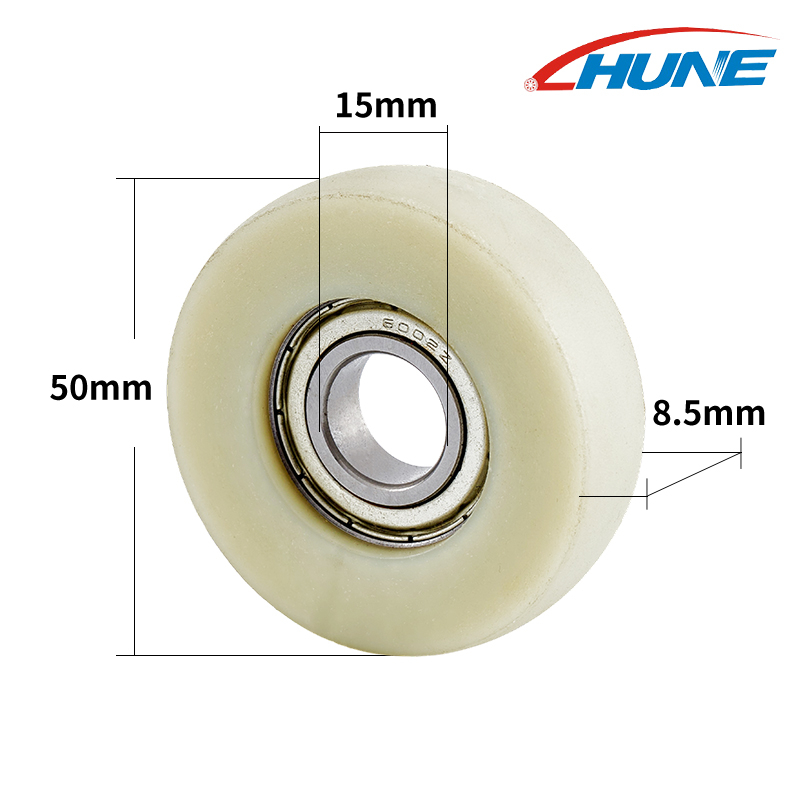
- Wheel material for noise and track protection: Wheels made from nylon or polyurethane tend to run quieter than hard metal and are less likely to scar the track. They also handle small bumps better, which reduces chatter and vibration.
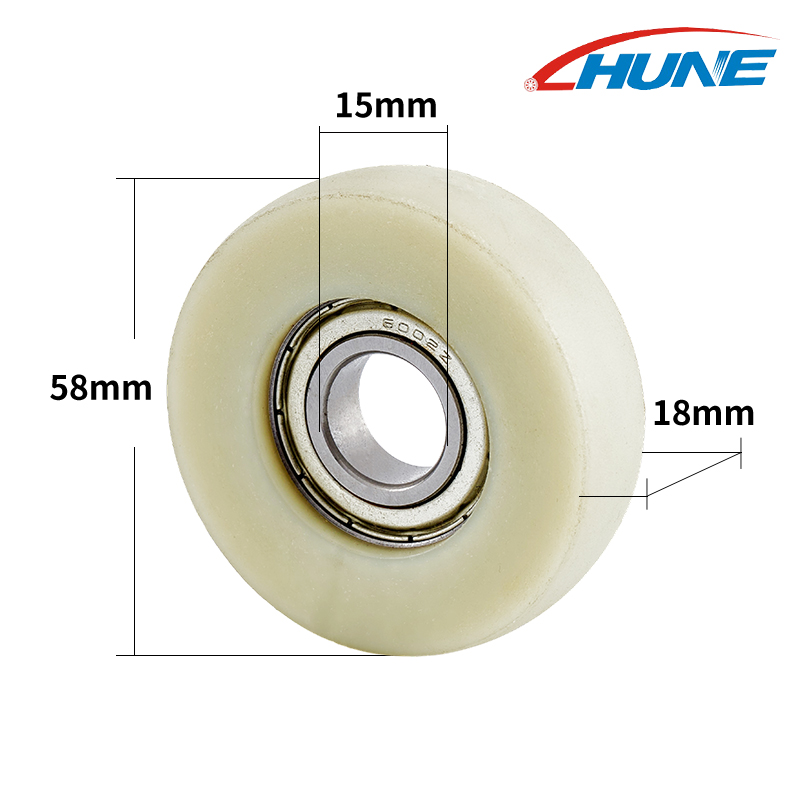
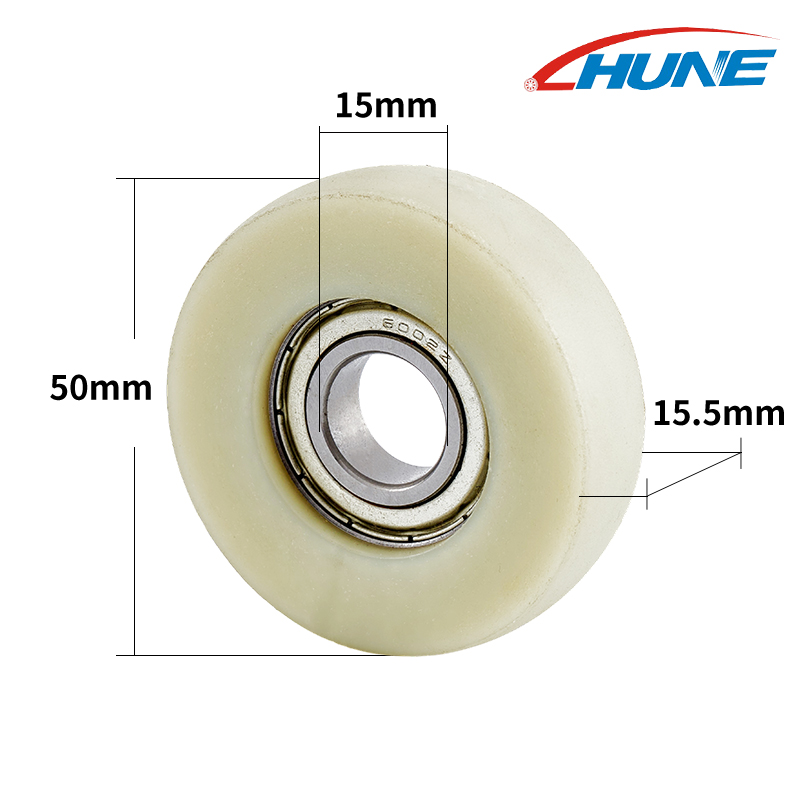
- Bearings that stay smooth: Rollers with sealed ball bearings usually keep their glide longer with less fuss. You're not constantly chasing squeaks or feeling that gritty "drag" that shows up as dust works its way into cheaper assemblies.
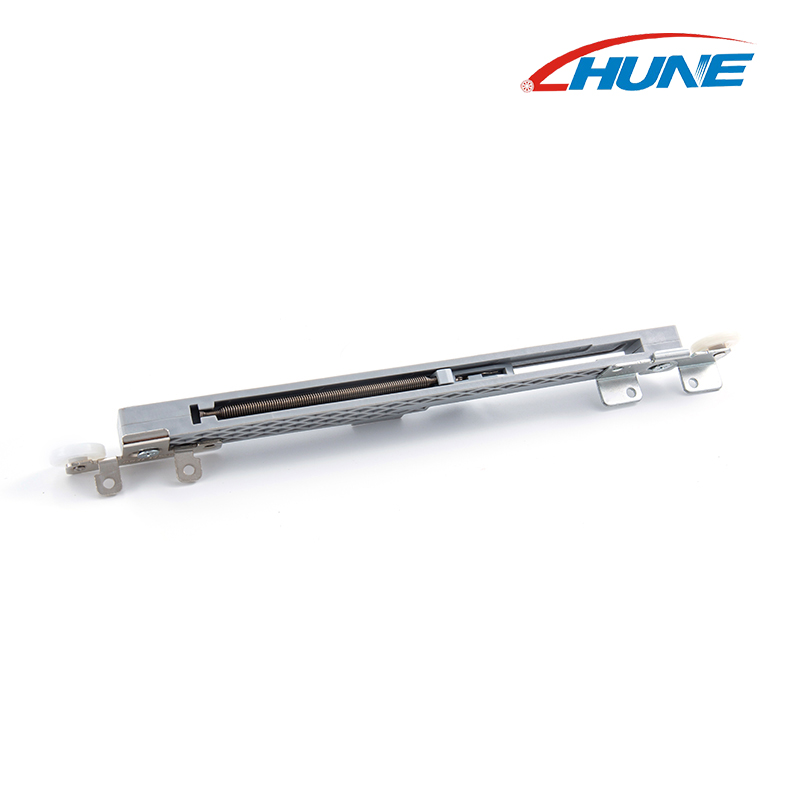
- Anti-sway/anti-wobble adjustment: For taller panels or exterior doors that catch wind pressure, a simple anti-sway adjustment can be the difference between a stable door and one that constantly shimmies or rattles. Skipping this feature often leads to more tinkering later.
Getting the Fit Right: Measure First, Save Yourself the Extra Trips
If there's one habit that has saved me the most time, it's treating roller selection like a matching exercise—not a guess.
Before buying:
- Track profile and width: Many systems look similar until you measure them. Even a small mismatch can cause binding or sloppy movement.
- Door thickness and mounting style: Glass and wood panels often use different mounting arrangements, and hardware that fits one can be wrong for the other.
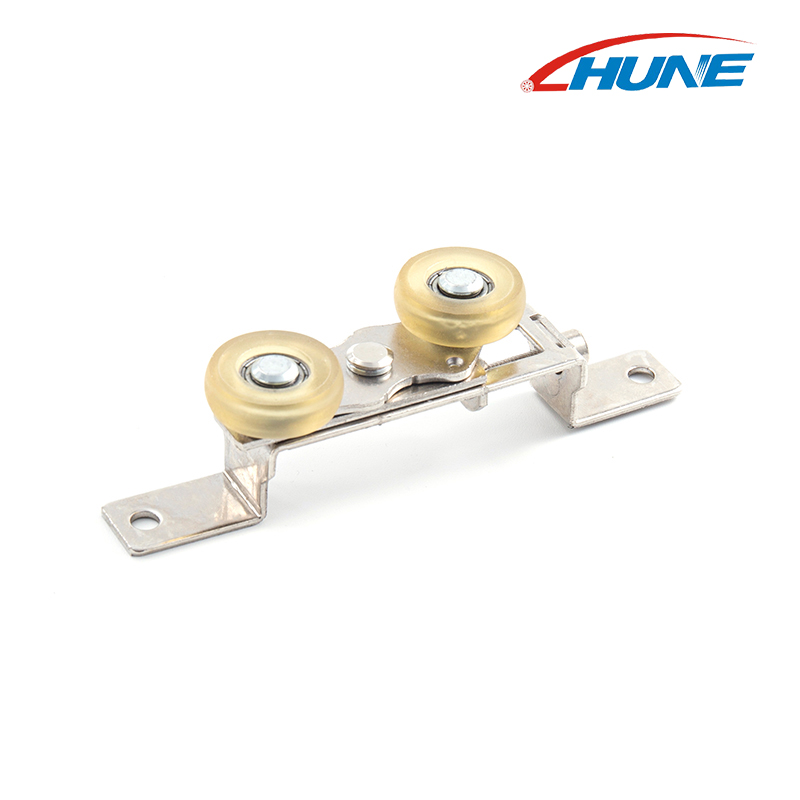
- Door weight: Light interior sliders can be forgiving, but heavier panels—especially thick glass—need rollers rated for the load, with better bearings and sometimes additional rollers per side for stability.
Top-hung vs. bottom-rolling systems:
- Top-hung setups keep floors cleaner and can look sleek, but they demand solid overhead support and careful alignment.
- Bottom-rolling systems tend to feel more inherently stable, but the floor track needs regular cleaning to stay smooth.
Maintenance That Keeps Rollers Quiet and Long-Lived
Rollers don't need constant attention, but they do reward basic care.
- Clean the track periodically: A soft cloth and mild cleaner go a long way. Harsh chemicals can leave residue that attracts grit or interferes with smooth rolling.
- Use the adjustment screws when dragging starts: Many "the door is broken" complaints are really just a door that's slightly out of level. A small height/level adjustment can fix it in minutes.
- Watch for early warning signs: Uneven wheel wear, loosened fasteners, or a door that sits slightly crooked usually means something is shifting. Catching it early prevents track damage and longer-term wear.
- Lubrication: minimal and targeted: In damp areas, a light silicone application on the track can help—but overdoing it turns the track into a dirt magnet. If bearings are sealed, they generally shouldn't need frequent lubrication.
With decent hardware and reasonable care, rollers can last many years; the short lifespans usually come from dirty tracks, misalignment, or undersized rollers carrying too much weight.
Where Upgrading Rollers Pays Off the Most
- The best upgrades are the ones you feel every day without thinking about them.
- Wardrobes and closets: Quiet, smooth motion matters when doors open and close constantly.
- Patio doors: Stability features help prevent wobble and rattling, especially with breezes or heavier panels.
- Office partitions: Smooth, controlled movement makes the whole setup feel more professional and less "temporary."
- Custom light partitions or screens: Adjustable rollers are great when floors aren't perfectly level and you need fine tuning.
A roller system won't win any design awards, but it quietly determines whether a sliding door feels smooth and "finished" or turns into a regular maintenance chore. When the rollers are properly sized, solidly built, and easy to adjust, the door glides with minimal effort—and keeps doing so long after the installation dust settles. When they're mismatched or cheaply made, you end up revisiting the same issues: dragging, wobble, noise, and constant tweaking.
That's why I treat rollers as one of the smartest upgrades you can make. A little extra attention upfront usually saves time and frustration later. If you're comparing options or looking for reliable replacement hardware, Hunepulley has a good range worth checking out at /hunepulley.com—especially if you want parts that are designed to run smoothly and stay adjustable over the long haul.





 English
 Español
 日本語
日本語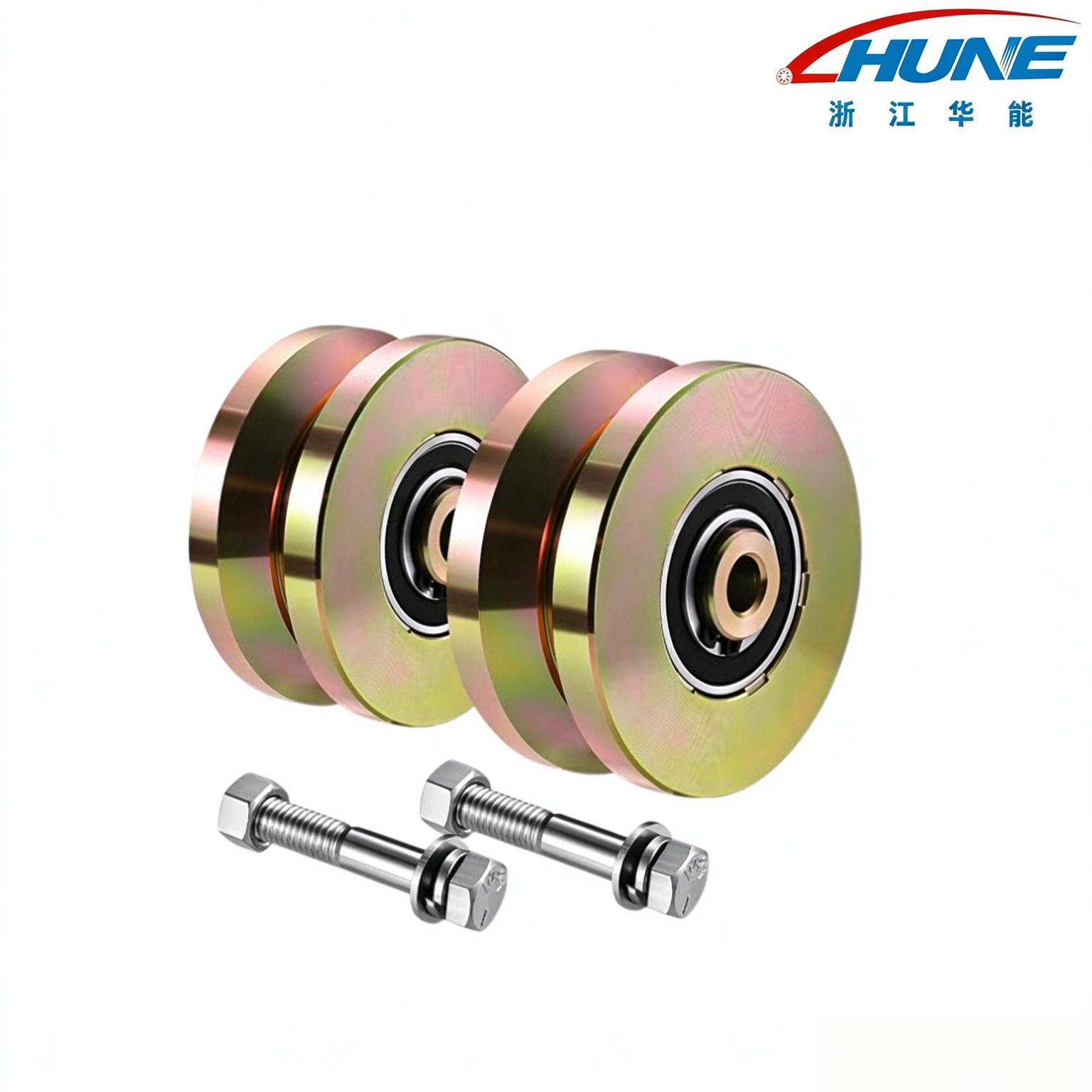
 +86-15058997617