

 English
 Español
 日本語
日本語Cavity sliding doors are designed to make everyday living easier. They save space, create a cleaner wall line, and work well in homes where a hinged door would feel intrusive or impractical. But once the door disappears neatly into the wall, many people stop thinking about the hardware altogether. That is usually where the trouble starts.
In 2026, cavity sliding door systems are expected to do more than simply open and close. Homeowners want quiet operation, developers want fewer service issues, and buyers across residential and commercial markets are paying more attention to how hidden hardware performs over time. Rollers are a small part of the system, but they do a large part of the work. If they are ignored, the first signs are often familiar: rough movement, added noise, vibration, or a door that no longer feels as smooth as it once did.
In most cases, cavity sliding door rollers are fairly easy to look after and do not call for anything overly technical. What makes the biggest difference is steady, practical maintenance rather than complicated servicing. A few simple checks and regular care can go a long way in keeping the door running smoothly, minimizing wear, and helping the full sliding system stay in better condition for longer.
Why Roller Maintenance Matters More in 2026
The reason this topic is getting more attention is simple. Modern cavity sliding doors are being used in more demanding ways than before. They are no longer limited to occasional-use interior spaces. Today they appear in:
- apartments with compact floor plans
- higher-end residential interiors
- renovation projects
- hotels and serviced accommodation
- shared living spaces
- offices and flexible work environments
At the same time, expectations have changed. Customers now notice details that were often overlooked in the past. A door that makes noise, drags slightly, or feels unstable during movement can affect the perceived quality of the entire room. In markets where customer reviews, handover standards, and after-sales service all matter, hidden hardware performance has become more important.
This means maintenance is no longer just about preventing complete failure. It is also about preserving day-to-day comfort and protecting the long-term value of the installation.
What Causes Rollers to Wear Faster Than Expected?
Before getting into maintenance advice, it helps to understand why rollers lose performance in the first place. They usually do not wear out suddenly. Most problems build gradually and often begin with simple conditions that go unnoticed.
Common causes of premature wear include:
- dirt and debris inside the track
- constant operation under near-maximum load
- poor alignment
- low-grade bearings
- unsuitable wheel material
- humidity or corrosion exposure
- lack of routine inspection
The important thing here is that maintenance is not only about cleaning. It is about reducing the conditions that cause friction, stress, and unnecessary wear over time.
Maintenance Tips That Help Keep Rollers Like New
The most effective maintenance routines are usually the simplest ones. The goal is not to overwork the system, but to keep it clean, correctly adjusted, and free from avoidable strain.
1. Keep the track clean
This is the most basic step, but also one of the most effective. Dust, plaster residue, pet hair, lint, and small particles can collect in the track over time. Because cavity doors run in partially hidden spaces, dirt buildup is often ignored until the door begins to feel rough or sound different.
A clean track helps the roller move without interruption. It also reduces stress on the wheel and bearing.
Good practice includes:
- removing visible dust regularly
- checking for construction debris after renovation work
- wiping accessible track areas with a soft dry cloth
- avoiding the assumption that hidden means maintenance-free
If dirt is allowed to remain, the roller may begin to ride unevenly, produce noise, or wear more quickly than expected.
2. Pay attention to changes in sound
One of the earliest warning signs of roller wear is sound. A cavity sliding door that begins to click, scrape, rattle, or grind is often telling you something before a larger problem appears.
Many users ignore this stage because the door still moves. But early noise usually means the system is experiencing one of the following:
- bearing wear
- debris in the track
- alignment stress
- loosening hardware
- wheel surface wear
Treating unusual noise as an early maintenance signal rather than a minor annoyance can prevent more expensive repairs later.
3. Do not overload the system
A roller may have a stated load rating, but long-term performance is usually better when the door is operating comfortably within that limit. Problems often develop when decorative panels, glass inserts, thicker materials, or aftermarket fittings make the finished door heavier than originally planned.
If a door is too heavy for the installed roller system, maintenance alone will not fully solve the issue. The hardware may continue to wear faster because it is working beyond its intended range.
This is especially relevant in 2026, as design trends continue to favor:
- taller doors
- solid-core panels
- heavier decorative finishes
- more premium interior door designs
In other words, maintenance begins with making sure the hardware specification was realistic from the start.
4. Check alignment before wear becomes severe
When a cavity sliding door no longer moves evenly, many people assume the roller itself is failing. Sometimes that is true, but in other cases the real cause is misalignment. A door that sits slightly off, pulls unevenly, or drags in one part of the travel path can place continuous pressure on the roller assembly.
Over time, that pressure leads to:
- one-sided wear
- more operational noise
- reduced smoothness
- shorter service life
Routine checks for stable movement, consistent gap spacing, and clean travel can help identify alignment issues before they create permanent damage.
5. Protect the system from moisture where possible
Not every cavity sliding door is installed in the same environment. Bathrooms, coastal homes, humid climates, and poorly ventilated interiors all create more demanding conditions for hidden hardware. Moisture exposure can gradually affect bearings, brackets, and other metal components, especially if corrosion resistance is limited.
In these environments, maintenance should include:
- watching for signs of rust or rough movement
- improving ventilation where possible
- using corrosion-resistant hardware in the first place
- addressing humidity-related issues early
A cavity door may be indoors, but that does not always mean it is protected from environmental stress.
6. Avoid harsh or unsuitable cleaning methods
Some users try to solve rough door movement by applying random oils, heavy grease, or household sprays without knowing whether the product suits the roller system. This can create new problems, especially if the substance attracts dust or interferes with wheel movement.
A better approach is to keep cleaning methods controlled and appropriate to the hardware. In many cases, basic dry cleaning and proper inspection are more helpful than over-lubricating the system.
Not every roller assembly benefits from the same treatment, so careless maintenance can be just as unhelpful as no maintenance at all.
7. Inspect hardware in high-use spaces more often
A cavity sliding door in a guest room and one in a busy apartment or commercial interior do not experience the same level of stress. High-frequency use shortens the interval between maintenance checks, even if the door appears to be functioning normally.
Spaces that often need more attention include:
- rental properties
- shared living spaces
- office interiors
- hospitality settings
- family homes with constant daily use
In these settings, a simple inspection routine can catch early wear before it turns into roller failure.
Signs Your Rollers Need Attention Now
Some maintenance issues can wait for a scheduled check. Others should be addressed sooner.
Watch for these signs:
- the door feels heavier than before
- movement is no longer even
- the system makes new or sharper noise
- the door shakes slightly during travel
- there is visible dirt buildup in the track
- the door no longer sits correctly when closed
- operation requires more force than usual
These are not just cosmetic issues. They often indicate growing stress inside the roller system.
A Simple Maintenance Schedule for 2026
A practical maintenance plan does not need to be complicated. For most residential settings, a simple routine is enough.
| Maintenance Task | Recommended Frequency | Purpose |
|---|---|---|
| Visual check of track | Monthly | Catch dirt, debris, and obvious obstruction early |
| Light cleaning of accessible areas | Monthly or as needed | Reduce friction and prevent particle buildup |
| Listen for unusual noise | Ongoing | Identify early roller or alignment issues |
| Basic movement check | Every 2–3 months | Confirm smooth, even travel |
| Full hardware inspection | Every 6–12 months | Detect wear, looseness, or corrosion |
For high-use commercial or shared spaces, checks should usually happen more often.
This kind of routine is not excessive. It is simply enough to prevent small issues from becoming expensive hidden failures.
Why Preventive Maintenance Makes More Sense Than Replacement
Because cavity sliding systems are partly concealed, replacing failed hardware is often more disruptive than maintaining it. Once roller problems reach a certain point, the repair may involve more time, more labor, and more inconvenience than most users expect.
Preventive care offers several clear advantages:
- smoother day-to-day operation
- lower risk of premature roller failure
- less noise over time
- reduced after-sales service issues
- better long-term value from the original installation
For developers, builders, and distributors, this also means fewer callbacks and stronger customer satisfaction after project completion.
Keeping cavity sliding door rollers in top condition in 2026 is usually not about doing more. It is about noticing the details that have the biggest effect over time. A clean track, proper door alignment, hardware that matches the actual panel weight, protection against moisture, and quick action when new noise appears can all help the system stay smoother and last longer.
One of the most common oversights is assuming that concealed hardware can simply be ignored. Because the rollers are hidden inside the wall, they are often treated as if they require no ongoing care at all. In practice, concealed systems deserve even more attention at the specification stage, since repairs and replacements can be far more inconvenient once the door is in daily use.
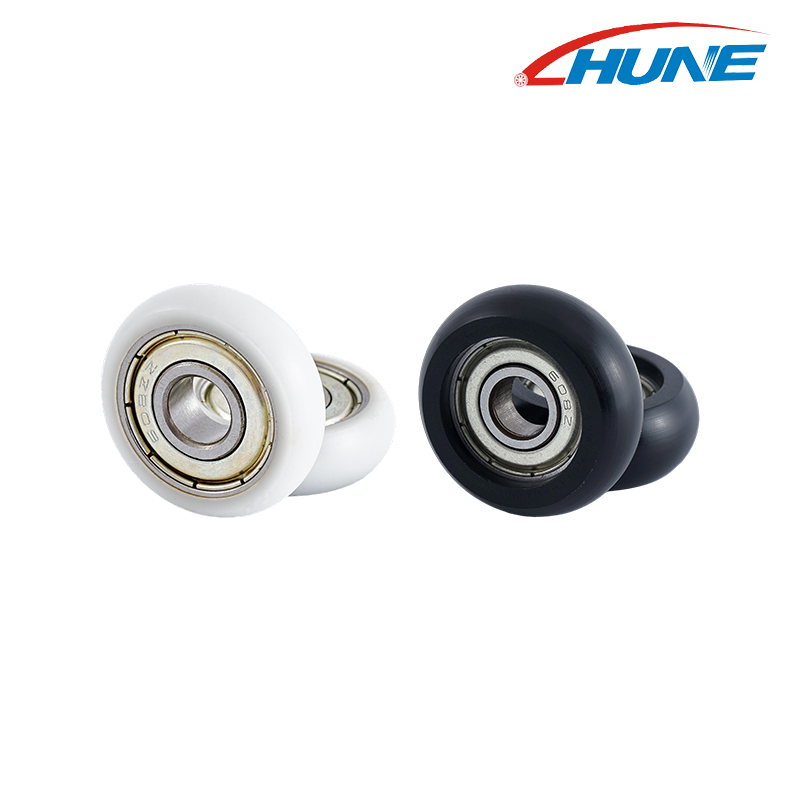
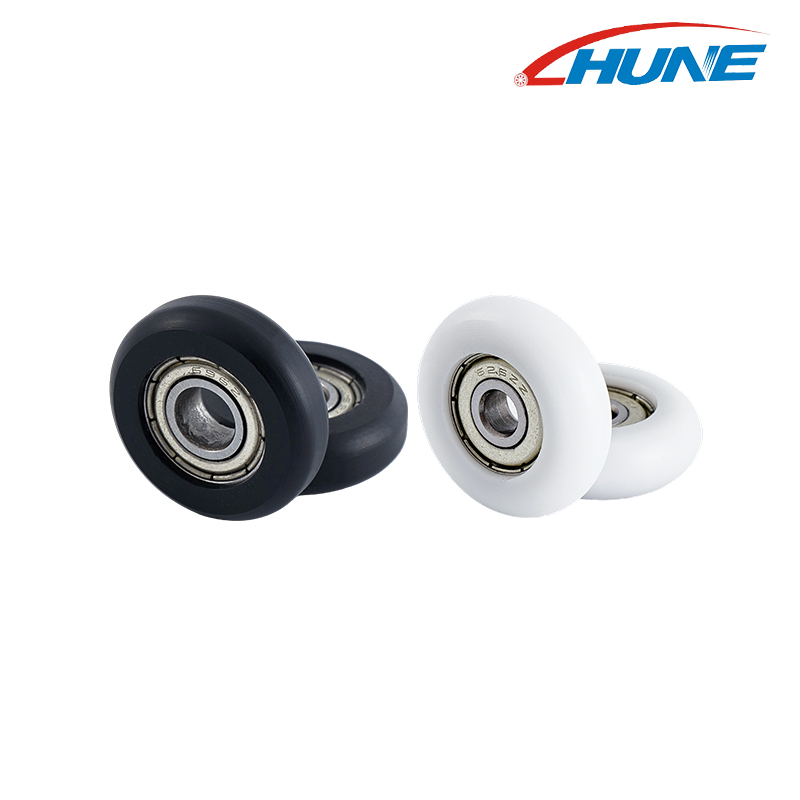
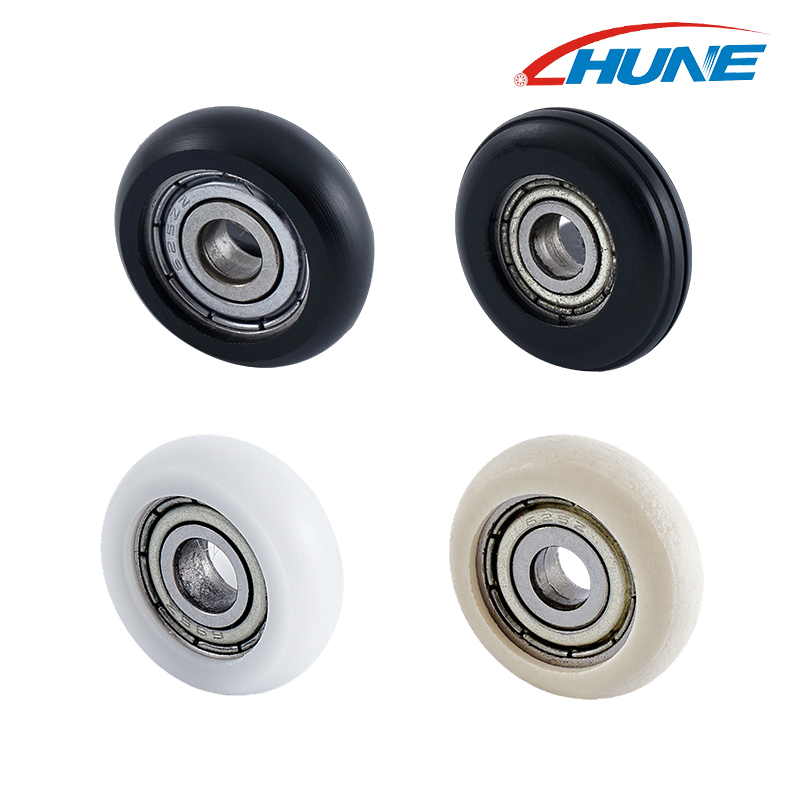
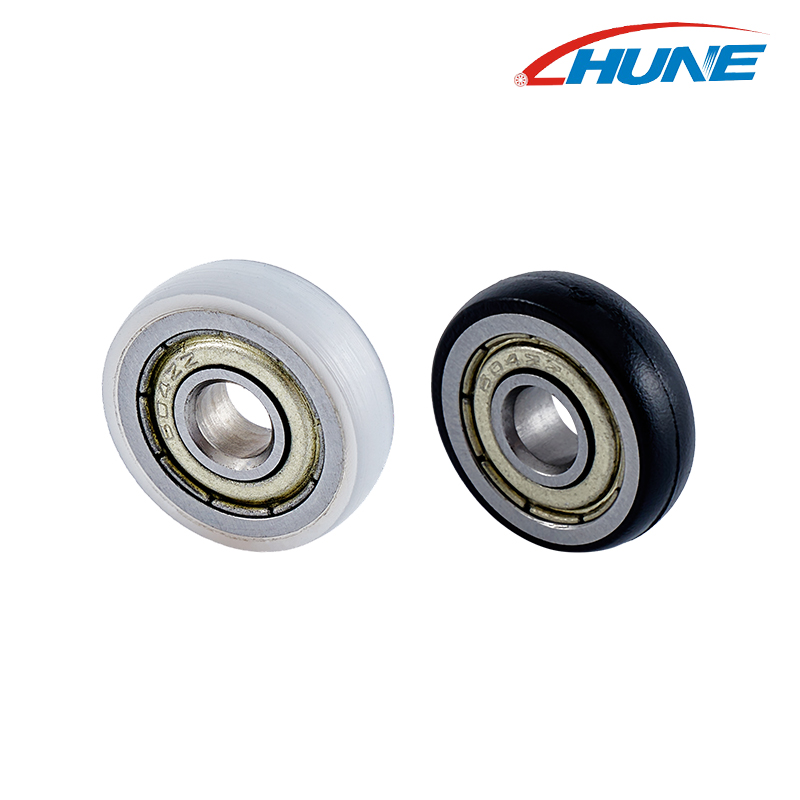
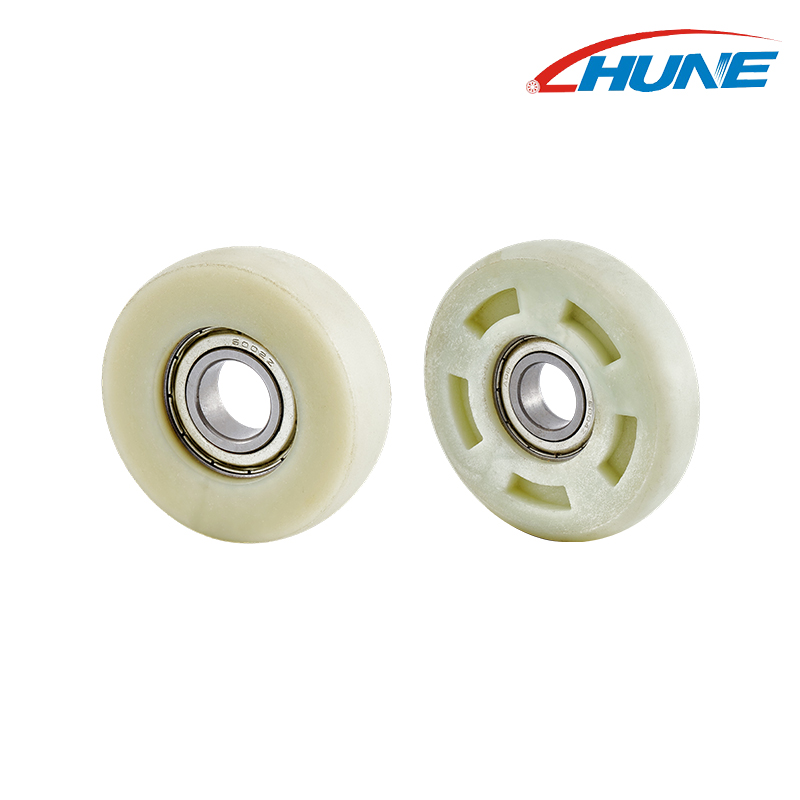
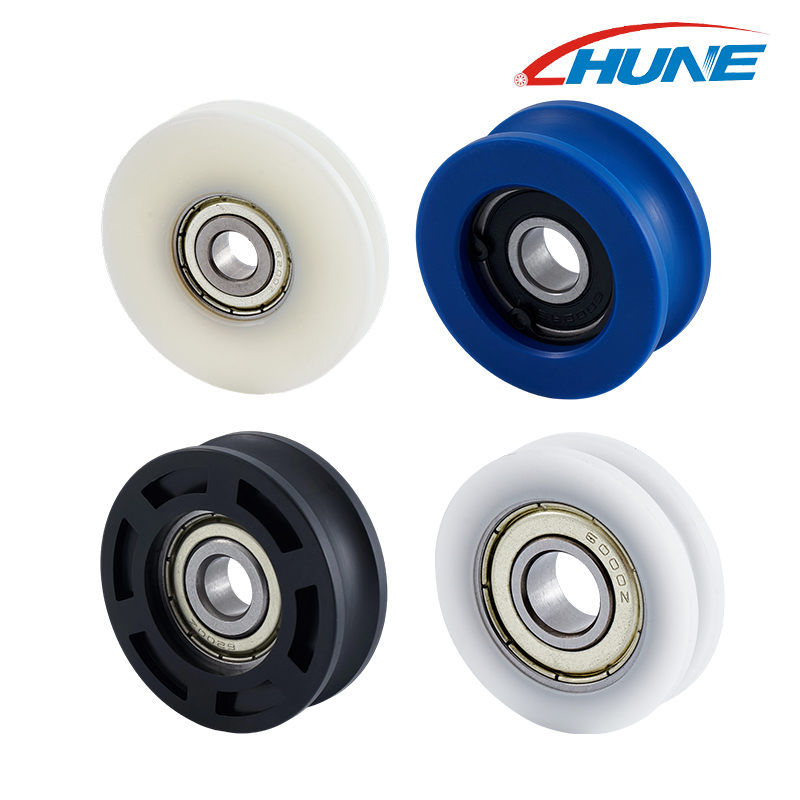
A cavity sliding door that continues to move quietly and consistently after installation is usually the result of better choices from the beginning. That includes not only maintenance, but also the quality of the rollers themselves. For buyers, distributors, and project teams looking for dependable hardware, working with an experienced sliding door roller factory in China can make a real difference. HUNE focuses on manufacturing sliding door roller systems designed for stable performance, smoother operation, and long-term reliability across different interior applications. When the right product is chosen from the start, keeping the system in excellent condition becomes much easier over the years.