

 English
 Español
 日本語
日本語A cavity sliding door is supposed to feel effortless. It should open with minimal resistance, close without drama, and move quietly enough that most people barely notice the hardware at all. When the opposite happens—when the door rattles, scrapes, clicks, or produces an uneven rolling sound—the problem quickly becomes more than a minor annoyance. It changes how the entire system is perceived.
In 2026, that matters more than ever. Cavity sliding doors are now common in apartments, private homes, hospitality interiors, offices, and renovation projects where space efficiency alone is no longer the only selling point. Buyers expect smooth movement, low operating noise, and a more refined daily experience. A noisy sliding door may still function, but from the user's perspective, it feels cheap, worn, or poorly engineered.
The good news is that noise problems are usually not random. They tend to come from a limited number of causes, and in most cases, those causes can be identified and corrected. Sometimes the issue is the roller itself. Sometimes it is the bearing, the track, the installation, the door weight, or the environment around the system. The key is to treat the noise as a symptom of something specific rather than as an unavoidable feature of sliding hardware.
Why Roller Noise Has Become a Bigger Issue
A few years ago, many customers accepted some degree of rolling sound as normal. That tolerance has changed. Interior hardware is now judged more critically, especially in spaces where quiet movement is part of the expected standard.
Several market shifts are driving this:
Higher expectations in residential interiors
Modern homeowners are paying closer attention to daily usability. Quiet hardware has become part of comfort, particularly in bedrooms, bathrooms, walk-in wardrobes, and home offices. A sliding door that makes too much noise can feel out of place in an otherwise premium interior.
More compact living spaces
Apartments and smaller homes make sound more noticeable. In tighter layouts, a noisy cavity slider is not isolated in a distant corridor. It is heard in the adjacent room, often repeatedly throughout the day.
More interest in long-term product quality
Customers no longer judge a sliding system only by how it performs immediately after installation. They want to know whether it will remain smooth and quiet after regular use. This is especially relevant for developers, builders, and distributors who do not want complaints after handover.
Growing attention to hidden hardware
There is now wider recognition that a door system is only as good as the components behind the panel. Tracks, bearings, and rollers are receiving more scrutiny because they have a direct impact on user experience.
What Causes Cavity Sliding Door Rollers to Become Noisy?
Noise is rarely the problem by itself. It is usually the result of friction, vibration, wear, or misalignment somewhere in the moving system. Understanding the source is the first step toward solving it properly.
Worn or low-grade bearings
The bearing inside the roller is one of the most common sources of unwanted sound. When the bearing is poorly made or begins to wear, the roller may produce clicking, grinding, or rough rolling noise. In many cases, the door still moves, but the motion feels less controlled and less refined.
This often happens in lower-cost systems where the visible hardware looks acceptable but the internal bearing quality is not built for repeated use.
Incompatible or poor-quality wheel material
Wheel material has a direct effect on sound. Harder materials can create a sharper rolling noise, especially if paired with a metal track and a heavier door. Lower-grade wheels may also wear unevenly, causing vibration or inconsistent contact as the door travels.
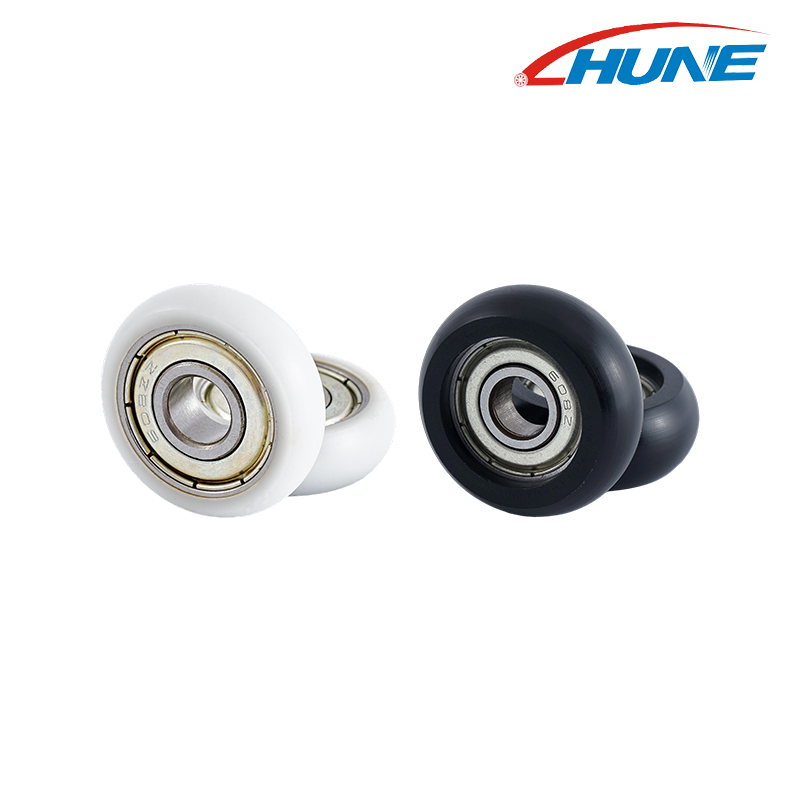
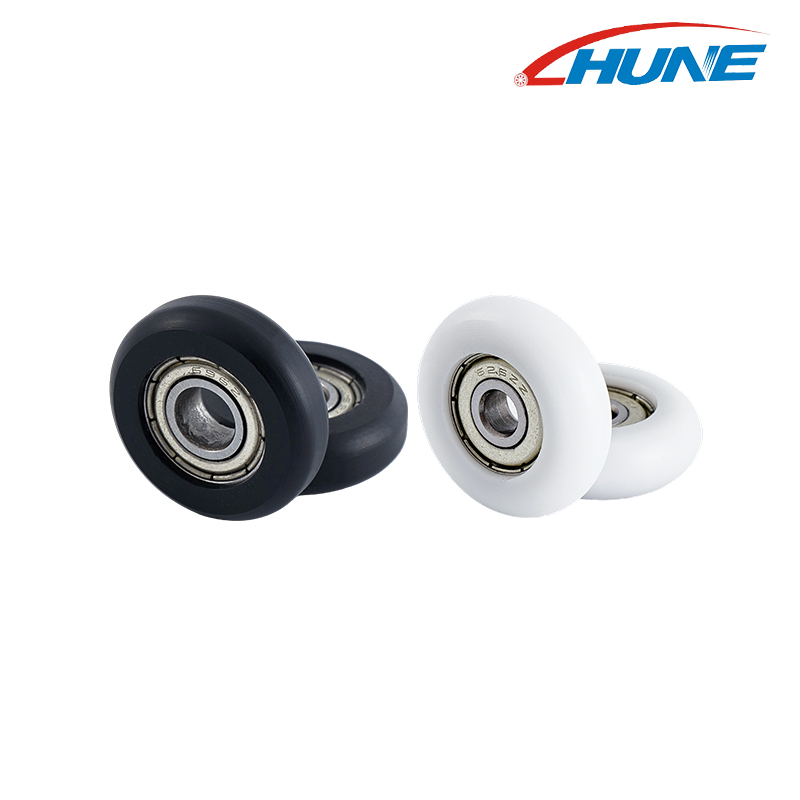
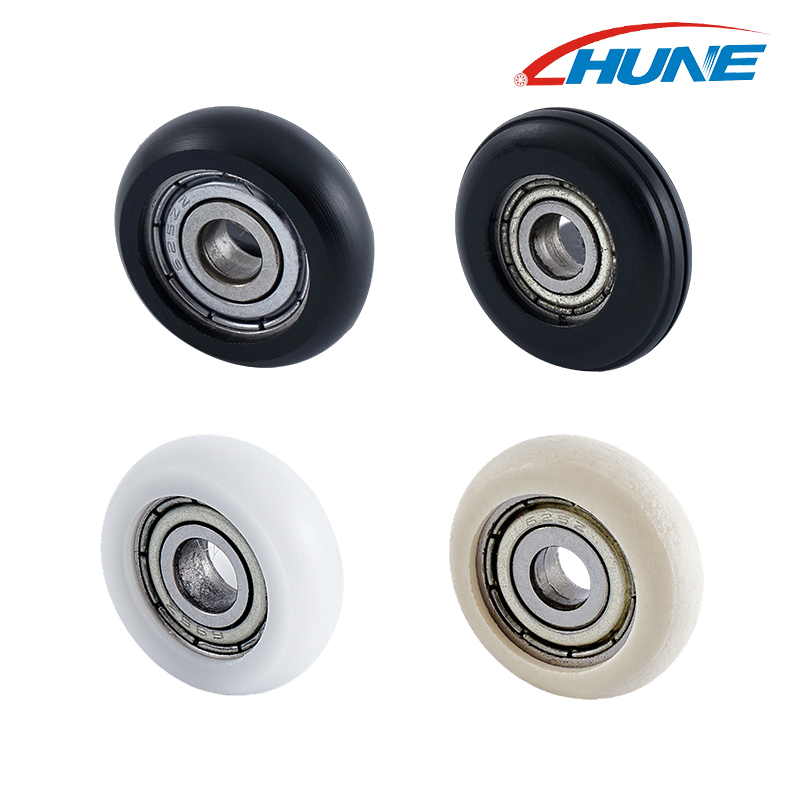
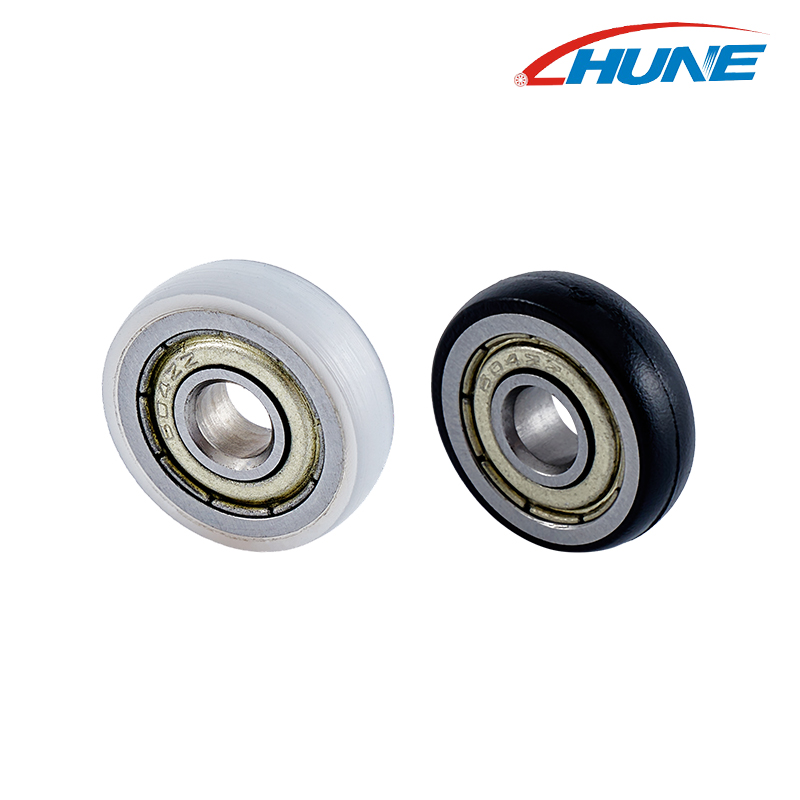
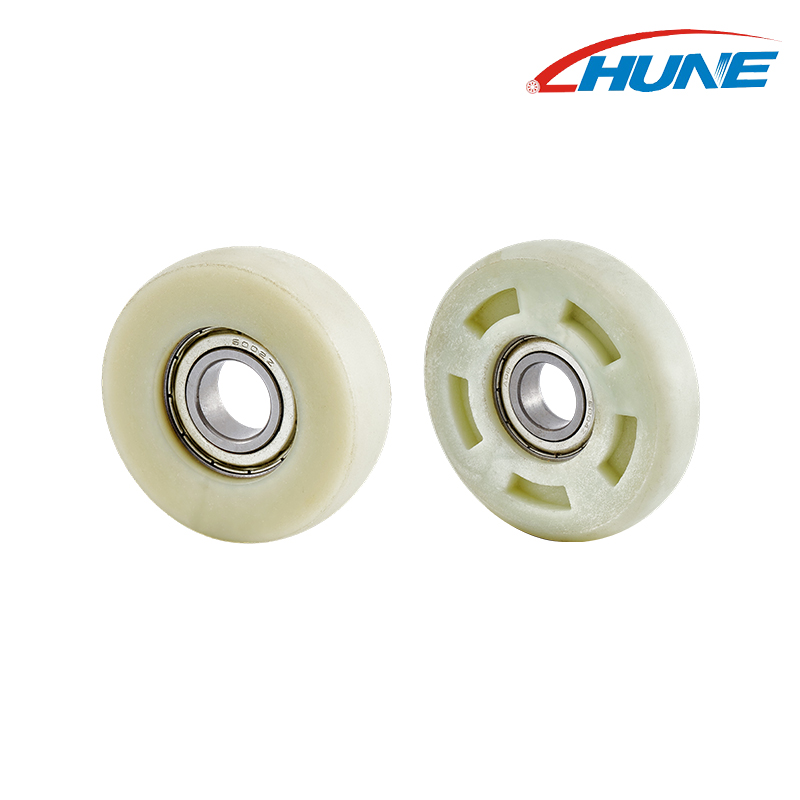
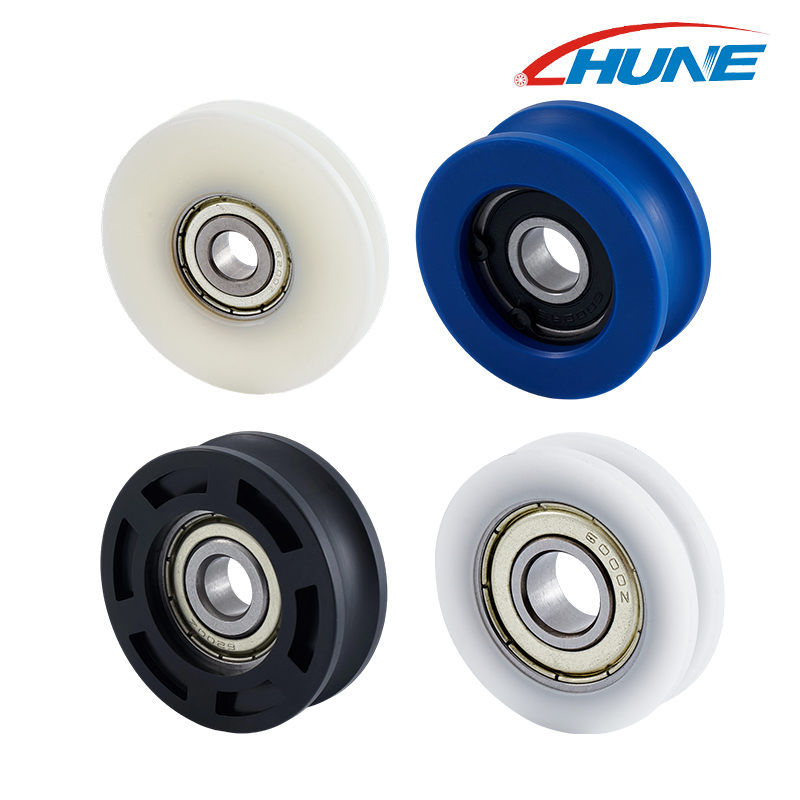
This is one reason nylon rollers remain popular in many residential cavity sliding door systems. When properly engineered, they can deliver quieter movement than steel-only alternatives in light to medium-duty applications.
Track contamination
Dust, plaster residue, construction particles, and general dirt buildup can all interfere with smooth roller travel. Even small debris inside the track can create rattling, scraping, or intermittent noise. Because cavity doors run in partially concealed systems, contamination is not always noticed until the sound becomes obvious.
Misalignment during installation
A noisy door is sometimes the result of a system that was never correctly aligned from the start. If the track is not level, the brackets are not properly adjusted, or the door sits unevenly in relation to the rollers, the hardware may operate under constant tension. That tension often shows up as noise.
Door weight beyond the roller's comfort range
A roller that is technically rated for a certain weight may still become noisy if it operates too close to its limit. Heavier door panels create more force at every point of contact, which can amplify sound, increase wheel wear, and strain the bearing.
Lack of vibration control
Not all noise comes from the rolling surface itself. Some of it comes from minor vibration traveling through the brackets, frame, or surrounding structure. In lower-quality systems, these small vibrations can make the hardware sound louder than it should.
Corrosion or moisture exposure
In humid interiors, coastal locations, or bathrooms with poor ventilation, metal components may begin to corrode. This affects how smoothly the roller and bearing move, and that change often brings additional sound.
The Types of Noise That Usually Point to Specific Problems
Not all cavity sliding door noise sounds the same, and the type of sound often provides a clue about what is going wrong.
| Noise Type | Likely Cause | What It Often Means |
|---|---|---|
| Clicking | Bearing wear or debris | Internal movement is no longer smooth |
| Grinding | Damaged bearing or wheel wear | Friction is increasing inside the roller |
| Scraping | Misalignment or dirty track | The door or wheel is not traveling cleanly |
| Rattling | Loose fittings or vibration | Hardware is not fully stable in operation |
| Squeaking | Friction, dryness, or wear | Contact points are under stress |
This kind of diagnosis helps avoid guesswork. A door that rattles needs a different fix from one that grinds.
Solutions That Work in 2026
The most effective solutions depend on the real source of the problem. Simply replacing one visible part without understanding the cause often leads to the same issue returning later.
Upgrade to higher-quality roller assemblies
If the noise comes from weak bearings, unstable wheel construction, or poor internal tolerances, replacement is often the best answer. A better roller assembly can make a significant difference to both sound and smoothness.
For many residential and medium-duty interior applications, high-quality nylon-based rollers with precision bearings remain one of the strongest options for reducing day-to-day operating noise.
Match the roller to the real door weight
If the door is heavier than originally assumed, replacing the roller with a more suitable load-rated system can reduce both noise and wear. This is especially important for solid-core panels, taller doors, decorative finishes, or systems with glass inserts.
Clean the track properly
A surprisingly high number of noise complaints come down to dirt and debris. Removing dust, construction residue, and other obstructions from the track can immediately improve performance. In partially concealed systems, this maintenance step is often delayed simply because users do not expect the track to be contributing to the problem.
Recheck alignment and adjustment
If the system is under stress because of incorrect installation or movement over time, proper adjustment can restore smoother and quieter travel. This includes checking:
- track level
- hanger position
- door clearance
- bracket tightness
- wheel contact consistency
A minor correction here can sometimes resolve a noise issue without replacing the entire hardware set.
Use corrosion-resistant components in demanding environments
In bathrooms, coastal homes, or humid climates, corrosion-resistant bearings and protected metal parts can help prevent the kind of wear that often leads to rough, noisy movement. The right material specification matters more in these environments than many buyers initially realize.
Choose systems designed for quiet operation, not just movement
This is one of the most important shifts in 2026. A door system should no longer be judged only by whether it slides. The better question is whether it slides quietly and consistently under real conditions. Products designed with noise reduction in mind—through better wheel material, improved bearing quality, controlled tolerances, and more stable tracking—offer a clear advantage.
Prevention Is Better Than Repair
Once a cavity sliding door becomes noisy, the issue can often be fixed. But preventing the problem from developing in the first place is usually far more cost-effective.
Specify hardware with realistic performance margins
Do not select rollers only on the minimum required weight rating. Leave room for long-term performance, especially in projects with heavier panels or frequent use.
Avoid treating the roller as a generic accessory
Not all cavity sliding door rollers perform the same way. Material choice, bearing quality, wheel design, and manufacturing precision all affect how much sound the system produces over time.
Pay more attention to hidden hardware in product selection
Customers increasingly understand that hidden components shape daily user experience. Builders and distributors who prioritize better roller systems can reduce service complaints and improve perceived product quality.
Consider the actual use environment
A quiet bedroom cavity slider, a rental apartment door, and a hospitality interior do not place the same demands on hardware. The roller system should reflect the way the door will really be used, not just how it looks on a specification sheet.
Why This Matters for Buyers, Installers, and Brands
Noisy rollers create more than user irritation. They can affect the reputation of the whole door system. For installers, they often lead to callbacks. For distributors, they can result in complaints that are difficult to solve once the system is already concealed inside the wall. For manufacturers and brands, they influence whether the product is seen as durable and well engineered—or simply acceptable at first glance.
This is why roller noise has become a more serious commercial issue in 2026. The market now expects performance that lasts, not just operation that begins well.
A noisy cavity sliding door roller is rarely just an inconvenience. It is usually a sign that something in the system is wearing, misaligned, contaminated, overloaded, or simply not engineered to the right standard. The sound may begin as a small irritation, but it often points to a deeper performance issue that will only become more noticeable over time.
The most reliable solutions are the ones that address the root cause. Better bearings, better wheel materials, proper load matching, cleaner tracks, more accurate installation, and stronger corrosion resistance all make a real difference. In 2026, that practical approach matters because users are no longer willing to accept noise as normal.
A cavity sliding door should feel quiet, stable, and easy to live with. If it does not, the solution is not to ignore the sound. It is to improve the system behind it.