

 English
 Español
 日本語
日本語A cavity sliding door can feel almost effortless when everything is working properly. It opens cleanly, closes without resistance, and disappears into the wall with very little noise. Once the rollers begin to wear out, though, that smooth movement changes quickly. The door may start dragging, rattling, sticking halfway through its travel, or sounding rough every time it is used. In many cases, the problem is not the entire door system. It is the rollers.
That matters more in 2026 because cavity sliding doors are no longer treated as a niche interior feature. They are now common in apartments, residential renovations, hospitality projects, offices, and modern homes where quiet, space-saving door systems are expected to perform well for years. When the rollers fail, the inconvenience is immediate. And because the hardware is partly concealed, many users assume replacement must be difficult or expensive.
In reality, replacing cavity sliding door rollers is often straightforward if the door system allows service access and the correct procedure is followed. The key is understanding what type of system you have, recognizing when roller replacement is the right solution, and working carefully enough to avoid damaging the door, track, or surrounding frame.
This guide explains the process step by step, along with the common mistakes to avoid and the details that matter most if you want the replacement to last.
When Roller Replacement Is the Right Fix
Before removing any hardware, it helps to confirm that the rollers are really the cause of the problem. A cavity sliding door may perform poorly for several reasons, including track contamination, poor alignment, worn bearings, damaged brackets, or load mismatch. Replacing the rollers makes sense when the symptoms point clearly to wear inside the moving assembly.
Common signs include:
- rough or uneven sliding
- grinding, clicking, or rattling sounds
- the door dropping slightly on one side
- resistance during opening or closing
- visible wear on the roller assembly
- recurring adjustment problems that do not stay fixed
- door movement that feels unstable even after the track is cleaned
If the issue is only dust or minor misalignment, a full roller replacement may not be necessary. But if the roller bearings are worn, the wheel is damaged, or the assembly can no longer hold the door correctly, replacement is usually the most practical solution.
What You Need Before You Start
A smoother repair usually begins with preparation. Not all cavity sliding door systems are identical, so the first step is to identify the roller type and confirm that the replacement hardware is compatible with the existing track and door weight.
Basic tools and materials
Most installations will require some combination of the following:
- replacement cavity sliding door rollers
- screwdriver set
- hex key or adjustment tool
- tape measure
- flashlight
- step stool if needed
- protective gloves
- soft cloth
- vacuum or small brush for cleaning the track area
Some systems also require access tools for removing door stops, fascia panels, or guide components.
Check these details first
Before ordering or fitting replacement rollers, confirm:
- the door weight
- the roller type and mounting style
- track compatibility
- whether the system uses top-hung rollers
- whether the door can be removed without opening the wall
- whether the existing rollers are standard or proprietary
This step matters. One of the most common mistakes is buying a roller that looks similar but does not fit the hanger, load range, or track geometry of the original system.
Maintenance Tips That Help Keep Rollers Like New
The most effective maintenance routines are usually the simplest ones. The goal is not to overwork the system, but to keep it clean, correctly adjusted, and free from avoidable strain.
1. Keep the track clean
This is the most basic step, but also one of the most effective. Dust, plaster residue, pet hair, lint, and small particles can collect in the track over time. Because cavity doors run in partially hidden spaces, dirt buildup is often ignored until the door begins to feel rough or sound different.
A clean track helps the roller move without interruption. It also reduces stress on the wheel and bearing.
Good practice includes:
- removing visible dust regularly
- checking for construction debris after renovation work
- wiping accessible track areas with a soft dry cloth
- avoiding the assumption that hidden means maintenance-free
If dirt is allowed to remain, the roller may begin to ride unevenly, produce noise, or wear more quickly than expected.
2. Pay attention to changes in sound
One of the earliest warning signs of roller wear is sound. A cavity sliding door that begins to click, scrape, rattle, or grind is often telling you something before a larger problem appears.
Many users ignore this stage because the door still moves. But early noise usually means the system is experiencing one of the following:
- bearing wear
- debris in the track
- alignment stress
- loosening hardware
- wheel surface wear
Treating unusual noise as an early maintenance signal rather than a minor annoyance can prevent more expensive repairs later.
3. Do not overload the system
A roller may have a stated load rating, but long-term performance is usually better when the door is operating comfortably within that limit. Problems often develop when decorative panels, glass inserts, thicker materials, or aftermarket fittings make the finished door heavier than originally planned.
If a door is too heavy for the installed roller system, maintenance alone will not fully solve the issue. The hardware may continue to wear faster because it is working beyond its intended range.
This is especially relevant in 2026, as design trends continue to favor:
- taller doors
- solid-core panels
- heavier decorative finishes
- more premium interior door designs
In other words, maintenance begins with making sure the hardware specification was realistic from the start.
4. Check alignment before wear becomes severe
When a cavity sliding door no longer moves evenly, many people assume the roller itself is failing. Sometimes that is true, but in other cases the real cause is misalignment. A door that sits slightly off, pulls unevenly, or drags in one part of the travel path can place continuous pressure on the roller assembly.
Over time, that pressure leads to:
- one-sided wear
- more operational noise
- reduced smoothness
- shorter service life
Routine checks for stable movement, consistent gap spacing, and clean travel can help identify alignment issues before they create permanent damage.
5. Protect the system from moisture where possible
Not every cavity sliding door is installed in the same environment. Bathrooms, coastal homes, humid climates, and poorly ventilated interiors all create more demanding conditions for hidden hardware. Moisture exposure can gradually affect bearings, brackets, and other metal components, especially if corrosion resistance is limited.
In these environments, maintenance should include:
- watching for signs of rust or rough movement
- improving ventilation where possible
- using corrosion-resistant hardware in the first place
- addressing humidity-related issues early
A cavity door may be indoors, but that does not always mean it is protected from environmental stress.
6. Avoid harsh or unsuitable cleaning methods
Some users try to solve rough door movement by applying random oils, heavy grease, or household sprays without knowing whether the product suits the roller system. This can create new problems, especially if the substance attracts dust or interferes with wheel movement.
A better approach is to keep cleaning methods controlled and appropriate to the hardware. In many cases, basic dry cleaning and proper inspection are more helpful than over-lubricating the system.
Not every roller assembly benefits from the same treatment, so careless maintenance can be just as unhelpful as no maintenance at all.
7. Inspect hardware in high-use spaces more often
A cavity sliding door in a guest room and one in a busy apartment or commercial interior do not experience the same level of stress. High-frequency use shortens the interval between maintenance checks, even if the door appears to be functioning normally.
Spaces that often need more attention include:
- rental properties
- shared living spaces
- office interiors
- hospitality settings
- family homes with constant daily use
In these settings, a simple inspection routine can catch early wear before it turns into roller failure.
Signs Your Rollers Need Attention Now
Some maintenance issues can wait for a scheduled check. Others should be addressed sooner.
Watch for these signs:
- the door feels heavier than before
- movement is no longer even
- the system makes new or sharper noise
- the door shakes slightly during travel
- there is visible dirt buildup in the track
- the door no longer sits correctly when closed
- operation requires more force than usual
These are not just cosmetic issues. They often indicate growing stress inside the roller system.
A Simple Maintenance Schedule for 2026
A practical maintenance plan does not need to be complicated. For most residential settings, a simple routine is enough.
| Maintenance Task | Recommended Frequency | Purpose |
|---|---|---|
| Visual check of track | Monthly | Catch dirt, debris, and obvious obstruction early |
| Light cleaning of accessible areas | Monthly or as needed | Reduce friction and prevent particle buildup |
| Listen for unusual noise | Ongoing | Identify early roller or alignment issues |
| Basic movement check | Every 2–3 months | Confirm smooth, even travel |
| Full hardware inspection | Every 6–12 months | Detect wear, looseness, or corrosion |
For high-use commercial or shared spaces, checks should usually happen more often.
This kind of routine is not excessive. It is simply enough to prevent small issues from becoming expensive hidden failures.
Why Roller Quality Matters During Replacement
If you are going to the trouble of removing the door and fitting new hardware, this is not the moment to choose the cheapest possible replacement. Roller quality has a direct impact on:
- noise level
- movement smoothness
- wear resistance
- bearing life
- stability under load
- long-term maintenance frequency
In 2026, buyers are paying more attention to whether the replacement part is genuinely engineered for the application. Better materials, better bearings, and more accurate manufacturing tolerances usually translate into quieter, more reliable operation.
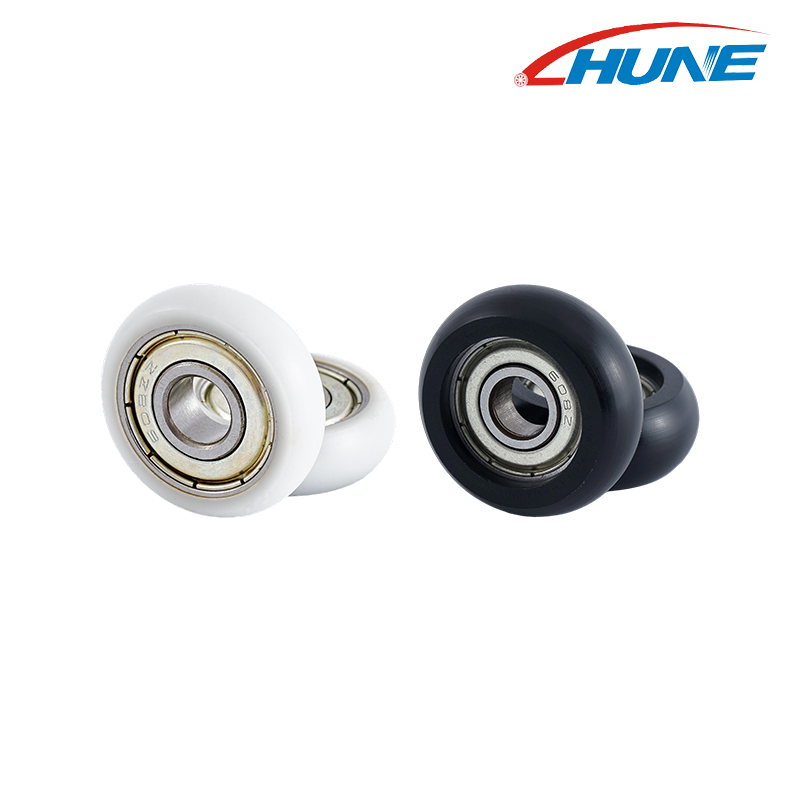
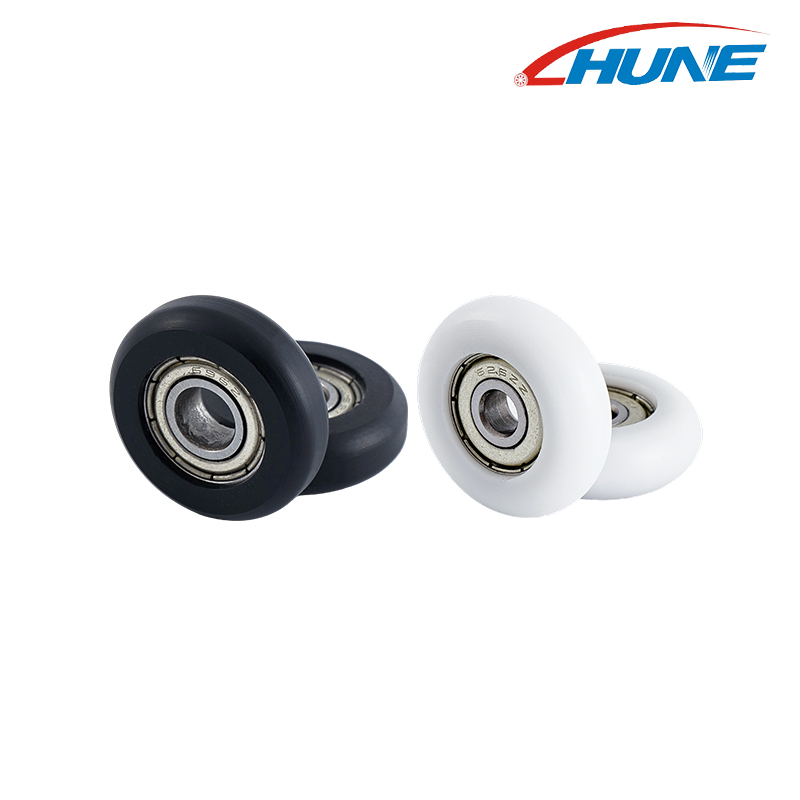
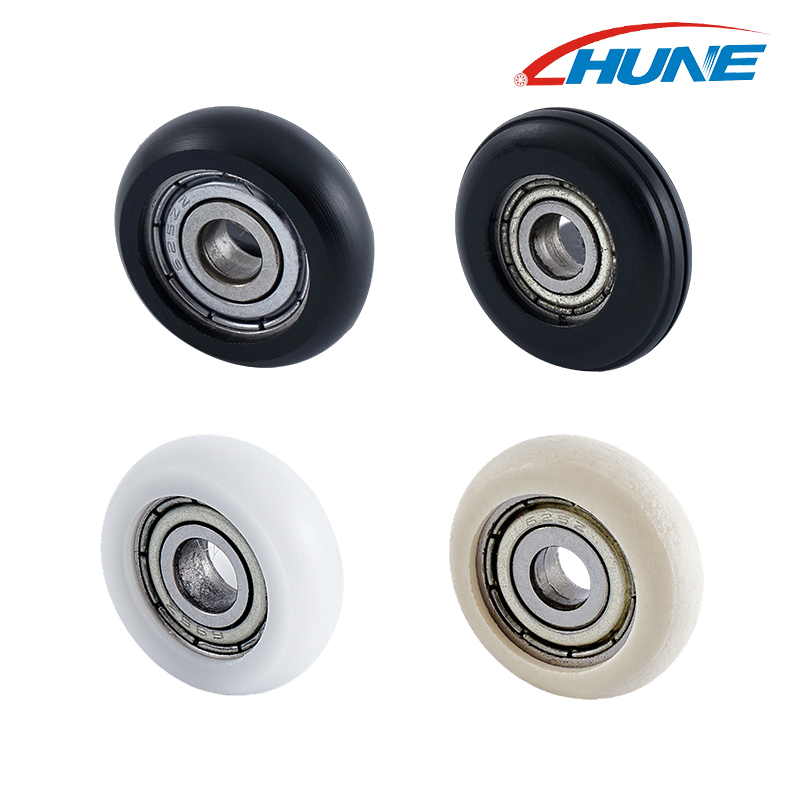
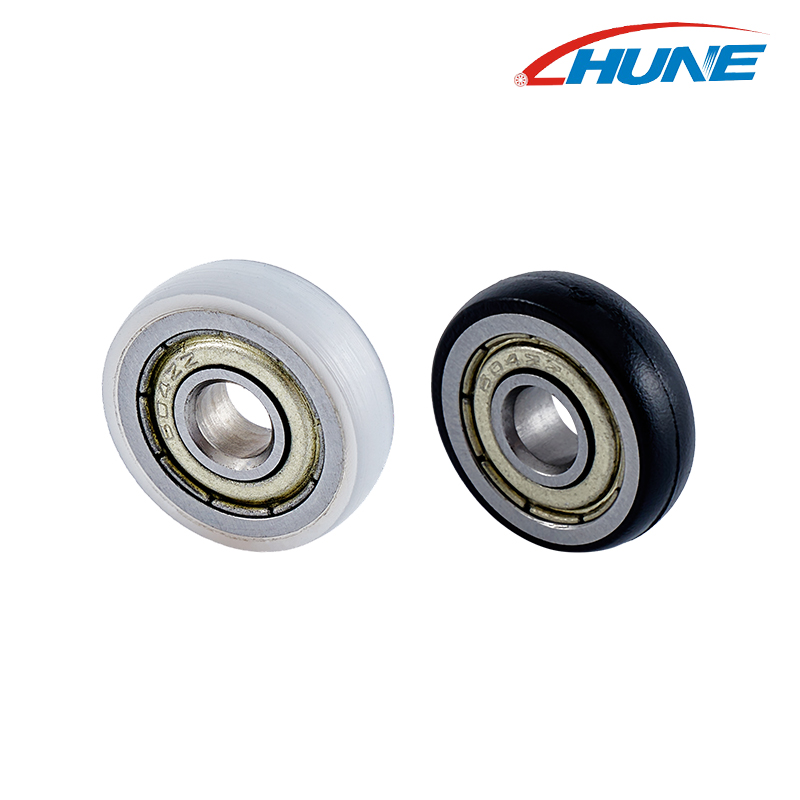
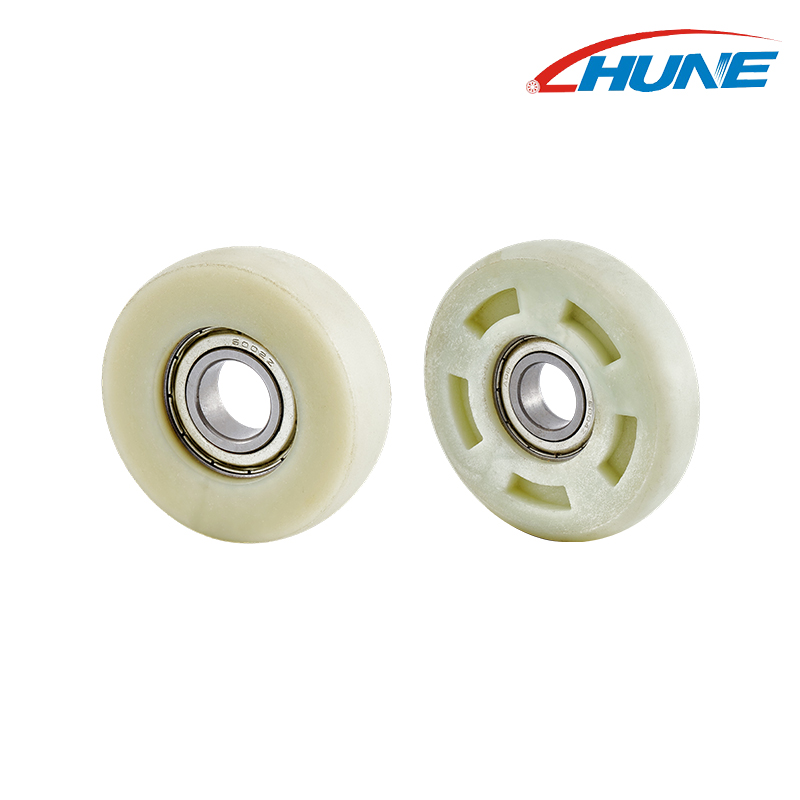
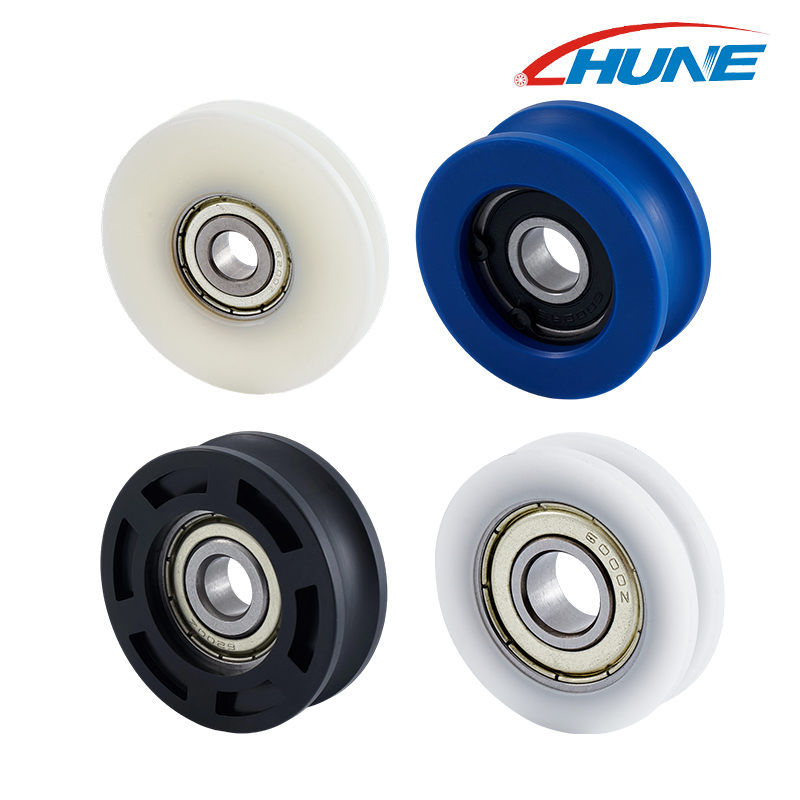
For importers, distributors, and project buyers, sourcing from a reliable sliding door roller factory in China has become a practical way to balance cost and performance. Manufacturers such as HUNE focus on cavity sliding door roller production for different door weights, installation needs, and market requirements, making it easier to match replacement hardware to real-world use rather than relying on generic substitutes.
Keeping cavity sliding door rollers like new in 2026 is less about complicated maintenance routines and more about paying attention to the small factors that affect performance over time. Clean tracks, stable alignment, sensible load matching, moisture awareness, and early response to unusual noise all make a meaningful difference.
The main mistake many people make is assuming that because the hardware is hidden, it does not need attention. In reality, the opposite is often true. The more concealed the system is, the more important it becomes to protect it before problems develop.
A well-maintained cavity sliding door should continue to feel smooth, quiet, and easy to use long after installation. That kind of performance is rarely accidental. It comes from treating the roller system as an essential working part of the door, not just a component that disappears behind the wall.