


 English
 Español
 日本語
日本語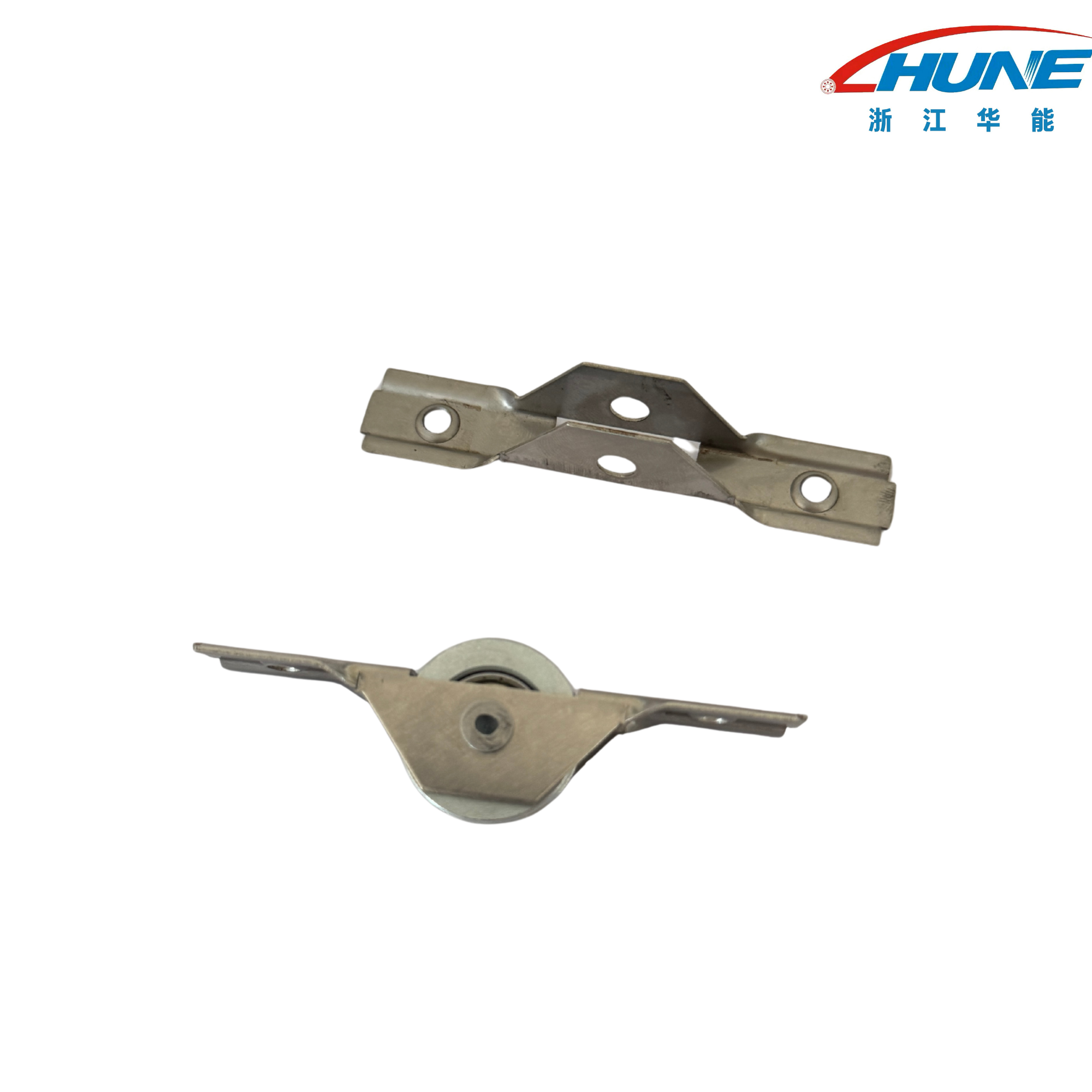
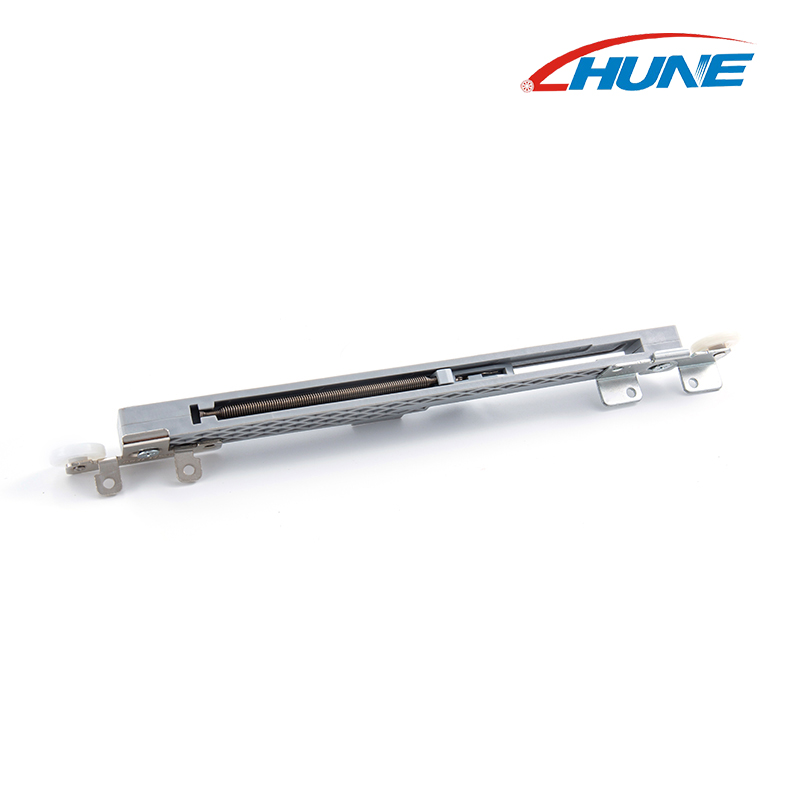
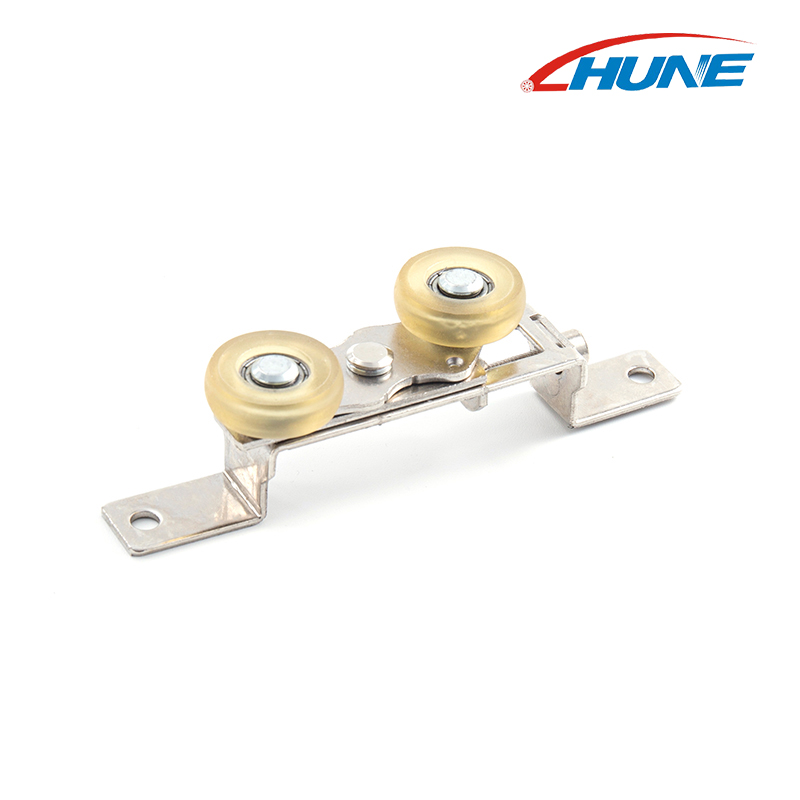
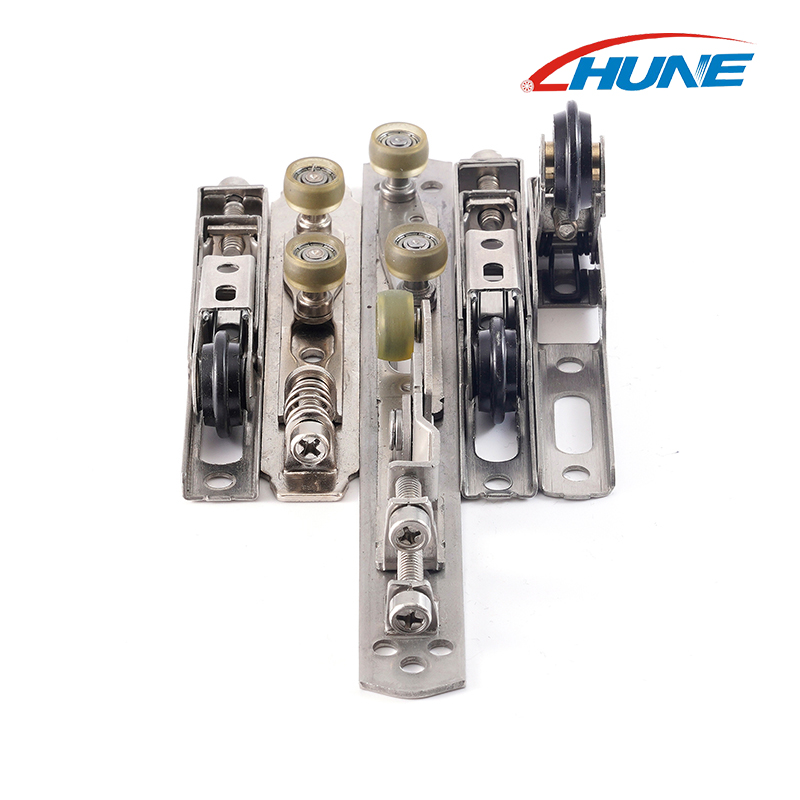
Over the past few years, we have diligently pursued higher standards to enhance our product quality, aiming to deliver increased convenience and a better user experience.
Product Categories
Hot Products
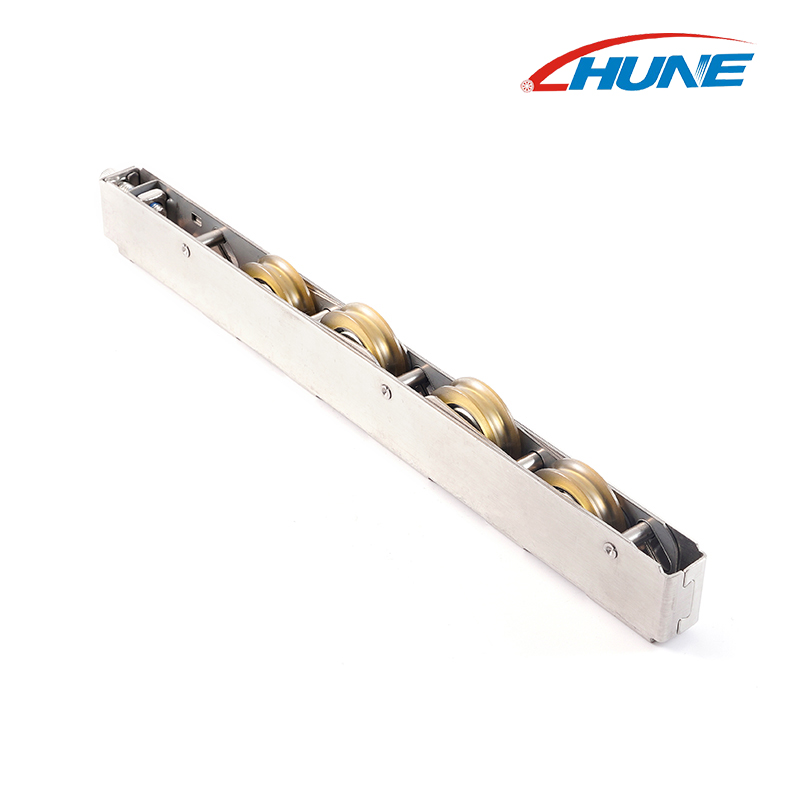
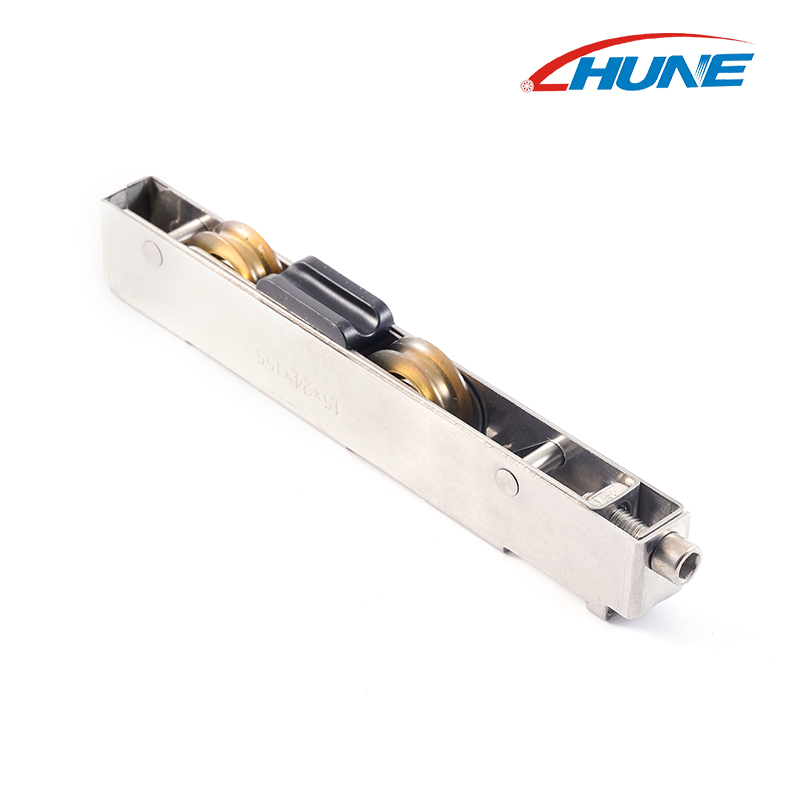
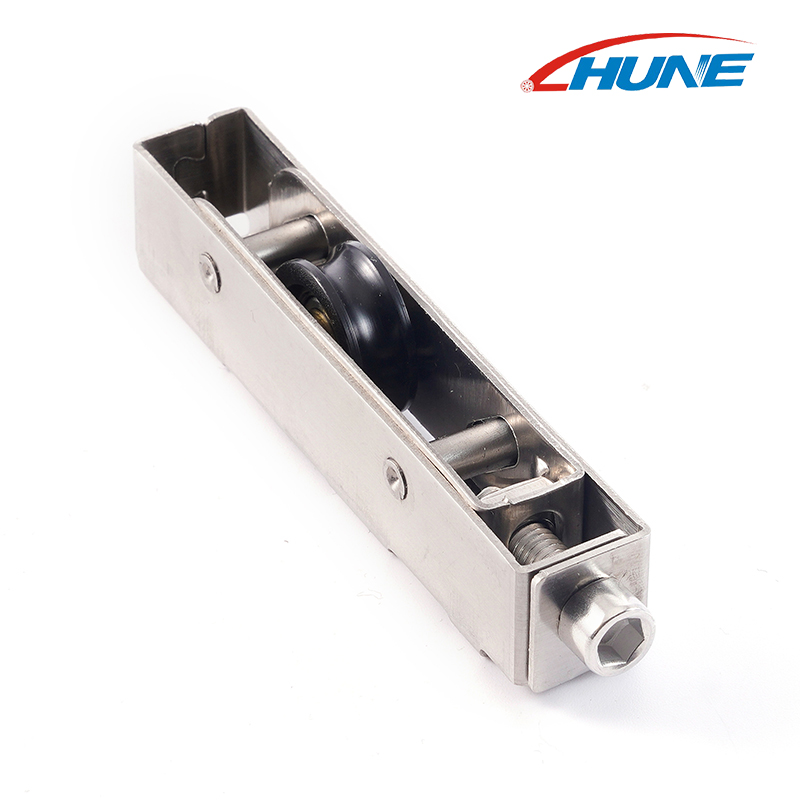
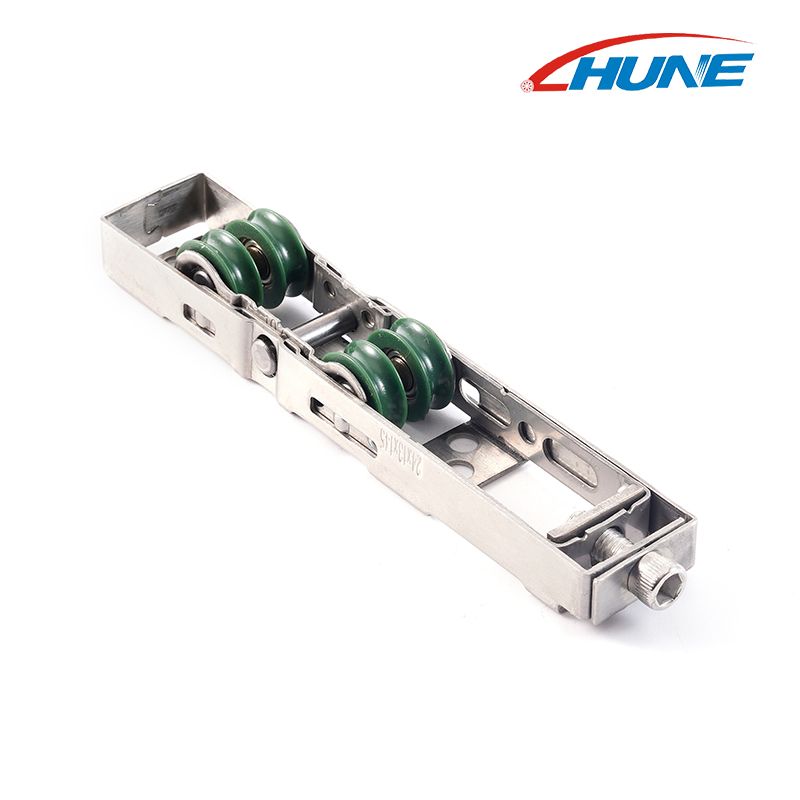
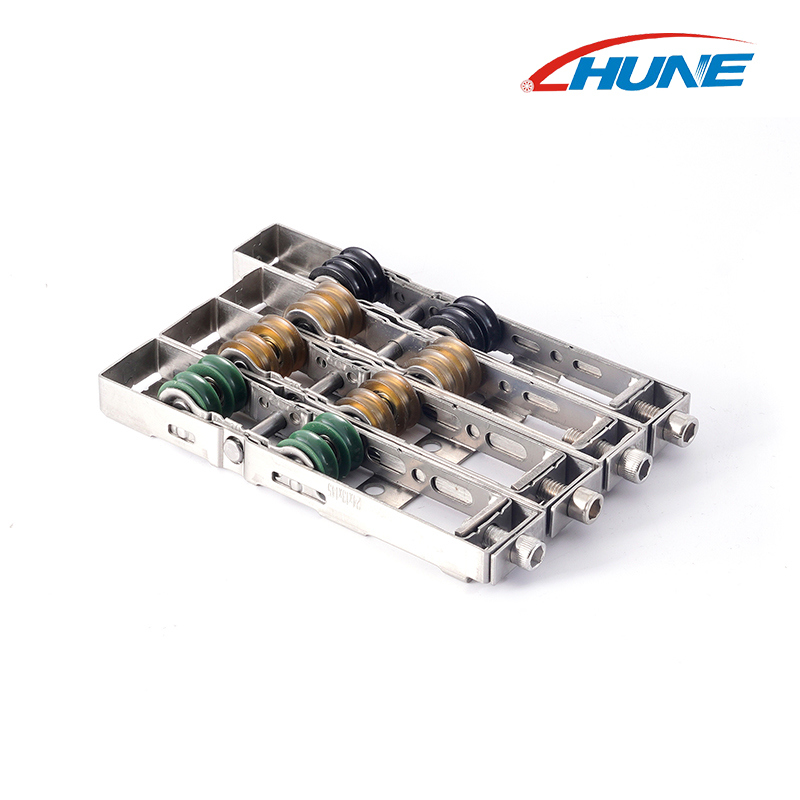

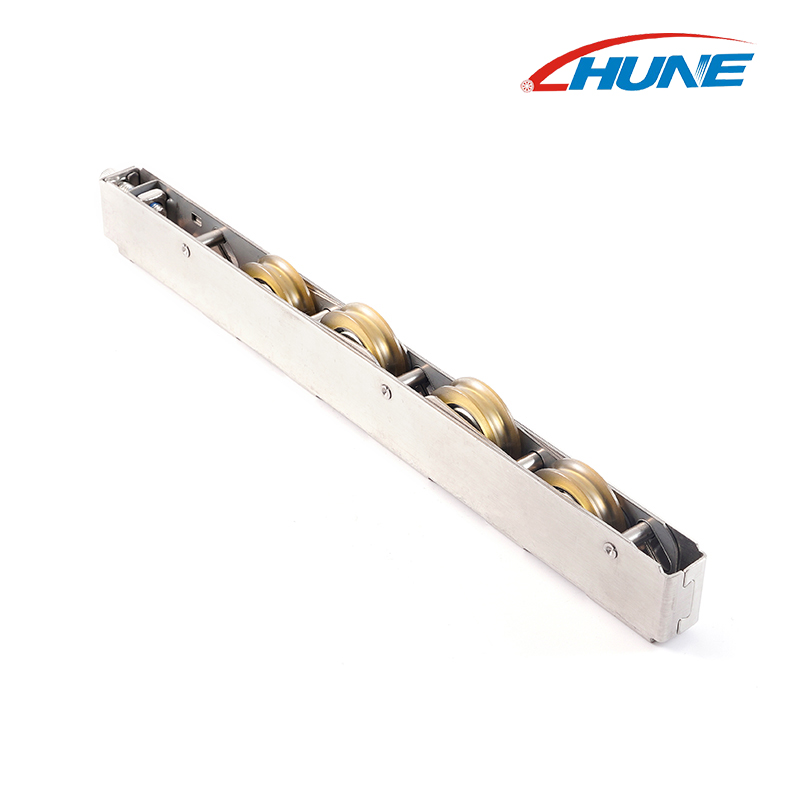
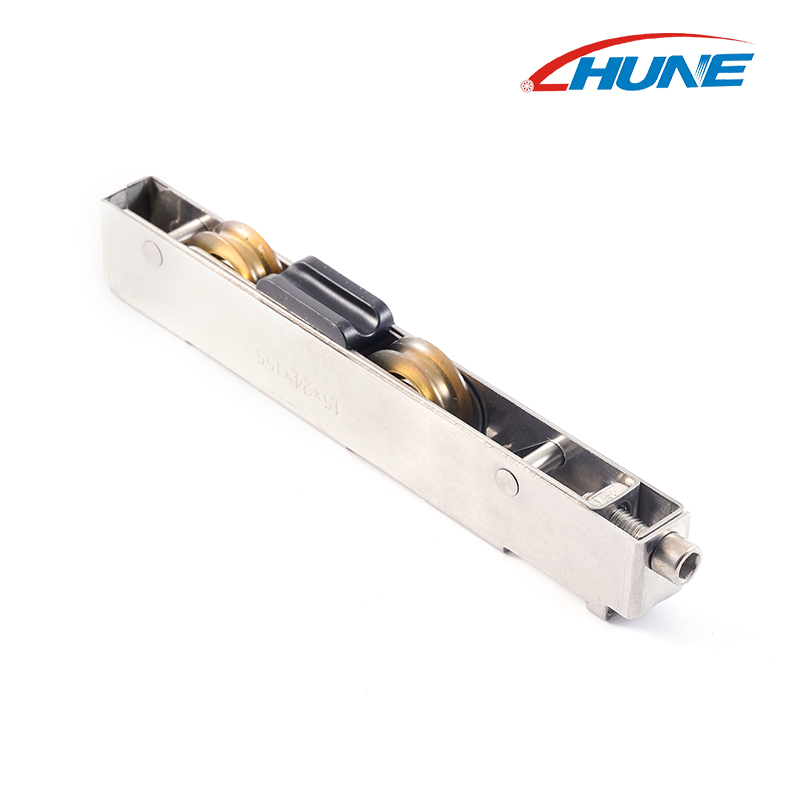
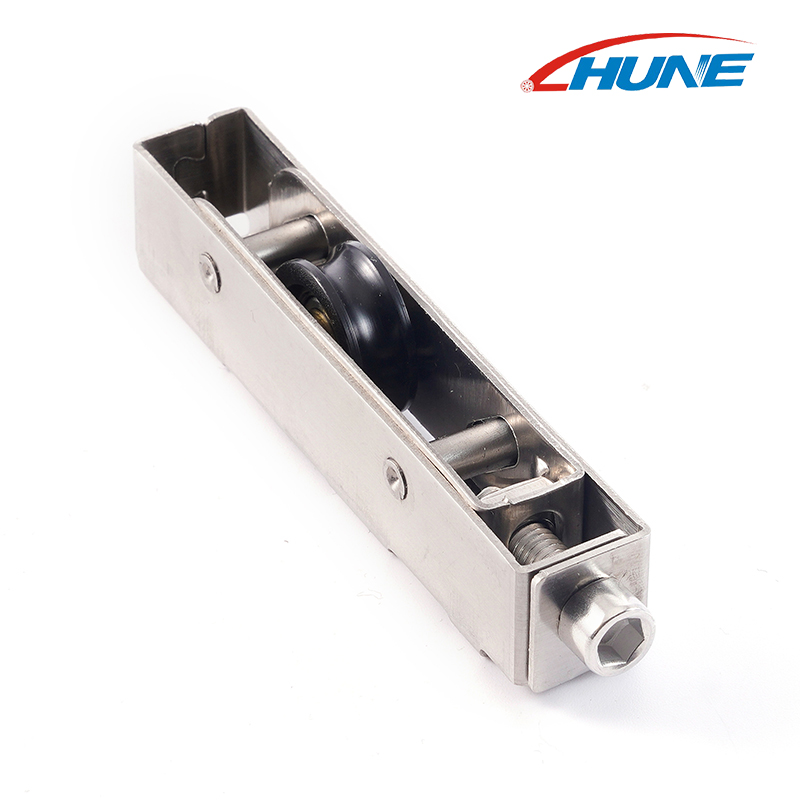
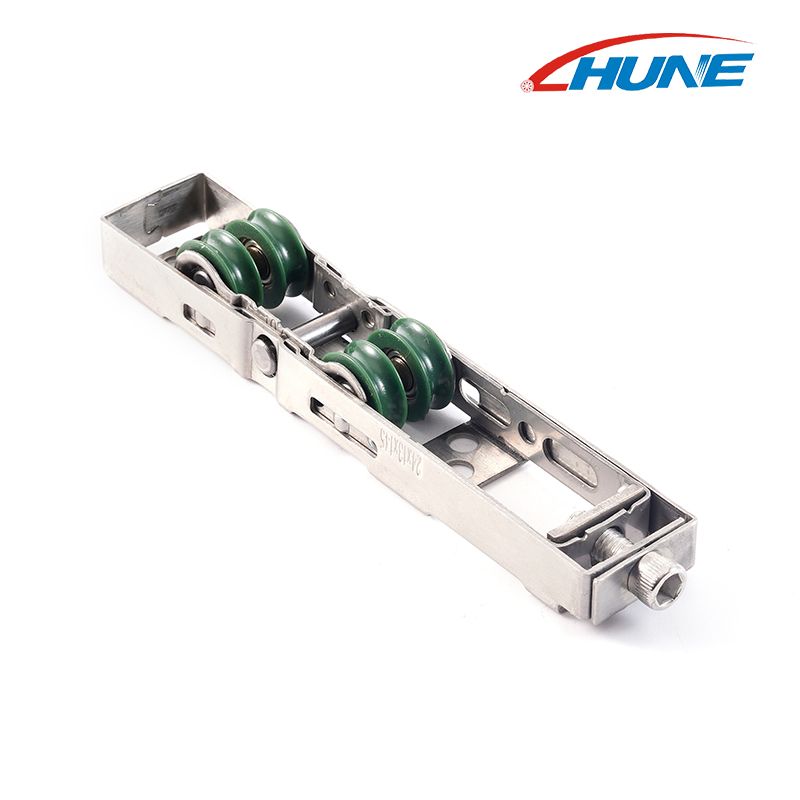
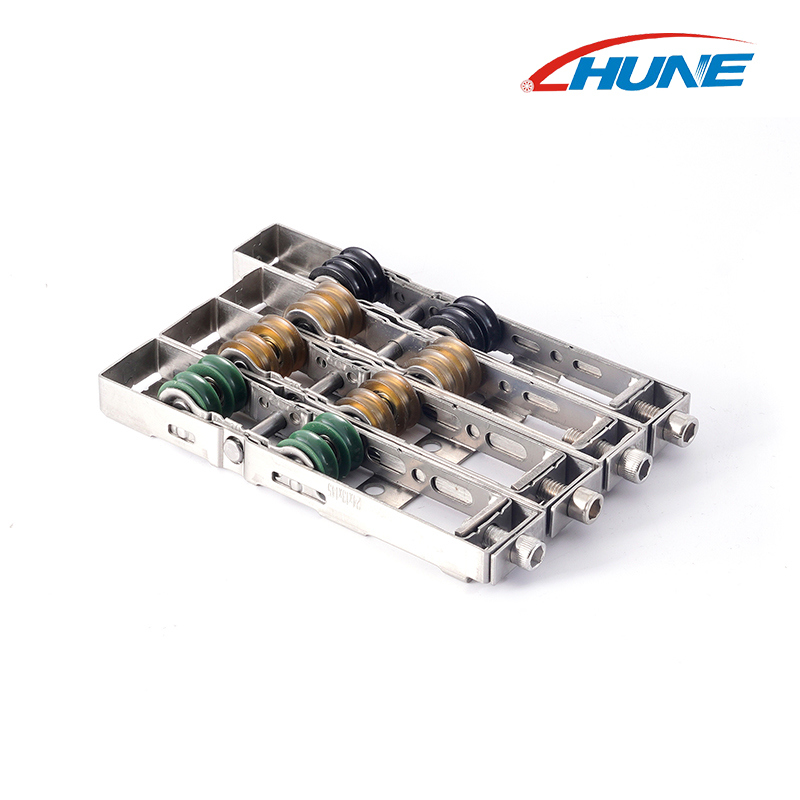

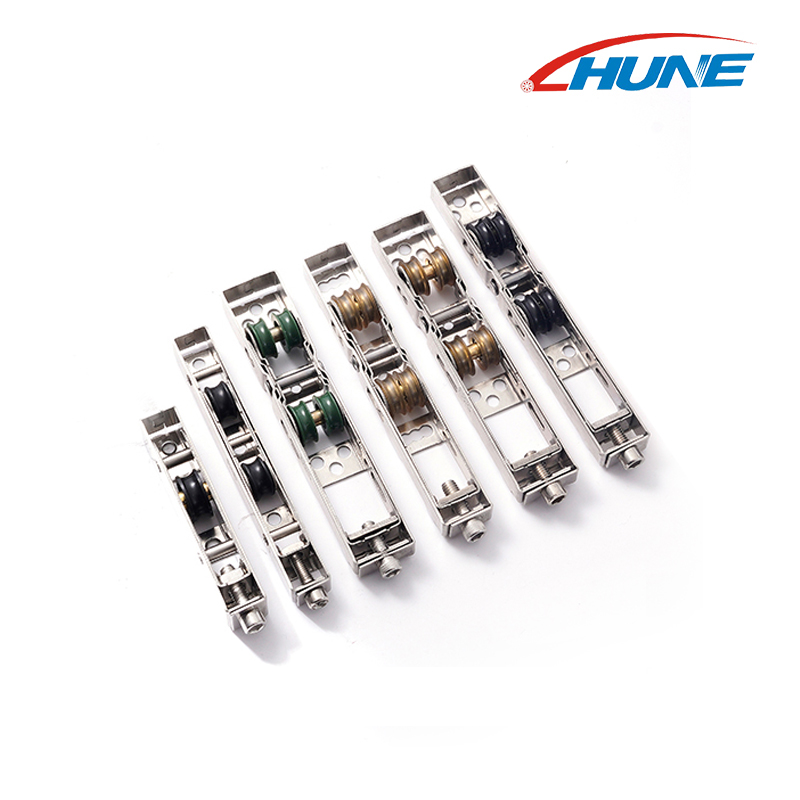
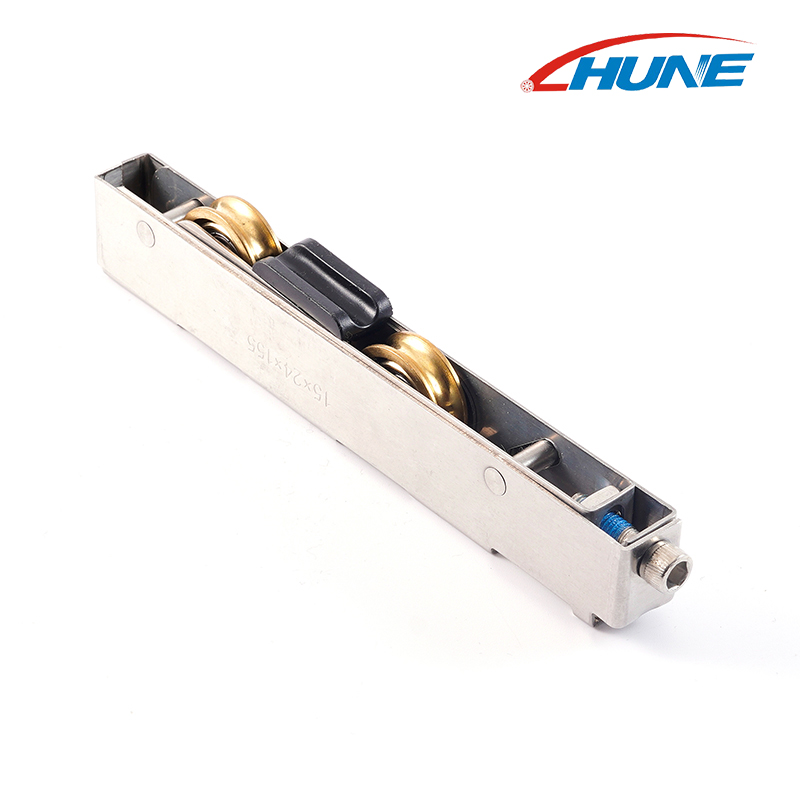
Nylon Wheel Sliding Rollers with Steel Frame for Windows and Doors
○ Material and color can according to customers' requirement.
○ We can make different size as per customers' requirement.
○ We can make different size as per customers' requirement.
 +86-15058997617
Product Advantages
- Smooth Operation
The spacer design ensures smooth rolling and no jamming, even when screws are fully tightened. - Silent & High Load Pulley
Combines quiet bearings with high load capacity for smooth, low-noise performance. - Durable Materials
The nylon-coated outer layer offers strength, toughness, and fatigue resistance. - Precision Bearings
High-quality bearing steel provides quiet, high-speed, and wear-resistant performance. - Sealed & Dustproof
Metal dust cover ensures tight sealing; smooth surface with no burrs for refined quality.
Product Description
Designed for premium sliding doors and windows, the Silent-Glide nylon roller is built to deliver one thing consistently: smooth, quiet movement that stays that way over time. It's the kind of hardware upgrade you don't notice at first glance—until you use it once, and everything else suddenly feels rough and noisy.
Appearance & Integration
The outer body is made from 304 stainless steel with a brushed finish, delivering a restrained, high-end look. It pairs naturally with aluminum alloy and stainless-steel frames, staying visually quiet while reinforcing a more refined, architectural hardware language.
Wheel Construction & Durability
At the contact point, the wheel uses POK + PPSU composite engineering polymer. This material combination is selected for low friction and high abrasion resistance, helping the panel move with less drag and maintaining performance under frequent opening and closing. The result is a glide that remains controlled and consistent, with reduced risk of chatter and premature wear.
Acoustic Comfort (Quiet Sliding)
This roller is engineered for spaces where noise is noticeable—especially bedrooms, private residences, and hospitality interiors. By reducing typical rolling noise and intermittent squeal, it supports a calmer environment and a more "premium" user experience, particularly during quiet hours.
Key Highlights
- 304 stainless-steel housing with brushed surface treatment
- Low-noise operation suited to high-comfort interior settings
- Designed to integrate cleanly with common premium frame materials
Easy leveling with precise height adjustment
A built-in micro height adjustment lets installers fine-tune panel leveling quickly using an Allen key, helping prevent uneven loading on the track and improving long-term stability.
Color options that make sense
- Stainless + Off-white / Light apricot wheel: discreet and versatile, ideal for most frames
- Stainless + Warm gold/bronze-toned wheel: a subtle accent for light-luxury schemes
Recommended applications
- Large-format sliding glass doors (including extra-wide openings)
- Minimal / concealed-frame sliding systems with hidden tracks
- Balcony doors in hotel-style apartments
- Primary suites and private residences with high acoustic expectations
Premium cost, premium payoff: fewer noise complaints, fewer maintenance calls, and a noticeably more refined daily experience.
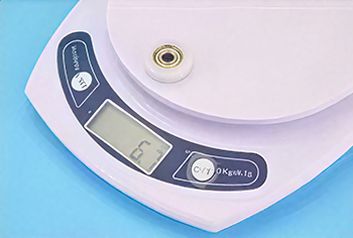
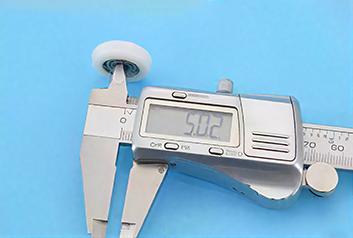
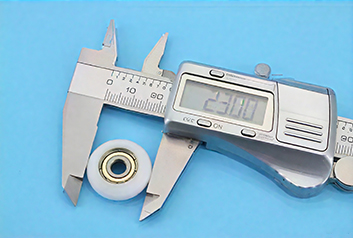
Measurement Method
 |
 |
 |
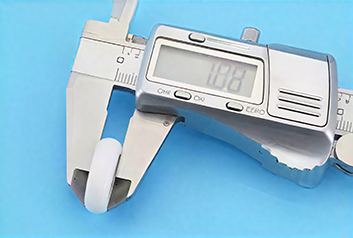 |
| Weight(g) | ID(mm) | OD(mm) | Height(mm) |
Payment Terms
1.100% T/T in advance
2.30% T/T deposit, 70% balance against copy of B/L
3. PayPal
Packaging Details: Standard export packing (plastic bag, carton, and pallet or wooden case), or as per customer's requirements.
Delivery Port: Ningbo / Shanghai
Delivery Time: Normally within 30 days for ready goods or as per customer's request.
2.30% T/T deposit, 70% balance against copy of B/L
3. PayPal
Packaging Details: Standard export packing (plastic bag, carton, and pallet or wooden case), or as per customer's requirements.
Delivery Port: Ningbo / Shanghai
Delivery Time: Normally within 30 days for ready goods or as per customer's request.
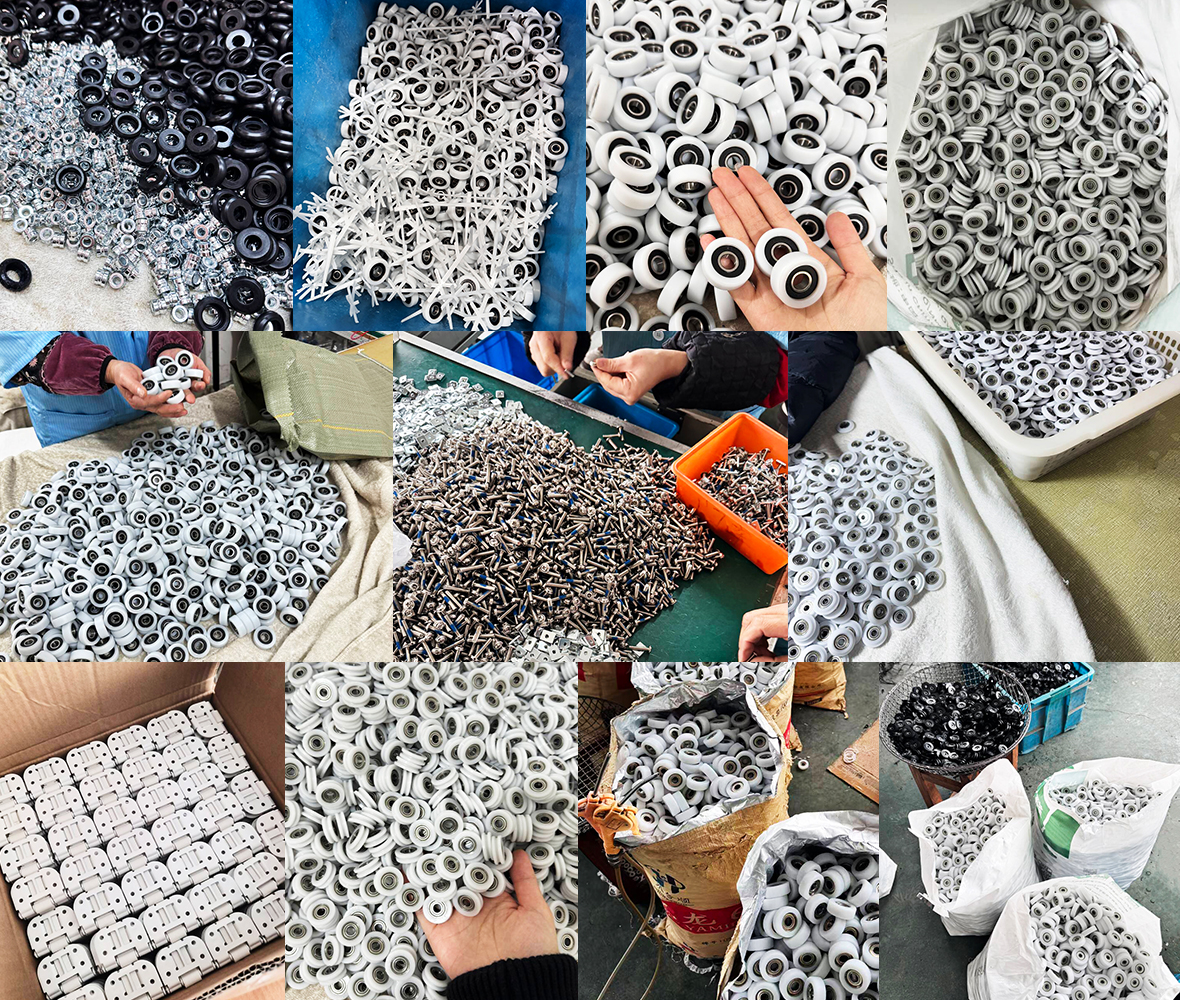
ACTUAL PHOTOS
FAQ
-
What are your payment terms?What are your payment terms?
1.100% T/T in advance2.30% T/T deposit, 70% balance against copy of B/L3. PayPalPackaging Details: Standard export packing (plastic bag, carton, and pallet or wooden case), or as per customer's requirements.Delivery Port: Ningbo / ShanghaiDelivery Time: Normally within 30 days for ready goods or as per customer's request.
-
How do you handle shipment?How do you handle shipment?
For small orders: we ship via express (DHL, FedEx, UPS, TNT, etc.).For bulk orders: we ship by sea or by air, depending on your preference.
-
How long is the production lead time?How long is the production lead time?
For in-stock samples: shipped within 2 days.For out-of-stock samples: lead time is within 7 days.For mass production: approximately 15 days after receiving the deposit.
-
What after-sales service do you offer for sliding rollers?What after-sales service do you offer for sliding rollers?
We provide online technical support. If the issue is caused by a quality defect, we will replace the defective items with new ones.
-
How does your factory ensure quality control?How does your factory ensure quality control?
80% of our staff have over 10 years of experience. We have a mature and skilled technical team along with a comprehensive quality management system to ensure consistent product quality.
-
Can we print our logo on the products?Can we print our logo on the products?
Yes, we can print your logo on the products based on your design requirements.
-
Can we customize our own color box?Can we customize our own color box?
Yes, if your order quantity reaches 1,000 sets, we can provide customized color box packaging.
-
Do you offer free samples?Do you offer free samples?
Yes, we are happy to provide free samples for you to evaluate the quality.
-
Are you a manufacturer?Are you a manufacturer?
Yes, we are a professional manufacturer specializing in door and window roller pulleys for over 20 years. We also have our own international sales department and handle both production and sales in-house.
-
How long does it take to receive a response after sending an inquiry?How long does it take to receive a response after sending an inquiry?
We will reply to you within 6 working hours on business days.
Related Product
-
limit="6" child="1" no_p="1" page_num="5"}
- Nylon Wheel Sliding Rollers with Steel Frame for Windows and Doors limit="6" child="1" no_p="1" page_num="5"}
- Stainless Steel Wheels Sliding Rollers for Sliding Doors and Windows limit="6" child="1" no_p="1" page_num="5"}
- 201 Stainless Steel Sliding Hang Glass Door Roller Adjustable Anti-sway Upper Wheel Bearing limit="6" child="1" no_p="1" page_num="5"}
- Adjustable Tandem Upper Roller Assembly for Sliding Doors limit="6" child="1" no_p="1" page_num="5"}
- Custom Soft-Closing Mechanism Kit for Wardrobe Sliding Door Systems limit="6" child="1" no_p="1" page_num="5"}
- 304 Stainless Steel Recessed Bottom Roller
Send Inquiry
-
 0㎡Plant Area
 -
 0+Staff
 -
 0Established in
 -
 0+Exporting Countries
Zhejiang Huaneng Micro Bearing Co., Ltd.
Zhejiang Huaneng Micro Bearing Co., Ltd. specializes in the development and manufacturing of miniature and medium-sized bearings, non-standard bearings, Nylon Wheel Sliding Rollers with Steel Frame for Windows and Doors and pulley systems. With over a decade of industry experience, we offer high-precision processing and responsive customization capabilities.As sliding wheels for door manufacturer. Our products are widely used in home appliances, industrial equipment, and door/window systems, and are exported to Japan, Korea, Europe, and beyond.
Adjustable Stainless Steel Sliding Rollers – Silent Operation, Easy Micro-Adjustment
What Are Adjustable Stainless Steel Sliding Rollers?
Adjustable stainless steel sliding rollers are load-bearing hardware assemblies that support a sliding panel while allowing controlled movement along a track. A typical unit includes a stainless-steel housing, a wheel (or wheel set), an axle/bearing structure, and an adjustment interface used to fine-tune the roller height and panel position.
The housing is commonly made from stainless steel to improve structural stability and resist corrosion. Wheel options vary by performance requirements: traditional nylon is widely used for cost-effective applications, while advanced engineering polymers—such as POK blends—can offer lower friction and higher wear resistance in demanding, high-cycle environments.
Adjustability is usually achieved through a micro-adjustment screw or cam mechanism. By turning a tool-accessible fastener (often with an Allen key), the installer can raise or lower the roller slightly, bringing the panel into precise alignment. This small adjustment has an outsized impact: it helps the door run true, reduces track pressure points, and prevents the "one side dragging" problem that accelerates wear.
Advantages Over Traditional Sliding Rollers
Traditional rollers often fall into two common categories: basic nylon wheels or standard steel rollers. Nylon options can be quiet at first, but may flatten, crack, or wear faster under heavy loads or high cycling. Standard steel rollers tend to handle weight well, yet they can transmit vibration and produce more track noise, especially when dust or minor misalignment is present.
Adjustable stainless steel roller assemblies are built to address these weak points. The stainless housing improves structural stability, while the wheel material (nylon or advanced engineering polymer, depending on the model) is chosen for controlled friction and wear behavior. In practice, this means fewer "tune-ups," less frequent replacement, and more consistent performance over time. For installers and facility teams, that translates into reduced maintenance labor; for end users, it translates into doors that feel smooth, silent, and dependable—not just on day one, but after years of use.
Installation and Adjustment Guide
Tools You'll Need
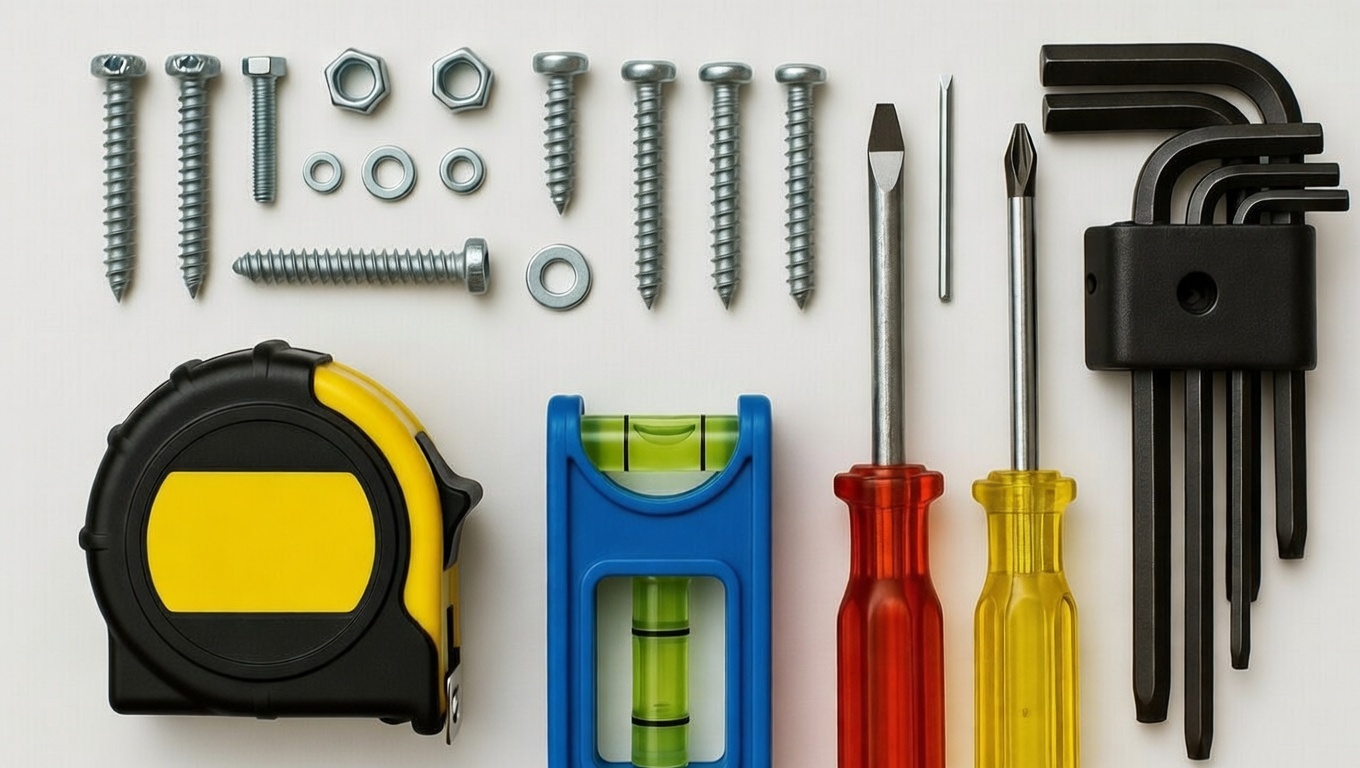
For a typical installation, keep these on hand: a tape measure, spirit level, Phillips/flat screwdrivers, and the correct hex keys for the adjustment screws, plus job-appropriate fasteners. When handling wide or heavy panels, use a door lifter/panel jack or work with a second installer—this protects the track and makes accurate alignment much easier.
Installation Steps (Practical Workflow)
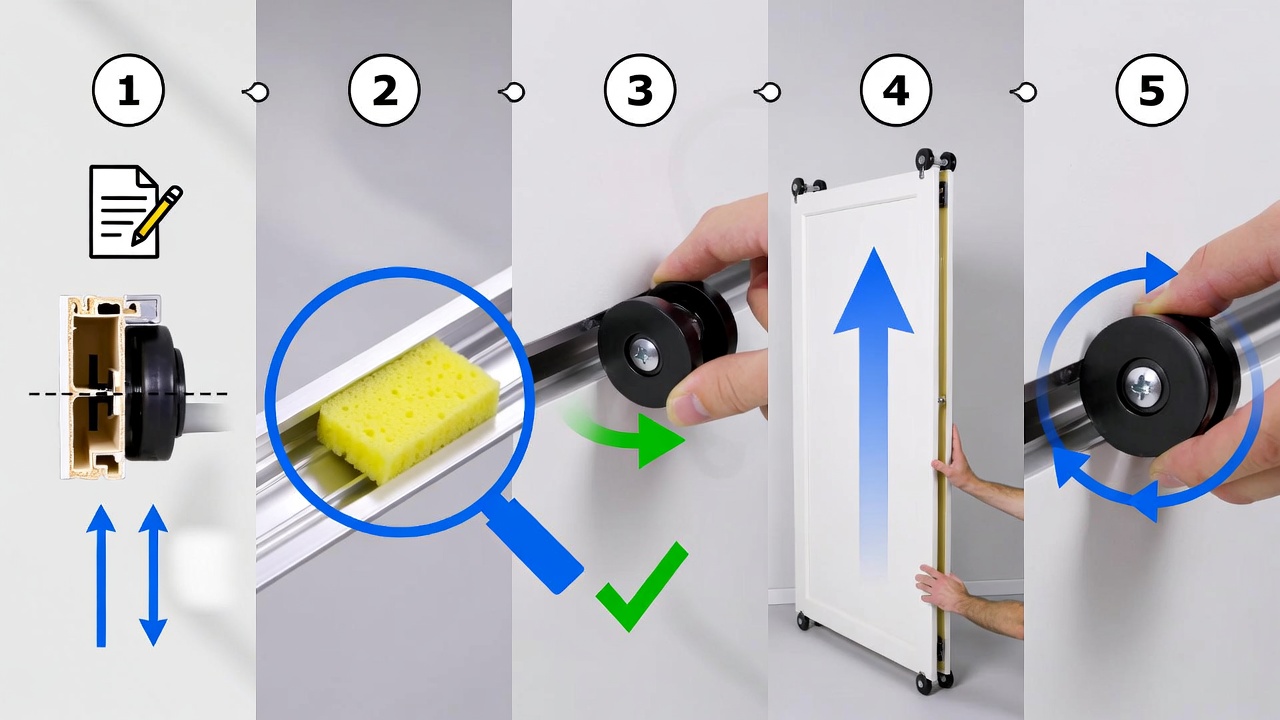
- Verify the match
- Confirm the roller model is suitable for the panel weight, track profile, and mounting size on your door.
- Get the track ready
- Clean out dust and debris completely. Check for burrs, dents, or bends that could cause vibration or drag; the track should be straight and smooth.
- Install the roller assemblies
- Fix the rollers into the door's bottom channel (or the specified mounting points). Tighten evenly so the units sit flush and don't twist under load.
- Set the panel onto the rail
- Lift the door into position and make sure both rollers are properly seated in the track before releasing the weight.
- Run an initial function check
- Slide the panel across its full range. It should move freely, stay square in the frame, and show consistent clearances.
Micro-Adjustment (How to Dial It In)
Use the adjustment screw to change height in small increments rather than large turns. The target is a door that:
- maintains even gaps around the frame, and
- glides without rubbing or tight spots.
Make adjustments one side at a time, then re-check with a level and cycle the door open/closed several times. If the door “settles” after loading, repeat with minor corrections.
Common Issues & Fast Fixes
- Hard to move / feels unusually heavy
- Usually caused by a dirty rail, a panel that exceeds the roller's rating, or a setting that pushes the door into the frame (rollers adjusted too high).
- Scraping sound during travel
- Often indicates misalignment, a damaged section of track, or debris trapped in the channel.
- Door creeps open/closed or won't park where you leave it
- Check for uneven roller height or an out-of-level track/frame. Re-level where possible, then re-balance the adjustments.
Applications and Use Cases
Adjustable stainless steel rollers are a strong fit anywhere a sliding system must stay smooth, quiet, and correctly aligned under real-world use. Typical projects include:
- Home installations: sliding doors and windows—especially larger glass panels—where people notice every bit of noise and resistance during daily operation.
- Office and commercial interiors: movable partitions and meeting-room sliders that need a refined feel and consistent performance across frequent open/close cycles.
- Heavy-duty or high-traffic sites: industrial doors or large panels where load capacity and durability matter more than short-term convenience.
- Exterior environments: patios, balconies, and other semi-exposed applications, including humid or coastal areas, where corrosion resistance helps maintain long-term reliability.
Maintenance Tips for Long Service Life
A few small habits go a long way toward keeping a sliding door feeling "new" instead of gritty and loud.
- Track cleaning: Make it routine to clear the rail. A quick vacuum pass or wipe-down removes grit before it gets crushed under the wheels and starts wearing the track like abrasive paper.
- Light lubrication (only when appropriate): If the system calls for it, apply a small amount of the recommended lubricant. Skip thick oils and greasy sprays—they tend to trap dust and turn the track into a dirt magnet.
- Quick checks while it's in use: Pay attention to changes: uneven reveals, a slight wobble, or a new squeak/rumble usually means something has shifted or is beginning to wear. Catching this early prevents bigger issues later.
- When to replace rollers: Swap the rollers out if you see wheel cracking, flat spots, or if the bearings feel rough and no longer roll smoothly. If you're re-adjusting constantly and it won't stay aligned, that's also a sign the parts are at end-of-life. Replace both rollers together so the load stays balanced and the door tracks straight.
Choosing the Right Roller for Your Project
Selecting a sliding roller shouldn't be an afterthought. The right choice depends on how the door will be used, what it needs to carry, and the conditions it will live in day after day.
Factors to consider: door weight, frequency of use, environment
Start with door weight. A roller that is under-rated may feel acceptable during handover, then quickly develop drag, vibration, and uneven wear as the wheel deforms or the bearing fatigues. Next, consider frequency of use. A balcony door opened twice a day has a very different life than a retail partition or office slider that cycles dozens (or hundreds) of times daily. Finally, factor in the environment—humidity, coastal air, cleaning chemicals, dust, and temperature swings. These conditions determine whether corrosion resistance and sealing performance are "nice to have" or essential.
Matching stainless steel rollers with door types
Adjustable stainless steel rollers are a strong fit when the project calls for stable alignment and long-term consistency. For large-format glass panels, heavier doors, or premium residential interiors where acoustic comfort matters, a stainless housing paired with a low-friction wheel material helps keep movement controlled and quiet. For minimalist systems—concealed frames, tight reveals, hidden tracks—micro-adjustment becomes especially valuable, because small misalignment is immediately visible (and audible). In more demanding settings, prioritize a design that supports the load properly and keeps the panel running true, rather than chasing short-term smoothness alone.
Bulk ordering considerations for B2B customers
For B2B procurement, consistency is the real cost-saver. Before placing a bulk order, confirm load rating, wheel material option, mounting dimensions, and track compatibility across the full door schedule. It's also worth standardizing on a limited set of SKUs to simplify installation and spare-part management. Practical details matter: ensure cartons are labeled by size/spec, request batch traceability if needed, and plan a small overage for site spares—especially on multi-building or phased projects. A well-managed hardware standard reduces call-backs, speeds up commissioning, and makes future maintenance predictable.
Even the most beautifully finished sliding door can lose its appeal if it feels rough to move, sounds noisy, or needs constant re-alignment. That's exactly where adjustable stainless steel rollers make a measurable difference: they help the panel travel with less resistance, allow fine height tuning for clean, stable gaps, and keep performance steady in humid, dusty, or high-traffic conditions.
A roller upgrade is also one of the smartest improvements you can make without redesigning the entire door system. When the hardware runs smoothly, the whole installation feels more "premium"—opening and closing becomes effortless, noise drops noticeably, and the need for follow-up service is reduced across residential, commercial, and heavy-use projects.
To select the right configuration for your job—load rating, wheel material, and mounting style—visit hunepulley.com. You can review specifications, compare options, and submit a bulk request for project pricing and lead-time planning through our website.
Message Feedback

Huaneng specializes in the R&D and manufacturing of miniature and medium-sized bearings, non-standard bearings, and pulley systems.
Wholesale OEM/ODM Miniature Bearings, Bearing Pulley, Wheel Bearing Pulley, Door And Window Pulleys.
- PRODUCTS
- Stainless Steel Sliding Door&Window Rollers
- Plastic Bearing Pulley
- Screw Thread Bearing Pulley
- Door & Window Roller Hardware
- Ball Bearing
- Rubber Ring
- Hardware Accessories
- INFORMATION
-
-
Tel+86-15058997617
-
E-mailshirley@cnhune.com
-
AddNo. 118, Development Road, Wengyang Industrial Zone, Yueqing City, Zhejiang Province, China
-
- MOBILE SITE
-