

 English
 Español
 日本語
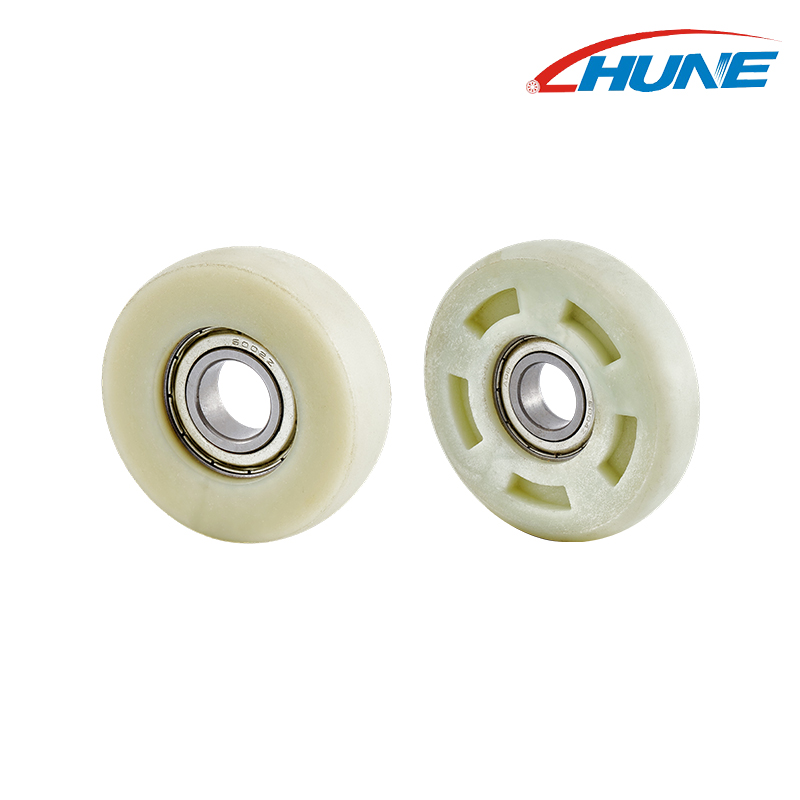
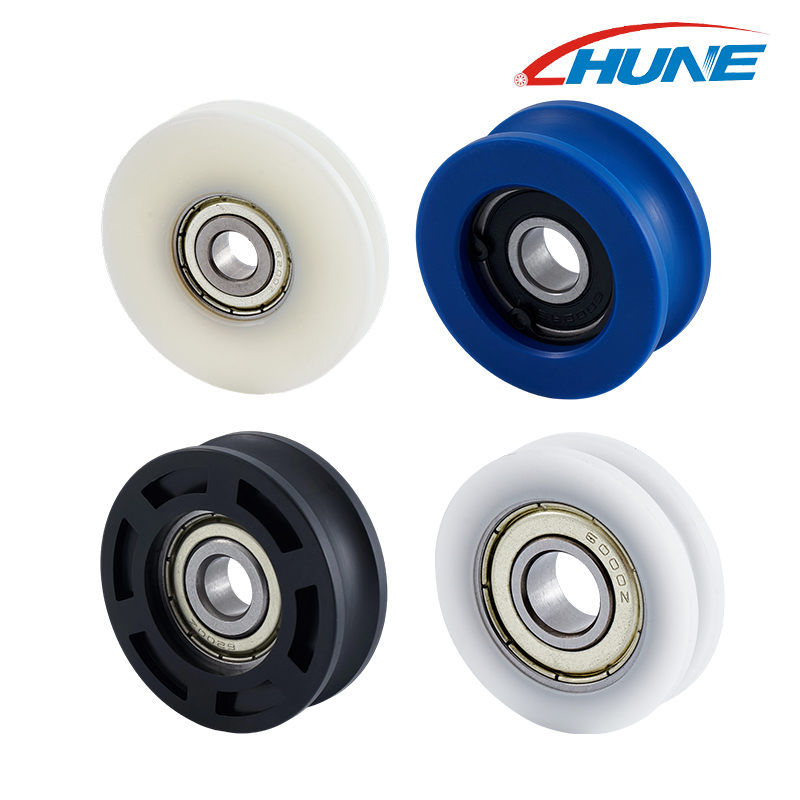
日本語A roller wheel is often underestimated during the purchasing stage. It looks simple, almost generic in appearance, and usually does not receive much attention compared to the door or frame system it supports.
However, once the system is installed and in daily use, the role of this small component becomes much more noticeable.
Every movement of a sliding system passes through the roller wheel. It is not a one-time action. It is repeated continuously, often hundreds or thousands of cycles over time.
At the beginning, everything feels smooth and stable. That is usually when selection decisions feel easy.
But real differences appear later, after the system has been in use for a while.
Why roller wheel selection is more than a simple product choice
On paper, roller wheels often look similar. The structure appears familiar, and product descriptions can sound almost interchangeable.
But real operation tells a different story.
Once installed, each roller wheel begins to interact with its environment. The track surface, installation accuracy, load distribution, and usage frequency all begin to influence behavior.
Over time, differences that were not visible at the beginning slowly become noticeable in daily movement.
Key factors that influence roller wheel performance
Before selecting a roller wheel, several practical factors should be considered together rather than individually.
Main selection factors
| Factor | What it affects | Why it matters in real use |
|---|---|---|
| Load condition | Movement stability | Influences wear and smoothness over time |
| Material type | Surface behavior | Affects long-term interaction with track |
| Track condition | Rolling consistency | Determines movement smoothness |
| Installation quality | System balance | Impacts alignment and pressure distribution |
| Usage frequency | Wear speed | Higher cycles increase system stress |
| Environment | Material response | Affects long-term stability |
Load is not static, it changes during operation
In many cases, load is misunderstood as a fixed number. In real systems, load is dynamic.
A roller wheel may experience different conditions depending on movement phase:
- resting load when the door is closed
- shifting load during movement
- uneven distribution when alignment is slightly off
- temporary stress during frequent operation
These variations affect internal behavior over time.
A system that looks balanced at installation may behave differently after repeated cycles.
Material behavior is about time, not just type
Different materials respond differently under continuous use.
Nylon-based wheels often feel smoother at the beginning, especially in stable indoor environments. They interact gently with track surfaces and produce quieter movement.
Metal-based structures tend to maintain form stability under repeated load. However, their interaction with track conditions can change depending on surface quality and environment.
Composite materials usually aim for a balance, but their performance still depends heavily on application conditions.
Simple comparison of material behavior
| Material type | Early behavior | Long-term behavior tendency |
|---|---|---|
| Nylon-based | Smooth and quiet | Sensitive to long-term wear conditions |
| Metal-based | Stable structure | Depends on track and maintenance |
| Composite | Balanced response | Varies with usage environment |
Track condition slowly becomes part of performance
The track is often ignored during selection, but it plays a continuous role in system behavior.
At installation, the track may appear clean and aligned. Over time, however, small changes begin to appear:
- dust accumulation in contact areas
- minor surface wear patterns
- subtle alignment shifts
- variation in rolling resistance
These changes are gradual, but they influence how the roller wheel behaves during daily operation.
Even a well-selected wheel can feel different if the track condition changes over time.
Installation is not just setup, it is system shaping
Installation is often treated as a one-time task, but its effect lasts throughout the system’s lifecycle.
Small differences during installation can influence:
- load balance across wheels
- alignment of movement path
- contact stability with track
- initial friction level
At first, these differences may not be obvious. But after repeated use, they begin to affect movement consistency.
This is why installation quality often determines long-term performance more than expected.
Environmental influence works slowly but continuously
Environmental conditions do not usually cause immediate issues. Instead, they influence long-term behavior gradually.
Common environmental factors include:
- temperature variation across time
- humidity changes in indoor spaces
- dust accumulation in enclosed systems
- occasional exposure to moisture
These factors do not stop system operation, but they influence how materials and surfaces respond over time.
Early signs of performance change
Most roller wheel issues do not appear suddenly. They develop through small signals.
Common early indicators
- slight increase in opening resistance
- uneven movement along the track
- small vibration during operation
- occasional sound during direction change
- inconsistent sliding feel
These signals often appear before visible wear is detected.
Recognizing them early can help prevent further system imbalance.
Maintenance supports long-term stability
Maintenance is not only about fixing issues. It helps maintain consistent behavior.
Simple actions such as:
- cleaning track surfaces
- removing dust or debris
- checking movement smoothness
- observing wear patterns
can help reduce uneven system behavior over time.
Without maintenance, small changes accumulate faster. With basic care, system performance remains more predictable.
Compatibility is more important than isolated quality
A roller wheel does not operate alone. It must work within a system.
Key compatibility factors include:
- track design and condition
- door structure and weight
- installation precision
- usage frequency
- environmental exposure
When these elements are aligned, performance tends to remain stable.
When they are not, even a well-made product may show inconsistent behavior over time.
Practical checklist before buying roller wheel
To simplify selection, here is a practical checklist that can be used in real projects:
- Is the roller suitable for real door weight, not just estimated weight?
- Does the material match the environment where it will be used?
- Is the track condition stable and compatible?
- Will the system be used frequently or occasionally?
- Is installation quality controlled or variable?
- Will maintenance be possible after installation?
These questions help connect product selection with real usage conditions.
When initial performance does not reflect long-term behavior
At the beginning, most roller wheels behave similarly. Movement is smooth, noise is minimal, and the system feels stable.
However, long-term behavior is different.
After extended use, some systems remain consistent, while others gradually change in feel, resistance, or sound.
These differences are often linked to how well the system matches real operating conditions.
A more practical way to approach selection
Instead of focusing only on product appearance or catalog descriptions, it is more practical to evaluate real operating conditions.
Key considerations include:
- frequency of daily use
- stability of installation environment
- expected load behavior over time
- condition of track system
- maintenance possibility
When these factors are clearly understood, selection becomes more reliable and predictable.
A roller wheel may seem like a small component, but it plays a continuous role in how a system behaves every day.
Its performance is not defined at the moment of installation, but gradually shaped through repeated use, environmental influence, and system interaction.
Material, installation quality, track condition, and usage frequency all work together to determine long-term behavior.
When these elements are properly matched, system movement remains stable and predictable. When they are not, small variations slowly develop into noticeable performance changes.
The most reliable approach is to focus not only on how a roller wheel performs at the beginning, but how it behaves after long-term real-world use.