

 English
 Español
 日本語
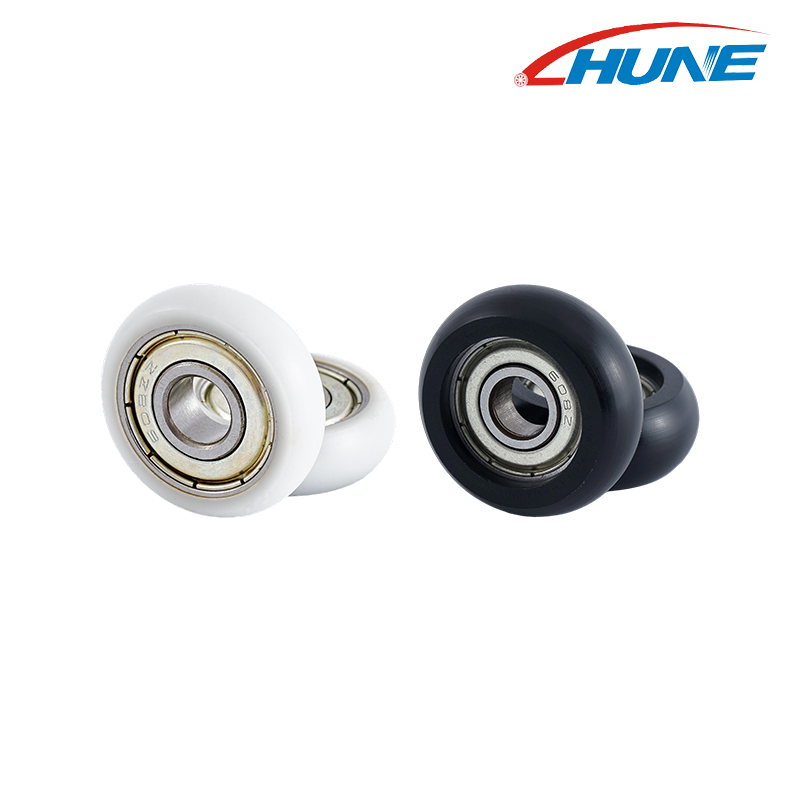
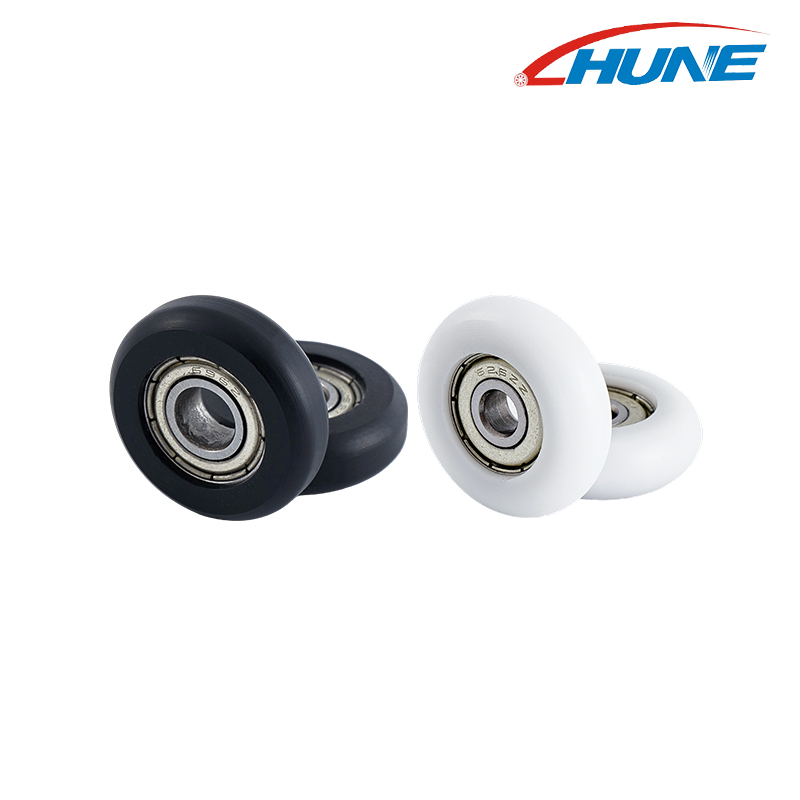
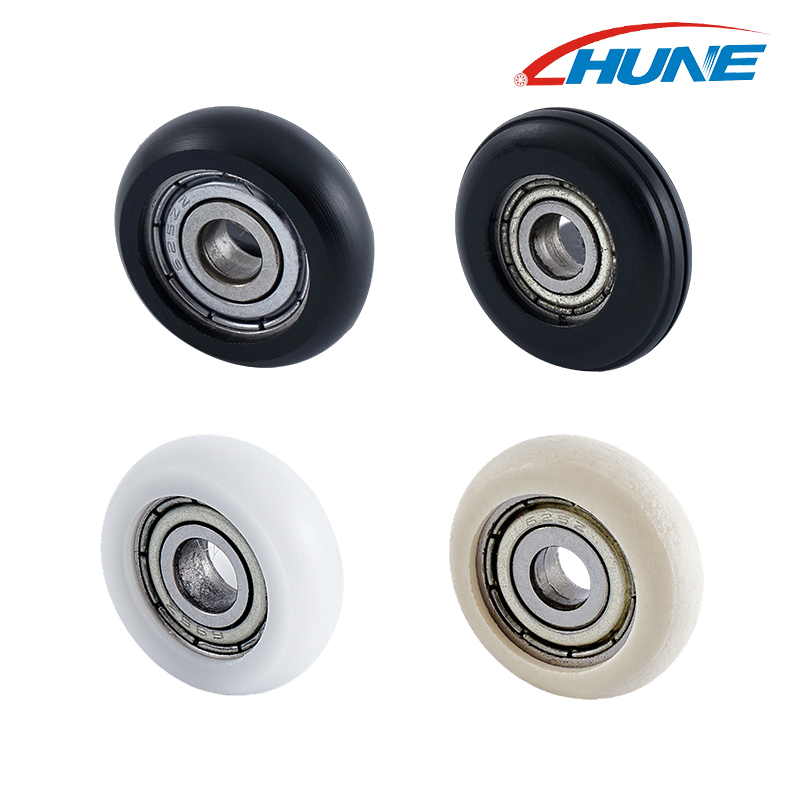
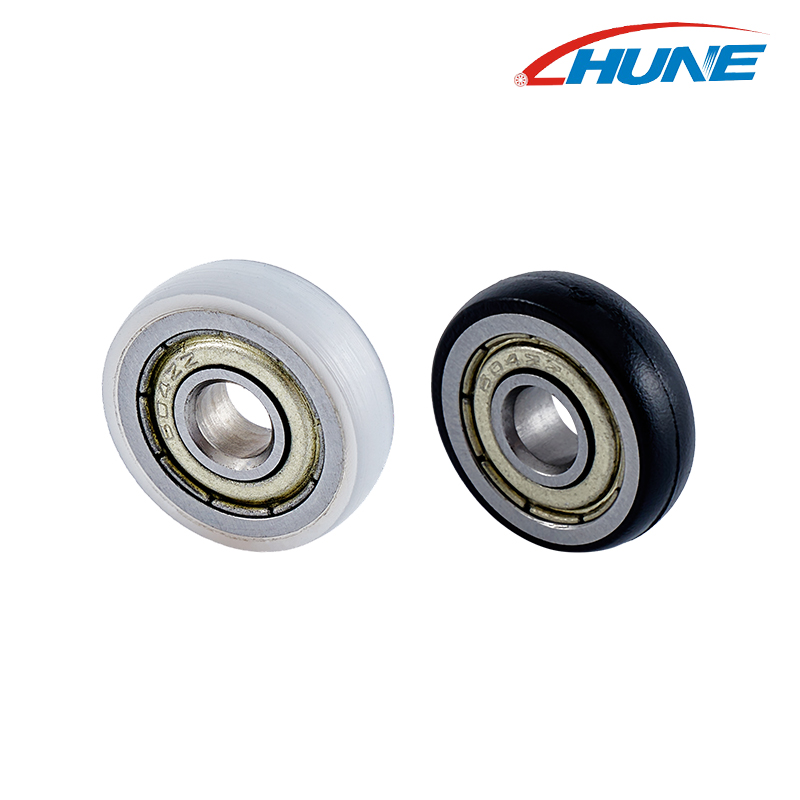
日本語At first glance, the question feels simple enough. Nylon roller wheels and steel roller wheels both perform the same basic function: supporting movement and guiding a door or panel along a track. From the outside, they can look almost interchangeable, especially when the system is newly installed and operating under ideal conditions.
But in real use, things do not stay in that initial state for very long. Once a system starts going through daily cycles of opening and closing, small changes begin to accumulate. Load pressure shifts slightly, surface contact becomes less uniform, dust starts to enter the track, and internal resistance slowly builds up inside the roller assembly.
In practice, these changes do not appear all at once. They develop quietly over time, which is why performance differences between nylon and steel only become obvious after extended use.
Instead of treating this as a simple material comparison, it is more realistic to look at how each material behaves once it is exposed to long-term working conditions.
Why This Comparison Is More Practical Than It Seems
Roller wheels are used in a wide range of systems, including sliding doors, storage systems, industrial tracks, and architectural moving partitions. In all of these applications, durability is not defined by a single moment of performance. It is shaped by repeated small interactions over time.
In real daily operation, rollers deal with:
- repeated movement cycles that gradually affect surface contact
- constant pressure between wheel and track during motion
- small particles entering the system without being noticed
- temperature and humidity changes that slowly influence materials
- variations in user force that are not always consistent
None of these factors look significant on their own. The impact comes from accumulation rather than intensity.
Nylon Roller Wheels in Real Use Conditions
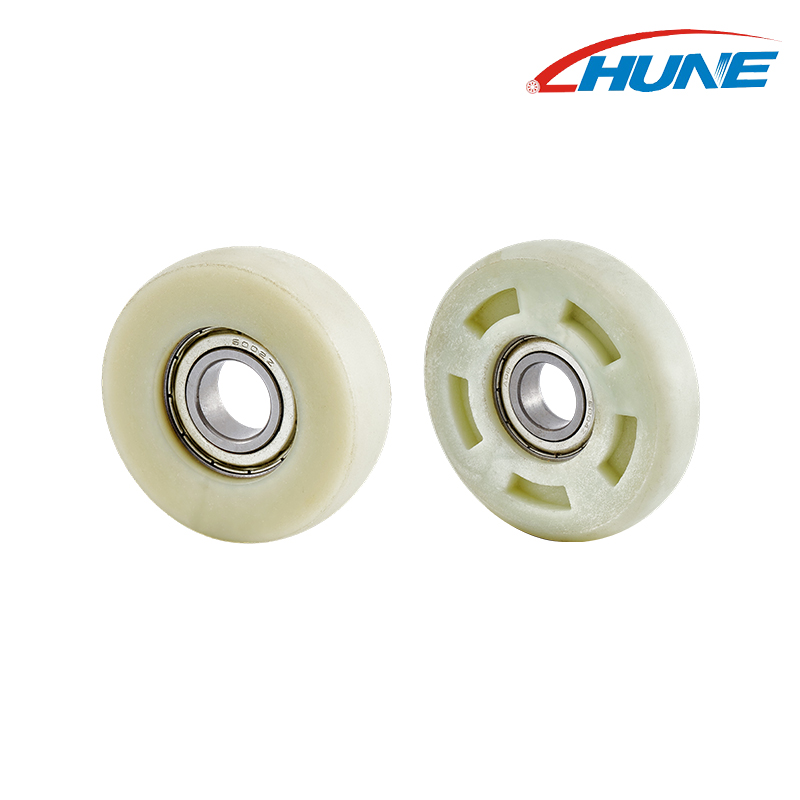
Nylon is often selected because of its balanced behavior in general applications. It does not create harsh contact with the track, and it tends to make movement feel smoother and less mechanical.
How nylon behaves in everyday operation
In practical use, nylon roller wheels usually:
- reduce vibration during movement without extra effort
- create a quieter sliding experience in enclosed spaces
- adapt slightly when the track surface is not perfectly uniform
- distribute contact pressure in a softer and more forgiving way
Because of these characteristics, nylon is commonly used in indoor environments where user comfort and sound control are part of the design expectation.
How nylon changes over time
Nylon does not remain in its original condition indefinitely. The changes are usually slow enough that they are not immediately noticeable.
Over a longer period, it may:
- develop polished contact areas from repeated friction
- show gradual flattening in zones that carry more load
- respond differently when temperature conditions shift
- become slightly less consistent in rolling feel under uneven load
These changes rarely cause sudden failure. Instead, they influence the smoothness of operation in a gradual way that users notice only after some time.
Steel Roller Wheels in Real Working Conditions
Steel roller wheels are generally associated with stronger structural behavior. They are often used in systems where the load is higher or where mechanical stability is prioritized over softness of movement.
How steel behaves during daily operation
Steel wheels tend to:
- maintain their shape even under continuous load cycles
- provide stable rolling geometry over long periods of use
- resist deformation when mechanical stress increases
- support more demanding operational conditions without structural change
Because of this, steel is often selected for applications where consistency under pressure is more important than quiet operation.
How steel changes over time
Although steel is structurally stable, it still changes in real use conditions.
Over time, steel may:
- develop visible friction marks on the surface
- become more dependent on lubrication quality to maintain smooth movement
- show changes in rolling feel when dust or debris enters the track
- interact more directly with the track material under dry conditions
Unlike nylon, steel does not usually change shape easily. The main changes happen at the surface level and in how it interacts with other components.
Comparing Nylon and Steel in Real Daily Use
| Factor | Nylon Roller Wheels | Steel Roller Wheels |
|---|---|---|
| Movement feel | Softer and more forgiving | More direct and rigid |
| Contact behavior | Adapts slightly to surface variation | Maintains fixed contact geometry |
| Load response | Suitable for moderate conditions | Handles higher mechanical stress |
| Environmental sensitivity | Affected by long-term heat and load cycles | More sensitive to moisture and lubrication state |
| Wear pattern | Gradual surface adaptation | Surface marking over time |
Load Behavior Over Time
One of the key differences between nylon and steel becomes more noticeable when looking at repeated load cycles.
Nylon under repeated use
Nylon tends to:
- adjust gradually to the track surface during operation
- show wear in localized contact areas over time
- maintain stable performance when used within moderate load ranges
Its behavior is generally predictable in controlled environments, especially where conditions do not change dramatically.
Steel under repeated use
Steel tends to:
- maintain structural integrity over long operational periods
- transfer load more directly into the track system
- rely heavily on surface condition and lubrication to maintain smooth motion
The structure remains stable, but the overall performance becomes closely tied to surface interaction quality.
Environmental Influence on Long-Term Performance
Even indoor systems are not completely isolated from environmental influence. Small changes in conditions gradually affect how materials behave.
Nylon sensitivity in real environments
Nylon may respond to:
- slow temperature variation across seasons
- continuous load pressure in confined spaces
- accumulation of fine surface particles over time
These factors do not cause immediate issues, but they can influence long-term movement consistency.
Steel sensitivity in real environments
Steel is more influenced by:
- moisture exposure in the surrounding environment
- lubrication breakdown over extended use
- oxidation tendencies on exposed surfaces
- interaction between wheel and track material during dry operation
Steel remains structurally stable, but surface behavior becomes the key factor in performance changes.
Noise Development Over Time
Noise is often one of the first signals that users notice when comparing long-term performance.
Nylon sound behavior
- usually remains quiet during early use stages
- may develop subtle changes in sound as surface wear progresses
- tends to maintain relatively stable acoustic behavior in indoor conditions
Steel sound behavior
- depends strongly on lubrication and surface condition
- may produce more noticeable sound under dry or dusty conditions
- interaction with metal tracks can increase acoustic feedback over time
Noise itself is not a failure indicator. It is more of a reflection of how smoothly the system is interacting internally.
Maintenance Expectations in Real Use
Maintenance needs are not identical between the two materials, but neither operates completely without care.
Nylon maintenance behavior
- generally requires only basic cleaning from time to time
- less dependent on frequent lubrication routines
- inspection usually focuses on surface wear and movement consistency
Steel maintenance behavior
- more sensitive to lubrication condition over time
- requires closer attention to surface interaction quality
- may need more regular inspection in demanding environments
The difference lies more in sensitivity than complexity.
Where Nylon Is Commonly Used
Nylon roller wheels are often found in environments where:
- quieter movement is part of the user expectation
- load conditions are moderate and stable
- indoor applications dominate usage scenarios
- smoother interaction is preferred over rigid mechanical feel
These conditions align naturally with nylon behavior.
Where Steel Is Commonly Used
Steel roller wheels are more commonly selected when:
- higher load levels are involved
- mechanical stability is prioritized over acoustic comfort
- operational frequency is relatively high
- environmental conditions are less controlled
In these cases, steel provides more consistent structural support.
Long-Term Behavior in Practical Terms
When evaluating long-term performance, it is more realistic to focus on how each material changes rather than expecting a fixed lifespan.
Nylon long-term behavior
- gradual adaptation to surface conditions
- slower but noticeable changes in contact feel
- performance influenced by environment and usage consistency
Steel long-term behavior
- stable structural shape over time
- surface condition becomes the main performance variable
- behavior strongly influenced by maintenance quality and environment
Both materials can remain functional for extended periods when used in appropriate conditions.
Common Misunderstandings in Material Choice
A common assumption is that steel always lasts longer simply because it is harder. In real applications, durability is not determined only by hardness.
Another assumption is that nylon is limited to light use. While nylon does have application boundaries, it performs reliably within its intended range.
In practice, performance depends on multiple interacting factors:
- load distribution across the system
- frequency of daily use
- compatibility with the track system
- environmental exposure conditions
- consistency of maintenance practices
Material selection is most effective when it is aligned with real working conditions rather than assumptions.
When Nylon Becomes the More Practical Choice
Nylon is often more suitable when:
- quieter movement is preferred in daily operation
- indoor environments are the primary usage setting
- load conditions remain within moderate levels
- user comfort is part of the design expectation
In these cases, nylon can maintain stable and predictable performance over time.
When Steel Becomes the More Practical Choice
Steel becomes more suitable when:
- mechanical load is higher and more consistent
- structural stability is more important than acoustic comfort
- environmental conditions are less controlled
- long-term rigidity is required in operation
Under these conditions, steel provides more reliable structural support.
Nylon roller wheels and steel roller wheels both have clear roles in real-world systems. Neither material can be considered universally better, because their performance depends heavily on how and where they are used.
Nylon generally performs in a quieter and more adaptive way in controlled environments. Steel tends to provide stronger structural behavior in more demanding conditions. Over time, both materials change, but the way they change is different.
The more practical approach is not to ask which one lasts longer in theory, but which one matches the actual working environment more closely. When the material and application are aligned, the system tends to remain stable, predictable, and easier to maintain over a longer period.