

 English
 Español
 日本語
日本語At first, the situation usually feels minor. The sliding door does not stop working completely, it just becomes harder to move. It may hesitate at certain points, require a bit more force, or feel uneven during operation. Many users assume it is a temporary issue, something that will "loosen up" again after a few uses.
In real installations, that is rarely the case.
A sliding door system depends on a combination of components working together in a stable way. The roller wheels, track, alignment, and load distribution all contribute to how smoothly the door moves. When one part begins to change, the effect does not always appear immediately. Instead, the system slowly shifts from smooth operation to resistance, and eventually to sticking or partial blockage.
In many cases, roller wheels are involved. But they are not always the only factor. To understand why a sliding door starts getting stuck, it is important to look at how the entire system behaves over time rather than focusing on a single component.
When a Sliding Door Starts Feeling "Off"
A sliding door rarely fails suddenly. The change usually develops in stages that are easy to overlook at the beginning.
Early stage signs
At first, users may notice:
- Slight resistance in motion
- Non-uniform slip rate
- A little hesitation at a particular point
- A subtle change of tone
These signs are often ignored because the door still functions normally.
Progression over time
As conditions continue to change:
- Movement becomes less predictable
- More force is required to operate the door
- Sticking points become more frequent
- Noise may start to appear alongside resistance
In this phase, users usually begin to search for a mechanical cause, and the roller wheel is often the first suspect.
Why Roller Wheels Are Often Suspected First
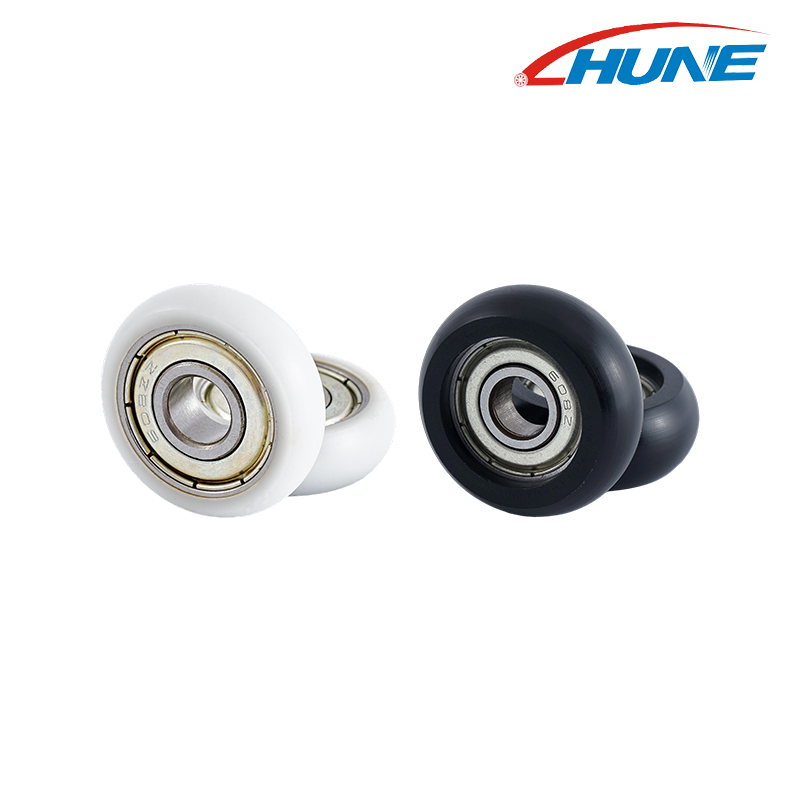
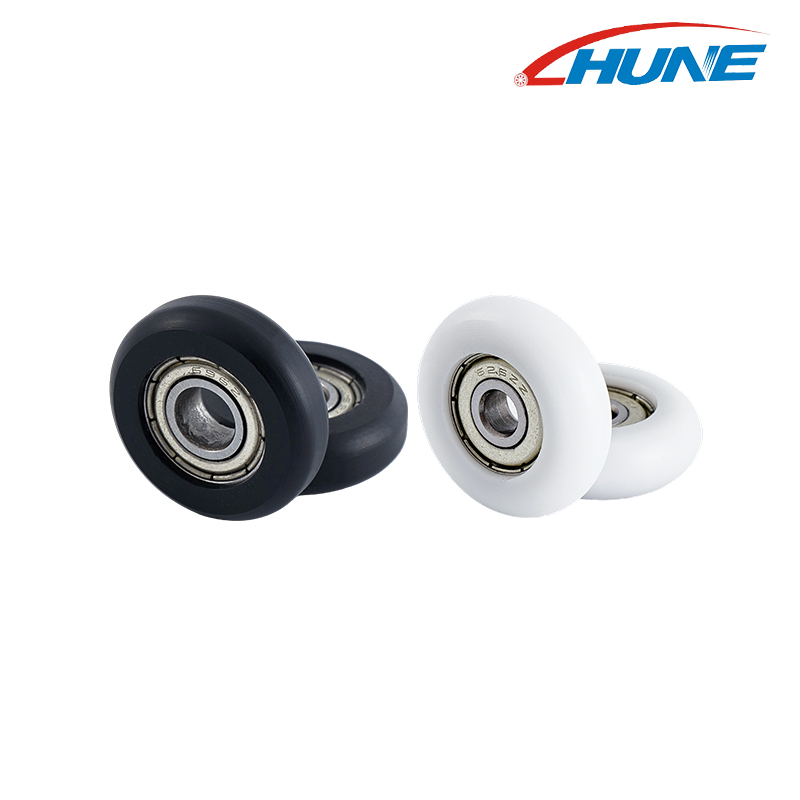
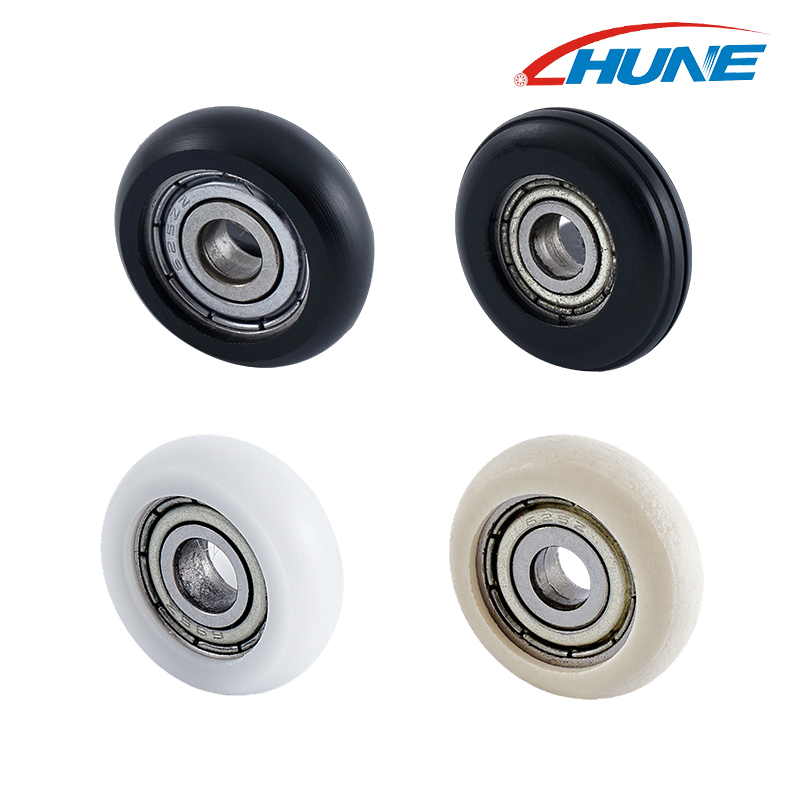
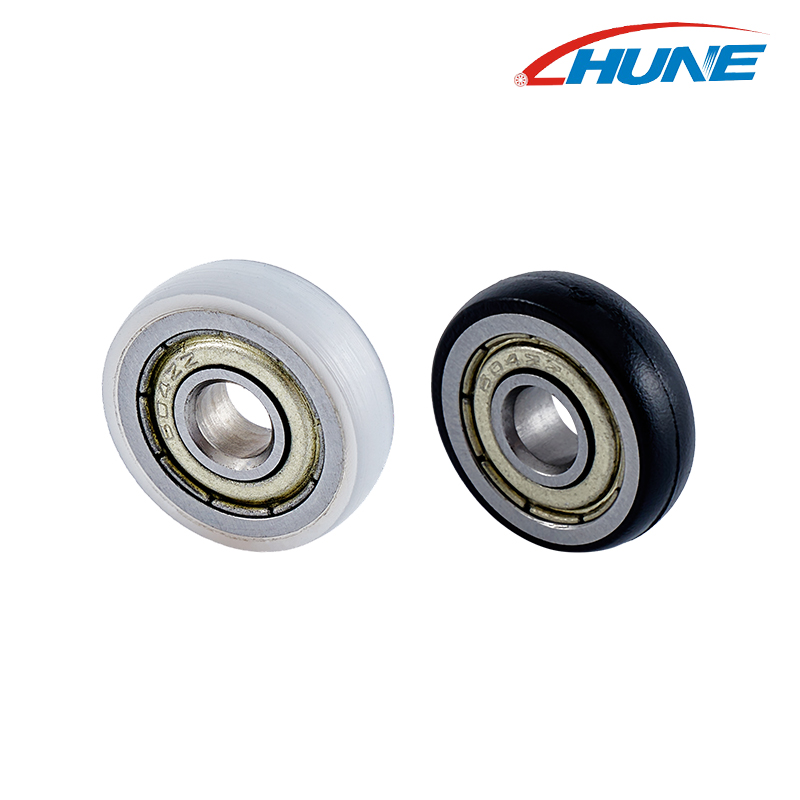
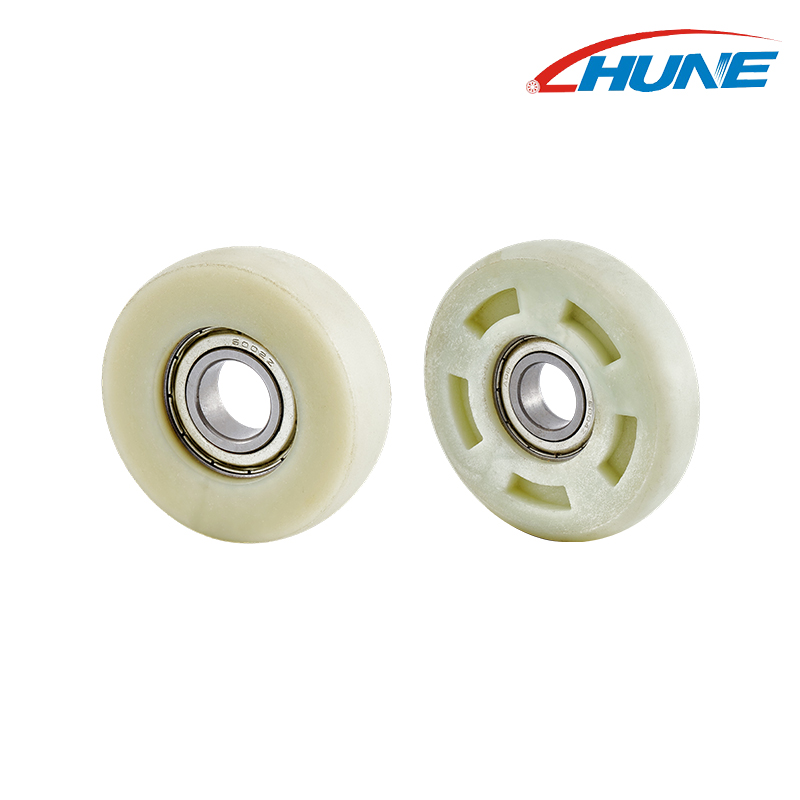
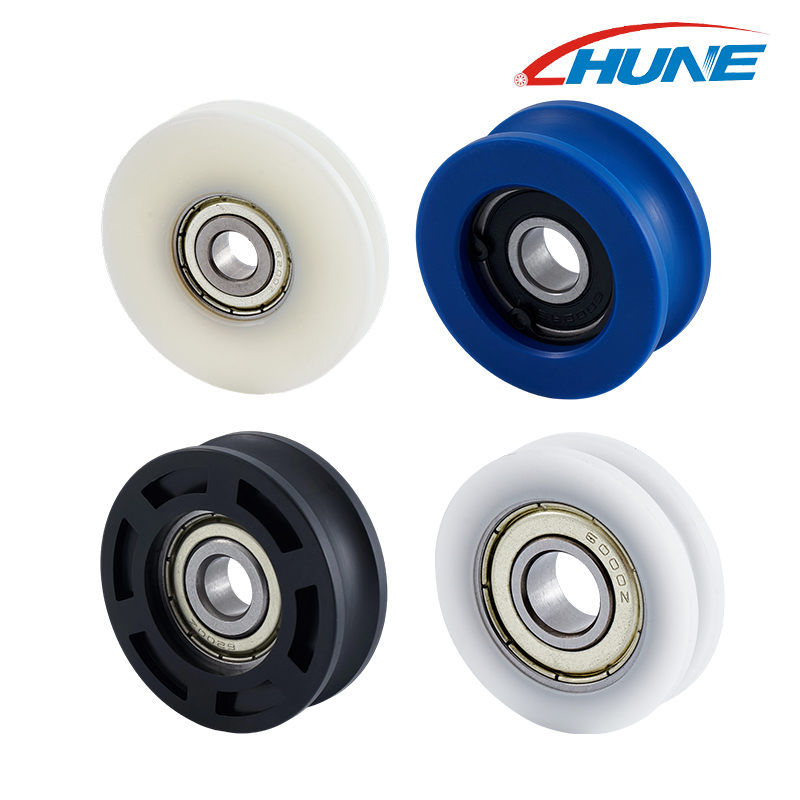
The roller wheels bear the weight of the door and direct it to move along the track. Since they are in constant contact with both the load and the surface, they naturally experience wear over time.
It is important, however, to be aware that sticking isn't always due to wheel failure. In many cases, roller wheels are part of a wider chain of contributing factors.
Still, they are a logical starting point because:
- they are in continuous motion
- they carry structural load
- they interact directly with the track surface
- they are sensitive to debris and wear
When performance changes, wheels often show early symptoms before other parts.
How a Sliding Door System Actually Works
To understand sticking issues, it helps to break down the basic structure.
A typical sliding door system includes:
- a track mounted at the top or bottom
- roller assemblies attached to the door panel
- a frame supporting structural alignment
- stops or guides controlling movement
The system depends on controlled friction. Too much friction creates resistance. Too little control can cause instability.
The roller wheels are responsible for maintaining balance between load and motion. When they are in good condition, movement feels smooth and stable. When something changes, the system becomes less predictable.
When Roller Wheels Start Contributing to Sticking
Roller wheels do not fail in a single moment. Their performance changes gradually.
Surface wear begins to matter
Over time, the wheel surface can:
- lose its original smooth finish
- develop uneven contact points
- collect embedded particles
Even small surface changes can affect how the wheel travels along the track.
Internal resistance increases
Inside the wheel assembly, movement depends on internal components that allow rotation. As these parts age:
- friction increases
- rotation becomes less consistent
- movement feels heavier
These changes do not always produce noise at first. Instead, they show up as resistance or sticking.
The Track Is Often Part of the Problem
While roller wheels receive most of the attention, the track plays an equally important role.
What changes inside the track
Over time, the track may accumulate:
- dust layers
- fine grit
- small debris from the environment
These materials gradually affect the rolling path.
How this leads to sticking
Once debris builds up:
- the wheel does not travel smoothly
- movement becomes uneven
- certain points create resistance
In some cases, the door may feel like it is "catching" at specific locations along the track.
Misalignment Slowly Builds Up
Alignment is often stable at installation, but it can shift over time.
What causes alignment changes
- repeated use of the door
- minor structural movement
- gradual loosening of mounting points
What happens when alignment shifts
When alignment is not consistent:
- one roller may carry more load than others
- movement becomes uneven
- friction increases at certain points
This uneven load distribution can contribute to sticking behavior.
Environmental Influence on Door Movement
Sliding doors operate in real environments, not controlled conditions.
Common environmental factors
- temperature variation
- humidity changes
- airborne dust
- seasonal expansion and contraction
Long-term effect
Over time, environmental exposure can:
- alter material behavior
- affect lubrication performance
- influence surface interaction
These changes are usually slow but continuous.
Lubrication Does Not Stay Stable Forever
Lubrication is of great importance in reducing friction within moving parts.
What happens over time
- Lubrication gradually breaks down
- Dust mixture and residue
- Efficiency decreases
What users experience
- smoother movement becomes less consistent
- resistance increases during sliding
- sticking points begin to appear
Problems associated with Lubrica-related issues are often mistaken for mechanical failures, even if the hardware remains functional.
Load Distribution Changes Over Time
A sliding door is not just a moving panel. It is a weight-bearing system.
What affects load balance
- wear on roller wheels
- slight frame movement
- uneven installation stress over time
Resulting behavior
When load is not evenly distributed:
- certain wheels wear faster
- movement becomes uneven
- sticking becomes more noticeable
This is often a gradual process that develops over long periods.
Why Sticking Usually Appears Slowly
One of the most common observations is that the door works fine for a long time before problems begin.
The reason behind the delay
Several factors develop slowly:
- debris accumulation
- surface wear
- lubrication degradation
- alignment drift
None of these create immediate failure. Instead, they gradually change system behavior.
Identifying the Real Source of the Problem
When a sliding door starts sticking, it is useful to check the system in layers rather than assuming a single cause.
Step-by-step observation approach
- check movement along the full track
- observe where resistance occurs
- listen for changes in sound
- inspect visible debris buildup
This approach helps separate wheel-related issues from track or alignment problems.
When Roller Wheels Are Actually the Main Cause
In some cases, roller wheels are the primary reason for sticking.
Common wheel-related conditions
- uneven rolling surface
- internal resistance during rotation
- visible wear on contact areas
- inconsistent movement under load
When these conditions appear, replacement is often more practical than adjustment.
When the Problem Is Not the Wheels
Not all sticking issues come from roller assemblies.
Other possible causes
- dirty or damaged track
- structural misalignment
- obstruction in the sliding path
- installation-related imbalance
In these situations, replacing wheels alone will not fully resolve the issue.
Maintenance Can Delay Sticking Issues
Regular maintenance helps reduce the speed of wear.
Practical maintenance actions
- cleaning the track periodically
- removing debris buildup
- checking roller movement
- applying suitable lubrication when needed
These steps help maintain more stable performance over time.
When Repair or Replacement Becomes Necessary
There is a point where maintenance is no longer enough.
Typical conditions requiring action
| Condition | Possible Solution |
|---|---|
| persistent sticking | inspect full system |
| uneven movement | check alignment and wheels |
| grinding resistance | replace roller assembly |
| track damage | repair or replace track |
Addressing the root cause is more effective than repeated surface-level fixes.
A sliding door that starts getting stuck is usually not experiencing a sudden failure. It is responding to gradual changes inside the system. Roller wheels are often involved, but they are only part of a larger interaction between track condition, alignment, lubrication, and environmental exposure.
The process develops slowly, which is why it can be easy to overlook at first. By the time sticking becomes obvious, several small factors are usually working together.
Understanding how these components interact over time makes it easier to diagnose the issue accurately. In many cases, the solution is not just replacing one part, but identifying how the system has changed as a whole.
When all elements are properly considered, sliding door movement can often be restored to a more stable and predictable condition without unnecessary replacement or guesswork.