

 English
 Español
 日本語
日本語A sliding window may look clean from the outside, but inside the track, things can change quietly over time. Many homeowners notice the same pattern. The window was smooth during the first months. Later, the movement became heavier. A faint scratching sound appeared during opening. In some cases, brown marks started showing near the lower corner of the frame.
This situation happens often in bathrooms and kitchens because these spaces create a very different environment compared with bedrooms or living rooms. Steam rises every day. Water stays in the air longer. Cooking smoke mixes with dust particles. Cleaning liquid touches the hardware repeatedly. Small roller components remain under pressure from all these details.
For companies involved in sliding hardware production, this is no longer a small topic. Buyers now ask more questions about humidity resistance, surface treatment, and long-term movement stability before placing orders.
Hune has worked with roller systems used in residential windows, wardrobe doors, and cabinet applications. One noticeable trend in recent years is that importers pay closer attention to actual usage environments instead of only looking at appearance or structure drawings.
A Bathroom Window May Look Dry But Moisture Never Really Leaves
People often think rust appears only after direct water contact. In reality, many sliding systems begin changing because humid air stays around the hardware for long periods.
After a hot shower, steam spreads across the entire bathroom. Even if the glass surface dries later, tiny moisture particles can remain hidden around tracks and roller cavities. Narrow spaces trap condensation more easily than open surfaces.
This creates a cycle that repeats daily:
- Warm steam rises
- Moisture settles near the track
- Ventilation remains limited
- Internal sections dry slowly
- Metal parts stay exposed for hours
At first, the effect is difficult to notice. The roller still moves normally. The sound remains light. Then small friction starts building inside the bearing area.
In compact apartments, this process can happen even faster because the bathroom window often sits very close to the shower zone.
Why Small Hidden Gaps Become A Long-Term Problem
The outside surface is not always the first area affected.
Water vapor usually enters through tiny openings around the wheel structure or bearing edge. Once moisture stays trapped inside, oxidation begins quietly. Because users cannot see internal sections directly, early corrosion often goes unnoticed.
This explains why some rollers suddenly become noisy even though the exterior still looks acceptable.
In many repair cases, installers discover:
| Hidden Area | Common Change |
|---|---|
| Bearing edge | Light oxidation |
| Internal shaft | Uneven rotation |
| Wheel cavity | Moisture residue |
| Screw connection | Surface discoloration |
| Lower bracket | Dust accumulation |
These small changes slowly affect movement quality.
Kitchen Steam Creates A Different Type Of Pressure
Bathrooms mainly involve water vapor. Kitchens introduce several extra factors that make sliding hardware age differently.
Cooking oil travels through the air during frying and boiling. Steam rises toward nearby windows. Fine particles stick to tracks more easily than people expect.
Once dust mixes with oily residue, the lower channel becomes harder to clean.
Many homeowners describe similar experiences:
- The window feels sticky during opening
- The track becomes darker near corners
- Rolling movement sounds rougher
- The frame no longer slides evenly
- Cleaning takes more effort than before
In open kitchen layouts, sliding windows may stay exposed to cooking conditions throughout the entire day instead of only during short periods.
Why Oil Residue Makes Corrosion Harder To Control
Oil itself does not directly create rust, but it changes how surfaces react to the environment.
Sticky residue catches dust particles quickly. Those particles hold moisture around the hardware area longer than dry surfaces do. When cleaning chemicals are added repeatedly, protective coatings may weaken gradually.
This combination often appears in homes where:
- Ventilation fans are used less frequently
- Cooking happens daily
- Windows remain partly closed
- Cleaning products contain strong ingredients
Over time, the roller system experiences continuous exposure to moisture and residue at the same time.
The Real Difference Between Dry Climate And Humid Climate
Not every market experiences the same hardware conditions.
A sliding window installed in a dry inland region may continue operating smoothly for years with limited maintenance. The same structure used near the coast can show surface changes much earlier.
Humidity changes everything.
In coastal cities, salt particles travel through the air and settle on metal surfaces. In tropical regions, moisture levels remain high throughout the year. In colder climates, indoor and outdoor temperature differences create repeated condensation around frames and tracks.
Because of these conditions, project contractors increasingly ask suppliers about regional usage recommendations.
Climate Conditions That Often Affect Roller Life
| Region Type | Possible Hardware Challenge |
|---|---|
| Coastal city | Salt air exposure |
| Tropical area | Continuous humidity |
| Cold winter zone | Condensation cycles |
| Urban apartment | Weak airflow |
| Kitchen-heavy household | Steam and oil buildup |
This is why experienced buyers no longer use one hardware configuration for every project automatically.
A Quiet Window Can Slowly Become The Noisiest Part Of The Room
Noise is often the first signal users notice.
At the beginning, the sound may appear only once in a while. A faint metal friction noise during opening. A small clicking sound when the frame changes direction. Some users ignore it because the window still moves.
Months later, the movement becomes less stable.
The reason is simple. When corrosion starts affecting internal rolling surfaces, the wheel no longer rotates evenly. Friction increases little by little.
This can create:
- Scratching sounds
- Uneven sliding
- Window vibration
- Sudden resistance during movement
- Slight shaking near corners
In quiet bathrooms or bedrooms, these noises become easier to notice, especially at night.
Why Users Sometimes Replace The Wrong Part
Many homeowners assume the track itself is damaged. Others believe the frame became misaligned.
In reality, the roller assembly may be the actual source of the problem.
Because the component sits below the frame, users rarely inspect it directly. Some people continue forcing the window open and closed, which increases wear further.
This is one reason why maintenance teams often recommend checking rollers early when unusual movement begins.
Not All Roller Materials React The Same Way
Material selection matters more in humid environments than many people expect.
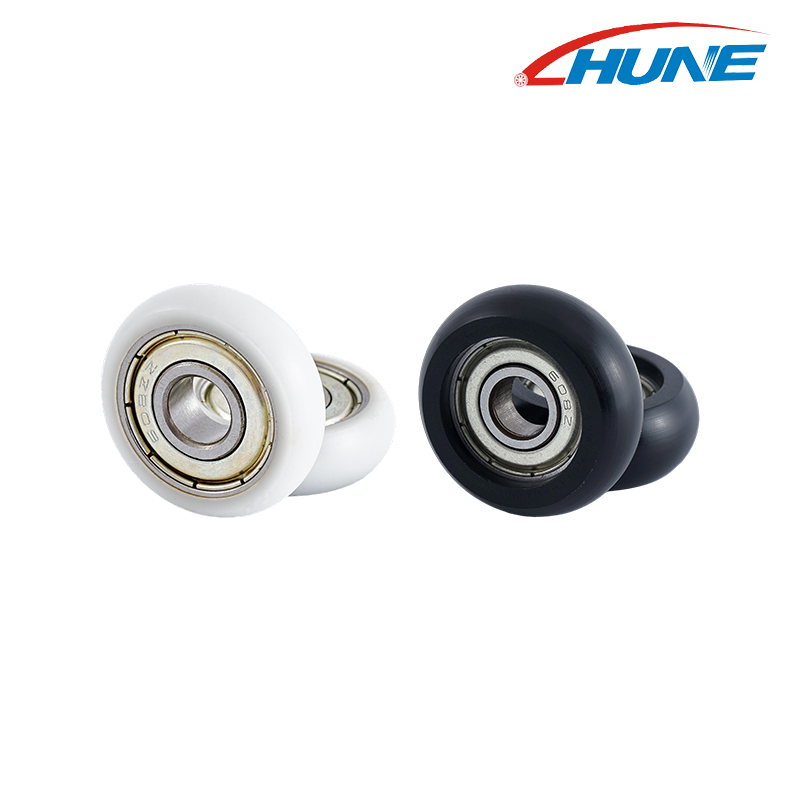
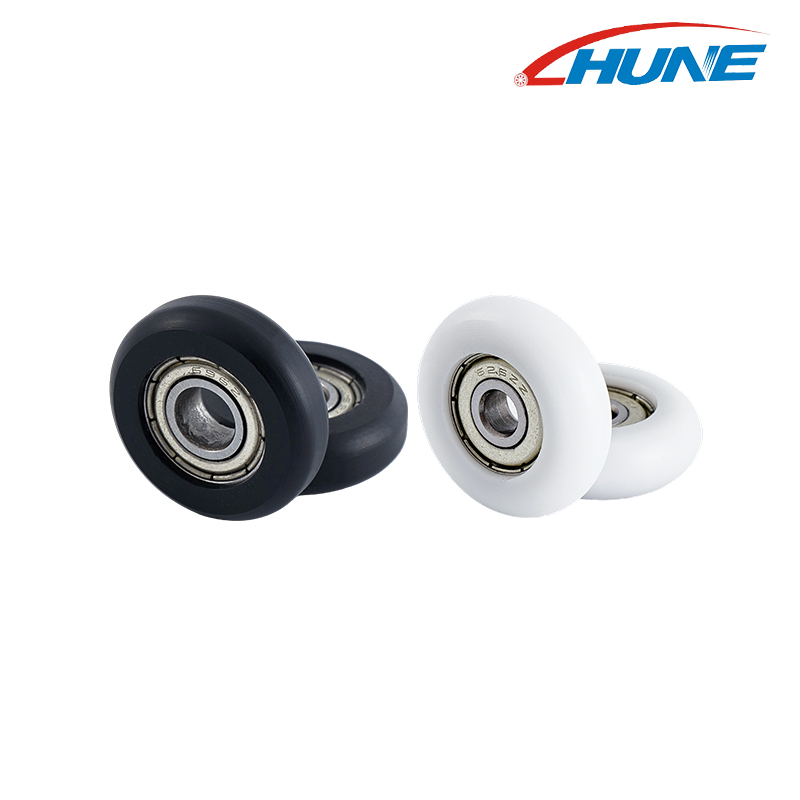
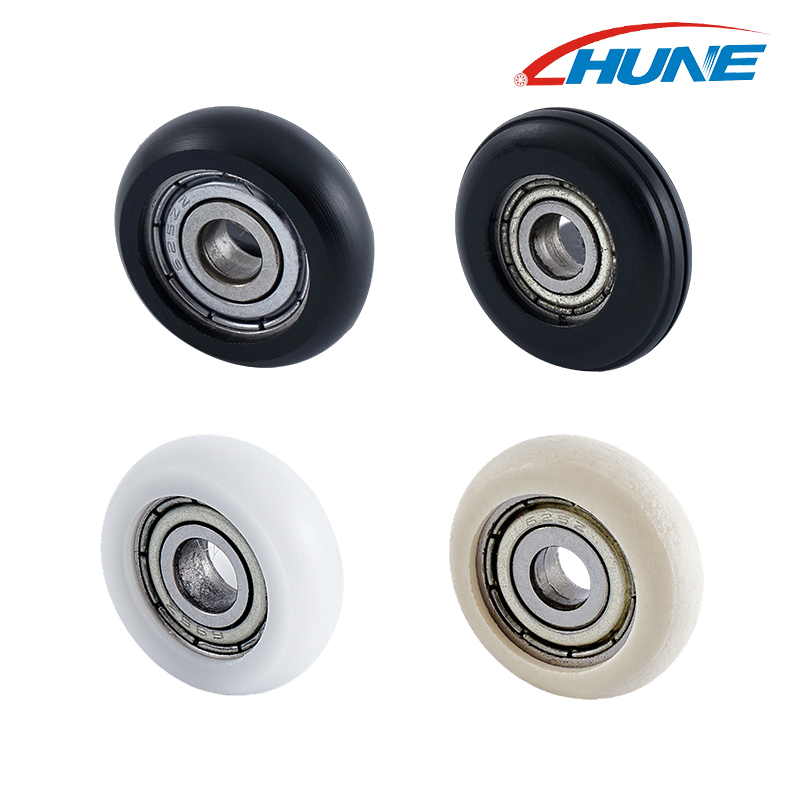
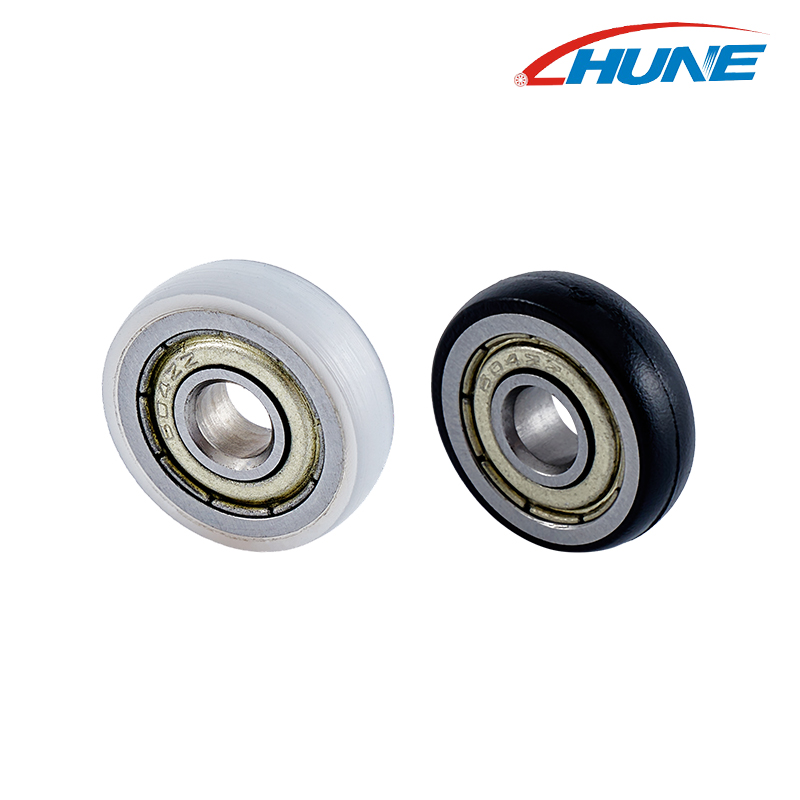
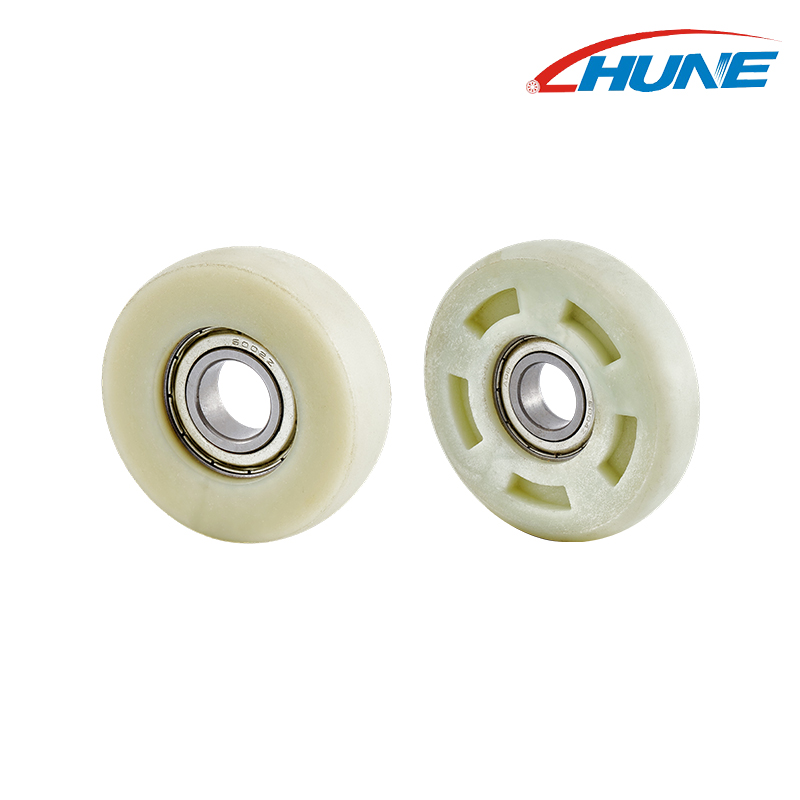
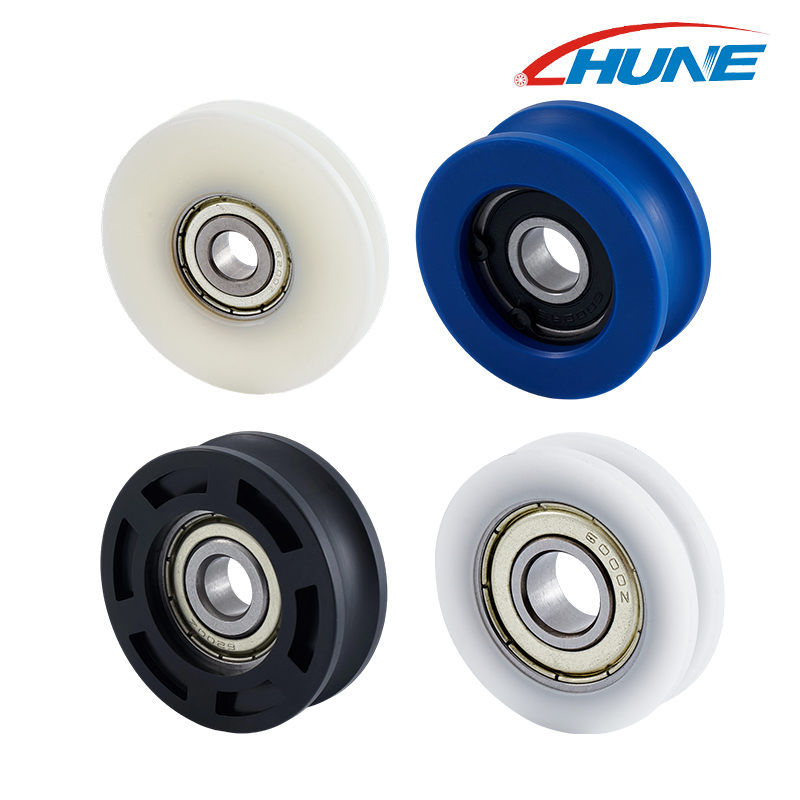
Some roller systems use nylon wheels combined with metal shafts. Others use coated bearings or stainless structures. Each combination reacts differently under long-term exposure to moisture and cleaning products.
The wheel body may stay stable while internal sections begin corroding.
Professional buyers often evaluate several factors together:
- Wheel material
- Bearing design
- Surface treatment
- Structural sealing
- Rotation stability
Instead of focusing on only one visible detail.
Why Surface Appearance Can Be Misleading
A shiny finish does not always mean stronger protection.
Some coatings improve appearance but provide limited long-term resistance in demanding environments. Other treatments may look simple yet perform more consistently over time.
Because of this, sourcing teams usually ask additional questions during evaluation stages.
Typical concerns include:
- Does the coating cover edges evenly
- How does the surface react after repeated cleaning
- Can moisture enter the internal structure easily
- Is the bearing area protected properly
- Will the finish remain stable during daily sliding movement
These questions help buyers understand practical usage performance instead of relying only on product photos.
One Small Installation Mistake Can Change Everything
Even suitable hardware can wear faster if installation accuracy is poor.
A slightly uneven track creates extra pressure on one side of the wheel. Incorrect spacing allows dust and moisture to enter narrow gaps more easily. Excessive tightening can reduce smooth rotation.
Over time, these details influence movement quality.
Common Installation Problems Seen In Sliding Systems
| Installation Condition | Possible Result |
|---|---|
| Uneven track level | Unequal wheel pressure |
| Loose fixing position | Unstable sliding |
| Tight assembly | Restricted rotation |
| Incorrect alignment | Faster edge wear |
| Poor drainage angle | Water accumulation |
Experienced installers usually understand that hardware performance depends on both product structure and fitting accuracy.
Cleaning Habits Sometimes Create Hidden Damage
Many users clean visible glass carefully but ignore the lower track area completely.
Dust, soap residue, cooking oil, and standing water slowly collect near the roller path. Strong chemical sprays may also affect protective surfaces over time.
Some common habits that increase risk include:
- Pouring water directly into tracks
- Using highly aggressive cleaners
- Leaving wet cloths near frame corners
- Ignoring debris buildup for long periods
The damage may not appear immediately, but repeated exposure changes the condition of small metal components gradually.
A Simple Maintenance Routine Can Make Daily Use Easier
Regular maintenance does not need to be complicated.
Many technicians suggest simple routines such as:
- Wiping tracks with a dry cloth regularly
- Removing dust before it hardens near corners
- Avoiding long-term standing water inside channels
- Checking unusual noise early
- Keeping airflow active after showering or cooking
Small habits often influence long-term movement comfort more than people expect.
Why Buyers Now Ask More Questions About Humidity Resistance
Several years ago, many importers focused mainly on appearance, unit cost, and delivery schedule.
Today, conversations have changed.
Distributors and contractors understand that replacing small hardware parts after project completion creates extra labor and service costs. End users also expect quieter movement and smoother operation inside modern homes.
Because of this shift, sourcing discussions now include topics such as:
- Corrosion resistance
- Indoor application suitability
- Humid environment performance
- Surface treatment consistency
- Long-term sliding stability
These questions appear more frequently in residential and commercial projects alike.
What Suppliers Usually Prepare Before Large Orders
Professional buyers often request additional details before cooperation.
This may include:
| Buyer Concern | Reason |
|---|---|
| Sample testing | Verify movement quality |
| Material review | Understand structure |
| Packaging method | Reduce shipping damage |
| Production consistency | Maintain batch stability |
| Application advice | Match local climate |
Online sourcing became faster, but experienced buyers still prefer checking practical details before volume purchasing.
Modern Apartment Design Is Changing Hardware Expectations
Living spaces are becoming more compact in many cities. Bathrooms are smaller. Kitchen windows sit closer to cooking zones. Air circulation may be limited compared with older building designs.
As a result, sliding systems now operate under more demanding indoor conditions.
Consumers also care more about:
- Quiet indoor environments
- Cleaner appearance
- Smooth daily operation
- Easy maintenance access
- Hidden hardware structure
This changes how developers and furniture brands select roller systems.
Why Minimalist Design Increased Attention On Hidden Hardware
Modern interiors often reduce visible decorative elements. Sliding systems become part of the visual design itself.
When movement becomes noisy or uneven, users notice it quickly because the surrounding environment is simpler and quieter.
This is one reason why hidden roller structures and silent movement discussions appear more often in current hardware trends.
The Future Of Sliding Hardware Is Becoming More Practical
The industry is moving toward designs that balance appearance, maintenance convenience, and environmental adaptability.
Manufacturers now spend more time discussing actual installation environments instead of only structural dimensions.
Several development directions continue gaining attention:
- Better sealing structures
- Easier track cleaning access
- Reduced friction movement
- Stable operation in humid spaces
- Flexible compatibility with modern frames
For suppliers, understanding real household conditions helps improve communication with contractors, importers, and distributors.
Bathroom and kitchen areas create a challenging environment for sliding window systems. Steam, humidity, oil residue, cleaning chemicals, and airflow limitations all affect roller components over time.
Rust rarely appears because of one single reason. More often, it develops slowly through repeated exposure to moisture combined with environmental pressure and maintenance habits.
As residential spaces continue evolving, buyers pay closer attention to practical details such as smoother movement, quieter operation, and long-term stability in daily use.
For manufacturers and sourcing teams, understanding how sliding systems behave in real environments helps support more suitable product choices for different projects and markets.