

 English
 Español
 日本語
日本語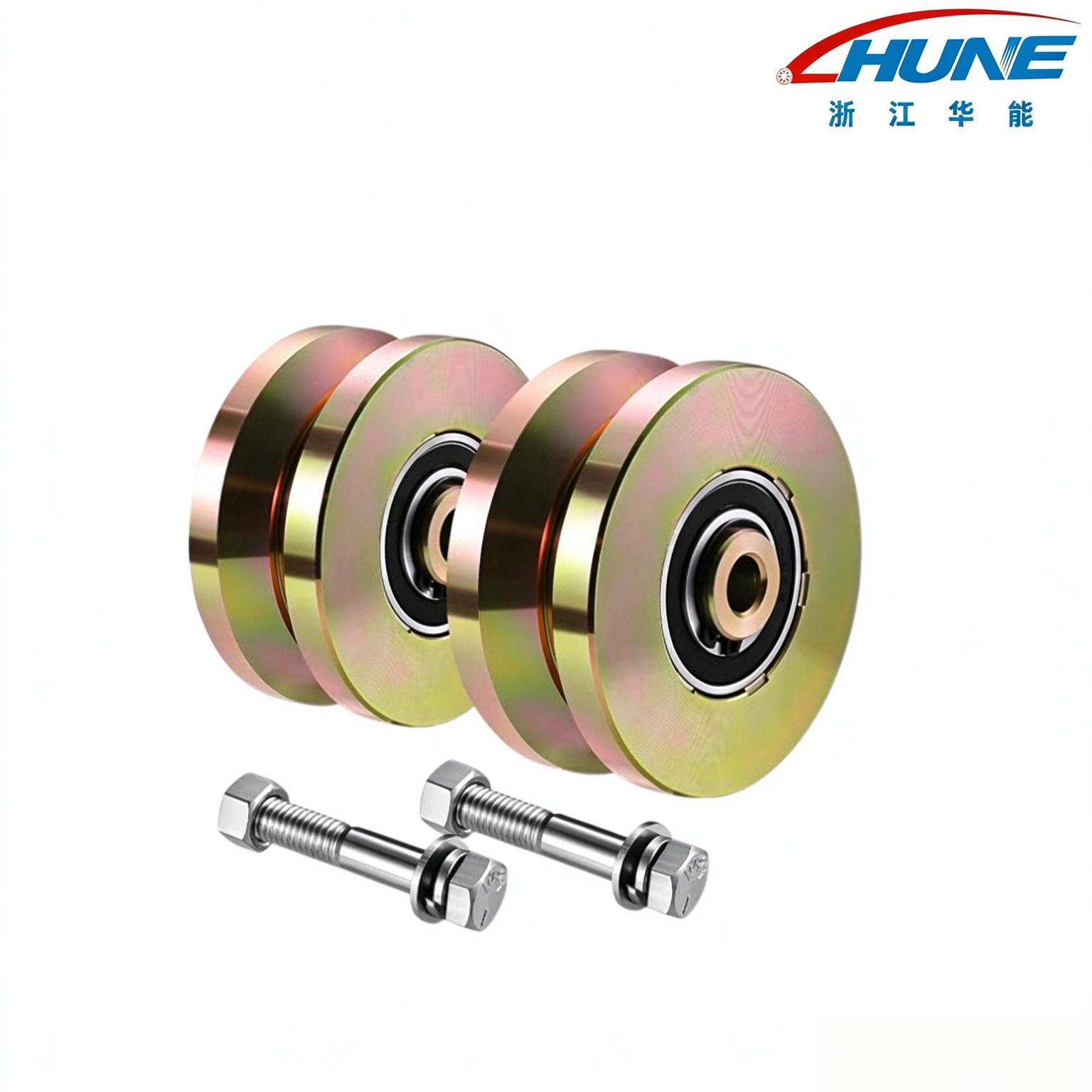
 +86-15058997617
Wardrobe Hardware Furniture Cabinet Adjustable Sliding Door Roller Nylon Sliding Roller
The useful features of this nylon sliding roller depend on the version supplied and the track
A wardrobe door that feels heavy or noisy does not always need a new track. The problem may be a worn wheel, a loose bracket, or a roller positioned at the wrong height. A suitable replacement must match the door panel and track—not just resemble the old part in a photograph.
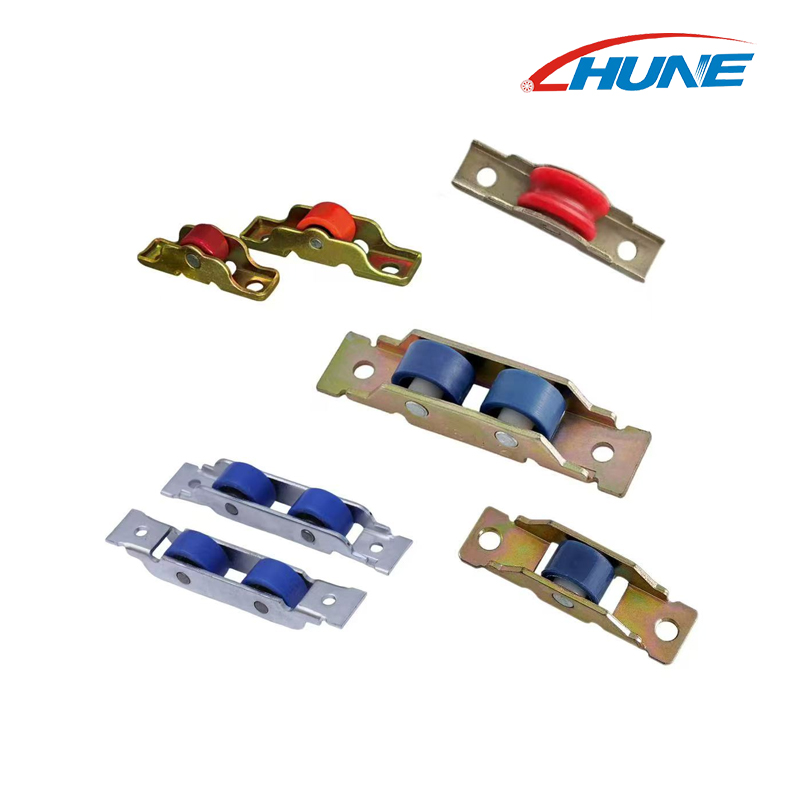
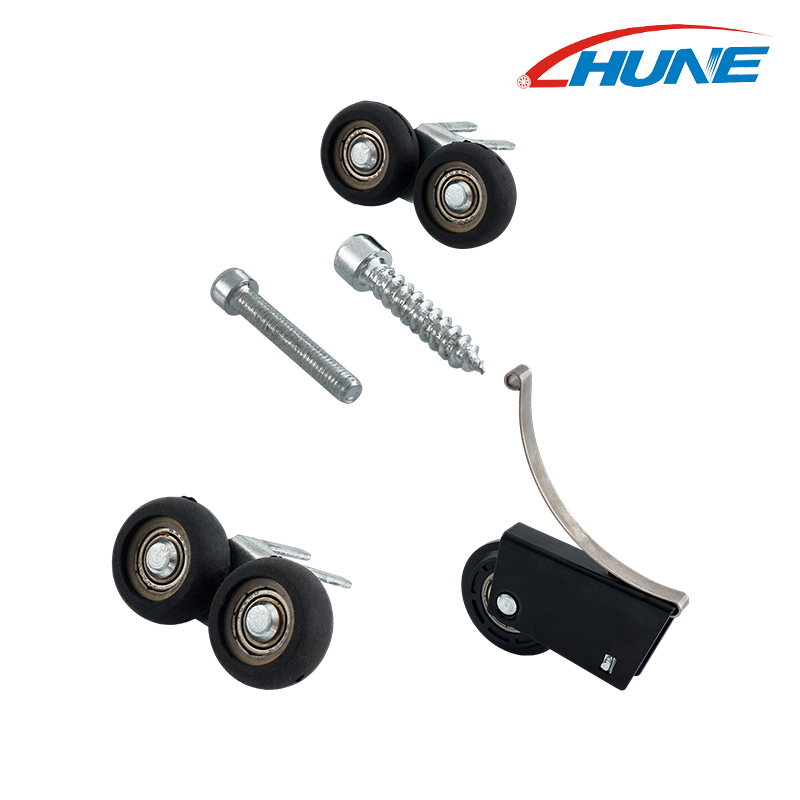
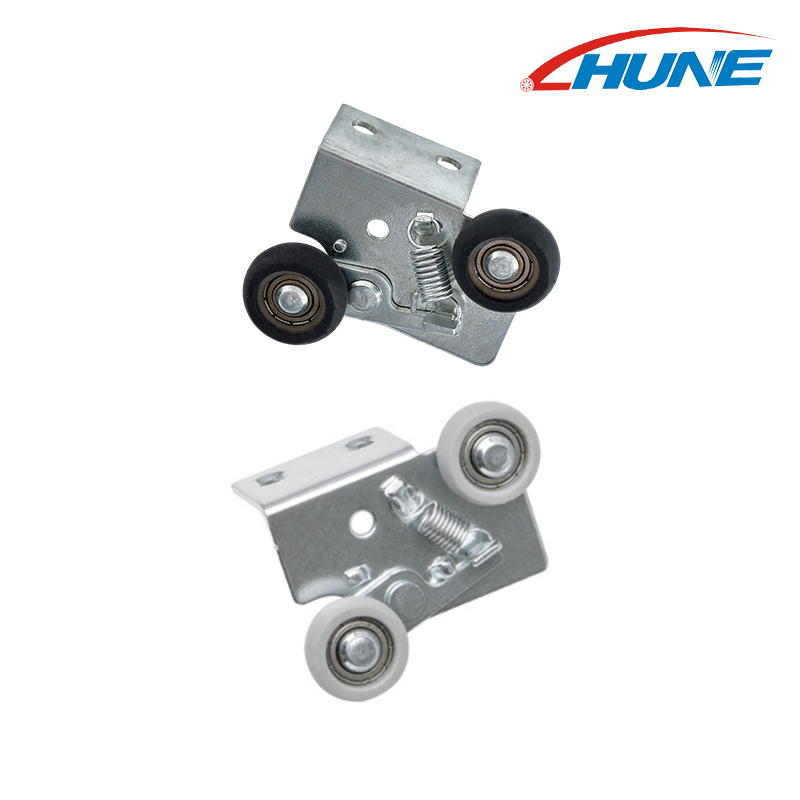
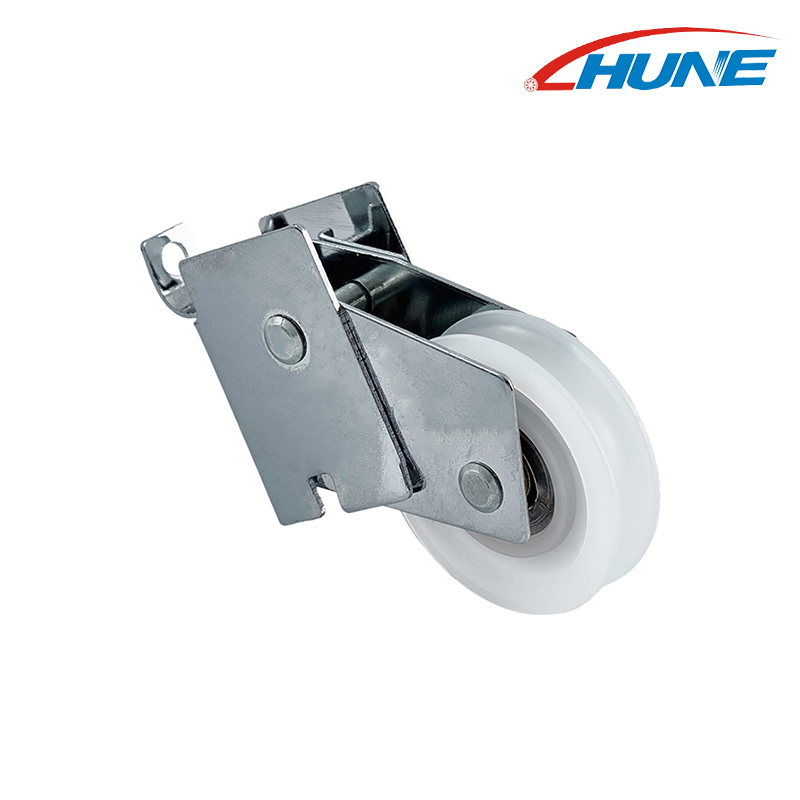
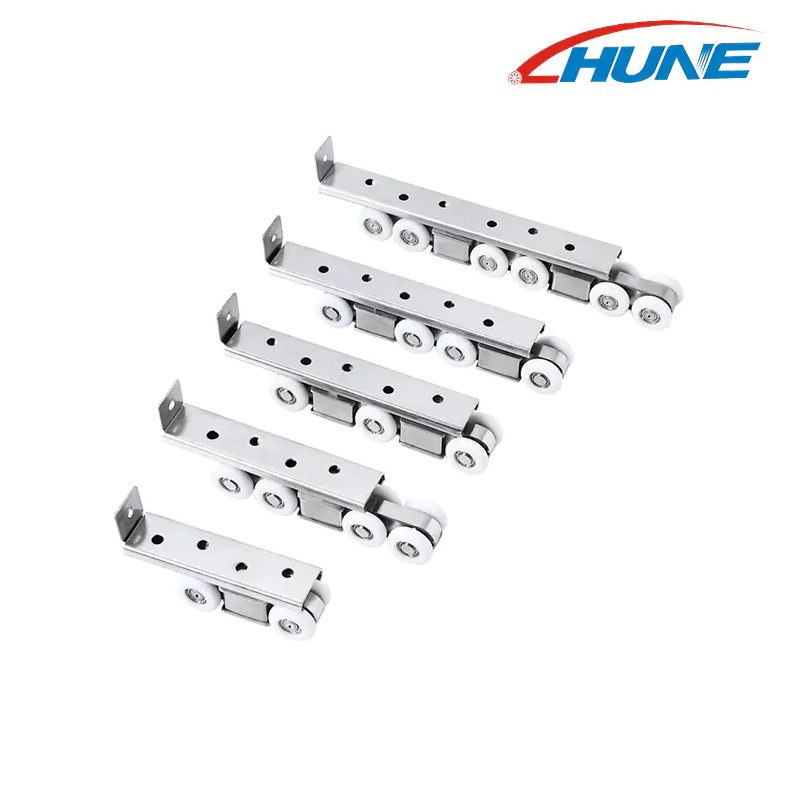
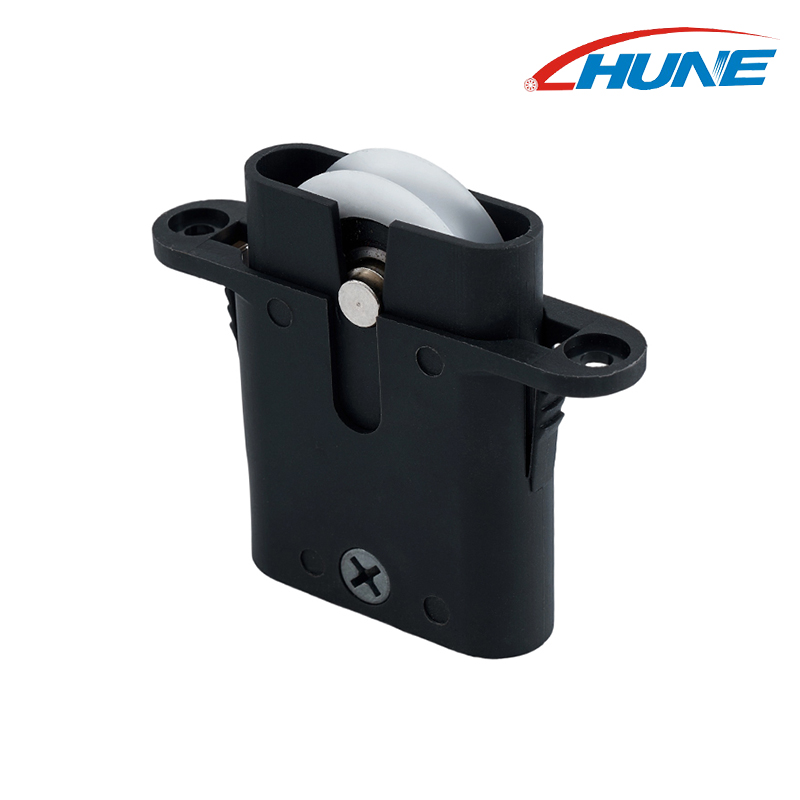
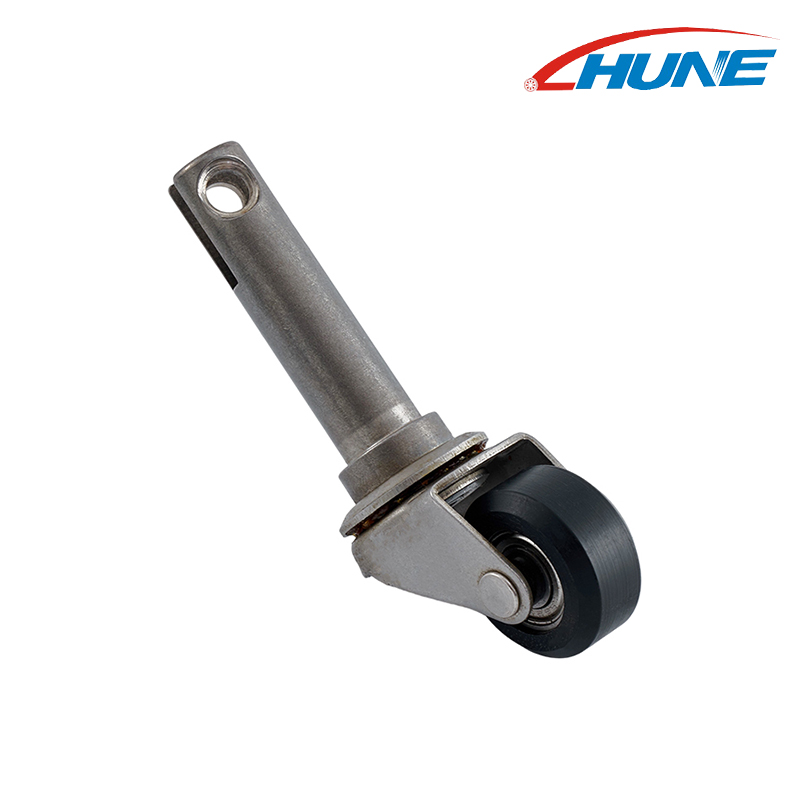
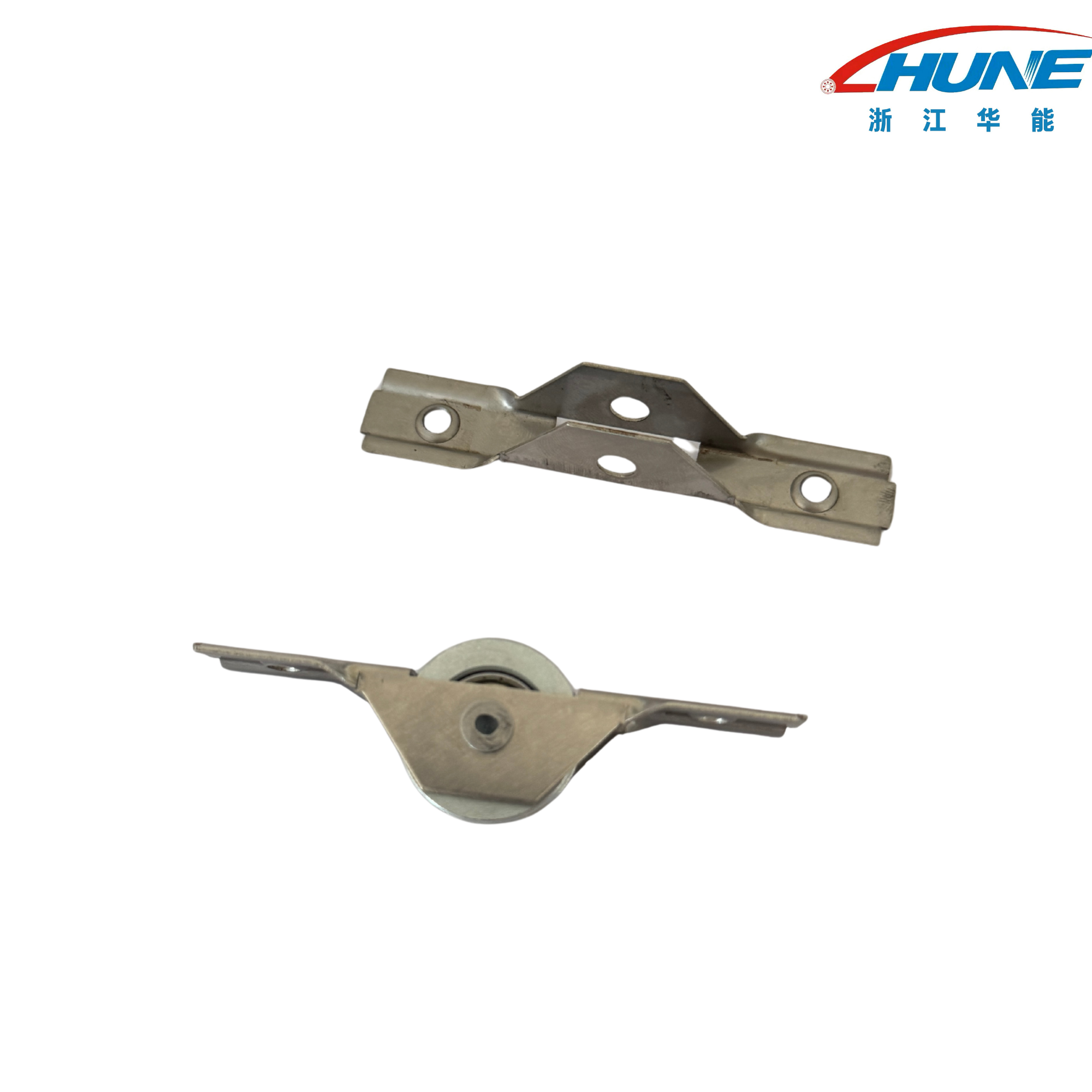
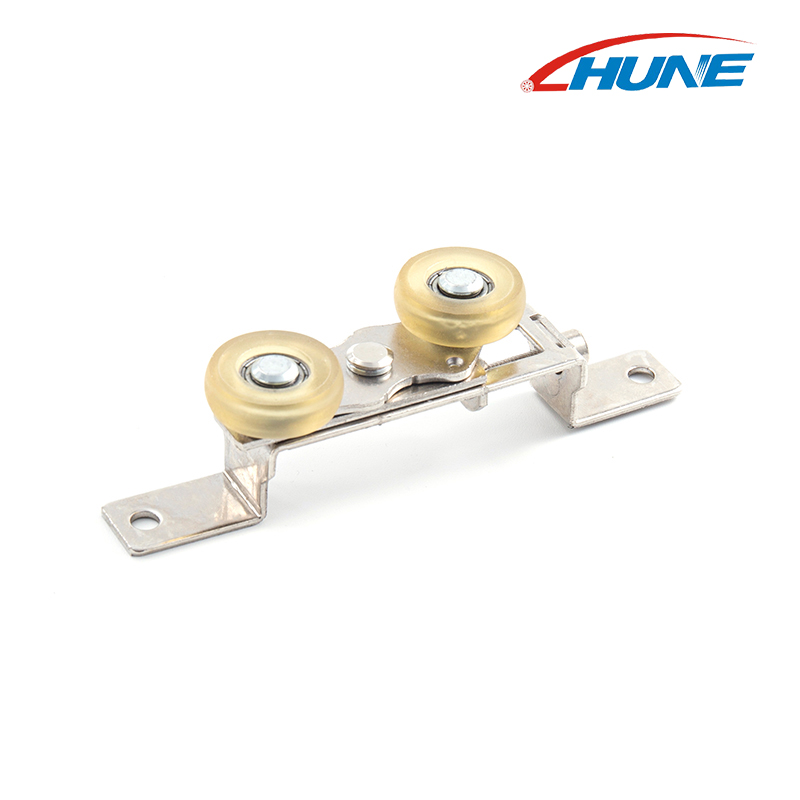
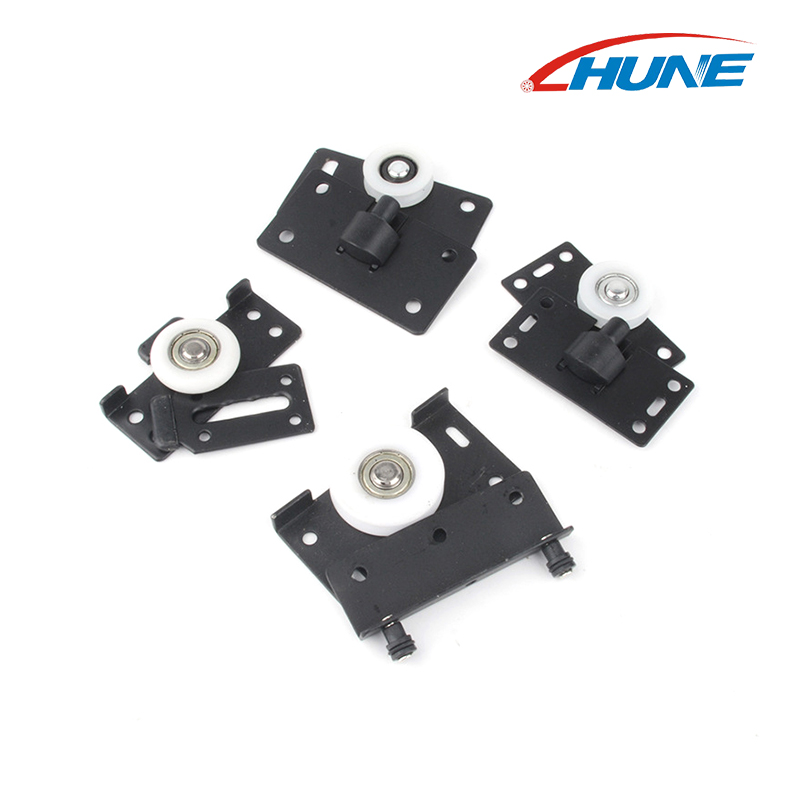
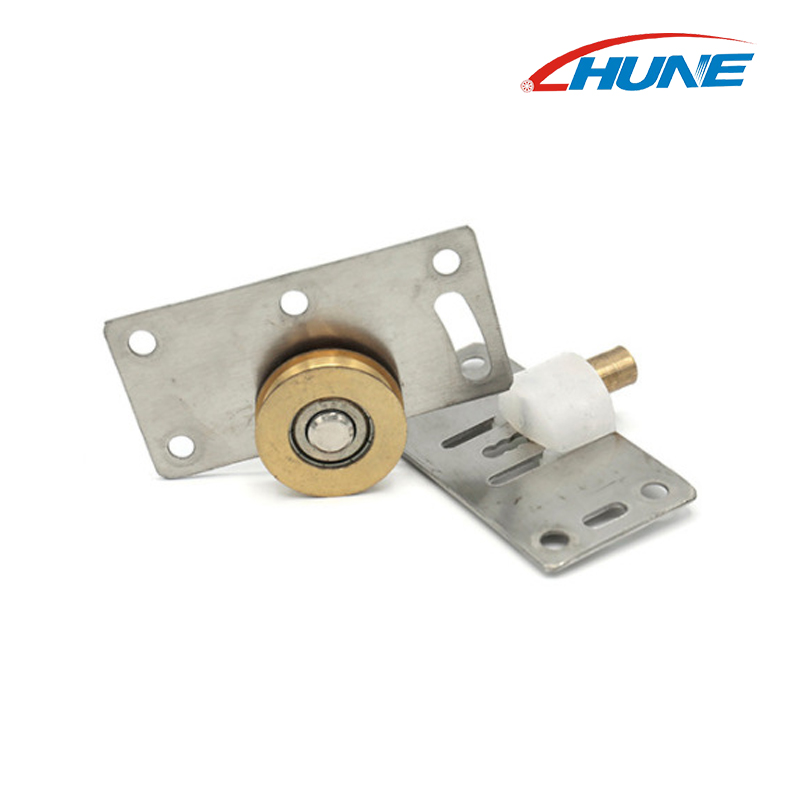
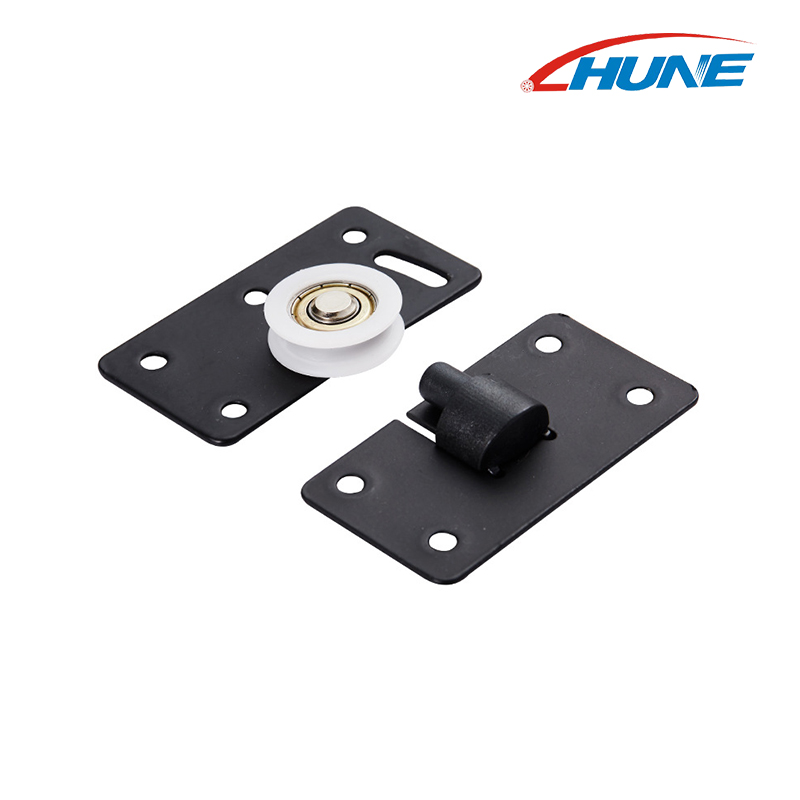
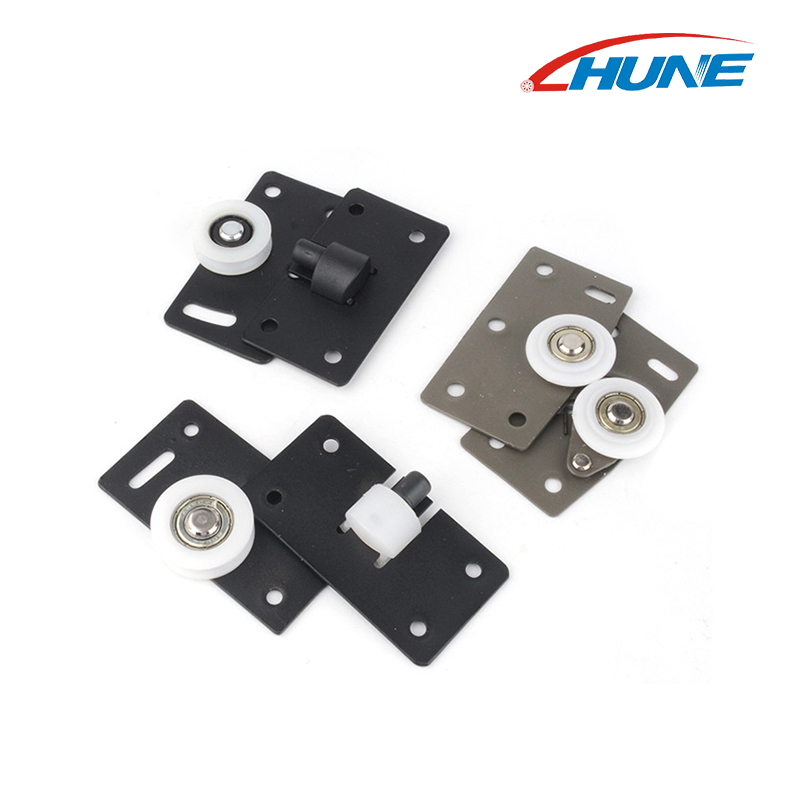
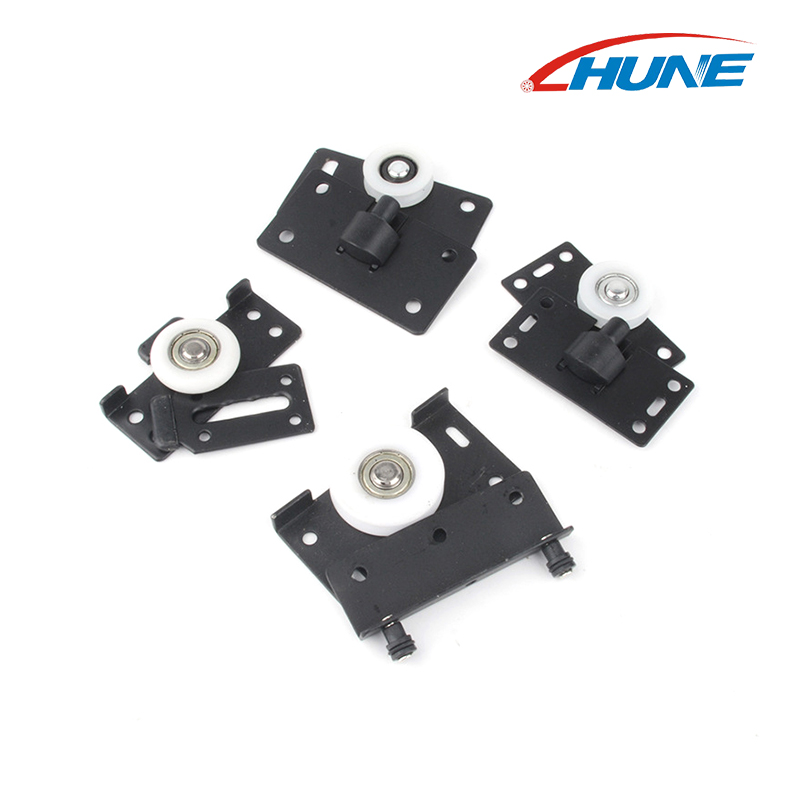
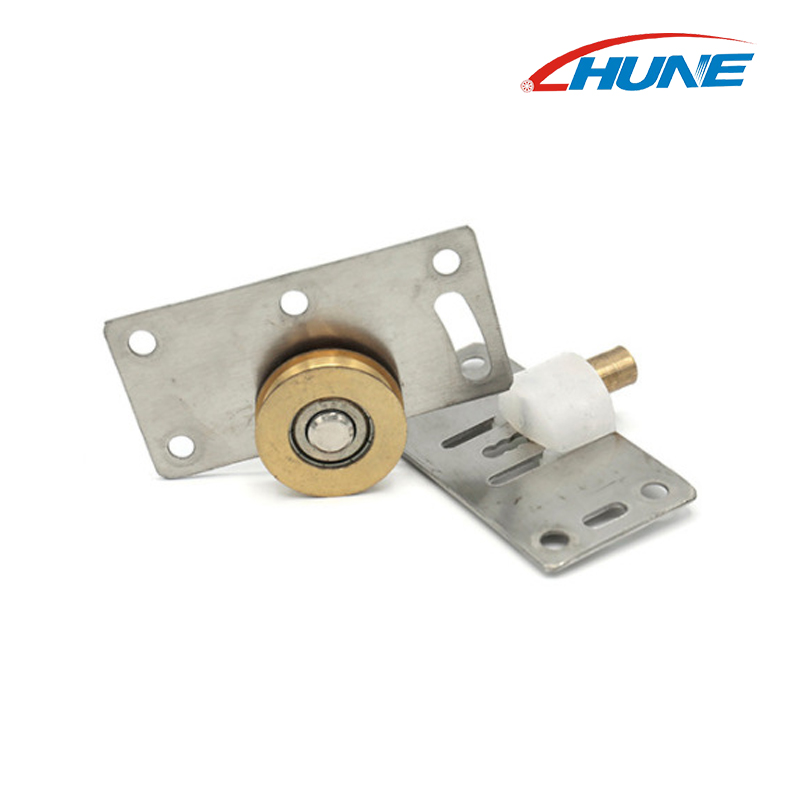
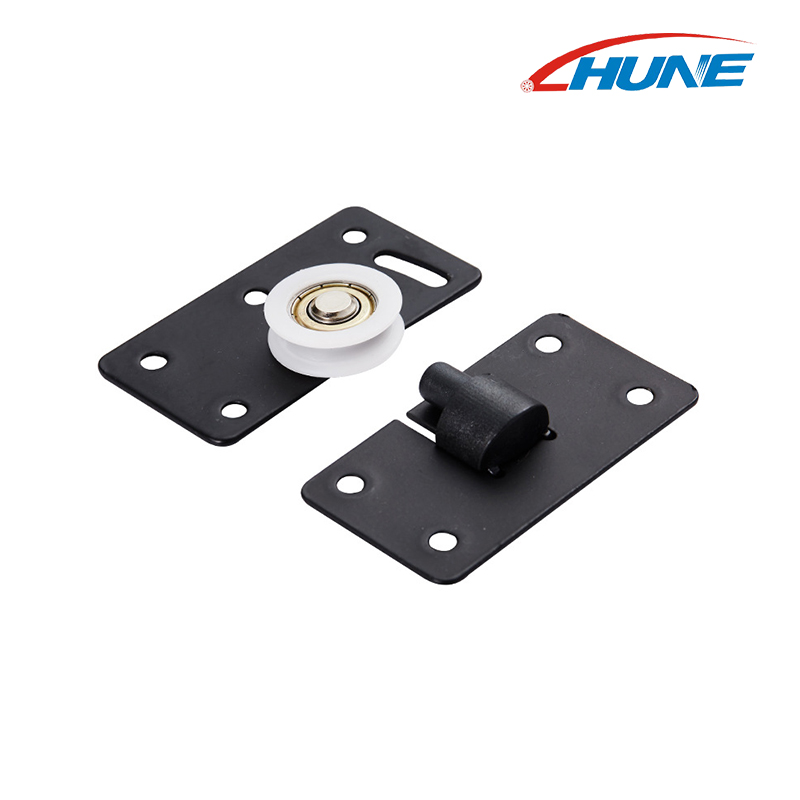
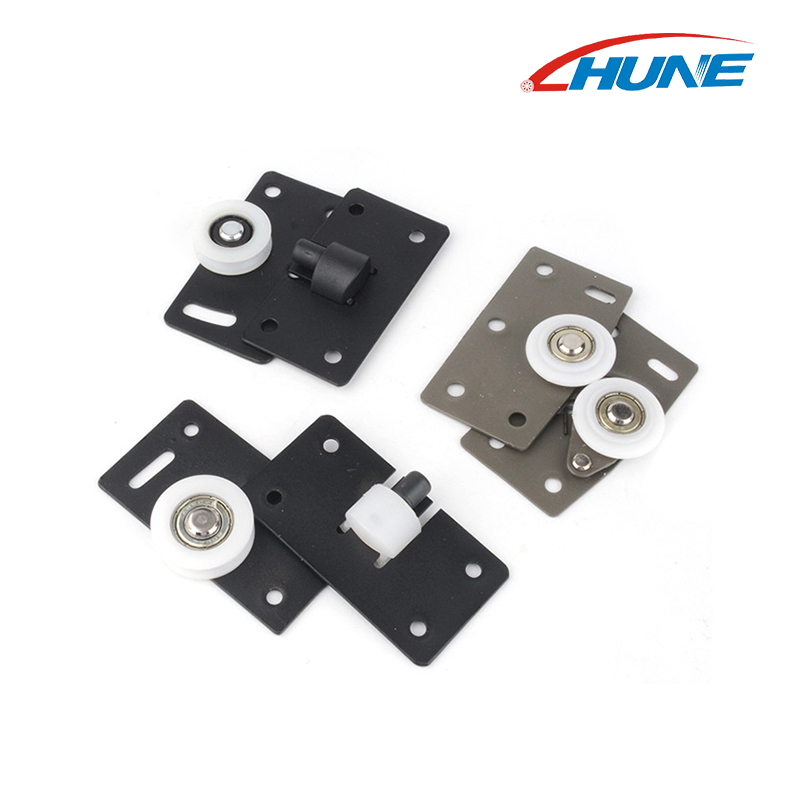
The Wardrobe Hardware Furniture Cabinet Adjustable Sliding Door Roller Nylon Sliding Roller combines a nylon wheel, built-in ball bearing, cold-rolled steel plate bracket, mounting holes, and an adjustment structure for compatible furniture sliding systems. Depending on the hardware configuration, a positioner bumper or anti-jump feature may also form part of the assembly.
Product Overview
The useful features of this nylon sliding roller depend on the version supplied and the track
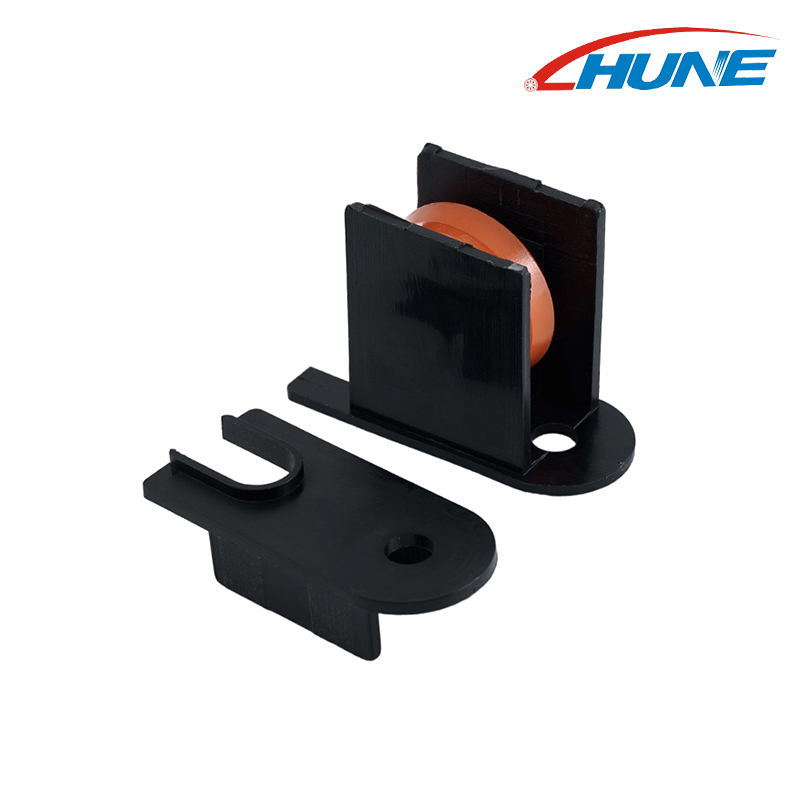
This bearing nylon roller is used in sliding furniture doors, including wardrobes, cabinets, cupboards, and closets. The nylon wheel rolls along a compatible track while the built-in ball bearing allows it to rotate around its axle. A formed steel bracket attaches the roller to the door panel or designated mounting position.
The assembly may be specified as an upper roller, lower roller, or part of a matched upper-and-lower hardware set. These positions are not interchangeable by default: the lower roller may carry the door's weight, while the upper component may primarily guide it, depending on the furniture system.
An adjustable sliding door roller can help installers set the panel's position within the adjustment range provided by its design. For a replacement, confirm the existing wheel diameter and width, bracket shape, mounting-hole spacing, track profile, and door weight before ordering.
Hune can review samples or drawings for a furniture sliding door roller, sliding closet door roller, cupboard sliding door roller, or wooden wardrobe roller. Track dimensions and a photograph of the installed hardware are particularly useful for identifying how the wheel is intended to make contact.
Product Structure and Components
The useful features of this nylon sliding roller depend on the version supplied and the track
The parts of a wardrobe hardware roller work as a unit. A freely spinning wheel will not solve poor sliding if its bracket mounts at the wrong height or its profile does not fit the rail.
Nylon Sliding Roller
The nylon sliding roller forms the running contact with the track. Compared with direct metal-wheel contact, a properly matched nylon surface may reduce harsh contact noise. Its diameter, width, shape, and material grade must suit the track and door load.
Nylon does not guarantee scratch-free operation. Debris in the track, excessive load, or an incorrectly shaped wheel can still mark either contact surface.
Built-in Ball Bearing
The built-in ball bearing allows the wheel to turn around its axle rather than slide against it. Bearing fit within the nylon wheel, axle alignment, and available clearance all affect how smoothly the roller runs after installation.
When replacing a bearing nylon roller, check for wheel wobble and rough rotation as well as visible wear on the nylon surface.
Cold-rolled Steel Plate
The cold-rolled steel plate forms the support bracket and holds the wheel in its intended position. Its thickness, bends, and mounting features must match the space available in the furniture panel.
For a cold-rolled steel bracket roller, surface finish also matters: burrs can complicate installation, while a suitable protective finish should be specified where exposure conditions require it.
Mounting Holes
Mounting holes connect the bracket to the door or its hardware seat. Hole diameter and center-to-center spacing should be checked against the existing panel. A small difference can shift the wheel away from the track's intended contact line.
Adjustment Structure
The adjustment structure changes the installed wheel position within a defined range. Depending on the design, it may be used to set panel height or improve alignment with the track.
Adjustment cannot make an incompatible cabinet sliding door roller fit a different rail. The correct wheel profile and bracket geometry come first; fine adjustment follows installation.
Positioner Bumper
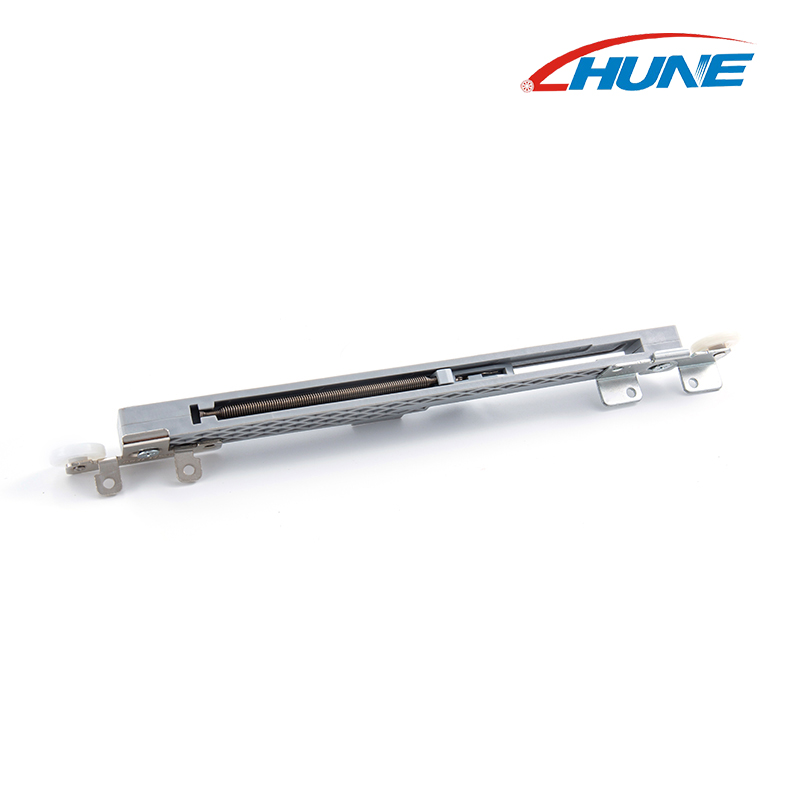
A positioner bumper, when included in the sliding system, helps control contact at a designated stopping point. Its effect depends on where it is installed and whether the door meets it as intended.
The bumper should be assessed separately from the roller's load-bearing function. It is not a substitute for a secure end stop or correctly fitted track.
Anti-jump Structure
An anti-jump sliding roller uses a retaining feature intended to reduce the chance of the door lifting out of its guide during normal movement. The feature must match the track and the permitted door travel.
A roller should be described as anti-jump only when the supplied design includes that structure and it has been checked in the complete furniture assembly.
Key Features
The useful features of this nylon sliding roller depend on the version supplied and the track in which it operates:
- Adjustable mounting: Helps set wheel position or panel alignment within the designed adjustment range.
- Bearing-supported wheel: Allows the nylon wheel to rotate around its axle.
- Nylon track contact: Avoids direct metal-wheel contact with a compatible rail.
- Cold-rolled steel bracket: Holds the wheel and provides mounting points.
- Positioner bumper option: Helps control contact at the stopping position when specified.
- Anti-jump structure option: Helps retain the panel in a matched track when included in the design.
- Custom configuration: Wheel size, bracket shape, mounting holes, material, and color can be specified from drawings or samples.
A quiet nylon roller is the result of suitable wheel material, bearing condition, track finish, and installation—not a guarantee based on nylon alone. Likewise, a cabinet roller wheel must be checked against the assembled door weight and the number and position of rollers supporting it.
Material and Performance Advantages
The useful features of this nylon sliding roller depend on the version supplied and the track
Wheel, bearing, bracket, and bumper materials have different roles. Selecting them together helps avoid a roller that fits mechanically but performs poorly in daily use.
Nylon Wheel for Track-friendly Contact
The nylon wheel provides a non-metallic running surface for a compatible wardrobe, cabinet, or closet door track. Its contact behavior depends on the nylon grade, wheel profile, surface finish, and condition of the rail.
For a wardrobe door wheel or furniture roller wheel, the goal is consistent contact—not simply the softest available wheel material.
Bearing-supported Rotation
A correctly fitted bearing reduces friction between the rotating wheel and its axle. The benefit is most noticeable when the wheel remains aligned and has sufficient clearance after all mounting fasteners are tightened.
A door that remains difficult to move after bearing replacement should also be checked for track damage, bracket interference, and uneven panel loading.
Cold-rolled Steel Plate for Stable Support
The formed steel plate supports the wheel and transfers force into the door's mounting structure. Bracket thickness and shape should suit the panel and available installation space.
A strong bracket alone does not establish the load capacity of sliding wardrobe door wheels; the wheel, bearing, fasteners, and track must also be considered.
Positioner Bumper for Door Control
Where a positioner bumper is part of the design, it can help soften contact or locate the door at its intended stopping point. Bumper material, placement, and the door's travel determine its effectiveness.
Surface and Track Protection
A correctly specified nylon wheel may reduce direct hard contact with the track. To protect the running surfaces over time, keep the guide clear of debris and verify that the wheel does not rub against an unintended edge.
For new or replacement sliding wardrobe wheels, the key selection details are door weight, track profile, wheel dimensions, bracket and hole layout, adjustment range, and the role of each roller in the system. These details give a firmer basis for smooth movement than a product name alone.