


 English
 Español
 日本語
日本語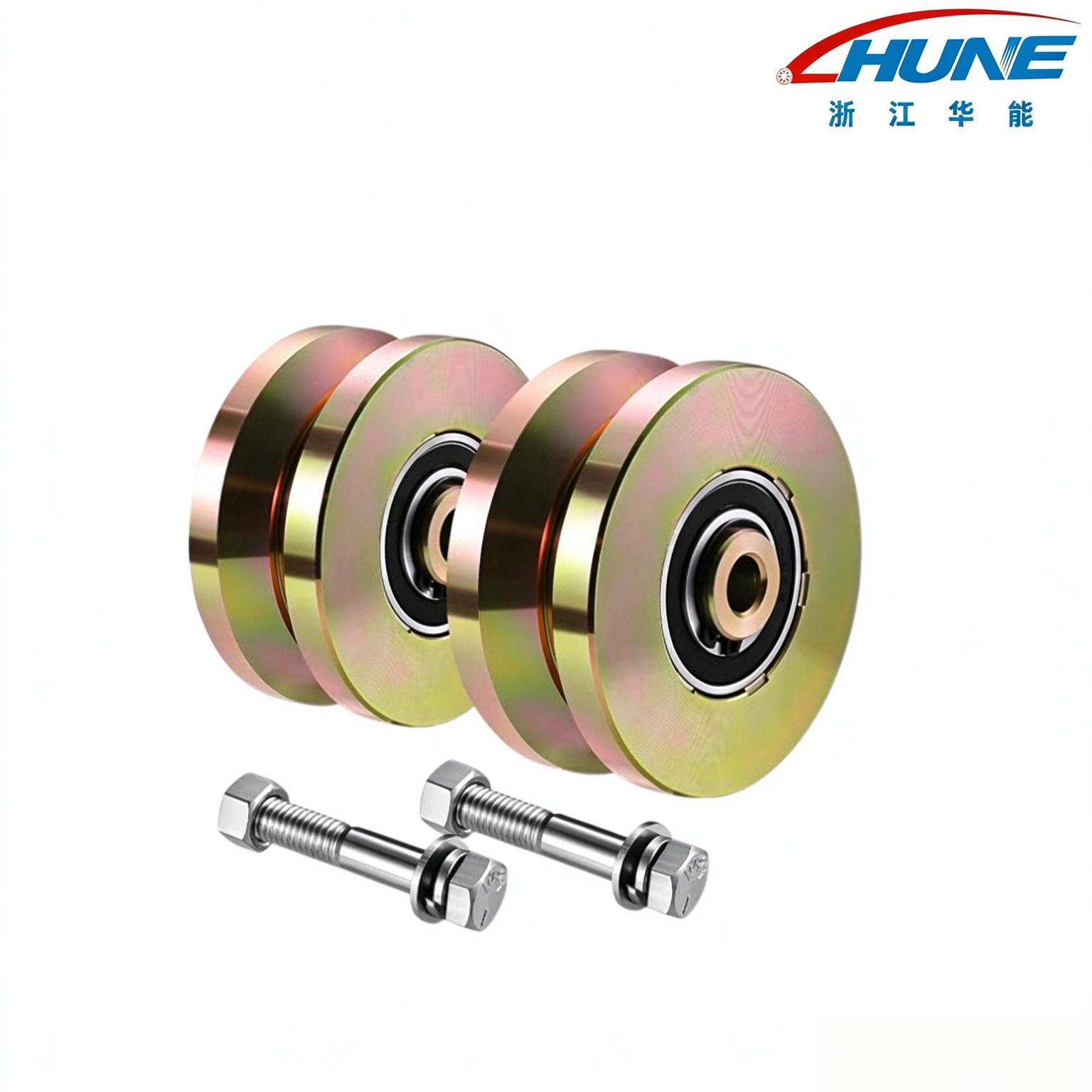
Over the past few years, we have diligently pursued higher standards to enhance our product quality, aiming to deliver increased convenience and a better user experience.
Product Categories
Hot Products
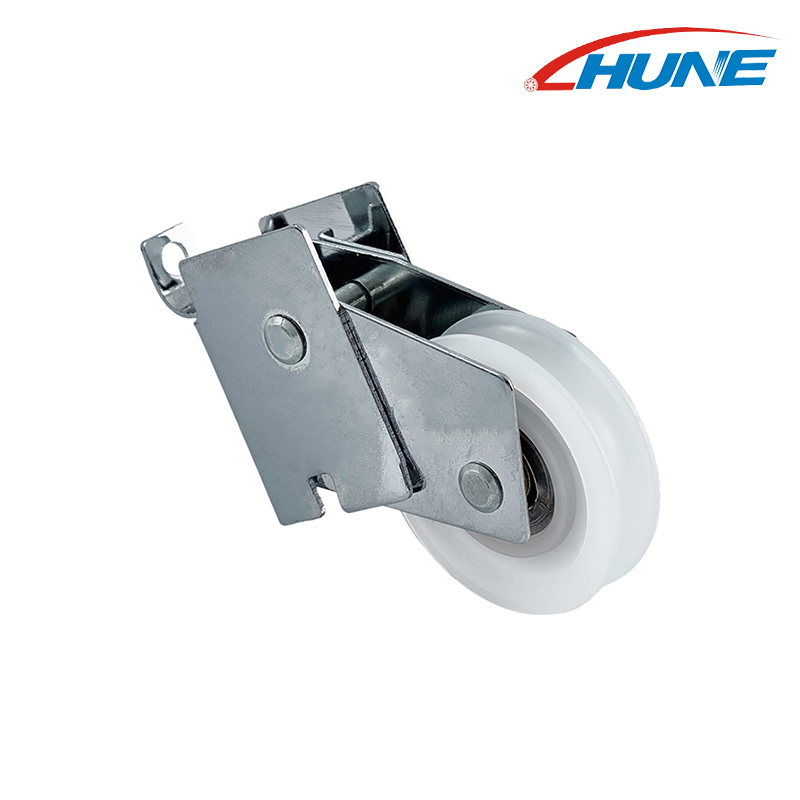
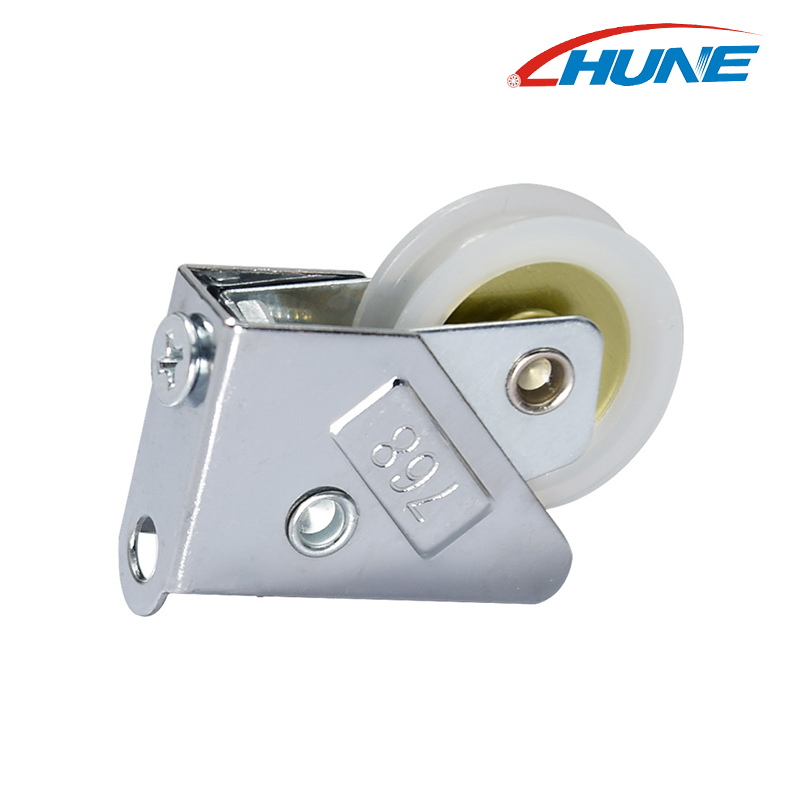
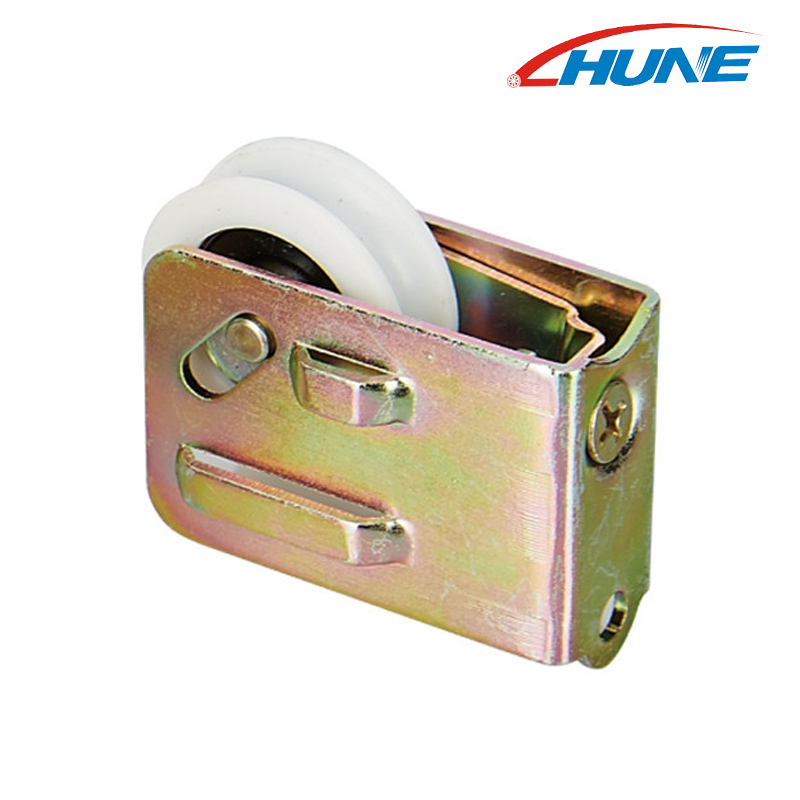
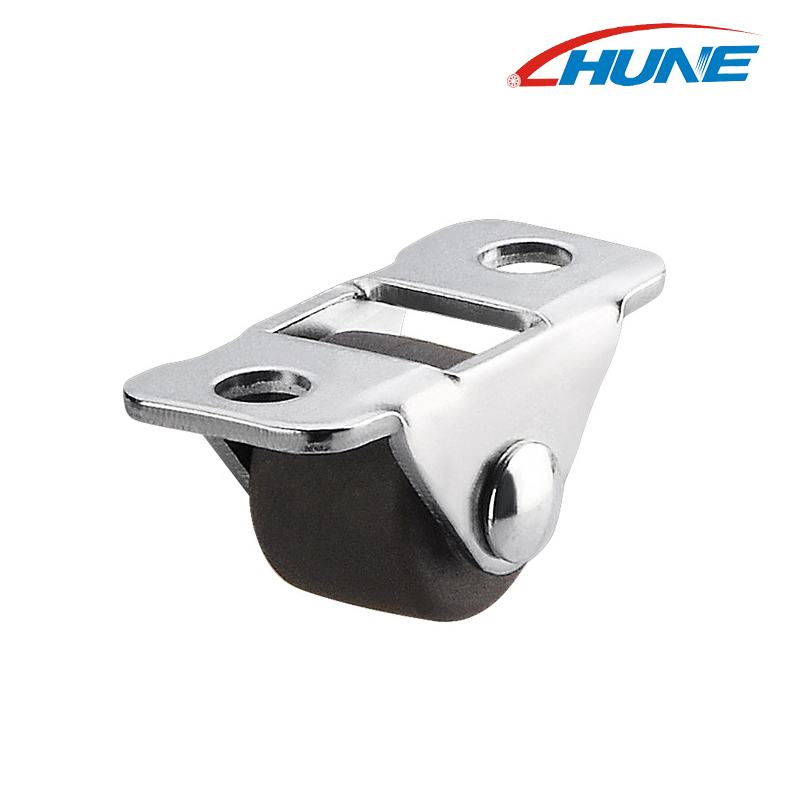
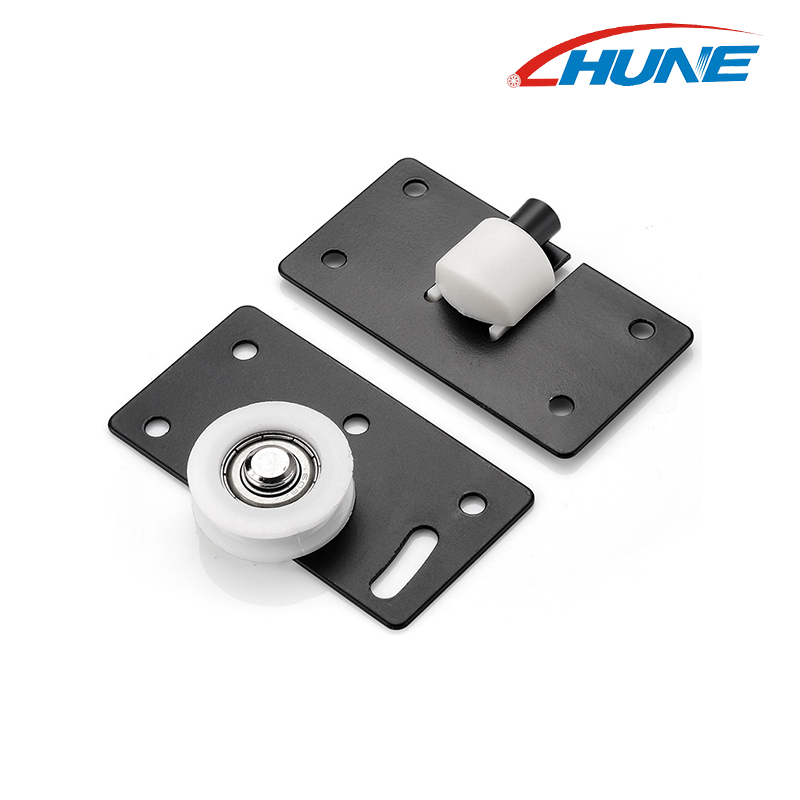
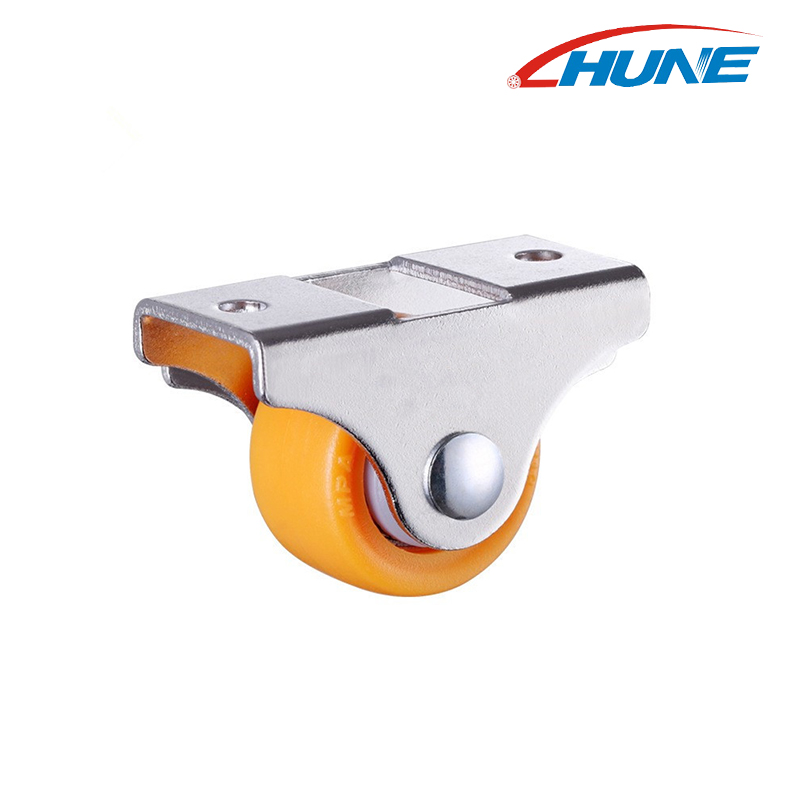
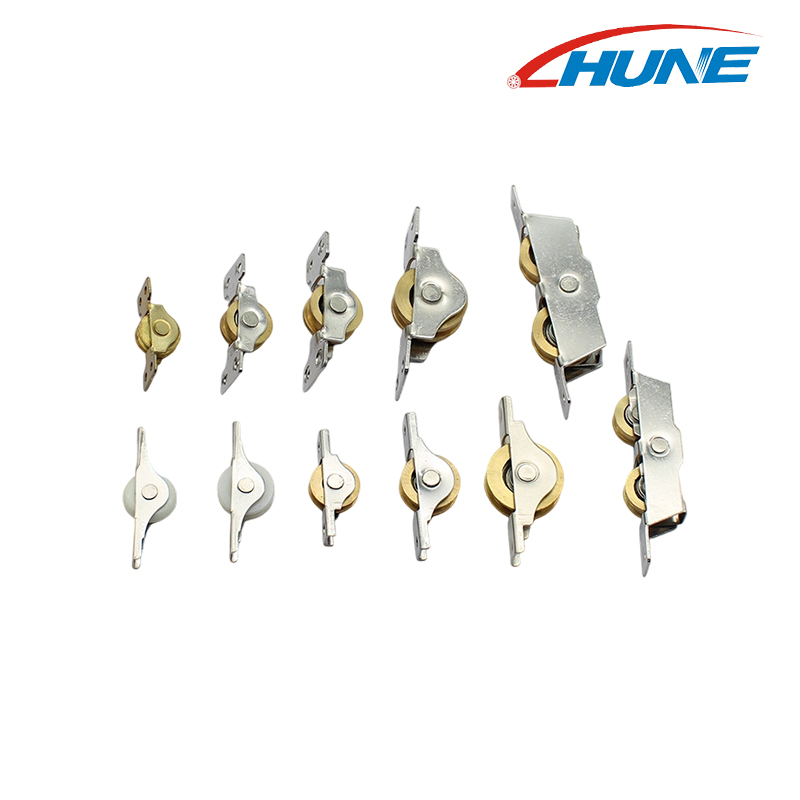
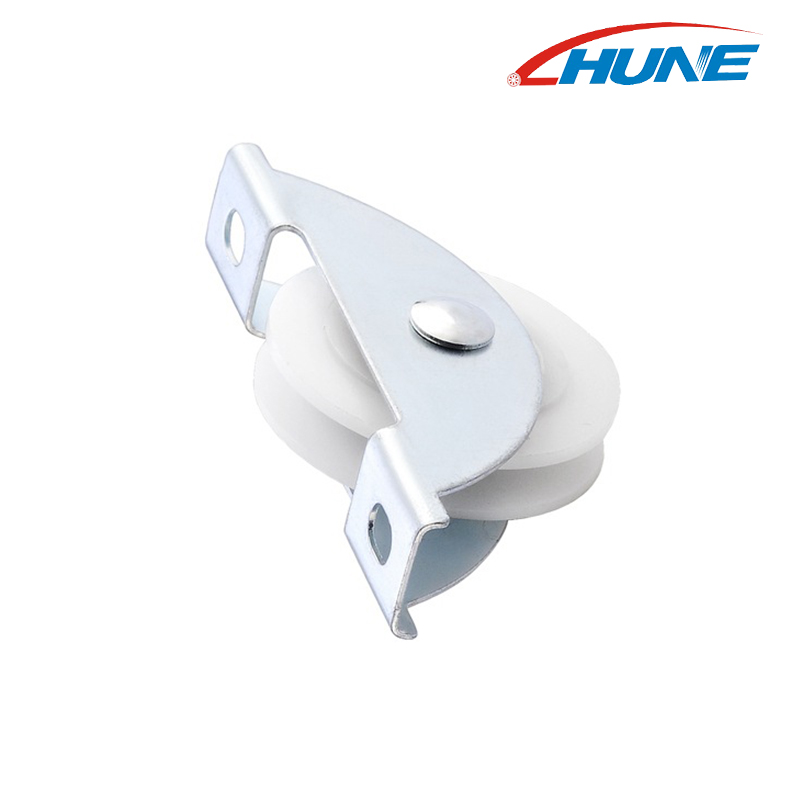
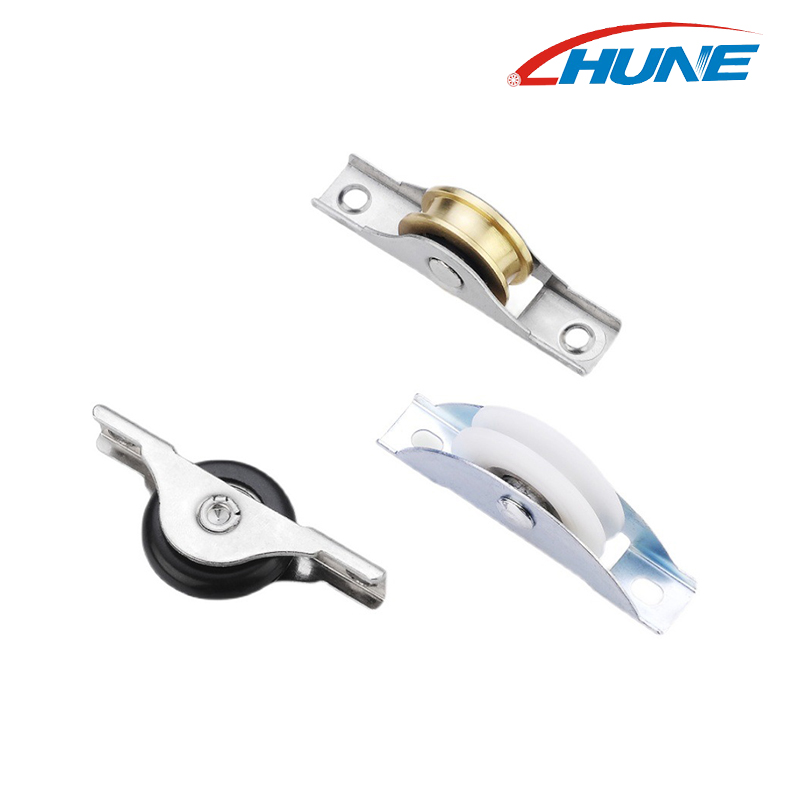
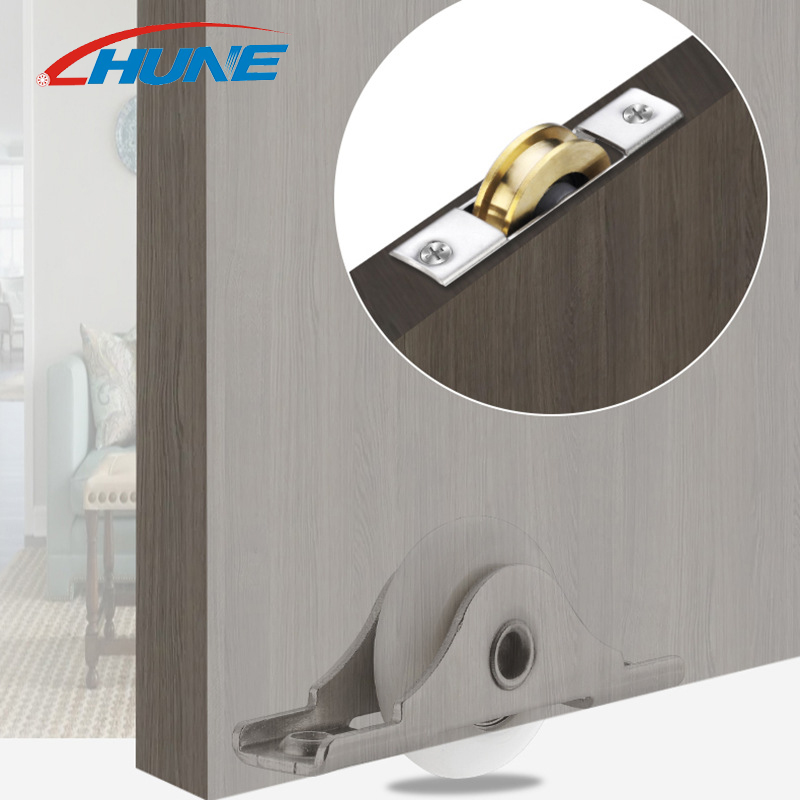
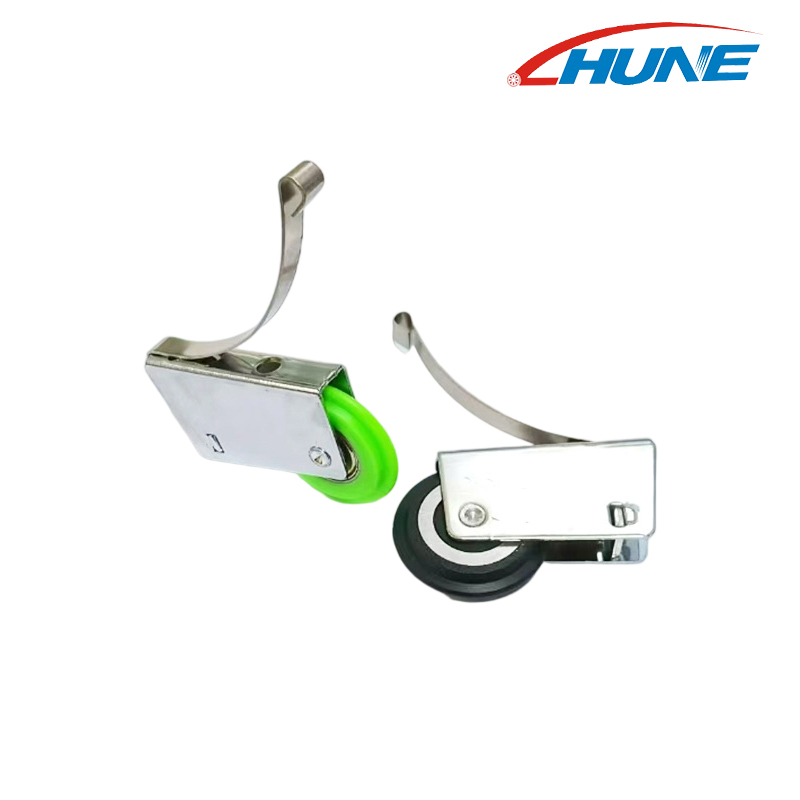
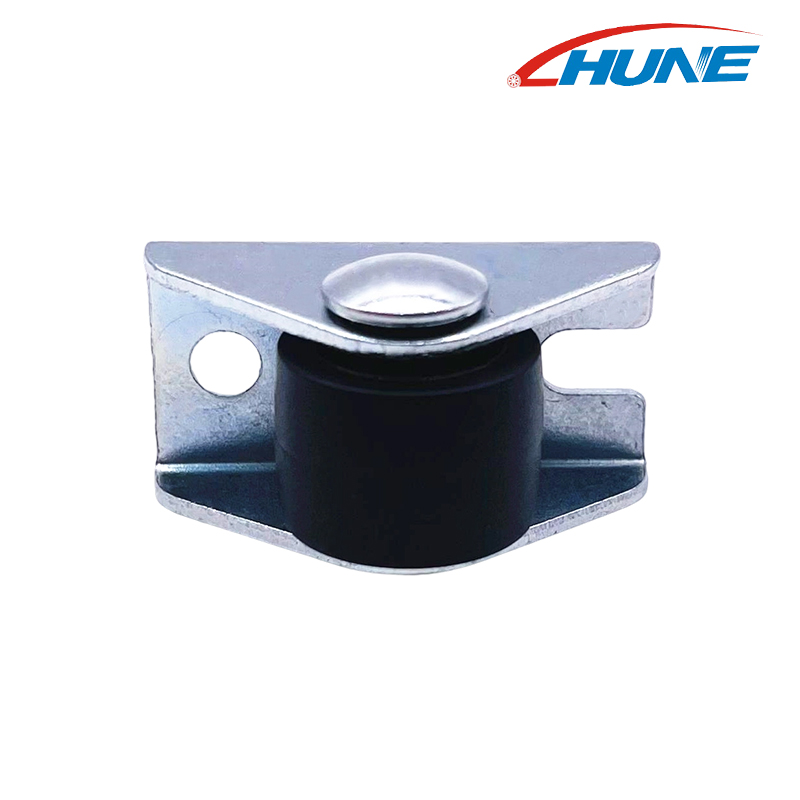
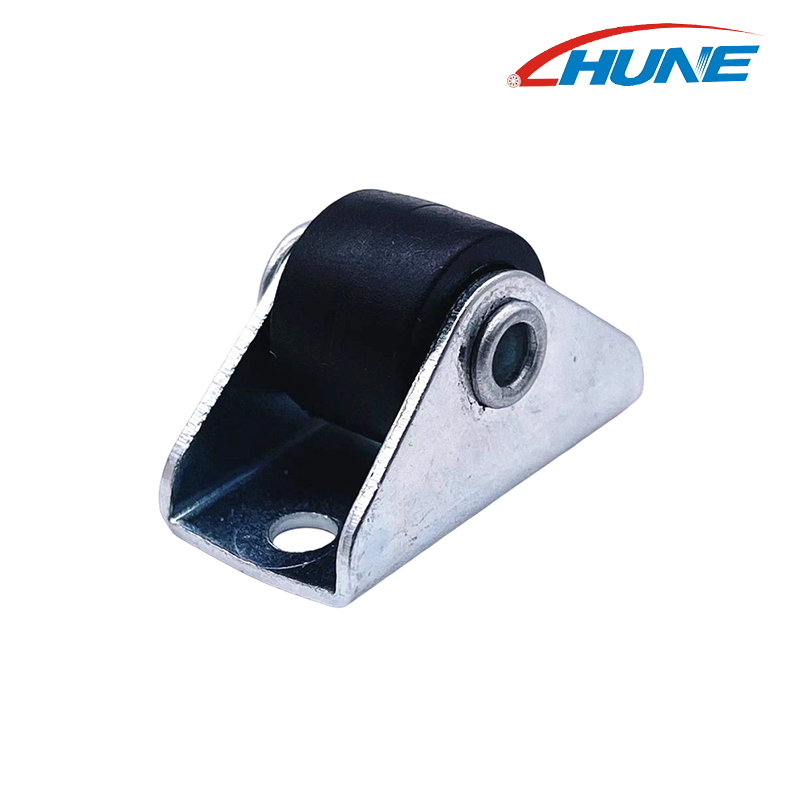
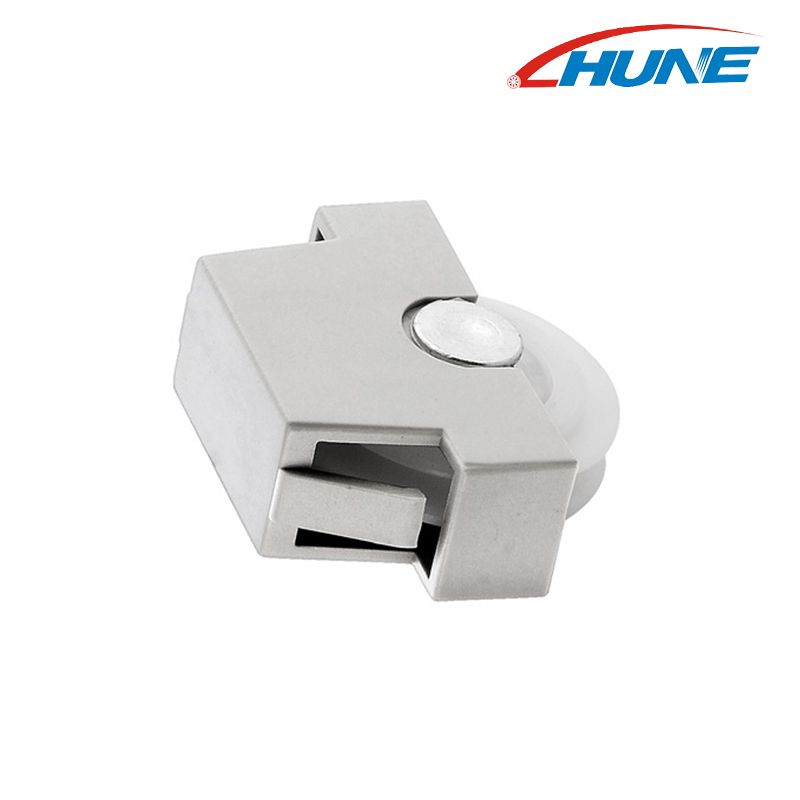
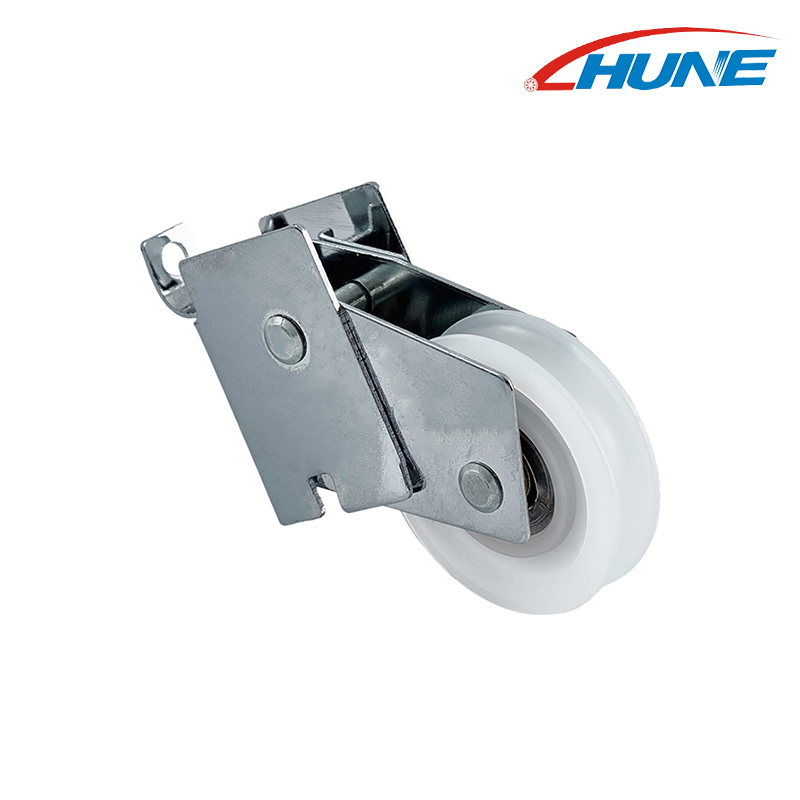
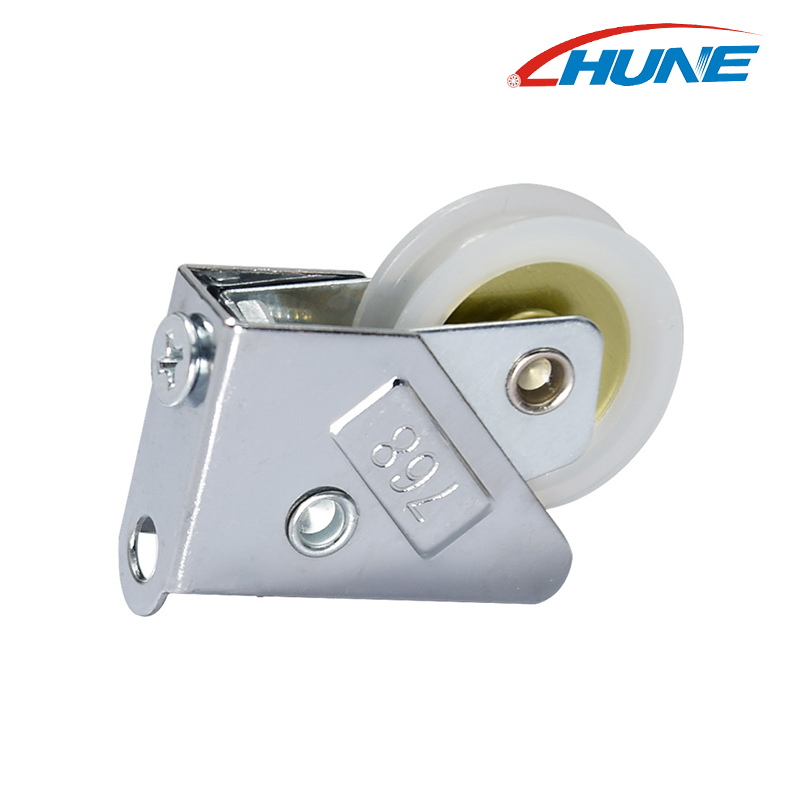
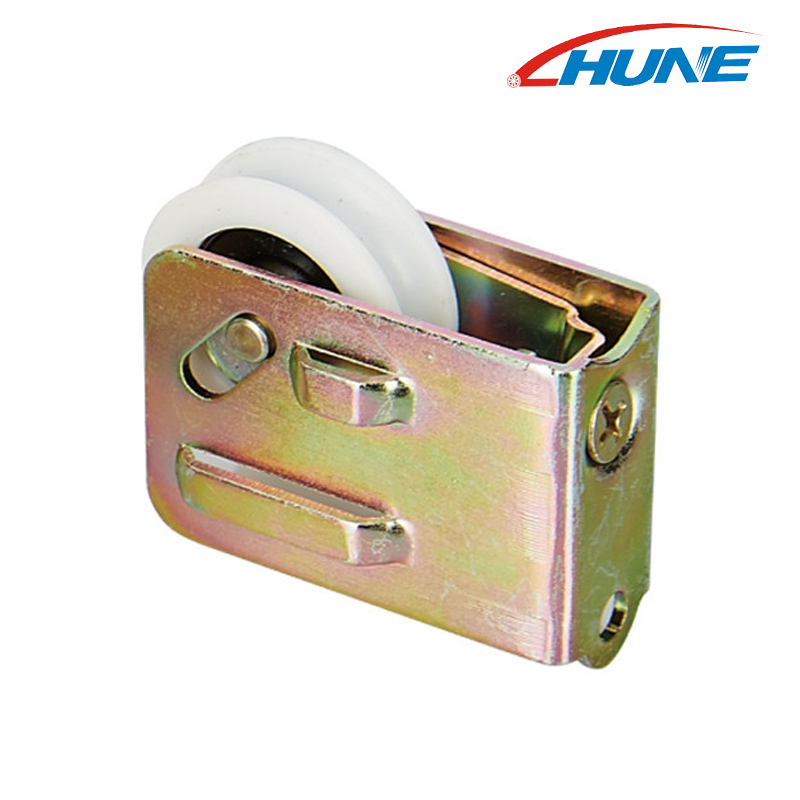
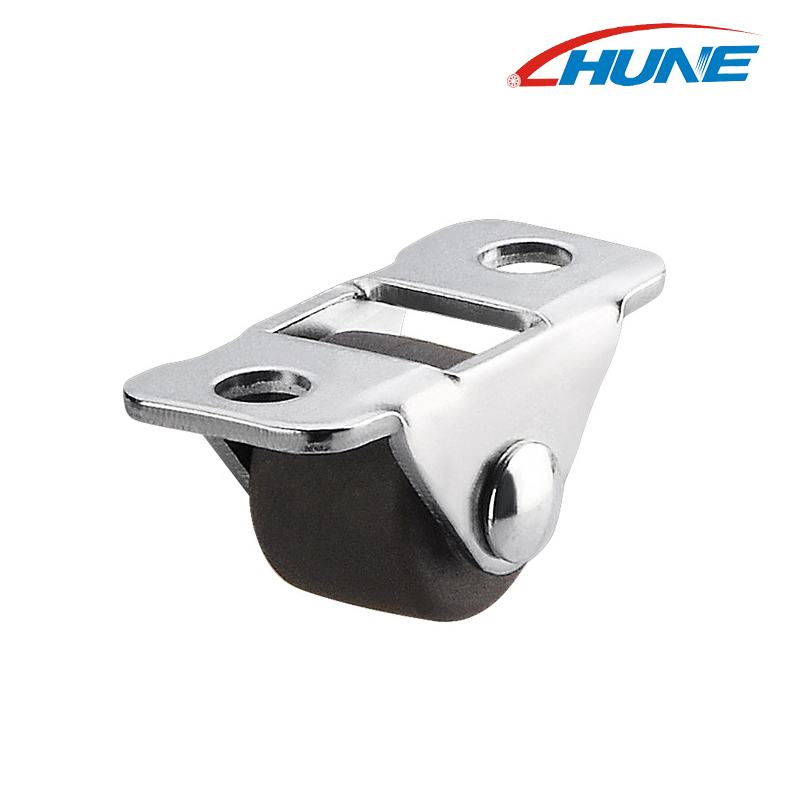
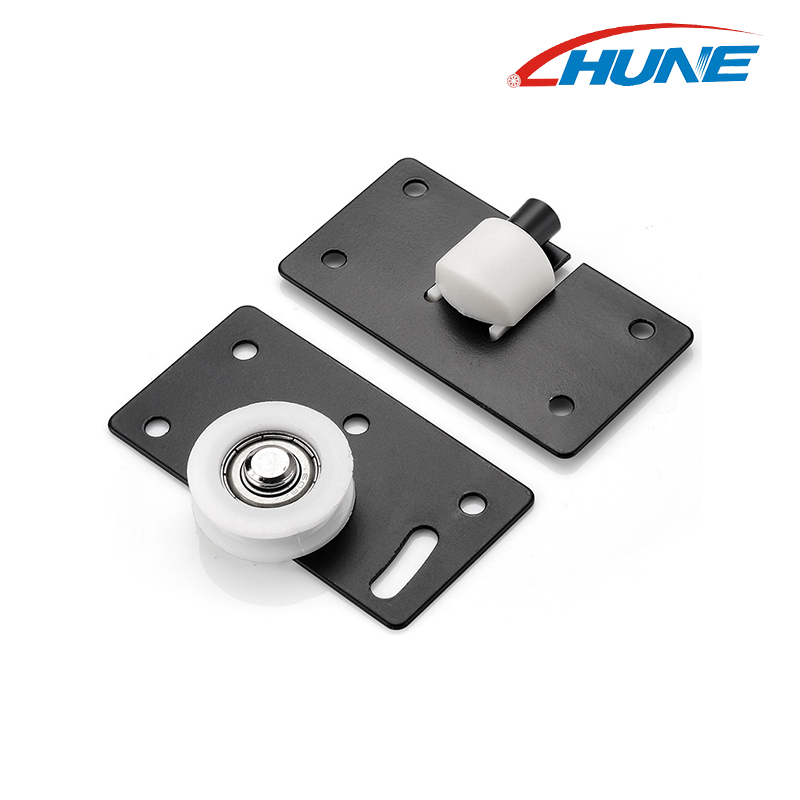
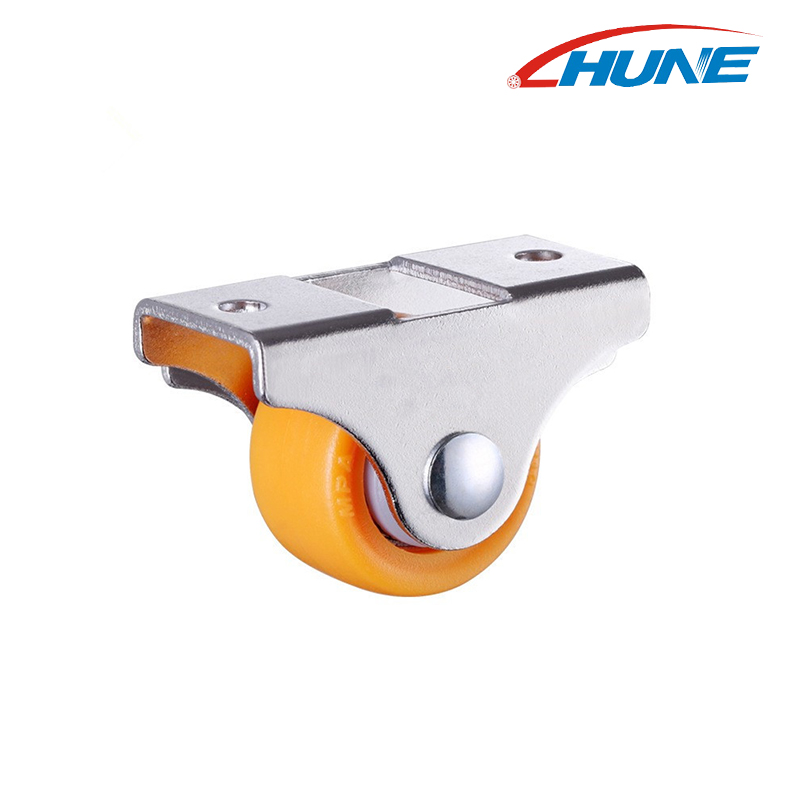
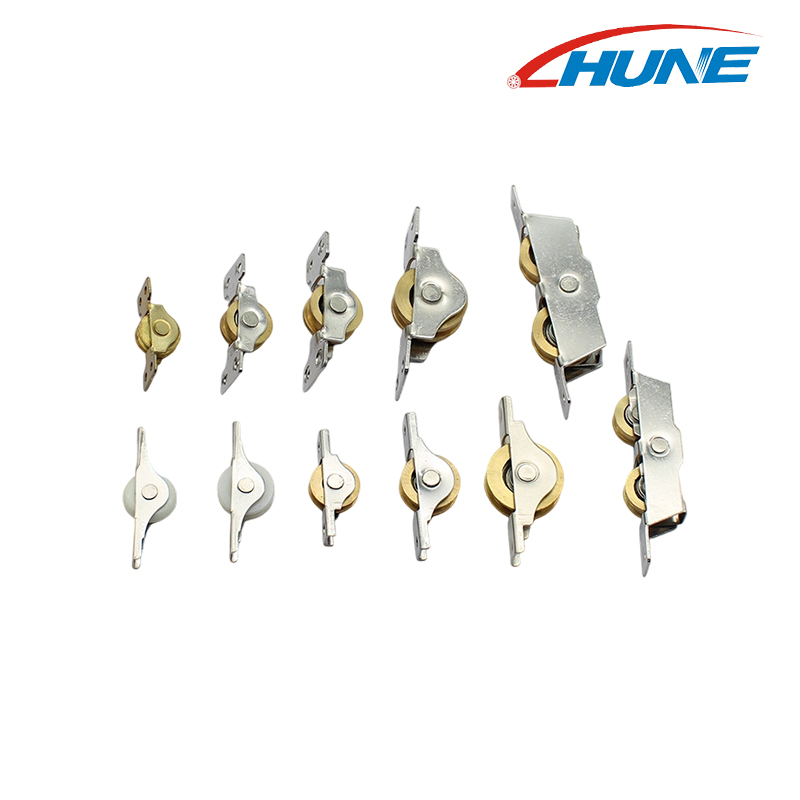
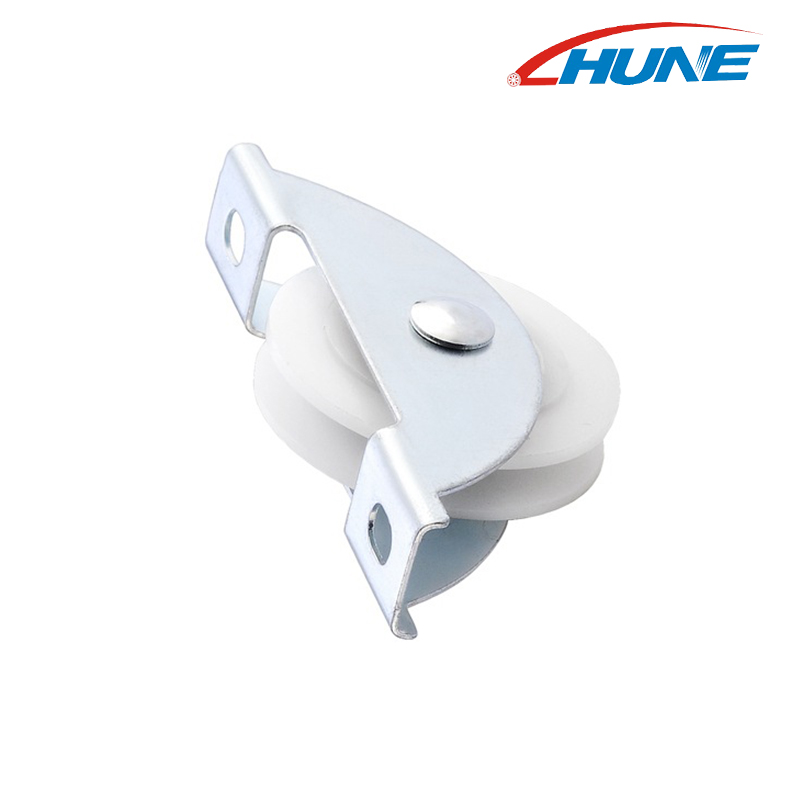
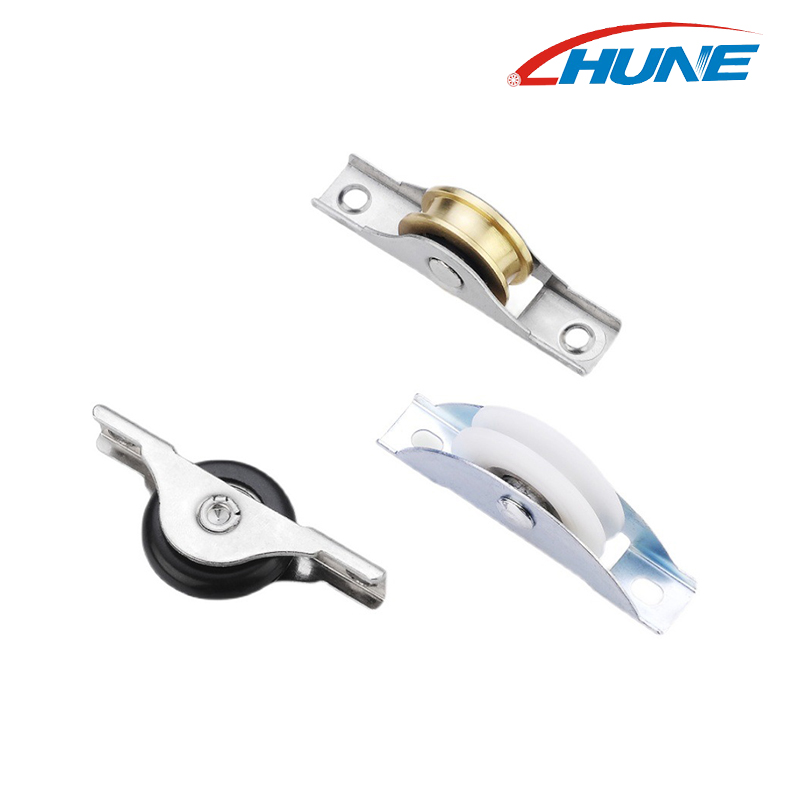
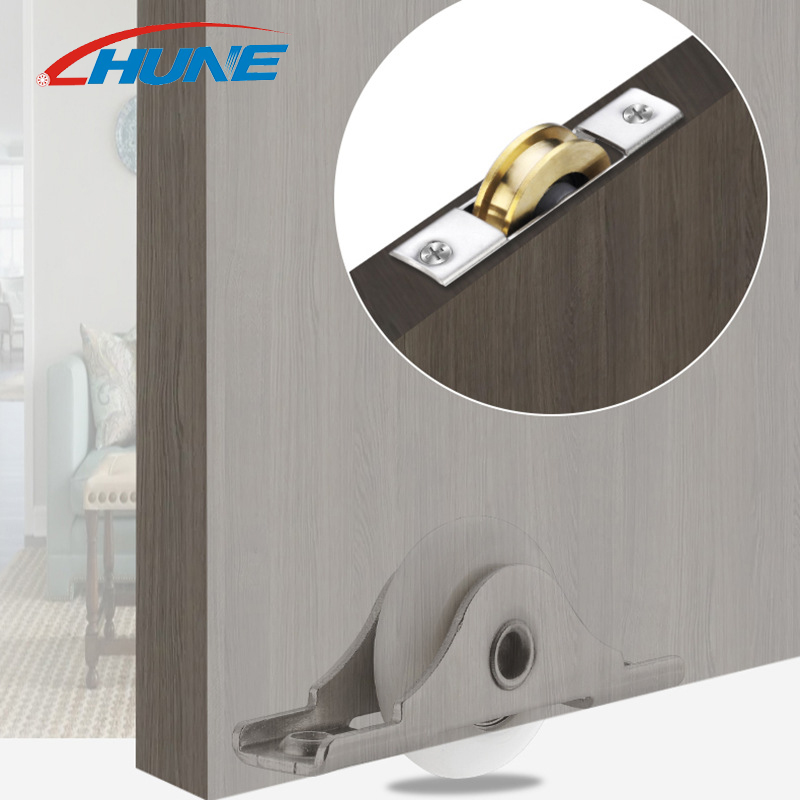
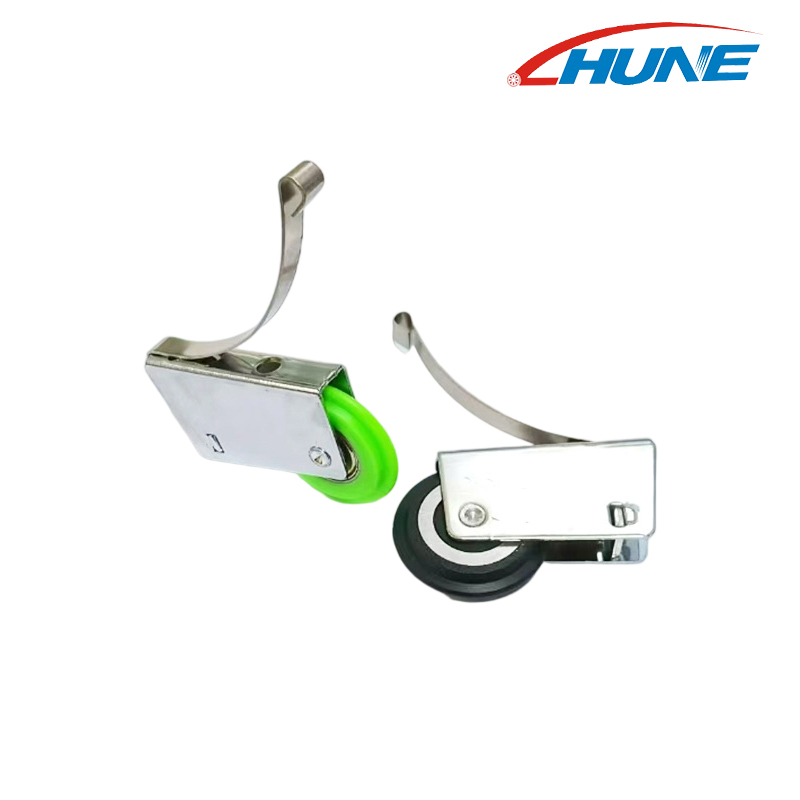
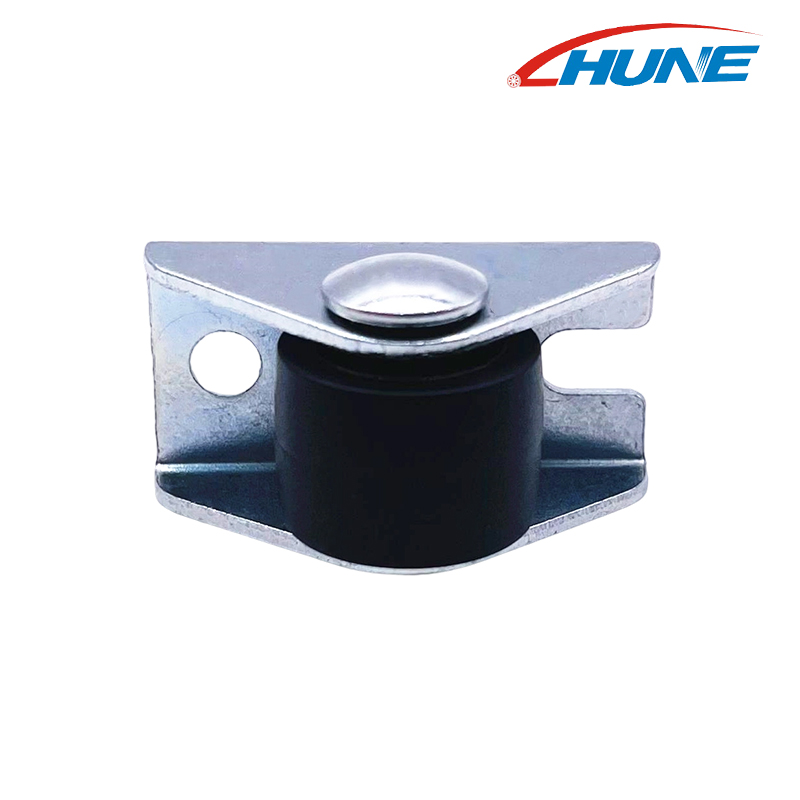
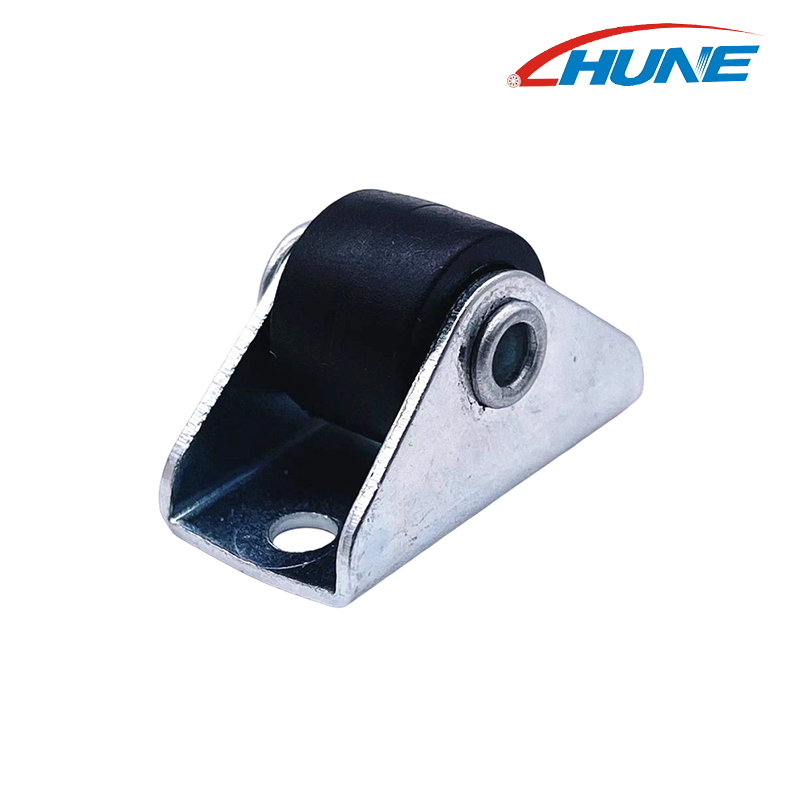
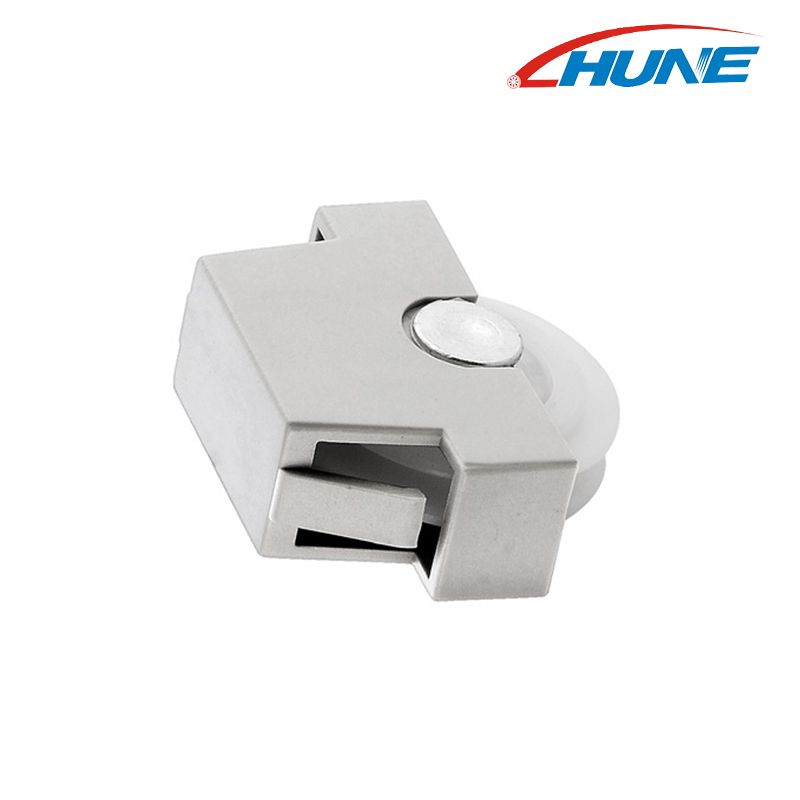
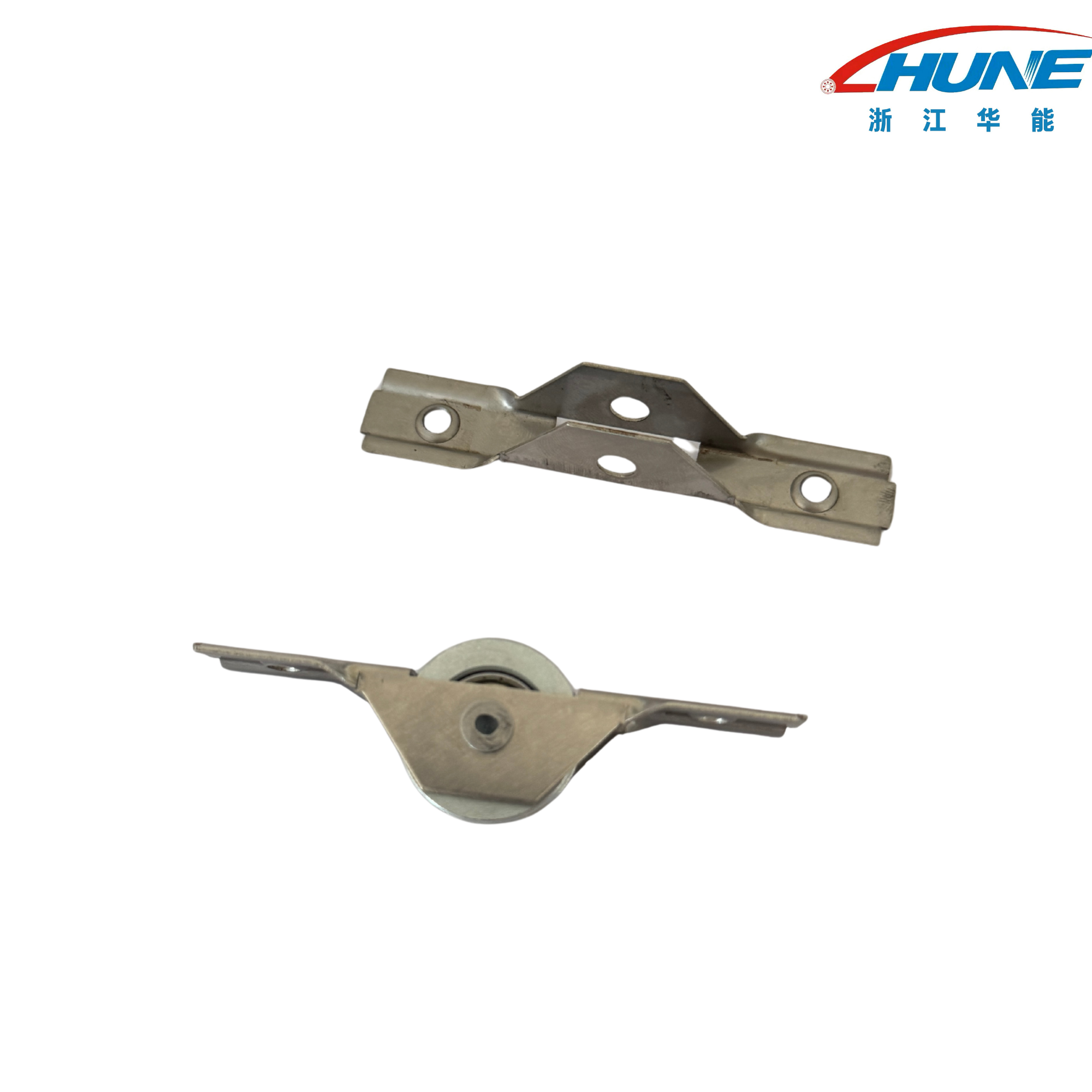
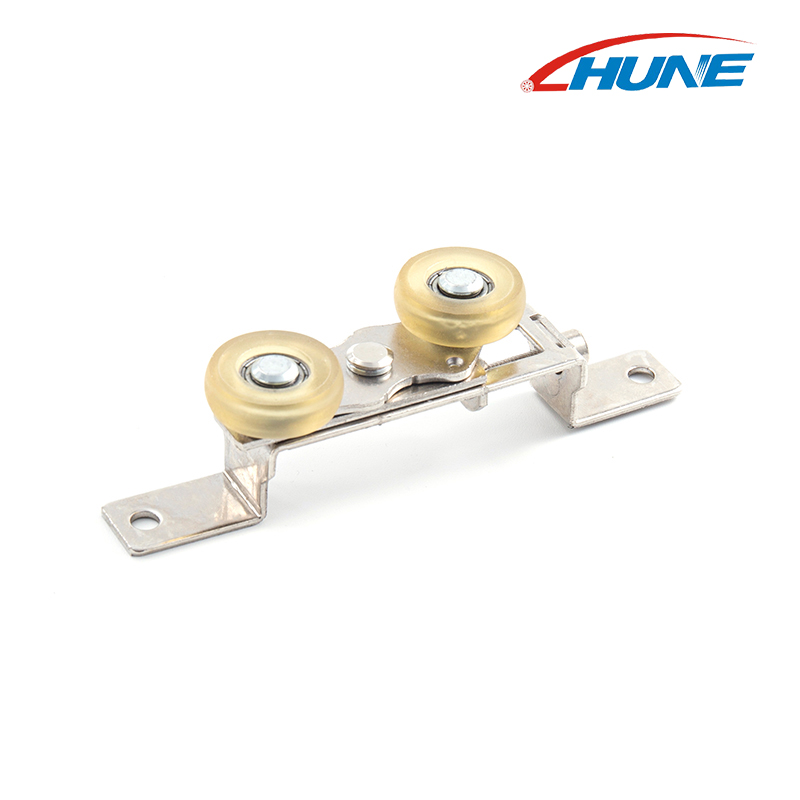
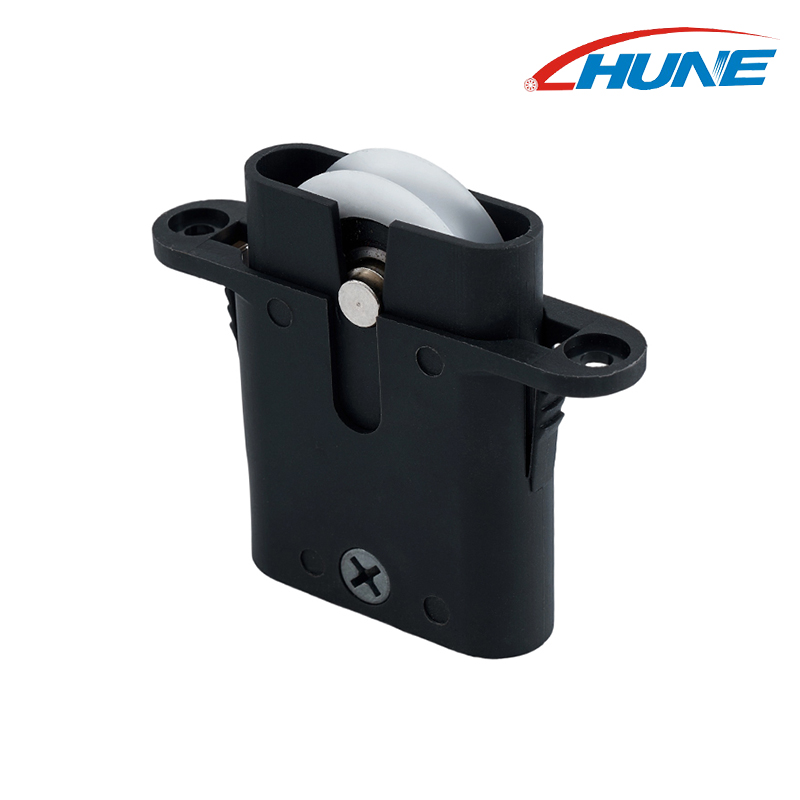
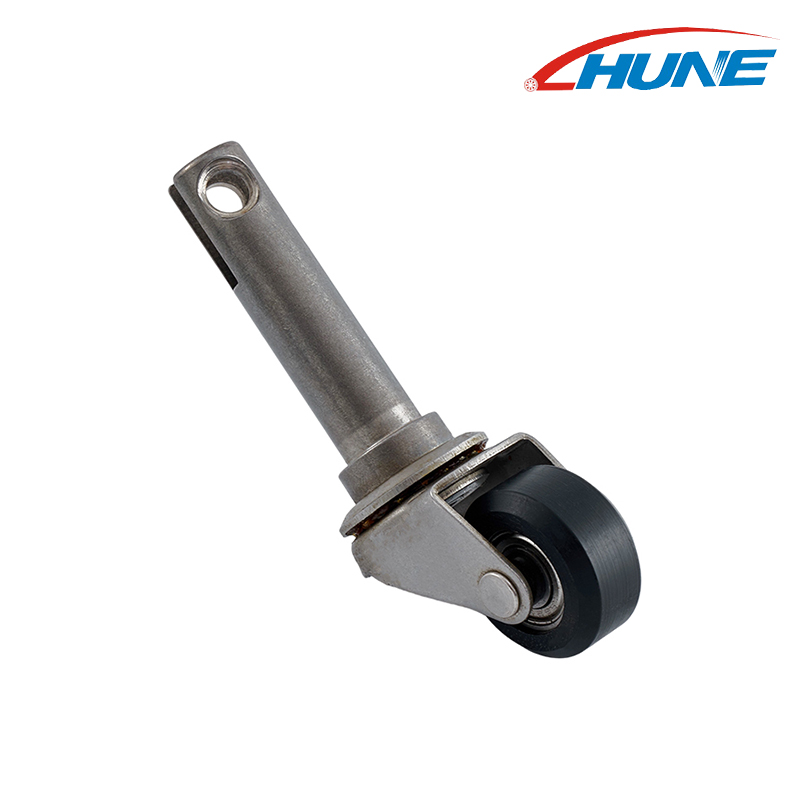
Window Hardware Durable 608ZZ Bearing Sliding Window Wheel Nylon Roller Pulley
○ Material and color can according to customers' requirement.
○ We can make different size as per customers' requirement.
○ We can make different size as per customers' requirement.
 +86-15058997617
Product Advantages
- Smooth Operation
The spacer design ensures smooth rolling and no jamming, even when screws are fully tightened. - Silent & High Load Pulley
Combines quiet bearings with high load capacity for smooth, low-noise performance. - Durable Materials
The nylon-coated outer layer offers strength, toughness, and fatigue resistance. - Precision Bearings
High-quality bearing steel provides quiet, high-speed, and wear-resistant performance. - Sealed & Dustproof
Metal dust cover ensures tight sealing; smooth surface with no burrs for refined quality.
Product Description
Durable 608ZZ Bearing Sliding Window Wheel Nylon Roller Pulley for Sliding Door and Window Hardware
Product Overview
This roller is engineered for track-based sliding hardware — aluminum sliding windows, sliding doors, and similar systems where the wheel assembly determines whether the whole mechanism runs cleanly over time. The build pairs a wear-resistant nylon wheel with a 608ZZ bearing, an adjustable screw for compensating installation tolerance, and a steel frame rated for structural load. That combination is what allows the part to hold up under daily cycling rather than losing smoothness or picking up noise after a few months in service.
For procurement teams, hardware distributors, window system manufacturers, door hardware brands, construction material suppliers, and OEM/ODM developers, this component gets more scrutiny than its size would suggest — and for good reason. The roller sits at the mechanical interface of the entire sliding system, so its performance shows up in three places at once: how smoothly the window or door actually moves, how stable the panel feels under repeated use, and how long the full assembly runs before it needs servicing. When a roller underperforms in any of these areas, the failure tends to get attributed to the finished product, not the small part responsible for it.
The application range for this configuration is fairly specific rather than universal. It fits aluminum sliding window systems, sliding door hardware, and furniture sliding mechanisms — essentially any track-based setup where smooth operation, straightforward installation, low noise, extended service life, and reliable structural support all need to be present simultaneously. The nylon-and-bearing pairing is what makes that combination realistic in one part: enough load capacity for structural use, quiet enough for interior applications, and consistent enough to integrate into existing hardware lines without forcing a redesign around it.
Product Specifications
The following specifications provide a general reference for product selection and quotation. Dimensions, materials, surface treatment, wheel color, and structure can be customized according to customer requirements.
| Item | Specification |
|---|---|
| Product Name | Durable 608ZZ Bearing Sliding Window Wheel Nylon Roller Pulley for Window Hardware |
| Product Type | Sliding Door Roller / Sliding Window Roller / Nylon Roller Pulley |
| Bearing Type | 608ZZ Bearing |
| Housing Material | Iron / Steel / Stainless Steel |
| Surface Treatment | Zinc Plated |
| Wheel Material | Nylon |
| Wheel Color | Black / Green / White / Orange / Customized |
| Main Features | Low Noise, Easy Installation, Smooth Sliding, Long Life, Standard or Customized |
| Application | Aluminum Sliding Window, Sliding Door, Furniture Sliding System, Other Sliding Hardware |
| Installation Structure | Adjustable screw with steel frame |
| Customization | Size, color, material, bearing, surface finish, packaging, logo |
This product can be supplied for standard window hardware lines or developed as a customized roller solution for specific sliding tracks and frame systems.
Product Features
This roller is built around four components working as a system rather than four independent parts — the wheel material, the adjustment mechanism, the frame, and the bearing all have to perform together for the roller to hold up under repeated sliding cycles without degrading.
Nylon Wheel Construction
The wheel body is nylon, chosen specifically for how it behaves under sustained friction rather than for cost alone. In sliding hardware, nylon tends to outperform harder materials on a few specific fronts:
- It resists wear from repeated contact with the track surface
- It holds up structurally under compression rather than deforming
- It runs quieter than metal-on-track contact, which matters more in interior applications than most spec sheets acknowledge
- It maintains a smooth rolling surface over time, keeping friction low as cycles accumulate
This is largely why nylon has become the default wheel material across sliding window and door roller production — it strikes a practical balance between toughness and dimensional stability that harder materials don't replicate at the same cost point.
Adjustable Screw Mechanism
The screw allows height adjustment after the roller is mounted, which sounds like a minor convenience until you account for how much variance exists in actual frame installations. Track height and frame tolerance rarely match spec exactly across a full installation run, and this adjustability is what compensates for that gap on-site rather than requiring the roller itself to be remade.
In practice, this translates to:
- Installation that doesn't require exact pre-measurement
- Easier alignment correction against the actual track
- Lower sliding resistance once the panel is properly seated
- Better weight balance across the panel
- Compatibility across a wider range of frame systems without needing separate SKUs
For aluminum window and door systems specifically, this adjustability isn't optional — small tolerance stack-ups in the frame are common enough that a fixed-height roller creates friction problems that show up almost immediately after installation.
Steel Frame Structure
The frame's job is to keep the roller geometrically stable under load, and steel does this without adding unnecessary weight to the assembly. The advantages here are fairly direct:
- High load-bearing capacity relative to frame size
- Structural stability during repeated sliding operation
- Resistance to deformation under sustained use
- A zinc-plated surface finish that extends rust resistance
- Broad applicability across standard window and door hardware configurations
Depending on the target cost point and the corrosion exposure of the installation environment, the frame material itself can shift between iron, standard steel, or stainless steel — the underlying structural logic stays the same across all three.
608ZZ Bearing Integration
The bearing is what actually governs rotation quality, and the 608ZZ standard gets specified here because it delivers consistent performance without requiring a custom part. Its advantages are straightforward:
- Smooth, low-friction rotation
- Stable support during repeated sliding cycles
- Reduced operating noise relative to unsealed or lower-grade bearings
- Reliable performance across high-cycle use
- A practical cost-to-performance ratio that doesn't require premium sourcing
Where an application calls for something beyond standard performance, the bearing itself can be adjusted — precision grade, internal clearance, lubrication type, and sealing method are all variables that can be tuned to match specific load, noise, or environmental requirements.
Materials and Structure
The material makeup of a sliding door roller isn't a single decision — it's a set of interlocking choices across the wheel, bearing, screw, and housing, and each one carries downstream consequences for service life, noise, load capacity, and corrosion resistance. This model combines a nylon wheel, 608ZZ bearing, adjustable screw, and metal housing, positioning it for sliding windows, sliding doors, and comparable track-based hardware.
The wheel itself is nylon rather than standard plastic, and the difference between the two shows up specifically under repeated cycling. Nylon holds toughness and fatigue resistance across sustained use in a way ordinary plastic doesn't replicate, which translates into smoother rolling, lower noise, and a longer functional life before wear becomes noticeable. Color options extend to black, green, white, orange, or custom specifications depending on how the part needs to match the finished product line.
Rotation quality runs through the built-in 608ZZ bearing, which reduces friction and keeps movement stable across high-cycle use. Where a project calls for something beyond the standard configuration, the bearing itself is adjustable across several dimensions — standard versus quiet operation, sealed or dustproof construction, corrosion-resistant variants, different precision grades, and grease type selection. This is typically where performance gets tuned to match a specific application rather than defaulting to a generic spec.
The adjustable screw addresses a problem that shows up during installation rather than in the part's baseline performance: frame tolerance and track alignment rarely match exactly across a full run, and height adjustability is what compensates for that gap on-site. The full assembly generally includes the nylon roller wheel, the 608ZZ bearing, the adjustable screw, a fixing nut, a shaft or pin, and zinc-plated metal components — each contributing to a structure that stays stable under repeated load rather than loosening over time.
Housing material is where cost and environment get balanced against each other. Iron housing keeps the part cost-effective for standard applications where corrosion exposure is limited. Steel housing steps up load support and resistance to deformation for heavier-use scenarios. Stainless steel housing becomes the appropriate choice once humidity, coastal exposure, or higher-grade product positioning enters the picture — situations where corrosion resistance stops being optional.
For iron or steel components specifically, zinc plating adds a layer of rust protection while also improving surface finish and extending overall durability. Across surface treatment, housing material, wheel color, and bearing structure, the specification can be adjusted to match whatever a particular sliding system actually requires — this isn't a fixed configuration so much as a framework that gets tailored per application.
Applications
The 608ZZ bearing sliding window wheel nylon roller pulley wasn't designed around a single application — its combination of nylon wheel, adjustable screw, and steel frame gives it enough flexibility to work across several categories of sliding hardware, from standard window systems to more specialized furniture tracks.
Aluminum sliding windows represent the most common deployment for this roller. The nylon wheel handles the repeated back-and-forth motion without generating the friction noise typical of harder wheel materials, which matters across residential installations, commercial window runs, and building material supply programs. It also shows up frequently in replacement window roller work, where matching the original wheel's performance — sometimes improving on it — is the actual sourcing goal rather than just finding something that physically fits.
Sliding doors present a slightly different set of requirements, mainly around housing size and mounting geometry rather than the core roller mechanism itself. Once those dimensions are matched appropriately, the same roller logic extends to interior sliding doors, lightweight door systems, aluminum-framed doors, glass frame configurations, and patio or balcony sliding setups. The underlying performance requirement stays consistent — smooth track contact without excess noise — even as the housing adapts to each door type.
Furniture hardware is where the compact structure and quiet operation of this roller become particularly relevant, since interior sliding mechanisms in wardrobes, cabinets, and storage systems tend to sit close to living spaces where noise is far more noticeable than it would be in a window track. This makes the roller a practical fit for wardrobe sliding doors, cabinet systems, display furniture, and closet door tracks — applications where a slightly oversized or noisy roller becomes an obvious flaw rather than a minor inconvenience.
Beyond these established categories, the roller structure can also be adapted for non-standard track systems, equipment sliding mechanisms, and other applications that don't fall neatly into window, door, or furniture classifications. In these cases, Huaneng typically works from submitted samples or drawings to determine whether the existing roller structure can be adapted directly or whether a modified version needs to be developed for that specific track, frame, or panel configuration.
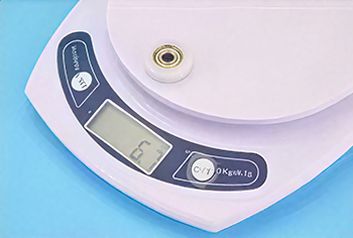
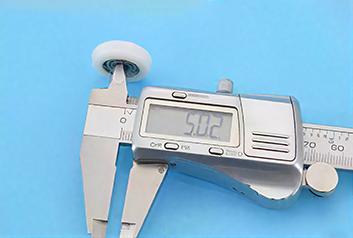
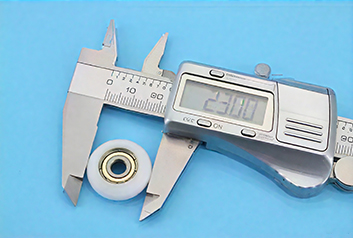
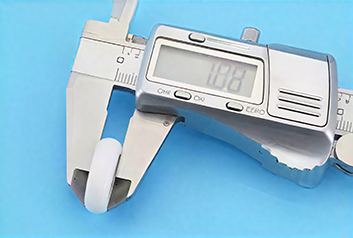
Measurement Method
 |
 |
 |
 |
| Weight(g) | ID(mm) | OD(mm) | Height(mm) |
Payment Terms
1.100% T/T in advance
2.30% T/T deposit, 70% balance against copy of B/L
3. PayPal
Packaging Details: Standard export packing (plastic bag, carton, and pallet or wooden case), or as per customer's requirements.
Delivery Port: Ningbo / Shanghai
Delivery Time: Normally within 30 days for ready goods or as per customer's request.
2.30% T/T deposit, 70% balance against copy of B/L
3. PayPal
Packaging Details: Standard export packing (plastic bag, carton, and pallet or wooden case), or as per customer's requirements.
Delivery Port: Ningbo / Shanghai
Delivery Time: Normally within 30 days for ready goods or as per customer's request.
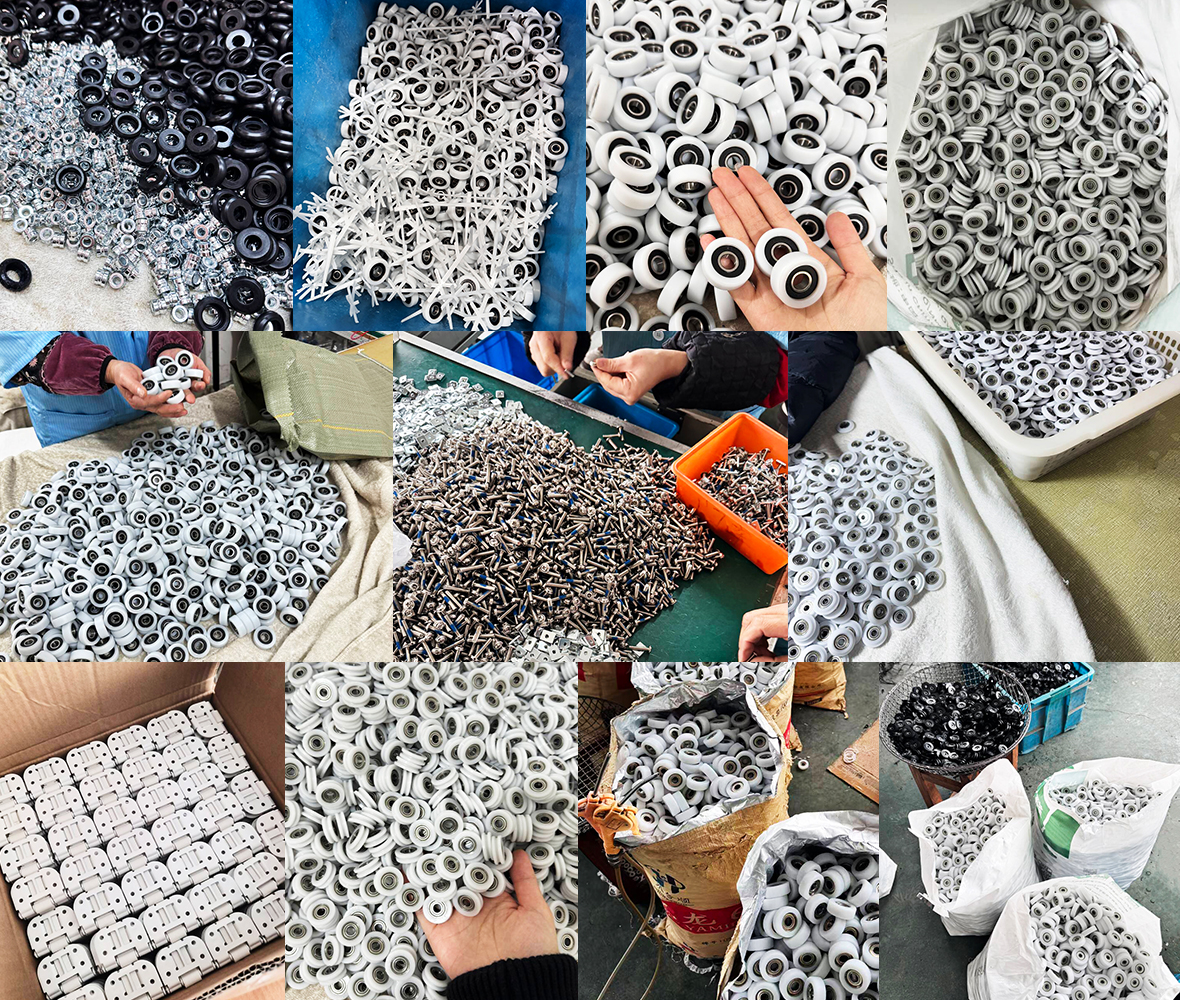
ACTUAL PHOTOS
FAQ
-
What are your payment terms?What are your payment terms?
1.100% T/T in advance2.30% T/T deposit, 70% balance against copy of B/L3. PayPalPackaging Details: Standard export packing (plastic bag, carton, and pallet or wooden case), or as per customer's requirements.Delivery Port: Ningbo / ShanghaiDelivery Time: Normally within 30 days for ready goods or as per customer's request.
-
How do you handle shipment?How do you handle shipment?
For small orders: we ship via express (DHL, FedEx, UPS, TNT, etc.).For bulk orders: we ship by sea or by air, depending on your preference.
-
How long is the production lead time?How long is the production lead time?
For in-stock samples: shipped within 2 days.For out-of-stock samples: lead time is within 7 days.For mass production: approximately 15 days after receiving the deposit.
-
What after-sales service do you offer for sliding rollers?What after-sales service do you offer for sliding rollers?
We provide online technical support. If the issue is caused by a quality defect, we will replace the defective items with new ones.
-
How does your factory ensure quality control?How does your factory ensure quality control?
80% of our staff have over 10 years of experience. We have a mature and skilled technical team along with a comprehensive quality management system to ensure consistent product quality.
-
Can we print our logo on the products?Can we print our logo on the products?
Yes, we can print your logo on the products based on your design requirements.
-
Can we customize our own color box?Can we customize our own color box?
Yes, if your order quantity reaches 1,000 sets, we can provide customized color box packaging.
-
Do you offer free samples?Do you offer free samples?
Yes, we are happy to provide free samples for you to evaluate the quality.
-
Are you a manufacturer?Are you a manufacturer?
Yes, we are a professional manufacturer specializing in door and window roller pulleys for over 20 years. We also have our own international sales department and handle both production and sales in-house.
-
How long does it take to receive a response after sending an inquiry?How long does it take to receive a response after sending an inquiry?
We will reply to you within 6 working hours on business days.
Related Product
-
limit="6" child="1" no_p="1" page_num="5"}
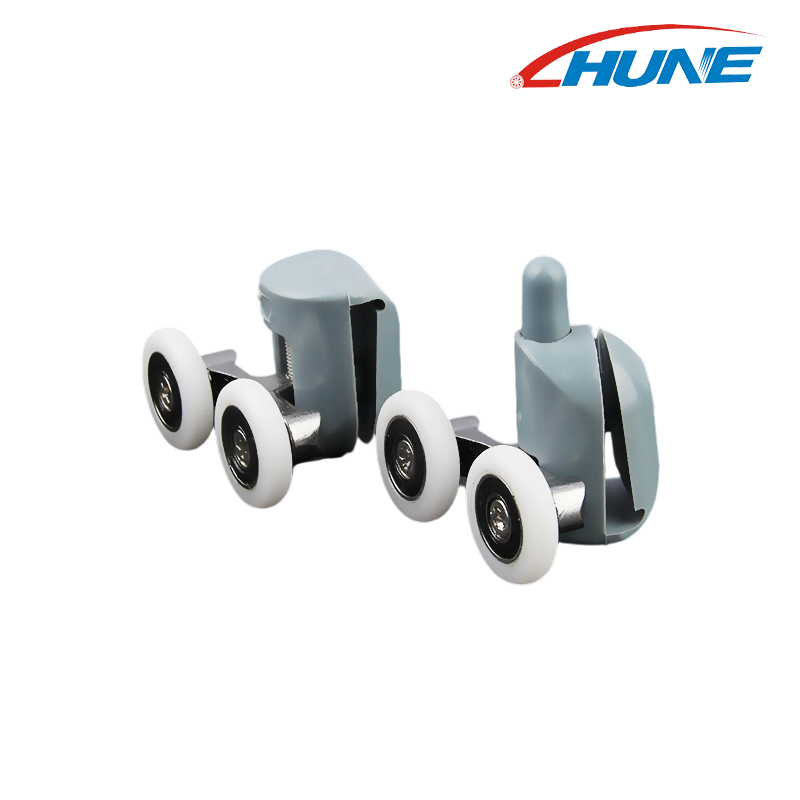
- Plastic Roller Wheels for Curved Bathroom Shower Door limit="6" child="1" no_p="1" page_num="5"}
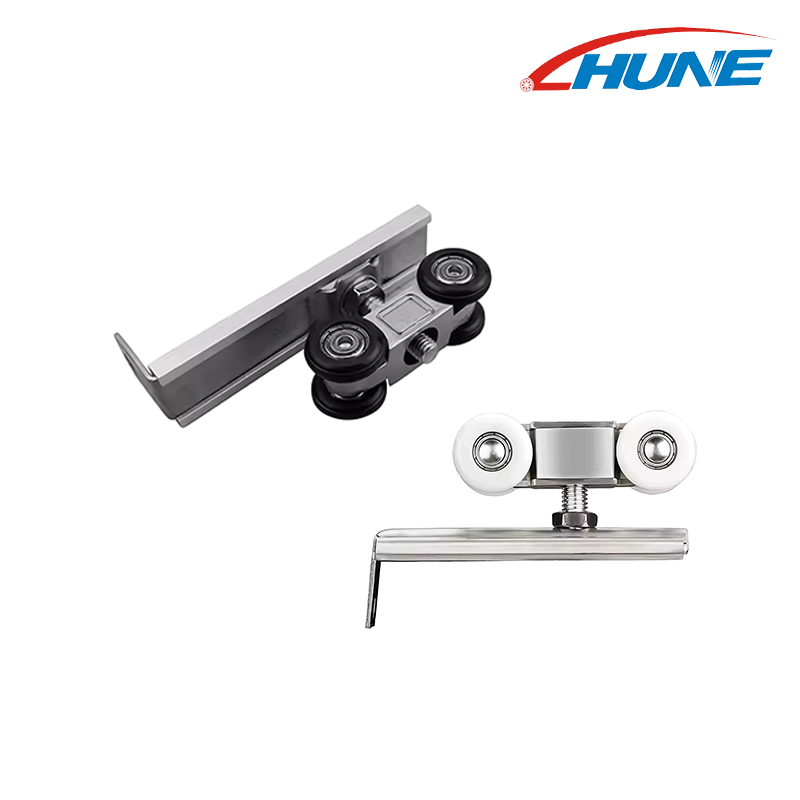
- Zinc Alloy Sliding Roller Door Hanger 4 Wheels Hardware Accessories limit="6" child="1" no_p="1" page_num="5"}
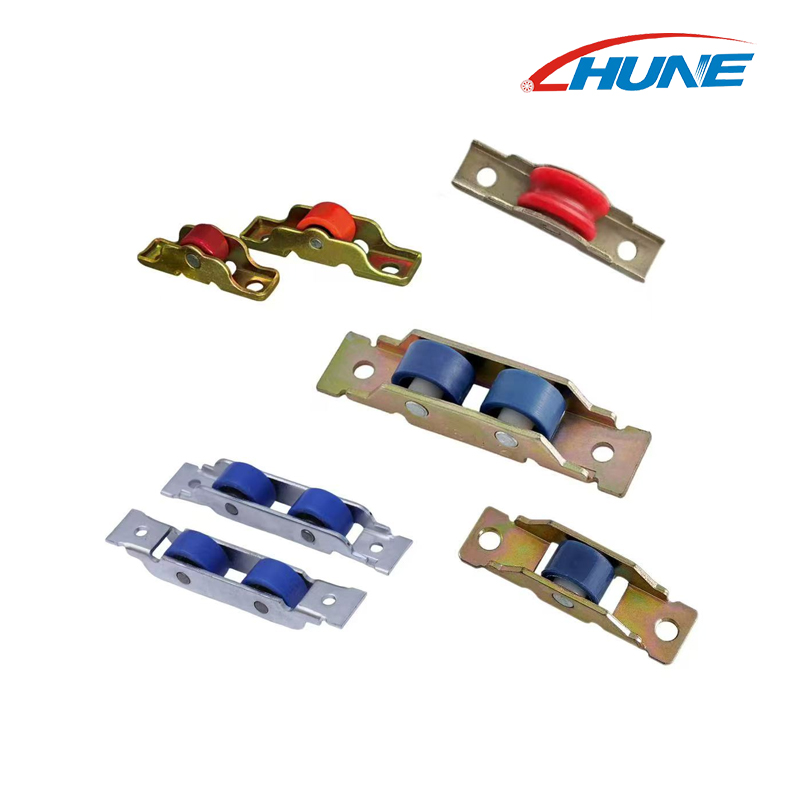
- Aluminum Sliding Window Roller Pulley Wheel limit="6" child="1" no_p="1" page_num="5"}
- Furniture Wardrobe Sliding Door Pulley Wheel limit="6" child="1" no_p="1" page_num="5"}
- Adjustable Spring Upper Roller Wheel Cabinet Wheel Folding Door&Fittings Wardrobe Sliding Door Plastic Roller Parts limit="6" child="1" no_p="1" page_num="5"}
- Window Hardware Durable 608ZZ Bearing Sliding Window Wheel Nylon Roller Pulley limit="6" child="1" no_p="1" page_num="5"}
- Closet Sliding Roller Wheel Roller Chain Sprocket Wheel Slide Door Roller Wheel limit="6" child="1" no_p="1" page_num="5"}
- Sliding Door And Window Hardware Accessories Nylon Pom Pulley Aluminum Closet Screen Shutter Door Roller Wheel With Bearing limit="6" child="1" no_p="1" page_num="5"}
- Sliding Security Screen Door Rollers limit="6" child="1" no_p="1" page_num="5"}
- Hardware Furniture Bed Caster Plastic Nylon/PA/PU Wheel
Send Inquiry
-
 0㎡Plant Area
 -
 0+Staff
 -
 0Established in
 -
 0+Exporting Countries
Zhejiang Huaneng Micro Bearing Co., Ltd.
Zhejiang Huaneng Micro Bearing Co., Ltd. specializes in the development and manufacturing of miniature and medium-sized bearings, non-standard bearings, Window Hardware Durable 608ZZ Bearing Sliding Window Wheel Nylon Roller Pulley and pulley systems. With over a decade of industry experience, we offer high-precision processing and responsive customization capabilities.As sash pulley wheels factory supporting OEM window hardware solutions. Our products are widely used in home appliances, industrial equipment, and door/window systems, and are exported to Japan, Korea, Europe, and beyond.
What Is a Window Hardware Durable 608ZZ Bearing Sliding Window Wheel Nylon Roller Pulley?
A window hardware durable 608ZZ bearing sliding window wheel nylon roller pulley is a precision roller assembly built for aluminum sliding windows, sliding doors, furniture sliding systems, and other track-based hardware. The assembly brings together a 608ZZ bearing, nylon wheel, adjustable screw, and metal housing into a single unit designed to keep movement smooth, friction low, noise minimal, and performance consistent over extended use.
For window system brands, hardware distributors, construction material channels, e-commerce hardware sellers, project contractors, and OEM/ODM product managers, this roller rarely gets treated as a simple replacement part — and for good reason. It functions as the mechanical core of the entire sliding system, which means its quality shows up in the finished product whether or not anyone was specifically evaluating it. A sliding window can have a well-engineered frame and a clean surface finish, and still underperform badly if the roller underneath falls short. Weak bearing quality, insufficient housing strength, inconsistent wheel molding, or unstable adjustment mechanisms tend to surface as the same predictable set of failures: noise during operation, jamming or resistance along the track, uneven or inconsistent movement, poor alignment between panel and frame, and premature wear leading to early failure. None of these issues originate in the frame or glass — they trace back to the roller, which is exactly why sourcing teams end up spending more time evaluating this small component than its size would suggest.
What follows breaks down how to evaluate 608ZZ bearing sliding window wheel nylon roller pulleys from a sourcing standpoint rather than a general product description. That includes product types and structural variants, material selection logic, cost drivers, quality inspection criteria, available customization paths, and the standards worth applying when selecting a supplier for this category of hardware.
Understanding the Product from a Professional Sourcing Perspective
A sliding window roller carries more mechanical responsibility than its size implies — it bears the weight of the moving panel while keeping it correctly guided along the track. In aluminum window and sliding door systems specifically, that means the roller has to sustain continuous motion without letting alignment drift between the frame, sash, and rail, cycle after cycle.
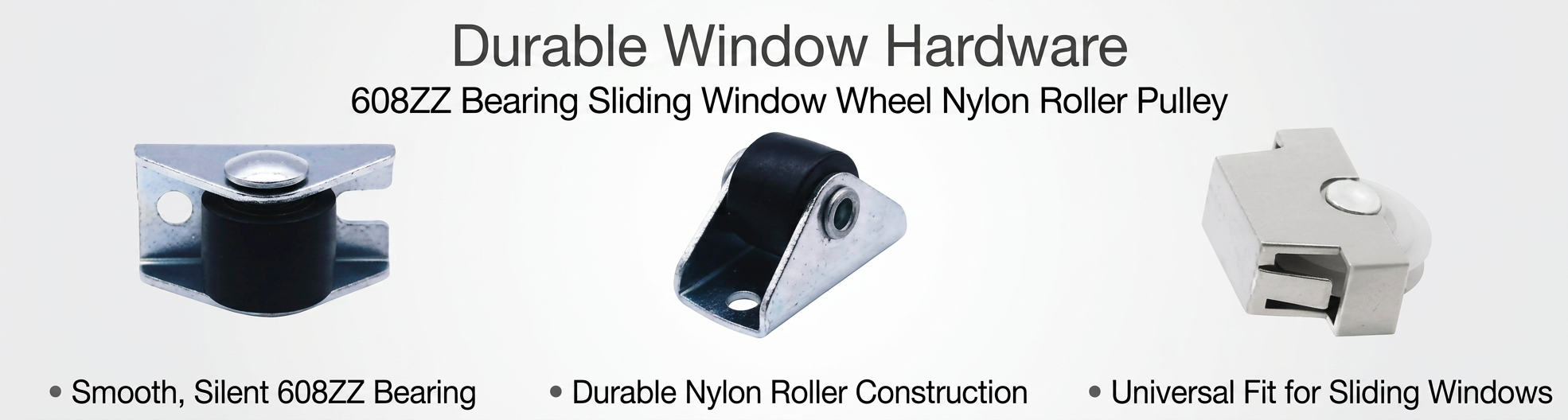
The 608ZZ bearing sliding window wheel nylon roller pulley tends to be the default choice in this space for a fairly practical reason: it hits a workable balance across performance, cost, and sourcing availability that's hard to beat with more specialized alternatives.
What the Roller Actually Does
Stripped down to function, this roller is handling several jobs simultaneously rather than just one:
- Carrying the structural weight of the sliding panel
- Cutting friction between the panel and the track surface
- Keeping sliding motion smooth rather than jerky or inconsistent
- Holding operating noise down
- Preserving panel alignment over repeated use
- Simplifying installation through built-in adjustment
- Extending how long the sliding system runs before service is needed
None of these functions operate independently — a roller that handles weight well but generates excess friction still produces a poor result, which is why the design has to address all of them together rather than optimizing for just one.
Why the Bearing Choice Isn't Incidental
The 608ZZ bearing shows up across roller pulley applications because it delivers stable rotation and workable load performance while integrating cleanly into nylon wheel structures — it's less about being the highest-spec option available and more about being the option that consistently performs well without adding unnecessary cost or sourcing complexity.
Its practical advantages come down to a few consistent traits:
- Rotation stays smooth even under repeated, high-cycle movement
- Load support is sufficient for standard window hardware demands
- Dimensional standardization makes replacement and integration predictable
- Availability is strong across both replacement parts and production runs
- Compatibility with nylon roller structures is essentially built-in
What's easy to overlook is how directly bearing quality shapes user perception of the finished product. A window that rolls smoothly and quietly reads as well-made — even if every other component is identical to a lower-quality version. The bearing is often the single part responsible for that impression, which is exactly why it gets more scrutiny during sourcing than its cost would otherwise justify.
Common Types of Window Hardware Durable 608ZZ Bearing Sliding Window Wheel Nylon Roller Pulley
Choosing the right roller structure isn't a matter of picking the "best" option in isolation — it depends on matching the roller to the track profile, panel weight, installation approach, and the sales channel the finished product is heading toward. What works for a budget replacement program often isn't what a commercial project needs, and vice versa.
Single Wheel Configuration
The single wheel roller keeps things simple: one nylon wheel paired with one bearing, built compact enough to fit standard aluminum sliding window profiles without adding bulk. It tends to show up in standard aluminum windows, lighter sliding door setups, replacement hardware programs, cost-sensitive product lines, and compact frame designs where there isn't room for a bulkier assembly.
The appeal here isn't complexity — it's the opposite. Simple structure keeps installation straightforward, production costs competitive, and maintenance or replacement easy down the line. This configuration works well specifically when panel weight stays moderate and the track itself already provides adequate lateral stability, meaning the roller doesn't have to compensate for weaknesses elsewhere in the system.
Double Wheel Configuration
Once panel weight or width increases, a single wheel starts to show its limits, and that's where a double wheel roller earns its place. Housing two wheels in one unit spreads the load more evenly and keeps movement noticeably more stable under heavier conditions.
This structure fits wider aluminum windows, heavier sliding panels, premium window product lines, commercial building projects, and any application where stability matters more than shaving cost. The practical payoff shows up as better load sharing, improved balance during sliding, less panel shake, smoother movement even under heavier loads, and generally longer service life in systems that see frequent use. Double wheel designs get selected specifically when stability is the priority a project is willing to pay for.
Adjustable Roller Configuration
An adjustable roller adds a screw mechanism that lets installers fine-tune wheel height after mounting — a feature that matters more than it might initially seem, given how inconsistent actual frame tolerances tend to be across installation runs.
This type suits aluminum sliding windows with height variance, sliding doors that need precise alignment, renovation and replacement hardware, window systems spanning multiple frame profiles, and any project where installation conditions aren't fully standardized. The value shows up as easier height correction, better sash alignment, fewer installation headaches, improved track contact, and broader compatibility across different window systems. Wherever frame tolerance or track height isn't perfectly consistent — which is more often than not — this adjustability becomes the deciding factor rather than a nice-to-have.
Nylon Wheel with Metal Housing
This configuration pairs a nylon wheel with a housing built from iron, steel, or stainless steel, and it's become common across window and door hardware precisely because it balances quiet operation with real structural strength rather than sacrificing one for the other.
It applies broadly across sliding windows, sliding doors, furniture sliding systems, closet doors, and general hardware replacement ranges. The advantages stack up as low-noise wheel performance, solid metal-backed support, a stable bearing fit, dependable structural durability, and flexibility across multiple housing material options depending on cost and environmental requirements.
Heavy-Duty Roller Structures
When panels get larger, heavier, or see frequent high-cycle movement, standard roller structures start to fall short — that's the gap heavy-duty rollers are built to close. These get specified for large sliding windows, sliding doors, commercial interior systems, engineering-grade projects, and installations paired with reinforced track systems.
The design advantages center on stronger housing construction, higher load capacity, better resistance to deformation, improved overall durability, and more dependable long-term operation under demanding conditions. For this category specifically, housing thickness, bearing type, wheel material, and shaft strength all need to be verified carefully rather than assumed — a heavy-duty label only holds up if every one of those specifications was actually engineered for the load, not just the housing size.
How to Choose the Right 608ZZ Bearing Sliding Window Wheel Nylon Roller Pulley
Before locking in a roller selection, sourcing teams typically need to work through three interconnected layers of confirmation — application context, physical dimensions, and quality standards — since gaps in any one of them tend to surface as costly corrections after production has already started.
Pinning Down the Actual Application
Where the roller is going to be used shapes almost every other decision downstream, which makes this the logical starting point rather than an afterthought. The relevant categories include:
- Aluminum sliding windows
- Sliding doors
- Wardrobe doors
- Cabinet tracks
- Furniture sliding systems
- Replacement hardware programs
- Engineering projects
- Private-label product lines
Each of these carries a different profile of requirements around load capacity, acceptable noise level, corrosion exposure, and even packaging standards — a roller specified for a furniture track won't necessarily hold up the same way in an engineering project, and treating them as interchangeable is where mismatches usually originate.
Locking Down Dimensional Accuracy
Once the application is clear, dimensional precision becomes the next point of failure if left vague. The specifications worth confirming upfront include wheel outer diameter, wheel width, bearing size, housing length, housing width, housing height, screw diameter, adjustable height range, track width, and track profile.
Rather than relying on written descriptions alone, providing dimensioned photos, technical drawings, or physical samples tends to cut selection errors substantially — a supplier working from concrete reference points makes far fewer assumptions than one working from a general spec list.
Matching Material to Environment and Product Tier
Material selection isn't a fixed default — it should follow directly from the operating environment and where the finished product sits in the market. Practical options include nylon wheels for standard low-noise movement, reinforced nylon where wheels need to handle heavier stress, steel housing for added structural strength, stainless steel housing where corrosion resistance is a real requirement rather than a nice-to-have, and zinc-plated finishes as a cost-effective layer of protection for standard-use applications.
Setting Quality Standards Before Production Starts
Quality requirements need to be defined before manufacturing begins, not inspected for after the fact. The inspection points worth establishing upfront cover rotation smoothness, noise level, surface finish quality, bearing fit accuracy, housing strength, adjustment mechanism function, zinc plating appearance, and packaging standards.
Setting these criteria clearly at the outset does more than catch defects later — it shapes production consistency from the first run onward, which matters far more for ongoing supply relationships than catching problems after the fact ever will.
OEM / ODM Customization Options
Custom hardware development tends to succeed or fail based on how much flexibility exists at the component level, and Huaneng structures its OEM/ODM process around exactly that — supporting sliding door rollers, sliding window rollers, nylon pulley wheels, and bearing pulley assemblies built from drawings, physical samples, dimensioned photos, or a client's specific application requirements rather than forcing every project into a fixed catalog spec.
What Can Actually Be Customized
The scope of customization runs deeper than surface-level options, covering both the functional core of the roller and its finished presentation:
- Wheel diameter and width, adjusted to match specific track profiles
- Bearing type, precision grade, grease selection, and sealing structure
- Wheel material — nylon, reinforced nylon, engineering plastic, or other custom formulations
- Wheel color, including black, green, white, orange, or client-specified custom colors
- Housing material across iron, steel, or stainless steel
- Housing thickness and the screw structure itself
- Adjustable height range, tuned to the target frame system
- Surface treatment, whether standard zinc plating or a customized alternative
- Load capacity and noise performance, engineered to the application's actual demands
- Dustproof or sealed bearing configurations for specific environmental exposure
- Branding elements — logo, label, carton marking, and overall packaging style
This level of granularity matters because a roller that's technically correct but packaged wrong, or branded incorrectly for a private-label program, still creates problems downstream even if the mechanical performance is exactly right.
Packaging That Matches the Sales Channel
Packaging isn't an afterthought tacked onto the end of production — it needs to align with how the product actually reaches its end market. Common formats include plastic bags, inner boxes, export cartons, pallets, wooden cases, color boxes, blister packaging, barcode labeling, and full OEM brand packaging. A retail product moving through e-commerce channels has entirely different packaging needs than bulk hardware headed to a construction project, and treating both the same way tends to create friction somewhere in the supply chain.
Across the full customization process, Huaneng handles product matching, sample development, structural optimization, and packaging guidance tailored to whichever channel the product is actually moving through — retail, e-commerce, construction projects, or distribution networks — rather than applying a single standardized approach across fundamentally different use cases.
Why Choose Huaneng for Sliding Door and Window Rollers
Supplier selection carries more weight than it initially appears to for long-term product stability — a roller that performs well in an initial sample batch can still create problems months later if the manufacturer behind it lacks consistent process control. Huaneng approaches this from both directions, combining direct manufacturing capability with technical support built specifically around sliding hardware applications.
What Sets the Manufacturing Background Apart
The foundation here isn't incidental — it comes from a background specifically in bearing and pulley manufacturing, extended into dedicated experience producing sliding door and sliding window rollers. That combination matters because roller performance ultimately traces back to how well the bearing and wheel components were engineered together, not just how the finished assembly looks on paper.
Beyond standard production, the capability extends to customized roller structures built around specific client requirements, with housing options spanning iron, steel, and stainless steel depending on the strength and corrosion resistance a project actually needs. Wheel construction relies on durable nylon available across multiple colors, while the 608ZZ bearing roller pulley solution remains a core offering precisely because it balances rotational stability with practical sourcing availability.
Design and Protection Details That Support Long-Term Use
Two details in particular tend to separate reliable roller hardware from mediocre versions: an adjustable screw design that simplifies installation across varying frame tolerances, and zinc-plated surface treatment that adds a meaningful layer of protection against corrosion over the product's service life. Neither feature is flashy, but both directly affect how the roller performs after installation rather than just how it performs in initial testing.
Global Support Through OEM/ODM and Quality Control
For customers operating across international markets, OEM/ODM customization extends product development beyond a fixed catalog, adapting structure, materials, and packaging to each client's specific market and branding needs. Underpinning that flexibility is a quality inspection process that runs from individual components through to finished assemblies — a structure that matters because defects caught only at final inspection are far more expensive to correct than ones identified earlier in the component stage.
Who This Fits
Given this combination of manufacturing depth and customization flexibility, Huaneng's roller solutions tend to align well with several distinct customer profiles:
| Customer Type | Primary Need |
|---|---|
| Window hardware brands | Consistent quality across production runs |
| Door system manufacturers | Structural reliability for varied panel weights |
| Furniture hardware suppliers | Compact, low-noise roller options |
| Building material channels | Broad product range for distribution |
| Project contractors | Heavy-duty performance for commercial projects |
| Private-label hardware programs | Full OEM/ODM customization support |
Each of these channels approaches sourcing with a different priority — a private-label program cares most about customization flexibility, while a project contractor is far more focused on load capacity and durability under sustained use — and the value of working with a single capable manufacturer is that it can meet each of those priorities without forcing a compromise on any of them.
FAQ: 608ZZ Bearing Sliding Window Wheel Nylon Roller Pulley
Why is nylon used for sliding window roller wheels?
Nylon is used because it offers wear resistance, compression resistance, low noise, and long service life. It is more durable than ordinary plastic in repeated sliding applications.
What does the 608ZZ bearing do in a sliding roller?
The 608ZZ bearing reduces friction and supports smooth wheel rotation. It helps the sliding window or door move more easily and improves the overall operating feel.
Can the roller height be adjusted?
Yes. This product can include an adjustable screw structure, allowing the roller height to be adjusted during installation for better panel alignment and track contact.
What housing materials are available?
Common housing materials include iron, steel, and stainless steel. Iron is cost-effective, steel provides stronger support, and stainless steel offers better corrosion resistance.
Is zinc plating necessary for sliding window rollers?
Zinc plating improves rust resistance and surface protection for iron or steel components. It is commonly used for window and door hardware to extend service life and improve appearance.
What applications are suitable for this roller?
This roller is suitable for aluminum sliding windows, sliding doors, wardrobe doors, cabinet tracks, furniture sliding systems, and other sliding hardware applications.
Can Huaneng customize the wheel color?
Yes. Standard wheel colors include black, green, white, and orange. Customized colors can be produced according to product series or brand requirements.
What information is needed for product confirmation?
Useful information includes wheel diameter, wheel width, housing dimensions, bearing type, track profile, panel weight, material requirements, photos, drawings, samples, and packaging preferences.
How can sliding roller noise be reduced?
Noise can be reduced by using quality nylon wheels, suitable bearings, proper grease, accurate bearing fit, smooth wheel surfaces, and good track compatibility.
Contact Huaneng for Specifications, Samples, and Quotation
For teams currently sourcing durable 608ZZ bearing sliding window wheel nylon roller pulleys, sliding door rollers, sliding window rollers, nylon pulley wheels, or customized bearing roller assemblies, Huaneng works directly with buyers through the product selection and project development process rather than leaving specification decisions to guesswork on either side.
The process moves faster and produces more accurate results when technical details are provided upfront instead of clarified through several rounds of back-and-forth. It helps to share drawings, physical samples, or dimensioned photos where available, along with the required dimensions for wheel, bearing, and housing. Preferred housing material and wheel color should be specified alongside bearing type, precision grade, and sealing requirements. Equally important is the actual application context — whether the roller is intended for a window, door, furniture system, or a specific project — since that context shapes which specifications actually matter. Packaging preferences aligned with the target sales channel round out the picture and help avoid mismatches later in the process.
Working from that information, Huaneng confirms suitable specifications against the real application rather than a generic template, arranges sample support so fit and performance can be verified before any commitment to volume production, prepares detailed quotation information based on the confirmed specification, and works through OEM/ODM customization options tailored to the specific sliding door, sliding window, or broader hardware product line involved. Keeping the process anchored in concrete technical requirements from the start tends to produce far better outcomes than adjusting specifications after production has already begun.
Message Feedback

Huaneng specializes in the R&D and manufacturing of miniature and medium-sized bearings, non-standard bearings, and pulley systems.
Wholesale OEM/ODM Miniature Bearings, Bearing Pulley, Wheel Bearing Pulley, Door And Window Pulleys.
- PRODUCTS
- Stainless Steel Sliding Door&Window Rollers
- Plastic Bearing Pulley
- Screw Thread Bearing Pulley
- Door & Window Roller Hardware
- Ball Bearing
- Rubber Ring
- Hardware Accessories
- INFORMATION
-
-
Tel+86-15058997617
-
E-mailshirley@cnhune.com
-
AddNo. 118, Development Road, Wengyang Industrial Zone, Yueqing City, Zhejiang Province, China
-
- MOBILE SITE
-