

 English
 Español
 日本語
日本語Pull two folding wagons across the same driveway and you'll notice something odd. One rolls with almost no effort, while the other drags a little, especially when you turn a corner. People usually blame the wheels themselves, or maybe the frame, but a lot of the time the real story is hiding inside a part nobody thinks about: the wheel bearing.
It's a small piece of hardware, easy to overlook when you're focused on the frame, the fabric, or how many times the wagon needs to fold down to fit in a trunk. But bearings quietly shape how a wagon rolls, how the folding mechanism holds up over time, and whether the whole thing still feels solid after a season of use. This article walks through where bearings fit into the assembly process, what tends to go wrong, and how to think about them when you're putting a wagon together or just trying to understand why yours feels the way it does.
What a Wheel Bearing Actually Does in a Wagon
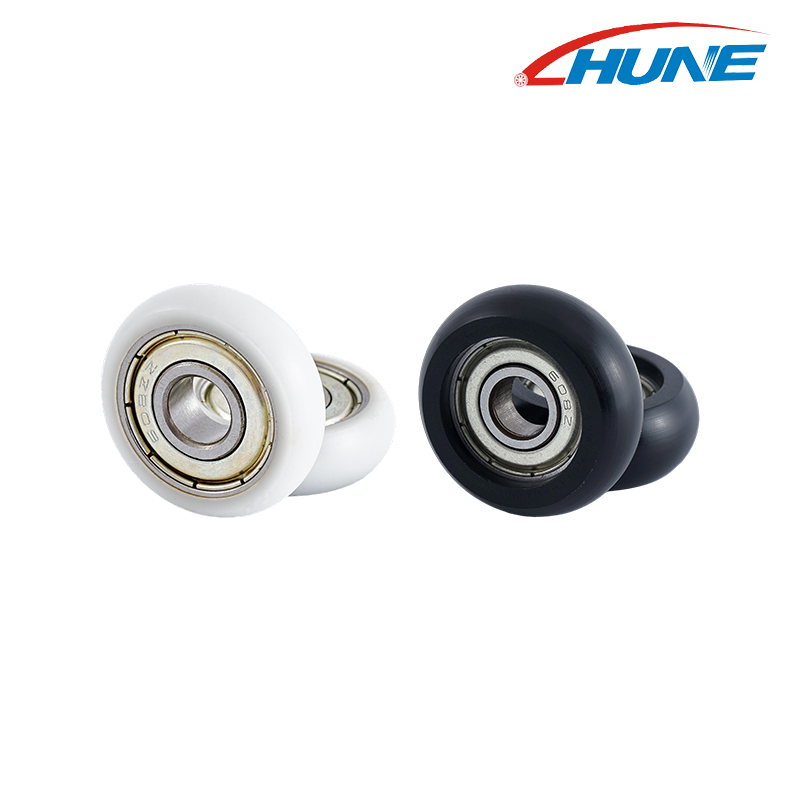
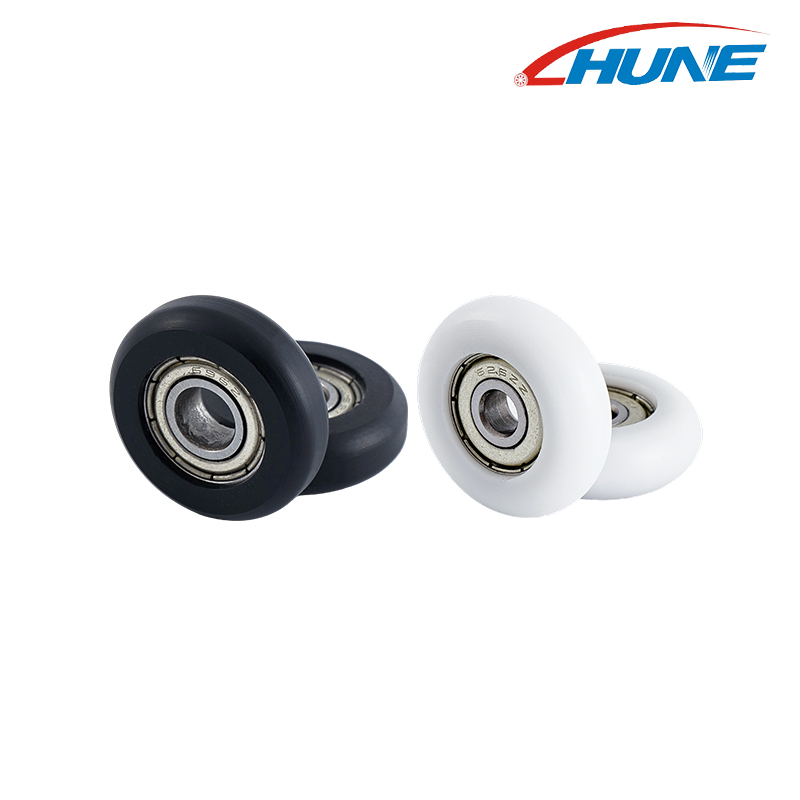
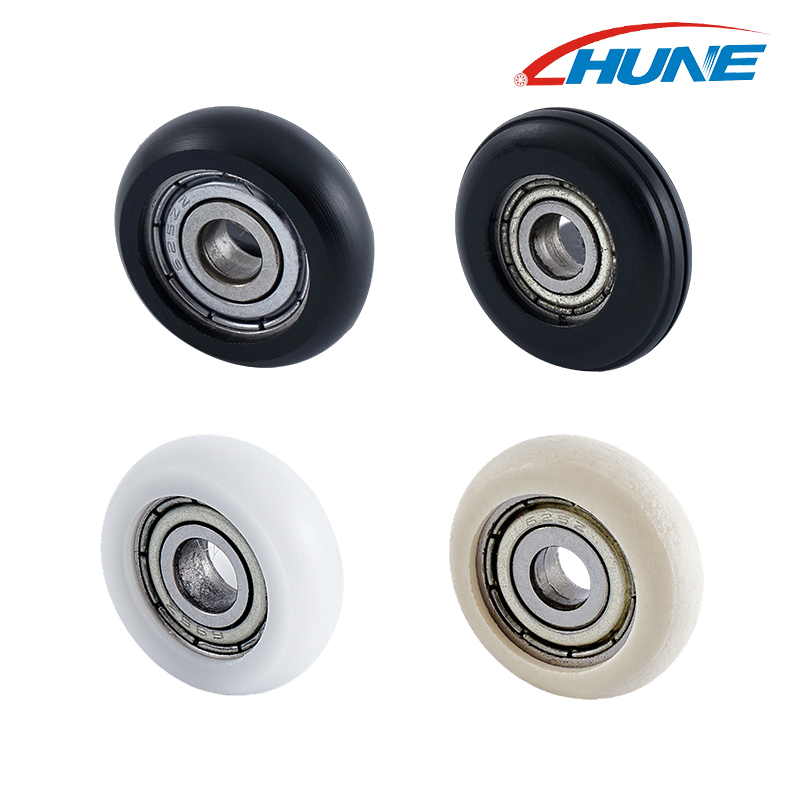
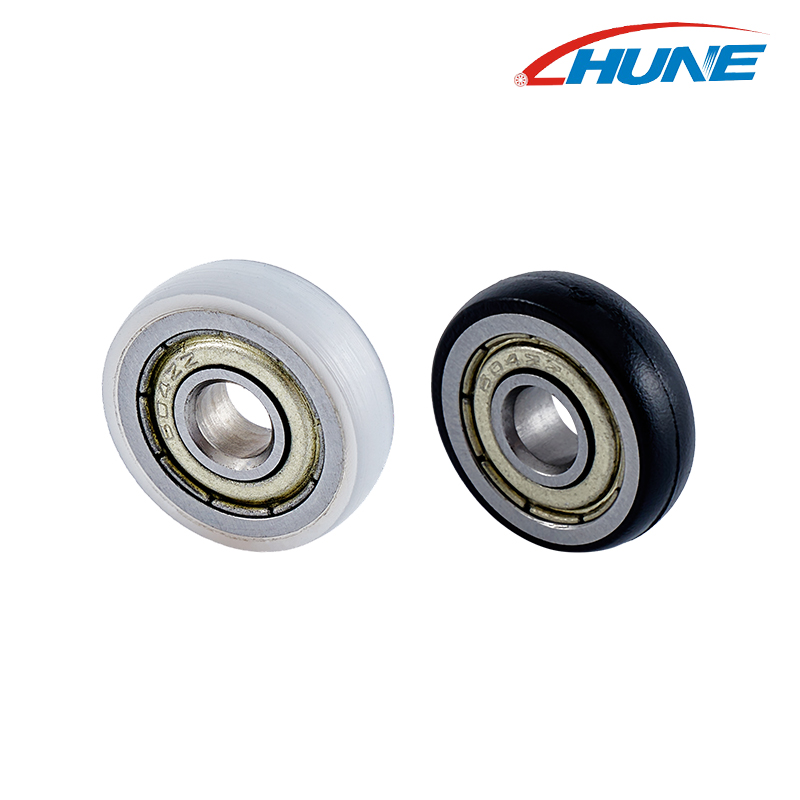
A wheel bearing sits between the axle and the wheel hub. Its job is simple on paper: let the wheel spin freely around the axle while still carrying the weight of the wagon and whatever's loaded into it. Without that bearing, you'd have metal grinding against metal every time the wheel turns, which means friction, heat, and eventually a wheel that doesn't want to turn at all.
Folding wagons add a layer of complexity here that a plain fixed-frame cart doesn't have to deal with. Every fold and unfold shifts the wheel's position slightly, sometimes by just a few millimeters, and the bearing has to keep doing its job through that movement. If the bearing seat isn't right, or if the bearing itself is a poor match for the hub, that small shift can turn into a wobble that gets worse the more the wagon is folded and unfolded.
Bearings and Folding Hinges Are More Connected Than People Assume
This part tends to catch people off guard. A wobbly wheel doesn't just annoy you when you're pulling the wagon; it can put uneven stress on the hinges where the frame folds. The wobble travels upward through the axle, and over enough folding cycles, one side of the frame might start folding at a slightly different angle than the other, or the whole mechanism might start feeling stiffer than it used to.
So bearings aren't just a wheel issue tucked away at the bottom of the wagon. They're tied into how the entire folding system behaves, which is why paying attention to them during assembly saves headaches later.
Bearing Styles and What They Mean for Assembly
There isn't one bearing type that fits every wagon or every situation. What works well for a wagon that mostly sees pavement and light grocery runs isn't necessarily what you'd want for a wagon headed to a sandy beach or a muddy campsite.
Here's a rough breakdown of common styles and what they bring to the table:
Ball bearings are common because they roll with relatively low friction and hold up well under regular use. During assembly, they usually benefit from a light coat of grease before the wheel gets seated, rather than waiting for lubrication to work its way in on its own.
Sleeve or bushing-style bearings are simpler in construction. They tend to have a bit more resistance when rolling compared to ball bearings, but they're straightforward to install, which makes them a reasonable fit for wagons that don't see heavy daily use.
Sealed bearings are built to keep dust, sand, and light moisture from getting into the rotating parts. They're a common choice for wagons used outdoors on dirt trails or near water. The tradeoff is that once sealed, they generally can't be opened up for cleaning later, so getting the fit and orientation right during assembly matters more than usual.
None of these options is inherently better across the board. It really comes down to where the wagon will spend most of its time.
Where Bearings Come Into Play During Assembly
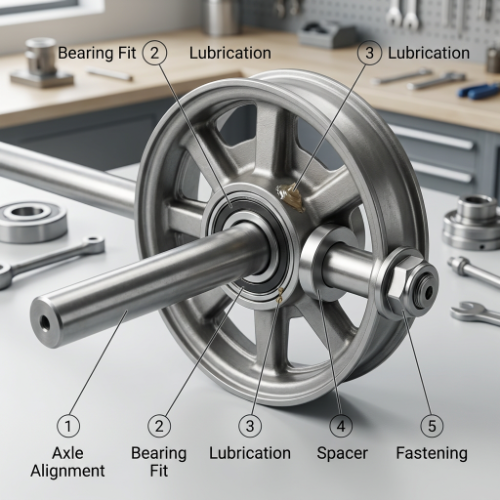
If you've ever put together a folding wagon, or watched someone else do it, you'll notice the bearing shows up at a few key moments, not just once.
First, there's axle alignment. The axle needs to pass through the bearing at a true angle. Even a slight tilt when you're sliding it in can throw off how evenly the wheel spins later, and it's not always obvious until the wagon is fully assembled and rolling.
Then there's the housing fit. The bearing's outer edge should slide into the wheel hub without much force. If you find yourself tapping it in with a mallet, that's usually a sign something doesn't match up size-wise, and forcing it rarely ends well.
Lubrication timing matters too, more than people expect. Applying grease before the bearing goes into place gives the wheel a smoother feel right from the start, instead of relying on the lubricant to work itself in after a few uses.
Spacers come into the picture next. They keep the bearing from shifting side to side inside the hub, which becomes especially important once folding and unfolding starts happening over and over.
Finally, there's fastening pressure. Axle nuts or bolts need enough tension to hold the wheel steady, but not so much that they squeeze the bearing and restrict how freely it can rotate. It's a balance, and it's easy to overtighten if you're not paying close attention.
Mistakes That Show Up Again and Again
A handful of issues seem to repeat themselves across different folding wagon assemblies, regardless of brand or design. Watching for these during assembly, rather than after the wagon is already loaded up, tends to save a lot of frustration:
- Forcing a bearing into a hub that clearly resists it
- Skipping grease because the bearing looks fine without it at first glance
- Mixing bearing sizes between wheels on the same wagon without realizing it
- Installing a sealed bearing facing the wrong direction
- Folding the frame before the wheels have fully settled into their housings
None of these are complicated fixes. Most just require slowing down for a minute during assembly instead of rushing to get the wagon out the door.
Keeping Bearings in Good Shape After Assembly
Putting the wagon together correctly is only half the story. What happens afterward, how it's used and stored, has a real effect on how long those bearings keep working the way they should.
A little routine attention goes a long way here. Wiping down the wheels after pulling the wagon through dirt, sand, or wet grass helps keep debris from working its way into the bearing over time. Storing the wagon somewhere dry, rather than leaving it out in the rain or in a damp garage corner, matters more than people tend to think. Every so often, it's worth checking for side-to-side wobble in the wheels, since that's often one of the first signs a bearing needs attention. And since bearings and folding joints tend to influence each other, giving the hinges a quick look at the same time as the wheels isn't a bad habit either.
None of this requires special tools or a lot of time. It's more about checking in every few outings rather than running a deep maintenance routine on a schedule.
Matching Bearings to How the Wagon Actually Gets Used
The right bearing setup often has less to do with the wagon itself and more to do with the person pulling it, and where they're pulling it. Someone hauling groceries across a smooth driveway a couple times a week has different needs than someone dragging camping gear over roots and gravel every weekend.
A rough way to think it through:
| Typical Use | What Tends to Work Well |
|---|---|
| Frequent use on paved or flat ground | Bearings that keep rolling resistance low over regular use |
| Occasional use or lighter loads | Simpler bearing styles that keep costs reasonable |
| Outdoor use around dirt, sand, or moisture | Bearings built to resist contamination getting into the rotation |
There's no single answer that fits everyone, which is part of the reason folding wagons come in so many different wheel and bearing configurations in the first place.
A Few Questions People Often Ask
Do all folding wagon wheels use the same bearing type?
Not usually. Bearing choice tends to depend on how the wagon will be used, how much weight it typically carries, and what kind of surfaces it rolls over most often.
Can a bearing issue really affect how the wagon folds?
It can. A bearing sitting unevenly often creates wheel wobble, and that wobble tends to put uneven stress on the folding joints nearby over time.
How often should someone check their wagon's bearings?
A quick glance every few outings is usually enough, with a closer look after heavy exposure to dirt, sand, or water.
Is it normal for bearings to wear out eventually?
Yes, that's expected. Bearings are wear parts, and how quickly they wear down depends a lot on load, surface conditions, and how consistently they're maintained.
Wheel bearings are a small part of a folding wagon in terms of size, but their influence on assembly, rolling feel, and long-term reliability isn't small at all. Getting the fit right during assembly, watching out for a few common mistakes, and keeping up with some light maintenance afterward all add up to a wagon that keeps rolling and folding the way it's supposed to, trip after trip.
So next time you're assembling a folding wagon, or trying to figure out why an older one feels a bit off, it's worth taking a moment to think about what's happening inside those wheels. It's a small detail, but it's one that ends up mattering more than most people expect.