

 English
 Español
 日本語
日本語A folding outdoor cart may look simple when viewed as a finished product. Underneath that simple appearance, however, several moving parts have to work together. The frame opens and closes, certain sections move relative to one another, and some components need to rotate while staying properly positioned.
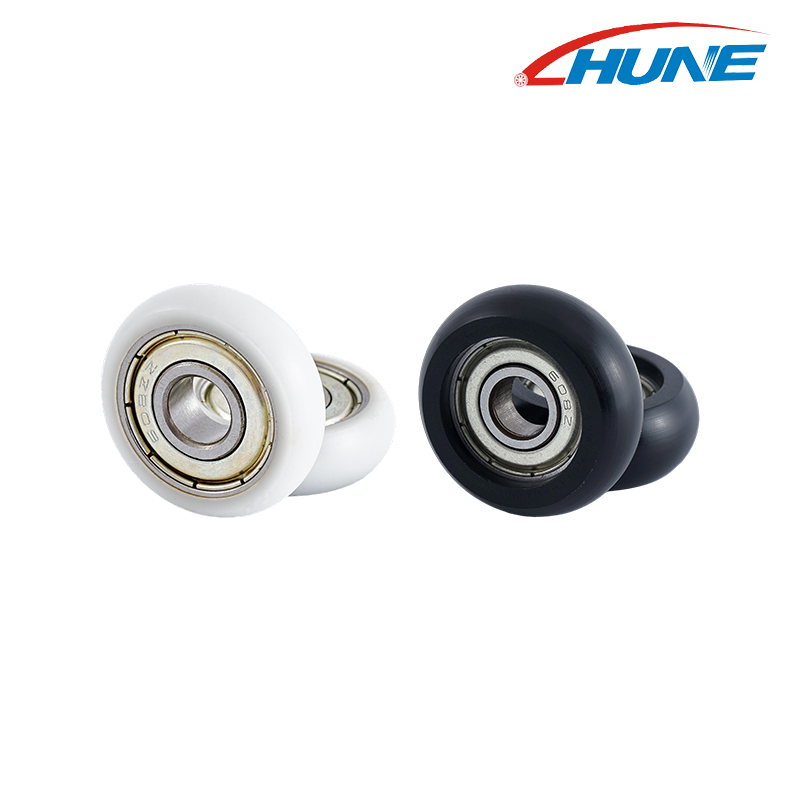
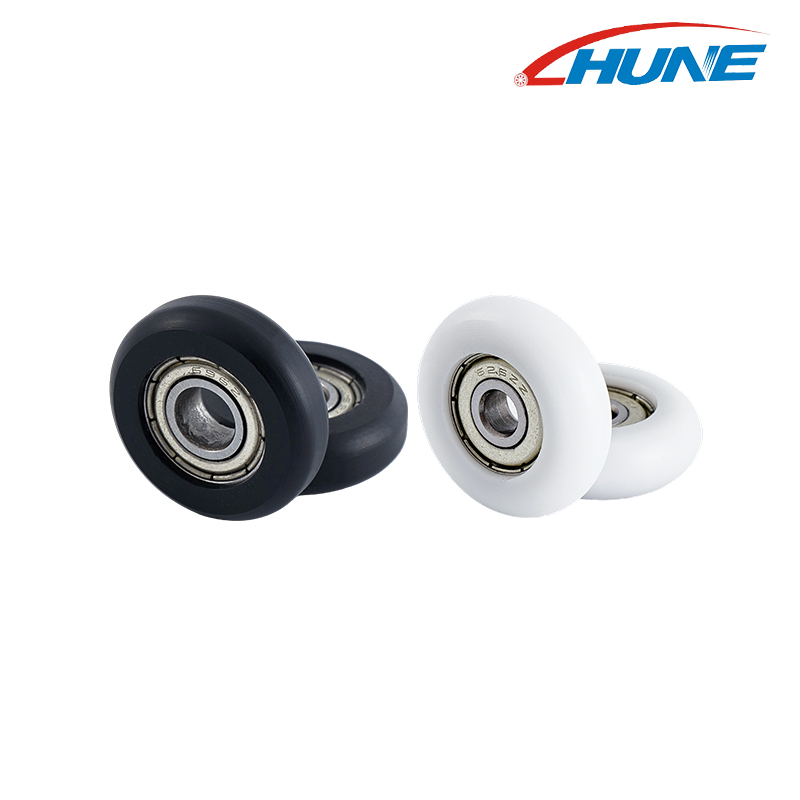
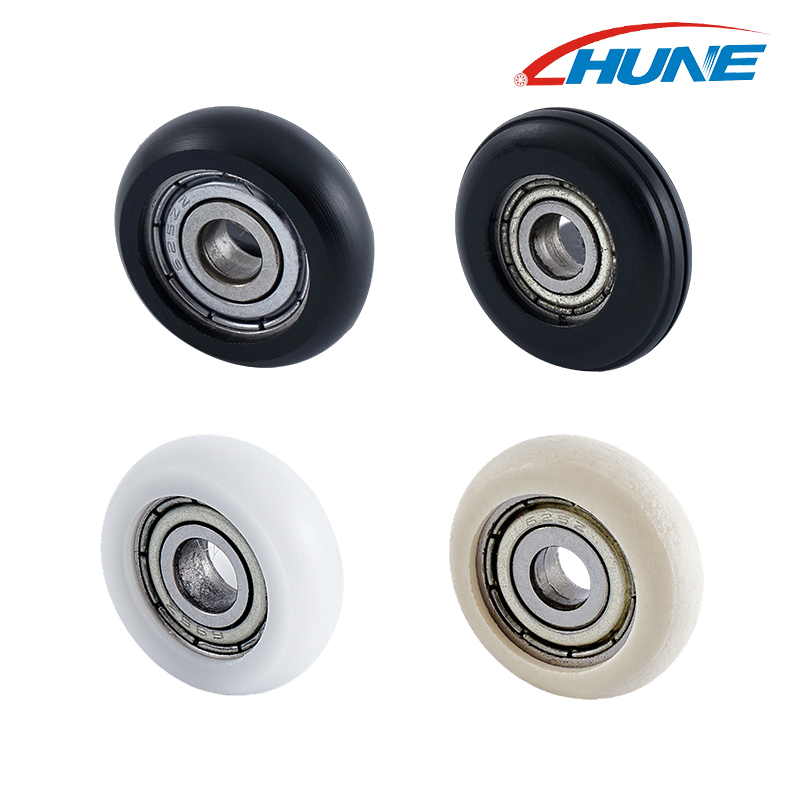
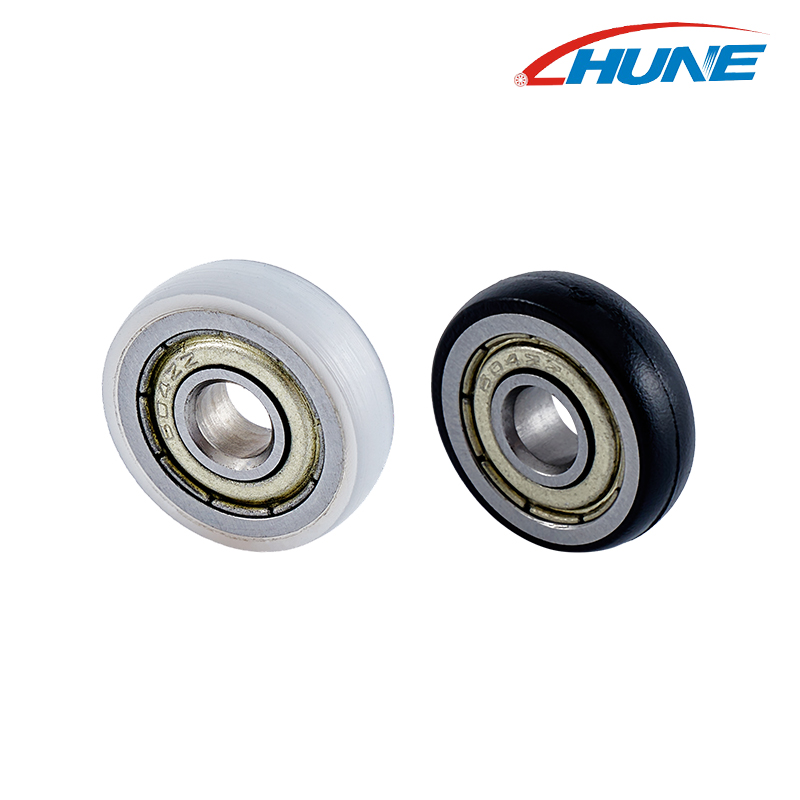
Rollers can play an important role in these mechanisms. Depending on the design, they may support movement, guide a moving section, or work together with a bearing and shaft as part of a compact rotating assembly.
This makes roller design a mechanical consideration rather than simply a question of choosing a wheel. The surrounding frame, bearing arrangement, mounting method, contact surface, and folding path all have a direct relationship with how the roller works.
For manufacturers developing folding outdoor equipment, understanding this relationship can make component development easier and help avoid problems during assembly and testing.
Where Are Rollers Used in Folding Mechanisms?
The exact position of a roller depends on the structure of the product.
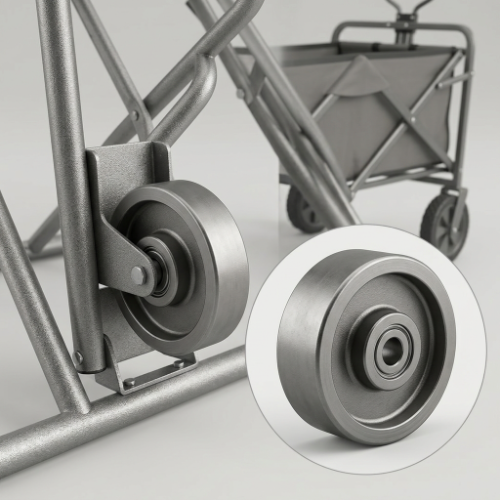
In a folding outdoor cart, a roller may be incorporated into a moving support point, guide structure, or rotating assembly. It can be connected to a shaft and bearing, installed inside a bracket, or positioned against another component that needs controlled movement.
A basic roller assembly may involve:
- Roller body
- Bearing
- Shaft or axle
- Mounting bracket
- Moving frame
- Contact or guide surface
Each part has its own function, but the parts need to work together.
For example, the roller body determines how it contacts the mating surface. The bearing supports rotation. The shaft keeps the rotating component in position, while the bracket connects the assembly to the larger mechanism.
Changing one part can affect the others.
That is why a roller should not be evaluated only by looking at its outside shape.
What Does a Roller Do Inside the Mechanism?
There is no single role for every roller.
Its function depends on where it is installed and what kind of movement the mechanism requires.
Supporting Movement
A roller can provide rolling contact between two parts that need to move relative to each other.
Compared with direct sliding contact, rolling contact can change the way resistance is handled within the assembly. This can be useful when a movement is repeated regularly.
Guiding a Moving Section
A roller can also help keep a moving component within its intended path.
This type of arrangement can be found where a frame section, support part, or other structural element needs to move while remaining aligned with a guide surface.
Maintaining Controlled Contact
In some mechanisms, the roller keeps two components in controlled contact as the structure changes position.
The shape of the roller and its mounting position then become important. If either is unsuitable, the contact may become uneven during movement.
Working as Part of a Rotating Assembly
When combined with a bearing and shaft, a roller becomes part of a complete rotating assembly.
The outer roller is visible, but the internal bearing arrangement is equally important to how the component performs.
Why Does the Bearing Matter?
A roller and bearing are often closely connected.
The roller provides the outer rotating structure, while the bearing allows controlled rotation around the shaft or axle. The fit between these parts needs to match the available installation space and the movement of the mechanism.
Several factors may need to be reviewed:
- Bearing position
- Shaft arrangement
- Available space
- Roller structure
- Mounting method
- Expected movement
- Operating environment
This is particularly important in compact folding mechanisms.
There may be very little room around the roller assembly, so the bearing cannot simply be selected after everything else has already been designed.
A more practical approach is to consider the roller and bearing together during the early development stage.
How Does the Roller Profile Affect Movement?
The outside shape of a roller determines how it interacts with the surface around it.
A roller with a relatively flat contact area behaves differently from one designed with a groove, edge, or other shaped profile.
The profile may influence:
- Contact position
- Guidance
- Stability
- Movement direction
- Surface interaction
- Available clearance
For a folding mechanism, the correct profile depends on what the roller is actually doing.
If it is supporting a moving section, its contact surface needs to match that movement. If it is following a guide, the profile may need to work with the guide structure.
This is why simply replacing one roller with another that looks similar can sometimes create unexpected problems.
What Happens to the Roller When the Frame Folds?
The folding action is an important part of the design.
When the cart is open, the roller may have plenty of space around it. As the frame begins to fold, the position of the roller changes relative to nearby components.
It may move closer to:
- Frame tubes
- Hinges
- Brackets
- Shafts
- Support arms
- Other moving components
The roller therefore needs enough clearance throughout the complete movement.
Checking only the open position is not enough.
A component that fits correctly during normal operation may touch another part when the frame is partially folded. In some cases, even a small amount of interference can affect the folding action.
For this reason, the roller should be checked while the mechanism moves through its full operating path.
Does the Outdoor Environment Matter?
Yes, especially when the roller is exposed to the surrounding environment.
Outdoor equipment may encounter dust, dirt, moisture, grass, loose particles, and changing weather conditions. The actual level of exposure depends on how and where the cart is used.
The roller assembly may therefore need to be considered in relation to:
- Moisture
- Dust and dirt
- Surface contamination
- Cleaning
- Storage conditions
- Frequency of movement
A roller used in a relatively clean environment may have different requirements from one exposed to garden paths or other outdoor surfaces on a regular basis.
The same applies to the bearing arrangement.
When the roller and bearing are treated as a complete assembly, environmental conditions can be considered earlier in the design process.
How Does the Mounting Method Affect the Roller?
A roller needs a stable connection with the surrounding structure.
The mounting method determines where the roller sits, how it rotates, and how forces are transferred into the frame.
A narrow bracket may restrict the available space. A particular shaft position may require a certain bearing arrangement. A folding joint may also limit how the roller can be installed.
This means manufacturers should review the mounting structure before deciding on a standard component.
Useful information may include:
- Mounting location
- Bracket structure
- Shaft position
- Available clearance
- Contact surface
- Direction of movement
- Folding path
These details can help determine whether an existing roller will fit the mechanism or whether a modified design should be considered.
Why Should the Roller and Frame Be Developed Together?
It is tempting to select a roller first and work on the surrounding structure afterward.
That approach can become difficult when the mechanism is compact.
A change to the frame may alter the roller's available space. Moving the bracket may affect the shaft position. Changing the folding angle may bring the roller closer to another component.
The relationship works in both directions.
A roller can influence the frame design, while the frame can place limitations on the roller.
For OEM development, it is often more practical to consider these components together from the beginning.
This is especially useful when the product has an unusual folding structure or limited installation space.
When Is a Custom Roller Worth Considering?
A standard roller may be suitable when its profile, bearing arrangement, and mounting structure already match the application.
But some mechanisms do not offer that flexibility.
A customized roller may be considered when the manufacturer needs to work around:
- Limited installation space
- An unusual mounting structure
- A specific shaft arrangement
- A particular contact profile
- Existing bearing requirements
- Folding clearance
- A non-standard guide structure
Customization does not always mean redesigning the entire component.
Depending on the application, the development may focus on the roller body, mounting section, bearing arrangement, or another part of the assembly.
The important point is that the component is developed around the actual mechanical requirement.
What Information Should Be Provided for Custom Development?
A clear description of the application can make communication much easier.
Manufacturers can provide:
Product Drawings
Drawings help show the available installation area and relationship between the roller and surrounding components.
Existing Samples
If a roller is already being used, sending a sample can make it easier to understand its structure and installation method.
Photos
Photos of the complete mechanism can show details that may not be obvious from a basic drawing.
Movement Information
The supplier should understand how the roller moves during normal operation and folding.
Bearing Requirements
If a particular bearing arrangement already exists, this should be included in the discussion.
Environmental Conditions
Information about outdoor exposure, dust, moisture, and general working conditions can also help guide the component design.
The more complete the information, the less guesswork is required during development.
Why Is Sample Testing Important?
A roller may look suitable on a drawing but behave differently once installed.
The actual assembly introduces factors that are difficult to judge from the component alone.
The roller interacts with:
- Bearing
- Shaft
- Bracket
- Frame
- Guide surface
- Other moving parts
The folding mechanism adds another variable because the relative position of these parts changes during operation.
Sample testing can help identify issues such as:
- Insufficient clearance
- Unexpected contact
- Poor alignment
- Uneven movement
- Excessive resistance
- Incompatible mounting
Testing the actual assembly gives manufacturers an opportunity to make adjustments before moving into larger production.
What Should Be Checked During Testing?
The test should go beyond simply checking whether the roller rotates.
A practical review can include several stages.
Check the Normal Position
Make sure the roller is properly seated and aligned when the cart is open.
Check the Folding Movement
Move the frame through its complete folding path and watch for interference.
Check the Mounting Area
Look for movement between the roller, shaft, bearing, and bracket.
Check Different Surfaces
If the product is intended for outdoor use, testing on representative surfaces can provide more useful information than testing only on a smooth workshop floor.
Check Repeated Movement
Repeated opening, closing, and movement can reveal issues that may not appear during a short initial test.
The purpose of testing is not only to confirm that the roller works. It is to confirm that the complete assembly works as intended.
Can a Roller Be Customized Around an Existing Bearing?
In some applications, the existing bearing arrangement may already be determined by the product design.
That can place specific requirements on the roller body.
Instead of changing the entire assembly, the roller can potentially be developed around the existing bearing and mounting structure, depending on the mechanical requirements.
This type of approach can be useful when a manufacturer already has an established frame or shaft design but needs a roller with a different external profile or installation arrangement.
The feasibility depends on the actual structure, so drawings or samples are useful during the initial discussion.
What Makes Non-Standard Roller Development Different?
A standard component is generally designed around common applications.
A non-standard component starts from the requirements of a particular mechanism.
That may involve more communication during development because the manufacturer needs to understand:
- How the component is installed
- What it contacts
- How it moves
- What space is available
- What bearing arrangement is required
- What environmental conditions are involved
The development process may include drawing review, sample production, testing, and adjustments before the final component is confirmed.
For manufacturers with an unusual folding structure, this can provide more flexibility than trying to adapt the entire product around an existing component.
How Can Manufacturers Simplify Roller Development?
A few simple steps can make the process more efficient.
Start with the mechanism.
Do not begin with the question of which roller is available. First identify what the roller needs to do.
Then review the installation area, movement path, bearing arrangement, and environmental conditions.
After that, determine whether a standard component is suitable.
If it is not, the information already collected can be used as the foundation for a custom design.
A practical development sequence is:
- Define the roller's function.
- Review the complete mechanism.
- Check the mounting area.
- Identify the bearing and shaft arrangement.
- Review the folding movement.
- Consider the working environment.
- Evaluate a standard component.
- Develop a customized design if required.
- Test the complete assembly.
- Confirm the final structure before production.
This keeps the development process focused on the actual application.
Working With a Bearing and Roller Manufacturer
For manufacturers developing folding outdoor equipment, component development can involve more than selecting an existing part from a catalogue.
Zhejiang Huaneng Micro Bearing Co., Ltd. (HUNE) specializes in miniature and medium-sized bearings, non-standard bearings, pulley systems, and customized bearing and roller-related components for different mechanical applications.
For a folding mechanism, the development discussion can focus on the relationship between the roller, bearing, shaft, mounting structure, and surrounding frame. Drawings, samples, and application information can help establish what the component needs to achieve before a design is finalized.
This approach is particularly relevant when the mechanism has limited space or does not match a conventional component arrangement.
A Practical Checklist for Folding Mechanisms
Before approving a roller assembly, manufacturers can review the following:
- What is the roller's actual function?
- What surface or component does it contact?
- How does it move during operation?
- How does its position change when the frame folds?
- Is there enough clearance throughout the movement?
- Does the bearing fit the intended assembly?
- Is the shaft arrangement suitable?
- Does the mounting structure provide adequate support?
- Will the roller encounter outdoor dust or moisture?
- Has the complete assembly been tested?
- Would a customized component make the mechanism easier to develop?
These questions keep attention on the complete mechanical system instead of one isolated component.
Rollers may be small compared with the frame of a folding outdoor cart, but their function can be closely connected to the movement of the entire mechanism.
The roller profile determines how it contacts a surface. The bearing supports rotation. The shaft and bracket hold the assembly in position. The frame controls how the component moves, particularly when the cart is folded.
Outdoor conditions add another consideration.
For manufacturers, the useful starting point is therefore the mechanism itself. Once the movement, mounting structure, bearing arrangement, clearance, and working environment are understood, it becomes much easier to decide whether a standard roller is suitable or whether a custom component should be developed.
In applications where space is limited or the folding structure is unusual, working with a manufacturer that can develop roller and bearing components around the actual mechanism can make the design process more flexible and easier to test.