

 English
 Español
 日本語
日本語A folding canopy can have a fairly simple appearance, but the mechanism behind it is not always so simple. Frames have to fold along a planned path, rollers need to stay in position, and the guide system has to cope with repeated movement. When one small component is slightly out of place, the problem can show up as rubbing, noise, uneven travel, or a canopy that feels harder to operate.
The roller is often one of those overlooked parts.
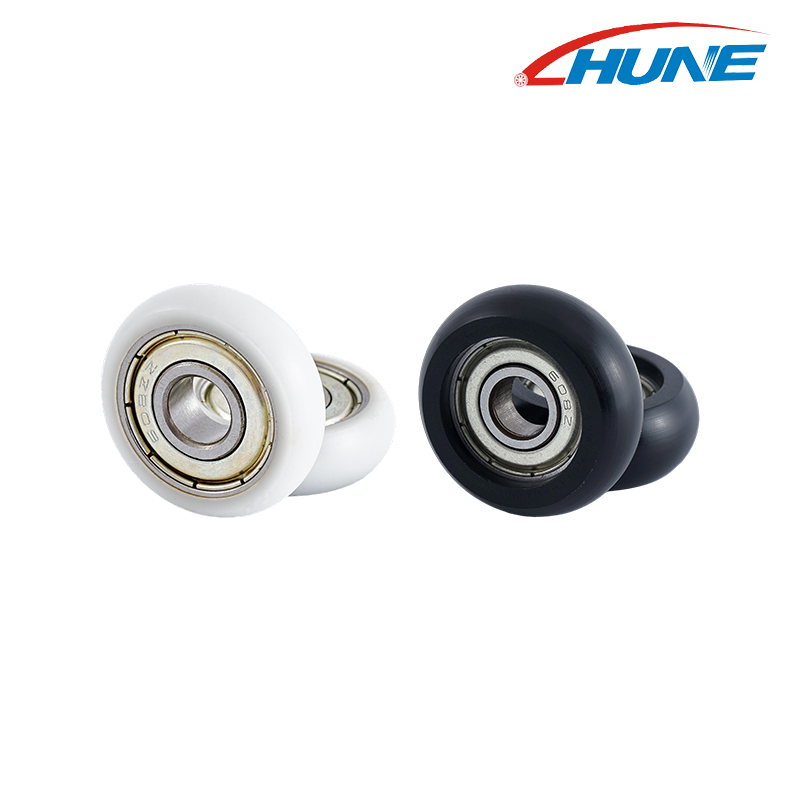
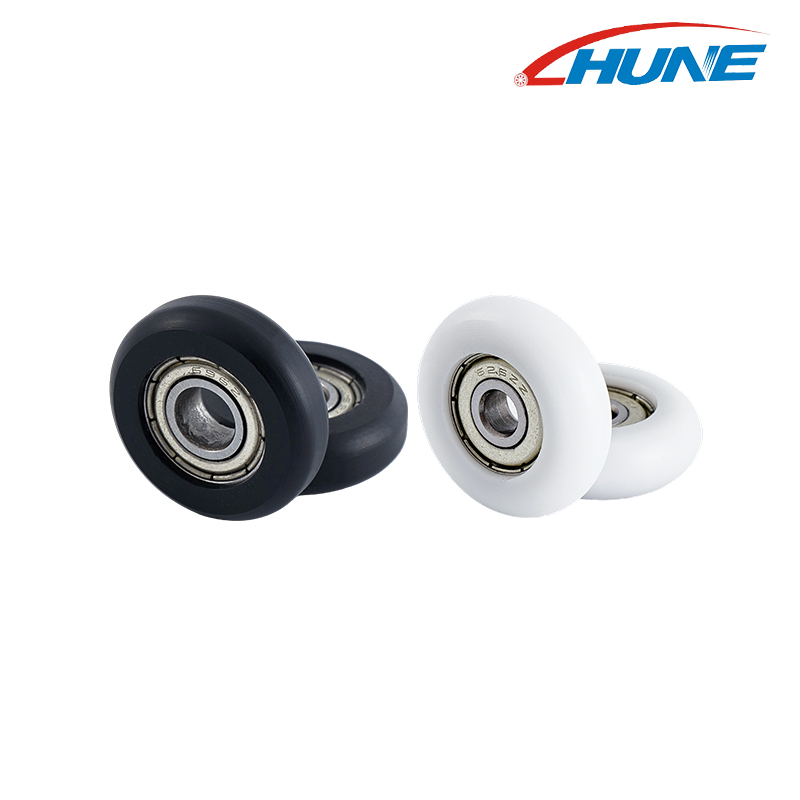
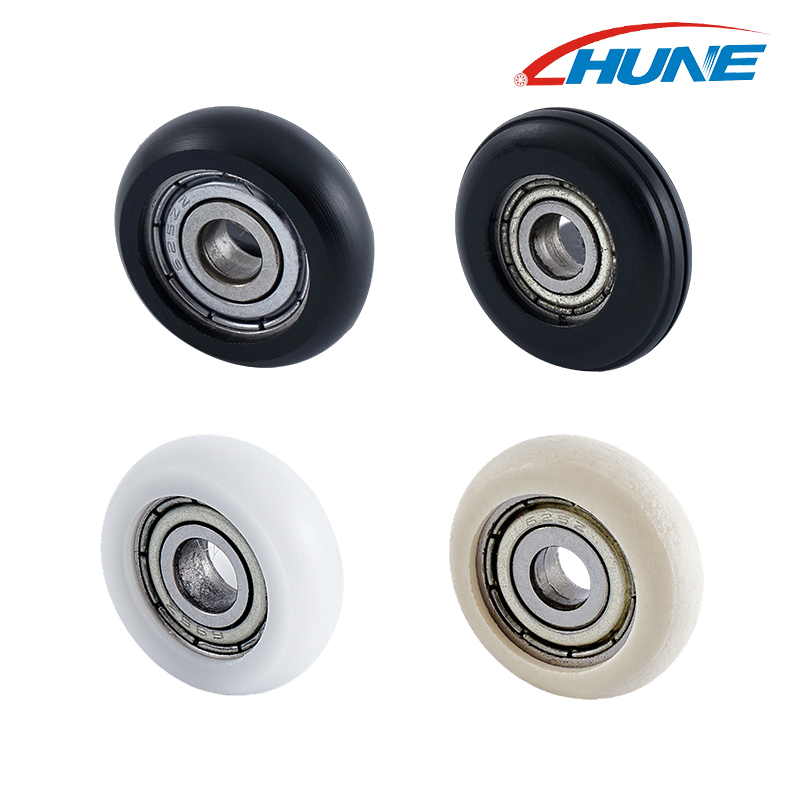
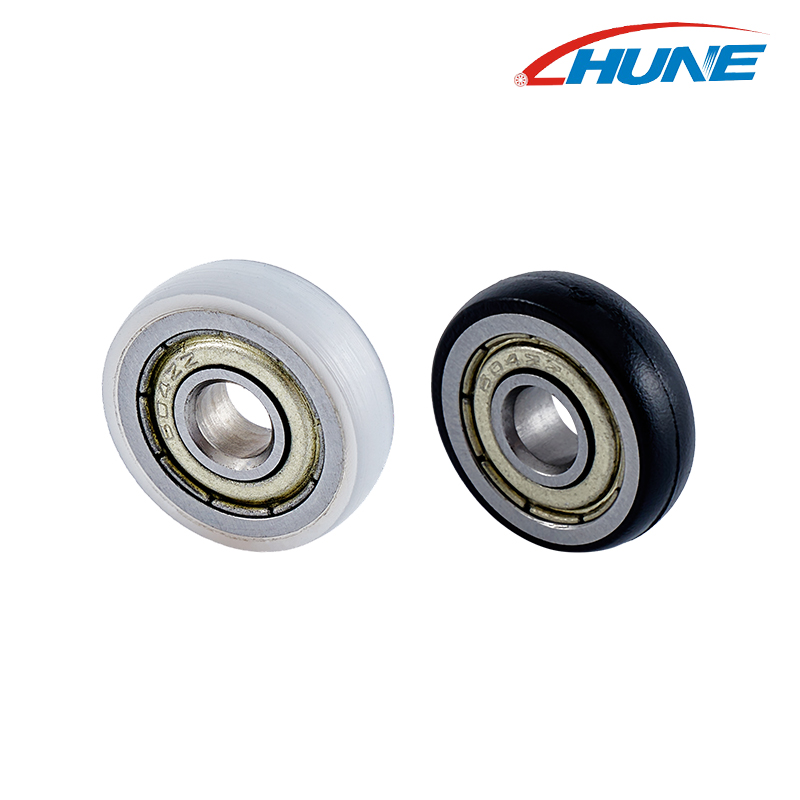
For some folding canopy designs, an off-the-shelf roller works without much trouble. For others, finding a suitable component can be surprisingly difficult. The track may have an unusual profile, the available space may be limited, or the shaft and bearing arrangement may not match commonly available wheels.
That is where a custom roller can make sense.
Rather than adapting the entire mechanism to a standard wheel, the roller can be developed around the way the existing canopy is built.
Why Roller Fit Matters More Than It Seems
A roller does not work on its own. It sits inside a mechanical system and has direct contact with one or more other components.
Consider a folding frame moving along a guide. The wheel needs to follow the guide without excessive lateral movement. At the same time, the bearing needs to rotate properly around the shaft, while the mounting bracket keeps everything in the intended position.
A small mismatch in any of these areas can affect the movement.
For example, a wheel that is slightly too narrow may not sit properly against the running surface. A groove with the wrong shape may create uneven contact. A bearing positioned differently from the original design could also change how the wheel sits inside the bracket.
None of these problems necessarily look serious when the roller is sitting on a workbench.
They become much easier to notice once the canopy starts moving.
What Does a Folding Canopy Roller Actually Need to Match?
There is more to roller selection than finding the right wheel diameter.
The component needs to suit the parts around it. Depending on the design, manufacturers may need to consider:
- Wheel profile
- Running surface
- Groove shape
- Overall wheel width
- Bearing location
- Shaft connection
- Mounting method
- Material
- Side guidance
- Available installation space
A roller that works well in one canopy mechanism may not be suitable for another, even when the two wheels look almost identical.
This is one reason component drawings and samples are useful during product development.
The Profile of the Wheel
The wheel profile determines how the roller meets the guide or track.
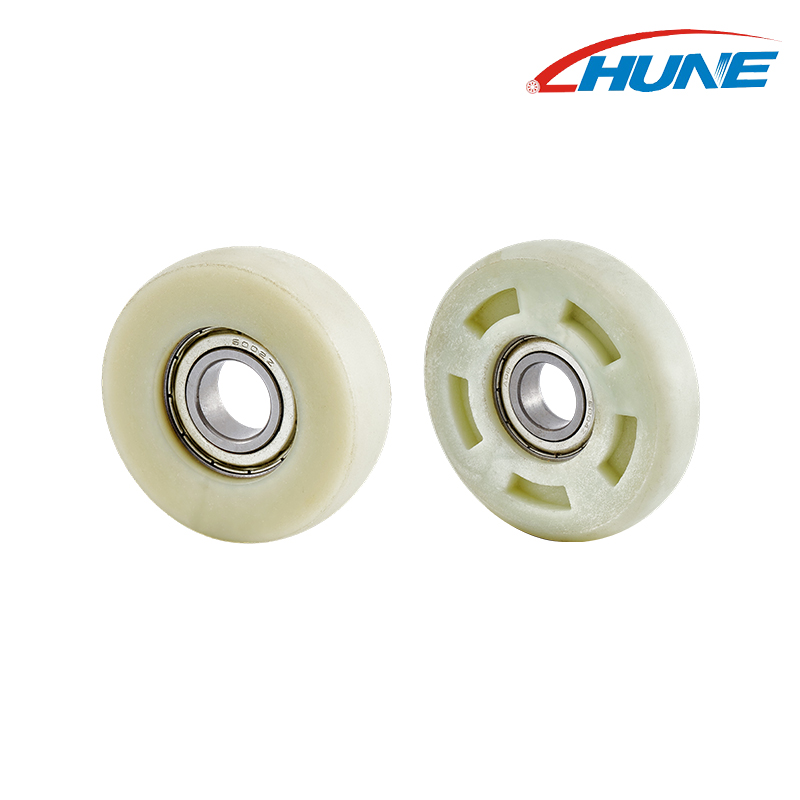
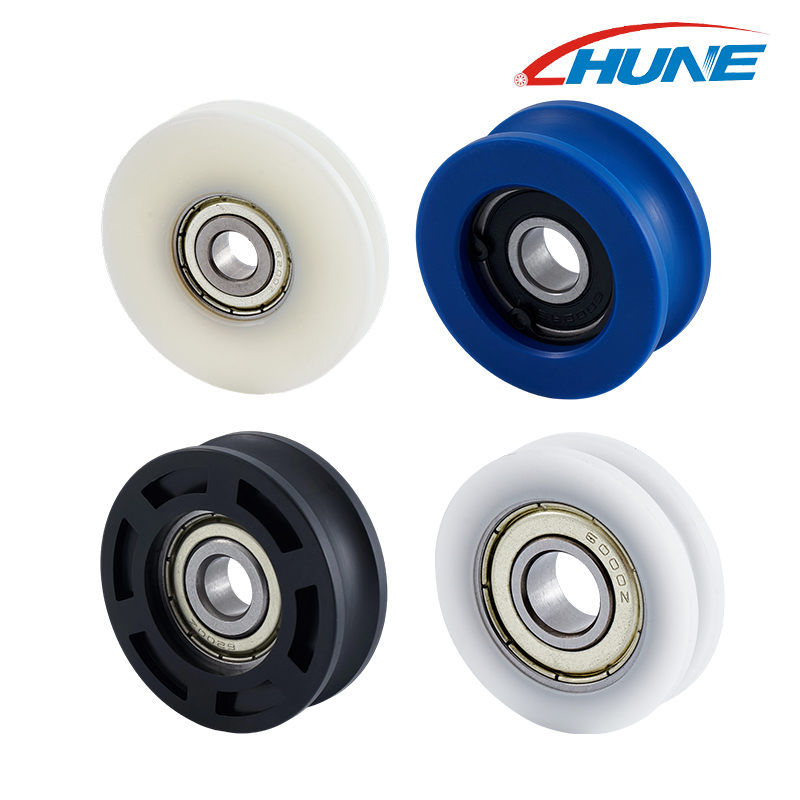
A flat running surface may call for a different wheel shape from a narrow guide or a grooved track. Some designs also use a flange to help control the position of the wheel as the frame moves.
The contact area matters because it affects how forces are transferred between the moving parts.
If the profile does not correspond well with the guide, the roller may run against an edge rather than across the intended surface. Over time, that can create unnecessary wear or make the movement less consistent.
How Can a Custom Roller Improve Compatibility?
The main advantage of customization is fairly straightforward: the roller can be developed according to the actual mechanism.
Suppose a canopy manufacturer has already designed the frame, guide rail, and mounting bracket. The structure works, but the available standard rollers do not have the right groove or mounting arrangement.
There are two obvious choices.
One is to redesign part of the mechanism so it accepts an existing wheel.
The other is to develop a roller that fits the mechanism already in place.
For an established product, the second approach can sometimes avoid unnecessary changes to surrounding components.
Customization can be considered when a project involves:
- An unusual track or guide
- Restricted space around the wheel
- A special shaft connection
- A particular wheel profile
- An older component that needs replacement
- A newly developed folding mechanism
- A combined wheel and bearing arrangement
- A material requirement related to the working environment
Of course, customization is not automatically necessary. If a standard component already fits the application, there may be little reason to redesign it.
The Bearing Should Not Be Treated as an Afterthought
When people talk about rollers, attention often goes straight to the wheel.
The bearing can be just as relevant.
Inside the roller, the bearing controls how the wheel rotates around its mounting point. Its position, fit, and relationship with the shaft all influence the way the finished component behaves.
For a folding canopy, the designer may need to consider whether the bearing sits centrally or in another position, how the shaft enters the wheel, and how the bracket holds the assembly.
A mismatch here can create an issue even when the wheel itself has the correct outer shape.
For that reason, wheel design and bearing selection are better considered together rather than as two separate purchasing decisions.
Can Material Make a Difference?
It can.
Folding canopy rollers may be exposed to outdoor conditions, depending on where the canopy is installed. Moisture, dust, sunlight, temperature changes, and repeated operation can all affect the working environment.
The contact between the roller and guide also matters.
Different materials produce different combinations of surface behavior, noise, friction, and wear. Engineering plastics may be considered for some applications where reduced contact noise or corrosion resistance is useful. Metal components may be appropriate for other mechanical requirements.
There is no single material choice that suits every folding canopy.
The better starting point is the actual application.
Where does the wheel run? What does it touch? How often does it move? Is the assembly indoors or outdoors? Does the surrounding material create a particular contact condition?
Those questions usually tell the designer more than simply asking which material is "stronger."
What If the Original Roller Is No Longer Available?
This is a common reason for looking into custom components.
A folding canopy may have been in service for years, while the original roller is no longer readily available. The frame and track may still be usable, but replacing the entire mechanism just because of one small wheel would be inconvenient.
A replacement roller can be developed from the existing component.
An original sample can reveal useful details that may not appear in a basic product description. The supplier can examine the wheel shape, bearing arrangement, mounting point, and contact surfaces.
If the original part is damaged, photographs and measurements can provide additional information.
A track sample is even more useful when available because it shows how the roller and guide are meant to work together.
Why Do Samples Help During Roller Development?
Numbers tell part of the story.
The physical relationship between two components often tells another part.
For example, a drawing may show the basic dimensions of a wheel, but a sample can show where the wheel actually contacts the guide. It may also reveal wear marks, bearing placement, or a mounting detail that was not obvious from the initial description.
A practical development process can therefore start with whatever information the manufacturer already has.
Start With the Existing Mechanism
First, identify where the roller is used and what movement it supports.
Look at the Contact Points
The track, shaft, bracket, and wheel should be considered together.
Define the Roller
The required profile, bearing arrangement, material, and mounting structure can then be discussed.
Test a Sample
A sample gives the manufacturer an opportunity to check the component inside the intended assembly.
Make Adjustments
If the wheel does not sit correctly or the movement creates unwanted contact, the design can be revised before production.
This type of development is often more useful than choosing a standard wheel from a catalog and hoping that it will fit.
Does Customization Mean Redesigning the Canopy?
No.
In some cases, the purpose of a custom roller is precisely to avoid unnecessary changes elsewhere.
Imagine that the canopy frame has already been produced and the guide track has a fixed shape. The only problem is that commonly available rollers do not match the track.
Changing the frame could affect several other components. Changing the track might require new tooling or structural adjustments.
A roller designed around the existing interface may provide another option.
That said, the whole mechanism should still be inspected when there is a movement problem.
If the track is bent or poorly aligned, a new roller will not magically straighten it. If the mounting bracket is loose, changing the wheel may only hide the real cause temporarily.
Good component development starts with understanding the actual problem.
What Should Be Checked During Installation?
Once the roller has been developed, installation still matters.
Even a well-matched component can behave poorly if it is installed incorrectly.
A few simple checks can help:
- Make sure the shaft is properly aligned.
- Check that the bearing rotates without unusual resistance.
- Confirm that the wheel sits correctly inside the guide.
- Inspect the running surface for dirt or visible damage.
- Check that the mounting hardware is secure.
- Move the canopy through its normal folding path.
- Watch for unusual side pressure or contact.
It is worth doing this check before the mechanism goes into regular use. Small installation problems are generally easier to address at this stage than after repeated operation.
When Is a Custom Roller Worth Considering?
There is no need to customize every roller.
A standard product can be perfectly suitable when the wheel profile, mounting method, bearing arrangement, material, and surrounding dimensions already match the mechanism.
Customization becomes more interesting when several parts of the existing design are difficult to match.
Here are some typical situations:
| Situation | Why Customization May Help |
|---|---|
| Unusual guide track | The wheel can be designed around the contact surface |
| Limited installation space | The roller construction can account for surrounding components |
| Special shaft arrangement | Bore and bearing placement can be developed accordingly |
| Older canopy system | A replacement can follow the original component |
| New product development | The wheel can be considered alongside the mechanism |
| Special wheel profile | The contact geometry can be developed for the guide |
| Outdoor installation | Material and construction can be reviewed for the environment |
The decision should come from the application rather than from the idea that customized components are always necessary.
How Should Manufacturers Prepare for a Custom Roller Project?
The more useful information a supplier receives at the beginning, the easier it is to understand the application.
Manufacturers can prepare:
- A drawing of the existing roller
- Photos of the installed component
- A physical roller sample
- A section of the guide or track
- Shaft and bracket information
- A sketch showing how the wheel moves
- Details about the operating environment
It is also helpful to explain what is currently wrong.
Is the wheel difficult to source? Does it move unevenly? Is the original component wearing quickly? Is a new canopy design being developed?
The answer can influence the direction of the component development.
A supplier is not simply choosing a wheel from a shelf in these situations. The objective is to understand the interface and develop a component that works within it.
How Does HUNE Approach Custom Roller Development?
HUNE works with rollers, pulleys, and bearing-related components for different mechanical applications. Its product range includes miniature and medium-sized bearings, non-standard bearings, and customized pulley and roller solutions.
For a folding canopy application, drawings, samples, photographs, and information about the surrounding mechanism can provide useful references during development.
This is particularly relevant when a manufacturer has an existing guide or frame but needs a roller with a specific profile, bearing arrangement, or mounting method.
The same development approach can also be considered during a new product project, where the roller needs to be designed alongside the rest of the folding mechanism.
So, can custom rollers improve the fit of folding canopy mechanisms?
They can, particularly when the relationship between a standard roller and the existing mechanism is not quite right.
The improvement does not come simply from making a roller "custom." It comes from paying attention to the details that connect the wheel to the rest of the assembly.
The guide shape, wheel profile, bearing position, shaft, mounting bracket, material, and available space all have a part to play.
For a new folding canopy, this can be considered during the design stage. For an older system, it can provide a way to develop a replacement without changing every surrounding component.
In practical terms, the process is fairly simple: understand the mechanism first, identify the points where the roller needs to fit, and then decide whether an existing component is suitable.
When the available standard wheel does not quite match the application, custom roller development gives manufacturers another path to explore. And sometimes, solving that one small interface is what makes the entire folding mechanism feel much more natural in operation.