

 English
 Español
 日本語
There's a moment on almost every production floor when someone notices a strange sound coming from somewhere along the conveyor line, and for a few seconds nobody quite knows where it's coming from. Once someone tracks it down, the cause may turn out to be a guide roller that has been quietly wearing down for weeks or months without getting much attention.
That's part of the nature of guide rollers. They do their job in the background, helping belts and materials stay on a steady path, and they often get noticed only when something changes.
Why a Small Roller Can Cause a Big Headache
It's easy to underestimate how much a guide roller does inside a moving system. A misaligned or worn roller can contribute to belt tracking problems, uneven friction, and additional stress on nearby components.
Think about what happens when a belt starts moving away from its intended position. At first, the change may seem minor. Over time, however, continued contact with surrounding parts can contribute to edge wear, material damage, or additional resistance within the system.
What began as a small issue around one roller can eventually involve several components.
This is one reason maintenance teams include guide rollers in routine inspections. A short inspection can help identify changes before they become part of a larger mechanical problem.
The Ripple Effect Nobody Talks About Enough
Mechanical systems are connected. When a roller develops resistance or loses alignment, the resulting change in movement can affect bearings, belts, shafts, mounting structures, and drive components.
A roller problem does not necessarily cause every downstream issue, but checking the surrounding components can help determine whether the roller is the actual source of the change.
What Guide Rollers Actually Do and Why Their Wear Pattern Matters
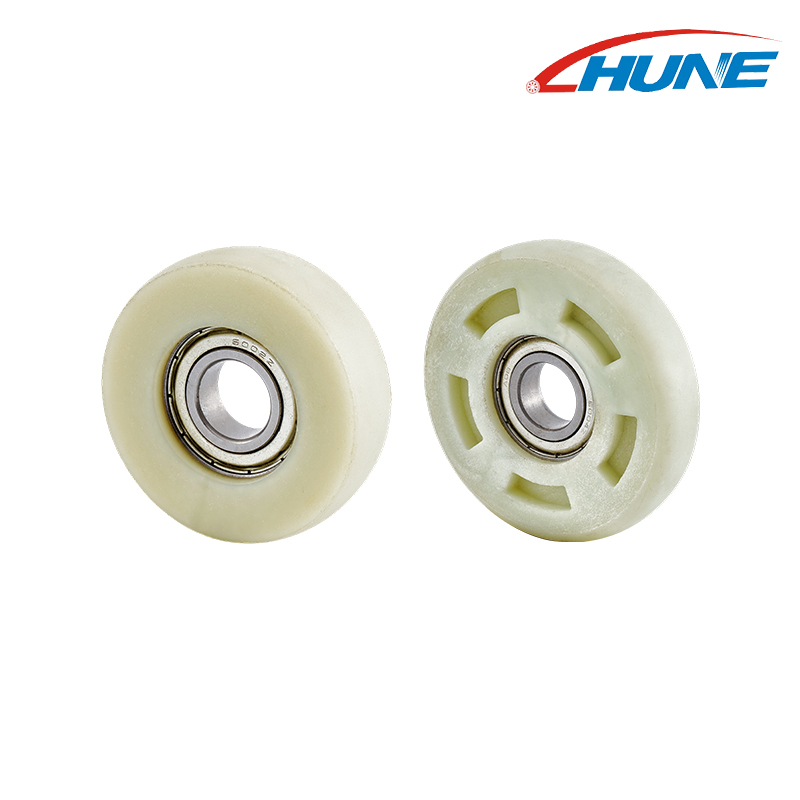
Guide rollers help belts, chains, or transported materials follow a consistent path. Depending on the machine design, they may also support part of the load, maintain alignment, or help control movement between different sections of equipment.
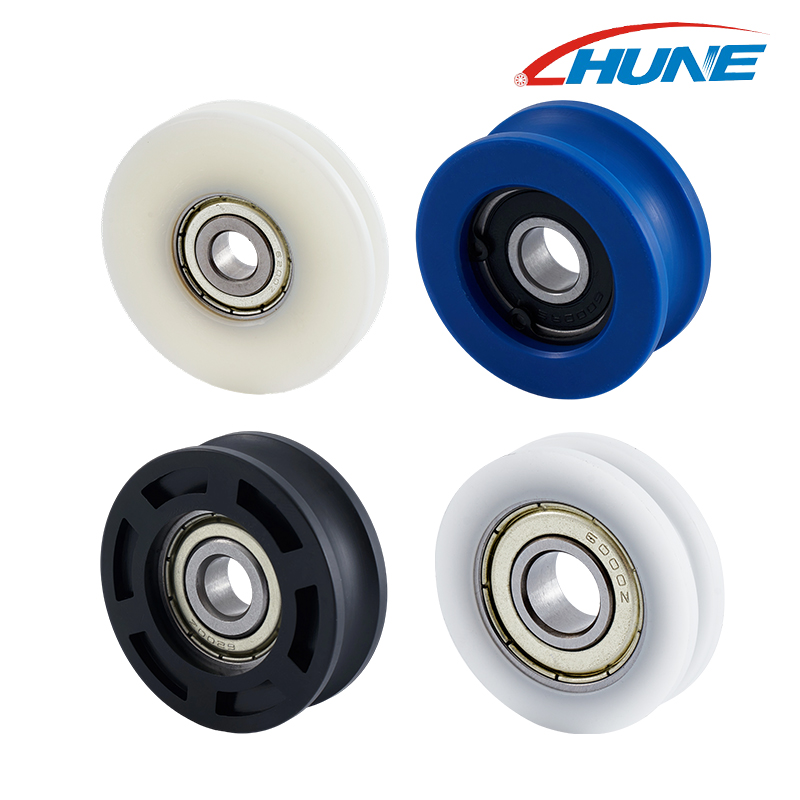
Guide rollers can be manufactured from materials such as steel, engineering plastics, rubber-coated materials, or other material combinations selected for specific working conditions.
A roller operating in a dusty production area faces different conditions from one installed in a clean indoor environment. Moisture, temperature changes, repeated movement, contact pressure, and contamination can all influence how wear develops.
Wear itself is not necessarily a sign of a problem. Any moving component can experience gradual surface changes during normal use. The important point is whether the wear remains within the expected condition of the component or begins to affect movement and surrounding parts.
Warning Signs Worth Paying Attention To
Most roller problems do not appear completely without warning. There may be changes in sound, appearance, movement, or temperature before the component reaches a more serious condition.
That Sound You Can't Quite Place
Grinding, squeaking, knocking, or other unfamiliar sounds deserve attention, particularly when they were not present previously.
An unusual sound can be associated with bearing wear, contamination, insufficient lubrication, mounting changes, or contact between components. The sound itself does not identify the cause, so inspection should include the roller, bearing, shaft, and surrounding structure.
A useful maintenance habit is simple: if a sound is noticeably different from the machine's normal operating noise, investigate it rather than automatically treating it as normal.
Physical Wear You Can See
Flat spots, grooves, cracking, uneven surfaces, or changes in the roller profile can provide useful information during inspection.
These conditions may result from repeated contact, uneven loading, misalignment, contamination, or other operating factors. Comparing the roller with its original condition or with neighboring components can help identify whether the change is expected or unusual.
The Belt Just Won't Stay Centered
When a belt repeatedly moves away from its intended position despite adjustment, the guide roller should be included in the inspection.
Possible contributing factors include uneven roller wear, shaft misalignment, mounting changes, debris buildup, or problems elsewhere in the tracking system.
It is important not to assume that the roller is automatically responsible. Checking the complete belt path can help determine where the tracking issue begins.
Heat and Resistance That Wasn't There Before
A roller that becomes noticeably warmer than its usual operating condition, or one that becomes harder to rotate, deserves further inspection.
Increased resistance may be associated with bearing condition, contamination, lubrication problems, misalignment, or excessive loading.
Changes that develop gradually can be easy to miss, which is why comparing current operating behavior with previous observations can be useful.
Building an Inspection Rhythm That Actually Works
There is no single inspection schedule that applies to every facility. A roller carrying a relatively light load in a clean environment may experience different conditions from one operating continuously under heavier loads.
For that reason, many maintenance programs combine routine observation with scheduled inspections and additional checks when operating conditions change.
Everyday Observation
Operators who work around the equipment every day are often in a good position to notice changes in sound, movement, vibration, or appearance.
This does not need to become a complicated inspection process. A basic observation during normal operation can help identify something that looks or sounds different from the usual condition.
Structured Maintenance Windows
A more detailed inspection can be included in scheduled maintenance. Depending on the equipment and maintenance plan, this may involve checking roller surfaces, bearing condition, mounting stability, lubrication, temperature changes, and rotation.
The appropriate interval should be based on the actual machine, operating conditions, manufacturer guidance, and maintenance history.
Adjusting for Busy Seasons
Some facilities experience changes in production volume during particular periods. Increased operating hours or heavier throughput can change the conditions experienced by moving components.
When operating intensity increases, maintenance teams may choose to review inspection intervals and monitor wear more closely.
A general framework can look like this:
| Check Type | Typical Approach | What to Look At |
|---|---|---|
| Visual and audio walkthrough | During routine operation | Surface condition, unusual sounds, visible misalignment |
| Bearing and lubrication review | Scheduled maintenance | Lubrication condition, rotation resistance, temperature changes |
| Mechanical inspection | Based on equipment maintenance plan | Shaft condition, mounting stability, roller wear |
| Additional operating review | When conditions change | Increased production, heavier loads, environmental changes |
These are general maintenance considerations rather than fixed requirements. The actual schedule should reflect the equipment's design, operating environment, maintenance history, and applicable manufacturer recommendations.
Knowing When Repair Isn't Enough Anymore
Inspection is only part of the process. At some point, maintenance teams need to determine whether the component can remain in service, be repaired, or should be replaced.
When Bearings Have Given Out
A bearing that has seized, developed excessive looseness, or shows visible damage requires attention before continued operation.
Depending on the roller construction, the bearing may be replaceable separately or integrated into the roller assembly. The appropriate approach depends on the component design and the extent of the damage.
If the bearing problem is accompanied by damage to the roller body, shaft, or mounting arrangement, replacing the affected assembly may need to be considered.
When the Damage Is Structural, Not Cosmetic
Deep grooves, significant deformation, cracking, or an out-of-round roller can affect how the component contacts the running surface.
These conditions may continue to influence tracking and movement even if the roller can still physically rotate.
When structural damage changes the intended geometry of the roller, replacement should generally be considered as part of the maintenance review.
When the Shaft or Core Has Shifted
A bent shaft or a core that has moved within the roller body can affect rotation and alignment.
Because these problems involve the component's structure rather than simply its surface condition, a complete inspection is useful before deciding whether repair is practical.
A Quick Way to Think Through the Decision
- Light surface wear with smooth rotation: Continue monitoring according to the maintenance plan.
- New noise or heat without obvious external damage: Inspect the bearing, lubrication, alignment, and surrounding components.
- Cracking, significant flat spots, deformation, or a bent shaft: Consider replacement and investigate the underlying cause.
- Repeated failure in the same position: Review load distribution, alignment, mounting conditions, and operating conditions rather than replacing the roller without further investigation.
Habits That Quietly Wear Rollers Out Faster Than Necessary
Some contributors to roller wear are not dramatic events. They are small maintenance issues that gradually become part of everyday operation.
Common examples include:
- Delaying scheduled lubrication or inspection because production is busy.
- Ignoring unfamiliar noises or vibration.
- Allowing dust, debris, or moisture to accumulate around the roller assembly.
- Operating equipment under loads beyond its intended working conditions.
- Waiting for a component to fail completely before investigating visible wear.
- Reinstalling a roller without checking alignment or mounting conditions.
These issues do not necessarily require a major maintenance program change. In many cases, the first step is simply making roller condition part of an existing inspection routine.
Matching Roller Type to the Job at Hand
Not every guide roller is designed for the same operating conditions. The roller material, surface profile, bearing arrangement, mounting structure, and overall construction should correspond with the equipment in which it will operate.
Steel rollers may be considered for applications involving substantial mechanical loads, while rubber-coated or engineering plastic rollers may be considered where surface contact, noise, or material compatibility is important.
The environment also matters. A roller used in a dusty production area may require different maintenance considerations from one operating in a clean and controlled environment.
When selecting or replacing a component, it can be useful to discuss the complete application with a supplier that handles different pulley, roller, and bearing configurations. This allows the component design to be considered together with the machine's movement, mounting arrangement, contact surface, and maintenance requirements.
Guide rollers may be relatively small components, but their condition can influence how a larger mechanical system moves.
The warning signs are often straightforward: an unfamiliar sound, visible surface wear, increasing resistance, unusual heat, vibration, or a belt that repeatedly moves away from its intended path.
Regular observation can help identify these changes early. Scheduled inspections can then provide a closer look at the roller, bearing, shaft, mounting structure, and surrounding components.
When damage becomes structural or the roller no longer maintains the required movement and contact conditions, replacement may be more appropriate than continued adjustment. The key is to look at the roller as part of the complete mechanism rather than treating it as an isolated component.
For industrial equipment, a consistent inspection routine combined with application-appropriate component selection can make maintenance decisions easier to document and manage over the working life of the machine.