Understanding Soft-Closing Hardware in Wardrobe Sliding Door Systems
Sliding doors on wardrobes and closets used to just be functional — something that moved back and forth so you could get to your clothes. That's changed. How a door opens, how it decelerates near the end, and where it finally settles now says a lot about the build quality of the whole unit. A door that shuts quietly and without a jolt tends to make the entire wardrobe feel sturdier, even if nothing else about the design changed.
That's largely down to the soft-closing hardware sitting inside the track. It's a small component, but it touches on several things at once — noise levels, how forgiving the system is during installation, day-to-day safety, and how well everything holds up after months of use. For anyone sourcing hardware for wardrobe systems, fitted interiors, or cabinetry projects at scale, knowing how these mechanisms actually function tends to save time later — fewer callbacks, fewer mismatched parts, fewer surprises once the doors are installed and in daily use.
Why Soft-Closing Systems Have Become Standard in Wardrobe Hardware
Soft-close started out mostly in drawers and cabinet hinges — that's where people first got used to it. It took a while longer to become standard on sliding wardrobe doors, but it makes sense once you think about the physics involved. A wardrobe panel is heavier and covers more surface area than a small cabinet door, so when it's moving at speed and hits the end of the track, that impact has to go somewhere. It usually goes straight into the frame at the closing point.
Without something to slow that final stretch of movement, a few things tend to show up over time:
- A sharp bang when the panel reaches the side of the frame
- The door bouncing back slightly after closing, more noticeable on lighter panels
- Rollers, stops, and guides taking more wear than they should
- Screws and fittings gradually working loose from repeated impact
- The whole unit feeling less solid, even if the panel itself was well made to begin with
A soft-closing mechanism takes that last bit of the journey out of the user's hands. Instead of relying on someone to ease the door shut manually, the hardware picks up the panel near the end of its travel and brings it in at a controlled pace.

It's the kind of detail that matters more in places where quiet actually counts — bedrooms, apartments, hotel rooms, senior living units, smaller flats where a slammed door at 11pm isn't just annoying, it's a problem for whoever's on the other side of the wall.
What Makes a Good Sliding Wardrobe Door Soft-Close Mechanism
Not all soft-close mechanisms are built to the same standard, and the difference shows up quickly once a door's been used a few hundred times. A sliding wardrobe door soft closer that actually holds up needs to get four things right at once — smooth motion, a clean catch, consistent braking, and enough tolerance to handle the small inconsistencies that show up during real installation.
Controlled Engagement
Timing matters more than people expect. Catch the door too early and it starts to feel like you're pushing against resistance for longer than necessary — almost like the mechanism is fighting you. Catch it too late, and the door's already made contact with the frame before the braking kicks in, which defeats the point entirely.
When it's set right, you barely notice it happening. No extra push needed, no change in how you'd normally close the door — it just slows down on its own near the end and settles into place.
Stable Damping Force
The resistance needs to hold steady, use after use. Too light, and the soft-close barely registers — the door still moves at close to full speed until the last second. Too strong, and you get the opposite problem: the door stalls before it's actually shut, leaving a gap that defeats the purpose.
For wardrobe doors specifically, the damping shouldn't feel like a strong effect. It should be understated — quiet, even, and the same every single time you close it.
Accurate Brake Position
The brake component has to stay exactly where it was mounted. Even a slight shift — a millimeter or two off — can throw off when the mechanism engages. That's why screw grip, how well the part sits against the track, and how precisely it was installed in the first place all end up mattering more than they might seem to.
On production runs or larger installation jobs, a mechanism that's forgiving to position correctly the first time saves real adjustment time down the line — fewer callbacks to recheck doors that aren't closing quite right.
Key Factors That Influence Soft-Close Performance
How well a sliding door soft-close system performs isn't just down to the mechanism itself. It's really about how the whole door setup works together — track, rollers, cabinet body, and the soft-close unit all playing their part.
Door Weight and Moving Speed
Heavier doors carry more momentum, plain and simple. If someone gives the door a firm push, the mechanism has to soak up more force right at the end of its travel. So the soft-close hardware really needs to match the expected panel weight and how it's actually going to get used day to day.
In spaces that see a lot of traffic — think shared apartments, hotel rooms, family homes — it's worth prioritizing hardware with steady, dependable damping over something that just looks good or costs less upfront.
Track Quality
No soft-close mechanism can fix a bad track. If the rail is bent, dirty, uneven, or wasn't aligned properly to begin with, the door won't reliably reach the soft-close zone every time — sometimes it'll work, sometimes it won't, and that inconsistency is usually a track problem, not a hardware one.
Track condition ends up affecting quite a bit:
- How smoothly the panel travels overall
- Whether the mechanism engages accurately each time
- Noise levels during operation
- How fast the rollers wear down
- Where the door actually ends up when fully closed
Best results come from pairing the soft-close mechanism with a rail system that's been installed correctly from the start.
Roller and Carriage Condition
Before the soft-close mechanism even gets involved, the rollers are doing the work of keeping the panel moving smoothly. Worn rollers, loose fittings, or misalignment can make the door shake or drag along the track well before it reaches the closing point.
A carriage that's stable and properly seated gives the soft-close mechanism something predictable to work with. That predictability is what makes the whole thing feel right and last longer.
Cabinet Body and Opening Accuracy
Especially with built-in wardrobe projects, the cabinet body isn't always perfectly square once it's installed. Uneven flooring, walls that aren't quite plumb, panel tolerances — all of it adds up and affects how the door moves.
Adjustable soft-close hardware can absorb some of that small margin of error, which is genuinely useful. But it's not a fix for major structural issues. If the cabinet itself wasn't assembled properly, no amount of hardware adjustment is going to solve that on its own.
Common Applications in the Furniture and Interior Hardware Market
Soft-close mechanisms for sliding wardrobes have spread well beyond just high-end furniture at this point. They're showing up regularly in mid-range wardrobe lines too — it's become less of a premium feature and more of an expected one.
Residential Wardrobes
At home, the main things people care about are noise and safety. A soft-close mechanism stops the door from slamming shut, which matters more than people think — especially with kids around, or in a shared bedroom where one person's early bedtime shouldn't get disrupted by a door closing at full speed.
It's a small detail, but it shows up in daily use more than most other hardware choices.
Apartment and Housing Projects
For apartment developments, the priority shifts a bit — it's about consistency across units. The same wardrobe design might get installed dozens or hundreds of times across a building, so the soft-close hardware needs to behave the same way every time and go together without a lot of fuss during assembly.
A mechanism that performs reliably from unit to unit cuts down on the service calls that come later — the ones about a door that's too loud, or one that doesn't quite latch, or a panel that's rattling.
Hotel and Serviced Apartment Furniture
Hotel wardrobes get used by a constant rotation of different people, and not always gently. Soft-close hardware takes some of that rough handling out of the equation and protects the door mechanism over time. It also affects how the room feels — quiet, well-finished furniture reads as higher quality, even if guests never consciously notice why.
In hospitality settings especially, a door that closes quietly just fits the expectation of the space.
Custom Cabinetry and Built-In Wardrobes
Custom jobs are where installers run into the most variation — every room's a little different, walls aren't always straight, floors aren't always level. Soft-close hardware that's adjustable and consistent gives installers something to work with when compensating for those on-site quirks, and it tends to make the finished result look more deliberate and less like a workaround.
What Procurement Teams Usually Evaluate Before Selecting a Soft-Close Kit
When it comes to commercial supply, no one's picking hardware based on one standout feature. What actually matters is whether the product fits into the broader system, holds up consistently shipment after shipment, and doesn't create headaches for inventory or installation teams down the line.
Compatibility Across Product Lines
A piece of hardware becomes a lot more useful once it works across multiple wardrobe models or door setups. That means less duplicate stock sitting in the warehouse, and less time spent training installation crews on ten slightly different versions of the same part.
That said, compatibility should never be assumed just because two components look alike. A soft-close mechanism can appear nearly identical to another and still perform poorly if it's paired with a different rail profile or carriage design. Worth checking properly before committing to a switch.
Installation Efficiency
Every extra minute spent adjusting a mechanism on-site adds to the real cost of the job. A soft-close kit that's straightforward to identify, position, and lock into place saves that time back.
A few things tend to make the biggest difference here:
- Mounting direction that's obvious without guesswork
- Fixing points that hold firm once secured
- Adjustment areas that are actually reachable, not buried
- Brake positioning that doesn't require trial and error
- Part dimensions that stay consistent piece to piece
When a mechanism installs cleanly, you get less variation between different workers on the crew — and between different job sites entirely.
Packaging Reliability
These kits usually come with a handful of small parts, and that's exactly where things tend to go wrong. A missing screw or a brake that got mixed into the wrong bag can stall a whole installation schedule, especially on larger jobs.
Packaging that keeps everything organized — easy to check against a checklist before work even starts — saves that frustration. Clear labeling and consistent packing also make a real difference for warehouse staff handling bulk orders or distributing across multiple project sites.
Batch Consistency
For anyone supplying hardware at volume, batch consistency isn't optional. The same model, ordered twice, should feel the same — same damping response, same mounting dimensions, same engagement point every time.
When batches vary even slightly, installation crews end up compensating door by door, which quietly adds up to real labor cost that doesn't show up until later.
Replacement and Service Convenience
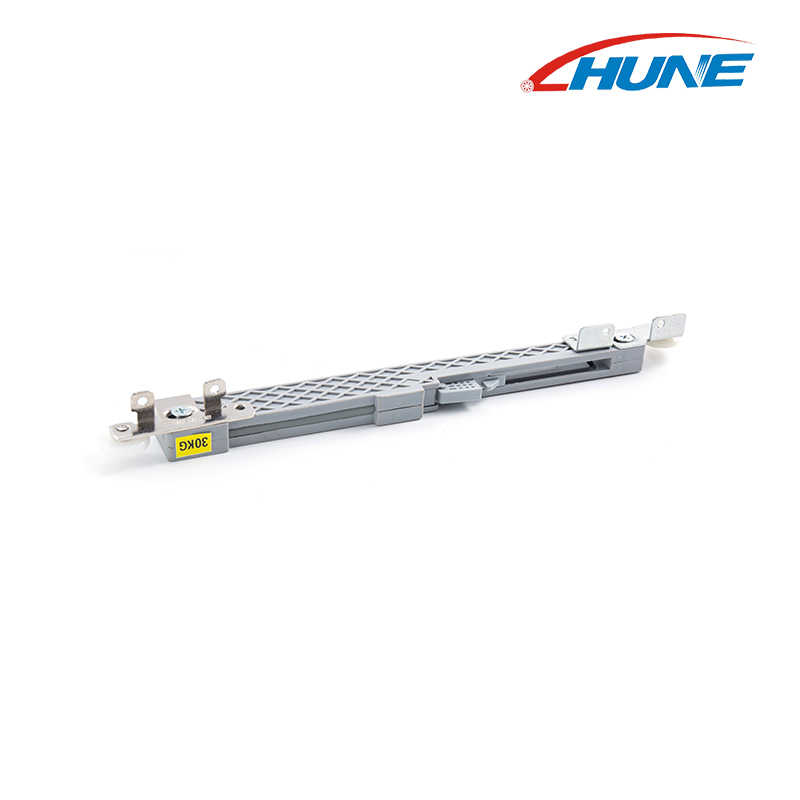
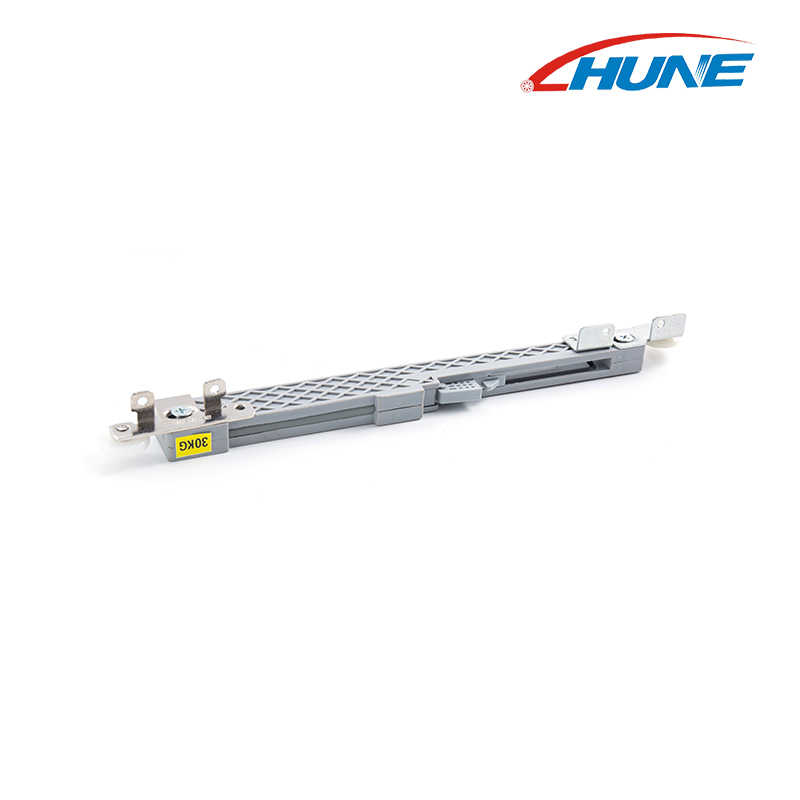
Hardware should stay easy to identify years after it's been installed. Once a wardrobe system has been in use for a while, clear product marking lets maintenance teams swap out a worn part without having to tear into the whole sliding system to figure out what's compatible.
That convenience matters a lot more in apartments, hotels, and large-scale furniture programs — places where a technician might be replacing one part among hundreds of similar units, sometimes years after the original installation.
Typical Problems and How to Avoid Them
More often than not, when a soft-close system isn't working right, the mechanism itself isn't actually the problem. It's usually something around it — a mismatched part, a shortcut during installation, or an adjustment that wasn't quite finished.
Door Doesn't Close All the Way
A few usual suspects here:
- The soft-close resistance is set stronger than what the door's momentum can push through
- The brake isn't sitting in the right spot
- The track has a slight lean or isn't level
- Rollers are out of alignment
- The door's catching on something else along the way — another panel, a frame edge, anything in the path
Worth checking the whole travel path here, not just zeroing in on the soft-close unit itself.
Door Still Slams Shut
Common causes tend to be:
- The mechanism isn't actually catching the activator when it should
- The door's coming in too fast for the mechanism to absorb
- The brake was mounted in the wrong position
- The soft-close unit just isn't rated for how heavy this particular door is
- The damping function inside the unit has failed or worn out
Getting the positioning right and matching the unit to the actual door weight solves most of this.
Door Feels Heavy Right Before It Closes
Look for:
- Engagement happening too early in the travel
- Too much friction along the track itself
- Resistance building up in the roller system
- The panel sitting slightly out of alignment
- A soft-close unit with more force than the application actually calls for
A properly set up system should feel consistent — smooth before the soft-close kicks in, and smooth after it finishes, with the transition barely noticeable.
Noise While Closing
Usually traces back to:
- Screws that have worked loose
- Poor contact where the brake meets the mechanism
- The track itself vibrating during movement
- The panel shaking slightly as it travels
- Rollers that have worn down and need replacing
Soft-close hardware cuts down on the bang at the end, but it can't compensate for a track or roller system that's already unstable on its own.
Why Small Hardware Components Affect the Overall Wardrobe Value
With wardrobe systems, people tend to judge quality with their hands and ears before they ever think about it consciously. The panel finish might catch someone's eye when they first look at the piece, but it's the hardware that shapes how the whole thing feels every single day it's actually used.
A soft-close mechanism that's doing its job well tends to show up in a few practical ways:
- The furniture just feels better made, even if someone couldn't say exactly why
- Daily use gets a bit safer, especially with sudden or careless closing
- Noise stays under control, room to room
- Door alignment holds up better over time instead of drifting
- People stay satisfied with the piece well past the first few weeks of ownership
- It gives otherwise similar wardrobe lines a real point of difference
For hardware suppliers and wardrobe manufacturers, that's really the appeal of soft-close hardware — it's a meaningful upgrade to the final product that doesn't require reworking the cabinet structure or redesigning the door system from scratch.
Material and Manufacturing Considerations
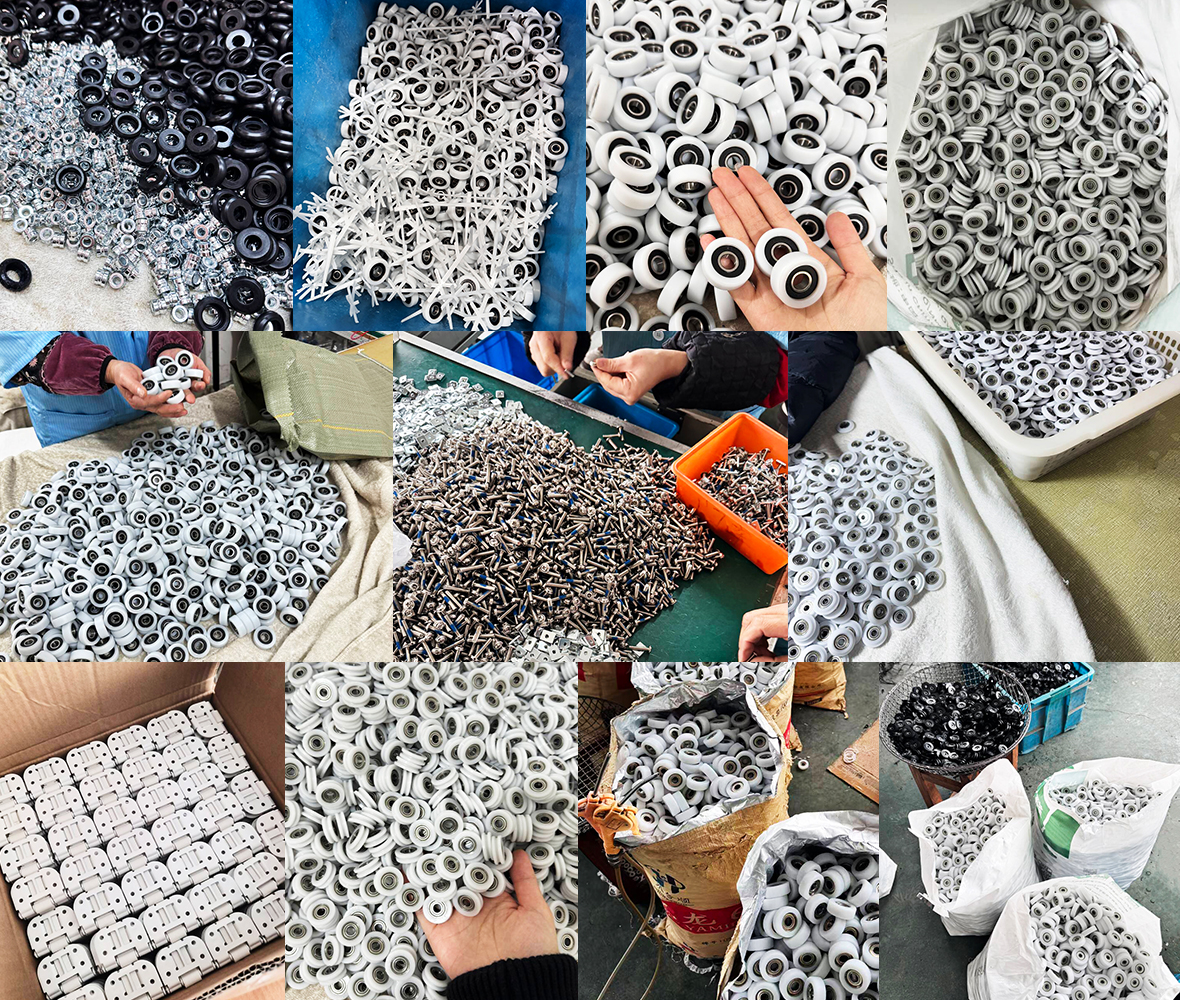
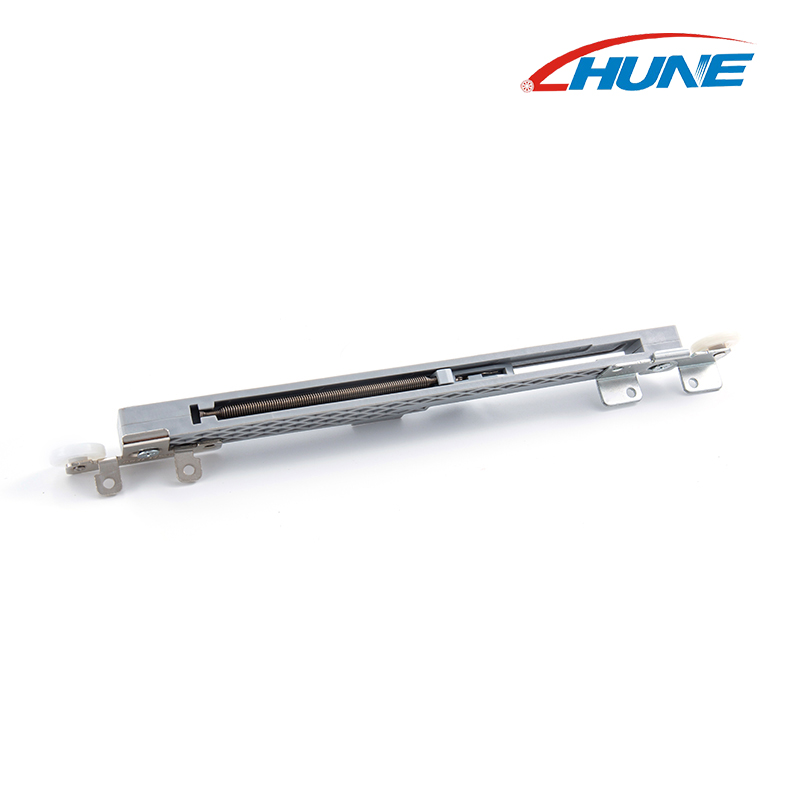
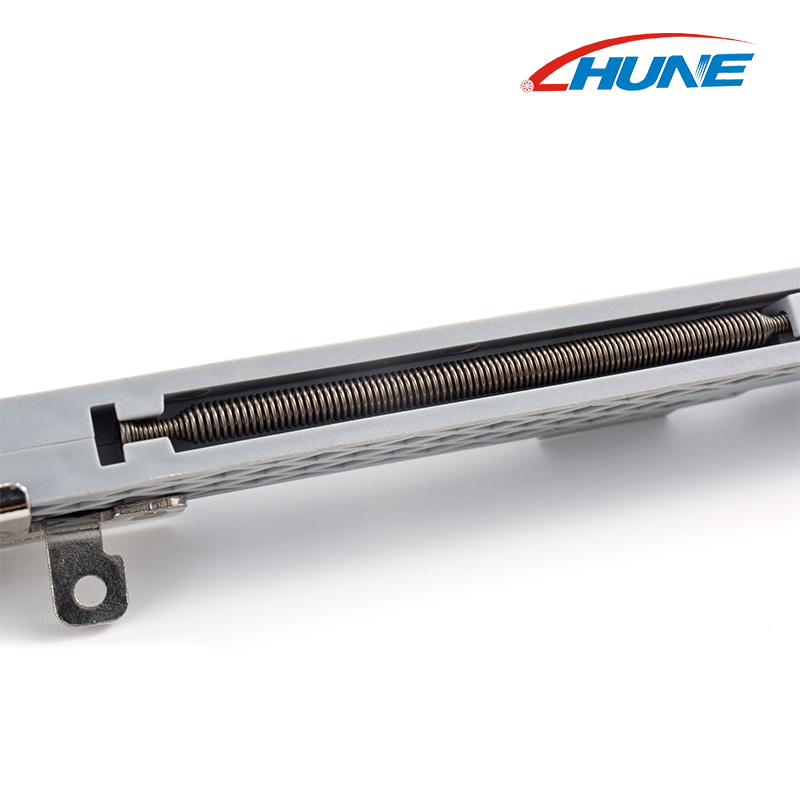
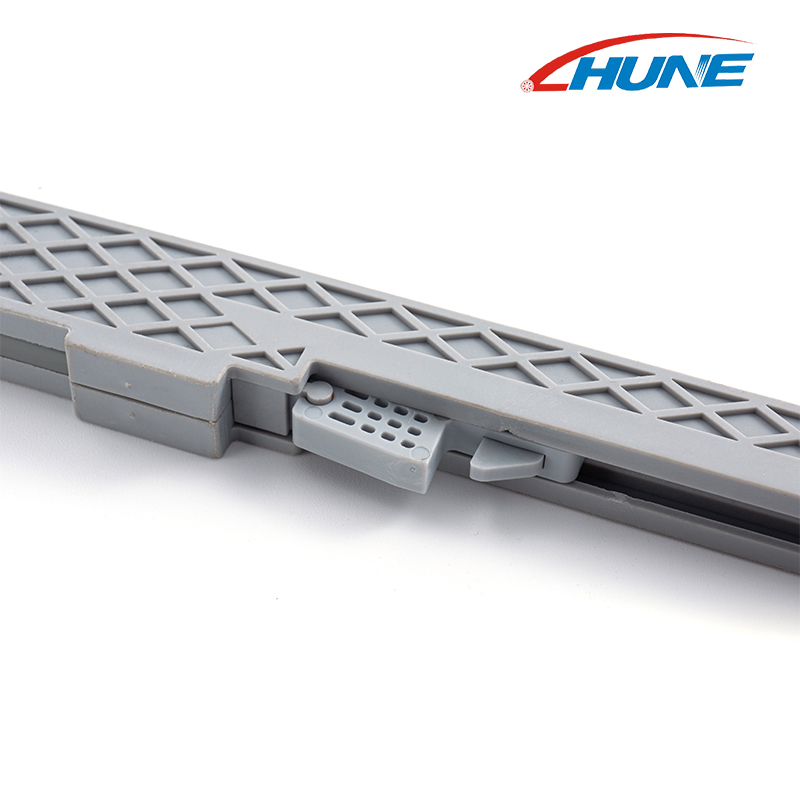
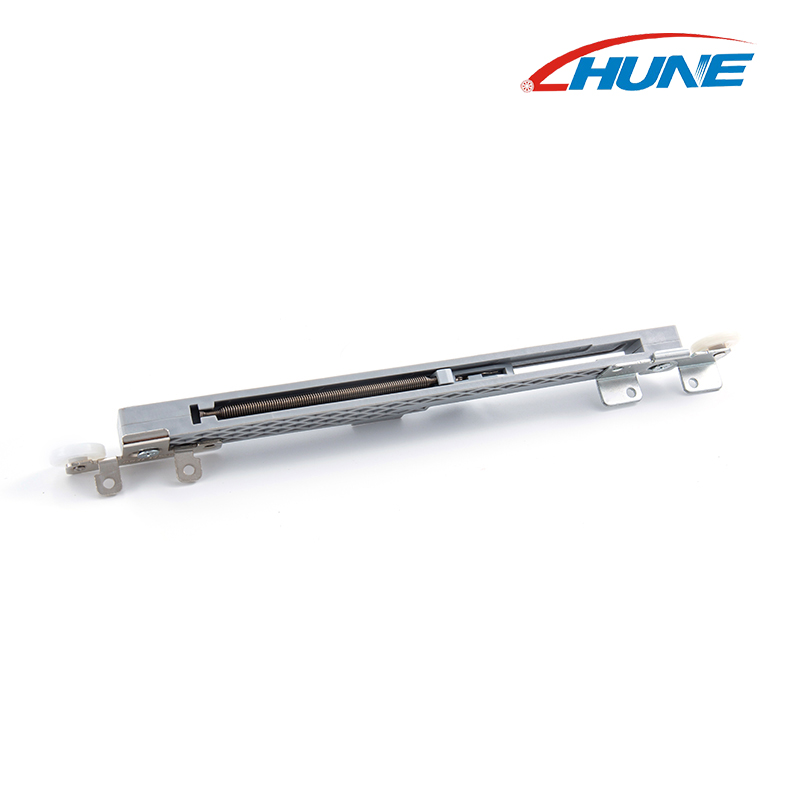
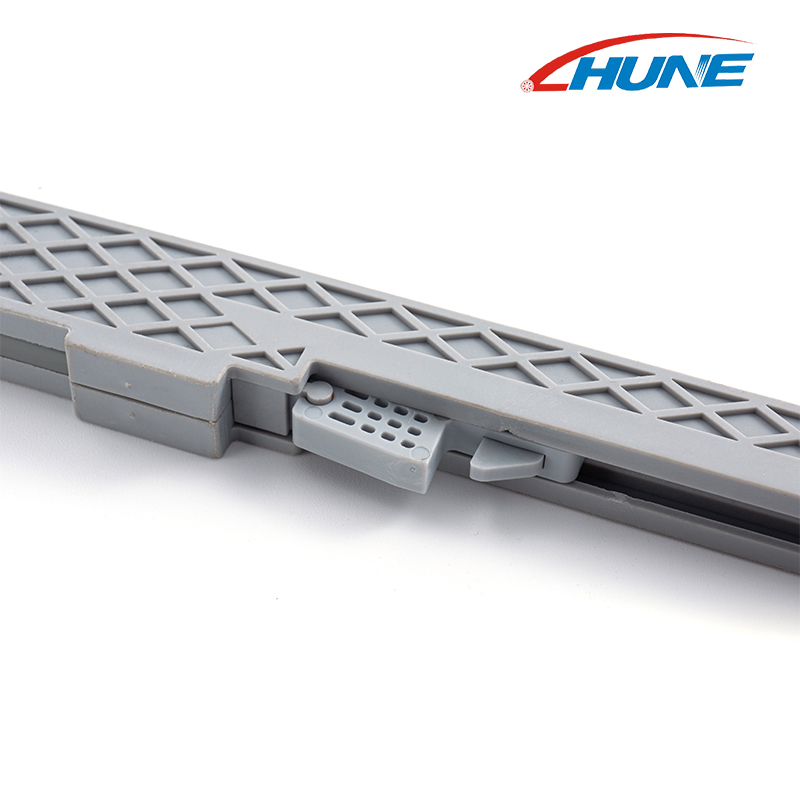
Underneath the housing, a soft-close mechanism is really just plastic, metal springs, some fixing hardware, and often a damping element working together. None of these are decorative — each one's there to do a specific job, and if one part falls short, the whole mechanism feels it.
Plastic Components
The plastic housing is doing more than just covering things up — it's cutting down on noise, keeping weight manageable, and letting the whole unit stay compact enough to fit into tight track spaces. But that only works if the molding itself is done right: clean edges, holes drilled where they're supposed to be, dimensions that don't wander from piece to piece.
Get the molding wrong, and you end up with parts that fit loosely, movement that's uneven, or worse — cracking during the actual installation process, before the piece has even seen daily use.
Metal Springs and Fasteners
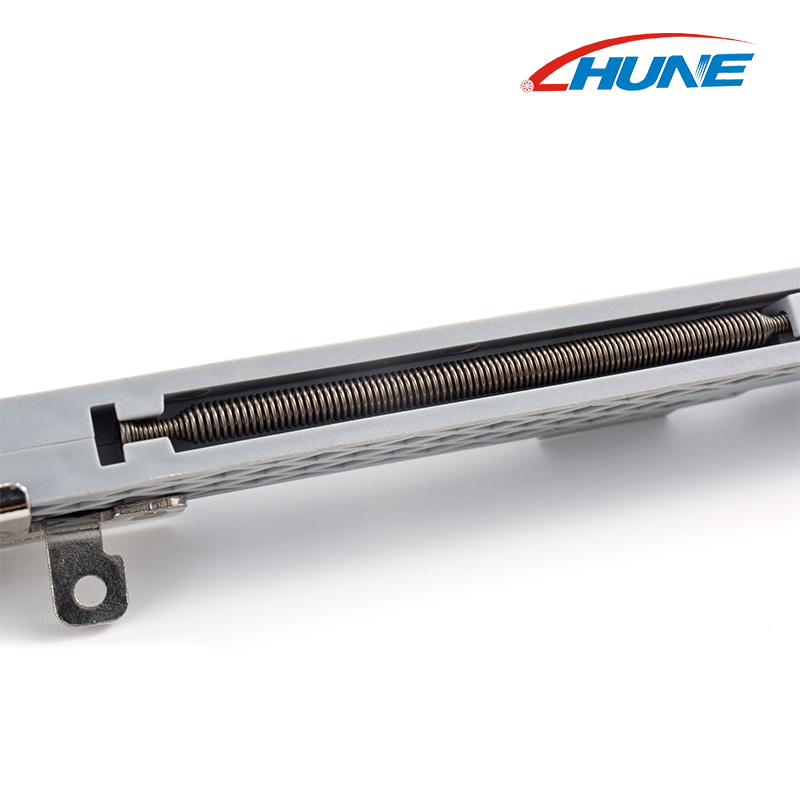
The spring is what gives the mechanism its return force — how it pulls the door in and completes the close. Fasteners are a separate concern entirely: they're what keeps everything mounted where it's supposed to stay, month after month.
A mechanism can look perfectly fine sitting on a shelf brand new. The real test is whether it still engages just as smoothly after the door's been opened and closed a few thousand times.
Assembly Accuracy
There are moving parts packed into a small space here, and if the internal assembly isn't done consistently, that inconsistency shows up as a different closing feel from one unit to the next — even within the same production batch.
For anyone dealing with volume orders, this is usually the real deciding factor behind long-term quality. It's less about the raw materials and more about whether the assembly process holds the same standard every single time.
How to Build a More Complete Sliding Wardrobe Hardware Offering
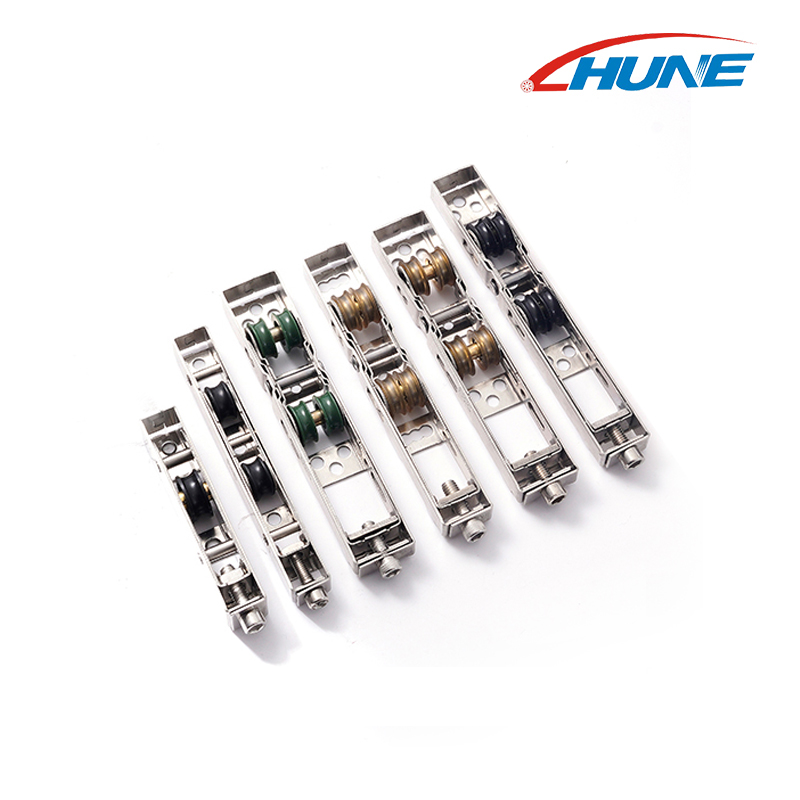
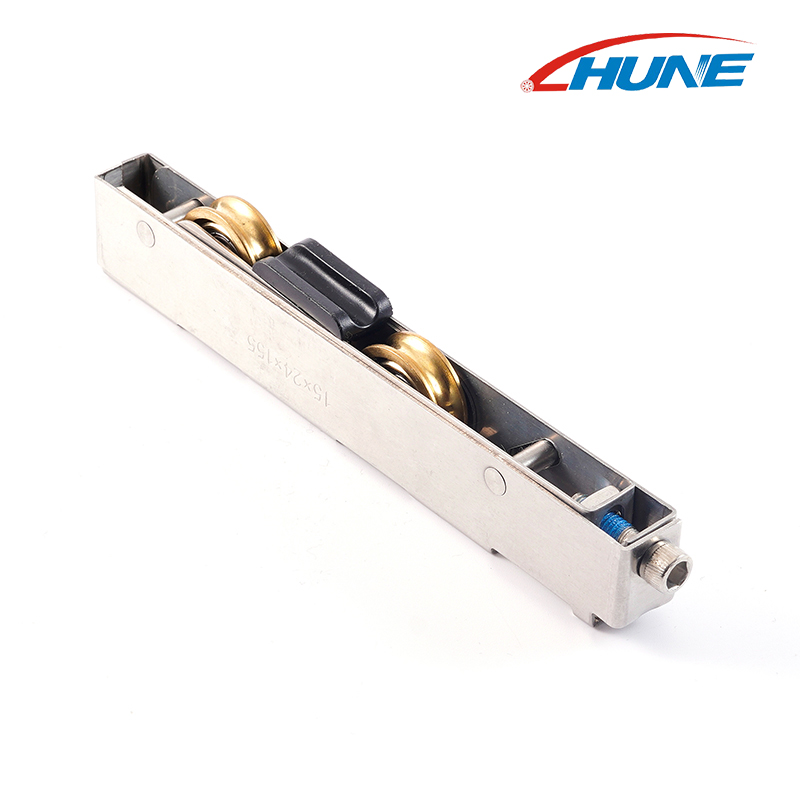
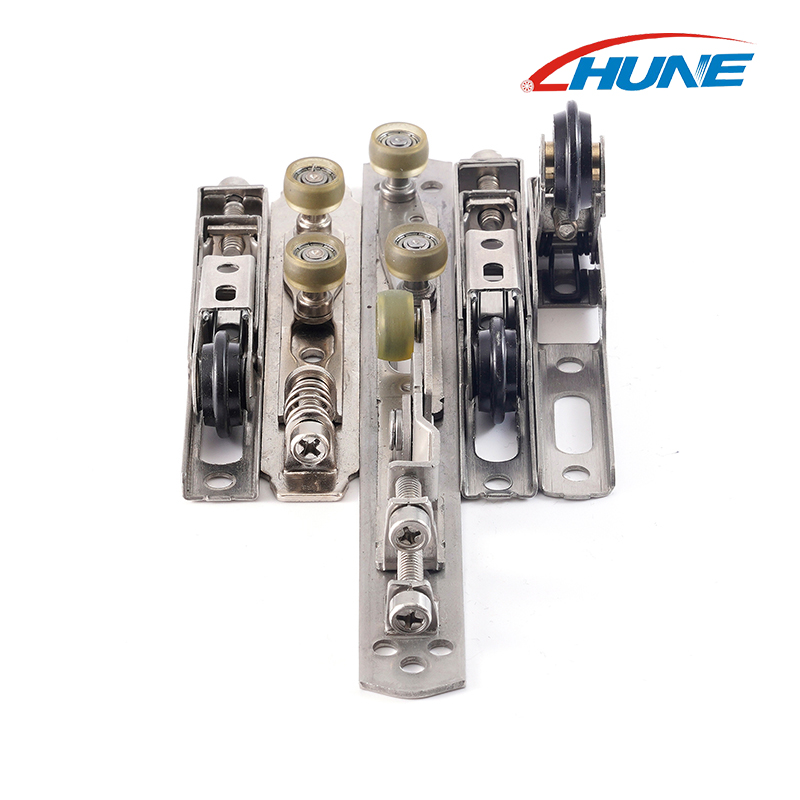
Soft-close mechanisms rarely get picked in isolation — most of the time they're one piece of a bigger sliding door hardware set. To put together something that actually works well in practice, they usually get paired with:
- Upper and lower tracks
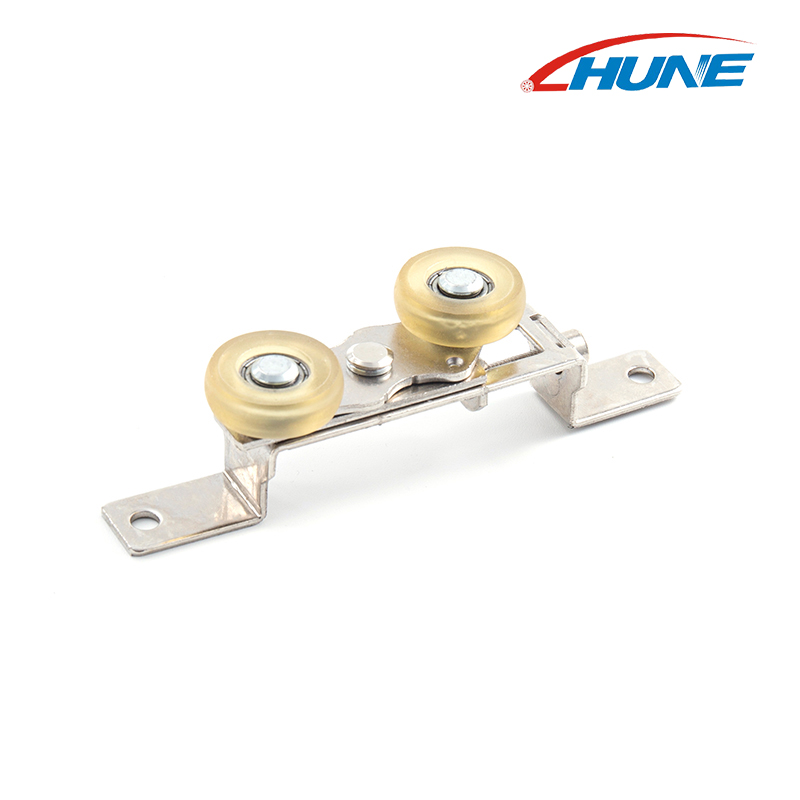
- Rollers or carriages
- Door guides
- Stoppers and brakes
- Anti-jump components
- Door profiles or edge handles
- Installation screws and adjustment tools
When all of that gets sourced and selected as one matched system, the door's final movement ends up a lot more predictable. Mixing and matching parts from different sources might shave a bit off the upfront cost, but it tends to catch up later — more time spent on installation adjustments, more callbacks after the fact when something doesn't quite line up right.
Going with a complete, matched system from the start usually pays off more over the long run, especially for anyone managing supply at scale.
Practical Checklist for Selecting Sliding Door Soft-Close Hardware
Before locking in a soft-close mechanism for a wardrobe door hardware program, it's worth running through a few practical checks first — the kind that catch problems before they turn into sourcing mistakes.
- Does the mechanism actually match the rail and carriage system it's going into?
- Is the damping force appropriate for how heavy these doors will actually be?
- Does it engage on its own, without the user needing to push harder than usual?
- Is the brake part something installers can position and secure without a struggle?
- Once everything's mounted, are the adjustment points still reachable?
- Are the small parts packed together clearly, as one complete set, so nothing gets lost or mixed up?
- Can this product be identified easily later, for repeat orders or replacement parts?
- Is the quality consistent enough batch to batch that volume orders won't cause headaches?
- When the door closes, is it actually quiet — no rebound, no bounce back?
- Can different installers repeat the same assembly process without needing constant adjustment?
Running through a list like this before committing to a supplier tends to save a lot of trouble later — fewer surprises during installation, and a hardware program that stays stable as it scales.
Why Soft-Close Hardware Matters
Soft-close hardware has quietly become a standard expectation in modern wardrobe sliding door systems, mostly because of what it does to the door over time — how it feels in daily use, how quiet it stays, how consistent the performance remains after months of opening and closing. For commercial furniture production, project installation work, and hardware supply chains, the value here goes beyond just a quieter close. It's also about fewer installation headaches, less time spent on adjustment, and a sliding door solution that actually holds together as one complete system.
A soft closer that's properly matched to its rail, carriage, brake, and panel structure makes a real difference. When those components are chosen together as a system rather than pieced together separately, the finished wardrobe door ends up more stable, goes together faster during installation, and just feels better to live with day to day.
At Hune Factory, this system-level approach is basically how we've built our wardrobe hardware line from the start — matching soft-close mechanisms to rail and carriage specs rather than treating them as an afterthought. It's less about adding one extra feature and more about getting the whole sliding door experience right.





 English
 Español
 日本語
日本語
 +86-15058997617