

 English
 Español
 日本語
日本語Walk into almost any home built in the last few decades and there is a good chance you will find sliding windows somewhere inside. They are simple to use, familiar in design, and often taken for granted until something starts to feel off.
At first, everything works quietly. The window opens with a light push, closes without effort, and stays out of attention. No one really thinks about what is happening inside the frame. That only changes when the movement starts to feel different.
A slight resistance appears.
A small drag shows up at one corner.
The sash no longer glides the way it used to.
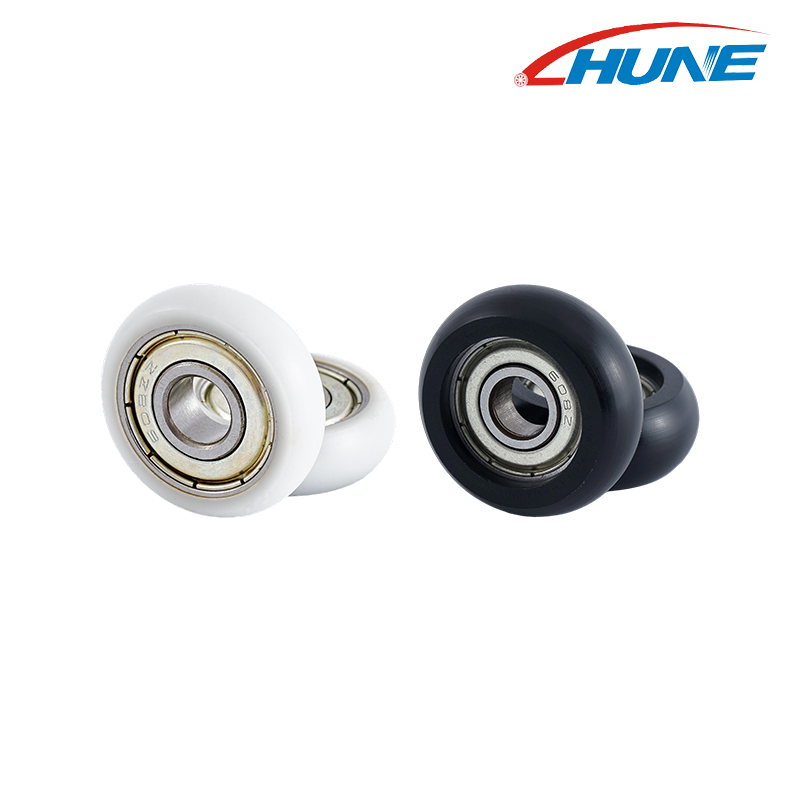
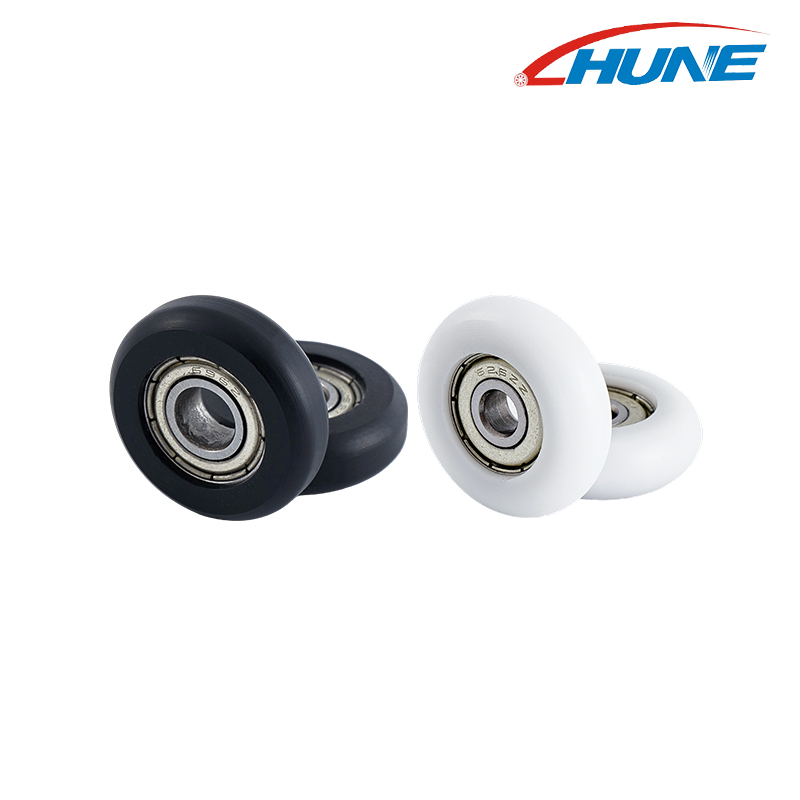
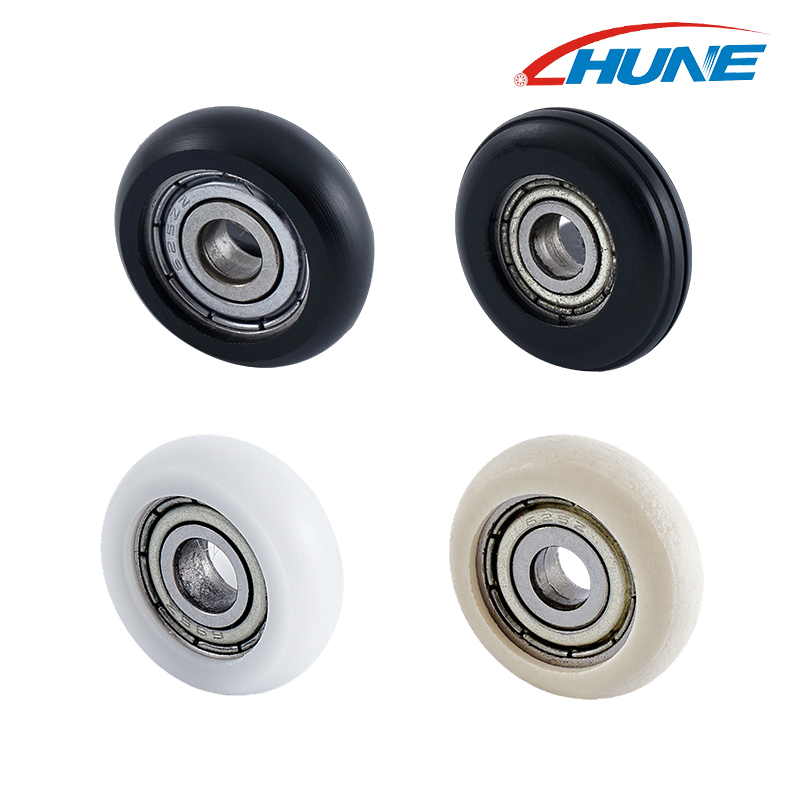
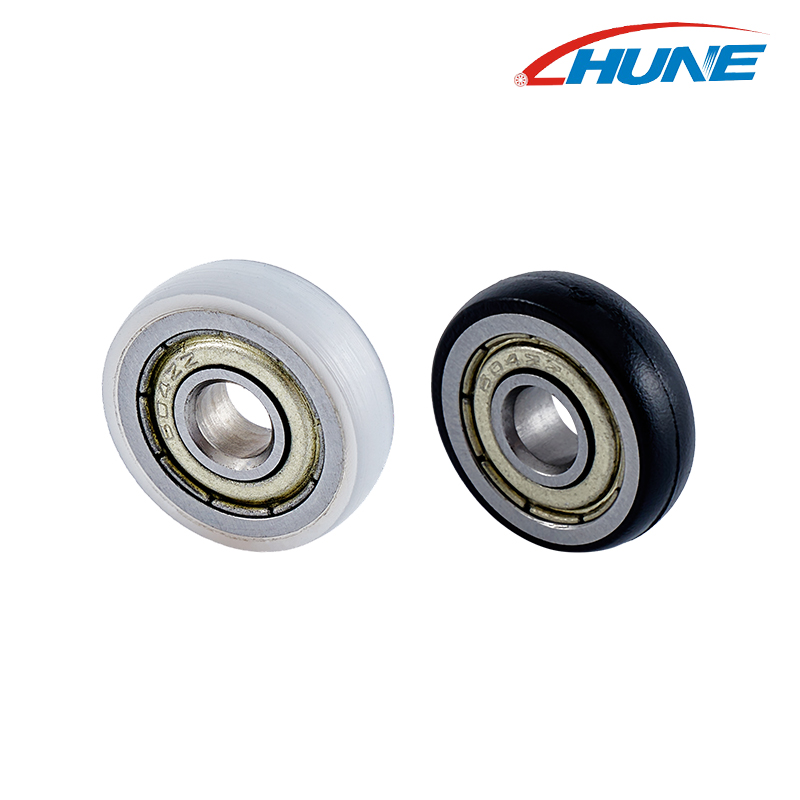
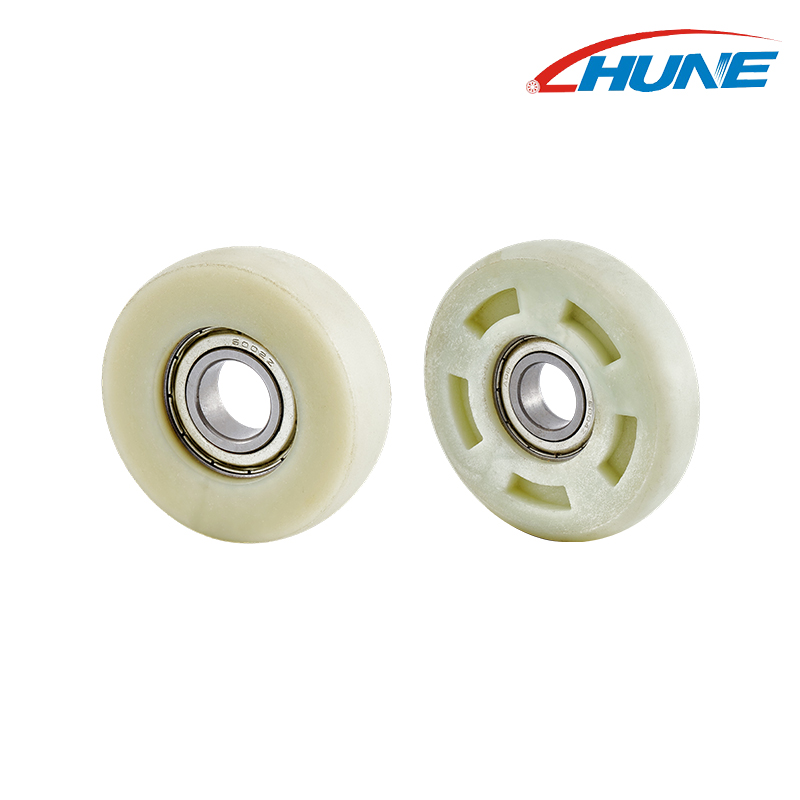
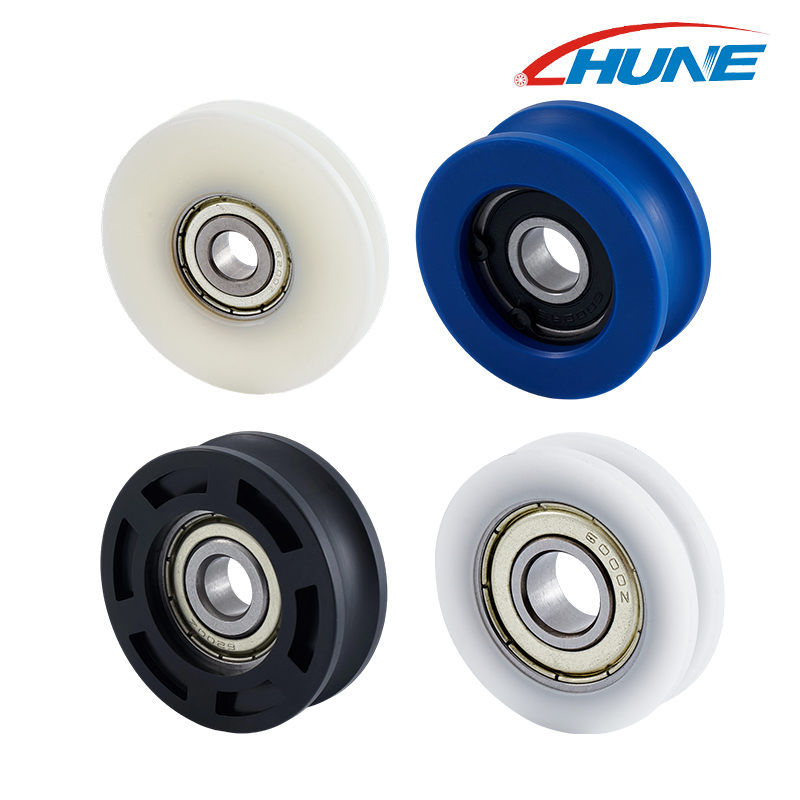
Most people assume the problem is in the track or the frame. Sometimes that is true, but often the real reason sits deeper inside the moving section of the window. Hidden underneath the sash is a small mechanical part that carries more responsibility than most people realize. This is what is commonly referred to as a Window Sliding Roller.
It is not visible during normal use. It does not draw attention. But every time a sliding window moves, this component is involved in the process.
Why Sliding Windows Do Not Feel the Same Forever
A sliding window does not suddenly become difficult to use overnight. The change is usually slow enough that people adapt without noticing.
At the beginning, movement feels light. Then, over time, something subtle shifts. The same motion requires slightly more effort. The difference is small enough to ignore at first, but consistent enough to become noticeable later.
What makes this interesting is that the visible parts of the window often look unchanged. The glass is still intact. The frame has not moved. The lock still works normally.
From the outside, nothing appears wrong.
The change is happening in the movement system itself, especially in the parts that carry weight and reduce friction while the sash slides along the track.
Where the Sliding Mechanism Actually Lives
Inside the lower section of a sliding window sash, there is usually a compact assembly that supports movement. This is where the rolling system sits.
It is not a large structure. In many cases, it is only noticed when the sash is removed during maintenance. Most homeowners never see it directly.
Even though it is hidden, it plays a very practical role:
- It supports part of the sash weight
- It allows horizontal movement along the track
- It helps reduce direct surface friction
- It keeps motion more controlled during use
Without this type of support, the sash would rely more heavily on sliding contact with the frame, which creates more resistance and makes movement less comfortable over time.
Do Sliding Windows Actually Use Rollers
In many modern designs, yes.
Most contemporary sliding window systems include some form of rolling support under the movable panel. The exact structure can vary depending on the design approach, materials used, and intended load conditions, but the principle stays similar.
The idea is not complicated. Instead of dragging weight across a fixed surface, the system introduces a rolling interface that changes how movement happens.
Older window systems sometimes used different approaches, especially in wooden frames or simpler constructions. However, in modern residential and commercial designs, rolling support has become a common solution because it makes larger glass panels more manageable during daily use.
What Is Happening When You Slide a Window
When someone opens a sliding window, the action looks simple from the outside. A hand pushes the sash, and the panel moves along the track.
Inside the system, several things are happening at the same time.
The rollers begin to rotate.
The sash transfers weight onto the lower support points.
The track guides direction.
The frame keeps alignment stable.
All of this happens quietly in the background. There is no visible mechanism in motion, yet multiple components are working together to make the movement feel smooth.
When everything is in good condition, the process feels almost effortless. When one part starts to change, the difference becomes noticeable quickly.
Why Sliding Windows Become Harder to Move Over Time
There is rarely a single reason.
In most cases, the change comes from a combination of gradual factors rather than one sudden failure.
Dust and fine particles inside the track
Tracks are open to the environment. Even in clean homes, small particles slowly collect over time. Dust, pollen, and tiny debris can settle into areas that are not cleaned regularly.
This does not need to fully block the track to affect movement. Even light buildup can change how smoothly the sash travels.
Everyday wear from repeated use
Every time a window opens or closes, the rolling system goes through a cycle of movement. Each cycle creates a small amount of wear.
It is not something that can be easily seen in the short term. The change builds slowly, which is why it often goes unnoticed until performance starts to shift.
Environmental exposure
Windows near coastal areas, busy roads, or high humidity environments often age differently compared to those in more stable conditions.
Moisture, airborne particles, and temperature changes all contribute to long-term performance changes in small mechanical components.
Small alignment changes in the structure
Buildings naturally move slightly over time. Temperature changes cause expansion and contraction. Foundations settle. Frames shift very slightly.
Even small changes like this can influence how smoothly a sash moves along its intended path.
What Usually Gets Found During Maintenance Checks
When a technician removes a sliding sash for inspection, expectations and reality do not always match.
Many homeowners expect a broken part or visible damage. In practice, the situation is often less dramatic.
Common findings include:
- Accumulated dust inside the track
- Reduced smoothness in wheel rotation
- Minor wear on contact surfaces
- Slight misalignment of the sash
- General buildup affecting movement consistency
Sometimes the issue is mechanical. Sometimes it is environmental. Sometimes it is a combination of both.
Why Cleaning Is Often the First Step
Before thinking about replacement or repairs, cleaning is usually the simplest starting point.
A surprising number of movement issues come from debris rather than structural failure. Removing accumulated dust from the track and surrounding areas can restore a noticeable amount of smoothness in some cases.
However, cleaning is not a universal solution. If the internal components are worn or damaged, further attention is needed.
The important point is that surface conditions and internal hardware both influence how a window performs.
Different Materials Used in Rolling Components
| Material Type | General Behavior |
|---|---|
| Polymer based components | Often used for quieter operation |
| Metal based systems | Used where higher load support is needed |
| Corrosion resistant metals | Suitable for moisture-prone environments |
| Composite designs | Balance between durability and movement quality |
Each type responds differently to wear, environment, and usage patterns.
Common Misunderstandings About Sliding Window Movement
There are a few ideas that appear often when people talk about sliding windows.
One common assumption is that any difficulty in movement means a major failure. In reality, many issues develop gradually and are related to maintenance conditions rather than complete breakdown.
Another assumption is that lubrication alone can solve all movement problems. In practice, lubrication works best when the system is already clean and properly aligned.
There is also a belief that all sliding window systems behave the same way. In fact, design differences can lead to noticeable variation in feel and performance.
How Maintenance Actually Changes Performance
Maintenance does not need to be complicated.
In many cases, the goal is not repair but restoring normal operating conditions.
Simple actions include:
- Removing visible debris from the track
- Checking for uneven movement
- Observing changes in sound during operation
- Making sure the sash sits properly in its path
These small checks can help identify changes early, before they become more noticeable in daily use.
Why This Small Component Matters More Than It Looks Like
The interesting thing about sliding window hardware is not its size, but its influence.
Most of the system is visible. Glass, frame, handle. These are the parts people notice first.
But the actual feeling of movement depends heavily on what is happening underneath the surface.
A small rolling assembly can affect whether a window feels light or heavy, smooth or resistant, consistent or uneven.
It does not change the appearance of the window. It changes the experience of using it.
A Window Sliding Roller is easy to ignore because it is not part of daily visual interaction. It stays hidden inside the structure and only reveals its importance when something changes in how the window moves.
The moment a sliding window starts to feel different, the focus usually shifts from what is visible to what is hidden. That is where the real behavior of the system is decided.
Sometimes the solution is simple. Sometimes it requires more attention. But in almost every case, the explanation sits somewhere between movement, friction, and the small components working quietly underneath the sash.