

 English
 Español
 日本語
日本語Sliding door noise is one of those things people usually notice first, but rarely understand in detail. A door that used to move quietly can slowly start producing rolling sound, light vibration, or a slight rattling feeling during operation. In most cases, attention goes straight to the track or the surface condition because those parts are visible and easy to check.
But in real installations, the situation is often more layered than it looks.
A sliding door is not just a panel moving left and right. Every movement involves a chain of small mechanical reactions happening inside the system. Weight shifts, contact points change slightly, and force is constantly being transferred between components that are working under load.
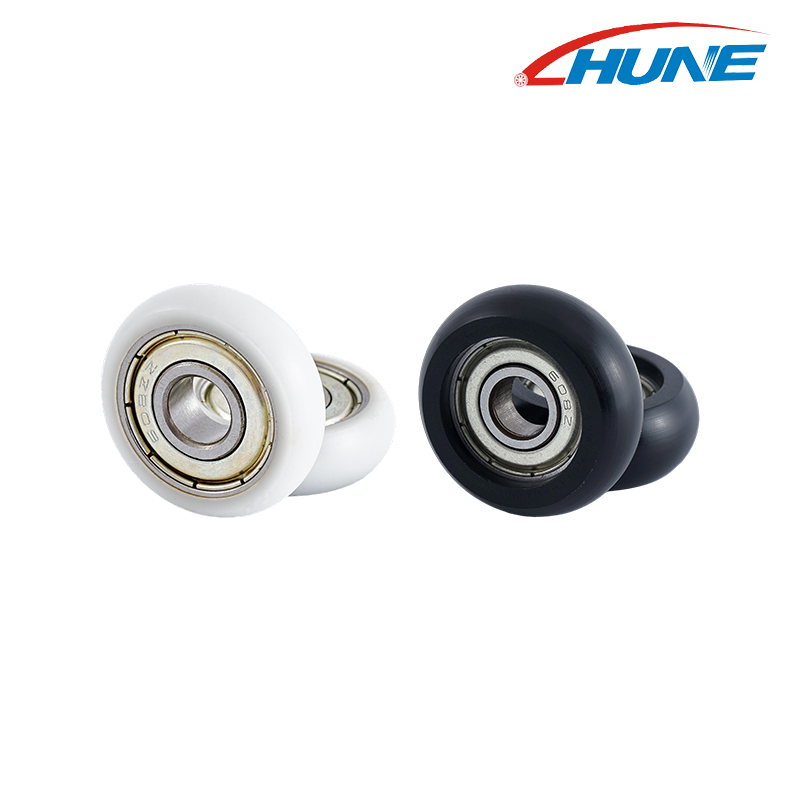
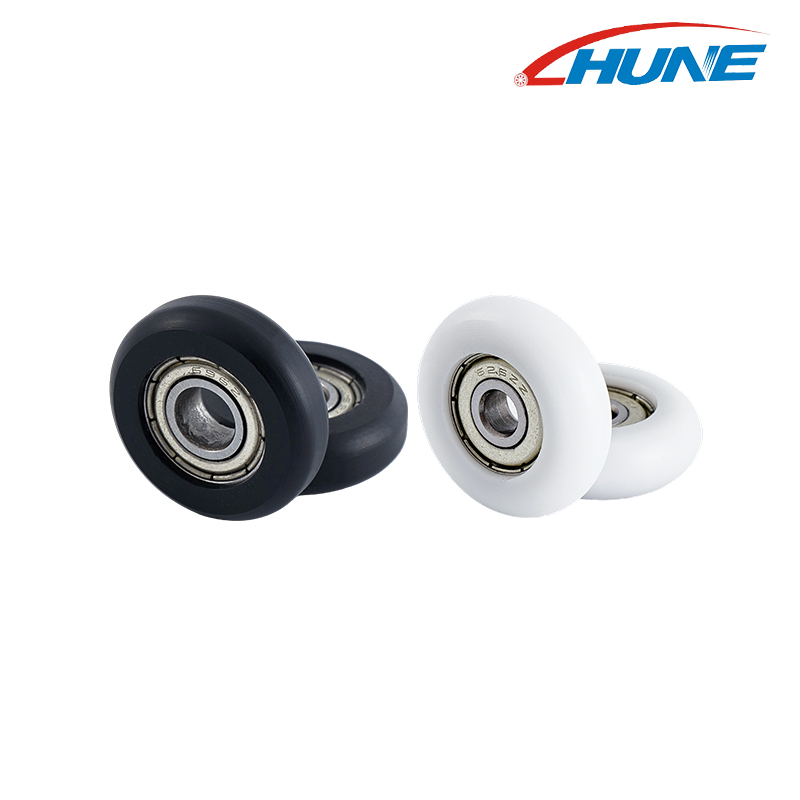
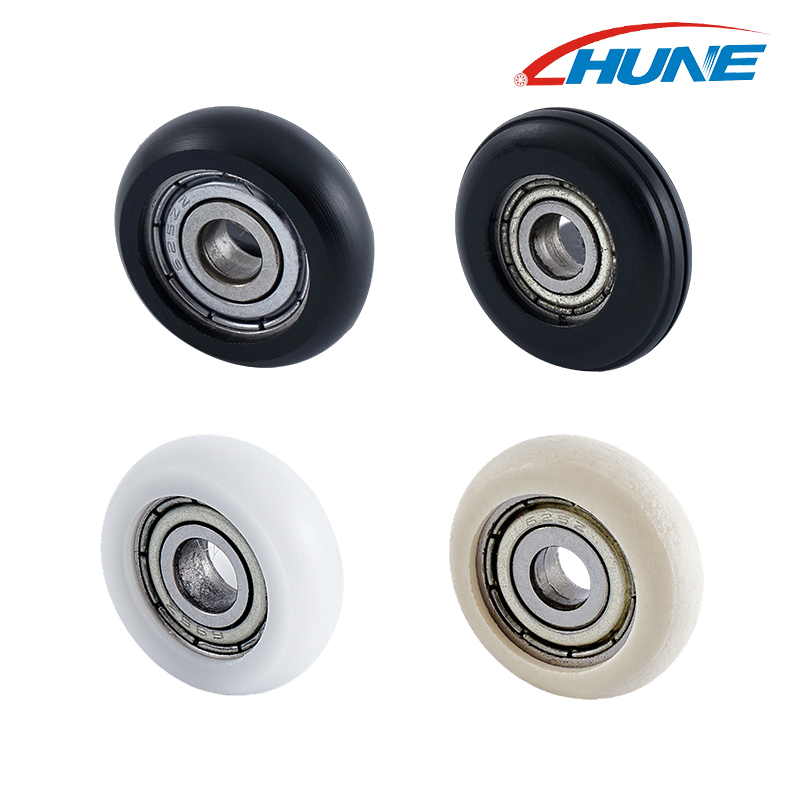
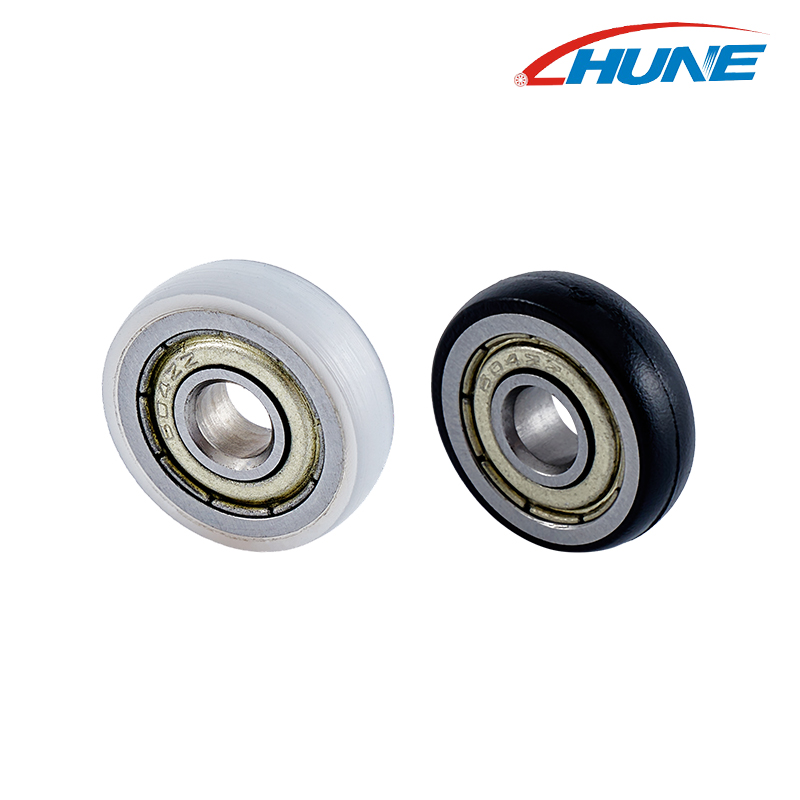
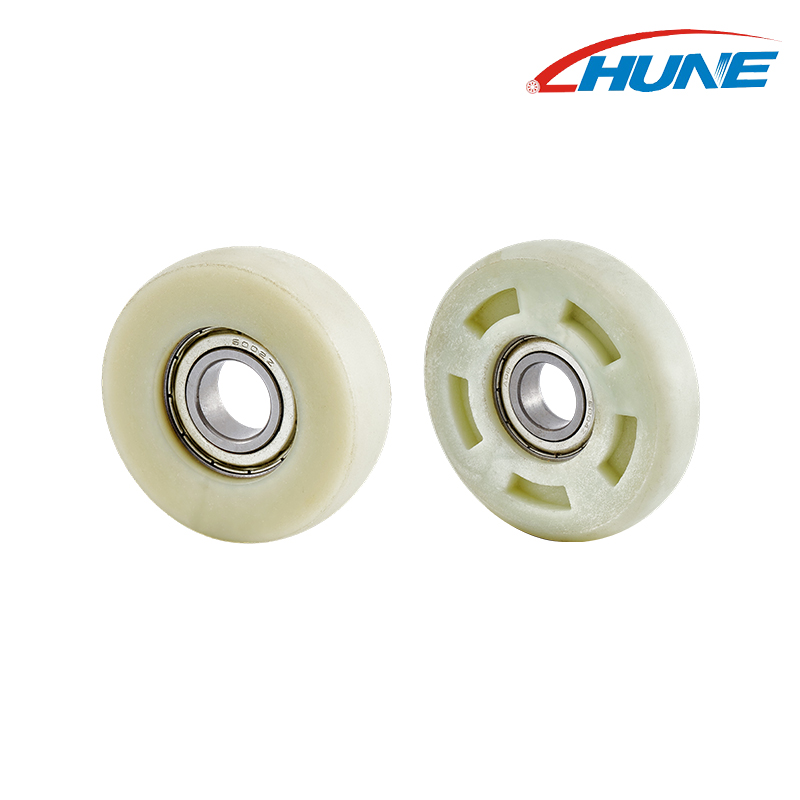
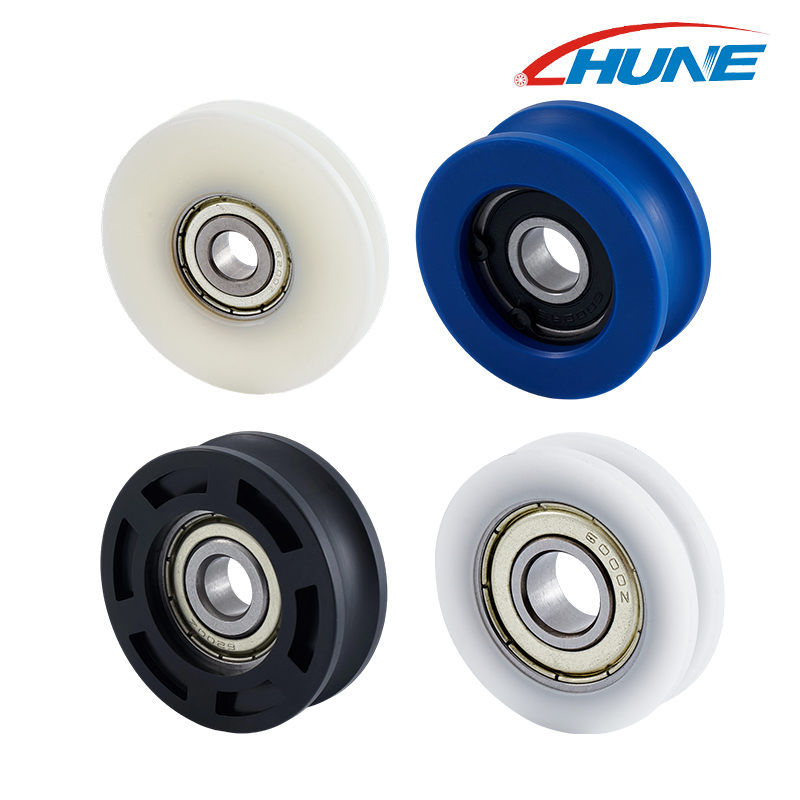
The pulley assembly sits right in the middle of this process. It is the point where motion actually gets controlled before it reaches the track. Because of that position, the Sliding Door Pulley has a direct influence on how smooth the movement feels and how much noise is produced during repeated use.
In commercial buildings, residential spaces, and public environments where doors are used many times a day, these small differences become more noticeable over time.
Why Noise Has Become a Bigger Concern in Real Projects
Noise was not always a major focus in sliding door selection. In earlier applications, as long as the door could open and close properly, it was considered acceptable.
That thinking has changed quite a bit.
Changing expectations in daily use
People now pay attention to how things feel during operation. A door is not just a functional object anymore. It is part of the overall experience of a space.
If a sliding door produces vibration every time it moves, users notice it even if they do not consciously analyze the reason. Over time, this creates a different perception of quality compared to a system that moves more quietly and consistently.
Where noise becomes more sensitive
Some environments naturally make sound more noticeable:
- Office meeting rooms where focus matters
- Hotels where quietness affects comfort
- Healthcare spaces where calm environments are important
- Residential interiors where background noise is lower
- Commercial spaces with frequent door usage
In these places, even small operating sound differences become easier to detect.
Where Sliding Door Noise Usually Starts
Most noise problems do not start suddenly. They develop slowly, and often without obvious warning signs.
Vibration usually comes first
Before sound becomes clear, vibration is often already present in the system.
As the door moves, force passes through the pulley assembly and into the track. If this transfer of force is stable, movement feels smooth and quiet. If it becomes slightly uneven, vibration starts to build up inside the structure.
At the beginning, this vibration is usually too small to notice. Over time, after repeated use, it becomes easier to hear.
Why it is easy to miss at the beginning
A sliding door can operate normally for a long period before anyone notices a change. The movement still works, the door still opens and closes, and nothing appears broken.
Because of this, many users assume everything is fine until the sound becomes more obvious later.
Why the Pulley Structure Has a Strong Influence
The pulley is often treated as a simple moving part, but its role inside the system is more important than it looks.
It is always part of the movement path
Every time the door moves, the pulley is involved.
It supports the door at rest, guides it during motion, reacts to changes in speed, and handles load shifts throughout the entire cycle.
Since this happens repeatedly, even small differences in structure can affect long-term behavior.
Small differences can change how the system feels
Two pulley setups can look almost the same from the outside, but still behave differently once installed.
What changes is not the appearance, but how force is managed inside the system:
- how smoothly force is transferred
- how stable the contact stays
- how vibration is controlled
- how evenly load is shared
- how consistent the movement feels over time
These details are not always visible during installation, but they become clearer after months of real use.
Why Similar Doors Can Sound Different Over Time
It is common in real projects to see two sliding doors that look nearly identical but do not behave the same after a while.
Same appearance, different behavior
Even when the design looks the same, the internal movement conditions may not be identical. Small differences during installation or long-term use can change how the system behaves.
One door may continue moving quietly, while another slowly develops rolling sound or vibration.
Simple comparison of movement behavior
| Aspect | More Stable Movement | Less Stable Movement |
|---|---|---|
| Force handling | More even | Slightly uneven |
| Movement feel | Consistent | Changes over time |
| Vibration level | Lower tendency | Easier to appear |
| Sound behavior | More controlled | More noticeable |
| Long-term result | More steady | More variation |
How Load Distribution Affects Noise
When force is not evenly shared
In theory, weight should be distributed smoothly through the system. In practice, that does not always happen.
Installation differences, usage habits, and structural conditions can all affect how load is carried.
When force becomes concentrated in certain areas, the system reacts differently:
- movement becomes less stable
- vibration becomes easier to generate
- rolling behavior may feel uneven
- sound becomes more noticeable during use
Why balanced movement helps
A pulley structure that supports more balanced force transfer helps reduce these uneven conditions.
Instead of letting pressure build in one spot, the system spreads the load more naturally during movement. This helps the door maintain a more consistent feel during operation.
Stable and Unstable Movement in Real Use
When everything feels stable
In a stable system, movement feels predictable. The door starts smoothly, moves without interruption, and slows down in a controlled way.
Users usually describe this as a smooth or easy movement, even if they do not think about the technical side.
When small issues start appearing
In less stable conditions, changes are not always dramatic.
At first, it may just feel slightly different during movement. Later, small sound changes appear. Eventually, vibration becomes easier to notice.
These changes usually develop step by step, not all at once.
Environmental Factors That Influence Noise
Sliding doors are used in real environments, not controlled conditions. That means outside factors always play a role.
Dust and small particles
Over time, dust can enter the track area and affect how parts interact during movement. Even small amounts can slightly change the feeling of operation.
Temperature changes
Materials respond to temperature changes. Expansion and contraction may slightly affect alignment and contact behavior.
Humidity and building conditions
Humidity can influence surrounding structures and long-term alignment conditions, especially in frequently used spaces.
Frequent usage
The more often a door is used, the more important consistent movement becomes. Small differences become easier to notice when cycles increase.
Misunderstandings About Sliding Door Noise
It is not always the track
The track is often the first place people check, but it is not always the real source of noise.
Lubrication is not a full solution
Lubrication can help movement in some cases, but it does not always fix vibration-related issues inside the system.
Noise does not always mean damage
A change in sound does not automatically mean something is broken. It can simply reflect how movement behavior has changed over time.
What Matters Most in Noise Sensitive Projects
Different projects have different expectations, but there are a few common points people usually care about.
Key points considered during selection
| Factor | Why it matters |
|---|---|
| Movement stability | Affects daily experience |
| Load handling | Influences long-term behavior |
| Consistency | Reduces variation in use |
| Environmental response | Handles real conditions better |
| Durability over time | Supports long-term operation |
In many cases, the goal is not only quiet movement at the beginning, but stable performance over a long period of use.
Sliding door noise is not caused by a single factor. It develops gradually through the interaction of movement force, vibration, load distribution, installation conditions, and real-world usage.
The Sliding Door Pulley sits at the center of this process. Even though it is not visible during normal use, it affects how force moves through the system and how stable the movement remains over time.
As buildings continue to focus more on comfort and user experience, pulley structure will keep playing an important role in how sliding doors perform in real environments.