

 English
 Español
 日本語
日本語In commercial construction, sliding door systems are not chosen only based on appearance. They are selected based on how they behave after long periods of repeated use.
On paper drawings, everything usually looks straightforward. But once installation is finished and the system starts running in real spaces like office entrances, corridors, or retail areas, small differences begin to show up. Most of the time, they are not obvious at first glance, but they slowly appear after daily use cycles build up.
A door might feel smooth on the first day, even the first few weeks, but real performance only becomes clear after hundreds or thousands of movements. At that point, installers and maintenance teams usually start to notice whether the system is truly stable or just acceptable at the beginning.
This is where small internal components begin to define the overall experience.
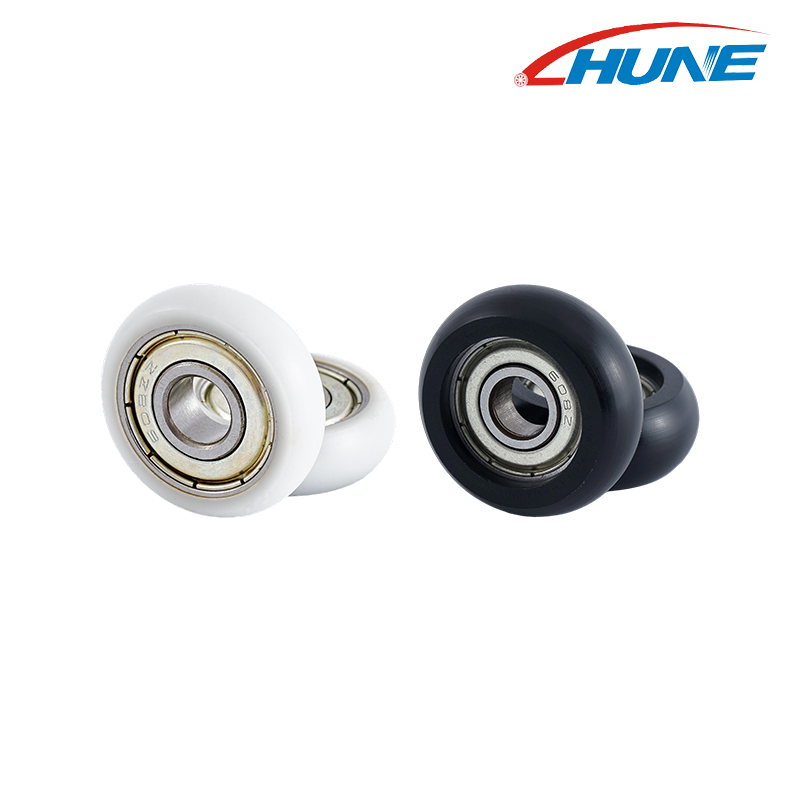
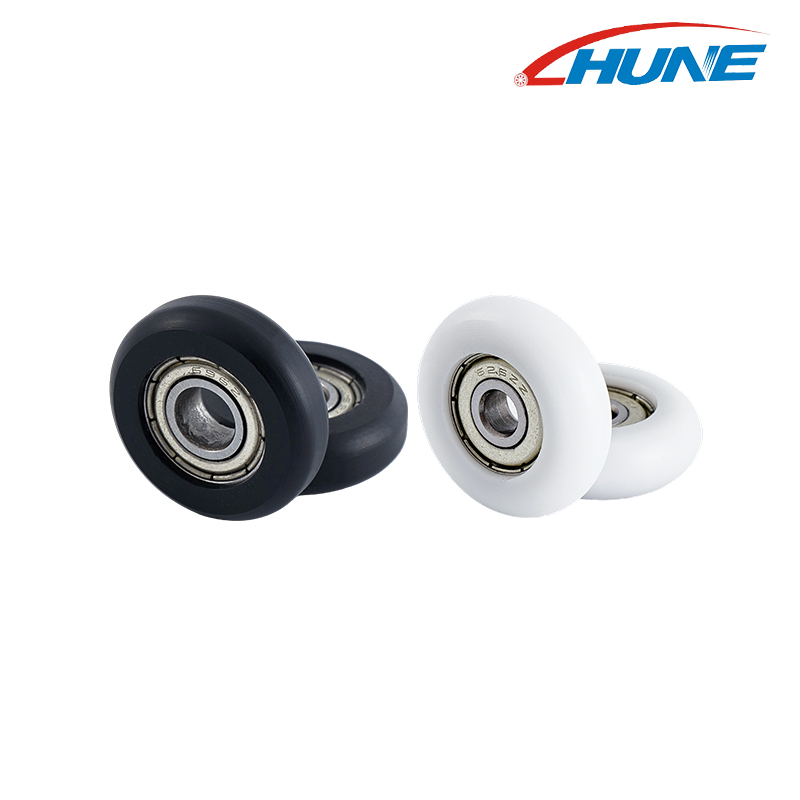
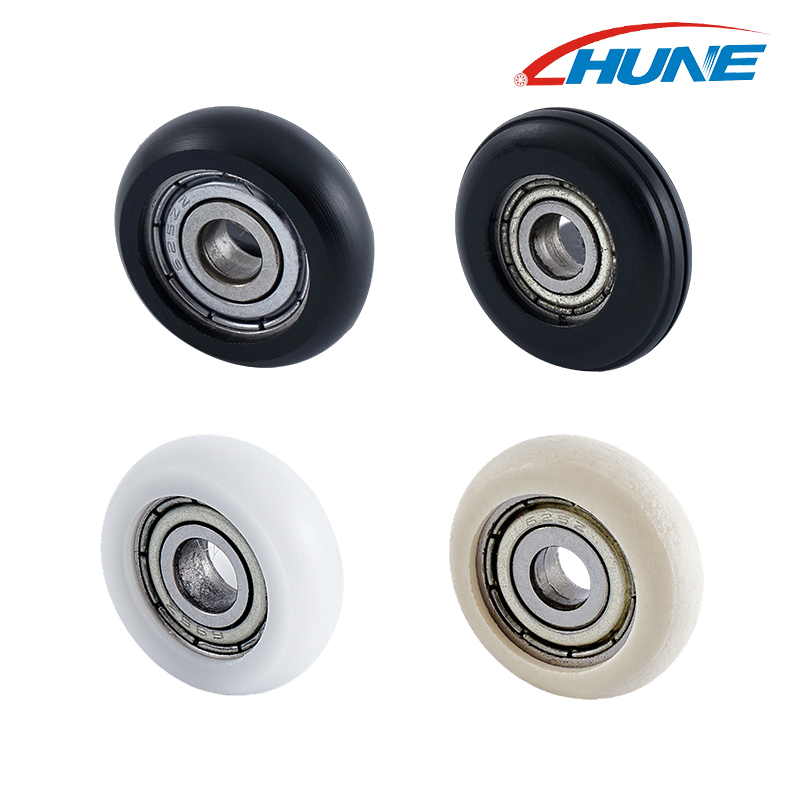
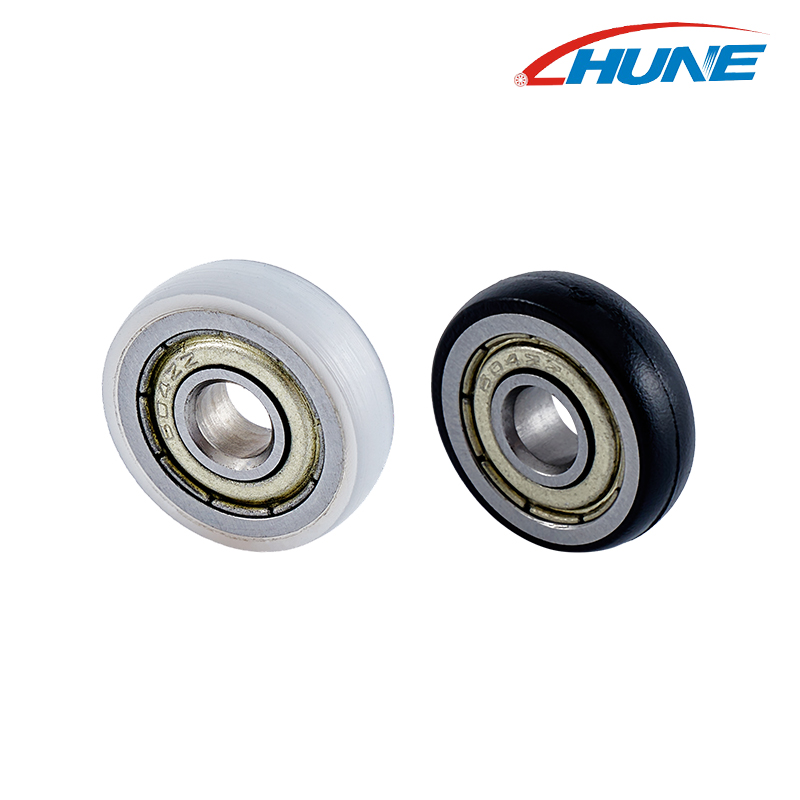
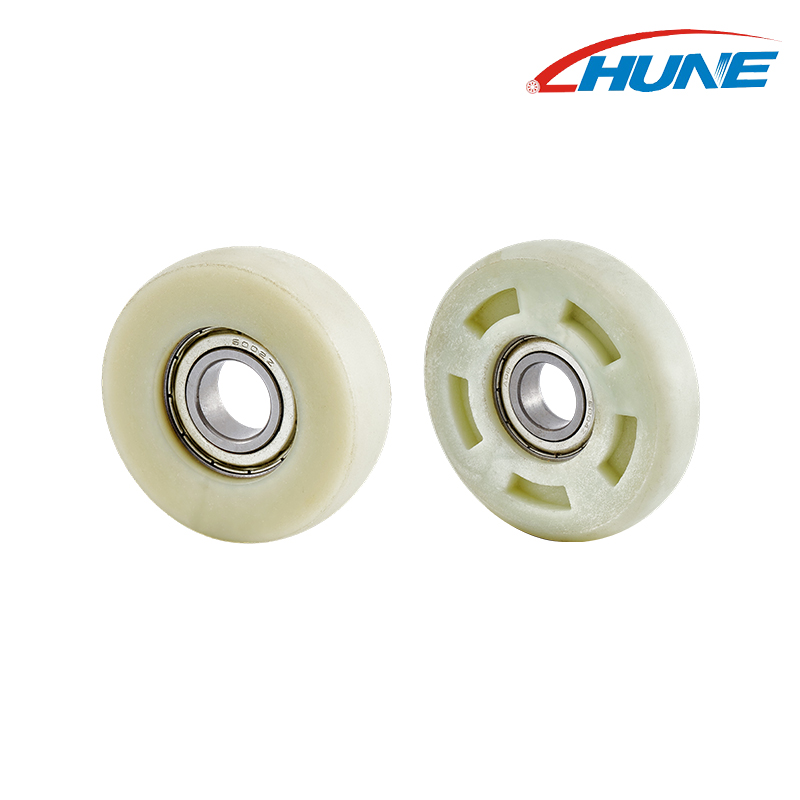
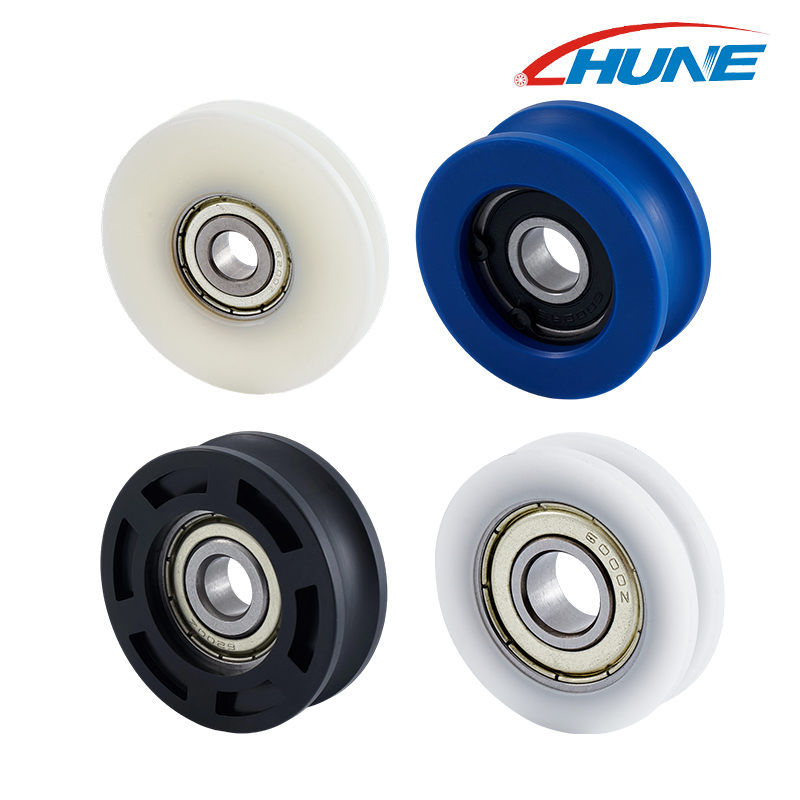
Among these components, Aluminum Sliding Door Rollers are widely used because they influence how movement is transferred between the fixed track and the moving door panel in daily operation. They are not visible in normal use, but they quietly decide whether the motion feels consistent or slightly irregular over time.
How Sliding Systems Actually Work in Commercial Buildings
The basic movement structure behind every sliding door
A sliding door system is built on a guided motion principle. The door does not move freely on its own; instead, it follows a controlled path defined by the track system.
Inside this structure, movement depends on continuous contact between:
- The roller assembly
- The track surface
- The door frame load
This contact exists every time the door moves. Even when the motion feels light and effortless, there is still mechanical interaction happening between these parts.
What is often underestimated is that this interaction is sensitive to small variations. It depends on installation accuracy, load balance, and how the system behaves after repeated use.
Why this interaction becomes more sensitive in commercial use
In residential use, doors usually follow a predictable pattern. In commercial environments, things are less controlled.
Different people use the same door throughout the day. Some push it gently, others apply more force without thinking, and some interact with it while walking through without adjusting their pace.
Because of this, the system is constantly exposed to different movement conditions. Small inconsistencies that would normally go unnoticed start to accumulate and become more visible over time.
How Aluminum Sliding Door Rollers Affect Movement Behavior
Contact stability between moving and fixed parts
During operation, Aluminum Sliding Door Rollers stay in contact with the inner surface of the track. This contact is not completely fixed. It shifts slightly depending on position, load distribution, and direction of movement.
In a properly balanced system, this shift is controlled and barely noticeable. But when alignment is slightly off, the contact pattern changes, and that is when movement starts to feel less uniform.
If this contact becomes unstable, the door may feel slightly uneven, especially near the start or end of movement where force changes more suddenly.
Load transfer during repeated operation
Every sliding movement transfers weight from the door panel into the roller system. This load is then passed into the track structure.
In commercial use, this happens continuously throughout the day. The repetition is what makes load behavior so important.
Aluminum Sliding Door Rollers help keep this transfer of force more balanced during motion. The load still exists, but it is distributed in a more controlled way instead of concentrating in a single point.
Installation Factors That Influence Final Performance
Track alignment before system assembly
Before rollers are installed, the condition of the track already affects how the system will behave later.
In real construction sites, perfect alignment is rare. Even when installation is carefully done, there are always small differences that cannot be fully avoided.
Common conditions include:
- Slight deviation in track level that is not easy to notice visually
- Minor frame misalignment caused by building structure tolerance
- Small differences in fixing pressure along installation points
Individually, these are not considered serious problems, but in a sliding system, they influence how movement develops over time.
Roller positioning during setup
Once Aluminum Sliding Door Rollers are installed, their position defines how the door interacts with the track.
At the beginning, everything may still look normal. The door can slide without obvious issues during initial testing.
However, after repeated use, small differences may start to appear, such as:
- Slight variation in resistance along different parts of the track
- Minor directional drift during movement
- Uneven pressure distribution between sides
This is usually when on-site adjustment becomes necessary to bring the system back into balance.
Movement Behavior During Daily Commercial Use
Repeated cycles and mechanical consistency
In commercial environments, sliding doors are used constantly throughout the day. Each movement cycle adds a small amount of mechanical load to the system.
One single movement does not reveal much. The real behavior only becomes clear after long-term repetition.
That is why consistency is more important than initial smoothness. A system that feels stable over time is always more valuable than one that only performs well at the beginning.
How consistency is maintained in real environments
Aluminum Sliding Door Rollers help stabilize movement by keeping contact between roller and track more controlled during repeated operation.
In practice, this means the door does not suddenly change its behavior from one moment to another. Any variation that appears tends to stay within a limited range, instead of becoming noticeable instability.
Environmental Factors That Affect Sliding Systems
Real building conditions are never stable
Commercial buildings are not uniform environments. Conditions vary depending on location and usage patterns inside the same building.
Typical factors include:
- Dust entering track areas in high traffic zones
- Temperature differences between interior and exterior-facing spaces
- Airflow changes caused by HVAC systems
- Cleaning routines that temporarily affect surface conditions
These factors do not stop the system from working, but they slowly influence how movement feels over time.
How roller systems respond to these conditions
While environmental influence cannot be removed, roller systems can reduce how strongly it affects operation.
Aluminum Sliding Door Rollers help maintain more stable contact behavior even when conditions change. This keeps the movement experience more predictable across different situations.
Long-Term Behavior and Wear Development
Natural changes in mechanical systems
All sliding systems change gradually over time. This is normal and expected. It includes surface wear, small alignment shifts, and subtle changes in friction behavior.
The important point is not avoiding change completely, but keeping it controlled.
How load distribution affects wear patterns
If force is concentrated in one area, wear develops unevenly. Over time, this can lead to noticeable changes in movement behavior.
Aluminum Sliding Door Rollers help spread load more evenly along the track during motion. This supports a more balanced wear pattern and reduces sudden performance changes.
Why Commercial Projects Commonly Use This System Type
Design priorities in real building applications
Commercial architecture is focused on long-term operation rather than short-term performance. Systems are expected to work continuously with minimal interruption.
Key expectations include:
- Stable operation under continuous daily use
- Predictable behavior across different users
- Compatibility with modular building structures
- Tolerance to small installation variations on site
Why roller systems are widely adopted
Sliding systems are used widely because they save space and support flexible layouts. But their real value depends on internal movement control.
Aluminum Sliding Door Rollers are commonly used because they help maintain stable motion behavior without requiring complex adjustment after installation.
Why Internal Movement Defines System Quality
In commercial sliding systems, visible structure is only one part of the design. The real performance is defined by how movement behaves over long-term use.
Aluminum Sliding Door Rollers play a quiet but important role in keeping interaction between track and door panel stable.
They do not change the appearance of the system, but they influence how it feels every day in real operation.
Over time, this consistency becomes the key factor that determines whether a sliding system feels reliable in commercial environments.