

 English
 Español
 日本語
日本語
 +86-15058997617
The upper roller of a sliding door has a precise job: keep the panel moving in the intended path without binding against the guide. If the wheel position is difficult to set, even a well-made roller can rub, rattle, or leave uneven contact marks on the track.
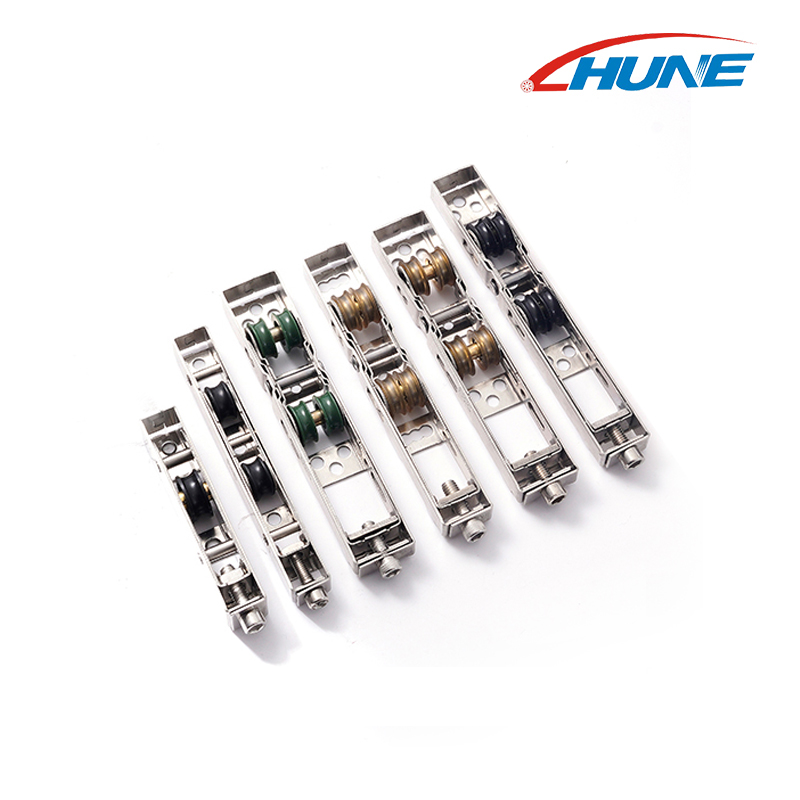
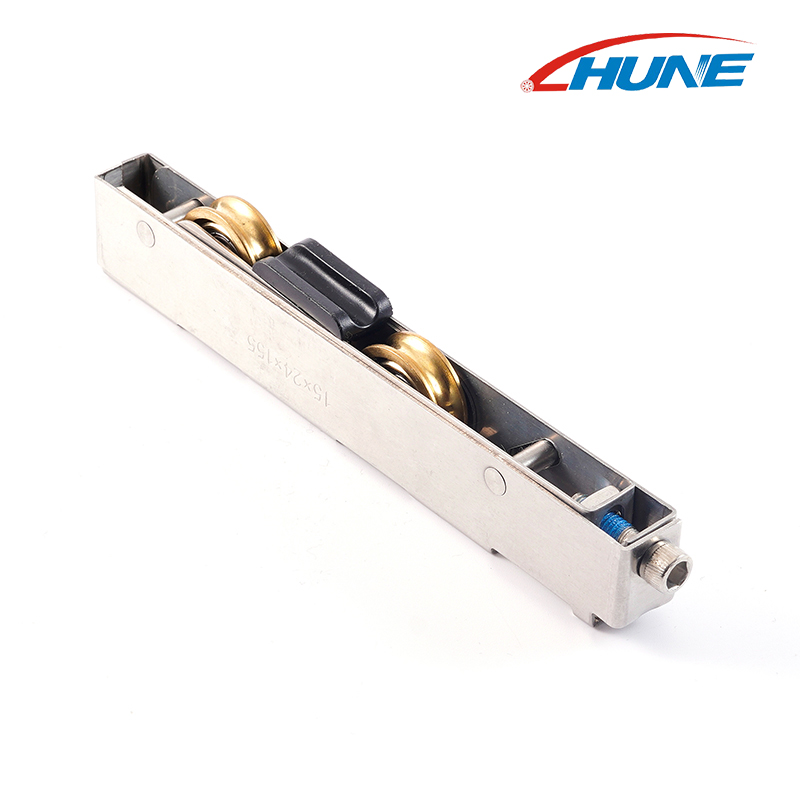
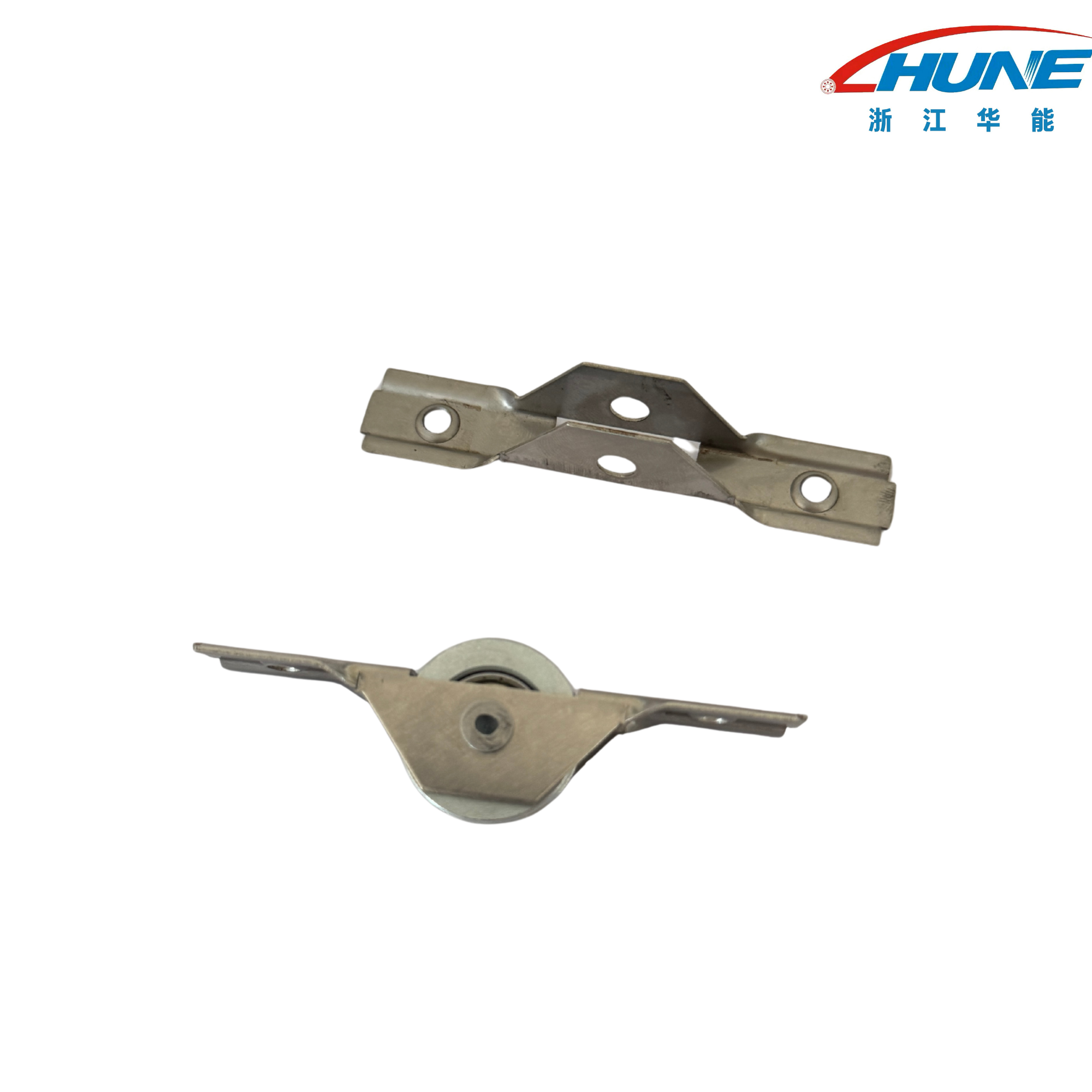
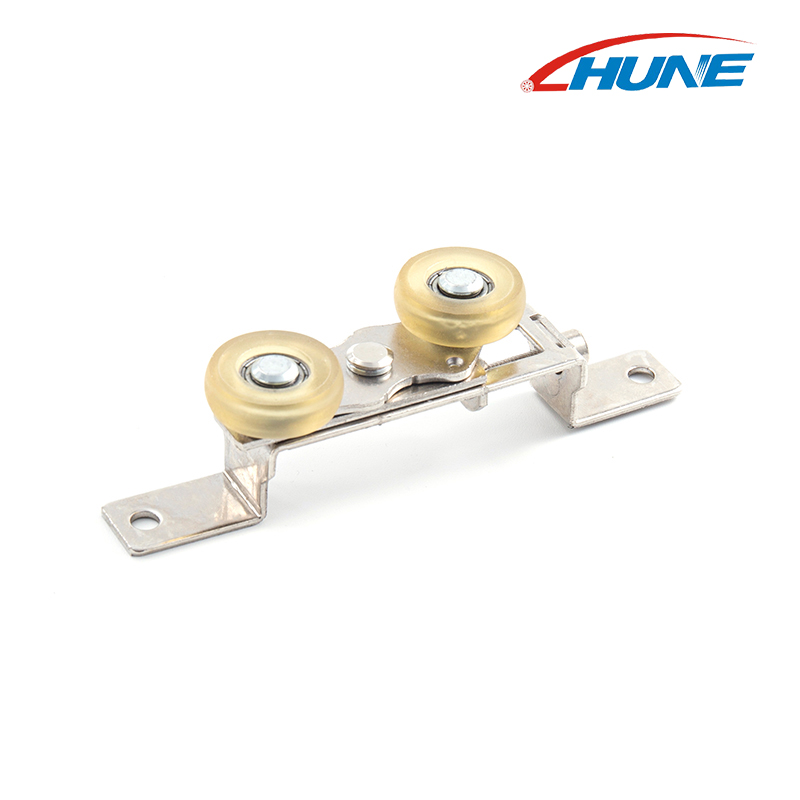
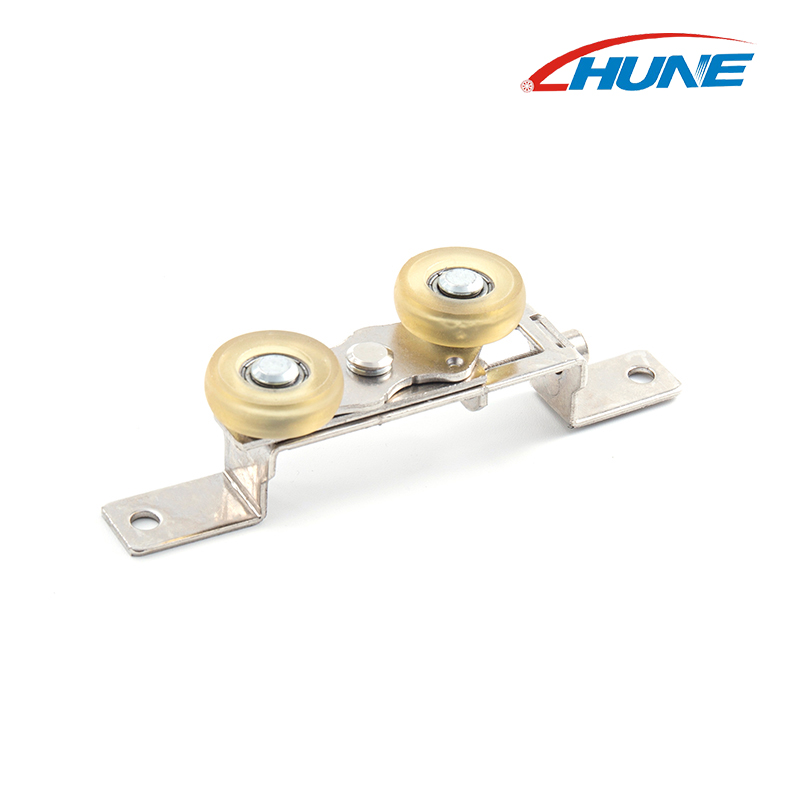
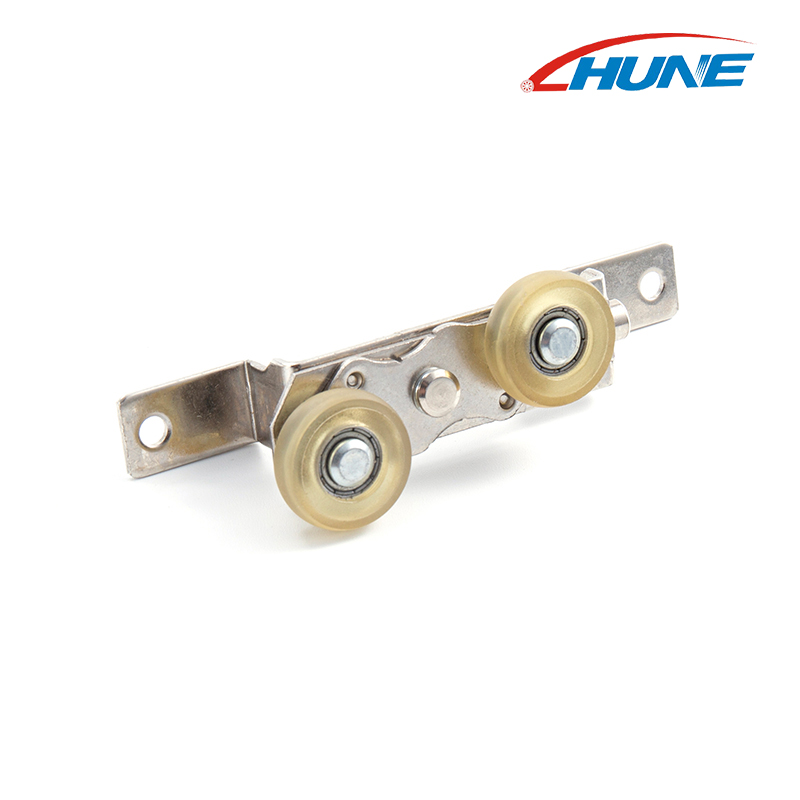
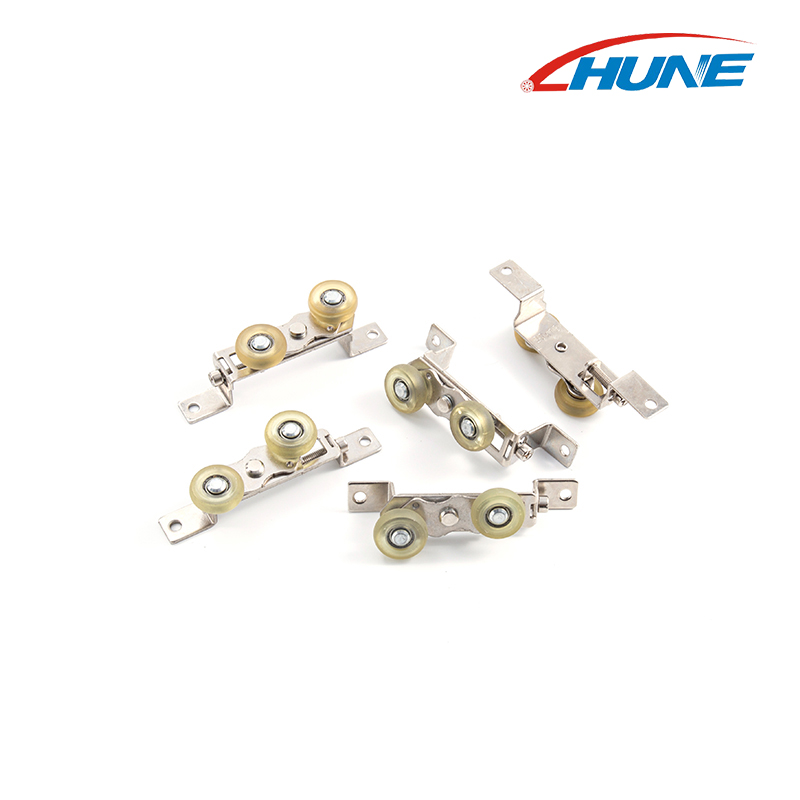
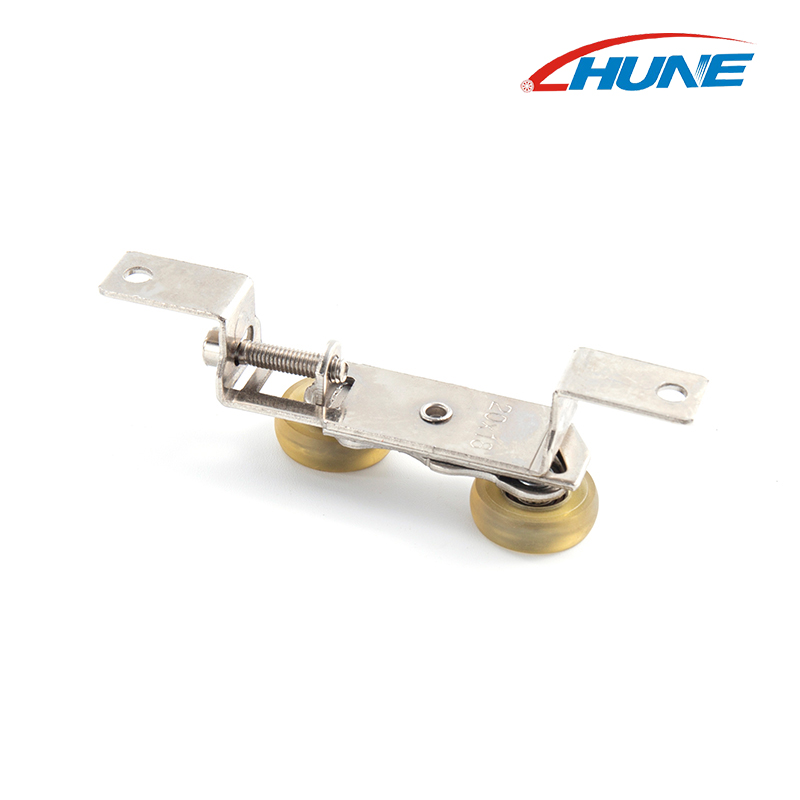
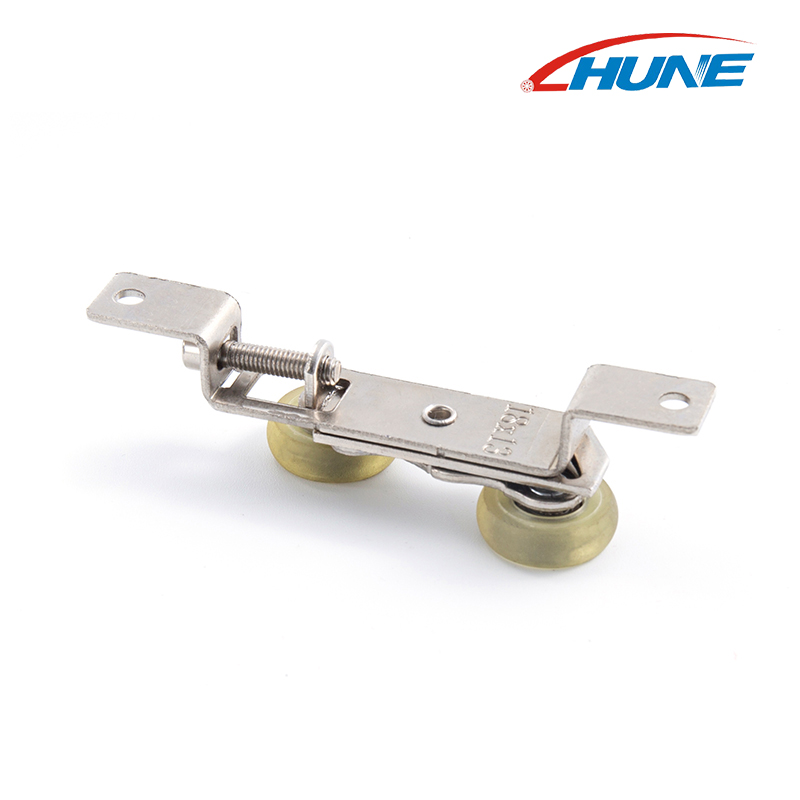
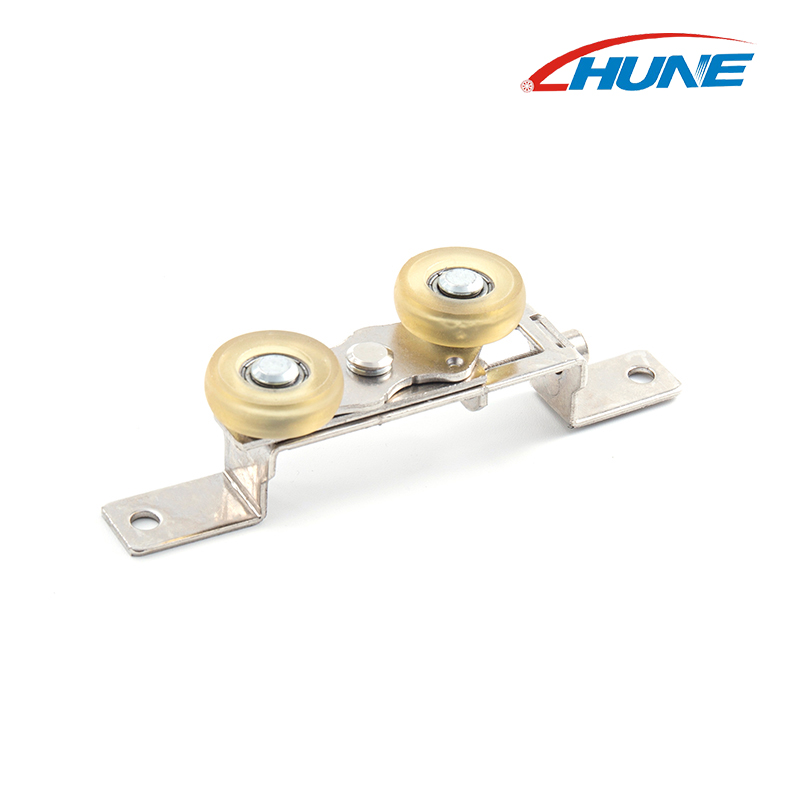
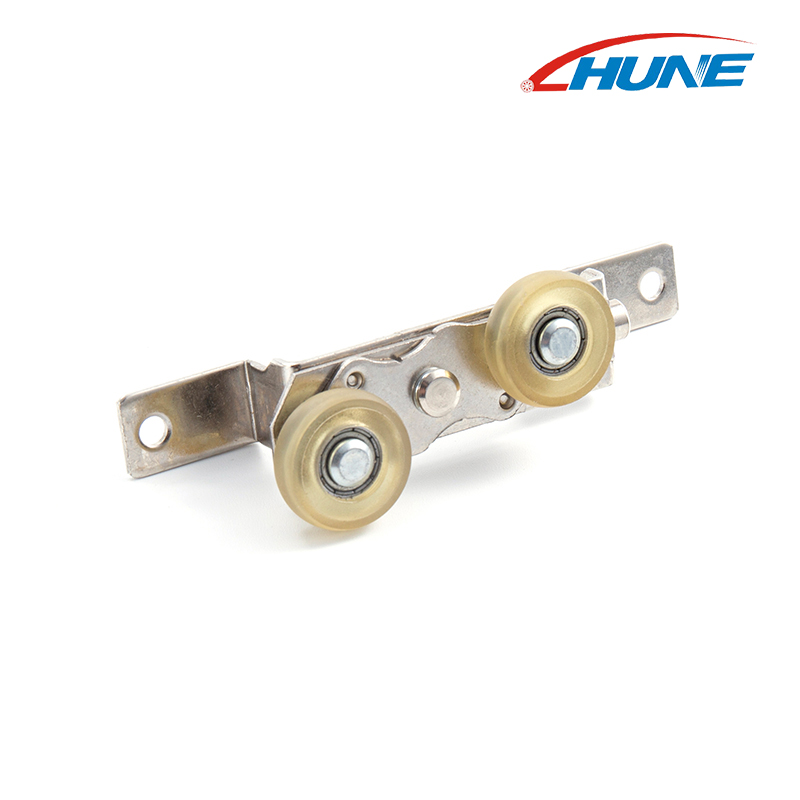
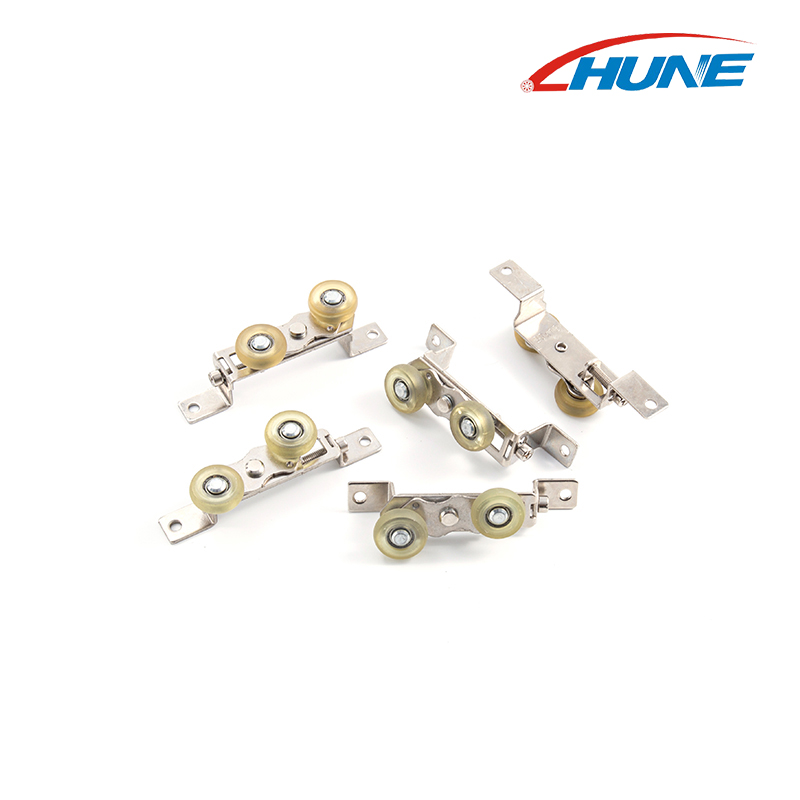
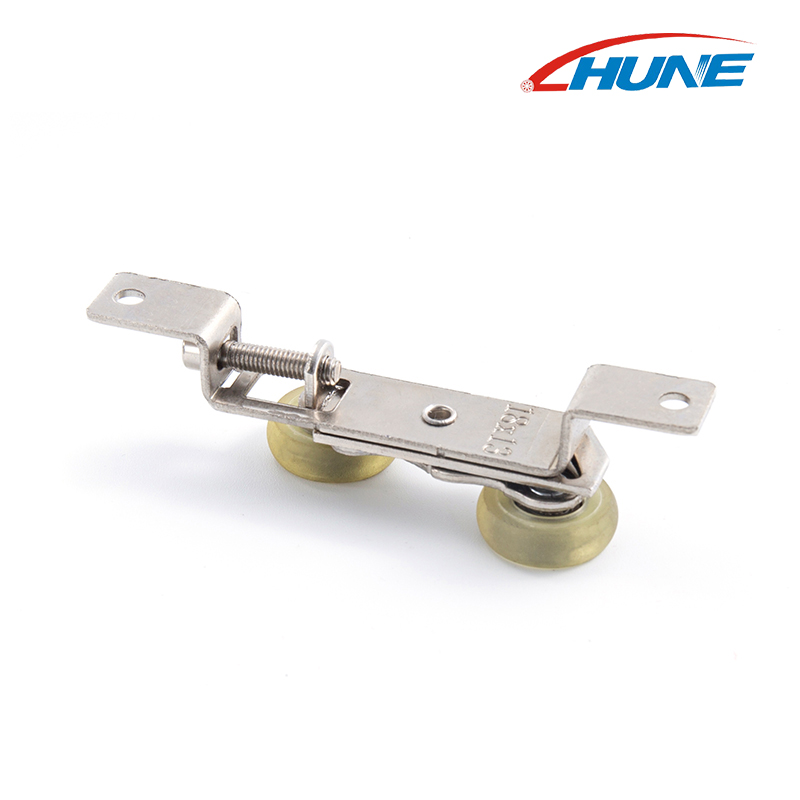
The Adjustable Tandem Upper Roller Assembly for Sliding Doors places two bearing wheels in a compact metal bracket. A side adjustment screw allows the wheel position to be set within the range provided by the assembly design. The stated PPSU / SS201 material combination pairs a plastic wheel contact surface with a stamped metal support structure.
This assembly is intended primarily for upper guiding in compatible sliding door and window profiles. Whether an upper roller also carries a significant share of the panel weight depends on the complete hardware system; many sliding doors rely on separate lower rollers for primary load support.
Product Structure and Components
The wheel, bracket, and adjustment mechanism must work together inside the available profile space. A small change in mounting position can alter how both wheels meet the upper track.
Double Nylon Wheel Roller Assembly
The double nylon wheel roller assembly uses two wheels positioned in tandem. Depending on the track and bracket geometry, this can provide two running contact points and help the panel remain guided during travel.
The product description also specifies PPSU / SS201. Nylon and PPSU are different materials, so the actual wheel or coating material should be confirmed against the drawing or production specification before ordering.
Twin Roller Assembly
A twin roller assembly places both wheels in one mounting unit. The benefit is not simply having an extra wheel: both must contact the guide as intended. If the track or bracket is out of alignment, one wheel may carry most of the contact while the other contributes little.
Plastic-coated Bearing Wheels
The plastic-coated bearing wheels separate the track from direct metal-wheel contact. This may reduce harsh contact noise and help protect a compatible guide surface. Coating material, thickness, and wheel profile should be specified for the track.
Internal Bearing
Each wheel's internal bearing allows it to rotate around its axle. Bearing fit, shaft alignment, and wheel clearance affect rolling resistance after the assembly is installed and its fasteners are tightened.
Stamped Metal Bracket
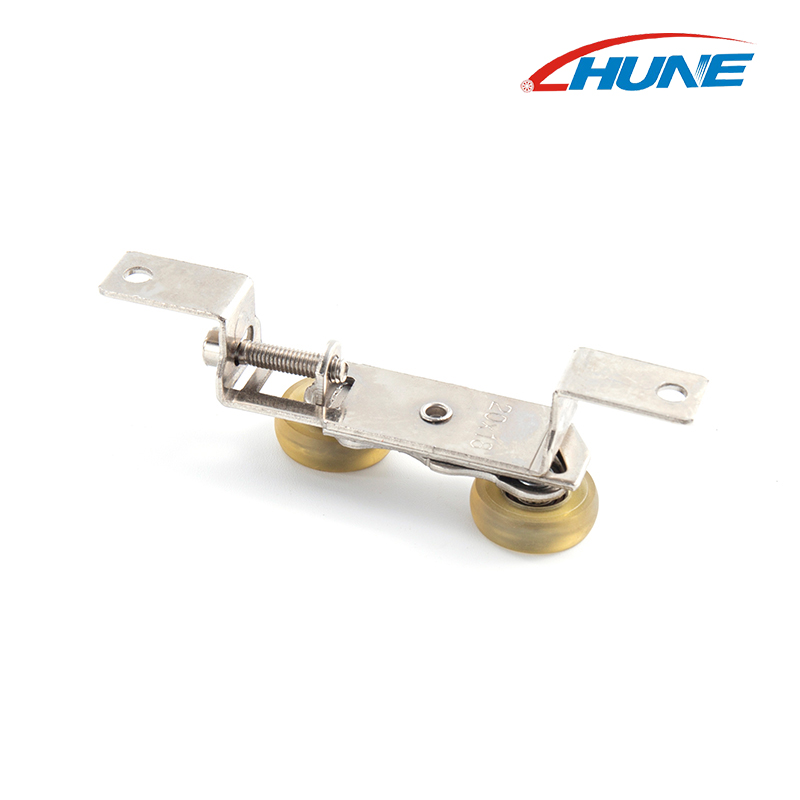
The stamped metal bracket holds the wheels and connects the roller to the door or window profile. Its shape must provide clearance for the track, mounting fasteners, and adjustment mechanism throughout the available adjustment range.
SS201 Metal Support Frame
The stated SS201 metal support frame provides the bracket structure. Material grade, bracket thickness, formed dimensions, and surface condition should be checked against the installation and exposure requirements. SS201 should not be treated as equivalent to every other stainless steel grade in a moisture-prone environment.
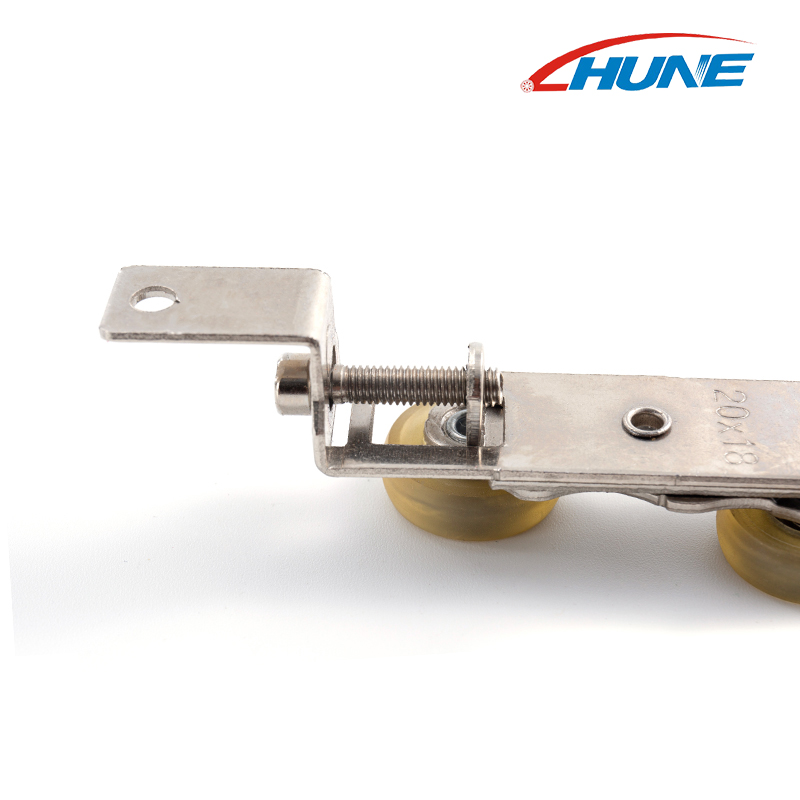
Side Adjustment Screw
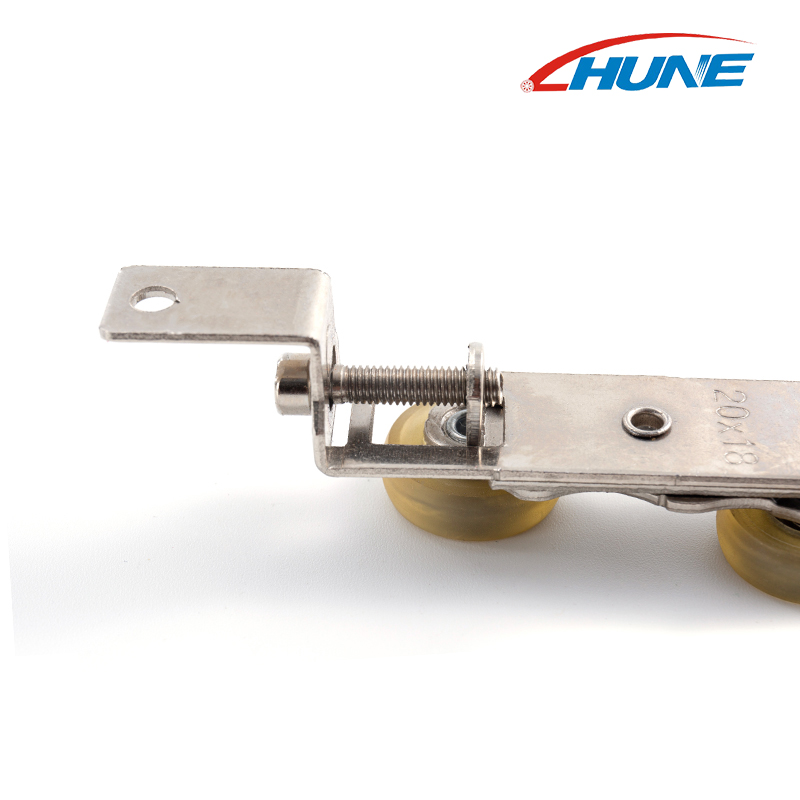
The side adjustment screw changes the installed wheel position within the mechanism's designed range. Depending on the bracket design, this may affect height, contact position, or alignment. The direction and amount of adjustment should be confirmed on the actual assembly rather than assumed from the screw's location.
Multiple Mounting Holes
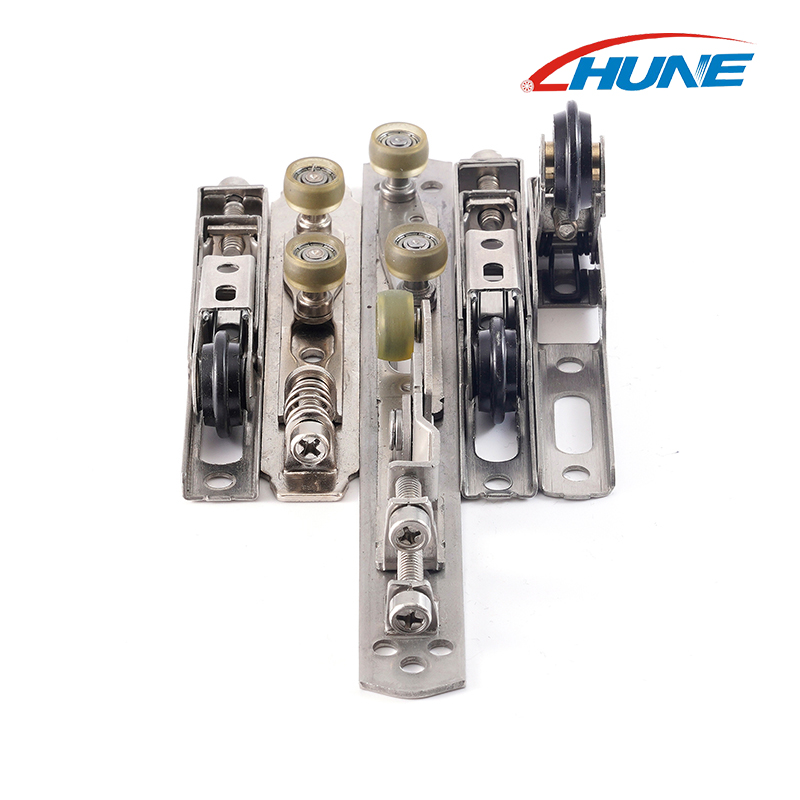
Multiple mounting holes offer installation options when their diameters and spacing match the aluminum profile. They do not make one bracket universally compatible with different systems; hole positions, fastener access, and bracket seating still need to be checked.
Compact Upper Roller Housing
The compact upper roller housing is designed for limited space within an upper door or window profile. The complete envelope—including screw heads and adjustment access—must fit, not just the wheel and bracket dimensions.
Dustproof Bearing Cover
A dustproof bearing cover can help limit debris around the bearing area. Its level of protection depends on the cover and bearing construction. It should not be described as waterproof or as a sealed bearing unless the supplied specification confirms that design.
Key Features
The value of this upper roller assembly lies in its combination of two guided contact points, an adjustable mounting position, and a compact bracket.
- Adjustable tandem roller structure: Two bearing wheels are mounted in one upper roller unit.
- Dual-wheel contact: The tandem arrangement may improve guidance when both wheels are correctly positioned against the track.
- Bearing-supported rotation: Internal bearings allow the wheels to turn around their axles.
- Plastic wheel contact: Plastic-coated bearing wheels can avoid direct metal-to-metal contact with a suitable track.
- PPSU / SS201 material combination: The stated specification pairs a plastic contact component with an SS201 support structure; exact wheel construction should be confirmed for the ordered version.
- Side adjustment screw: Provides the adjustment designed into the bracket.
- Multiple mounting holes: Allow mounting layouts to be specified for compatible aluminum profiles.
- Compact construction: Intended for upper-guide locations with restricted installation space.
- Custom dimensions: Wheel size, groove, bracket, and mounting-hole layout can be reviewed against drawings or samples.
”Quiet sliding" and "smooth operation" describe intended performance. Actual results also depend on track condition, panel alignment, lower supporting hardware, and installation.
Technical Parameters and Custom Options
The table below identifies the dimensions and specifications most useful when comparing an existing roller or developing a new version.
| Parameter | What to confirm | Why it matters |
| Wheel Diameter | Outer diameter of each wheel | Track contact and installation clearance |
| Wheel Width | Running-surface width | Fit with the upper guide |
| Wheel Groove Shape | Profile and groove dimensions | Matching with the rail or track |
| Bearing Model | Bearing dimensions and closure type | Shaft fit and rotation requirements |
| Bracket Length | Overall bracket envelope | Fit inside the aluminum profile |
| Bracket Thickness | SS201 support-frame thickness | Formed fit and structural requirements |
| Mounting Hole Position | Hole size and center distances | Alignment with profile fixing points |
| Adjustment Screw Design | Access, direction, and travel | Practical adjustment after installation |
| Plastic Material | Wheel body or coating specification | Contact behavior and wear |
| Metal Material | Bracket and other metal components | Structural and environmental suitability |
| Surface Treatment | Specified finish, if applicable | Appearance and exposure requirements |
| Dustproof Cover | Cover or bearing-protection construction | Debris control around the bearing |
| Sample or Drawing Development | Sample, track, and profile references | Confirmation of assembly compatibility |
The table is a specification checklist, not a set of fixed dimensions. For custom development, supply the aluminum profile cross-section and upper-track drawing alongside the roller sample wherever possible.
Material and Performance Advantages
The material combination should be assessed in the installed system. Wheel material influences track contact; bracket material supports mounting; the bearing and spacers determine whether the wheels remain free to turn.
PPSU / Plastic-coated Wheel Structure
The stated PPSU / plastic-coated wheel structure provides a non-metallic running surface. PPSU is a distinct engineering plastic; a plastic coating, molded PPSU wheel, and nylon wheel are not automatically the same construction. The approved material specification should identify which is supplied.
A plastic contact surface may reduce sharp metal contact noise, but track finish, alignment, and wheel fit still determine the finished sliding feel.
SS201 Stamped Metal Bracket
An SS201 stamped metal bracket can provide a compact support structure with formed mounting features. Its thickness, bends, and hole positions need to match the profile. For humid or exposed locations, material and surface-finish suitability should be reviewed for the particular installation.
Precision Bearing Steel
The bearing's steel components support wheel rotation. A good bearing alone will not ensure smooth sliding if its axle is misaligned, the wheel is pressed against the housing, or the track is damaged.
Dustproof Bearing Design
A dustproof bearing design helps limit the effect of debris where specified. The protection provided by a cover, a shielded bearing, and a sealed bearing differs; the chosen construction should reflect the amount of dust and moisture expected.
Spacer and Assembly Design
A spacer structure can maintain the intended clearance when the mounting screw or axle is tightened. This is worth checking during installation: the bracket should be secure while both wheels still rotate freely.
Applications
This adjustable tandem upper roller assembly may be used across several sliding systems when the profile, track, and mounting geometry match. Its role should be confirmed within the complete door or window hardware arrangement.
Aluminum Sliding Windows
In aluminum sliding windows, a sliding window roller assembly can guide the sash at the upper profile. Compact dimensions and access to the adjustment screw are important.
Aluminum Sliding Doors
As an aluminum sliding door roller, the assembly can help guide the upper part of the panel and limit unwanted movement. Primary panel weight may be carried by separate lower hardware, depending on the system.
Glass Sliding Doors
For a glass sliding door roller application, confirm the complete door weight, upper-track shape, mounting bracket, and the role assigned to the upper roller. Glass-door hardware should be assessed as a system.
Balcony Sliding Doors
A balcony sliding door roller may experience more humidity and airborne debris than an interior roller. Bearing protection and bracket-material suitability should be reviewed accordingly.
Patio Doors
In a patio door roller system, frequent use makes correct adjustment and secure mounting important. Check that the roller maintains its intended track contact throughout the panel's travel.
Screen Doors and Windows
A screen door roller or screen-window guide may need a particularly compact bracket. The track profile and lighter panel construction should determine wheel and adjustment specifications.
Residential Door and Window Systems
For residential sliding door hardware and sliding window hardware, operating feel depends on the upper guide working with the lower rollers, frame, and track—not on one component in isolation.
Commercial Aluminum Profile Systems
A commercial aluminum profile roller system may call for a specific mounting-hole pattern, bracket envelope, wheel profile, or adjustment access. These details should be established from the system drawing.
The Adjustable Tandem Upper Roller Assembly for Sliding Doors is a compact, dual-wheel upper-guide component. Its practical value comes from fitting the track and profile correctly, allowing useful adjustment, and keeping both bearing wheels free to rotate after installation.
Hune provides adjustable tandem upper roller assembly, sliding door upper roller, sliding window roller assembly, adjustable sliding door roller, double nylon wheel roller assembly, twin roller assembly, aluminum sliding door roller, aluminum window roller, glass sliding door roller, balcony sliding door roller, patio door roller, screen door roller, sliding door hardware, sliding window hardware, and aluminum profile roller system components for appropriately matched door and window structures.