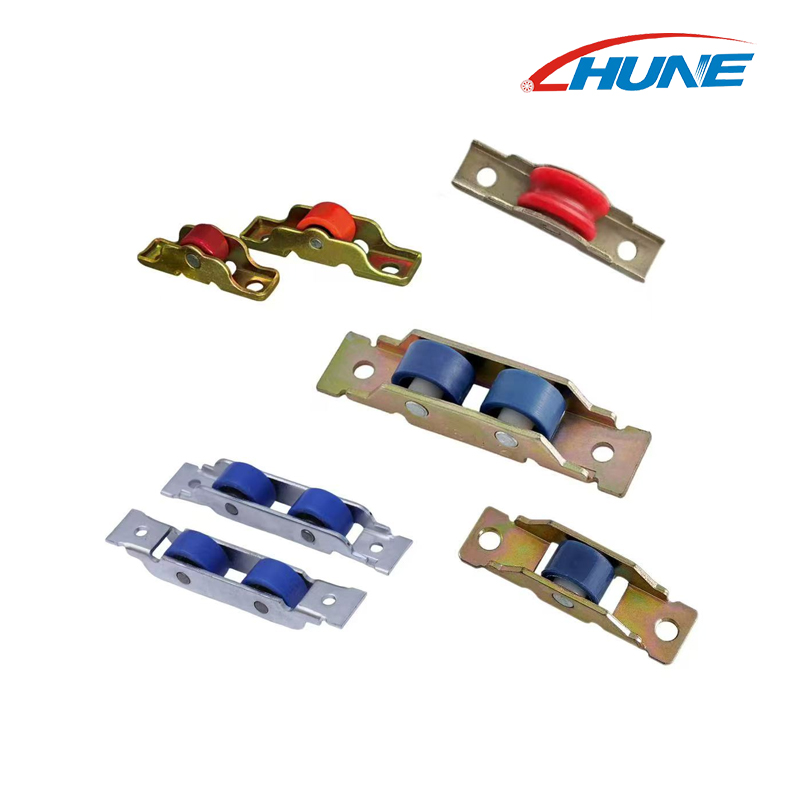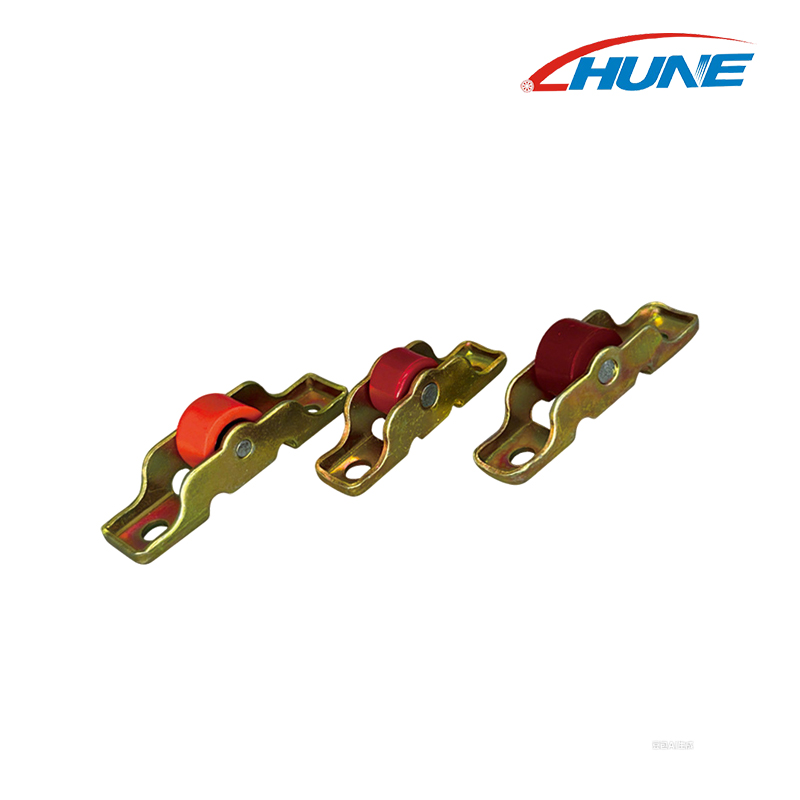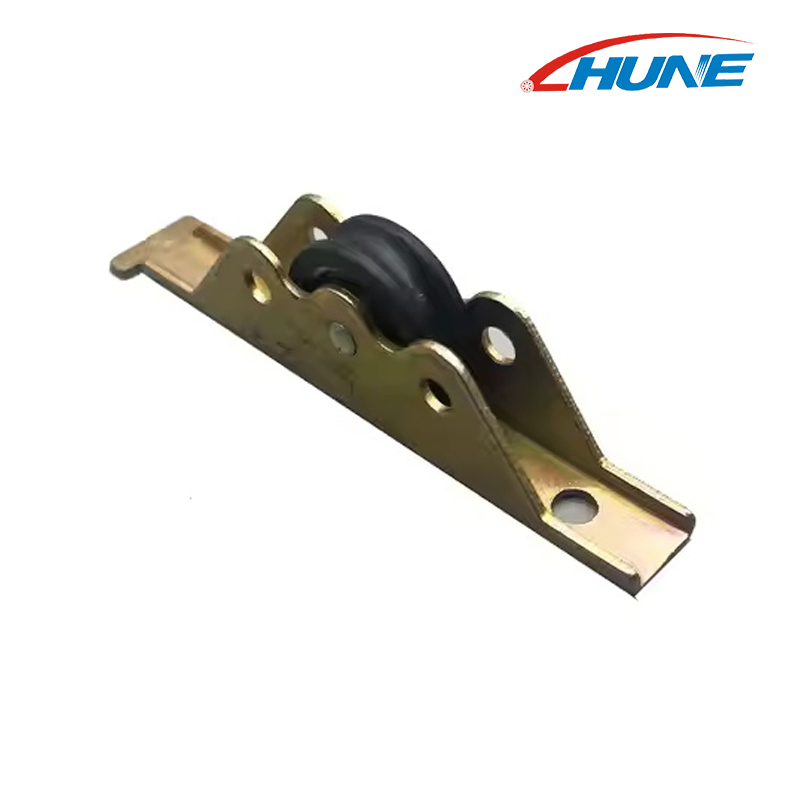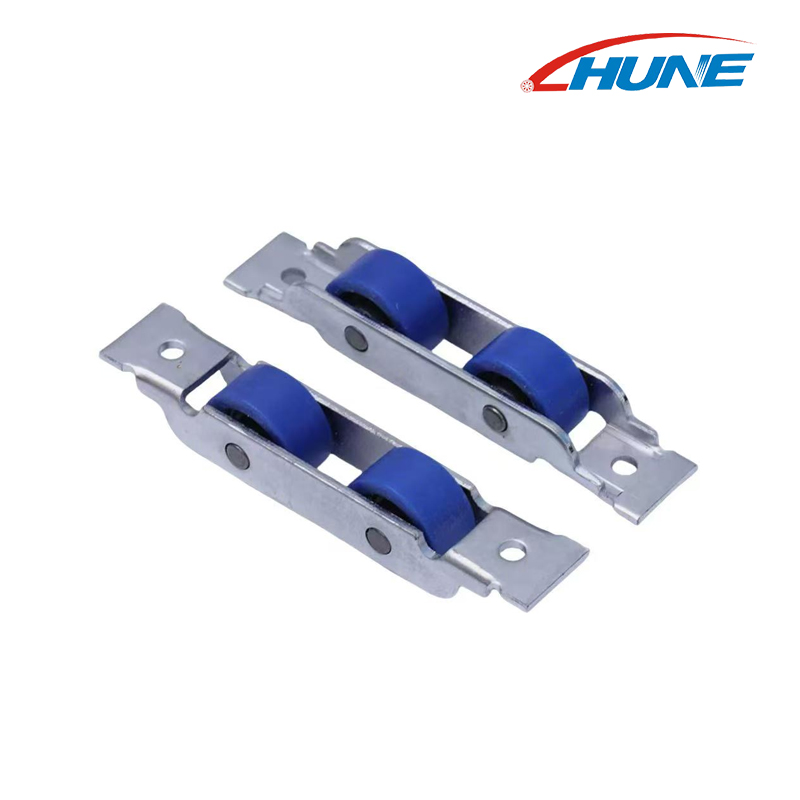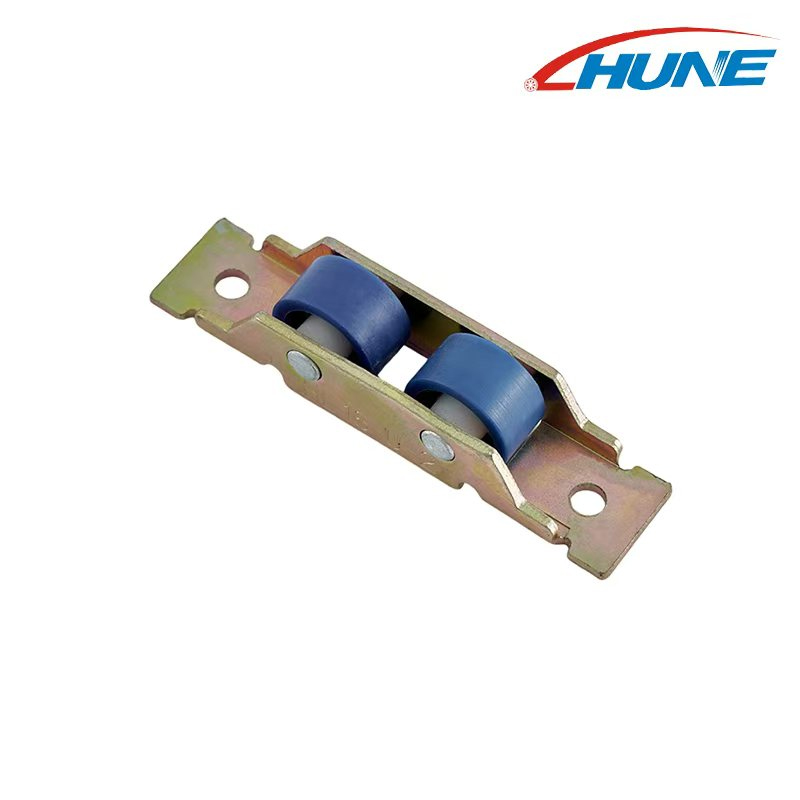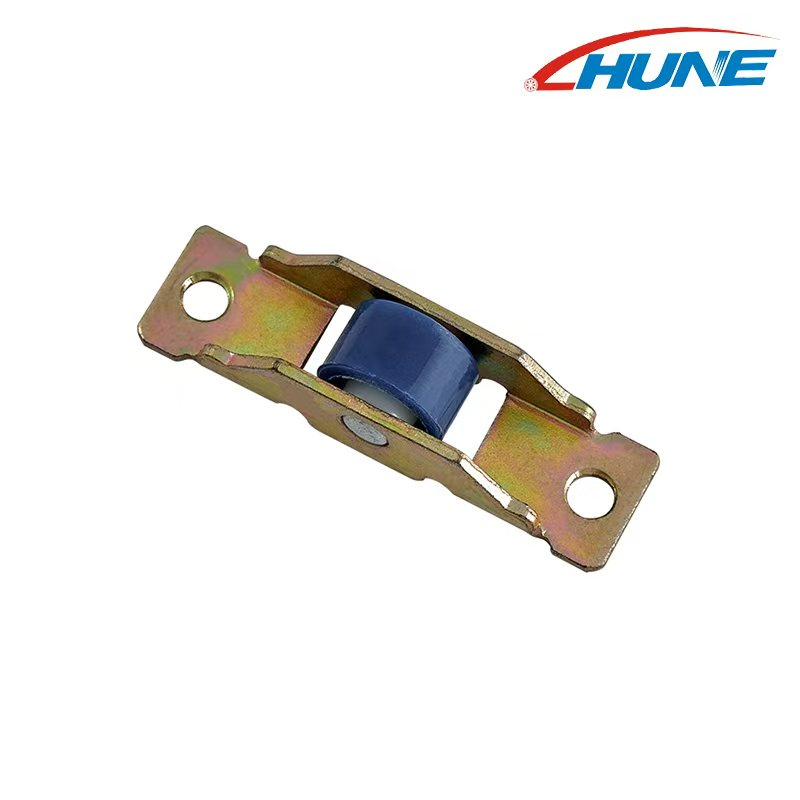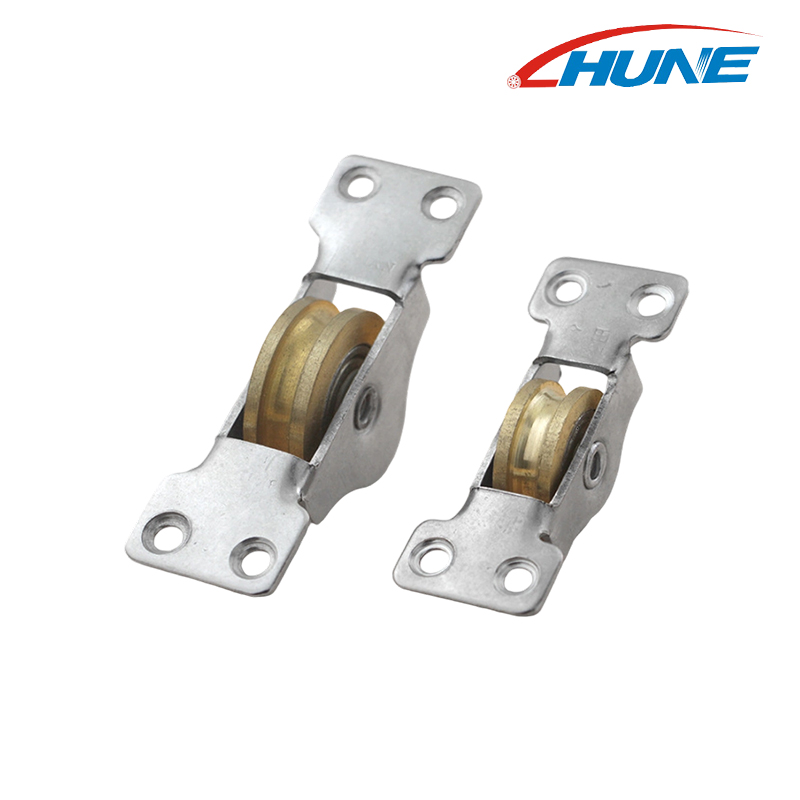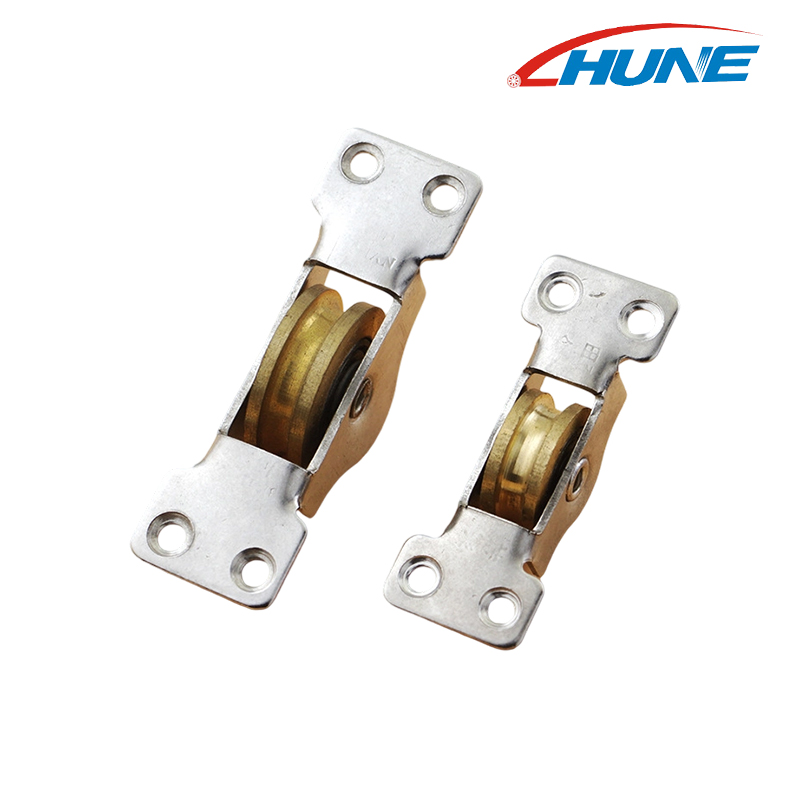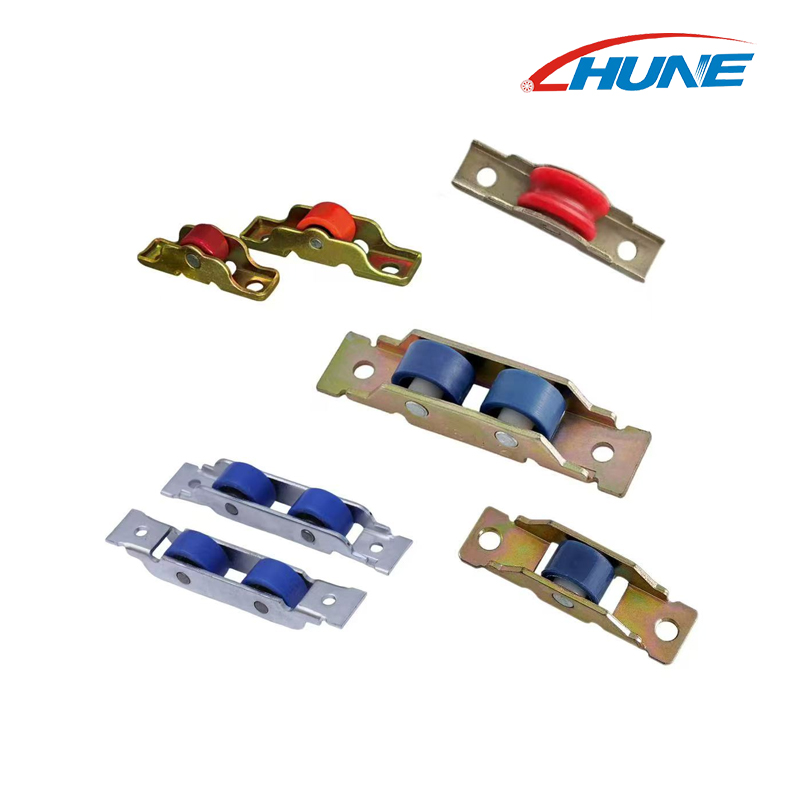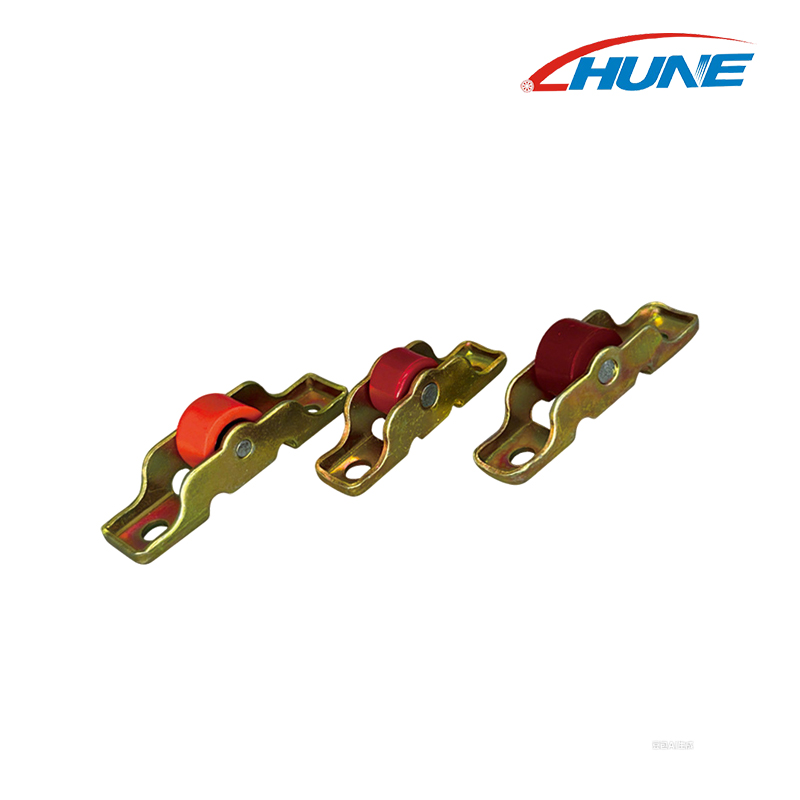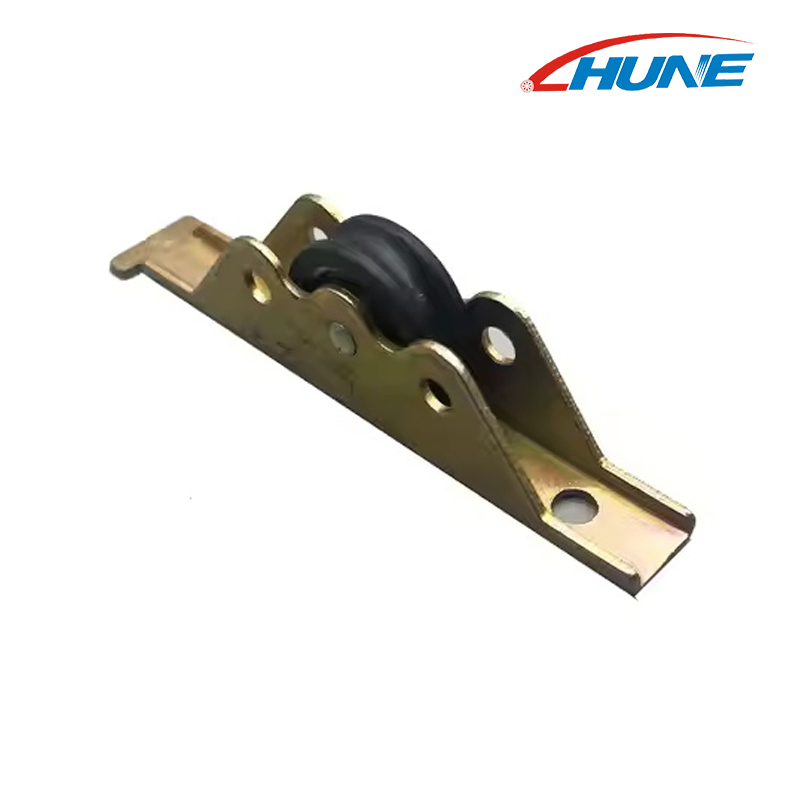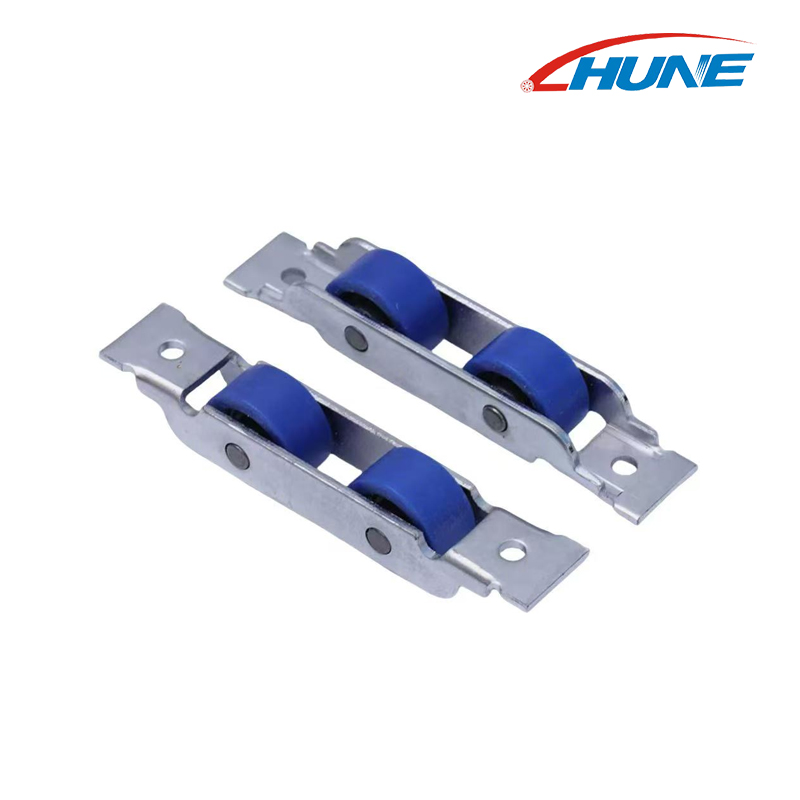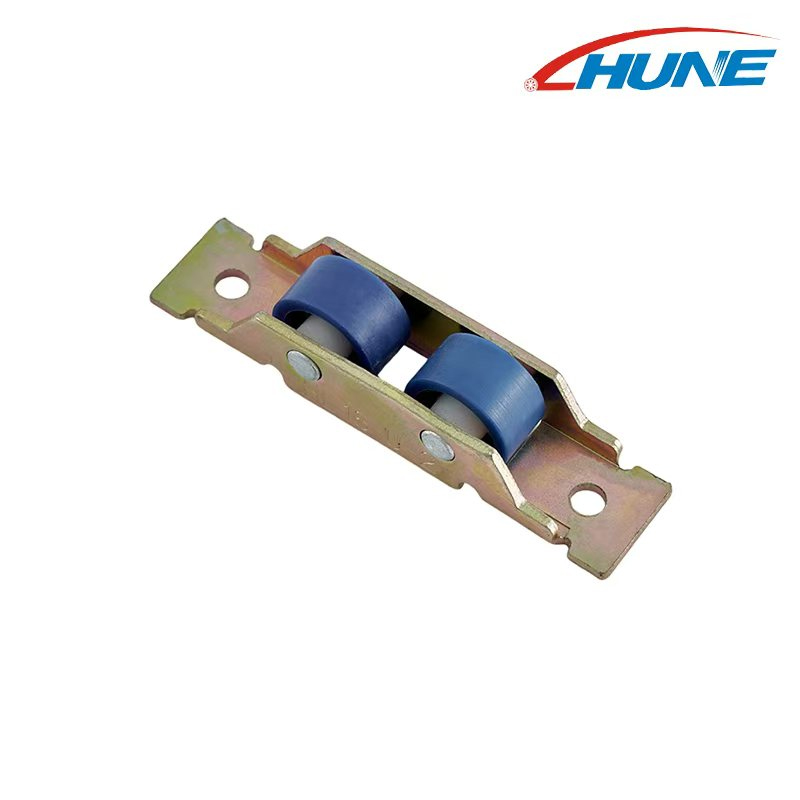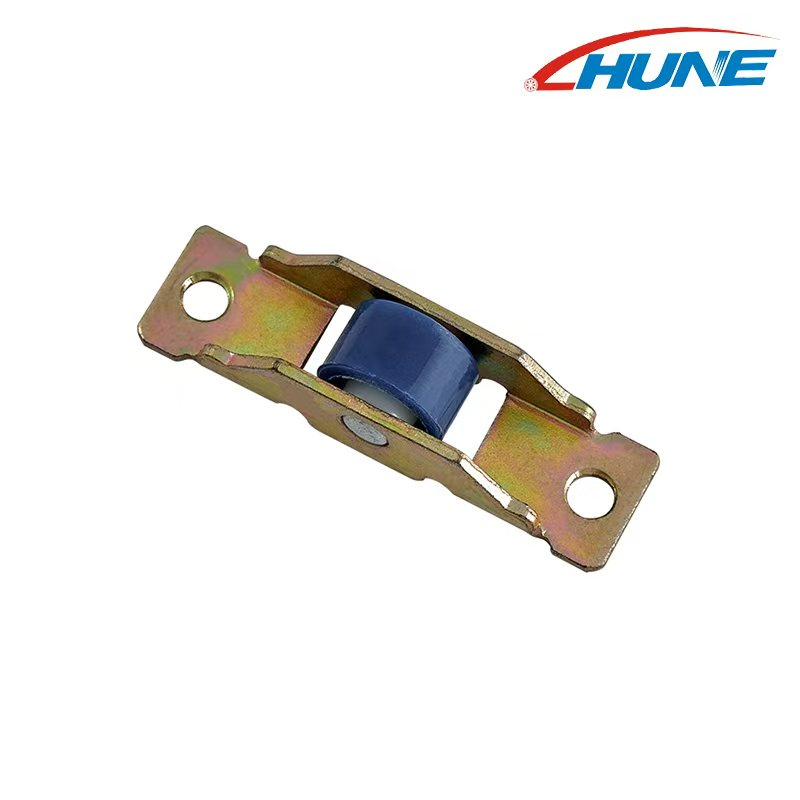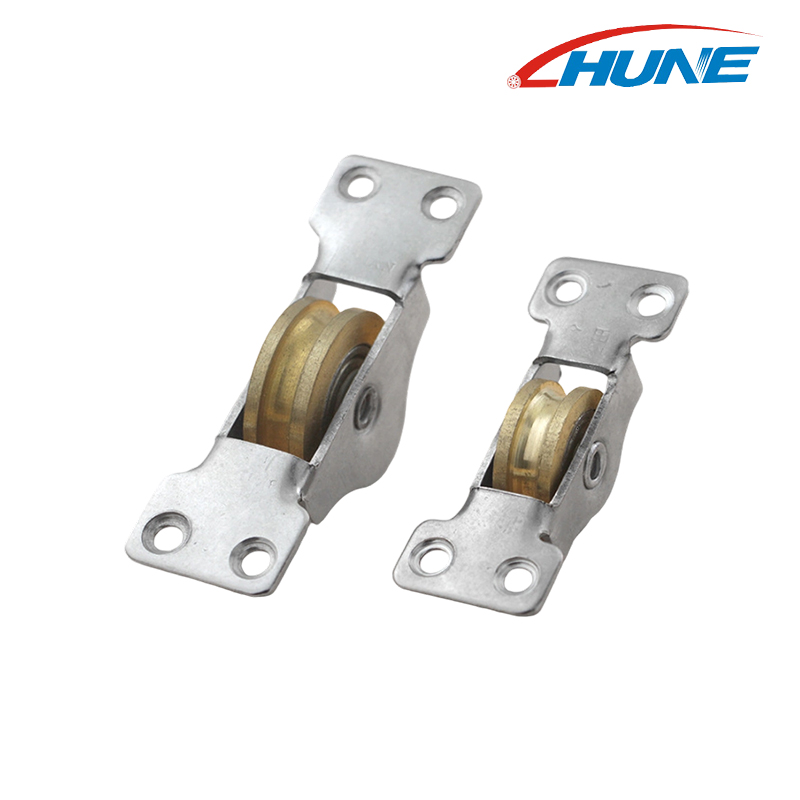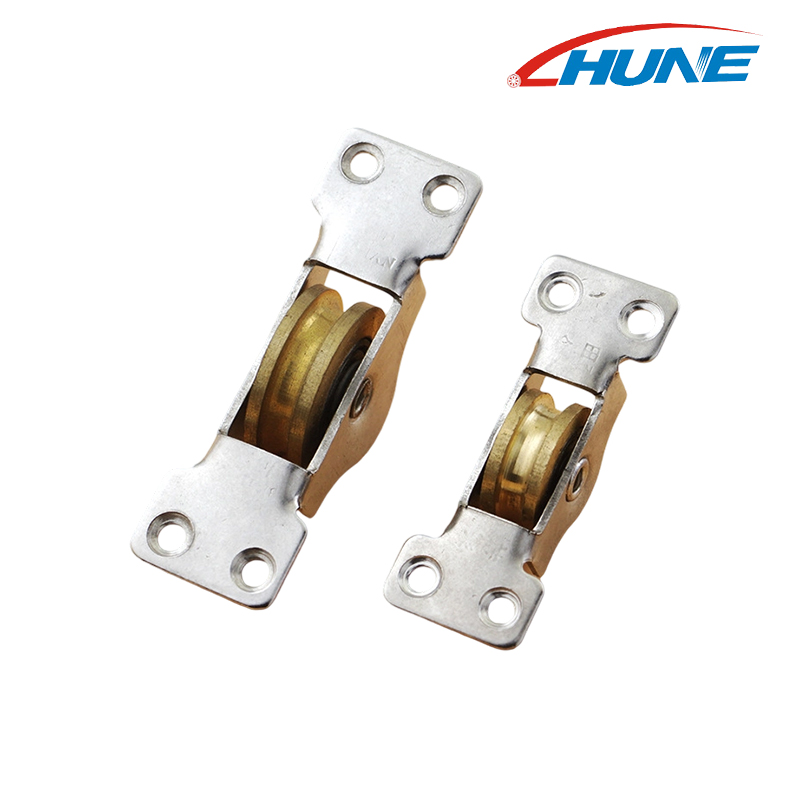
Door & Window Roller Hardware

HOME / PRODUCT / Door & Window Roller Hardware / Aluminum Sliding Window Roller Pulley Wheel

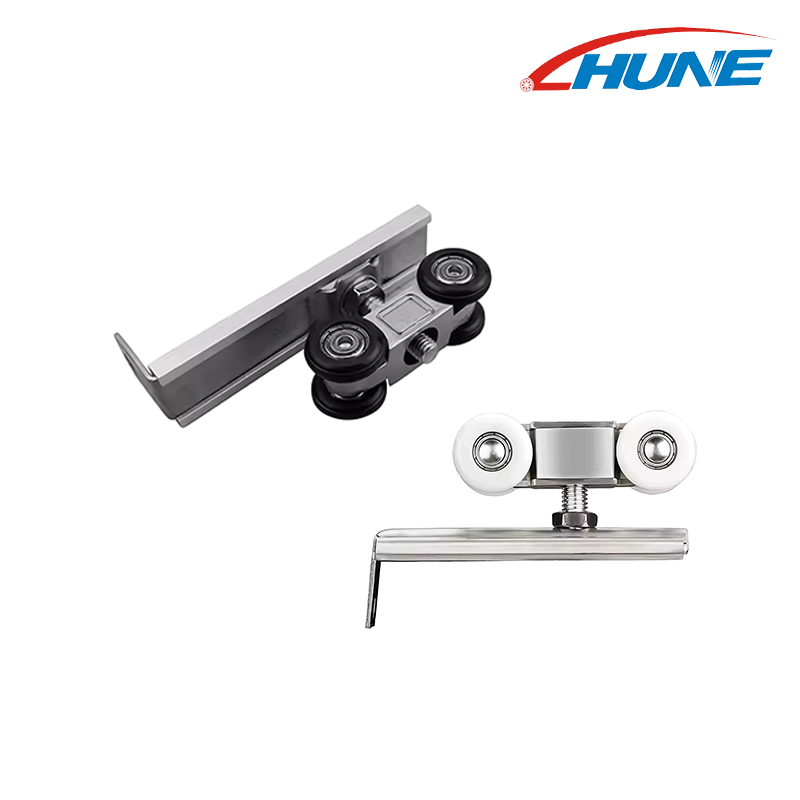
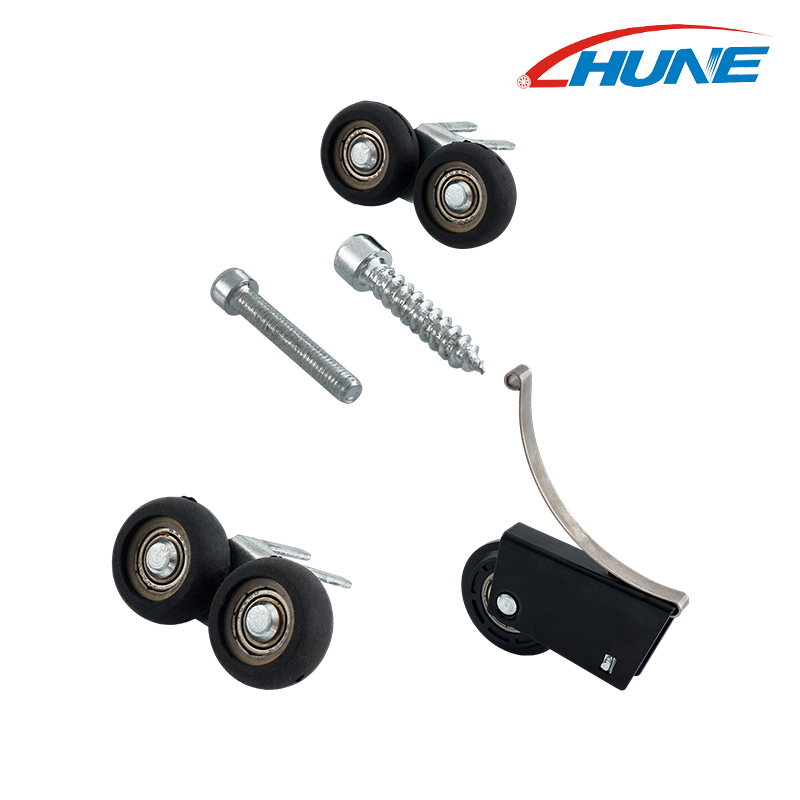
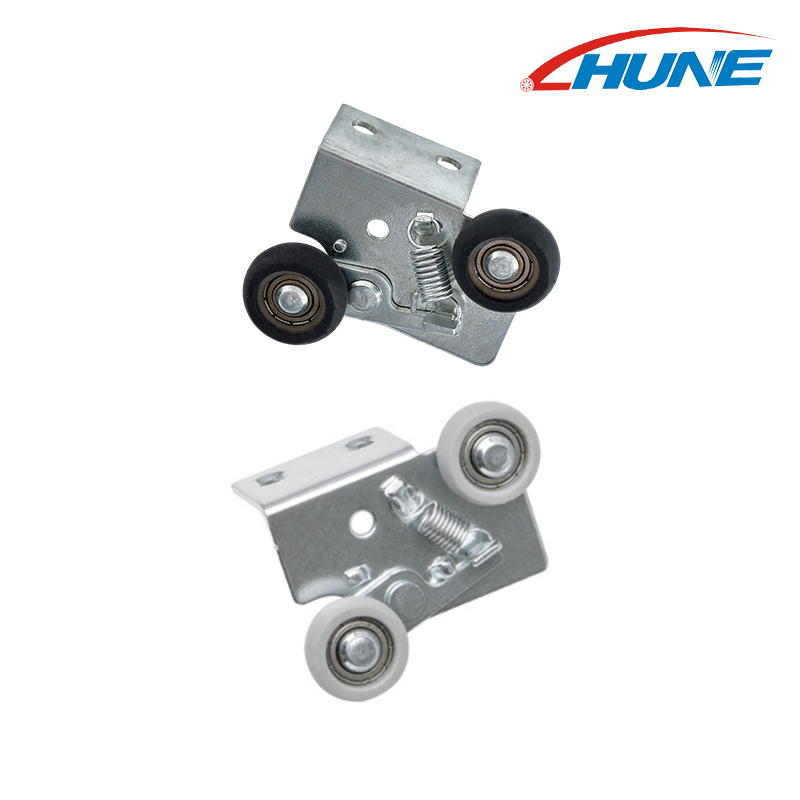
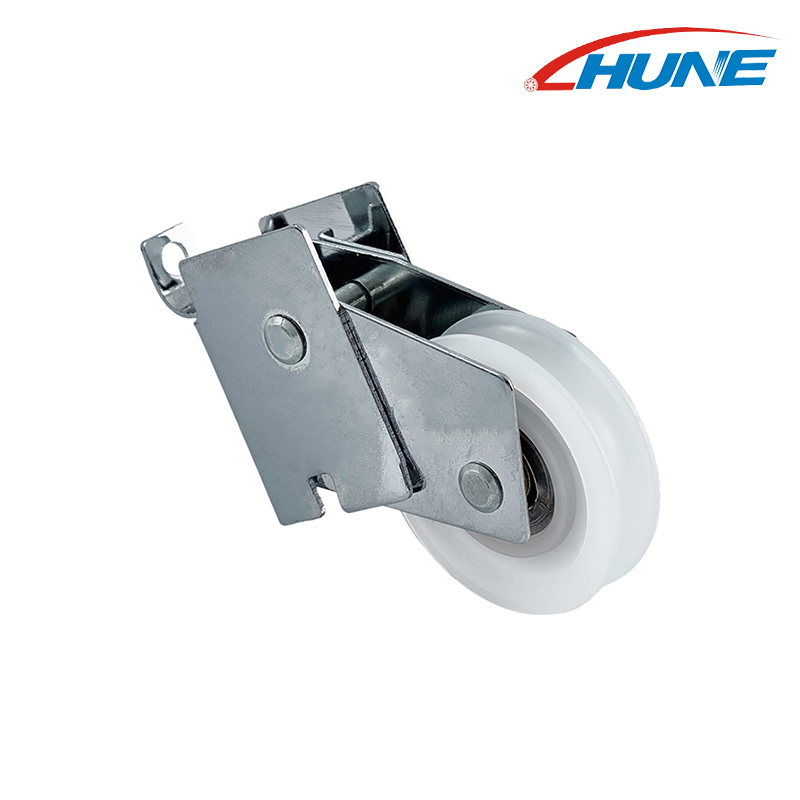
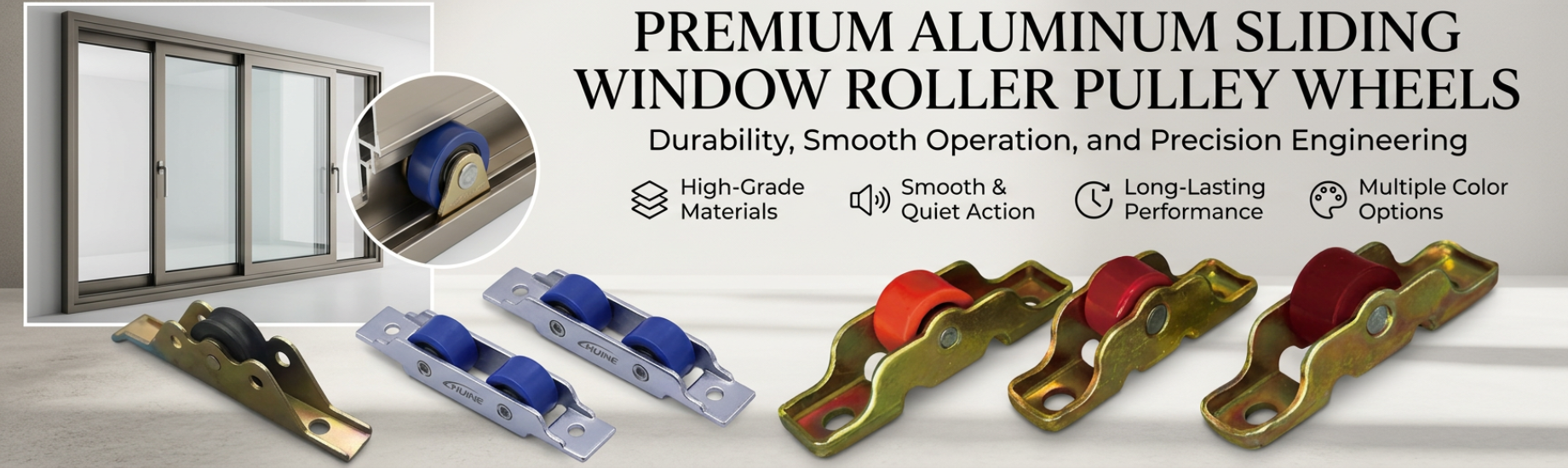
Aluminum Sliding Window Roller Pulley Wheel

○ Material and color can according to customers' requirement.
○ We can make different size as per customers' requirement.

Product Advantages
  • Smooth Operation
    The spacer design ensures smooth rolling and no jamming, even when screws are fully tightened.
  • Silent & High Load Pulley
    Combines quiet bearings with high load capacity for smooth, low-noise performance.
  • Durable Materials
    The nylon-coated outer layer offers strength, toughness, and fatigue resistance.
  • Precision Bearings
    High-quality bearing steel provides quiet, high-speed, and wear-resistant performance.
  • Sealed & Dustproof
    Metal dust cover ensures tight sealing; smooth surface with no burrs for refined quality.
Product Description
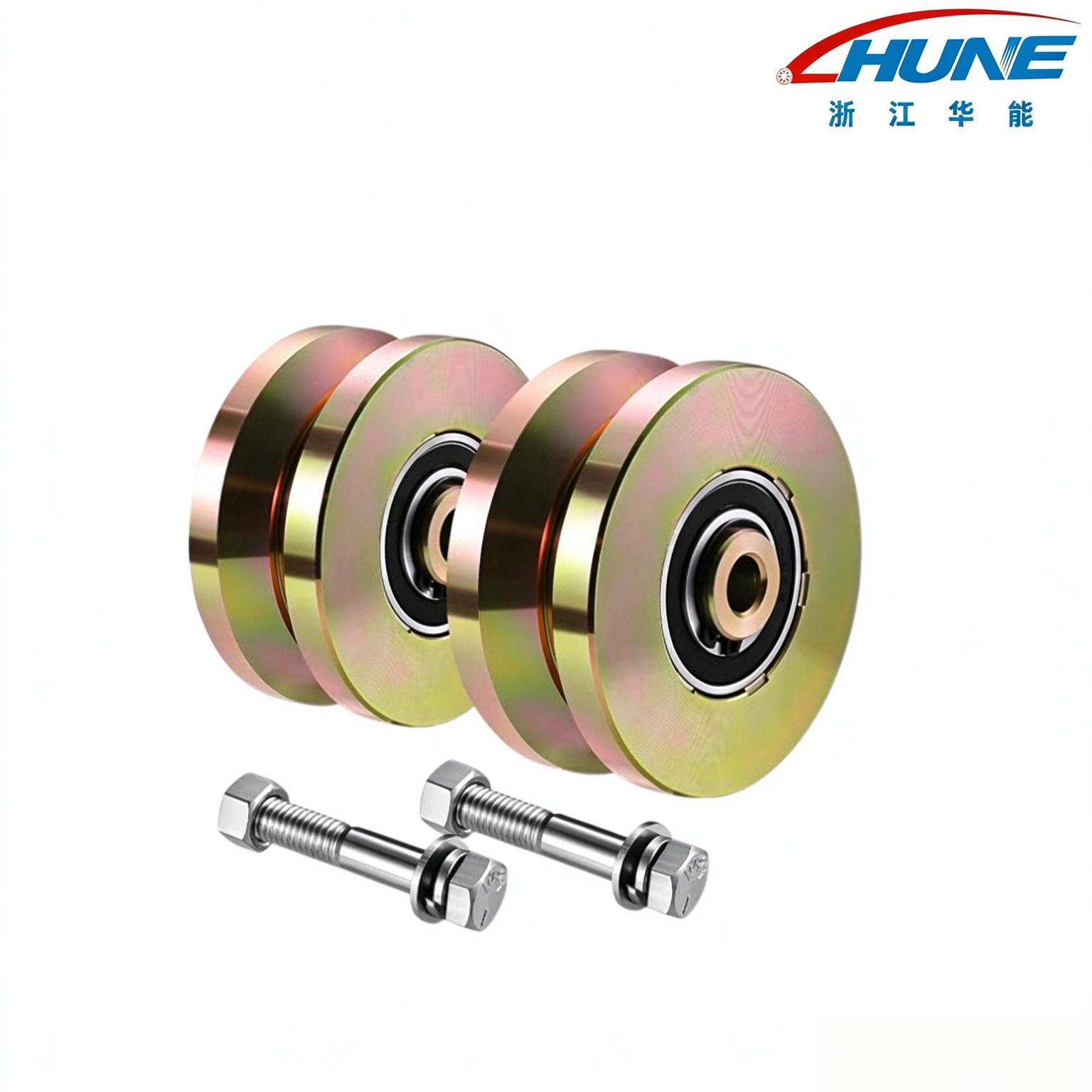
The Aluminum Sliding Window Roller Pulley Wheel is a roller assembly for compatible aluminum sliding windows, window sash systems, and selected sliding door tracks.

Installed in the sash or panel, it provides rolling contact with the rail while its bearing, body, and mounting components keep the wheel in position.

A suitable Window Track Roller can help a sash move with less resistance. Its performance, however, depends on more than bearing smoothness. Wheel profile, sash weight, track condition, mounting height, and installation alignment all affect how the window opens and closes.

Potential applications include residential and commercial windows, balcony window systems, office partitions, and replacement projects. Use in sliding doors, humid areas, or coastal environments requires a separate review of load capacity, track compatibility, and corrosion exposure.

Product Structure and Components

A sliding window roller works through the combined action of its wheel, bearing, axle, support body, and track. Each component should be specified for its role in the assembled sash.

Aluminum Roller

The aluminum roller provides the running surface that contacts the track. Its diameter, width, and profile determine where the sash load meets the rail.

An aluminum wheel can offer a compact, dimensionally defined contact surface. It should not be assumed to protect every aluminum track from wear: debris, excessive contact pressure, or an incorrect profile can still damage the wheel or rail. Where noise or track material calls for a different contact surface, a plastic sliding wheel roller may be considered as a separate design option.

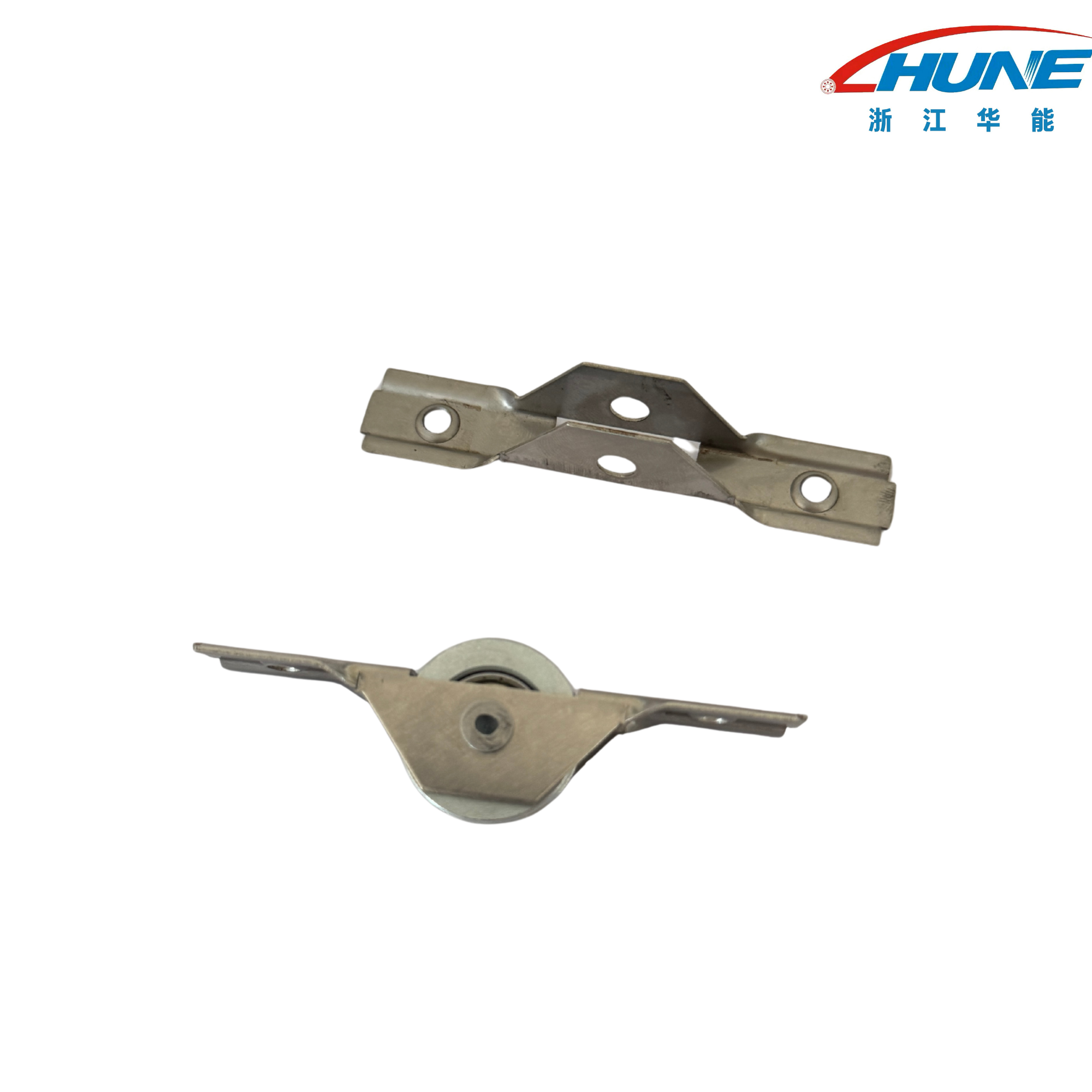
Galvanized Iron Body

The galvanized iron body holds the wheel and bearing in the required position and provides mounting points for the sash. Body thickness, formed shape, and hole locations affect both installation fit and wheel alignment.

Galvanizing helps protect exposed steel surfaces, but protection varies with coating specification, cut edges, wear, and the operating environment. A corrosion resistant window roller for humid or coastal use needs an application-specific material and finish review.

Copper Parts

Copper parts may be used as a bushing, spacer, connector, or other component, depending on the approved design. Their purpose should be identified on the drawing rather than inferred from the material name.

In assemblies containing different metals, material contact and moisture exposure also matter. Copper components alone do not establish the corrosion resistance of the complete roller.

Sealed Double-Bearing Configuration

A sealed double bearing window roller uses two bearings within a specified wheel arrangement. This can provide bearing support across the wheel's width when the bearing seats, axle, and spacer are correctly designed.

Seals help limit contaminant entry into the bearings. They do not make the assembly waterproof, and two bearings do not automatically double its load capacity. The intended sash load must be assessed against the wheel, bearings, axle, body, and track together.

Spacer Design

A spacer maintains the specified distance between rotating and fixed parts. It can help prevent the wheel from binding when the axle or mounting fastener is tightened.

Spacer length and contact position must match the bearing arrangement. After assembly, the body should be secure while the wheel remains free to rotate.

Dustproof Cover

A dustproof cover helps limit debris around the bearing area. Its protection depends on how closely it fits and whether the bearing itself is shielded or sealed.

The cover does not prevent dirt from collecting on the track. Regular track cleaning remains important, especially where grit can enter from an open window.

Track Matching Wheel Profile

The wheel profile determines the roller's intended contact with the rail. A grooved, flat, or otherwise shaped wheel must be matched to the actual track cross-section—not selected solely from its outside diameter.

Correct matching helps the sash follow its designed path. A wheel that runs on an unintended rail edge may cause rubbing, noise, side movement, or uneven wear.

Key Features

The available features of an Aluminum Sliding Window Roller Pulley Wheel depend on the configuration specified for the window system:

  • Aluminum Sliding Window Roller construction for a defined sash and track arrangement
  • Aluminum Window Roller profile matched to the intended rail contact
  • Sealed bearing window roller or double-bearing option, where specified
  • Galvanized iron body for structural mounting
  • Copper parts where required by the assembly design
  • Spacer to preserve wheel clearance after fastening
  • Dustproof cover option for bearing-area protection
  • Custom wheel, body, bearing, mounting-hole, and finish specifications

A low-noise window roller is an outcome to evaluate in the installed sash. Bearing condition, wheel-to-track contact, frame alignment, and track cleanliness all contribute to operating sound. The same principle applies when specifying an aluminum sliding door roller: a window-sized assembly should not be assumed suitable for a heavier door panel.

How the Aluminum Sliding Window Roller Works

When the sash moves, the wheel rolls along its designated track surface. The bearing allows the wheel to rotate around the axle, while the body connects the assembly to the sash. In a load-bearing arrangement, force passes from the sash through the body, axle, bearing, and wheel into the track.

The wheel profile also contributes to guidance. Its contact surfaces should keep the sash on its intended path without excessive side rubbing. A spacer maintains internal clearance, and a sealed bearing or dustproof cover may help limit contamination around the rotating parts.

Installed performance should be checked across the sash's full travel, not only by spinning the wheel before fitting it. A local track defect, an incorrectly positioned mounting hole, or uneven sash alignment may become apparent only after installation.

Technical Parameters and Custom Options

The dimensions below are specification items rather than fixed product values. A replacement window sash pulley wheel should be compared with both the existing roller and its mating track.

Parameter What to confirm Why it matters
Wheel Diameter and Width Running dimensions Track contact and sash clearance
Inner Diameter and Bearing Model Bearing seat and axle fit Secure assembly and rotation
Roller Height Complete installed height Sash position within the frame
Double Bearing Structure Bearing quantity and spacing Fit within the wheel and axle layout
Wheel Material Aluminum or specified alternative Track contact, wear, and noise requirements
Body Material, Size, and Thickness Galvanized iron body specification Sash mounting and support
Copper Parts Design Component position and function Assembly compatibility
Mounting Hole Diameter and Position Screw size and hole centers Replacement or new-installation fit
Spacer Size Width and contact faces Free rotation after tightening
Dustproof Cover Type Cover fit and bearing protection Contaminant exposure
Track Matching Profile Rail cross-section and contact surfaces Guidance and wear behavior
Surface Treatment and Color Finish specification Appearance and exposure conditions
Load Requirement Sash weight and roller arrangement Complete-system assessment

For window roller replacement, Hune can review a sample alongside track measurements, sash weight, mounting-hole layout, and available installation space. For new development, drawings should identify which surfaces carry load and which provide guidance.

Material and Performance Advantages

Material choices are most useful when they solve a defined problem in the window system. The wheel contacts the rail; the body and axle maintain position; the bearing supports rotation; and protective parts address specific exposure conditions.

Aluminum Roller for Stable Track Contact

An aluminum wheel can be manufactured to a defined diameter and profile for a compatible rail. Stable contact depends on accurate geometry, appropriate load, and a clean, correctly aligned track—not on wheel material alone.

Sealed Double-Bearing Structure

A double bearing window roller may support consistent rotation when both bearings are correctly seated and aligned. Suitable seals can help limit dust entry, while bearing selection must still reflect load and operating conditions.

Galvanized Iron Body for Support

The galvanized body provides mounting and structural support for the roller assembly. Its formed accuracy helps locate the wheel relative to the sash and track. For humid or coastal installations, specify and assess the finish against the expected exposure rather than relying on the word galvanized alone.

Copper Parts for Assembly Stability

Copper parts can serve defined connection or spacing functions. Their contribution depends on their dimensions, placement, and interaction with adjacent components; they should be evaluated as part of the complete assembly.

Dustproof and Spacer Structures

The dustproof cover and spacer address different needs. The cover helps limit contamination near the bearing; the spacer helps maintain clearance after fastening. Neither compensates for a damaged track or an incorrectly sized wheel.

Final Selection Guidance

The Aluminum Sliding Window Roller Pulley Wheel is best selected by matching the sash weight, track profile, wheel dimensions, bearing and axle arrangement, body geometry, and installation environment. Hune provides Window Track Roller, Sliding Window Wheel, Aluminum Window Roller, window roller pulley, sliding sash roller, aluminum window track roller, sliding window hardware, and custom window roller pulley options for systems defined by samples or technical drawings.
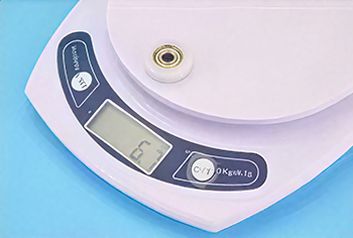
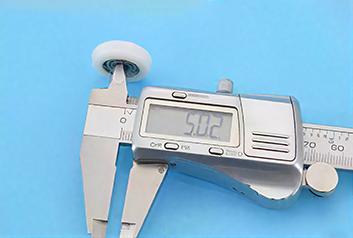
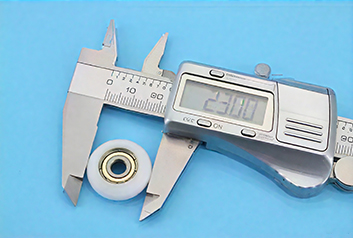
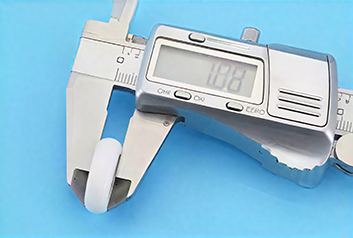
Measurement Method
Weight(g) ID(mm) OD(mm) Height(mm)
Payment Terms
1.100% T/T in advance
2.30% T/T deposit, 70% balance against copy of B/L
3. PayPal
Packaging Details: Standard export packing (plastic bag, carton, and pallet or wooden case), or as per customer's requirements.
Delivery Port: Ningbo / Shanghai
Delivery Time: Normally within 30 days for ready goods or as per customer's request.
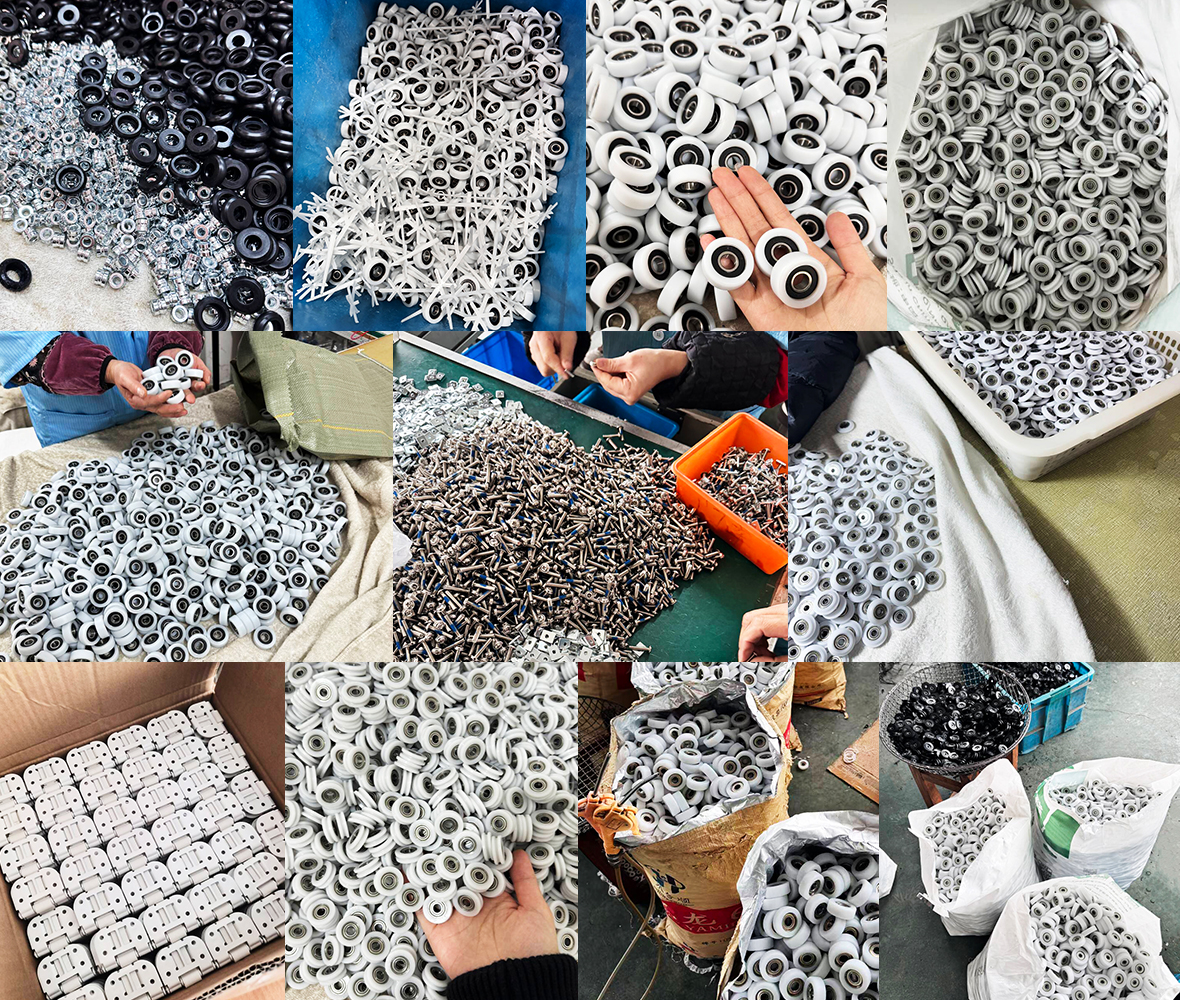
ACTUAL PHOTOS
FAQ
  • What are your payment terms?
    What are your payment terms?

    1.100% T/T in advance2.30% T/T deposit, 70% balance against copy of B/L3. PayPalPackaging Details: Standard export packing (plastic bag, carton, and pallet or wooden case), or as per customer's requirements.Delivery Port: Ningbo / ShanghaiDelivery Time: Normally within 30 days for ready goods or as per customer's request.

  • How do you handle shipment?
    How do you handle shipment?

    For small orders: we ship via express (DHL, FedEx, UPS, TNT, etc.).For bulk orders: we ship by sea or by air, depending on your preference.

  • How long is the production lead time?
    How long is the production lead time?

    For in-stock samples: shipped within 2 days.For out-of-stock samples: lead time is within 7 days.For mass production: approximately 15 days after receiving the deposit.

  • What after-sales service do you offer for sliding rollers?
    What after-sales service do you offer for sliding rollers?

    We provide online technical support.  If the issue is caused by a quality defect, we will replace the defective items with new ones.

  • How does your factory ensure quality control?
    How does your factory ensure quality control?

    80% of our staff have over 10 years of experience.  We have a mature and skilled technical team along with a comprehensive quality management system to ensure consistent product quality.

  • Can we print our logo on the products?
    Can we print our logo on the products?

    Yes, we can print your logo on the products based on your design requirements.

  • Can we customize our own color box?
    Can we customize our own color box?

    Yes, if your order quantity reaches 1,000 sets, we can provide customized color box packaging.

  • Do you offer free samples?
    Do you offer free samples?

    Yes, we are happy to provide free samples for you to evaluate the quality.

  • Are you a manufacturer?
    Are you a manufacturer?

    Yes, we are a professional manufacturer specializing in door and window roller pulleys for over 20 years. We also have our own international sales department and handle both production and sales in-house.

  • How long does it take to receive a response after sending an inquiry?
    How long does it take to receive a response after sending an inquiry?

    We will reply to you within 6 working hours on business days.

Send Inquiry
Zhejiang Huaneng Micro Bearing Co., Ltd.
  • Zhejiang Huaneng Micro Bearing Co., Ltd.
    0㎡
    Plant Area
  • Zhejiang Huaneng Micro Bearing Co., Ltd.
    0+
    Staff
  • Zhejiang Huaneng Micro Bearing Co., Ltd.
    0
    Established in
  • Zhejiang Huaneng Micro Bearing Co., Ltd.
    0+
    Exporting Countries
Zhejiang Huaneng Micro Bearing Co., Ltd.
Zhejiang Huaneng Micro Bearing Co., Ltd. specializes in the development and manufacturing of miniature and medium-sized bearings, non-standard bearings, Aluminum Sliding Window Roller Pulley Wheel and pulley systems. With over a decade of industry experience, we offer high-precision processing and responsive customization capabilities.As custom window track roller supplier for residential and commercial windows. Our products are widely used in home appliances, industrial equipment, and door/window systems, and are exported to Japan, Korea, Europe, and beyond.
CONTACT US

Industry Knowledge: Aluminum Sliding Window Roller Pulley Wheels for Sash and Track Systems

When a sliding window becomes difficult to open, the roller is often the first component people suspect. That is a sensible place to start, but the wheel operates inside a larger system: the sash applies the load, the roller transfers it to the track, and the frame keeps everything aligned. A good replacement must fit all three.

An Aluminum Sliding Window Roller Pulley Wheel is a compact assembly used in compatible aluminum window sashes and track systems. Depending on its design, it may combine an aluminum wheel, bearing, support body, axle, spacer, and protective cover. Its job is to provide controlled rolling contact—not to compensate for a bent track or an incorrectly installed sash.

What Is an Aluminum Sliding Window Roller Pulley Wheel?

An Aluminum Sliding Window Roller Pulley Wheel is a rolling hardware component fitted to a sliding window sash. As the sash moves, its wheel travels along a designated rail surface while the bearing allows rotation around the axle.

Aluminum Sliding Window Roller Pulley Wheel

A window roller pulley may include:

  • An aluminum wheel or another specified wheel material
  • A single-bearing or double-bearing arrangement
  • A galvanized iron support body
  • Copper connector, bushing, or spacer parts where required
  • Mounting holes and an axle or fastening structure
  • A spacer, dustproof cover, or bearing seal
  • A wheel profile matched to the track

Why Roller Quality Matters in Sliding Window Systems

A sliding sash places repeated load on a small wheel-to-track contact area. If the wheel is poorly matched to the rail, the bearing is loose, or the body shifts in its mounting position, the sash may become heavy or uneven in use.

Symptoms can include noise, shaking, difficulty closing, localized track marks, or a wheel that wears on one edge. These symptoms are not proof that the roller alone is defective. Debris, a damaged rail, frame movement, and incorrect sash alignment can produce similar results.

A properly specified Sliding Window Wheel maintains its intended contact with the track under the sash's operating load. Quality assessment should therefore include dimensions, assembly fit, and installed movement, not just whether an unmounted wheel spins freely.

Main Functions of a Window Track Roller

A Window Track Roller performs several related functions. Their effectiveness depends on the complete sash and track arrangement.

Load Support

In a load-bearing position, the roller transfers part of the sash weight into the track. The number and placement of rollers affect load sharing; an individual roller should not be rated solely from the sash's total weight.

Track Guidance

The wheel profile and surrounding guide structure help the sash follow its intended travel path. Guidance should not require the wheel to rub continuously against an unintended rail edge.

Friction Reduction

A bearing allows the wheel to rotate around its axle. This reduces resistance at that connection, provided the wheel can still turn freely after the roller body is mounted.

Noise Control

Wheel contact, bearing condition, track cleanliness, and sash alignment all affect sound. A low-noise window roller should be evaluated in the installed window rather than identified by material alone.

Track Protection

A matching wheel profile contacts the rail where the system was designed to carry load. Incorrect contact or grit trapped between the wheel and rail can cause concentrated wear.

Sash Alignment

Correct roller height helps position the sash within its frame. Closing alignment also depends on the track, other rollers, frame geometry, and any adjustment features in the window system.

Common Materials Used in Sliding Window Rollers

Each material has a different role. Selecting the wheel, bearing, body, and small connecting parts together is more useful than judging one material in isolation.

Aluminum Roller

An aluminum roller provides a defined metal running surface and can be made to match a particular track profile. Its suitability depends on contact geometry, sash load, and rail condition. Aluminum-on-aluminum contact is not automatically quiet or wear-free.

Galvanized Iron Body

A galvanized iron body supports and locates the wheel assembly. Its shape, thickness, mounting-hole accuracy, and coating specification affect fit and environmental suitability. Galvanizing offers protection compared with untreated steel, but exposed edges or coating damage still require consideration.

Copper Parts

Copper parts may act as connectors, bushings, or spacers, according to the drawing. Their function should be confirmed for the particular roller. Where different metals are assembled together, moisture exposure and material compatibility should also be reviewed.

Bearing Steel

Bearing steel is commonly used for bearing components. Installed performance depends not only on material, but also on bearing dimensions, fit, lubrication, closure, and the load applied.

Plastic or Nylon Wheel Options

A plastic sliding wheel roller or nylon wheel may be specified when a non-metallic contact surface better suits the rail or noise requirement. The material still needs to be checked for wear and deformation under the intended sash load.

Single Bearing vs Double Bearing Window Roller

The number of bearings is one design choice—not a shortcut to a load rating. The comparison below shows what each arrangement requires during selection.

Bearing type Arrangement Key selection point
Single Bearing Roller One bearing within the wheel Confirm load, wheel support, and available space
Double Bearing Roller Two bearings in a specified layout Check bearing spacing, axle fit, and load sharing
Sealed Bearing Roller Bearing with a specified seal or closure Match protection to dust and moisture exposure
Open Bearing Roller Bearing without an integral seal Assess contamination and maintenance conditions

A double bearing window roller may provide a wider bearing-support arrangement when properly designed. It does not automatically carry twice the load of a single-bearing roller. Likewise, a sealed bearing window roller helps limit contaminant entry into the bearing but does not make the complete assembly waterproof.

How Track Matching Affects Sliding Performance

The track determines where the wheel can run. For reliable contact, compare the actual rail cross-section with the wheel diameter, width, groove, and intended running faces.

Also check roller height, mounting-hole position, sash-frame clearance, and whether another part of the window provides lateral guidance. A wheel may fit physically inside the track yet still bear on the wrong surface.

This is especially important in window roller replacement. Photographs can help identify a part, but measurements of the old roller and the track give a firmer basis for selection. Uneven wear on the original wheel may indicate a mismatch or alignment problem that a like-for-like replacement will not solve.

Typical Applications of Aluminum Sliding Window Rollers

Aluminum Sliding Window Roller designs can serve different window layouts. Each application needs its own check of load, track, installation space, and exposure.

Residential Aluminum Windows

Rollers support the sash during everyday opening and closing. Replacement selection should account for the existing rail and mounting recess, not just the visible wheel size.

Commercial Sliding Windows

Commercial windows may see frequent operation. Review bearing condition, mounting security, and access for inspection alongside the expected usage pattern.

Balcony Window Systems

Balcony tracks can collect dust and wind-blown particles. A protected bearing may help, but the rail itself still needs regular cleaning.

Office Partitions

A sliding office partition may use similar rolling principles. Confirm panel weight, track geometry, and noise requirements before adapting a window roller to the system.

Sliding Doors

Some aluminum sliding doors use related roller constructions. An aluminum sliding door roller must nevertheless be selected for the door's actual weight and mounting structure; a window roller should not be substituted on appearance alone.

Coastal and Humid Area Windows

A corrosion resistant window roller for humid or coastal exposure requires appropriate material and finish specifications across the whole assembly, including the body, bearing, axle, and fasteners.

Window Roller Replacement

When a sash becomes difficult to move, inspect the track and roller together. Replace the roller when its wheel, bearing, or mounting structure is worn or damaged and a compatible part has been identified.

How to Identify When a Window Roller Needs Replacement

Signs worth investigating include increased sliding effort, grinding or clicking, a sash that sits lower on one side, uneven closing gaps, visible wheel wear, or rough bearing rotation.

Before ordering a new window sash pulley wheel, work through a short diagnosis:

  • Clean and inspect the track. Remove grit and look for bent or worn running surfaces.
  • Check sash position. A shifted or distorted sash can overload one roller.
  • Inspect the wheel. Look for flat spots, edge wear, cracking, or unusual contact marks.
  • Check the bearing and mounting. Listen for rough rotation and inspect loose or damaged fixings.
  • Compare both sides. Different roller heights or wear patterns may explain a tilted sash.
  • Secure the sash during inspection. If the roller is replaced, test the installed window through its full travel before treating the repair as complete.

Selection Guide for Aluminum Sliding Window Roller Pulley Wheels

Use the complete window system as the specification. The table below connects each selection factor to a practical check.

Selection factor Why it matters Practical checkpoint
Sash Weight Determines load on supporting rollers Confirm sash weight and roller arrangement
Track Shape Defines wheel contact Obtain the rail cross-section
Wheel Diameter and Width Affects height, contact, and clearance Measure the original wheel and available space
Bearing Type Affects assembly fit and rotation Check model, axle fit, and closure
Body Material Affects mounting and exposure suitability Review material and finish specification
Mounting Hole Position Determines whether the body fixes correctly Compare hole sizes and center distances
Roller Height Affects sash position Check installed height and any adjustment range
Dustproof Design Helps protect the bearing area Identify seals or covers actually supplied
Surface Treatment Addresses appearance and exposure Match finish to the installation environment

A suitable Aluminum Window Roller must match the rail and sash after installation. Free rotation on a workbench is useful, but it cannot verify closing alignment or full-travel clearance.

Installation Considerations for Sliding Window Rollers

Installation should keep the wheel on its intended running surface while allowing it to rotate without restriction.

  • Clean the track and remove hard debris before fitting the sash.
  • Confirm that the replacement wheel profile and body match the original mounting position.
  • Install any required spacer in its specified location.
  • Tighten fasteners securely without clamping the rotating wheel.
  • Set roller height within the design's adjustment range, if adjustment is provided.
  • Move the sash across the full track and check for rubbing or a change in sliding effort.
  • Recheck sash closing alignment and hardware security after operation.
  • If the sash binds at only one location, inspect that section of rail. Increasing roller adjustment may hide the symptom without correcting the track defect.

Maintenance Tips for Window Roller Pulley Systems

Keeping the running surface clear is often the most useful maintenance step. Remove sand, dust, metal particles, and hardened deposits before they become trapped beneath the wheel.

Inspect the sash if movement becomes heavier or noisier. Check wheel wear, mounting security, track condition, and closing alignment. Lubrication should follow the bearing and window-system specification; adding thick grease to an exposed track can attract more debris rather than solve the problem.

Maintenance intervals should reflect usage and exposure. A sheltered residential window and a dusty balcony window may need very different inspection schedules.

Common Problems and Technical Causes

Similar symptoms can have different causes. Check the track and installation before replacing a roller solely because the sash feels heavy.

Window Slides Roughly

Possible causes include grit on the rail, a worn wheel, a damaged bearing, incorrect wheel-to-track contact, or sash misalignment.

Window Makes Noise

Noise may come from repeating wheel or bearing rotation, loose mounting parts, debris, or contact at a damaged point on the track. Where the sound occurs can help identify its source.

Sash Does Not Close Evenly

Check roller height on both sides, sash and frame alignment, loose fixings, and local track damage. A new roller cannot correct a distorted frame.

Roller Gets Stuck

The wheel may be clamped by an incorrect spacer or fastening arrangement. A damaged bearing, displaced cover, or debris can also prevent rotation.

Track Wears Quickly

Uneven load sharing or a wheel profile running on the wrong rail surface can concentrate wear. Inspect contact marks on both the wheel and track.

Custom Development for Window Roller Pulley Systems

A custom window roller pulley is useful when standard hardware cannot match a sash profile, mounting recess, or track section. Customization may cover wheel diameter and width, groove shape, wheel material, bearing arrangement, body dimensions, copper components, spacer, mounting holes, cover, color, and surface treatment.

Development should begin with the track cross-section, sash weight, roller position, installation space, and operating environment. A sample helps identify the original construction; drawings clarify which surfaces are intended to carry load and guide movement.

For humid or coastal installations, specify the required exposure conditions for the complete assembly. A protected bearing or galvanized body alone does not establish the durability of every component.

Aluminum Sliding Window Roller Pulley Wheels

The following answers address the most common selection and replacement questions.

What is an Aluminum Sliding Window Roller Pulley Wheel?

It is a roller assembly fitted to a compatible sliding sash to provide rolling contact with its track. Depending on its position, it supports sash weight and contributes to guidance.

What does a Window Track Roller do?

A Window Track Roller transfers load to the rail and allows the sash to travel along its intended path. Its bearing and wheel profile affect movement when correctly matched to the track.

Why are sealed bearings used in sliding window rollers?

A bearing seal helps limit dust and small contaminants entering the bearing. It does not eliminate track cleaning or make the roller assembly waterproof.

What is the difference between a single bearing and double bearing window roller?

One uses a single bearing; the other uses two bearings in a specified layout. Performance and load capacity depend on the complete wheel, axle, body, and track—not bearing count alone.

When should a window roller be replaced?

Replacement is appropriate when inspection confirms wheel damage, bearing roughness, or mounting wear that affects operation. First rule out debris, track damage, and alignment problems.

Can aluminum sliding window rollers be used in coastal areas?

They may be specified for coastal use when the materials, finishes, bearing protection, and fasteners are suitable for the expected exposure. The complete assembly should be assessed.

What causes sliding window roller noise?

Common causes include grit, bearing wear, loose hardware, damaged running surfaces, and a wheel contacting an unintended part of the rail.

How do I choose the correct window roller pulley?

Match sash weight and roller position, then verify track profile, wheel dimensions, bearing and axle fit, body size, mounting holes, installed height, and exposure conditions.

Can a window roller pulley be customized?

Yes. Hune can review wheel profile and material, bearing layout, support body, mounting holes, spacer, cover, finish, and other dimensions against a sample or drawing.

Why is track matching important?

It establishes where the wheel carries load and how the sash is guided. A mismatched wheel can cause resistance, noise, instability, or uneven wear even if its bearing is in good condition.

An Aluminum Sliding Window Roller Pulley Wheel is small, but its fit affects the entire sash movement. The most reliable specification combines sash weight, wheel-to-track contact, bearing and body construction, installed height, and environmental exposure.

Message Feedback