

 English
 Español
 日本語
A rope has to go somewhere. In many machines it must follow a set path, turn a corner or move along a guide without rubbing against a fixed edge. A wheel placed in its way solves that problem.
The Rope Pulley is a common part for this job, but equipment makers do not all ask the same thing of it. One design may use a loose wheel on a simple pin. Another may use a complete unit with a metal housing or bracket. Groove shape, mounting method and support structure all change from one project to the next.
What Is a Rope Pulley?
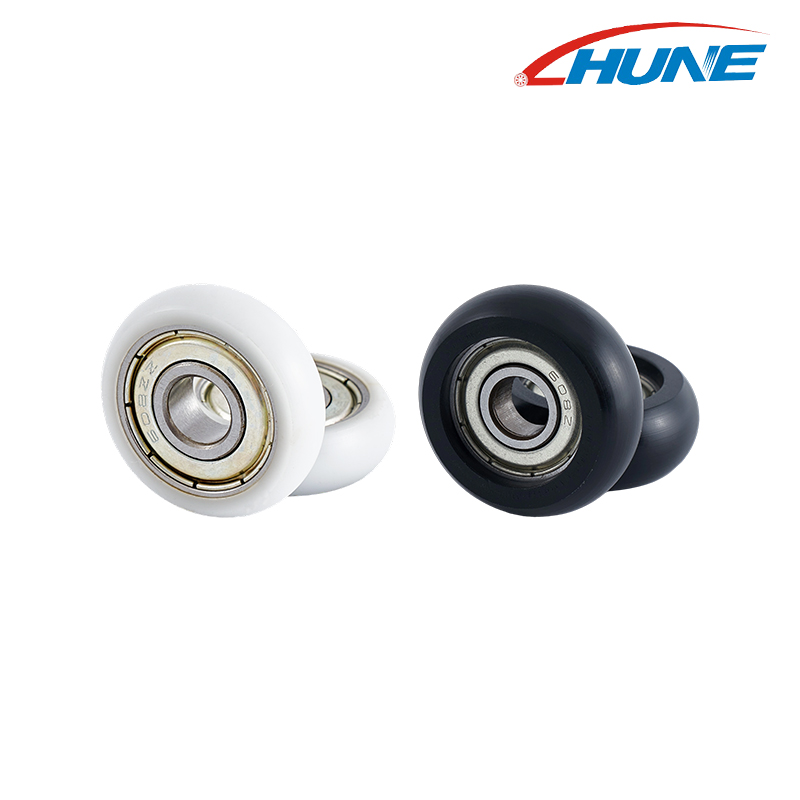
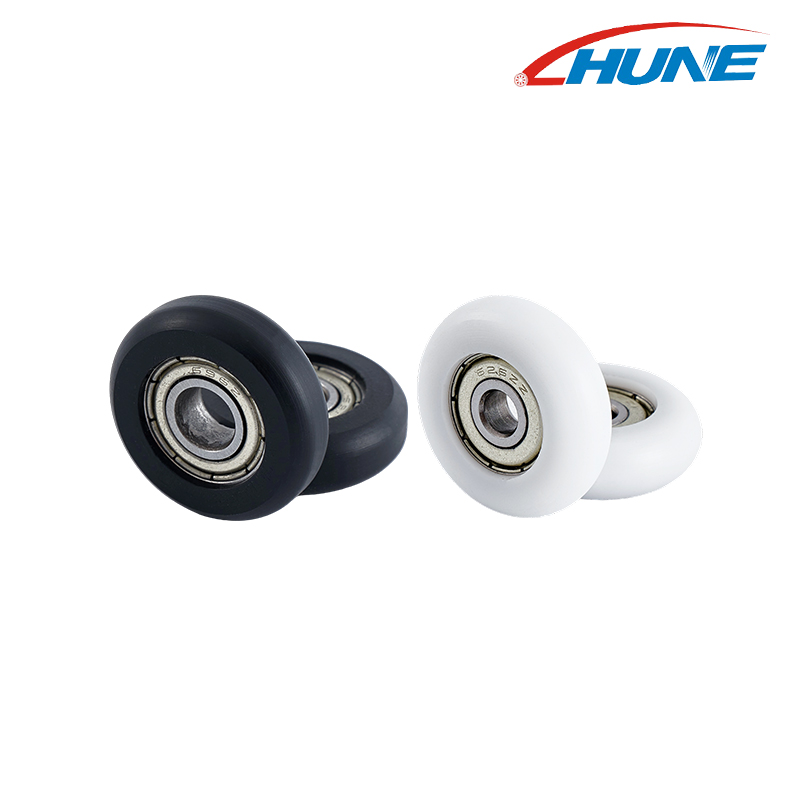
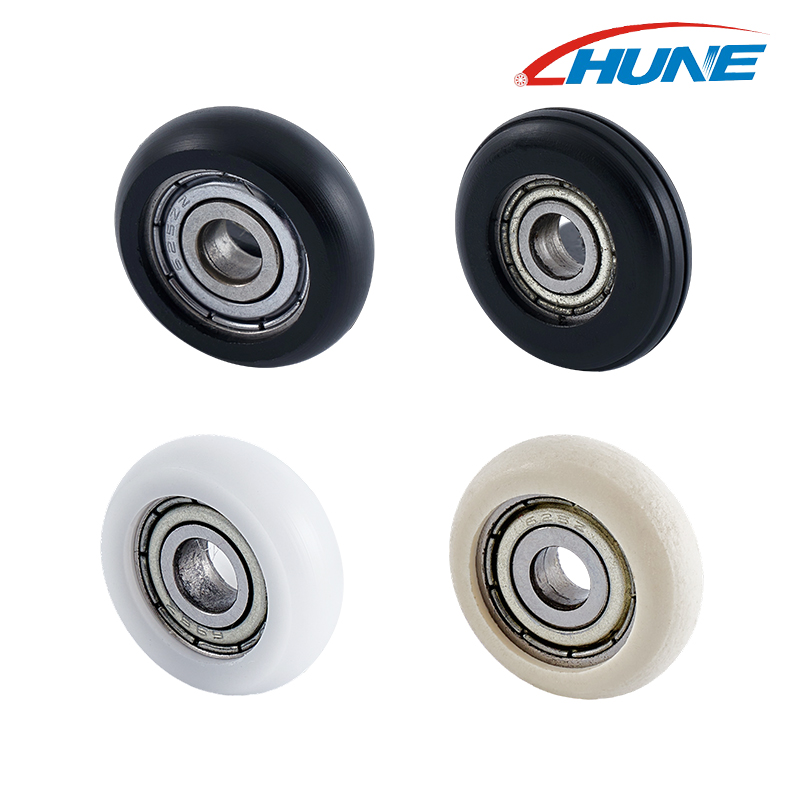
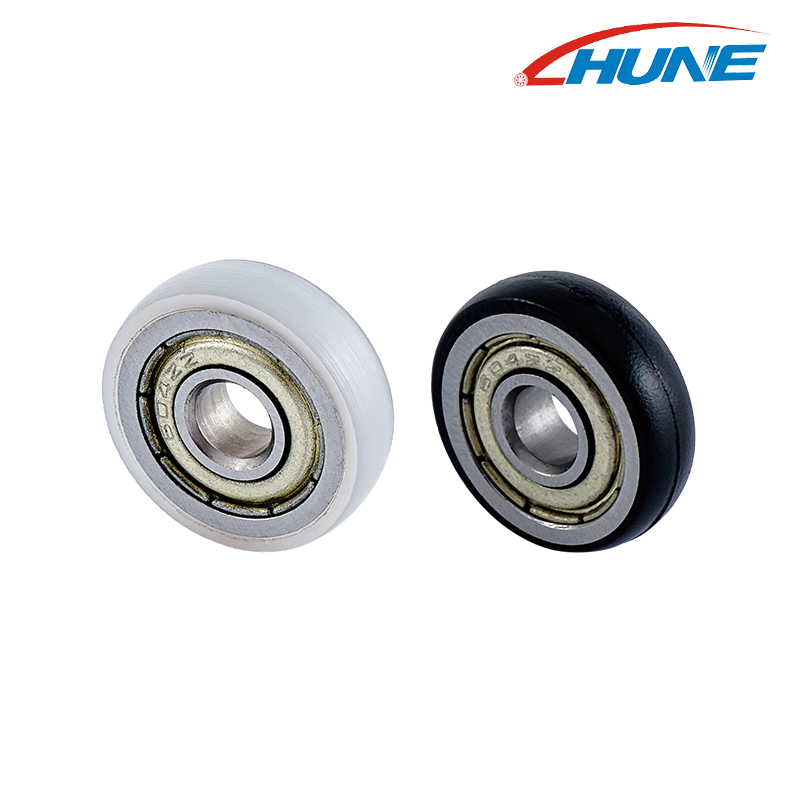
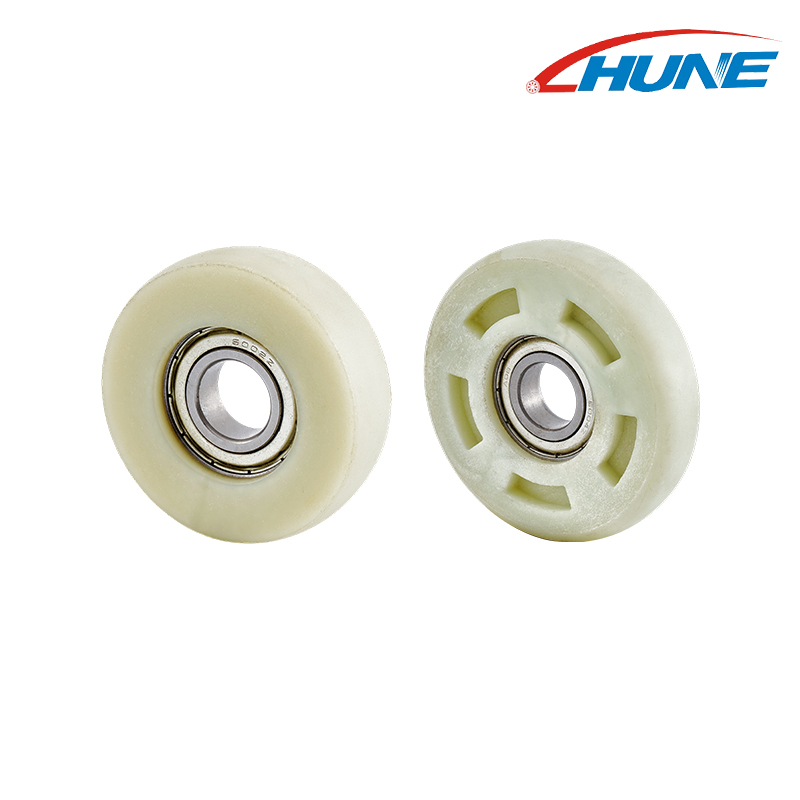
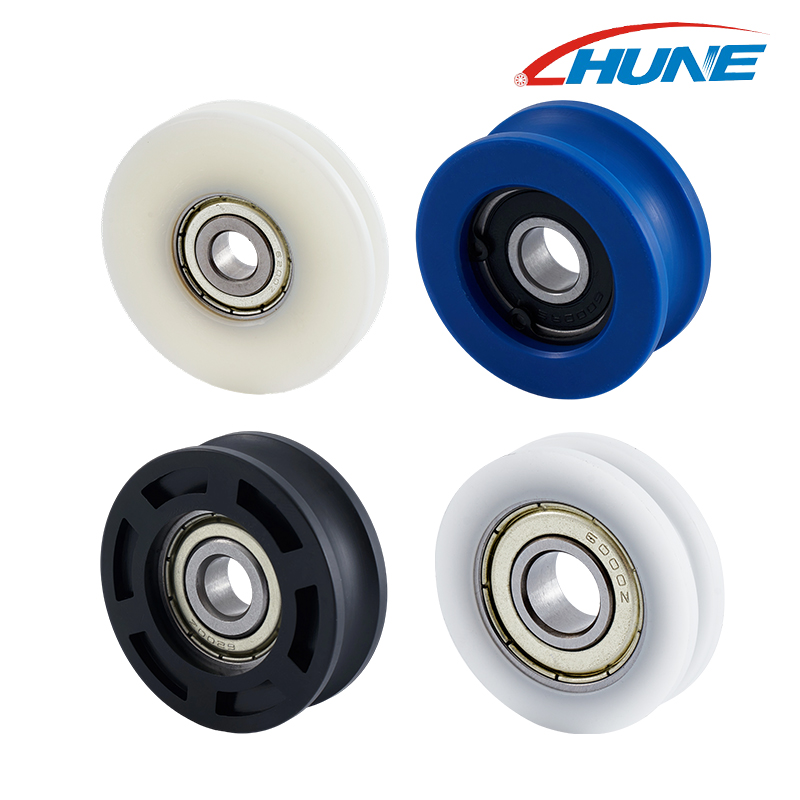
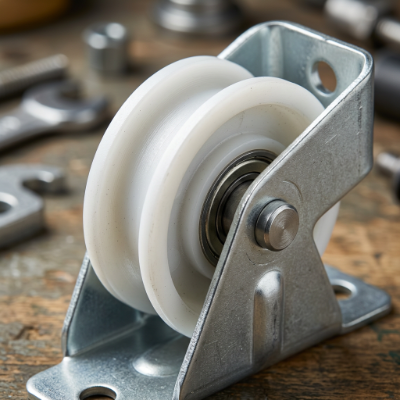
It is a wheel-type mechanical part that runs together with a rope. The rim usually has a contact profile, often a groove, shaped for the rope it carries. Depending on the equipment, the unit may also include a bearing, an axle, a mounting bracket or a metal housing. The exact build depends on the rope type, the installation method and the working conditions.
Common Parts of a Rope Pulley
| Component | Function |
|---|---|
| Pulley Wheel | Provides the contact surface for the rope |
| Groove | Helps guide the rope along the wheel |
| Bearing | Supports rotational movement when used in the design |
| Axle or Shaft | Provides the wheel's rotational connection |
| Metal Housing or Bracket | Supports and mounts the pulley assembly |
How Does a Rope Pulley Work With a Rope?
The idea is simple. The rope touches the rim, the wheel turns, and the rope travels with less sliding contact than it would have against a fixed surface. Two details decide how well this goes.
Rope Contact and Groove Design
The rope sits where the groove is. That groove needs to suit the rope's size and construction. Its shape also affects how the rope behaves on the wheel. A poor match can leave the rope unsteady or add wear that was never intended.
Direction Changes and Guided Movement
A wheel in the right place can steer a rope along a planned route. With suitable structural design, it can also change the direction of travel. It then works with other parts to complete a movement or guiding task.
One point is easy to overlook. A single wheel does not by itself make a lifting or drive system. What it does in practice depends on the whole machine around it.
What Is the Role of a Metal Housing in a Rope Pulley?
This is where many inquiries become more specific. Some buyers use the name for a load-carrying wheel unit with a metal housing, not just a grooved wheel. That kind of unit needs a closer look at the metalwork.
Metal Housing as a Mounting Structure
A metal housing or bracket gives the wheel a place to sit. Its design must account for the axle position, the room around the wheel and the way the unit is fixed. Equipment differs, so housing shape and hole positions may need adjusting. Where the unit must work with other metal parts, the size of the whole assembly often matters more than the size of the wheel alone.
Common Metal Material Considerations
Two materials come up in buyer inquiries. The table shows what each one calls for.
| Material | What Buyers Should Consider |
|---|---|
| Electroplated Iron | Base metal requirements, plating finish, and operating environment |
| Stainless Steel | Material grade, environmental conditions, and application requirements |
Neither choice is automatically right. Stainless steel should not be assumed to last longer, and electroplated iron should not be assumed to suit every setting. The decision rests on grade, surface treatment, environment and product structure.
Rope Pulley vs. Load Bearing Pulley: What Is the Difference?
Buyers use these names loosely, and the same word can mean different things to different people. Each name stresses a different point.
| Product Term | Main Focus | Information to Confirm |
|---|---|---|
| Rope Pulley | Rope guidance and movement | Rope size, groove profile |
| Load Bearing Pulley | Supporting or carrying loads within a system | Load conditions, mounting structure |
| Metal Pulley | Metal wheel or metal-supported construction | Material, housing, dimensions |
The terms can overlap in a purchase, yet they do not describe identical products. The aim is not to treat them as interchangeable. It is to use the name that matches the real need, so a supplier reads the request correctly.
Where Are Rope Pulleys and Metal Pulley Assemblies Used?
Listing industries says little. A better question is why each setting needs this kind of part and what a buyer should check there.
Mechanical Rope Guidance Systems
Some machines need a rope guided or rerouted. Points to check here:
- Rope diameter and groove compatibility
- Wheel alignment
- Mounting structure
- Operating movement
Equipment With Metal-Mounted Pulley Assemblies
Wheel units with a metal housing or bracket may serve in movement, guiding or supporting roles in certain equipment. The wheel and its metal mounting part must be matched to the machine together. Discussing the wheel by itself leaves out half of the fit.
Wheelchair Anti-Tip Wheel Assemblies
Anti-tip wheels appear in some real inquiries, so they deserve a clear explanation. They are an auxiliary part of a wheelchair, and their design depends on the whole chair structure. An assembly may involve a wheel, an axle, a metal bracket and a fixing connection.
For buyers, the points to weigh include wheel size, mounting position, bracket shape and fit with the chair frame. Expected load, stability needs and safety requirements must be confirmed against the complete wheelchair design.
An ordinary rope-guiding wheel should not be described as an anti-tip wheel. The link between them lies in assembly design and metal mounting structure, not in interchangeable use.
What Should Buyers Check When Selecting a Rope Pulley?
Five questions cover most of the decision.
- Rope compatibility: do the rope diameter, material and groove shape match?
- Wheel dimensions: do the diameter, width and installation space work together?
- Bearing and axle structure: is a bearing needed, and how are the axle size and fixing defined?
- Housing material: does the housing or bracket material suit the environment and structure?
- Mounting requirements: are the hole positions, connection method and overall size confirmed?
For any load-carrying use, wheel diameter or material alone cannot decide suitability. The actual load conditions, rope specification, mounting structure and working state all have to be assessed.
When Should Buyers Request a Custom Metal Pulley Assembly?
Custom work makes sense when a standard part stops fitting. Typical triggers include:
- A standard groove does not match the rope in use.
- Limited space calls for a different wheel size.
- The existing housing or bracket does not suit the equipment.
- The axle position or fixing structure needs to change.
- The project requires the wheel and metal bracket bought as one assembly.
- An existing part must be modified for a new machine.
Customization May Involve More Than the Wheel
The change often reaches beyond the rim. Items that may be discussed:
- Wheel diameter and width
- Groove profile
- Bearing arrangement
- Axle dimensions
- Metal housing or bracket
- Mounting holes and fixing method
A sample, product photos or an engineering drawing helps a supplier judge which assembly structure is workable.
Frequently Asked Questions About Rope Pulleys
What Type of Rope Can Be Used With a Rope Pulley?
It depends on the groove structure, rope size and working conditions. Not every rope suits every wheel.
Does a Rope Pulley Always Need a Bearing?
No. The need depends on product structure and rotation requirements, and designs are not all arranged the same way.
What Is a Metal Pulley Housing Used For?
It positions the wheel, supports its installation and connects the unit to the equipment.
Can a Rope Pulley Be Customized for Load Bearing Applications?
Customization can be discussed once the structure is known. Working load, mounting method, material and use conditions must be confirmed first. A product name alone cannot establish load suitability.
Can Pulley Assemblies Be Used as Wheelchair Anti-Tip Components?
Anti-tip wheels are application-specific parts. They need to be designed and verified against the wheelchair structure and relevant safety requirements. An ordinary rope-guiding wheel should not be treated as a substitute.
Explore Metal Pulley and Roller Component Options
Projects differ in wheel structure, bearing needs, metal housing and mounting method, so no single specification fits all. The most useful starting point is a clear description of the use.
When contacting a supplier, share the application, rope size, wheel size, mounting structure or a sample. Buyers with OEM needs can also discuss a custom assembly based on a drawing or an existing part.