

 English
 Español
 日本語
Finding a roller that looks similar to your part is a useful start, but appearance alone rarely settles whether it will work in your equipment. A Custom Roller Assembly brings together a wheel body, bearing, axle, bracket and mounting structure, and each of them carries dimensions that must agree with the others. A single product photo seldom gives a supplier enough to evaluate that.
1. Start With the Application and Operating Conditions
Begin with how the part will be used. Dimensions make more sense once the working context is clear.
A supplier will usually ask a few basic questions first:
- What type of equipment will the roller assembly go into? Examples include a sliding window, a cabinet drawer system, or an industrial machine.
- Does the wheel travel along a track, or does it guide or support another part?
- In which direction does the part move, and how often?
- How much space is available around the installation position?
- Will it be exposed to dust, moisture, or other conditions that affect material choice?
Application Details Buyers Should Prepare
- Equipment type
- Installation position
- Track or contact surface
- Movement direction
- Operating environment
Two projects can use wheels of the same diameter and still need different structures. The working conditions explain why.
2. What Wheel Dimensions Should Be Confirmed?
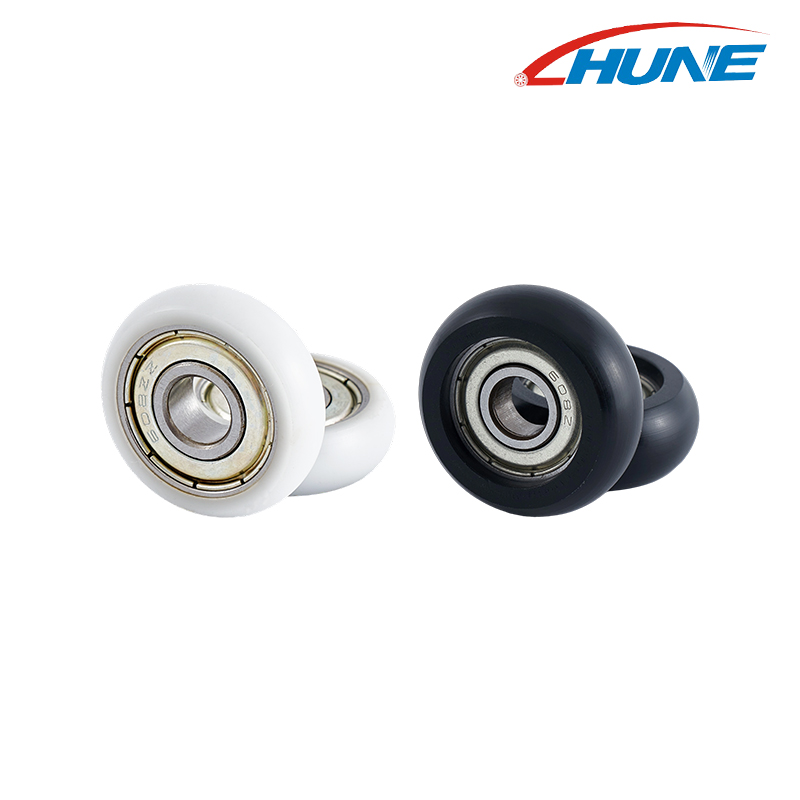
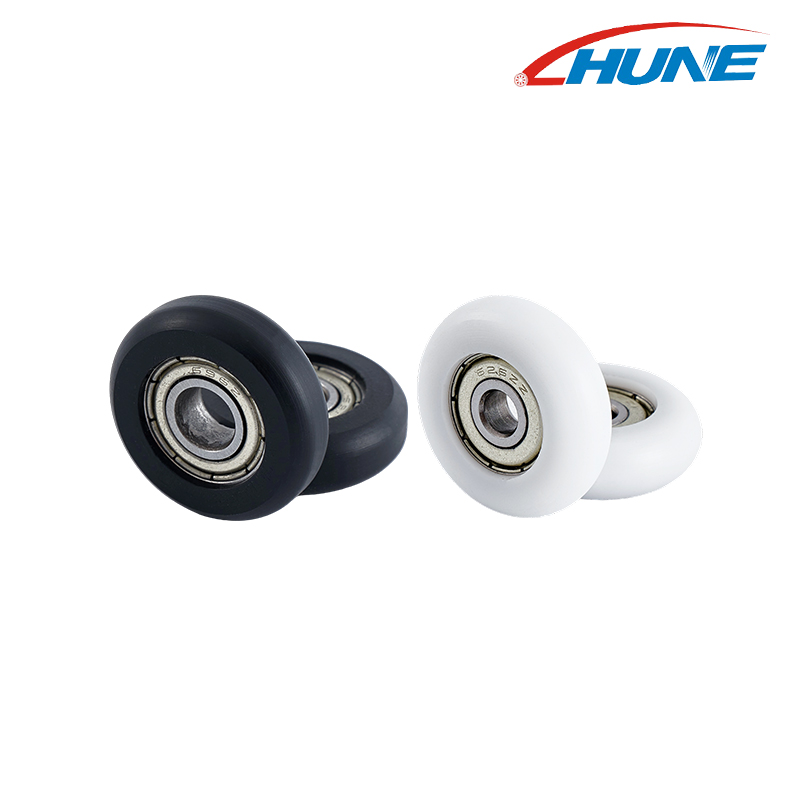
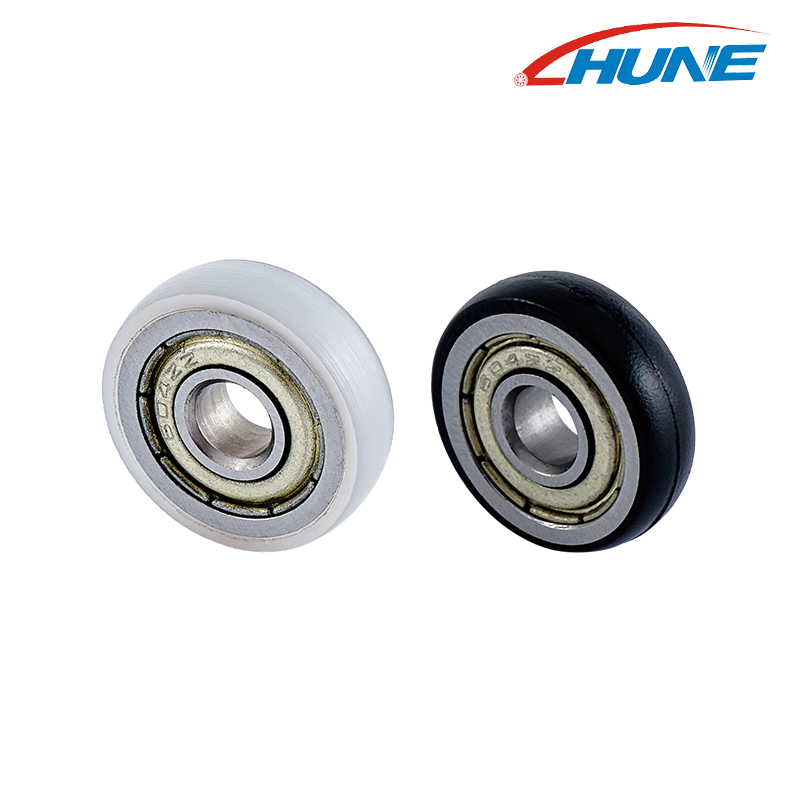
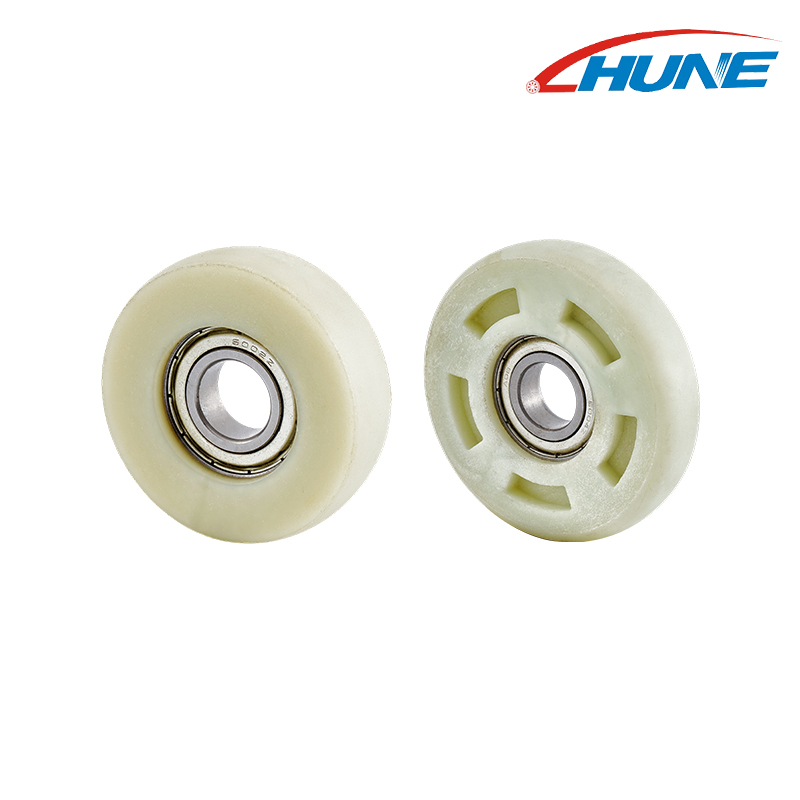
The wheel body is the part that touches the track, so its size and shape deserve careful checking. This is also where a Custom Roller Wheel specification usually starts.
Wheel Diameter and Width
Diameter affects how the wheel sits in the available space and how it meets the track. Width influences how the wheel is supported on the contact surface. Both should be measured against the actual installation space, not copied from a catalog photo.
Wheel Profile and Groove Design
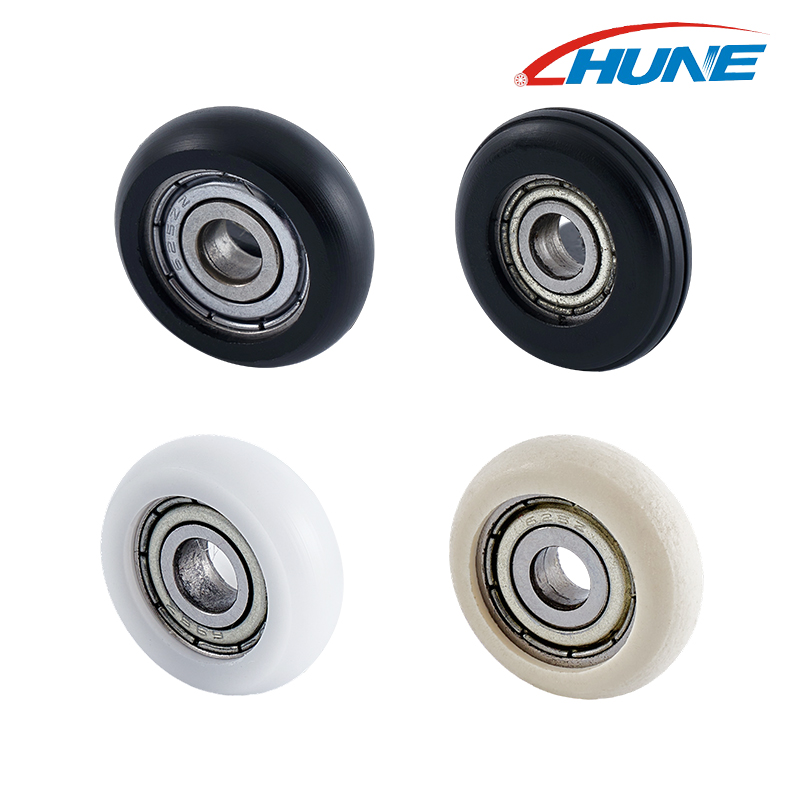
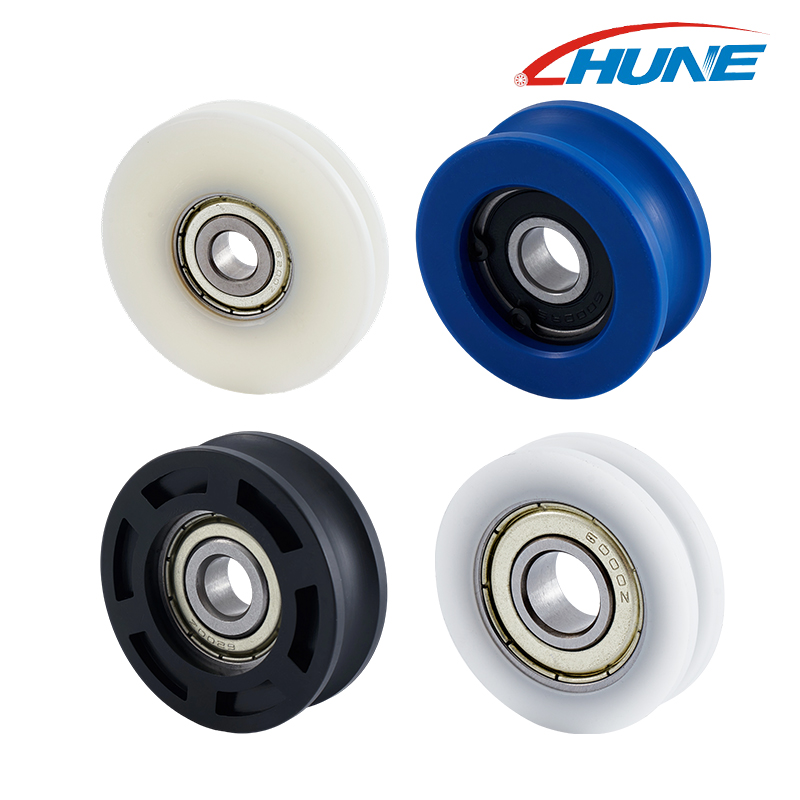
Wheel profiles vary. A flat tread suits a flat running surface. A grooved design is made to follow a rail, edge, or guide shape. Other contours exist for specific tracks. The profile should match the track or contact surface, so a sample of the track section or a drawing of it is helpful.
Wheel Material
Material choice depends on the application. Common options include:
- Nylon
- POM
- ABS
- Other engineering plastics or metal materials
No single material suits every situation. Load, friction, noise, working environment, and cost should be weighed together. Tell the supplier which of these matter most to you, and ask for their view on suitable options.
3. How Should Buyers Specify the Bearing and Axle?
The bearing and axle sit inside the assembly, yet they strongly influence how smoothly it turns and how it connects to the rest of the equipment.
Bearing Type and Fit
Confirm the following:
- Bearing type and dimensions
- How the bearing fits into the wheel body
- Whether a bearing is needed, or another rotating support is preferred
- Expected running pattern and maintenance expectations
Axle Diameter and Mounting Method
State the axle diameter, length, position, and fixing method. The bearing bore, the axle size, and the bracket's mounting structure must match one another, so they should be confirmed together rather than one at a time. A small change in axle diameter can mean a different bearing, which in turn may change the wheel body.
4. What Should Be Included in the Metal Bracket Specifications?
For the bracket, the goal is a clear technical description that a supplier can quote from.
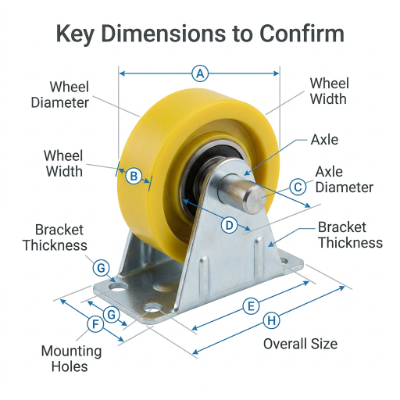
A useful bracket specification lists:
- Bracket material: The base metal required.
- Material thickness: The sheet gauge.
- Bracket shape: Outline and bends.
- Mounting hole position: Distances from reference edges.
- Hole diameter: Size for each fastener.
- Overall dimensions: Length, width, and height.
- Surface finish: Any plating or coating requirement.
Why Do Mounting Hole Positions Matter?
The holes connect the assembly to your equipment. If their spacing is off by even a small amount, the part may not line up with the fixing points on the frame. A dimensioned drawing communicates hole positions far more reliably than an appearance photo, so include one whenever possible.
5. Which Materials and Surface Finishes Should Buyers Consider?
Each component has its own material and finish questions.
| Component | Information to Confirm | Selection Considerations |
|---|---|---|
| Wheel | Material and profile | Contact surface and operating conditions |
| Bearing | Type and dimensions | Rotation and fit |
| Axle | Material and dimensions | Connection and structural requirements |
| Bracket | Metal type and thickness | Mounting and structural design |
| Surface finish | Plating or other treatment | Appearance and environmental conditions |
Price is one factor, but it should not be the only one. The intended use, the environment, and the assembly requirements all shape a sensible choice. Sharing these conditions early lets a supplier suggest options that fit the project.
6. What Drawings and Samples Should You Send to a Supplier?
Good documents shorten the quotation process. They are the most useful items in a request for Custom Roller Components.
2D Drawings and 3D Models
A 2D drawing is well suited to dimensions, tolerances, hole positions, and material notes. A 3D model helps a supplier see how the wheel, bearing, axle, and bracket relate to one another. Mark key dimensions and any special tolerances clearly. A well-prepared Roller Assembly Drawing spares both sides from guessing.
Existing Samples and Reference Photos
If a full drawing is not available, start with what you have:
- Overall photos of the part
- Photos from several angles
- Measurements of key positions
- A physical sample
- Notes on what needs to change
Photos work as an initial reference. They do not replace dimensioned drawings, because they cannot show tolerances or hidden features.
7. How to Evaluate a Roller Assembly Manufacturer for OEM Projects?
Choosing a supplier is part of the specification process. When you review a Roller Assembly Manufacturer, these four areas can serve as your own screening criteria:
- Drawing review capability: Can they read your drawings and point out unclear or conflicting details?
- Customization experience: Can they discuss options for the wheel body, bearing, axle, and bracket based on your structure?
- Sample development: Can they provide a sample so you can confirm dimensions and fit before committing to volume?
- Production consistency: What inspection steps and records support repeat orders?
These are questions to ask, not assumptions to make. Their answers show how well a supplier can support OEM Roller Components over the length of a project. Request examples, sample records, or a drawing review as part of your assessment.
8. A Practical Checklist Before Sending Your Custom Roller Assembly Inquiry
| Item | Details to Prepare |
|---|---|
| Application | Equipment type and intended use |
| Wheel | Diameter, width, profile, and material |
| Bearing | Type, size, and arrangement |
| Axle | Dimensions and fixing method |
| Bracket | Material, thickness, and shape |
| Mounting | Hole position, hole diameter, and installation method |
| Surface Finish | Required treatment |
| Drawings | 2D drawing or 3D model |
| Samples | Existing sample or reference photos |
| Order Details | Sample quantity and estimated order volume |
If some rows are incomplete, send what you have and mark the gaps. A supplier can then tell you which items matter most for the next step.
9. Frequently Asked Questions About Custom Roller Assemblies
Can I Order a Custom Roller Assembly Without a Complete Drawing?
Often a discussion can begin with a sample, photos, and key measurements. A dimensioned drawing is usually needed before sample production, so the supplier may help you turn the sample into one.
What Is the Difference Between a Standard Roller and an OEM Roller Component?
A standard roller is a ready-made design. An OEM roller component is made or adapted to your equipment drawing, with dimensions, materials, and mounting structure agreed for your product.
Can the Wheel, Bearing, Axle, and Bracket Be Customized Separately?
In many cases, yes. Because the parts must fit together, changes to one should be reviewed against the others.
Why Is a Physical Sample Useful for Custom Roller Development?
A sample shows real dimensions, finish, and construction details that photos cannot. It also gives both sides a shared reference during design confirmation.
What Information Affects the Quotation of a Custom Roller Assembly?
Typical factors include wheel material and size, bearing type, bracket material and thickness, surface finish, drawing complexity, and order quantity.
10. Discuss Your OEM Roller Component Requirements With HUNE
HUNE supplies sliding roller products and related hardware for door and window applications, including bearing-supported rollers and assemblies with metal mounting structures.
If your project calls for a customized part, you can start with a product drawing, a sample, and a description of the application. Details about the wheel body, bearing, axle, bracket, and mounting holes will help HUNE review the structure you need. For an OEM Roller Assembly inquiry, share what you have and note anything still undecided. A clear brief makes the conversation with a Roller Assembly Manufacturer more focused from the first message.