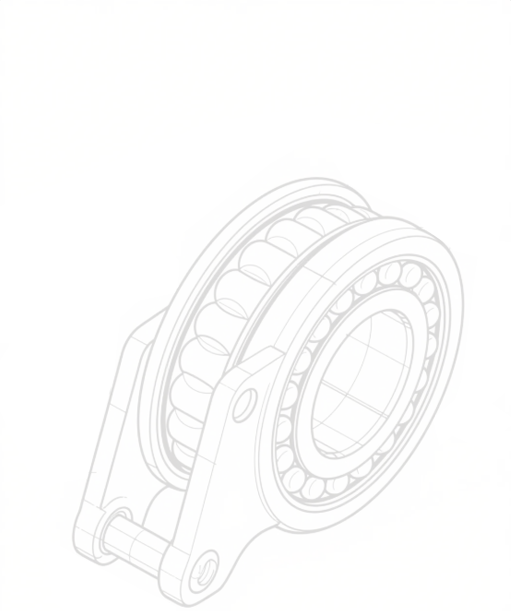
Industry Knowledge: Understanding Recessed Bottom Rollers for Sliding Wardrobe and Closet Door Systems
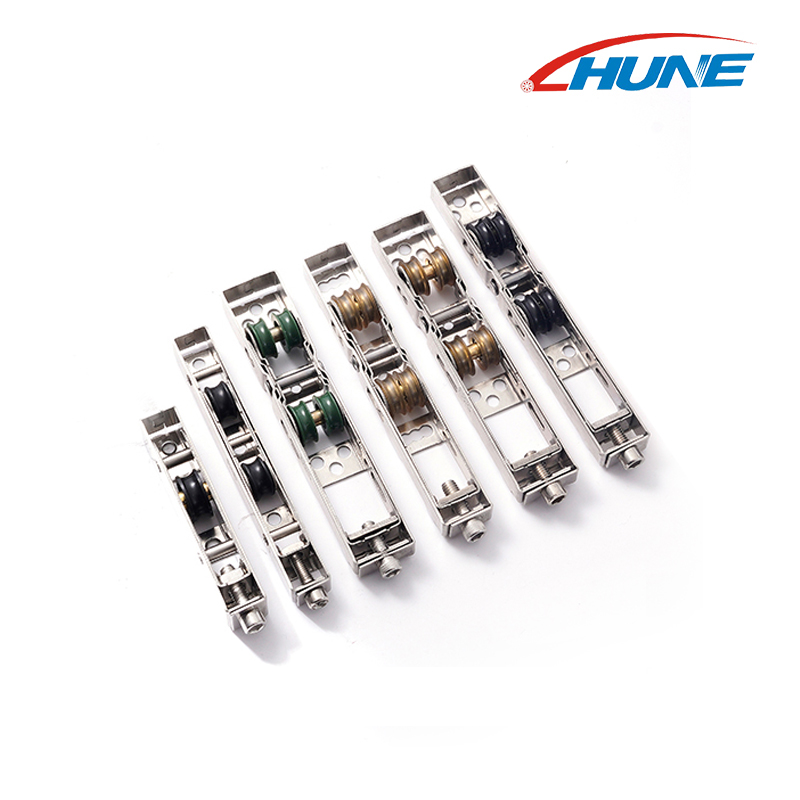
In a sliding furniture system, the roller is easy to overlook, but it has a noticeable effect on how the finished door works. Its structure influences door alignment, operating noise, sliding resistance, and service life. A properly matched recessed bottom roller allows sliding wardrobe doors, closet doors, cabinet doors, and furniture panels to move steadily while keeping most of the hardware hidden inside the panel.
Choosing a bottom roller involves more than checking its outside dimensions. Door weight, wheel material, housing strength, track profile, surface treatment, and installation space all need to be considered. The following sections explain these factors and how they affect everyday use.
What Is a Recessed Bottom Roller?
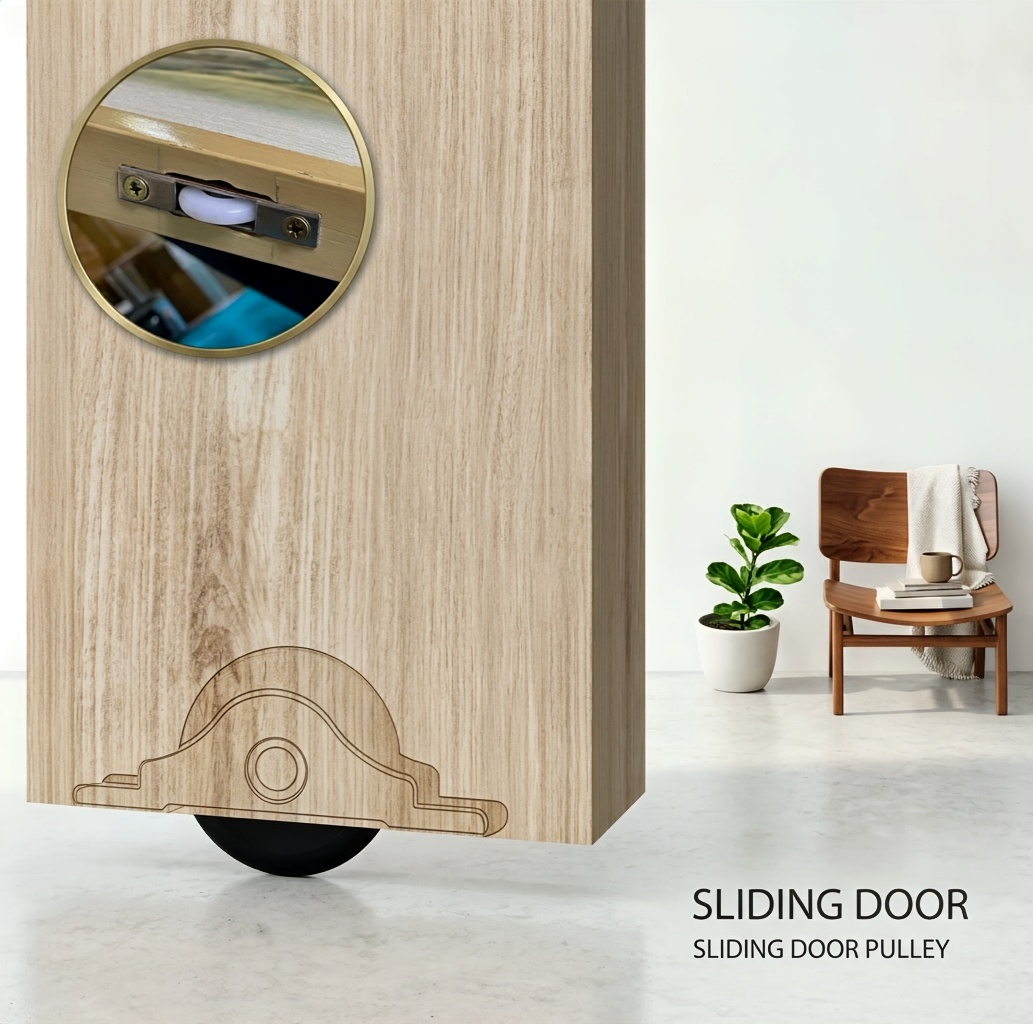
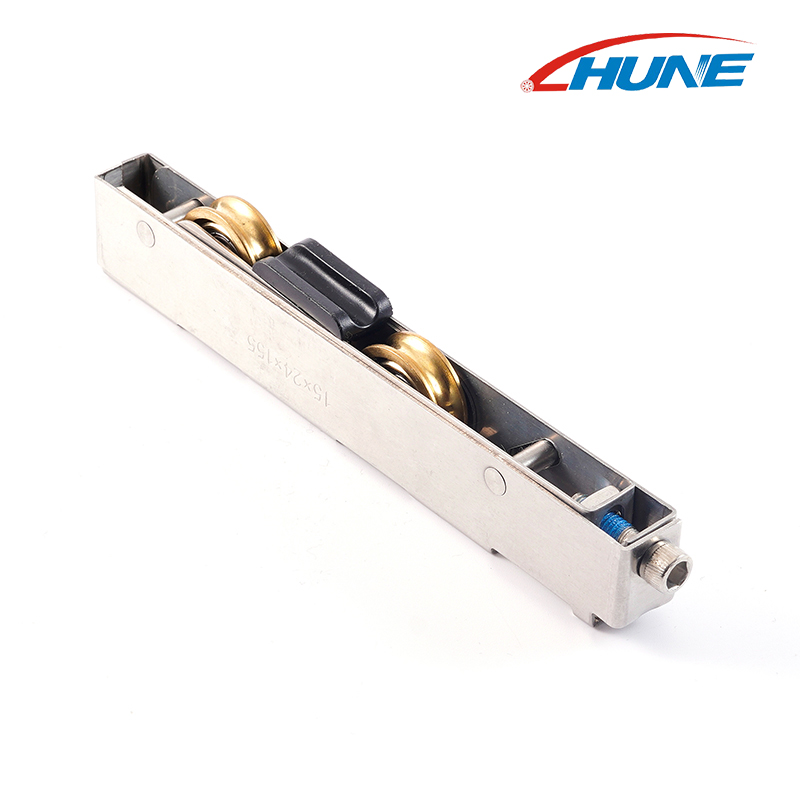
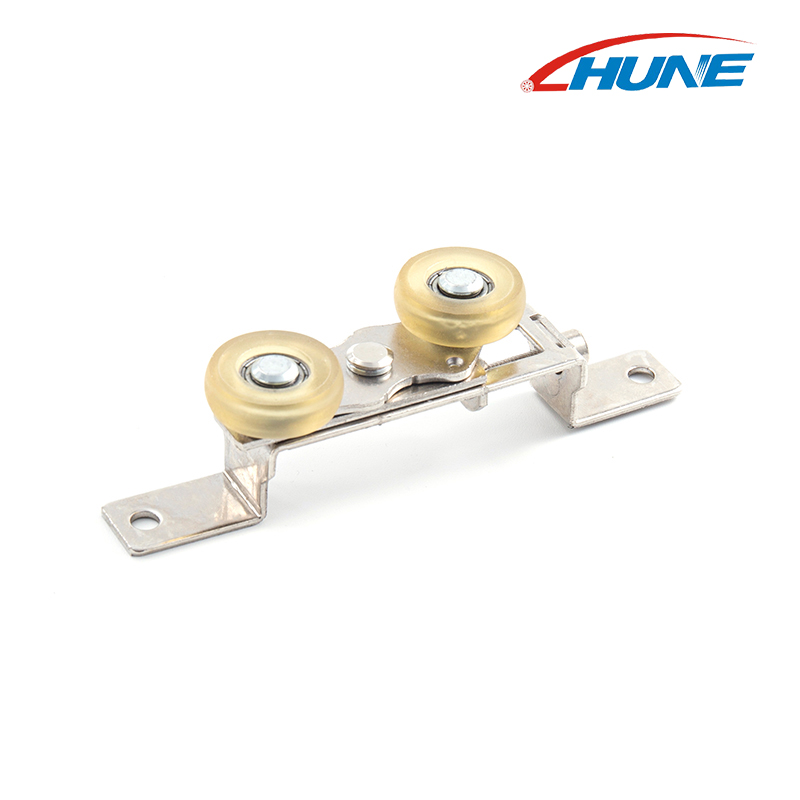
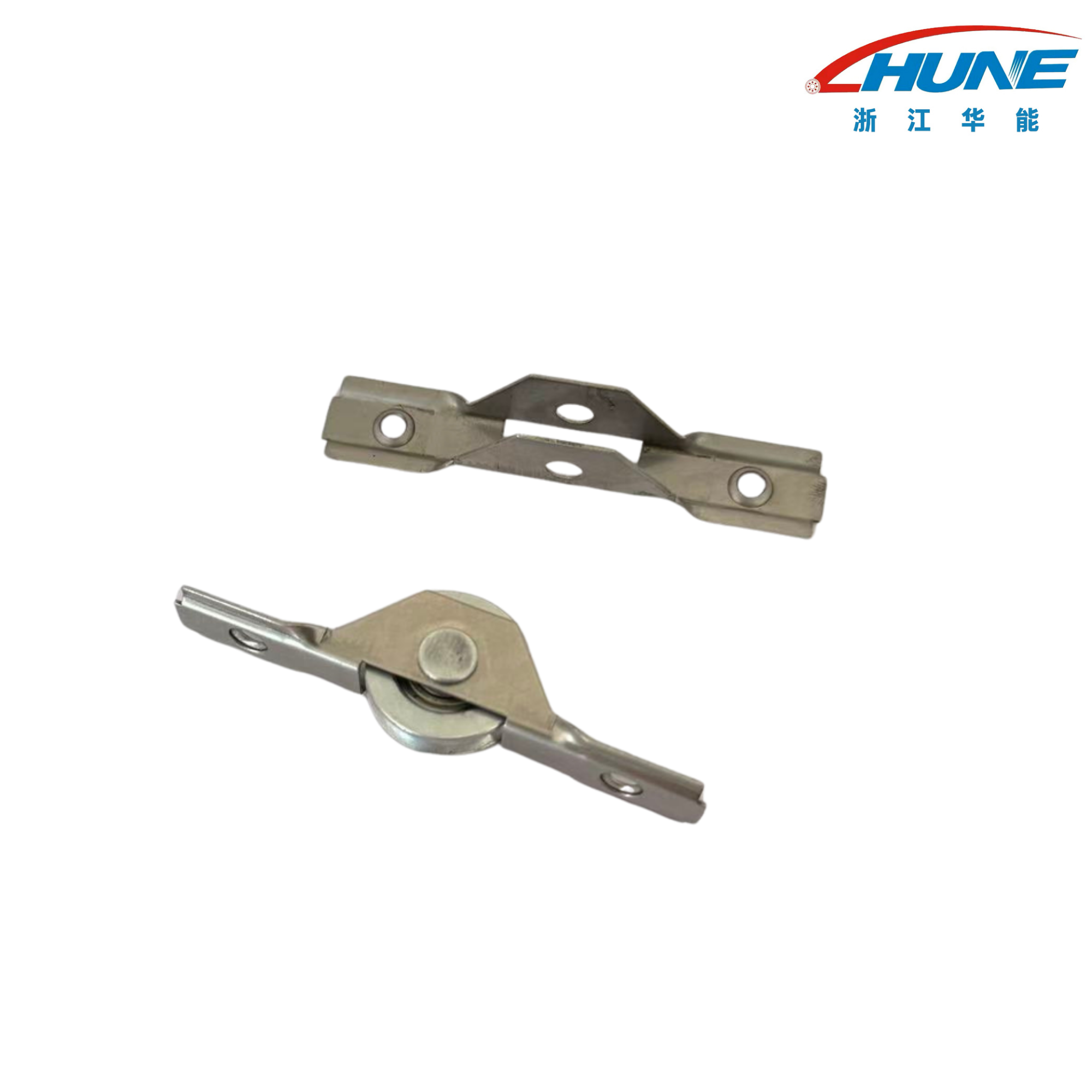
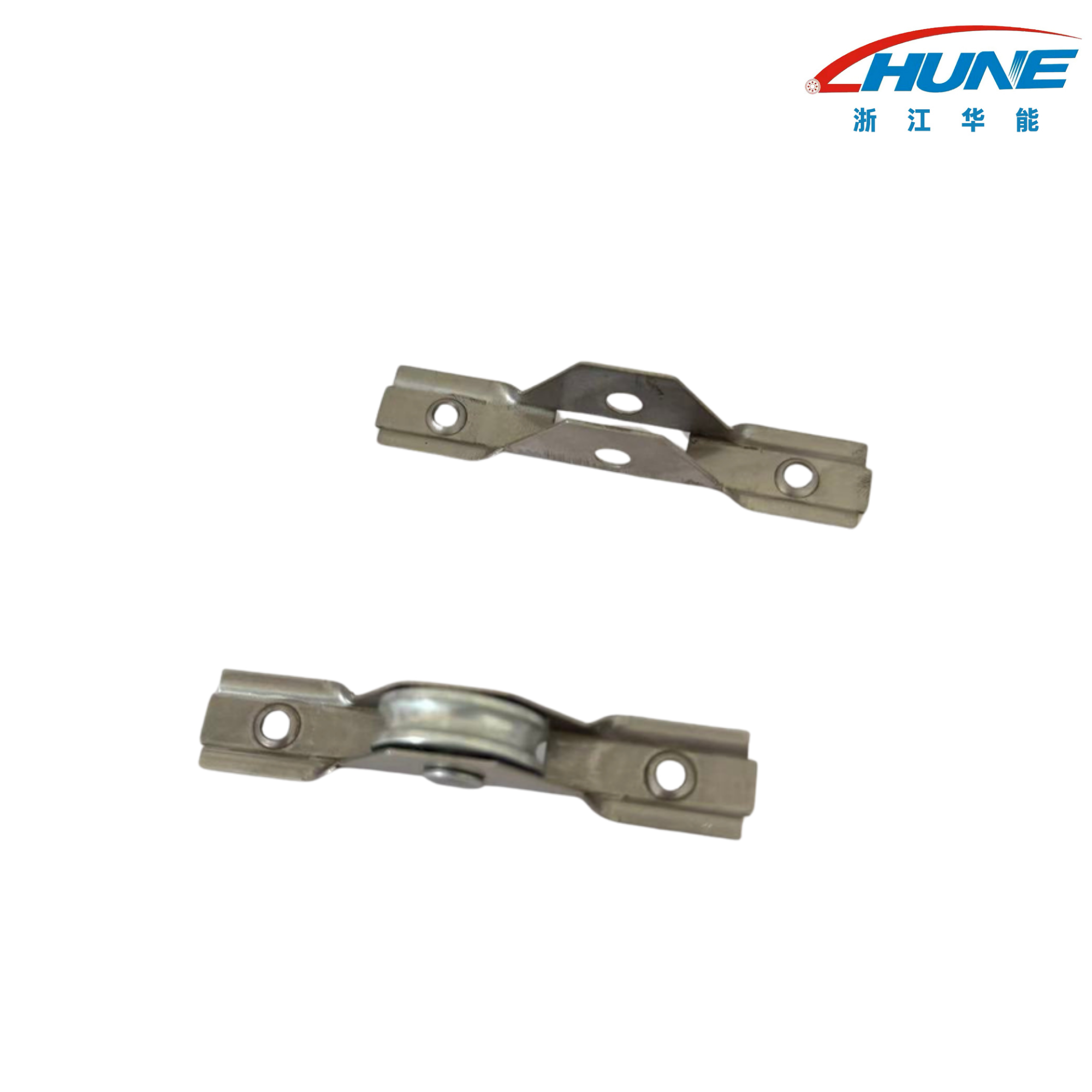
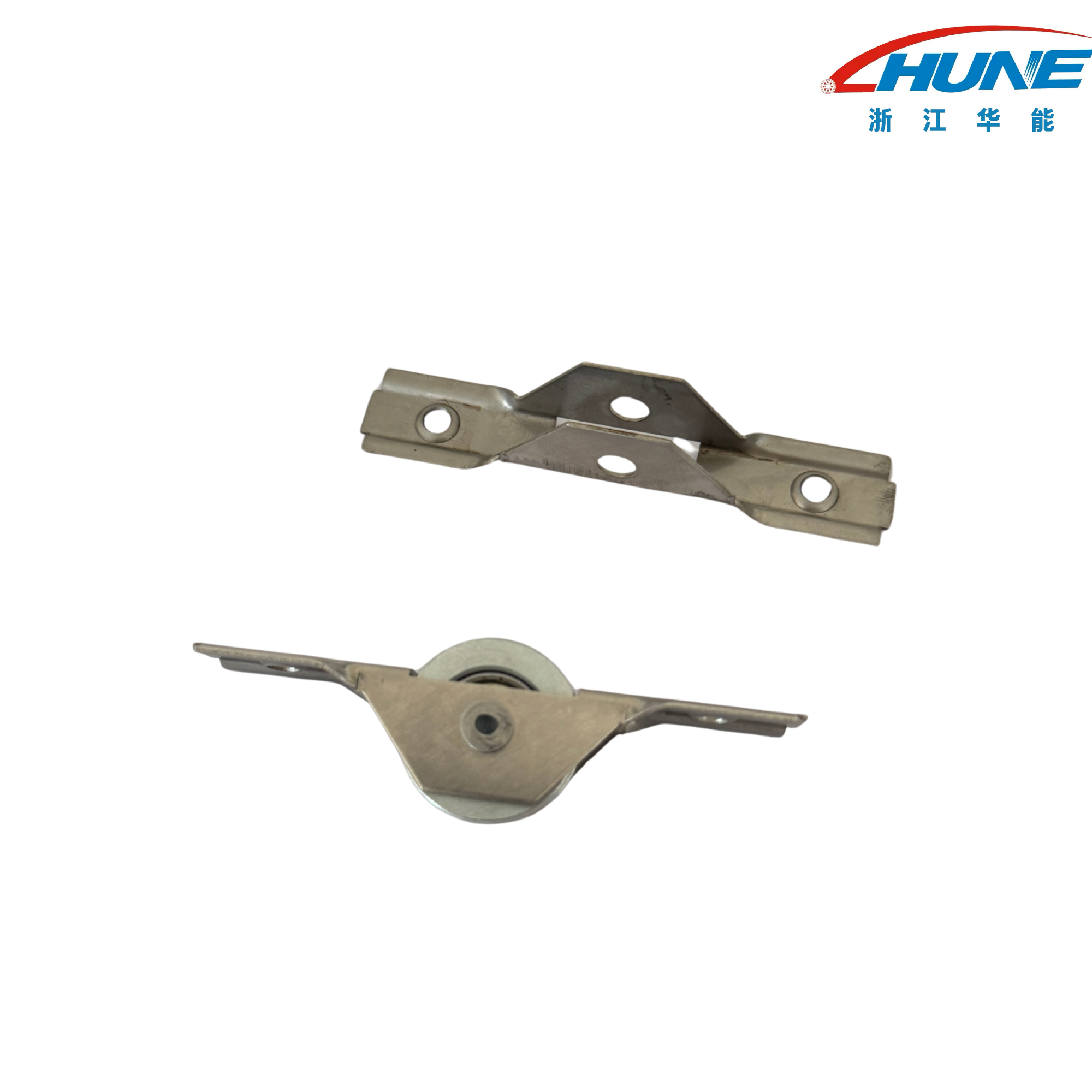
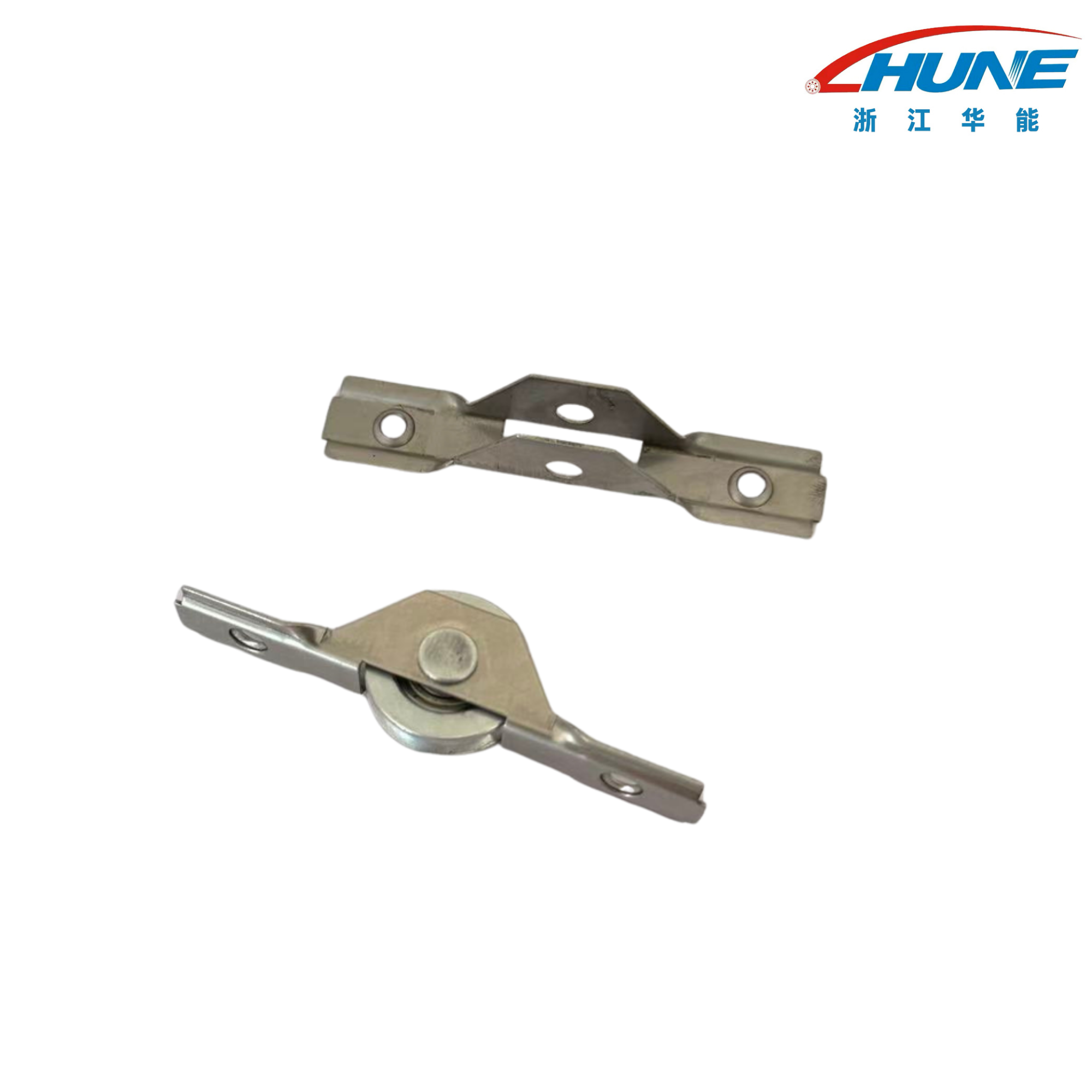
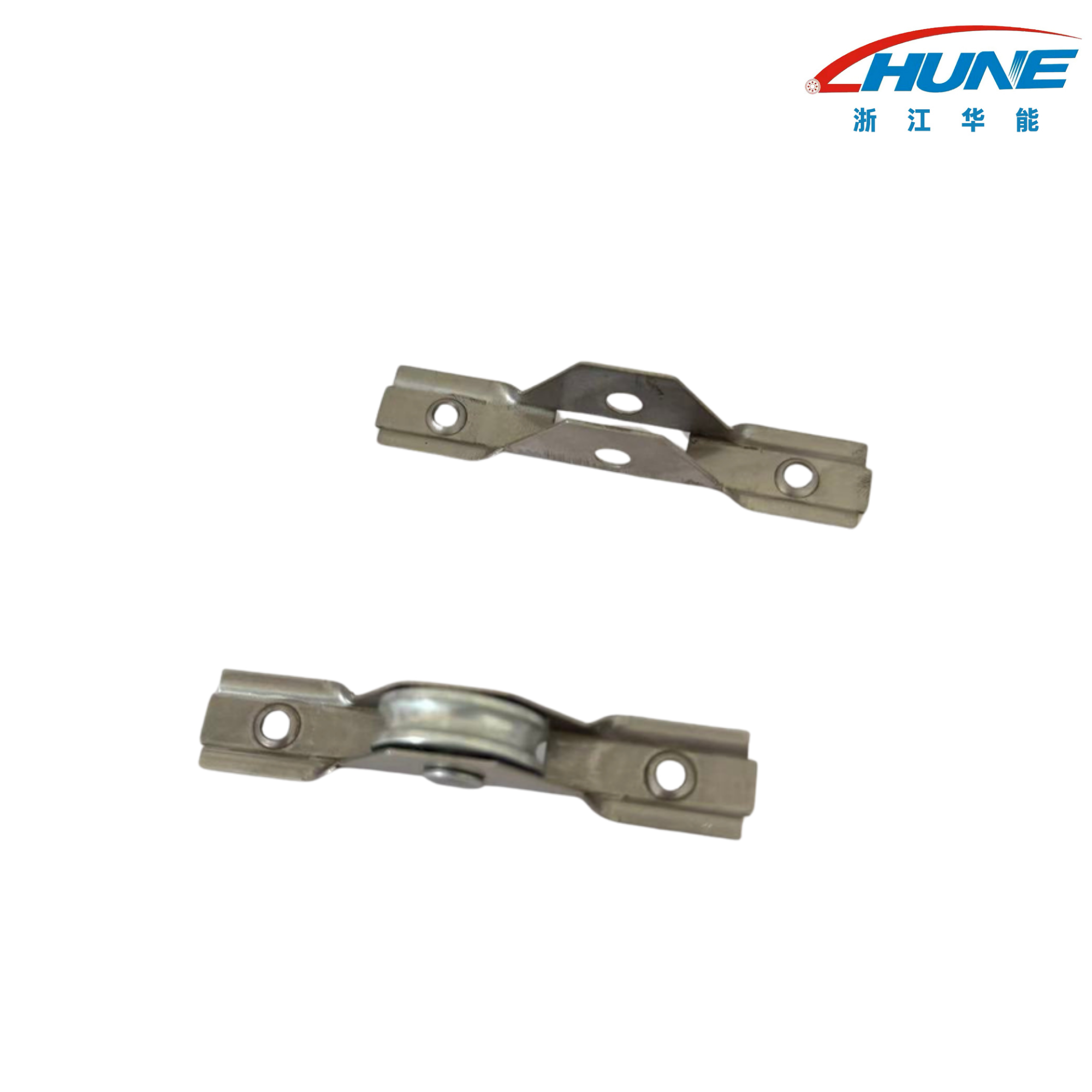
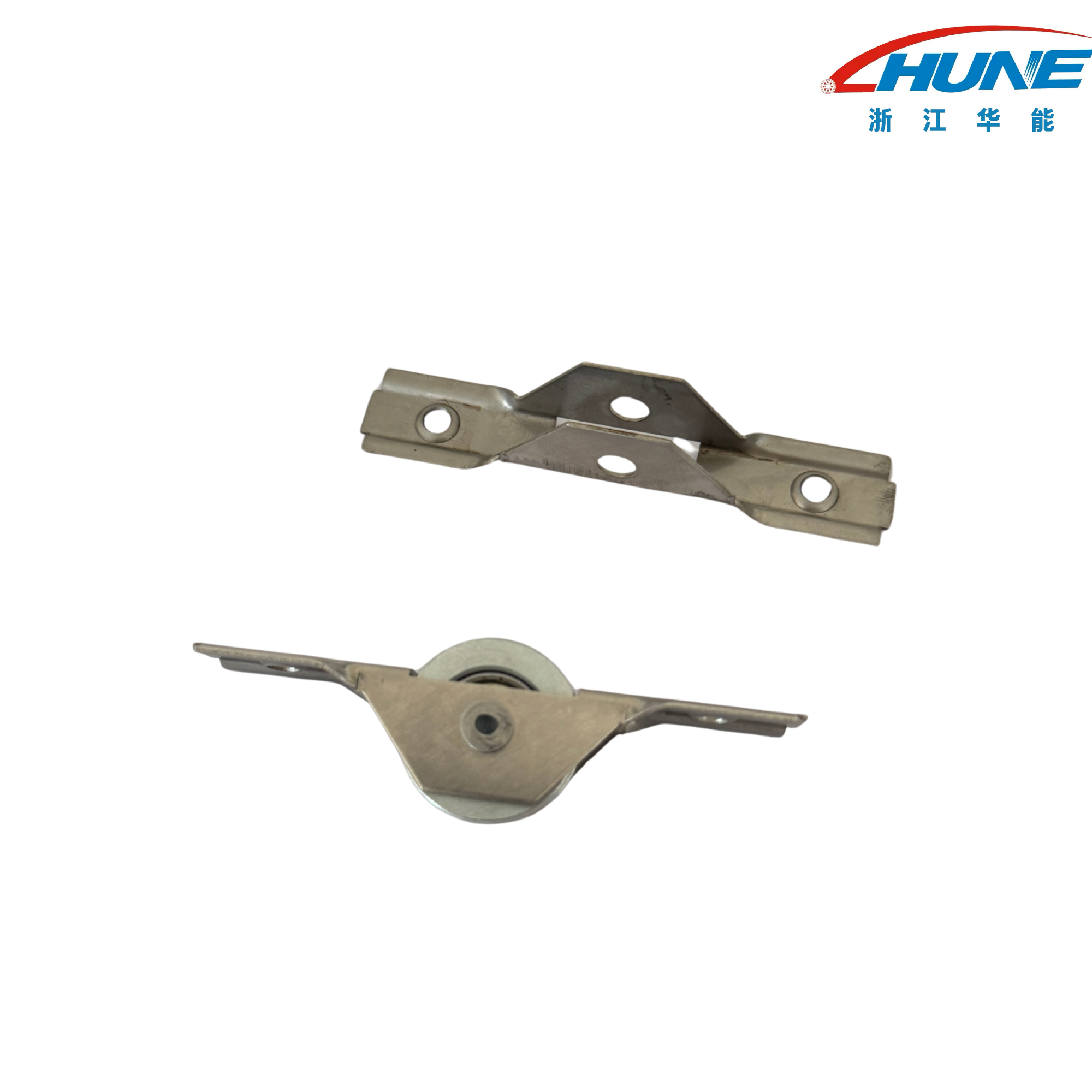
A recessed bottom roller is fitted into a prepared opening at the lower edge of a door or furniture panel. Unlike a surface-mounted unit, part of the assembly remains inside the panel. This produces a neater appearance and reduces the amount of visible hardware.

This roller structure is commonly found in:
- Sliding wardrobe doors
- Sliding closet doors
- Wooden cabinet sliding doors
- Furniture sliding panels
- Bottom-running sliding door systems
- Customized interior sliding mechanisms
In a bottom-running sliding door system, the lower rollers carry most of the panel weight and travel along the bottom track. The upper part normally acts as a guide rather than the main load-bearing point. For this reason, the lower roller must support the door without bending, sticking, or losing alignment after repeated use.
How Bottom-Running Sliding Door Systems Work
A typical bottom-running system includes a door panel, one or more bottom rollers, a lower track, and an upper guide. As the door is opened or closed, the rollers carry the panel along the track. The upper guide keeps the panel upright and limits sideways movement.
This arrangement is widely used in wardrobes, closets, cabinets, and furniture panels. Because the load is transferred downward, the cabinet top or upper frame does not need to support the full suspended weight required by many top-hung systems.
Key Functional Requirements
A suitable bottom roller should offer: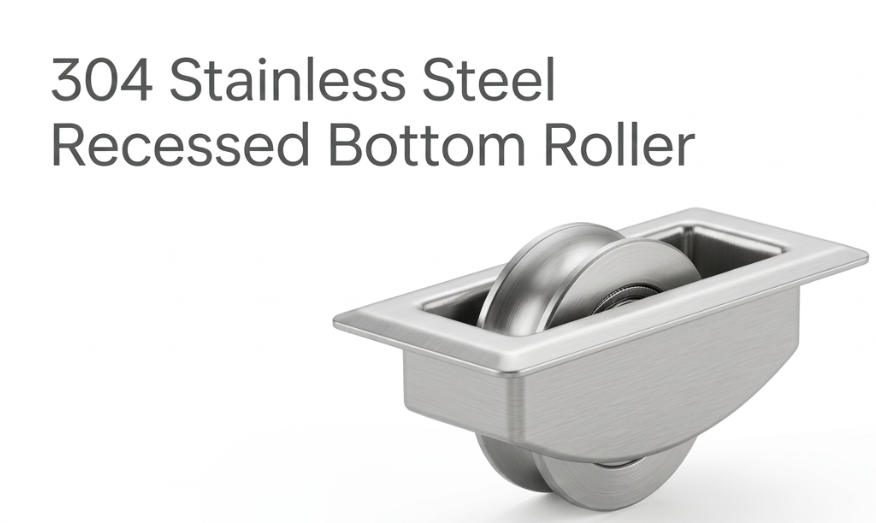
- Low rolling resistance
- Steady support during frequent use
- Correct contact with the track
- Good resistance to wear and deformation
- Corrosion protection for exposed metal parts
- Controlled operating noise
- Consistent movement over its working life
Installation position is especially important with a recessed design. If the two rollers are installed at different heights, the panel can lean or place too much weight on one wheel. Incorrect alignment may also cause rubbing, vibration, and premature track wear.
Why Material Selection Matters
Material choice affects the roller's strength, corrosion resistance, operating sound, durability, and production cost. In this design, the housing is generally made from 304 stainless steel. The wheel may use No. 45 carbon steel, 304 stainless steel, nylon, or POM.
Housing Material
The housing secures the wheel and connects the assembly to the door panel. It must retain its shape under load and keep the wheel correctly positioned on the track.
| Housing Material |
Main Advantages |
Typical Use |
| 304 Stainless Steel |
Strong, corrosion-resistant, and clean in appearance |
Durable furniture and interior door systems |
| Zinc-Plated Steel |
Practical balance of cost, strength, and rust protection |
Standard wardrobe and cabinet hardware |
| Other Metal Materials |
Can be adapted to special structures or market requirements |
Customized sliding systems |
304 stainless steel is often selected where long-term corrosion resistance and appearance matter. It is suitable for bedrooms, dressing rooms, storage furniture, and other indoor locations where humidity may change throughout the year.
Zinc-plated steel is a practical alternative for standard furniture hardware. It provides mechanical strength with a protective plated surface and may be used where project cost is a major consideration.
Wheel Material and Sliding Performance
The wheel contacts the track directly. Its hardness, surface finish, and dimensional accuracy influence load support, wear, noise, and the force needed to move the door.
No. 45 Carbon Steel Wheel
No. 45 carbon steel, also called 45# steel or Chinese No. 45 steel, is a medium-carbon steel containing approximately 0.45% carbon. It provides useful strength and wear resistance for metal pulley wheels.
An electroplated finish can be applied to improve surface protection and reduce oxidation during storage and normal indoor use. A suitable product description is:
No. 45 carbon steel pulley wheel with electroplated surface treatment for improved wear resistance and corrosion protection.
The coating does not replace correct maintenance or material selection, but it offers additional protection compared with untreated carbon steel.
Alternative Wheel Materials
Wheel material can be changed to suit the track, working environment, noise target, and load requirement.
| Wheel Material |
Main Characteristics |
Suitable Applications |
| No. 45 Carbon Steel |
Strong, wear-resistant, and suitable for steady load support |
Metal tracks and durable sliding door hardware |
| 304 Stainless Steel |
Strong with better corrosion resistance |
Humid areas and higher corrosion-resistance requirements |
| Nylon |
Lightweight, cushioned, and relatively quiet |
Residential furniture and quieter sliding systems |
| POM |
Low friction, dimensionally stable, and wear-resistant |
Smooth, accurate sliding applications |
Metal wheels are often used where strength and wear resistance are priorities. Nylon and POM wheels are useful when quieter contact or lower rolling friction is preferred. The final choice should also take the track material into account.
The Role of Surface Treatment
Surface treatment protects metal components from oxidation, handling marks, moisture, and general wear. It can also improve the appearance of visible or semi-visible hardware.
Common treatment options include:
- Electroplating
- Zinc plating
- Nickel plating
- Passivation for stainless steel
- Polishing
- Custom anti-rust finishes
For a No. 45 carbon steel wheel, electroplating creates a protective outer layer and gives the component a more consistent surface. Coating quality, thickness, and adhesion all influence the final result.
The required finish should reflect the operating environment. Hardware used in a dry bedroom does not face the same conditions as a roller installed in coastal furniture production, humid storage areas, or frequently cleaned commercial interiors.
Structural Design Considerations
1. Recessed Installation Depth
The mounting recess must place the wheel at the correct height relative to the bottom track. A shallow recess may leave too much of the assembly exposed. An overly deep recess can prevent proper wheel contact or reduce the available adjustment range.
2. Mounting Hole Position
Mounting holes need to match the panel structure and maintain the roller’s position under load. Incorrect spacing or off-center installation can lead to vibration, loose fasteners, or uneven movement.
3. Bracket Strength
The housing must resist bending when the door weight is applied. This is particularly important for wide wardrobe doors, solid wooden panels, and other heavier furniture components.
4. Wheel Diameter
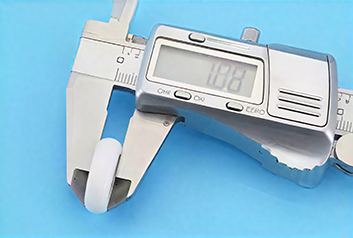
Wheel diameter affects both installation size and rolling behavior. A larger wheel generally passes over minor track joints more easily, while a smaller wheel helps keep the assembly compact. The available recess depth often limits the final choice.
5. Track Compatibility
The wheel profile must correspond to the bottom track. An incorrect groove or contact surface can produce noise, concentrated wear, unstable movement, or an increased risk of the wheel leaving its intended path.
How to Select the Right Recessed Bottom Roller
A recessed bottom roller should be selected as part of the complete door system. Dimensions are important, but they do not show how the roller will perform under the actual door load.
Key Selection Factors
| Selection Factor |
Why It Matters |
| Door Weight |
Determines the required wheel capacity and bracket strength |
| Door Material |
Wood, MDF, aluminum, and composite panels require different mounting methods |
| Track Profile |
The wheel diameter and running surface must fit the track |
| Operating Environment |
Humidity and corrosion exposure affect material selection |
| Noise Requirement |
Nylon or POM may provide quieter track contact |
| Installation Space |
The recessed housing must fit inside the lower panel section |
| Service Life Requirement |
Wheel material, housing strength, and surface treatment affect durability |
| Appearance Requirement |
A recessed design keeps most of the hardware out of view |
The load should be considered across the number of supporting rollers, with a reasonable allowance for impact and uneven weight distribution. Testing the roller with the actual panel and track is preferable when developing a new furniture system.
Customization Possibilities for Recessed Bottom Rollers
Wardrobe and furniture systems vary by market, manufacturer, and track design. When a standard roller does not fit, customization can provide a better match between the panel, wheel, housing, and rail.
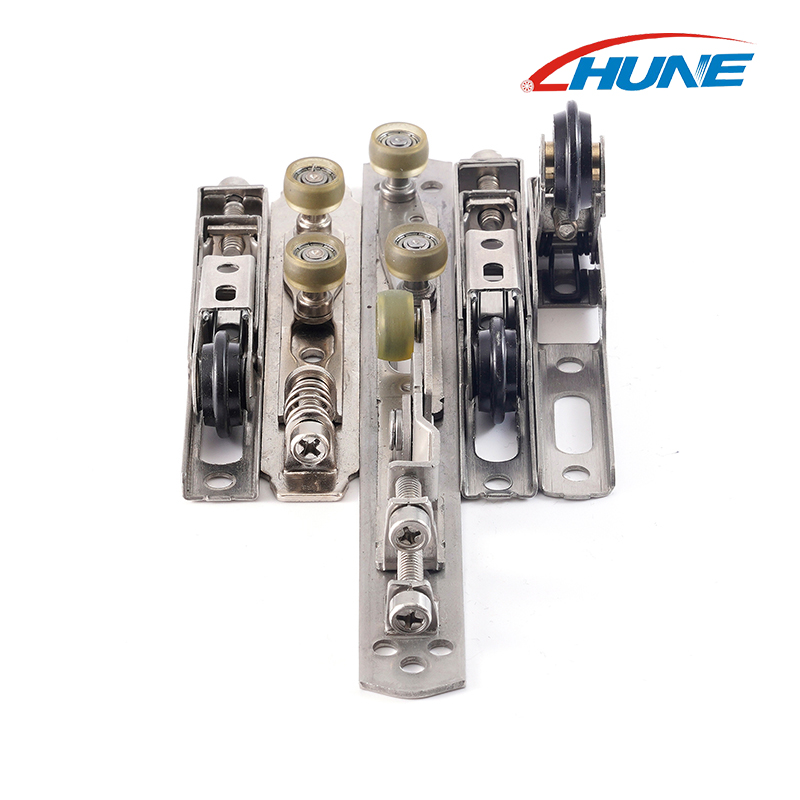
Customizable Elements
- Housing material
- Housing thickness
- Mounting hole size
- Mounting hole distance
- Bracket shape
- Wheel diameter
- Wheel groove profile
- Wheel material
- Surface finish
- Roller height
- Recessed installation depth
- Track-matching structure
- Mold-based structural development
Customization may be carried out from technical drawings, physical samples, track sections, or installation data. Door weight, panel thickness, mounting direction, expected operating frequency, and corrosion requirements should be provided during development.
For a new structure, sample testing helps confirm fit, load support, sliding noise, and track compatibility before production tooling or batch manufacturing begins.
FAQ
What is this recessed bottom roller used for?
It is mainly used in sliding wardrobe doors, closet doors, wooden cabinet sliding doors, furniture sliding panels, and other bottom-running sliding door systems.
What material is the housing made from?
The standard housing is made from 304 stainless steel. Zinc-plated steel and other metal materials can also be used to meet different cost, strength, and corrosion-resistance requirements.
What material is the roller wheel?
The standard wheel is made from 45# steel with electroplated surface treatment. Optional wheel materials include 304 stainless steel, nylon, and POM.
Can the structure be customized?
Yes. The bracket shape, housing dimensions, mounting holes, wheel material, wheel profile, and recessed depth can be modified. Custom mold development is also available for non-standard structures.
Is this roller suitable for wooden sliding doors?
Yes. It can be fitted to wooden wardrobe doors, closet doors, cabinet doors, and other furniture sliding panels, provided the panel structure and track are compatible with the roller.
A recessed bottom roller plays an important role in the movement and stability of wardrobe, closet, cabinet, and furniture door systems. Reliable performance depends on the relationship between the housing, wheel, track, surface finish, panel structure, and installation position.
A 304 stainless steel housing provides strength and corrosion resistance, while a No. 45 carbon steel wheel with electroplated surface treatment offers dependable load support and wear performance. Alternative options such as 304 stainless steel, nylon, POM, zinc-plated steel, and custom mold development allow the roller to be adapted to different bottom-running sliding door systems.
Selecting the correct roller helps the door run more smoothly, remain properly aligned, and require less maintenance throughout its service life.





 English
 Español
 日本語
日本語
 +86-15058997617