

 English
 Español
 日本語
日本語A guide roller may take up very little space in a machine, but when it does not fit the working conditions, the effects can show up in several places. A moving part may start rubbing against its track, alignment may become difficult to maintain, or the equipment may develop noise during operation. Sometimes the problem comes down to a detail that was overlooked when the roller was specified.
Custom industrial equipment makes this decision a little more complicated. The machine may have an unusual movement path, limited installation space, or a mounting structure that cannot accommodate standard components. In these situations, choosing a guide roller means understanding the mechanism first and working backward to the component.
For equipment designers, purchasing teams, and manufacturers, a useful specification should explain how the roller will be used, what it will contact, and what conditions it needs to handle. Here are the details worth discussing before settling on a design.
1. What Is the Roller Doing Inside the Machine?
The first question is not about the roller's material or size. It is about its job. A component that mainly keeps a moving part aligned may have different requirements from one that also carries its weight.
Consider a sliding assembly. Its rollers may support a moving panel while keeping it on a defined track. In another machine, a guide roller may simply prevent a moving component from drifting out of position. The two applications may look similar, but the forces acting on the rollers can be quite different.
It helps to describe the roller's function in practical terms:
- Guiding: Keeping a moving part on its intended path.
- Supporting: Carrying part of the load while allowing movement.
- Positioning: Helping maintain the location or alignment of a component.
- Combined operation: Performing two or more of these functions within the same mechanism.
A little detail here can prevent a lot of guesswork later. If the roller supports a moving assembly as well as guiding it, make that clear when preparing the inquiry.
Pay Attention to Changes in Movement
A machine rarely moves in exactly the same way throughout an operating cycle. It may start slowly, stop suddenly, reverse direction, or move only when a particular operation is triggered.
Think about what happens at each stage. Does the roller stay in contact with the same surface? Does the direction of force change? Is there vibration when the machine stops? These observations help explain the conditions the component will actually experience.
2. The Track Tells You a Lot About the Roller
One of the easiest mistakes to make is choosing a roller without looking closely at the surface it runs against. The contact arrangement influences the running profile, alignment requirements, and potential wear.
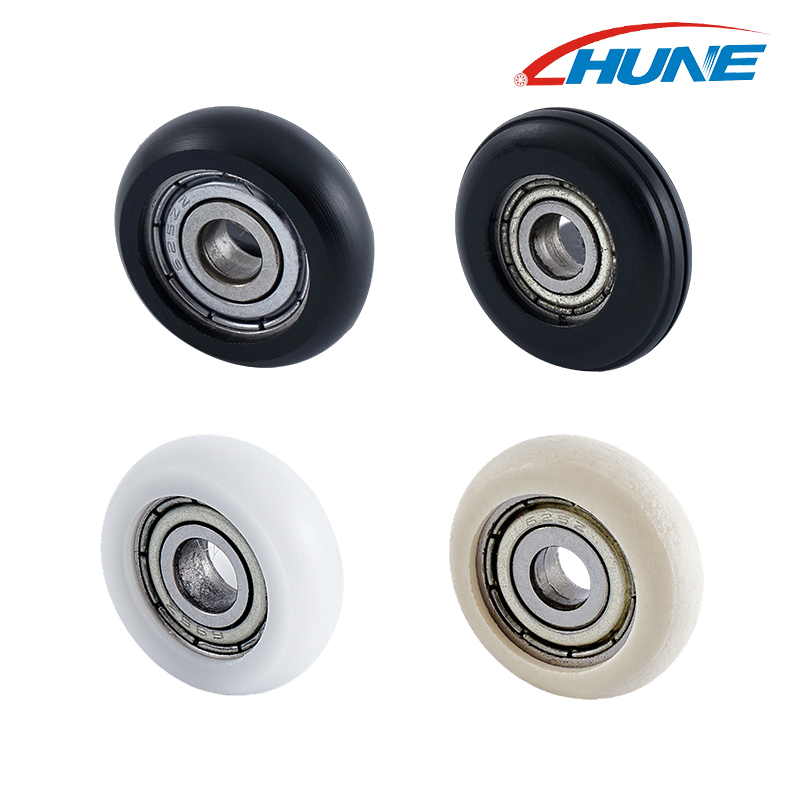
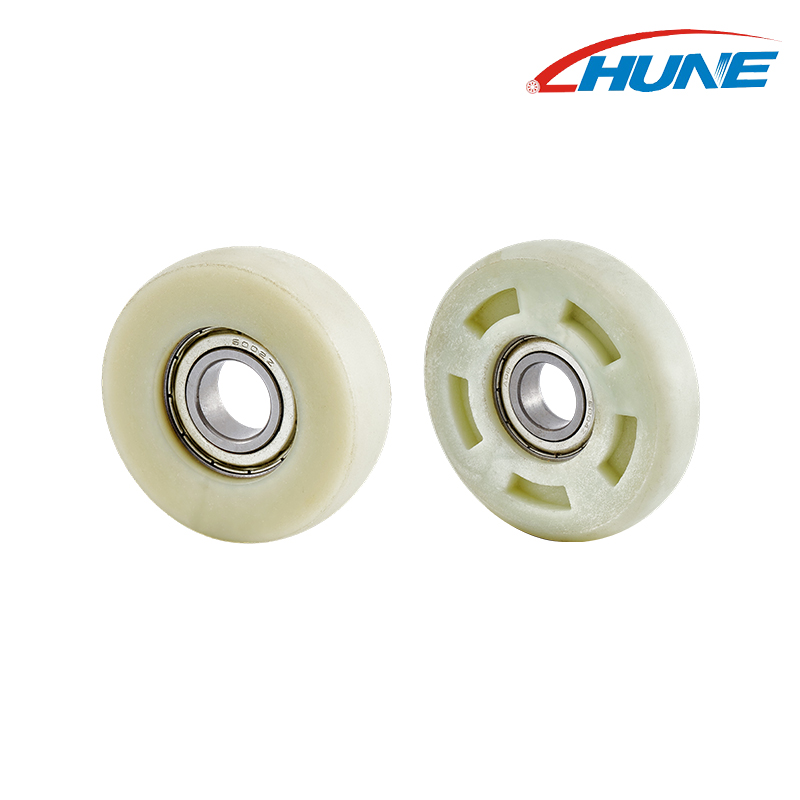
Flat Profile
A flat roller may be suitable for an even running surface. The contact area and the possibility of sideways movement still need to be checked.
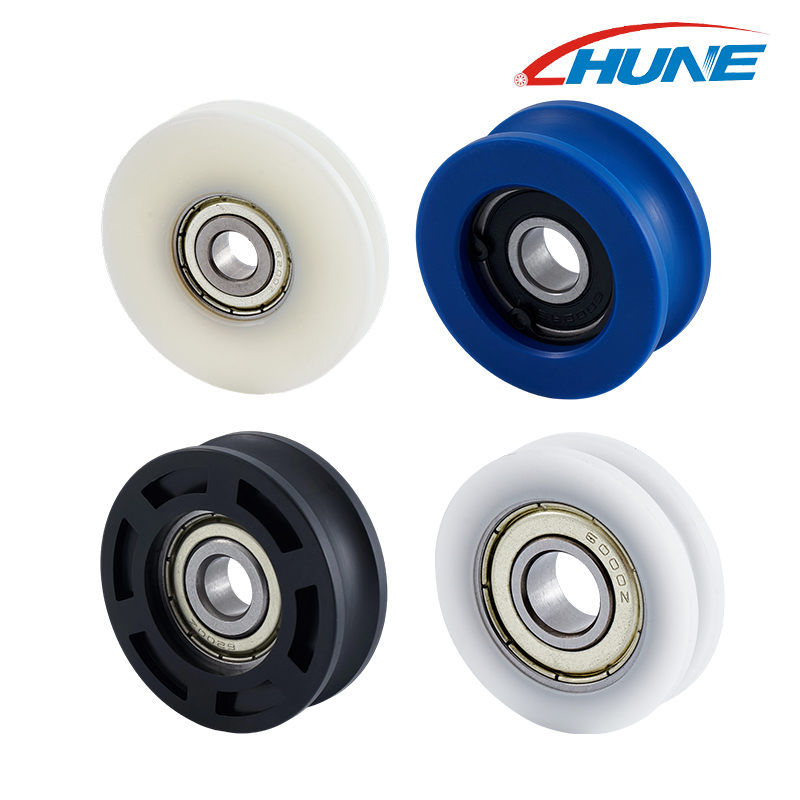
Grooved Profile
A grooved profile may be considered when the equipment uses a matching guide feature. The groove needs to match the actual contact arrangement rather than simply look compatible.
Custom Profile
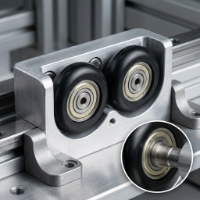
A specially shaped roller may be worth discussing when the machine has an unusual path, a specific contact requirement, or structural limitations that affect the roller's shape.
Before choosing a profile, look at the entire contact area. A roller that touches the track unevenly may behave differently from one that maintains the intended contact throughout its movement.
A drawing showing the installed position is particularly helpful. It can reveal nearby obstructions, changes in track direction, and areas where the roller might experience side contact.
3. Make the Mounting Method Part of the Specification
The mounting structure is easy to leave out of an initial inquiry, especially when the main focus is on the wheel itself. But a roller needs to sit correctly in the machine before its running profile or bearing arrangement can do its job.
Depending on the assembly, the roller may be installed on a shaft, pin, bracket, or integrated mounting structure. The surrounding frame and available space can limit which arrangements are practical.
There are three things worth checking before the design moves forward.
| Mounting consideration | Why it matters |
|---|---|
| Connection method | Determines how the roller attaches to the machine |
| Alignment | Influences contact with the track and surrounding components |
| Service access | Affects inspection and replacement work |
For example, a roller installed deep inside a machine may be difficult to replace if the assembly has to be partly dismantled first. In a mechanism with several rollers, that maintenance requirement can become more significant.
If you already have a mounting drawing, send it with the roller inquiry. It gives the supplier a better understanding of the actual installation instead of leaving important details open to interpretation.
4. Material Selection Depends on Where the Roller Works
A roller operating inside an enclosed machine does not necessarily face the same conditions as one installed in an exposed mechanism. Dust, moisture, temperature changes, and the surface it contacts can all influence material selection.
Engineering plastics and metals may both be considered, depending on the application. The choice should reflect the roller's working conditions rather than a general preference for one material.
| Working condition | What deserves attention |
|---|---|
| Frequent movement | Contact wear and movement consistency |
| Dust exposure | Contamination and cleaning access |
| Moisture | Material compatibility and corrosion concerns |
| Sensitive surfaces | Surface finish and possible marking |
| Temperature changes | Material behavior during operation |
| Side contact | Profile stability and uneven wear |
Take a roller that runs against a surface that could be scratched or marked. Its material and finish may need to be considered differently from those of a roller contacting a robust metal track.
It is also worth thinking beyond the wheel body. The bearing and mounting structure may be exposed to the same environment, so the overall assembly should be reviewed together.
5. The Bearing and Wheel Need to Work Together
The bearing is not just an extra detail added after the roller has been selected. Its arrangement affects how the component rotates, how it fits onto the mounting structure, and how the assembly responds to its operating conditions.
Start by considering how often the roller moves. A component that rotates repeatedly throughout a production cycle may have different requirements from one that moves occasionally. The load, mounting arrangement, and environmental exposure also need to be taken into account.
When discussing the bearing, clarify:
- Whether it will be integrated into the roller or installed separately.
- What loads and movement conditions it will experience.
- How the bearing fits into the wheel and mounting structure.
- Whether dust or moisture protection is needed.
- How the assembly will be inspected or replaced.
A suitable bearing can still encounter problems if the mounting arrangement introduces misalignment or unwanted pressure. This is why the wheel, bearing, and surrounding structure should be considered as parts of the same design.
6. Explain the Load the Roller Will Actually Experience
The weight of the complete machine is not enough to determine what an individual guide roller needs to handle. In assemblies with several rollers, the load may be shared unevenly because of differences in alignment, frame stiffness, and mounting position.
The forces can also change while the machine is running. Starting, stopping, reversing, and vibration may affect the contact conditions, especially when the roller supports a moving part.
When describing the load, explain whether the roller mainly guides movement or carries some of the assembly's weight. If the load changes during operation, identify the situations in which that happens.
For an initial engineering discussion, it is useful to provide:
- The roller's role in supporting or guiding the assembly.
- Whether the load is relatively consistent or variable.
- Any expected vibration, impact, or side pressure.
- The number and arrangement of rollers sharing the load.
- Any loading assumptions that still need to be verified.
If the machine is still being designed, there is no need to present every estimate as a confirmed requirement. Making the uncertainties clear helps the supplier and engineering team identify what needs further review.
7. What Should You Prepare Before Contacting a Supplier?
A request for a custom guide roller becomes easier to evaluate when it explains the application rather than simply naming the component. The more clearly the working conditions are described, the less time both sides need to spend clarifying basic details.
Information to Prepare for a Custom Roller Inquiry
Check the details you already have:
- Equipment type and intended function
- Roller's role in the mechanism
- Movement direction and operating cycle
- Track and contact surface
- Mounting method and available space
- Material and environmental conditions
- Working load and possible vibration
- Bearing arrangement and protection
- Inspection and replacement requirements
- Drawings, photographs, or existing samples
Why Existing Samples Are Useful
Sometimes the original machine drawing is unavailable, particularly when equipment has been modified over the years. In that situation, photographs and physical samples can help explain how the existing roller fits into the mechanism.
If the project involves a replacement, explain what has caused the change. Perhaps the current roller does not match a revised track, the mounting structure has changed, or the machine now operates under different conditions.
It is also helpful to distinguish between features that must remain unchanged and those that can be redesigned. That gives the supplier room to discuss possible manufacturing approaches without losing sight of the equipment's requirements.
8. Don't Approve the Design Without Checking It in the Machine
A drawing can show the intended structure, but it cannot reveal every detail of how the roller will behave once the equipment is running. Prototype testing helps connect the proposed design with the actual working conditions.
During an initial trial, check the installation fit and make sure the roller does not interfere with nearby parts. Then observe its movement through the complete operating cycle.
| What to inspect | What to look for |
|---|---|
| Installation | Correct seating and clearance |
| Movement | Consistent travel along the intended path |
| Contact | Unexpected rubbing or shifting |
| Rotation | Irregular movement, resistance, or noise |
| Repeated operation | Changes in behavior or visible wear |
| Maintenance | Practical access for inspection and replacement |
If something seems wrong, record when the problem occurs. Noise during startup, for example, may have a different cause from noise that appears after repeated operation.
It is worth checking the surrounding mechanism as well as the roller. Track alignment, mounting conditions, and bearing installation can all influence the result.
9. When Should You Consider a Custom Guide Roller?
A standard roller may be suitable when its profile, mounting arrangement, bearing configuration, and operating characteristics match the equipment. A custom design becomes relevant when those requirements cannot be met by the available options.
This can happen when the machine has an unusual track, restricted installation space, a particular mounting arrangement, or specific material requirements. Some projects may also need an integrated bearing structure or a revised roller profile to suit the movement path.
For equipment manufacturers, it helps to decide which requirements are essential and where there is room for adjustment. Essential requirements define the component's intended function and compatibility. Flexible preferences leave room for discussion about the structure and manufacturing process.
Zhejiang Huaneng Micro Bearing Co., Ltd. works with pulley, roller, and bearing components, including customized designs for different applications. For an industrial equipment project, the discussion can begin with the machine's movement, contact conditions, mounting structure, and required component arrangement.
Frequently Asked Questions
What Information Is Needed to Specify a Guide Roller?
Describe its function, movement, contact surface, mounting method, working load, and operating environment. Drawings, photographs, and existing samples are useful when the equipment has a non-standard structure.
Can an Existing Roller Be Used in Custom Industrial Equipment?
It may be suitable if its profile, mounting arrangement, bearing configuration, and operating conditions match the application. Compatibility should be checked against the actual assembly rather than judged by appearance alone.
What Can Cause Uneven Wear on a Guide Roller?
Misalignment, uneven loading, unsuitable contact profiles, contamination, and inconsistent contact with the track can all contribute to wear. The surrounding structure should be inspected alongside the roller.
Why Is Prototype Testing Useful for Custom Rollers?
Testing helps reveal installation, alignment, contact, and movement issues that may not be apparent from drawings. It also gives the engineering team an opportunity to review the component before regular production.
A guide roller specification should reflect what happens inside the machine, not just what the component looks like. Movement, contact, mounting, load, material, and bearing arrangement all influence the final design.
For custom industrial equipment, a useful starting point is a clear description of the application, supported by drawings or samples where possible. Once the proposed roller is ready, testing it in the actual assembly helps reveal whether the design needs further adjustment before production.