

 English
 Español
 日本語
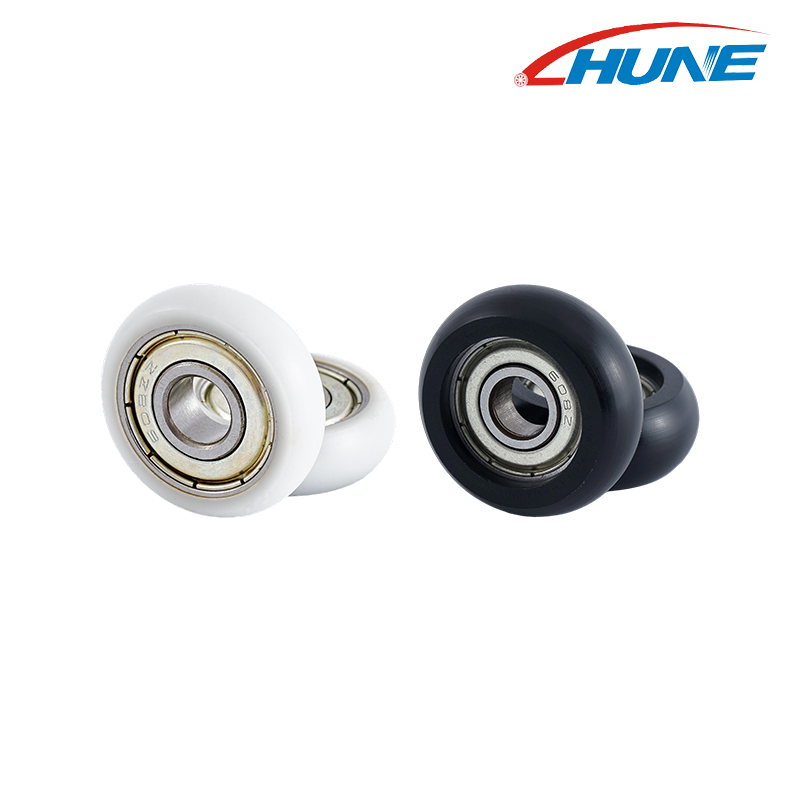
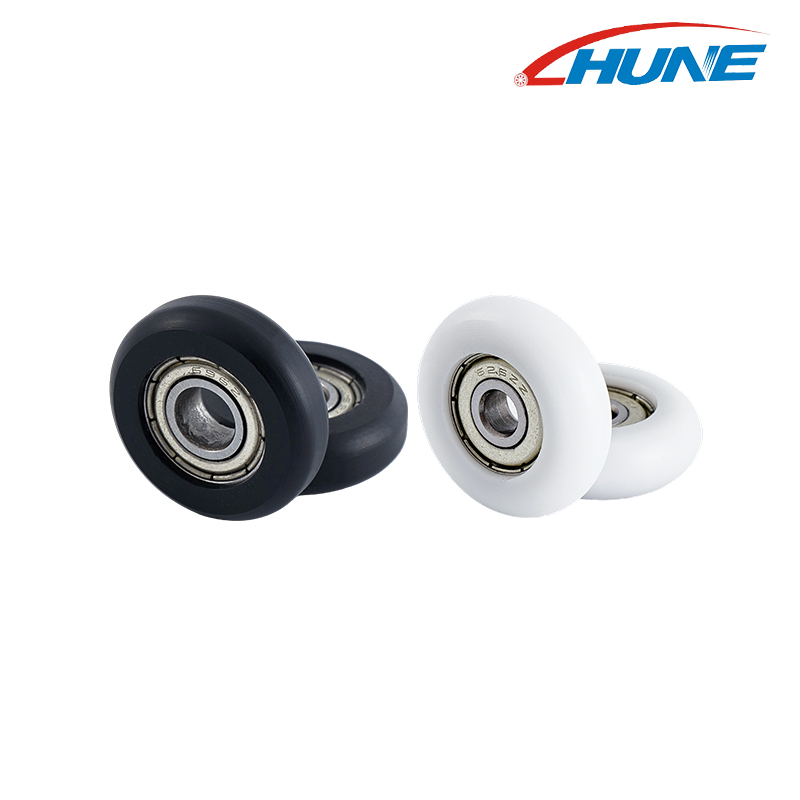
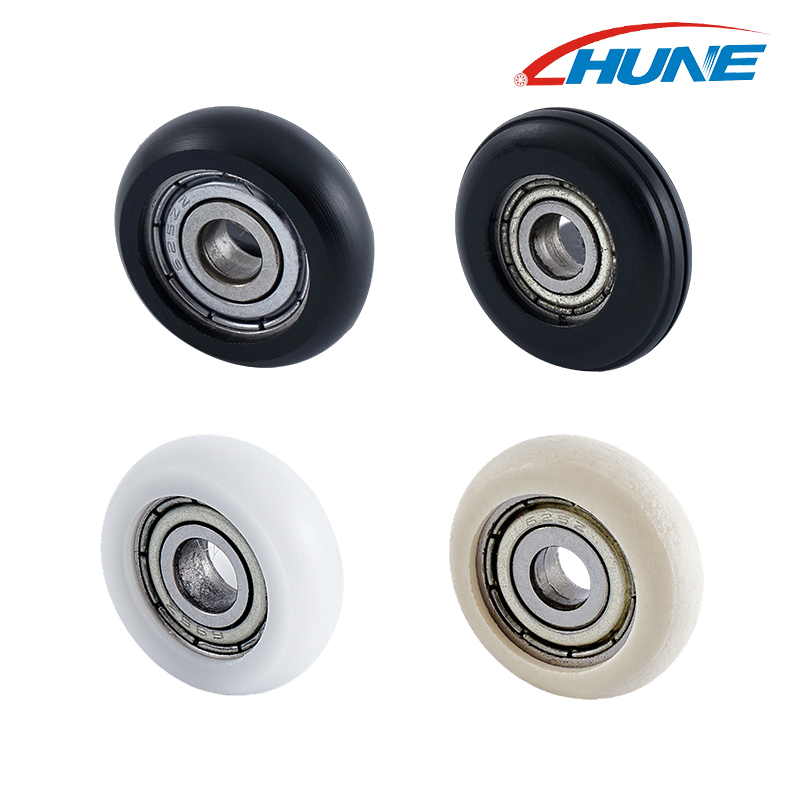
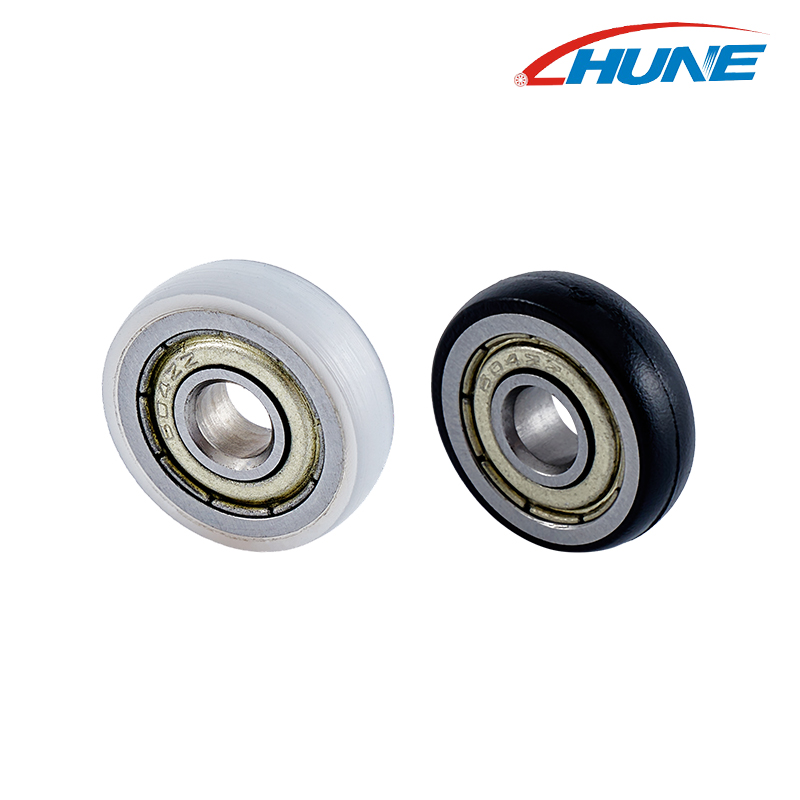
日本語A lot of 3D printer problems get blamed on "mystery gremlins" in the slicer, the filament, or the firmware. But if your printer uses rollers (wheels) riding on V-slot rails—common on many bed-slinger and gantry-style machines—those little wheels quietly determine how straight, smooth, and repeatable your motion system really is.
Rollers wear out. They also get flat spots, crack, glaze, collect debris, or deform under incorrect tension. When that happens, the printer can still move, but it stops moving predictably—and print quality starts to unravel in ways that look like calibration issues.
1) You Feel "Bumps" or Notches When Moving an Axis by Hand
When the printer is powered off (or steppers disabled), a healthy V-wheel system should feel smooth and consistent across the full travel. If you feel repeating bumps, clicks, or a notchy sensation, that's often a roller that has:
- developed flat spots (common if the printer sat parked under tension for long periods),
- embedded debris in the wheel surface,
- uneven wear due to misalignment or overtightened eccentrics.
Quick confirmation
- Move the axis slowly by hand and watch each wheel. A damaged wheel may "hop," pause, or rotate unevenly.
- Mark the wheel with a pen dot and see if the bump repeats at the same wheel rotation position (a classic flat-spot tell).
Why it's urgent: Notches translate into micro-position errors, which show up as repeating surface artifacts and inconsistent layer placement.
2) Wobble, Rocking, or "Loose But Tight" Carriage Behavior
If your bed, X-carriage, or gantry can be rocked with light finger pressure—yet tightening the eccentric nut makes motion feel binding—you're often dealing with worn rollers (or a wheel/rail mismatch).
This "loose but tight" paradox happens when wheels are no longer round or have uneven wear. You tighten to remove play, but the worn wheel then binds at certain points.
Quick confirmation
- Try to wiggle the carriage at different positions along the rail.
- If it's tight in one area and loose in another, suspect uneven wheel wear or rail damage.
- Look for a wheel that doesn't maintain consistent contact with the rail.
Why it's urgent: Rocking introduces backlash-like errors and inconsistent first layers, especially on bed-slingers.
3) Visible Wheel Damage: Flat Spots, Cracks, Chips, or "Glazing"
Sometimes the printer tells you plainly—if you look.
What "replace now" looks like
- Flat spots: a slightly flattened area on the wheel circumference.
- Cracks/chips: even small chips can grow and shed debris into the rail.
- Glazing/shiny band: a polished, slick-looking track on the wheel can indicate excessive pressure and heat/friction.
- Deformation: wheel looks slightly "out of shape" or bulged.
Quick confirmation
- Remove filament dust and inspect under bright light.
- Rotate each wheel slowly and look for changes in the contact surface.
Why it's urgent: Physical damage rarely improves. It usually accelerates wear on both the wheel and the rail, and can quickly degrade print accuracy.
4) You Hear New Noises: Clicking, Grinding, Squeaking, or Rhythmic Thumping
A healthy roller system is relatively quiet. New, persistent noises—especially rhythmic ones—are often wheel-related.
Noise patterns and what they suggest
- Rhythmic thump-thump: flat spot or debris embedded in a wheel.
- Clicking at intervals: chipped wheel edge or damaged contact surface.
- Grinding: debris between wheel and rail, or a wheel wearing through its surface.
- Squeaking: wheel material glazing, misalignment, or contamination.
Quick confirmation
- Move the axis slowly by hand and listen closely.
- If the sound repeats on a consistent travel interval, it's often tied to wheel rotation.
Why it's urgent: Noise usually means friction or impact—both increase positional error and can cause missed steps under higher acceleration.
5) Print Artifacts That Don't Respond to Normal Calibration
Worn rollers can mimic belt issues, extrusion issues, even Z problems. The giveaway is when you've done the usual tuning and the artifacts persist.
Common roller-related print symptoms
- Repeating vertical banding on walls (especially if periodic)
- Ringing/ghosting that suddenly worsens despite unchanged settings
- Inconsistent layer lines that come and go along an axis
- First layer inconsistency: one side perfect, other side too high/low (bed rocking)
Quick confirmation
- Print a simple calibration cube at moderate speed.
- If artifacts appear at a consistent spacing that correlates with wheel circumference or travel, wheels are prime suspects.
Why it's urgent: You can waste days tuning slicer profiles when the real issue is mechanical repeatability.
6) Black Dust on the Rail or Around Wheels (Wear Debris)
A small amount of dark residue can happen over time, but rapid buildup of black dust near the wheels or in the V-slot is a classic sign of excessive wear—often from:
- overtightened eccentrics (too much pressure),
- misalignment causing side-loading,
- contaminated rails (abrasive grit),
- degraded wheel surface.
Quick confirmation
- Clean the rail thoroughly, then run the axis for a few minutes.
- If the dust returns quickly, the wheel surface is likely shedding material.
Why it's urgent: That dust is the wheel being consumed—and it becomes abrasive paste that accelerates further wear.
Common Symptoms of Worn 3D Printer Rollers
|
Warning Sign |
What You’ll Notice |
Quick Check |
Why It Matters |
|
Notchy or bumpy axis motion |
Repeating bumps, clicks, or uneven resistance when moving an axis by hand |
Move the axis slowly and watch for wheels that hop or pause; mark a wheel to check for repeating flat spots |
Causes micro-position errors and repeating surface artifacts |
|
Wobble or rocking carriage |
Carriage rocks when pushed, yet binds when eccentrics are tightened |
Check play at multiple positions along the rail for tight/loose spots |
Introduces backlash-like errors and inconsistent first layers |
|
Visible wheel damage |
Flat spots, cracks, chips, glazing, or deformed wheel shape |
Inspect wheels under bright light while rotating them slowly |
Physical damage accelerates rail wear and degrades accuracy |
|
New or unusual noises |
Clicking, grinding, squeaking, or rhythmic thumping during motion |
Move the axis by hand and listen for repeating sounds tied to wheel rotation |
Noise signals friction or impact that can cause missed steps |
|
Print artifacts that resist calibration |
Repeating banding, worsening ringing, inconsistent layers, uneven first layers |
Print a calibration cube and check for periodic artifacts matching wheel travel |
Worn rollers break motion repeatability, wasting tuning time |
|
Black dust on rails or wheels |
Rapid buildup of dark residue in V-slots or around wheels |
Clean rails and run the axis briefly to see if dust returns |
Indicates active wheel wear that accelerates further damage |
Practical Next Steps: How to Check Before You Replace Anything
Before ordering parts, do a fast, structured check:
- Disable steppers / power off and move axes by hand (feel for bumps).
- Inspect wheel surfaces under light (flat spots, glazing, cracks).
- Check carriage play by gently rocking it (then test at multiple positions).
- Clean rails and wheels and see how fast debris returns.
- Verify eccentric nut tension (snug enough to prevent wobble, not so tight that motion binds).
If you have physical damage, repeated bumping, or fast-returning black dust, replacement is usually the correct call.
Replacement Tips (So the New Rollers Actually Last)
When you replace rollers, the goal isn't just "new wheels"—it's correct contact and alignment.
- Replace wheels in sets per axis when possible (mixing old and new can create uneven loading).
- Adjust eccentrics so wheels are firm with no wobble, but you can still rotate a wheel with a finger when the carriage is stationary (a common sanity check).
- Clean the V-slot rails; avoid packing grease into the slot (it traps grit).
- Re-check belt tension and frame squareness—wheel wear is often a symptom of misalignment or over-tension.
Rollers are consumables. When they wear out, your printer keeps running but loses its precision.
Replace them immediately if you notice these 6 clear signs:
- Notchy or bumpy axis movement
- Untunable carriage wobble or rocking
- Visible wheel damage (flat spots, cracks, glazing)
- New rhythmic noises (thump, click, grind, squeak)
- Print artifacts that resist normal calibration
- Rapid black dust buildup around wheels and rails
Replacing worn rollers early is one of the highest-ROI maintenance tasks in 3D printing: it restores smooth motion, reduces noise, and makes all other tuning actually effective.
Hune – 3D Printer Rollers Factory