

 English
 Español
 日本語
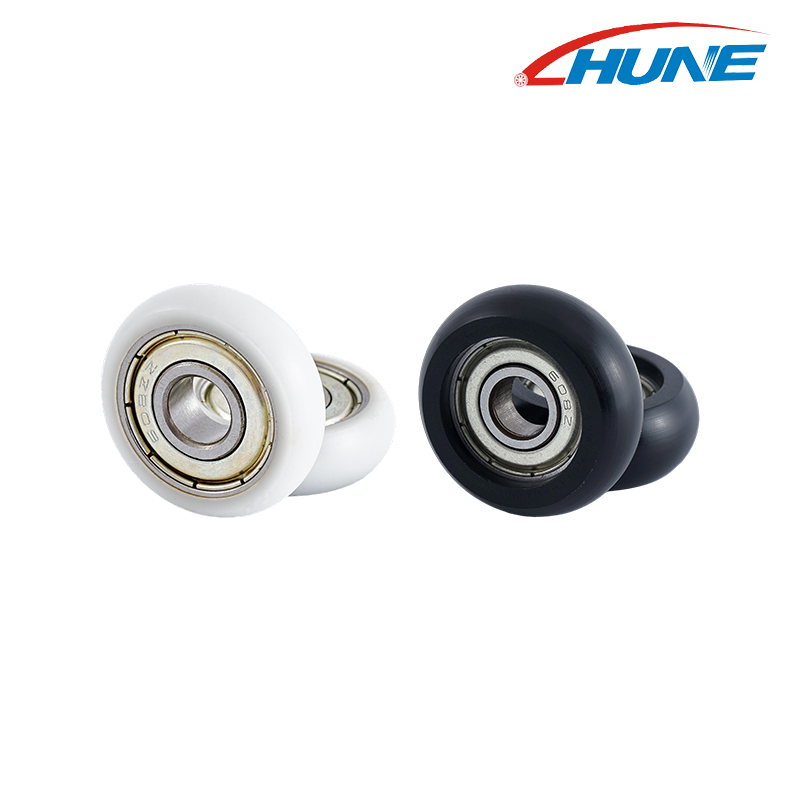
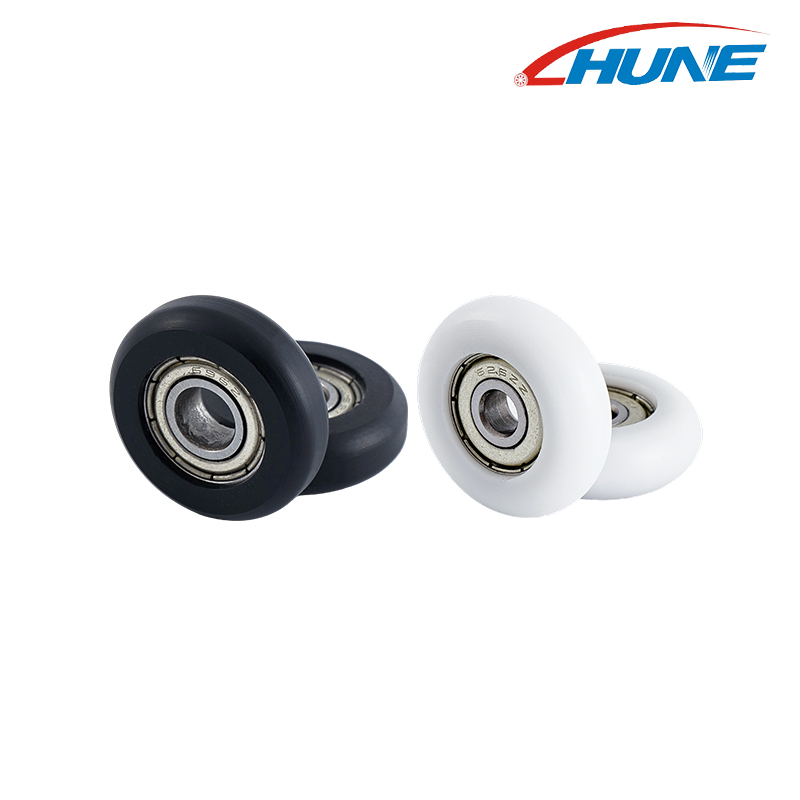
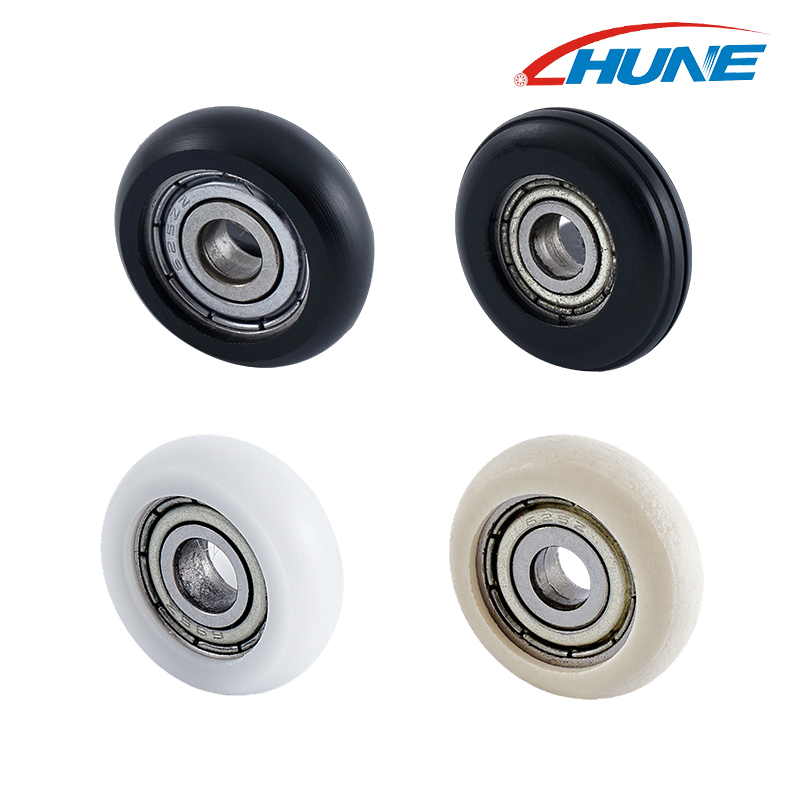
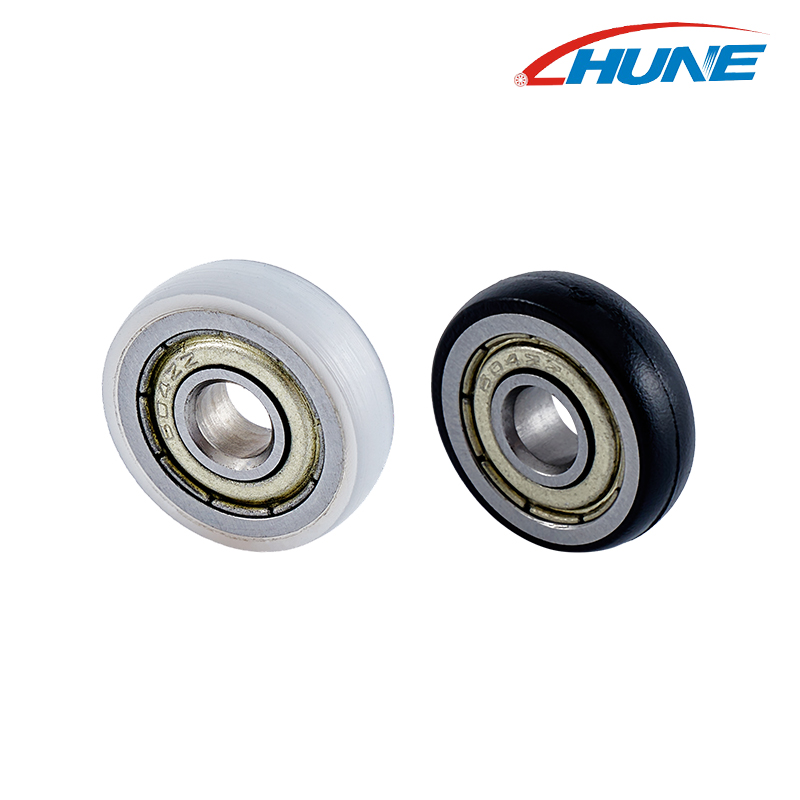
日本語Sliding doors look effortless when they work well—and incredibly stubborn when they don't. Most of that experience comes down to one small component: the roller. Choose the right roller and the door glides quietly for years. Choose the wrong one and you'll get grinding noise, track damage, wobbly panels, constant re-alignment, and a slow drift toward "I'll fix it later."
The tricky part is that "sliding door rollers" isn't one product category. Rollers vary by mounting style, wheel profile, bearing type, material, load rating, adjustability, and compatibility with the track. This guide walks you through a practical, step-by-step process to identify what you have, define what you need, and confidently select replacements or specify rollers for a new sliding system.
1) Identify Your Door System First (Don't Shop Yet)
Before you look at roller listings, confirm what type of sliding door you're dealing with. Rollers are designed around how the door is supported.
Common system types
- Bottom-rolling (floor-track): door weight sits on bottom rollers; top track guides
- Top-hung (header-track): weight hangs from top rollers; bottom guide prevents swing
- Bi-parting or multi-panel: two or more leaves share tracks and often need synchronized alignment
- Pocket doors: rollers are often top-hung and must clear tight cavities
- Wardrobe/cabinet sliders: lighter duty, compact rollers, shallow tracks
Quick clue
If the door feels heavy and you can see a robust track at the floor, it's likely bottom-rolling. If the floor is clear and the top track is substantial, it's likely top-hung.
2) Confirm Where the Rollers Actually Are
Some doors use rollers at only one end; others use both top and bottom components.
- Bottom-rolling doors: bottom rollers are critical (load-bearing). Top parts are typically guides.
- Top-hung doors: top rollers are critical (load-bearing). Bottom is a guide fin or small guide wheel.
- Dual-roller designs: both ends may carry load, especially in lightweight interior systems.
Knowing the load-bearing location matters because it influences:
- required load rating,
- wheel material choice,
- bearing quality,
- and the need for adjustability.
3) Measure the Door and Estimate Real Loads
A roller's "rated capacity" is rarely the same as how it performs in real life. Doors are pushed at corners, slammed into stops, and run on tracks that aren't perfectly straight.
What to measure
- Door width and height (bigger = more wobble/moment load)
- Door thickness (affects mounting options)
- Door weight (best measured; second-best estimated)
- Number of rollers supporting the door (2, 4, etc.)
Practical rule of thumb
Don't spec rollers so the door runs near the rating limit. Real-world misalignment can load one roller far more than the other. Build in margin—especially for large panels, glass, or high-traffic use.
4) Inspect and Document the Track Profile (This Is Non-Negotiable)
Wheel profile must match track shape. A mismatch creates noise, drag, and rapid wear.
Track profiles you'll commonly see
- U-channel (wheel runs inside a channel)
- V-track / angle rail (requires V-groove wheel)
- Round rail (often paired with concave/U-groove wheel)
- Flat rail (paired with flat wheel; may need flanges for lateral control)
What to do
- Take a clear photo of the track cross-section.
- Measure inside width/rail width.
- Note material: aluminum, stainless, steel, coated rail.
If you're replacing an existing roller, also photograph how the wheel sits on the rail—does it ride centered, on edges, or against a flange?
5) Remove One Roller and Measure It Precisely
If you're selecting replacement rollers, the fastest path is to remove one old roller and measure it. Even "close" sizes can cause height issues and derailments.
Key dimensions to record
- Wheel diameter
- Wheel width
- Bore/axle diameter (or bearing ID)
- Overall roller assembly size (height, depth)
- Mounting hole spacing
- Offset (how far the wheel sits from the mounting face)
- Adjustment range (if it has a height screw or eccentric cam)
Tip: A caliper makes this easy, but a good tape measure plus careful notes also works.
6) Choose Wheel Material Based on Noise, Wear, and Environment
Material affects sound, smoothness, track wear, and longevity.
Common wheel materials (and why you'd choose them)
- Nylon / POM (engineering plastics)
- Pros: quiet, smooth, track-friendly
- Best for: interior doors, wardrobes, cabinets, many glass sliders
- Rubberized/TPR
- Pros: very quiet, soft contact
- Cons: more rolling resistance; can collect grime
- Best for: ultra-quiet light-duty systems
- Steel / stainless steel
- Pros: high durability, handles abrasive conditions
- Cons: louder; can wear softer tracks
- Best for: heavy-duty, industrial, high-contamination environments
For most home interior systems, good plastic wheels with decent bearings deliver the best "glide feel."
7) Pick the Right Bearing Type (This Controls "Effortless")
A wheel material can be excellent, but if the bearing drags or wobbles, the door will still feel bad.
Bearing options
- Plain bushing: inexpensive, OK for light duty, more prone to squeak/wear
- Ball bearing: smoother, better for higher cycles and heavier doors
- Sealed ball bearing: best for dust/humidity; keeps performance consistent longer
If your door is used frequently (or you're building for customers, not just yourself), bearings are usually worth the upgrade.
8) Decide How Much Adjustability You Need
Adjustment matters because most openings aren't perfectly square and floors aren't perfectly level.
Look for
- Height adjustment (most common; lets you square the door and prevent rubbing)
- Anti-loosening design (adjuster that holds position under vibration)
- Accessible adjustment point (serviceable without removing the door, if possible)
For multi-panel systems, adjustability isn't just convenient—it's what makes the reveal gaps look intentional instead of accidental.
9) Check Compatibility With Stops, Soft-Close, and Anti-Jump Features
Rollers don't work alone. They interact with:
- end stops,
- soft-close dampers,
- anti-jump clips,
- floor guides,
- and track covers.
Before finalizing rollers, confirm:
- the roller doesn't collide with soft-close triggers,
- the wheel diameter won't raise/lower the door beyond stop alignment,
- anti-jump hardware still engages correctly after replacement.
This is a common "everything fits but nothing works" failure point.
10) Verify Installation Constraints (The Stuff That Breaks Good Plans)
Even the perfect roller is useless if you can't mount it properly.
Confirm
- Door edge thickness supports the screw type and length
- Mounting holes align with existing holes (or you're willing to drill/fill)
- There's clearance inside the track for the wheel and housing
- The roller can be removed later for service (especially for pocket doors)
If you're working with particleboard or MDF, plan for fasteners that won't strip easily and consider reinforcement where the roller mounts.
11) Choose a Replacement Strategy: Like-for-Like vs Upgrade
There are two smart paths:
Like-for-like replacement
- Best when the original system worked well for years
- Lower risk of track mismatch
- Faster install
Upgrading the roller
- Best when the original design was noisy, wore tracks, or failed early
- Look for: sealed bearings, better polymer, improved adjustment, larger wheel diameter (if clearance allows)
Upgrades are great, but only when they remain compatible with the track geometry and system clearances.
12) Do a Simple "Reality Test" After Installation
Once installed, don't just slide it once and celebrate. Test like a user will.
Test checklist
- Slide the door end-to-end 20+ cycles
- Listen for clicking (often profile mismatch or debris)
- Confirm it doesn't jump the track at the ends
- Check gaps: top reveal, side reveal, overlap
- Push gently at corners to see if it binds (indicates alignment or roller play issues)
A good roller choice feels consistent: same effort, same sound, no surprises.
Quick Reference Table: What to Prioritize by Door Type
Here's a compact guide to help you focus on the right specs first.
|
Door Type |
Top Priority |
Recommended Wheel/Bearing |
Common Gotcha |
|
Heavy exterior/patio |
Load + corrosion resistance |
Metal or reinforced polymer + sealed bearings |
Track wear and water ingress |
|
Interior glass slider |
Quiet glide + smooth feel |
POM/nylon + ball/sealed bearings |
Profile mismatch causes chatter |
|
Wardrobe/cabinet |
Compact size + low noise |
Nylon/POM + decent bearing/bushing |
Cheap wheels flat-spot over time |
|
Pocket door |
Clearance + serviceability |
Quality top rollers + sealed bearings |
Can’t access adjustment later |
|
Office partition |
High cycles + stability |
Reinforced polymer + sealed bearings |
Rattle from excessive play |
Roller selection gets dramatically easier when you tie specs to the door's real environment and usage.
Choosing the right sliding door roller is a precise process, not guesswork.
As a professional sliding door roller factory, we focus on these key steps:
- Identify: bottom-rolling or top-hung system
- Match: wheel profile to track shape
- Measure: diameter, width, hole spacing, offset
- Select: material & bearings for silence, durability or environment
- Prioritize: adjustability, stop compatibility, anti-jump design
- Test: smooth, quiet, consistent movement — not just "it moves"
When you get it right, the roller disappears from your attention.
The door glides effortlessly and silently for years.
That's our goal: hardware so reliable, you forget it's there.
Send us photos or dimensions — our factory team will quickly find the perfect match for you.