

 English
 Español
 日本語
日本語Replacing bottom rollers is usually the fastest way to bring a stubborn sliding door back to life. The catch is that many guides assume you'll lift the door off the track—and in real homes or job sites, that's not always possible. Maybe the door is heavy tempered glass, maybe the opening is too tight, or maybe you're working alone and don't want to gamble with a cracked panel and an awkward apology.
The good news: on many sliding door systems, you can replace the bottom rollers without fully removing the door. The trick is to create enough clearance to access the roller assembly, safely support the door weight, and work through the adjustment openings or edge access points.
1) Know When This Method Will (and Won't) Work
Not every door allows in-place roller replacement. Start by identifying your door type and roller access.
Usually possible without removing the door
- Patio sliding doors with screw-adjustable bottom rollers accessible from the door edge
- Doors where the roller assembly is held by side/edge screws and can slide out once the door is lifted slightly
- Systems with a removable track insert or access notch near the jamb
Usually not practical without removing the door
- Doors where the roller assembly is trapped by the frame and requires the door to be lifted out
- Pocket doors (rollers are typically top-hung and hidden)
- Doors with severe frame damage or a bent track that won't allow clearance
One quick diagnostic check
Look at the bottom edge of the sliding panel near each corner:
- If you see an adjustment screw hole (often Phillips, square/Robertson, or hex), you likely have in-place access.
- If you can also see retaining screws on the edge that appear to hold a roller housing, you're in good shape.
2) Tools and Supplies (Minimal, but Specific)
You'll move faster if you have the right support and the right screws.
- Screwdrivers (Phillips + flat; sometimes square/Robertson or Torx)
- Allen keys/hex bits (some roller kits use hex)
- Putty knife or thin pry tool (to pop caps or track inserts)
- Vacuum + rag (track cleaning)
- Painter's tape (to protect frame and glass edges)
- Wood shims or wedges (or door lifter tool)
- A short 2×4 offcut (handy as a lever base)
- Replacement roller assemblies (match door brand/model if possible)
Safety notes:
- Wear gloves and eye protection, especially on glass doors.
- If the door is large/heavy, use a helper. "Without removing the door" doesn't mean "no risk."
3) The Core Idea: Lift the Door Just Enough to Unload the Rollers
Bottom rollers carry the door weight. If you try to remove them while they're loaded, you'll fight the screws and risk tearing the housing or stripping the fasteners.
Your goal is to:
- Raise the door slightly so the rollers aren't bearing weight.
- Lock that height with shims so the door stays stable.
- Swap the roller assemblies one corner at a time.
How to lift safely (two common methods)
Method A: Use the adjustment screws (least invasive)
Most patio doors have roller height adjustment screws at the bottom edge near the corners.
- Turn both adjustment screws to raise the door up into the top track.
- Keep raising until you can feel the door weight shift off the rollers.
This method is gentle, but it depends on the adjusters still functioning.
Method B: Use shims under the door (works even if adjusters are seized)
- Slide the door near the center of the opening.
- Insert wood shims under the bottom edge (not under the glass—under the frame).
- Tap shims in evenly until the door is supported and the rollers are unloaded.
If you're on tile, put a thin scrap of cardboard under shims to avoid scratches.
4) Step-by-Step: Replacing a Bottom Roller Without Removing the Door
This procedure assumes a common patio-style sliding door where the roller assembly is accessed from the bottom edge.
Step 1: Prepare the work area
- Open blinds/curtains for light.
- Vacuum the lower track so debris doesn't jam the new roller.
- Place painter's tape on nearby frame edges to prevent accidental scratches.
Step 2: Lift and stabilize the door
- Choose Method A (adjuster lift) or Method B (shims).
- Confirm the rollers are unloaded by gently trying to roll the door: it should feel lighter and may even drag slightly because the rollers aren't in firm contact.
Step 3: Locate the roller assembly screws
- At the bottom edge near each corner, look for:
- a retaining screw (holds the roller housing),
- and/or a small plate.
- Remove any plastic caps carefully with a flat screwdriver or putty knife.
Step 4: Remove one roller assembly at a time
- Start with the "bad" side (often the one that drags or makes noise).
- Back out the retaining screw(s).
- Pull the roller assembly out of the door bottom rail.
If it doesn't slide out:
- The assembly may be stuck from corrosion or dirt.
- Wiggle gently; don't pry against glass.
- A tiny amount of penetrating oil on the metal housing (not the track) can help—wipe thoroughly afterward.
Step 5: Match the new roller to the old one
Before installing, compare:
- wheel diameter,
- housing shape,
- screw hole placement,
- wheel offset.
Even small differences can cause the door to sit crooked or rub.
Step 6: Install the new roller assembly
- Slide it into the cavity.
- Install retaining screw(s) snugly but don't over-tighten (thin aluminum can strip).
- Ensure the wheel spins freely.
Step 7: Repeat for the other corner
- Replacing both bottom rollers is strongly recommended. A new roller paired with a worn roller often creates uneven height and tracking.
Step 8: Lower the door back onto the new rollers
- If you used shims, remove them gradually and evenly.
- If you raised via adjusters, turn them back down until the wheels engage the track.
Easy Steps to Swap Sliding Door Bottom Rollers
|
Action |
Key Notes / Tips |
|
|
1 |
Prepare work area |
Open blinds for light, vacuum track, protect frame edges with tape |
|
2 |
Lift and stabilize door |
Use adjuster or shims; ensure rollers are unloaded |
|
3 |
Locate roller assembly screws |
Find retaining screws or small plates; remove plastic caps carefully |
|
4 |
Remove one roller assembly |
Start with “bad” side; wiggle gently if stuck; optional light oil on housing |
|
5 |
Match new roller |
Check wheel diameter, housing, screw placement, wheel offset |
|
6 |
Install new roller |
Slide into cavity, tighten screws snugly, ensure wheel spins freely |
|
7 |
Repeat for other corner |
Replacing both rollers ensures even height and smooth tracking |
|
8 |
Lower door onto rollers |
Remove shims gradually or lower adjusters until wheels engage track |
5) Adjustment: The Difference Between "Works" and "Glides"
Once the door is back on its rollers, you'll tune it.
What you're aiming for
- Door rolls smoothly with light push.
- The door is plumb (not leaning into the frame).
- The latch aligns correctly with the strike.
How to adjust
Turn the bottom roller adjustment screw on one side a quarter turn at a time.
Check:
- Does the door scrape the bottom track?
- Does the top corner rub?
- Is the gap consistent along the jamb?
General guidance:
- If the door rubs on the latch-side jamb, adjust that side's roller height slightly.
- If the door binds in the middle but not at the ends, suspect a dirty/bent track rather than roller height.
6) Track Cleanup and "No-Drama" Lubrication
New rollers won't stay smooth on a gritty track.
Clean properly
- Vacuum debris.
- Wipe with mild cleaner.
- Dry fully.
Lubrication rule
Avoid heavy grease in most residential tracks—it traps dust and turns into grinding paste.
If you lubricate:
- Use a dry PTFE or silicone-based product sparingly.
- Wipe off excess so it doesn't attract grit.
7) Troubleshooting Common Sticking Points
"The roller assembly won't come out."
- Door may still be carrying weight. Lift more.
- The housing may be corroded. Gentle wiggle + cleaning.
- There may be a hidden screw under a cap.
"The door is still hard to slide after replacement."
- Track dent or raised screw head.
- Frame out of square.
- Rollers adjusted too low/high, causing rubbing.
- Wrong wheel profile or wrong roller kit.
"The door derails or feels unstable."
- Rollers set too high (not enough engagement).
- Anti-lift/anti-jump hardware disturbed.
- One roller not seated properly in its pocket.
8) When You Should Stop and Remove the Door Anyway
Even with the best technique, there are times when in-place replacement is the wrong call:
- You can't unload the rollers safely.
- The track is severely bent and needs reshaping or replacement.
- The bottom rail is damaged and won't hold screws.
- The door is so tight in the frame that you can't extract the roller housing.
Safety beats convenience. A controlled door removal with help is better than "almost dropped it but caught it."
Replacing bottom rollers on most sliding doors without removing the door is practical and safe — just unload the rollers first by slightly lifting and stabilizing the panel.
Quick & effective process:
- Clean and check rollers + track
- Lift and secure the door (using adjusters or shims)
- Replace one roller at a time
- Lower and fine-tune for smooth gliding and proper latch alignment
- Clean track again — use dry lube only (no grease)
Done right, the door goes from sticky and noisy to smooth and quiet — without the hassle of lifting the whole panel out.
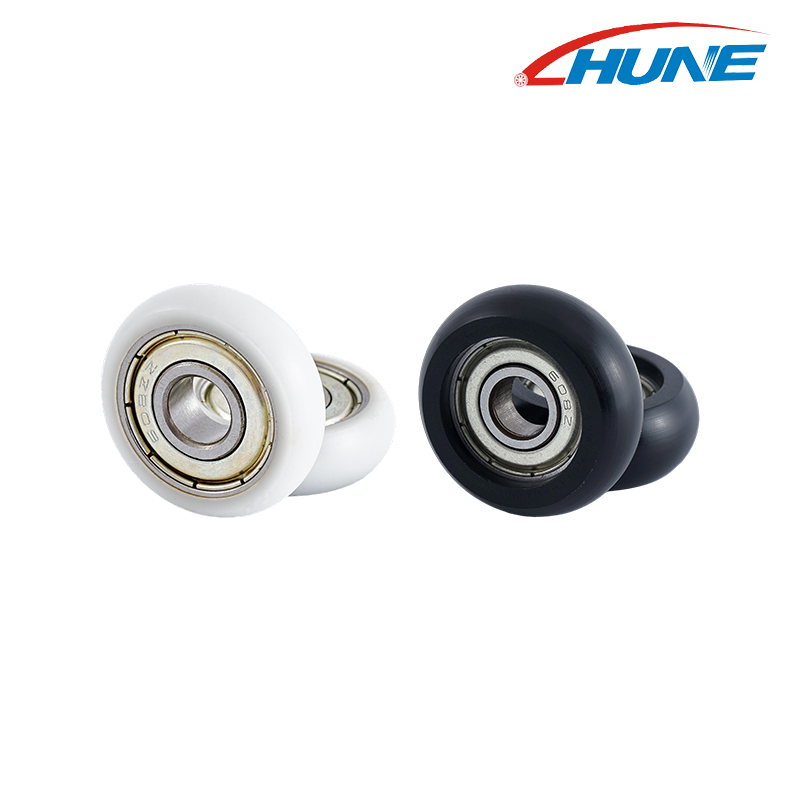
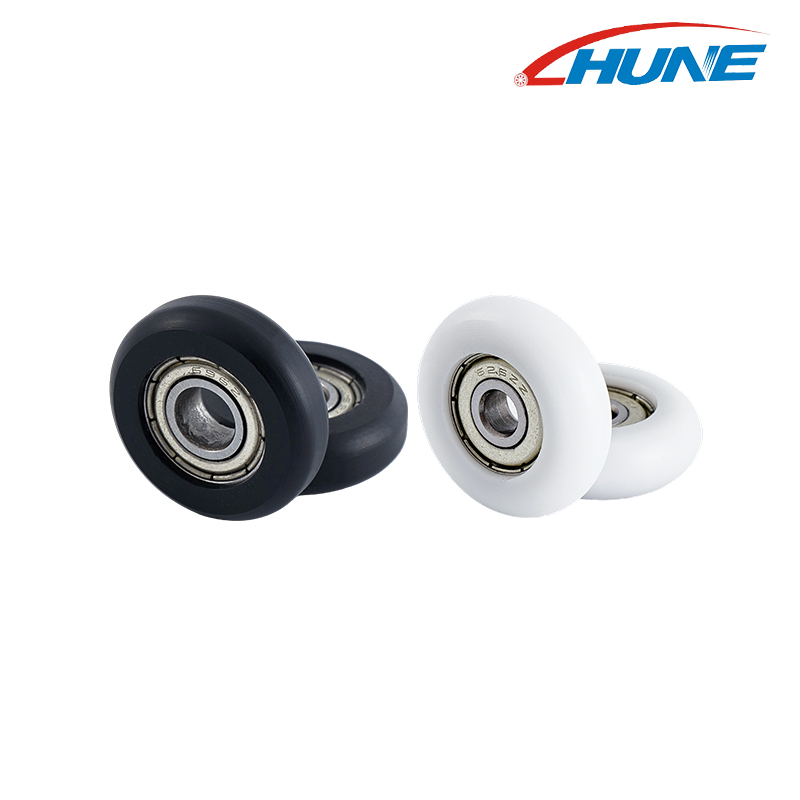
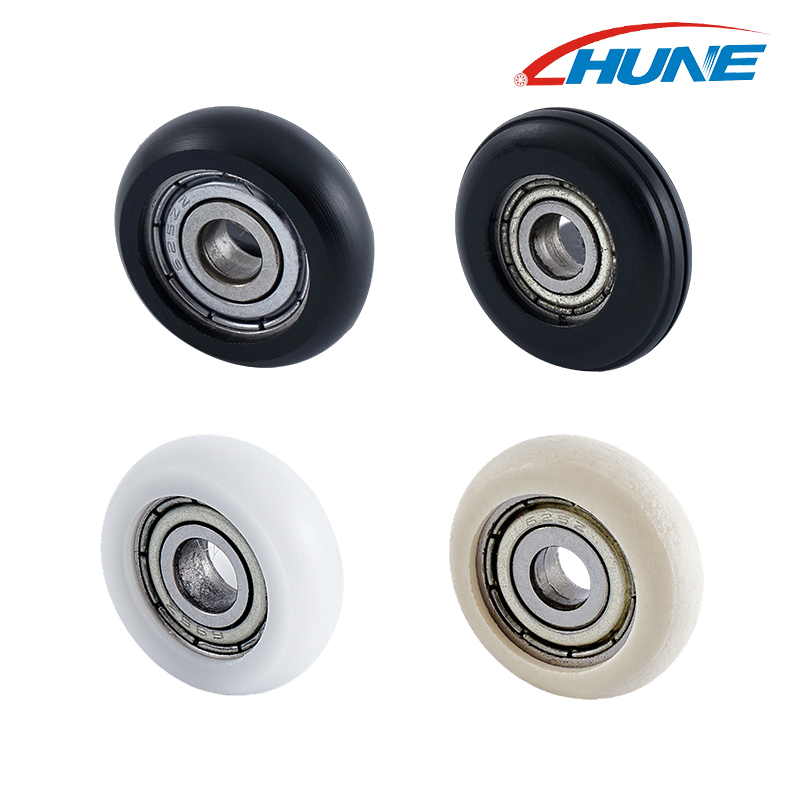
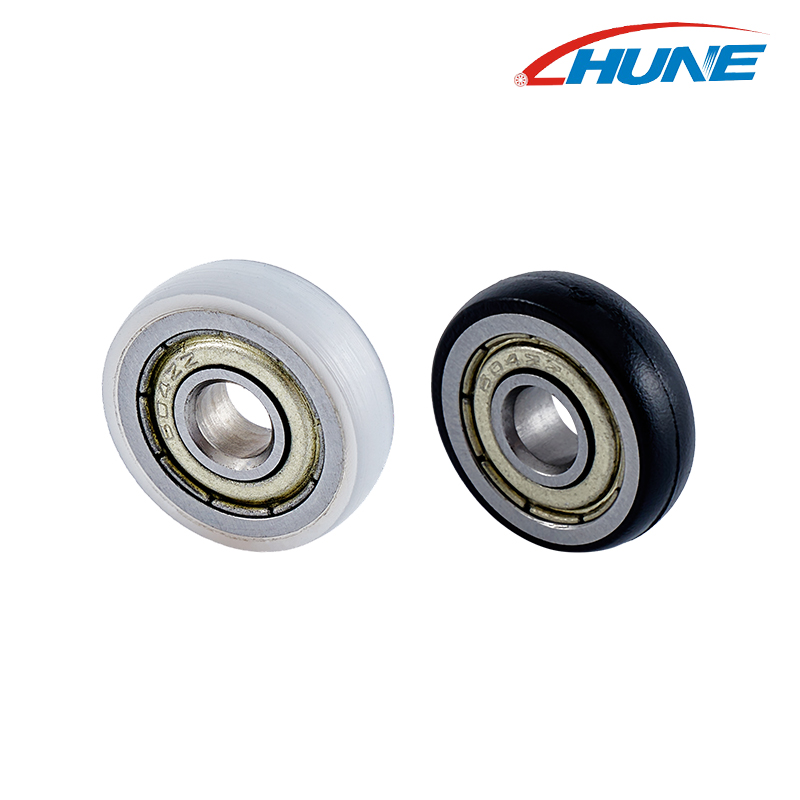
Sliding Door Roller Factory – HUNE offers reliable, easy-to-install replacement rollers built for smooth, long-lasting performance on common sliding doors.