

 English
 Español
 日本語
日本語
Sliding cabinet doors are one of those features customers judge instantly—often without realizing it. They'll slide the panel once and decide whether the whole cabinet feels "premium" or "cheap." Behind that moment is a small component with outsized influence: the roller. When rollers are precision-made—consistent in diameter, bearing smoothness, concentricity, and mounting geometry—they don't just make doors glide. They reduce production headaches, limit warranty claims, protect brand reputation, and make it easier to scale quality across product lines.
1) Better User Experience Becomes a Sales Feature
- Precision rollers directly improve the "first touch" experience:
- Lower, more consistent push force (doors feel light, not sticky)
- Less rattle and chatter when doors pass joins or slight track imperfections
- Cleaner sound profile (no grinding, clicking, or squeaking)
- Stable alignment (doors don't drift, tilt, or scrape over time)
Why this matters to manufacturers
Cabinets compete on finish and feel. If the sliding door action is smooth and quiet, customers perceive higher overall quality—even if the cabinet materials are identical to a competitor's. Precision rollers are a relatively small BOM cost lever that upgrades perceived value in a big way.
2) Tolerance Stack-Up Becomes Less Painful on the Line
Cabinet manufacturing involves inevitable variation: panel thickness, track straightness, carcass squareness, drilling location, and even humidity-driven movement. Low-precision rollers amplify these issues; precision rollers help absorb them.
- What "precision" changes in practice
- Consistent wheel diameter and roundness means door height and engagement remain predictable.
- Controlled bearing play reduces wobble and reduces the need for "fiddly" adjustments.
- Uniform mounting geometry minimizes crooked installs caused by bracket variance.
- The factory-floor benefit
- Less time spent on rework and micro-adjustment
- Fewer "mystery" sliding issues that appear only after assembly
- More predictable end-of-line quality checks (pass/fail becomes clearer)
In other words: precision rollers turn sliding doors from a variable craft step into a repeatable assembly step.
3) Reduced Warranty Claims and Service Calls (The Quiet Profit)
Sliding door complaints are costly because they're annoying and visible. Common customer issues—sticking, scraping, jumping the track, loud rolling—often trace back to rollers that wear quickly or were inconsistent from the start.
Precision rollers reduce failure modes such as:
- Flat-spotting from poor material control or out-of-round wheels
- Premature wear debris that turns tracks gritty
- Bearing seizure or noise from low-quality bearing sealing or poor axle finish
- Door sag due to inconsistent load capacity or housing deformation
Why "less variation" matters more than "higher spec"
Even a "strong" roller can be a warranty risk if its production variance is wide. Manufacturers don't just need good performance—they need consistent performance across thousands of units.
4) Track and Cabinet Protection: Less Wear, Fewer Callbacks
Rollers and tracks are a matched pair. When roller geometry or material is inconsistent, the track often becomes the sacrificial surface—getting gouged, worn, or dented, especially in lighter cabinet track systems.
Precision rollers help by:
- Maintaining correct contact geometry (no edge riding)
- Reducing abrasive wear (less dust, less grinding paste)
- Rolling smoothly over minor contamination rather than plowing it
Result for cabinet makers
- Tracks stay smoother longer
- Sliding performance remains stable over years, not weeks
- Lower risk of "it was fine at install, then got bad" complaints
That stability protects both the product and the installer relationship.
5) Faster Assembly, Easier Training, Better Throughput
When hardware is inconsistent, assemblers compensate with time—extra alignment checks, swapping parts, tightening "just a bit more," and testing again. That slows the line and increases the chance of over-tightening or accidental damage.
Precision rollers enable:
- Repeatable installation torque and adjustment
- Fewer rejected subassemblies
- Simpler work instructions (because outcomes are consistent)
The human factor
A component that behaves predictably reduces dependence on "that one experienced technician who knows the trick." Precision makes quality less fragile.
6) Cleaner Product Tiering and Platform Design
Cabinet manufacturers often offer "good / better / best" lines. Precision rollers support product platforming because you can:
- Keep the cabinet body and door the same
- Upgrade only rollers (and maybe track) to create a premium tier
- Offer soft-close or higher cycle-life variants without redesigning everything
Strategic benefit
Hardware modularity simplifies SKU management and supports upsell opportunities (premium glide, higher durability, quieter operation) with controlled engineering change.
7) Better Performance in Real Homes (Dust, Misuse, and Cleaning)
Cabinets live in kitchens, closets, offices—places with dust, cooking residue, hair, and frequent cleaning. Precision rollers can be designed with:
- More stable bearing sealing
- Better debris tolerance due to accurate wheel profile
- Materials that resist swelling, cracking, or chemical degradation
Why this matters
Real-world conditions expose weak hardware fast. Precision roller systems maintain performance under imperfect maintenance, reducing “user-caused” issues that still become your brand's problem.
8) What "Precision" Should Mean in a Roller Spec
If you're a cabinet manufacturer evaluating suppliers, "precision" should translate into measurable controls. These are the kinds of parameters that actually move the needle:
Key specs worth controlling
- Wheel diameter tolerance and roundness/concentricity
- Bearing type (bushing vs ball bearing vs sealed bearing) and allowable substitutions
- Radial play limits (too much = rattle; too little = binding)
- Wheel profile accuracy to match track geometry
- Material grade consistency (not just "nylon," but defined resin and reinforcement)
- Load rating with test conditions (door weight, cycles, track type)
- Corrosion resistance for axles/brackets (plating or stainless options)
9) Practical Takeaways for Cabinet Manufacturers
Precision sliding door rollers benefit cabinet manufacturers because they improve both product quality and manufacturing economics:
- Smoother glide and quieter doors → higher perceived value
- Better tolerance control → less rework and more predictable assembly
- Lower wear and fewer failures → fewer warranty claims and service costs
- Consistent performance at scale → stronger brand reliability
- Easier platforming → clearer product tiers and simpler engineering changes
Cabinet doors are touched every day. Customers may not know what a roller is, but they immediately notice how smoothly (or roughly) the door moves — and whether that feeling lasts after months of use.
Precision Cabinet Rollers: Benefits for Manufacturers
|
Benefit |
Description |
Impact on Manufacturers |
|
Smooth Operation |
Precision rollers reduce friction and ensure doors slide quietly and evenly |
Enhances customer satisfaction and perceived product quality |
|
Durability |
High-quality materials resist wear, deformation, and corrosion over time |
Reduces warranty claims and maintenance costs |
|
Precise Fit |
Engineered dimensions ensure accurate alignment with cabinet tracks |
Speeds up assembly and minimizes installation errors |
|
Noise Reduction |
Smooth wheel bearings minimize squeaks and vibrations during sliding |
Improves overall product perception and premium feel |
|
Consistency & Reliability |
Uniform performance across units ensures predictable functionality |
Supports brand reputation and repeat business |
|
Adaptability |
Available in multiple sizes and load ratings for different cabinet designs |
Allows manufacturers to streamline inventory and production flexibility |
Precision rollers turn sliding performance from luck into something reliable and repeatable. For cabinet makers, this is a rare win:
- Consistent, satisfying user experience from day one
- Fewer adjustments, returns, and complaints on the production floor
- All delivered by one small, well-engineered component that finally behaves like a serious part.
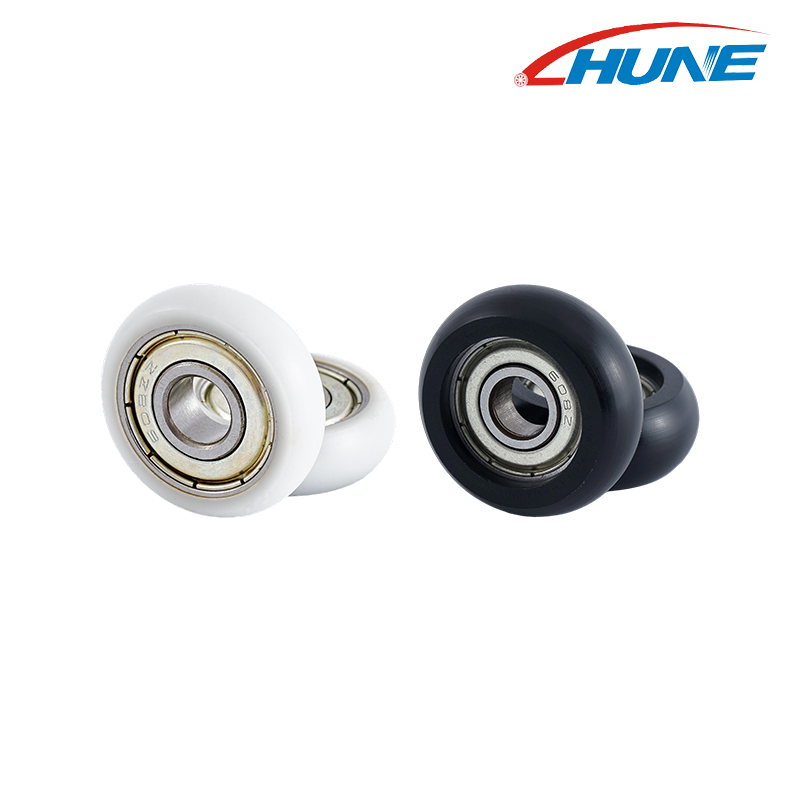
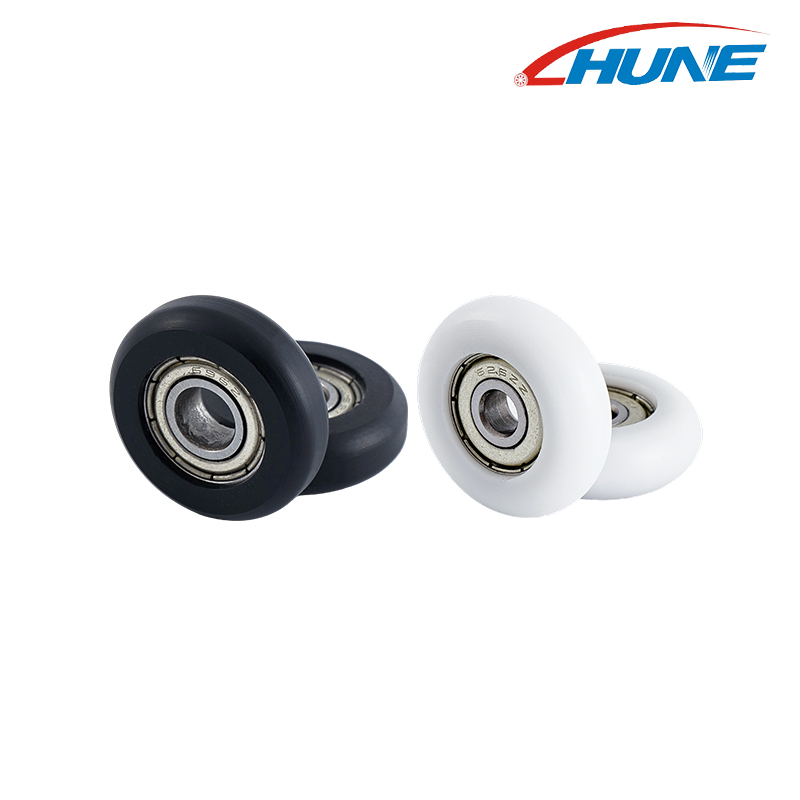
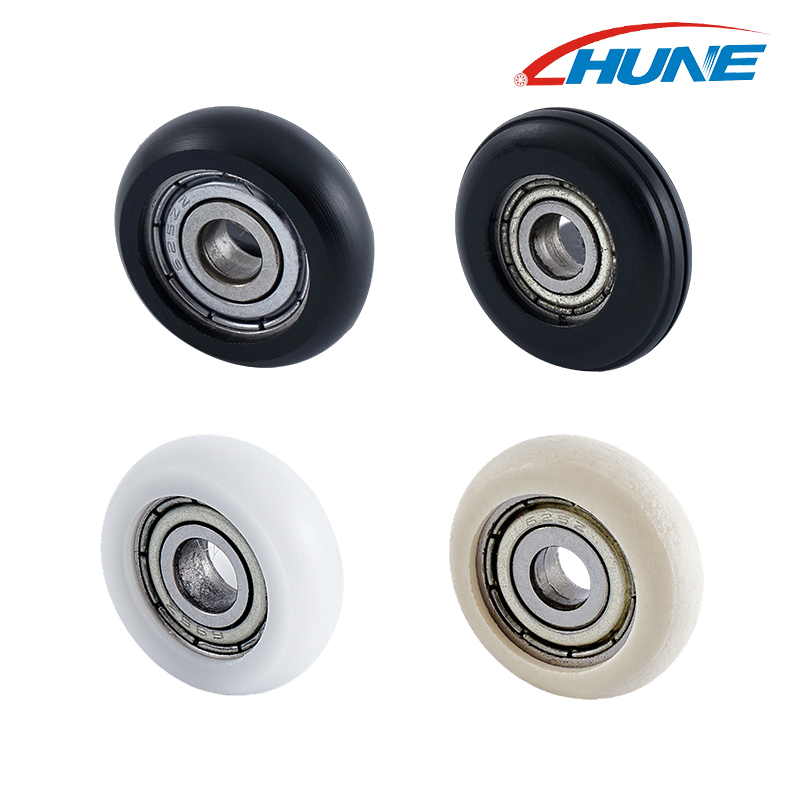
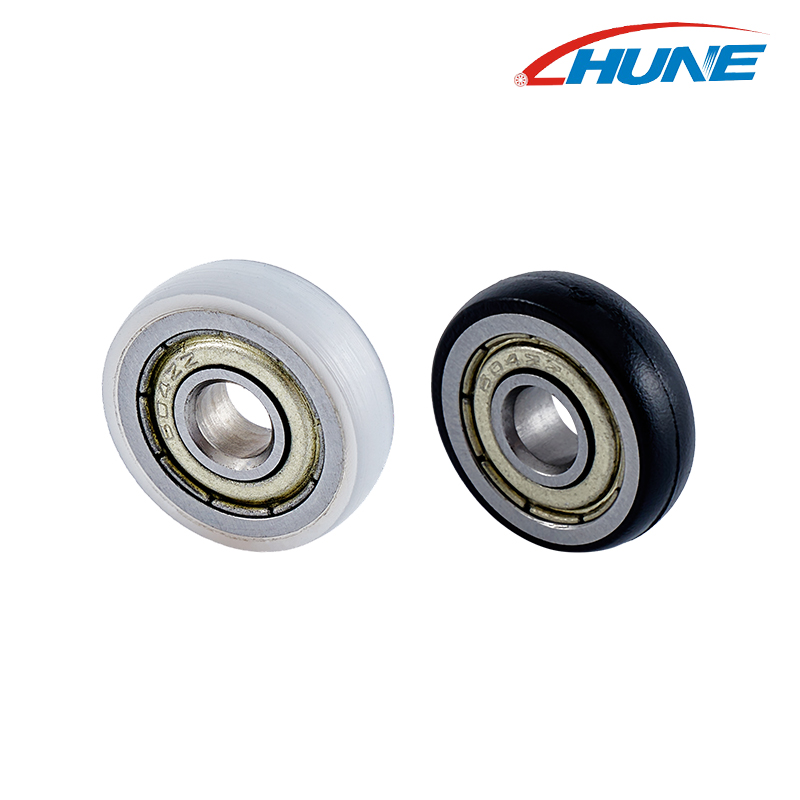
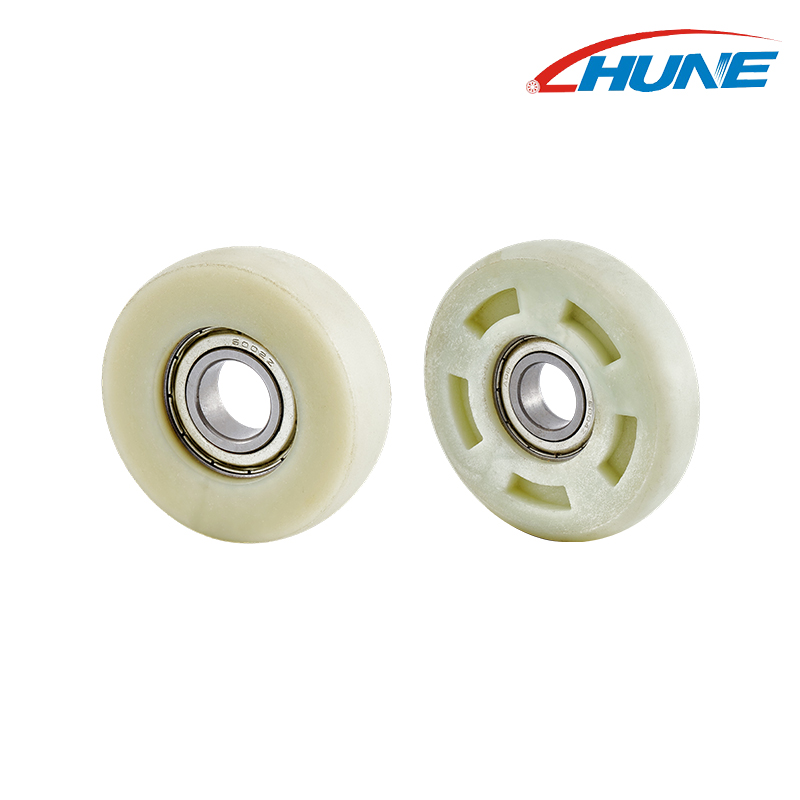
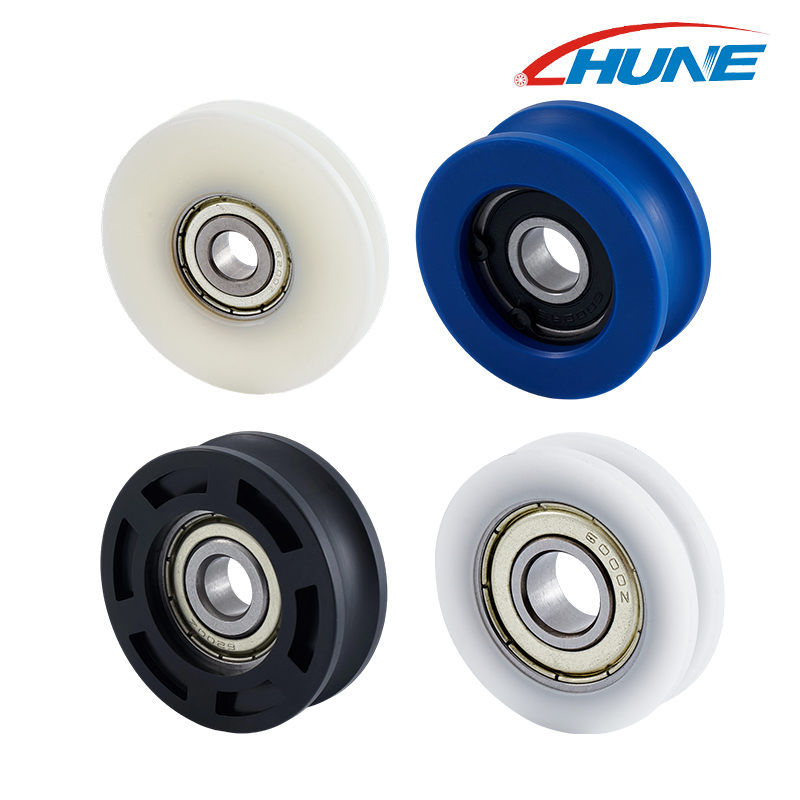
Sliding Cabinet Doors Roller Manufacturer – HUNE specializes in high-precision rollers designed for smooth, quiet, and long-lasting cabinet door performance.