

 English
 Español
 日本語
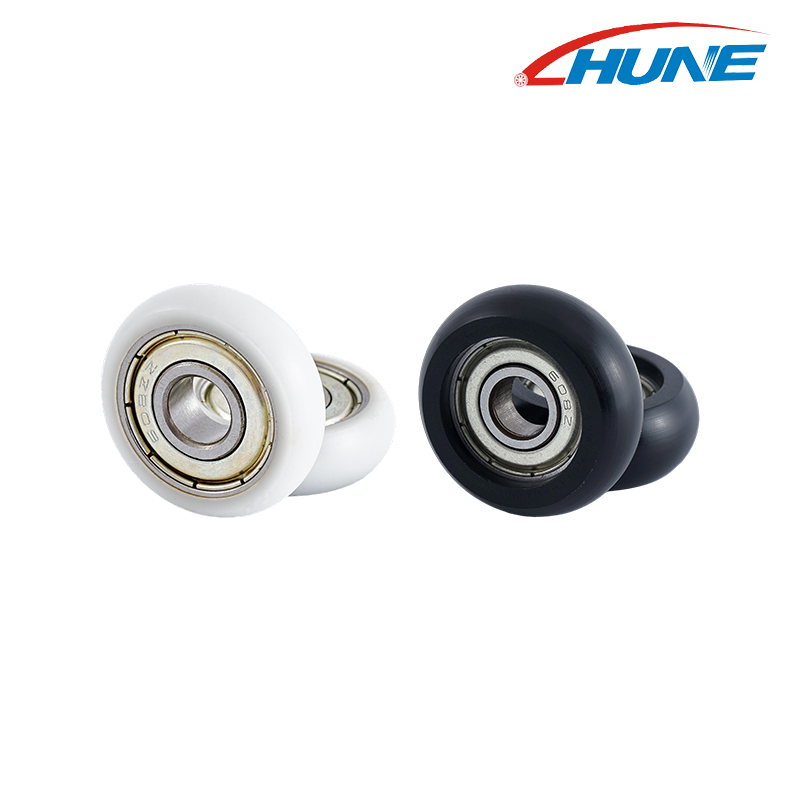
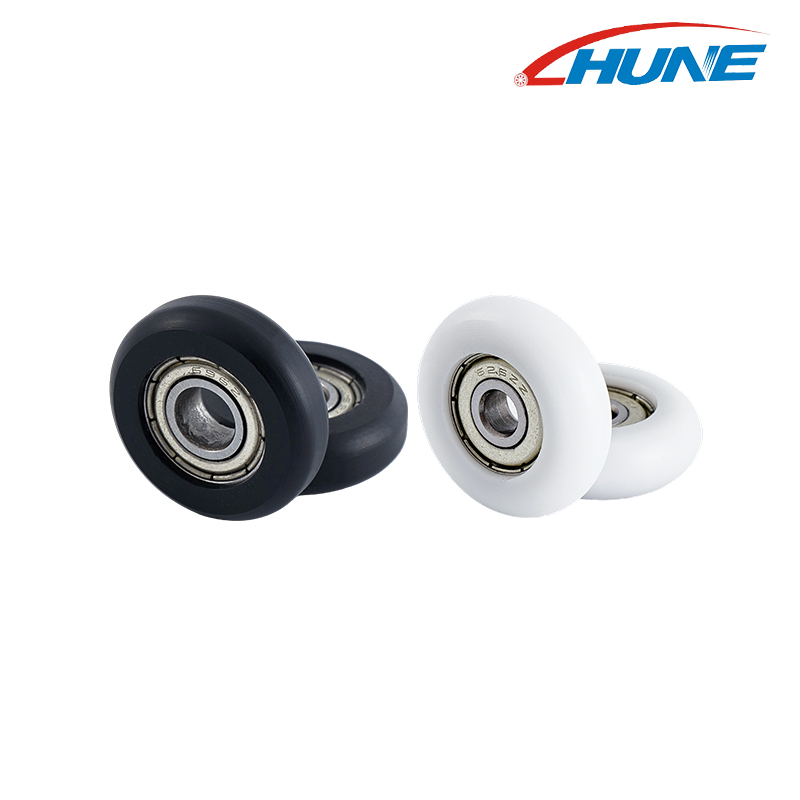
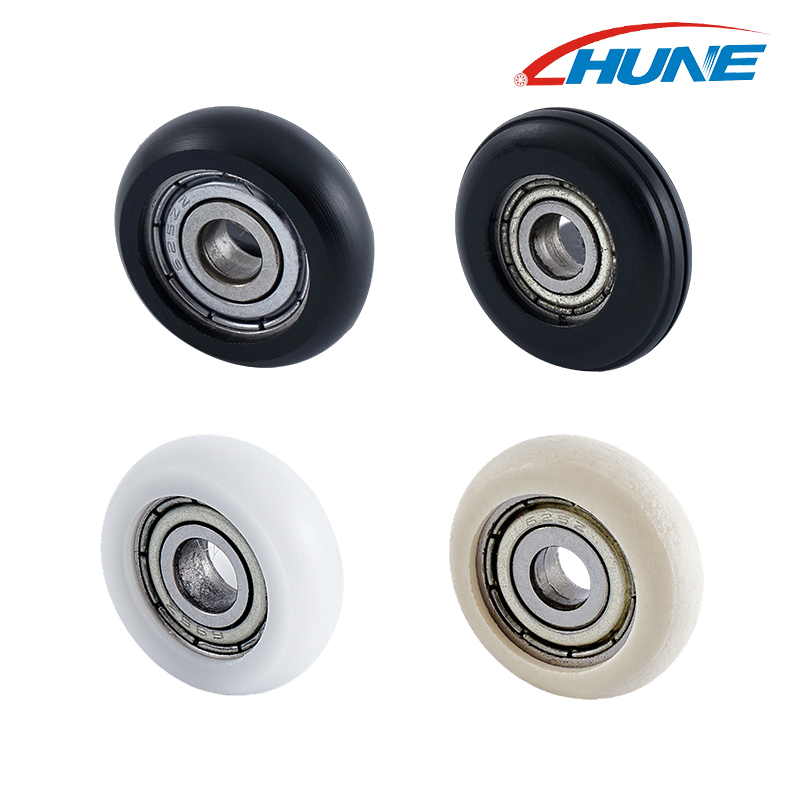
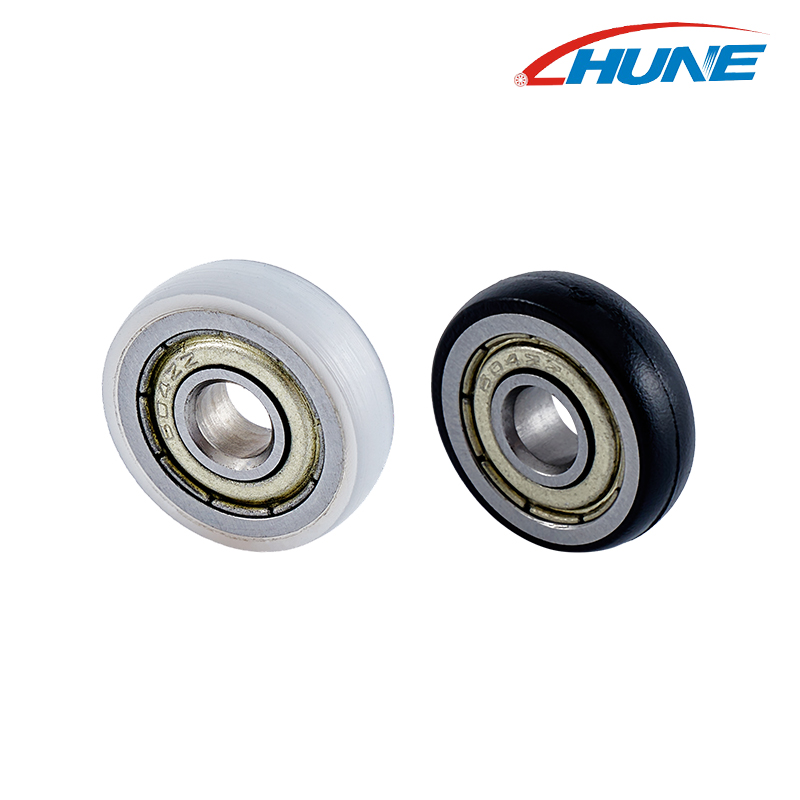
日本語Cabinet sliding doors are supposed to be the "easy" kind of door—no hinges to sag, no swing clearance, just a smooth glide. But when the rollers are wrong (or worn, mismatched, or low quality), the door drags, rattles, jumps the track, or refuses to align. The tricky part for DIYers is that roller shopping looks deceptively simple: dozens of similar-looking wheels with vague labels like "closet roller" or "sliding door wheel."
Here's the reality: choosing cabinet sliding door rollers is a matching game. You're matching the track shape, door weight, mounting style, and adjustability so the system rolls smoothly and stays aligned.
1) Identify Your Sliding Door System
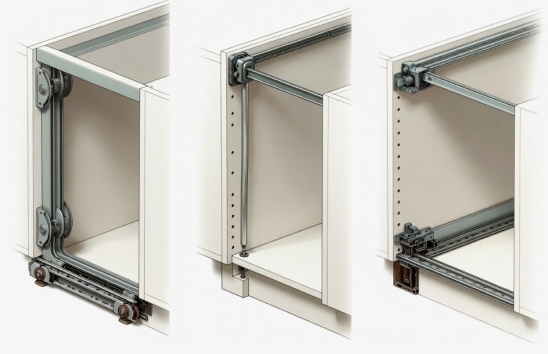
Start by figuring out how the door is supported. Cabinet sliders generally fall into one of three setups:
- A) Bottom-rolling (most common for heavier cabinet doors)
- Rollers at the bottom carry most of the weight.
- Top track acts as a guide to keep the door upright.
- B) Top-hung (common for lighter doors or "floating" looks)
- Rollers at the top carry the weight.
- Bottom has a guide pin or small guide to prevent swinging.
- C) Dual support (less common, but exists)
- Rollers both top and bottom share guidance and some load.
- How to tell quickly:
- If the bottom track looks sturdy and the door feels like it "sits" on it, it's bottom-rolling. If the bottom is mostly a guide groove and the top hardware looks beefier, it's top-hung.
2) Decide Whether You're Replacing Like-for-Like or Upgrading
This decision affects how strict you must be with compatibility.
- Like-for-like replacement (recommended if the system worked well before)
- Easiest path.
- Lowest risk of mismatched wheel profile.
- Often requires the least drilling.
- Upgrade (only if you have a reason)
- Good reasons to upgrade:
- original rollers flat-spot quickly,
- door is loud,
- wheels wobble,
- you want better adjustability.
Important: Upgrading only works if the new wheel profile matches the existing track, and the mounting geometry doesn't change door height beyond what the track can tolerate.
3) Inspect and Record the Track Profile (This Matters More Than Brand)
The single biggest cause of "it fits but it's terrible" is a wheel profile that doesn't match the track.
- Common cabinet track styles
- Flat track / flat rail → typically uses flat wheels (sometimes with flanges for side control)
- Round rail → typically uses concave (U-groove) wheels
- V-track / angled rail → uses V-groove wheels
- U-channel track (wheel rides inside a channel) → needs the correct wheel width and profile for the channel
- What to do
- Vacuum and wipe the track so you can see it clearly.
- Take a close-up photo of the track.
- Measure:
- rail width (or channel internal width),
- rail height/lip shape (if present),
- any guide features that keep the door from wobbling.
If you're unsure, match the old wheel's contact shape to the track. The wheel should ride on the intended surface—not on an edge or lip.
4) Remove One Roller and Measure It (Don't Guess)
Even "almost the same" can cause rubbing, poor alignment, or doors that won't stay on track.
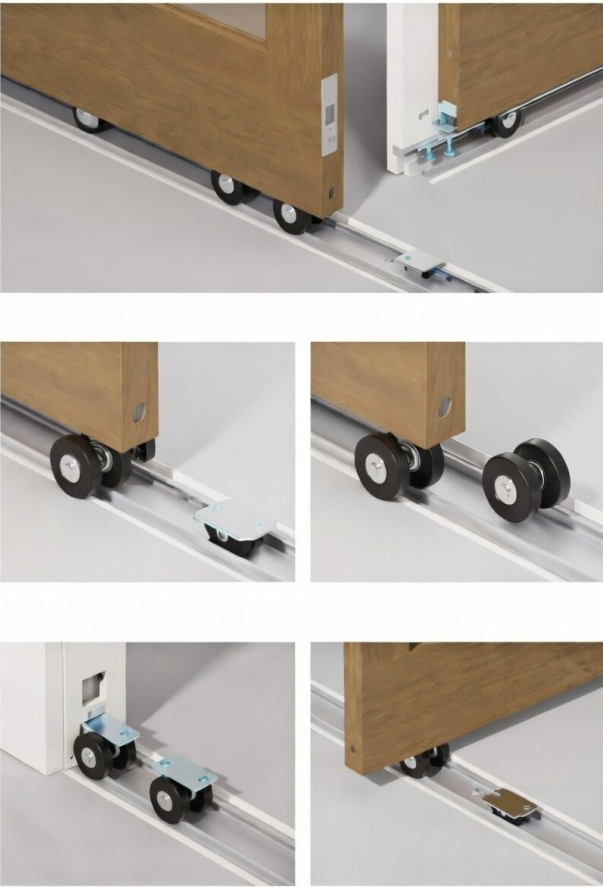
- Measurements to capture
- Wheel diameter (affects door height and clearance)
- Wheel width (must fit track/channel)
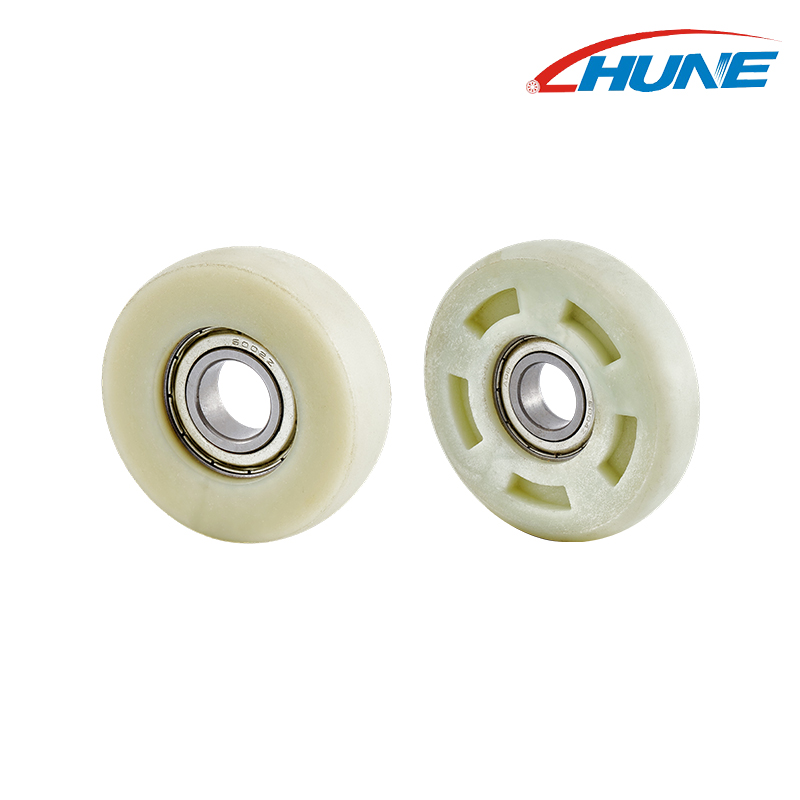
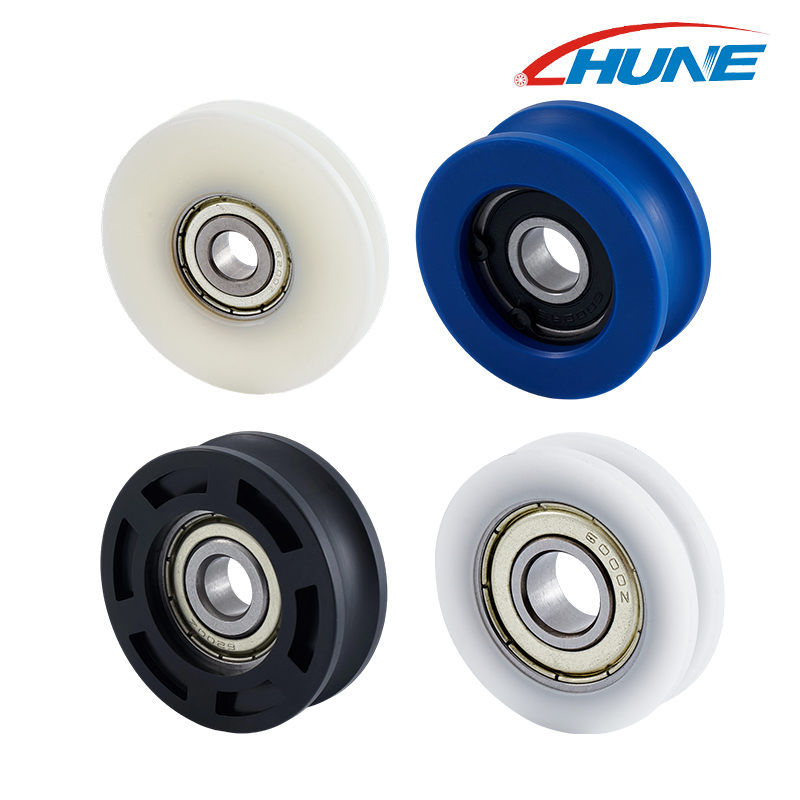
- Wheel profile (flat, concave/U, V-groove, flanged)
- Axle/bore diameter (or bearing inner diameter)
- Mounting style:
- screw-on bracket,
- clip-in housing,
- corner-adjustable assembly,
- surface mount plate.
- Hole spacing for mounting screws (if bracketed)
- Offset (how far the wheel sits from the mounting face)
DIY tip: If you don't have calipers, use a ruler and take clear photos next to it. Consistency beats perfection.
5) Check Door Weight and Size (So You Don't Under-Spec)
Cabinet doors vary widely: thin plywood, solid wood, mirrored panels, framed glass. Roller capacity matters because undersized rollers wear quickly and get noisy.
- How to estimate weight
- If you can, weigh the door (bathroom scale method works: weigh yourself, then weigh yourself holding the door).
- If not, assume heavier if:
- it's solid wood,
- it's glass/mirror,
- it's tall and wide.
- Load rating guidance
- Prefer rollers with a comfortable margin, not a razor-thin match.
In a two-roller system, don't assume perfect weight sharing—real doors load unevenly due to slight cabinet squareness issues.
6) Choose Wheel Material for Your Priorities (Quiet vs Durability)
Material affects sound, track wear, and how forgiving the system feels.
Common wheel materials
- Nylon / acetal (engineering plastics)
- Quiet, smooth, track-friendly
- Great for most cabinet sliders
- Rubberized wheels
- Very quiet, but can add drag and collect grime
- Best for light-duty doors where silence matters most
- Metal wheels
- Durable but louder; may wear softer tracks faster
- Better when the track is designed for it (and noise isn't a concern)
For typical DIY cabinet projects, quality plastic wheels are usually the best balance.
7) Pick the Right Bearing Style (This Controls "Glide Feel")
Two rollers can look identical but feel totally different.
- Options you'll encounter
- Plain bushing
- Cheapest; fine for light doors
- Can squeak and wear faster
- Ball bearing
- Smoother, better for frequent use and heavier doors
- Sealed bearing
- Best for dusty areas (workshops) or kitchens where grime exists
- Plain bushing
If you're fixing a door you slide many times a day, bearings are a worthwhile upgrade.
8) Decide How Much Adjustability You Need
Cabinet openings aren't always perfectly square, and DIY installs often need some forgiveness.
- Helpful adjustability features
- Height adjustment screw (lets you level the door and stop rubbing)
- Eccentric cam adjustment (common on some systems)
- Anti-jump features (keeps door from popping out)
If your old rollers had adjustment screws, replacing them with non-adjustable rollers often turns alignment into a headache.
9) Confirm Clearance and Interference Points (The "Fits on Paper" Trap)
- Before buying, think about physical space:
- Is there enough room for a larger wheel diameter?
- Will the bracket hit a cabinet base rail or toe-kick?
- Does the wheel housing fit inside the door bottom rail?
- Are there end stops or soft-close parts that might collide with a new roller shape?
A quick dry-fit check is ideal. If you're buying online, compare photos and dimension drawings to your old part.
10) Buying Checklist: What to Bring (or Write Down)
If you're shopping in-store, bring:
- the old roller (best option),
- track photo,
- these measurements:
- wheel diameter and width,
- hole spacing,
- wheel profile,
- "top-hung or bottom-rolling" note.
If you're shopping online, build a short spec list in your notes:
- "Bottom roller, V-groove, 23 mm diameter, 6 mm bore, adjustable housing, 28 mm hole spacing" (example format)
11) After You Install: Quick Setup Steps That Make Rollers Last Longer
Choosing the right roller is 80% of the job. The remaining 20% is making sure it runs in a clean, aligned environment.
- Do this every time
- Clean the track thoroughly (vacuum corners)
- Tighten track screws (a proud screw head can mimic a bad roller)
- Adjust height so the door is not rubbing anywhere
- Avoid greasy lubricants that turn dust into paste; if you lube, use a dry lubricant sparingly
If your new rollers wear out quickly, the culprit is often overtightening, misalignment, or gritty track conditions—not the wheel itself.
Step-by-Step Roller Selection Guide for DIY Cabinet Projects
|
Step |
What to Check |
Why It Matters for DIY |
|
1 |
Door weight |
Ensures the roller can safely support the door without premature wear |
|
2 |
Roller size and diameter |
Correct size prevents dragging, binding, or uneven door height |
|
3 |
Mounting style |
Matching the existing screw pattern simplifies installation |
|
4 |
Wheel material |
Affects noise level, durability, and smoothness of sliding |
|
5 |
Bearing type |
Ball or sealed bearings improve glide and reduce maintenance |
|
6 |
Track compatibility |
Ensures the roller profile matches the cabinet track design |
|
7 |
Adjustability |
Height adjustment helps fine-tune alignment during DIY installation |
Picking cabinet sliding door rollers is a step-by-step matching process:
- Identify whether your system is bottom-rolling or top-hung
- Match the wheel profile to the track shape
- Measure the old roller: diameter, width, bore, mounting, offset
- Choose materials and bearings based on noise, usage frequency, and door weight
- Prioritize adjustability if your door needs alignment control
When the roller, track, and mounting geometry match, the result feels almost boring—in the best way: the door just glides, quietly, every time.