

 English
 Español
 日本語
日本語The worldwide market for sliding door rollers is primed for steady forward movement, adapting to new expectations from homeowners and commercial users, advances in roller technology and construction techniques, and a broader push toward more sustainable living and working spaces. Sliding doors have steadily grown in appeal across various settings, appreciated for the way they preserve floor space and contribute a streamlined, up-to-date appearance. This summary presents a straightforward view of the sliding door rollers field as it exists now and where it seems headed, including its present place in the industry, the main forces shaping it, current shifts worth noting, likely difficulties ahead, and the overall outlook for the short to medium term.
Market Overview
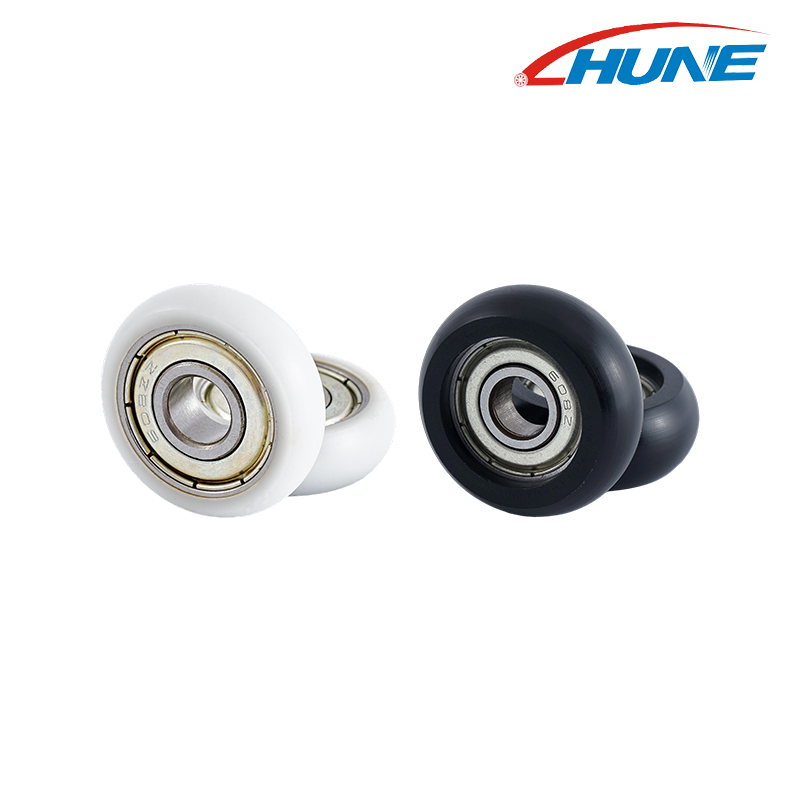
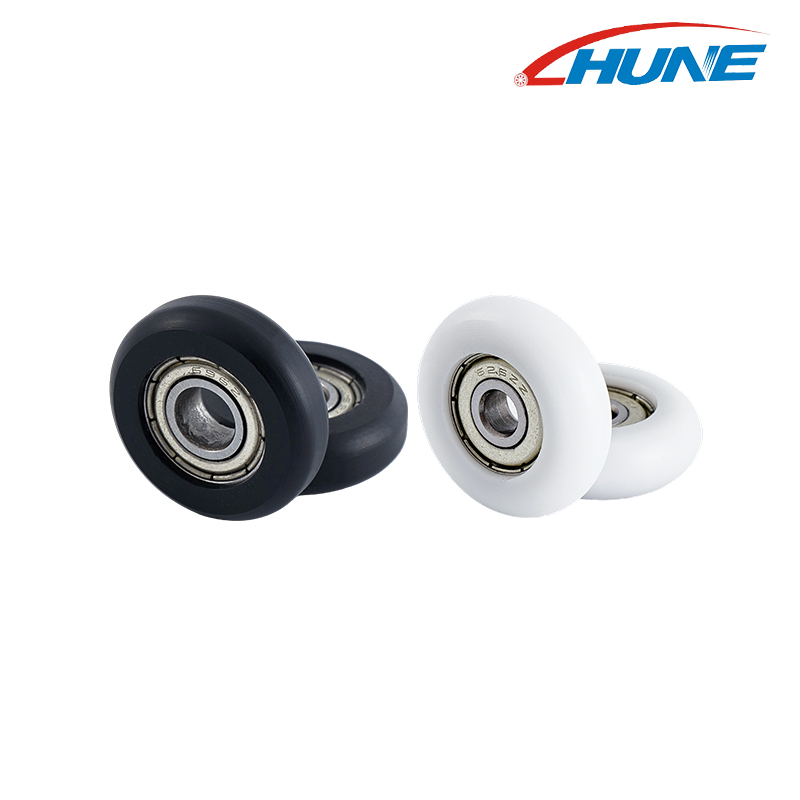
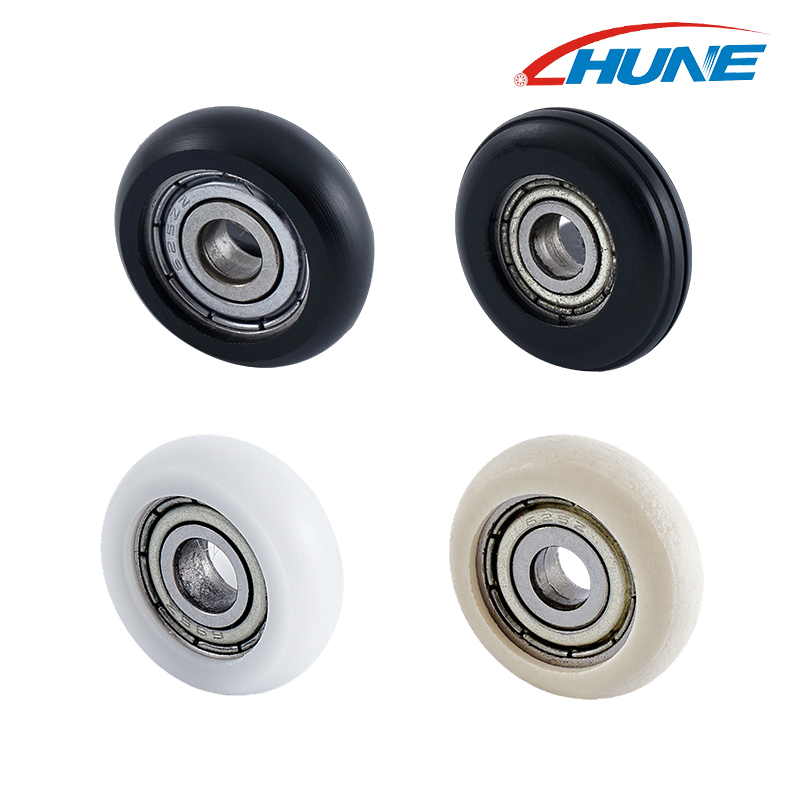
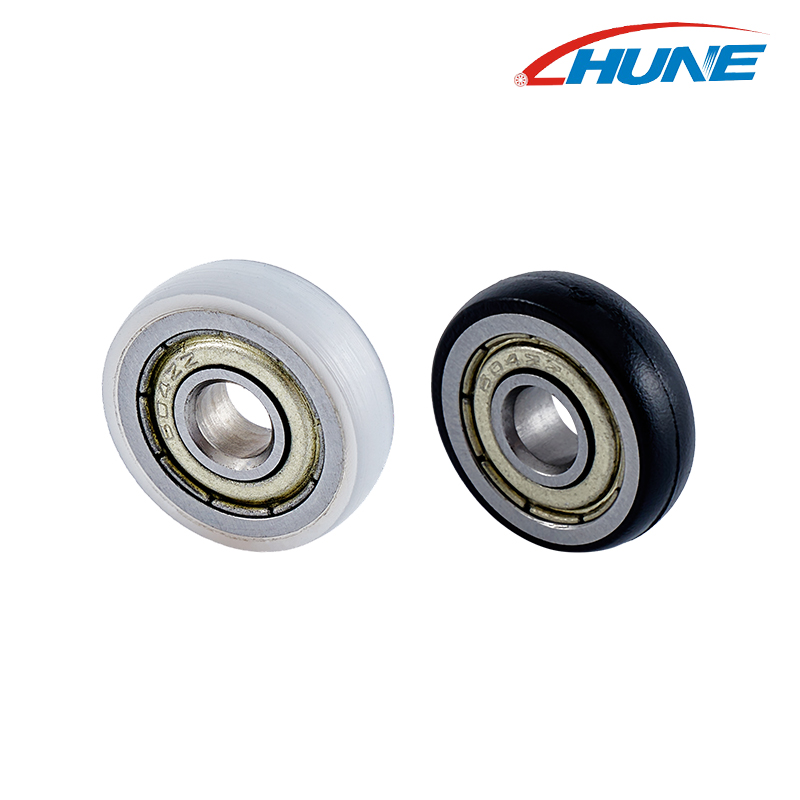
Sliding door rollers play a critical role in ensuring the effortless movement of sliding doors, a feature widely adopted across residential interiors, office buildings, retail environments, and industrial settings. By allowing doors to glide smoothly, these components support contemporary architectural trends that prioritize functionality and visual simplicity.
Market Position and Future Outlook
The worldwide market for sliding door rollers is expected to show consistent progress in the coming period. This growth is supported by the larger sliding door hardware category, which continues to benefit from demand in both new construction and renovation projects. Rollers form a meaningful portion of the total hardware system, reflecting their importance in delivering reliable performance and user satisfaction across different applications.
Related Market Indicators
|
Metric |
2026 Estimate |
Key Notes / Share Breakdown |
Primary Drivers |
|
Global Market Size |
~$0.7–0.9 billion |
Proxy from Sliding Door Hardware (~$2.72B total); rollers ~25–30% share |
Residential/commercial renovations, new builds |
|
CAGR (2025–2030+) |
3.9–5.8% |
Aligned with hardware/door components growth |
Urbanization, energy-efficient upgrades |
|
Asia Pacific |
40–45% |
Dominant due to China/India construction boom |
Infrastructure, manufacturing hubs |
|
North America |
20–25% |
Strong renovation/replacement demand |
Home improvement, commercial retrofits |
|
Europe |
18–22% |
Focus on sustainable/regulated products |
Green building standards |
|
Residential |
45–50% |
Patio/sliding glass doors, home upgrades |
Housing growth, DIY renovations |
|
Commercial |
35–40% |
Offices, retail, hotels (incl. automatic systems) |
Accessibility, high-traffic needs |
|
Industrial/Others |
10–15% |
Warehouses, vans, specialized applications |
Logistics, heavy-duty requirements |
Key Market Drivers
Urbanization and Construction Growth
As cities grow, the need for new homes and commercial spaces continues to rise. Sliding doors, appreciated for their modern design and ability to save space, are increasingly chosen by architects and builders. The steady pace of new construction is driving stronger demand for sliding door rollers.
Technological Innovation
New materials and technology are transforming the sliding door rollers market. Durable alloys and advanced polymers are making rollers longer-lasting and more reliable. At the same time, smart features such as automated systems and sensors are improving ease of use and functionality, encouraging wider adoption of sliding doors.
Sustainability and Energy Efficiency
With greater awareness of environmental concerns, energy-efficient and sustainable solutions are in demand. Sliding doors with high-quality rollers help improve insulation and reduce energy consumption, appealing to eco-conscious users. Manufacturers are responding with designs that use recycled materials and enhance overall efficiency.
Consumer Preference for Style and Function
Modern buyers value both style and practicality in their building choices. Sliding doors offer a sleek, contemporary appearance while maximizing usable space. This combination of aesthetics and functionality is increasing interest in advanced sliding door systems, supporting growth in the rollers market.
Market Segmentation
The sliding door rollers market can be segmented based on several factors, including type, application, and region.
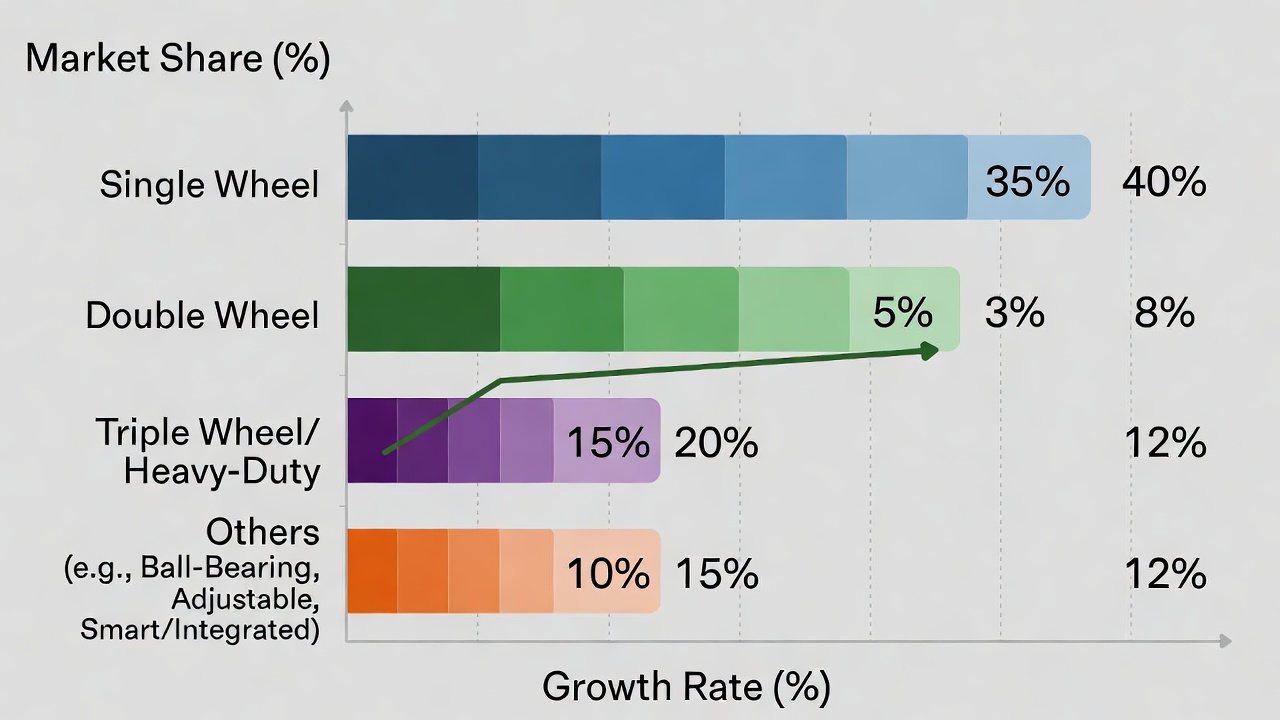
1. By Type
Single-wheel rollers form the largest and most established portion of the market. They serve as dependable, straightforward choices ideally suited for lighter-duty residential doors and standard patio sliders where simplicity and cost matter most.
Double-wheel rollers make up another substantial share. These offer a good middle ground—better load handling and quieter operation—making them well-suited for mid-level residential setups as well as many commercial sliding doors. They continue to see steady, moderate interest as users look for improved balance between performance and price.
Triple-wheel and heavy-duty rollers represent a smaller but increasingly dynamic segment. They are built for demanding, high-load situations, especially in commercial buildings and industrial environments, and are gaining traction faster than other types as more projects require robust, long-lasting solutions.
The remaining category covers specialized and newer designs—such as ball-bearing models, adjustable versions, and smart or integrated options. This group is still emerging and growing noticeably as the industry moves toward higher-end, lower-friction, and more automated or energy-conscious installations.
2. By Application
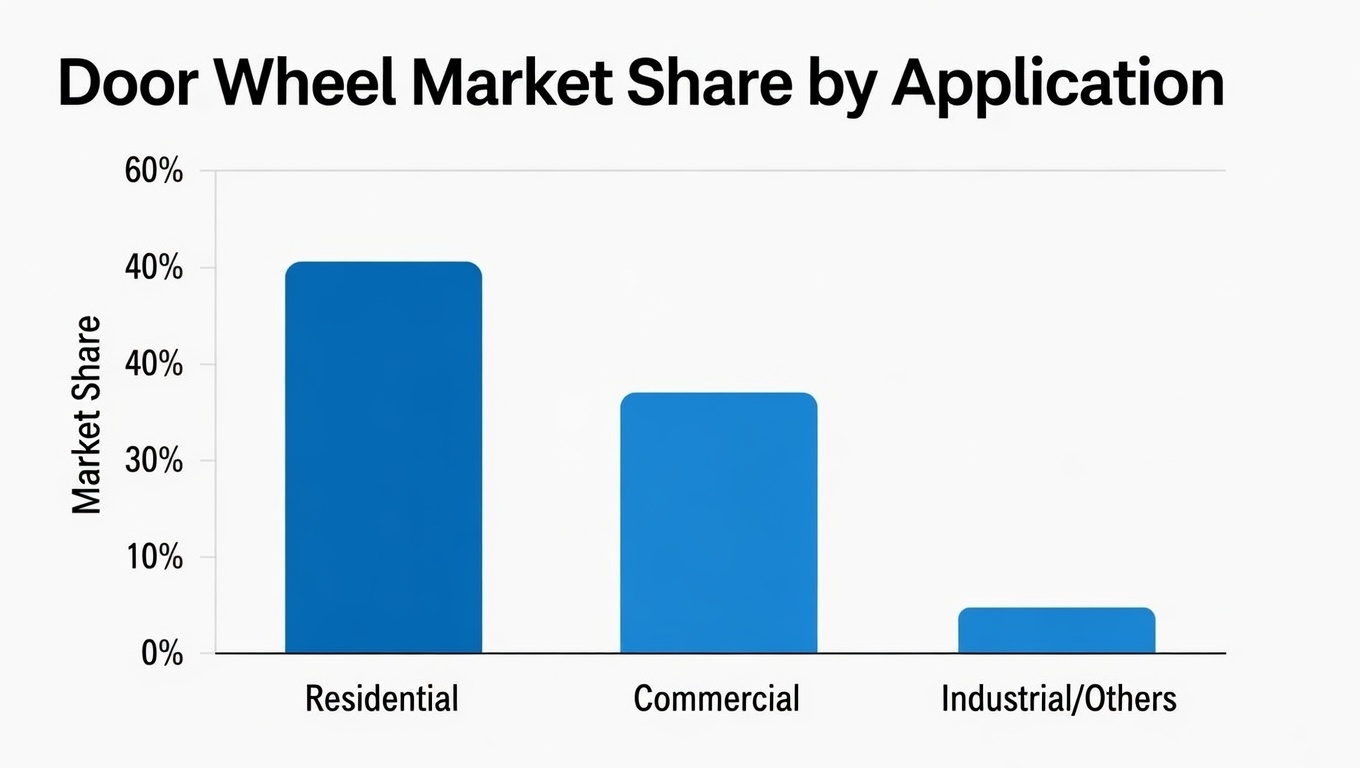
Residential: The largest segment, accounting for 45% to 50% of the market, driven by demand for patio and sliding glass doors and home upgrades.
Commercial: Comprises 35% to 40% of the market, including applications in offices, retail spaces, and hotels, particularly those featuring automatic systems.
Industrial/Others: Represents 10% to 15% of the market, serving warehouses, vans, and specialized applications that require heavy-duty solutions.
3. By Region
The Asia-Pacific region leads the market by a clear margin. Rapid construction activity—particularly in major economies—along with expanding manufacturing capacity, continues to drive strong demand for sliding door hardware of all kinds.
North America holds a meaningful but smaller portion. Growth in this area is supported by consistent renovation work, replacement of aging components, and active home improvement and commercial retrofit projects.
Europe accounts for another important share. Here the focus tends to fall on products that align with strict environmental regulations and green building requirements, favoring designs that emphasize sustainability and efficiency.
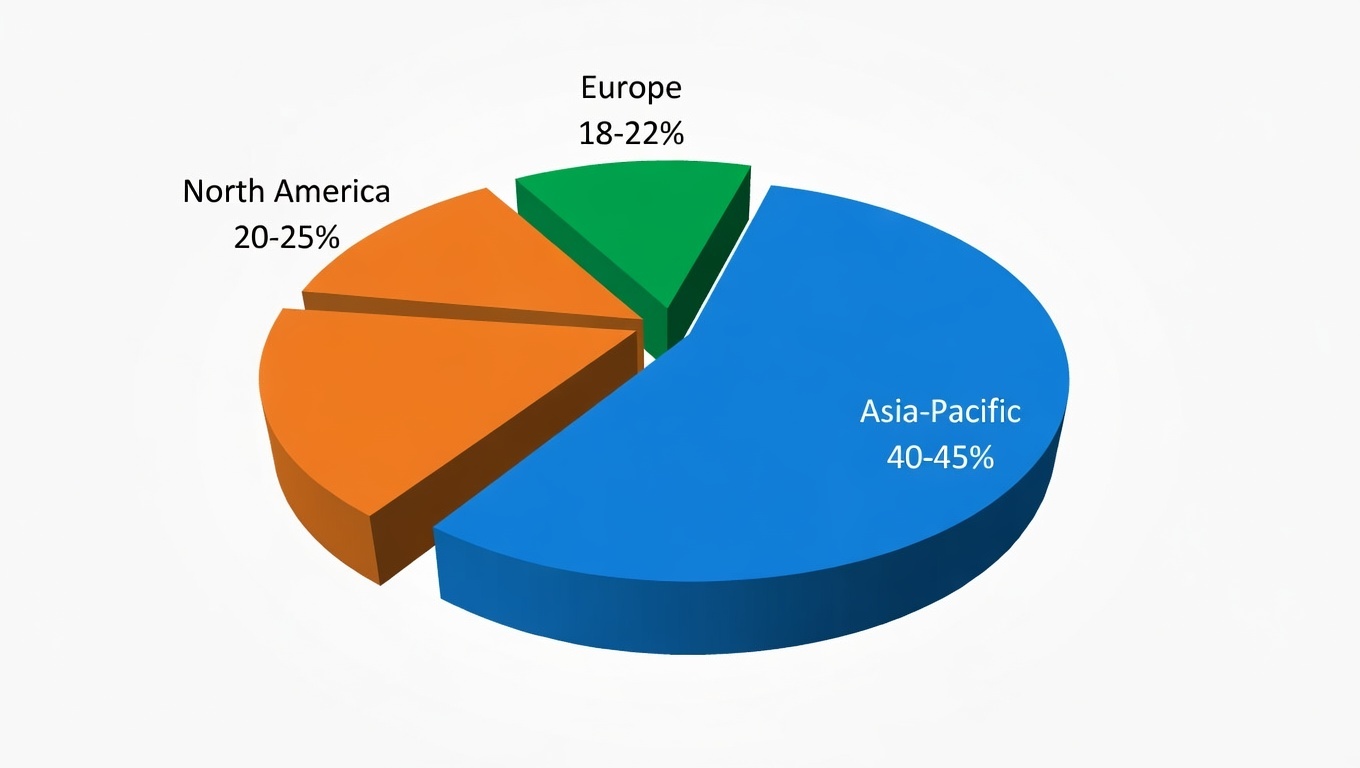
Sliding Door Rollers Market Breakdown by Type, Application, and Region
|
Category |
Segment |
Market Share / Size |
Growth / Trend |
Key Insights |
|
By Type |
Single Wheel |
35% – 40% |
Stable |
Entry-level, suitable for light residential doors and basic patio sliders |
|
Double Wheel |
30% – 35% |
+5% – 8% |
Balanced load and noise reduction for mid-range residential & commercial doors |
|
|
Triple Wheel / Heavy-Duty |
15% – 20% |
+10% – 15% |
High-load applications in commercial & industrial settings |
|
|
Others (Ball-bearing, Adjustable, Smart/Integrated) |
10% – 15% |
+12% – 18% |
Premium, low-friction designs for high-end, automated, energy-efficient installations |
|
|
By Application |
Residential |
45% – 50% |
Largest Segment |
Driven by patio/sliding glass doors and home upgrades |
|
Commercial |
35% – 40% |
Moderate Growth |
Offices, retail, hotels; especially automatic systems |
|
|
Industrial / Others |
10% – 15% |
Moderate Growth |
Warehouses, vans, heavy-duty specialized applications |
|
|
By Region |
Asia-Pacific |
40% – 45% |
Dominant |
Driven by construction boom in China & India and manufacturing hubs |
|
North America |
20% – 25% |
Stable |
Supported by home improvement, renovations, and commercial retrofits |
|
|
Europe |
18% – 22% |
Moderate Growth |
Focus on sustainable, green building-compliant products |
Challenges Facing the Market
Despite the encouraging signs for continued growth, the sliding door rollers market still has to navigate several real hurdles that affect manufacturers and the industry as a whole.
First, the prices of key raw materials—things like different metals and various plastic compounds—tend to swing up and down quite a bit. Those shifts make it harder for companies to keep production costs steady and still offer rollers at prices that customers are willing to pay. Finding smart ways to handle or offset those changes becomes an ongoing priority.
Second, keeping materials and parts flowing smoothly through the supply chain remains a challenge. Over recent years, everything from international trade tensions to the lingering effects of the pandemic has caused holdups, shortages, and higher expenses. For manufacturers, building and protecting dependable sources of supply is now a critical piece of staying on track with orders and delivery schedules.
Third, the market is crowded with many companies making rollers that look and perform quite similarly. Standing out in that kind of environment takes more than just matching what others offer. It means constantly looking for ways to improve the product—whether through better design, longer-lasting materials, quieter operation, or stronger support after the sale—so customers choose one brand over the rest.
Future Outlook and Forecast
The sliding door rollers market is expected to continue its growth trajectory through 2026, driven by the factors discussed above. Key trends that will shape the market include:
Increased Adoption of Smart Technologies
The integration of smart technologies into sliding door systems is anticipated to grow significantly, with smart rollers expected to represent a bigger share of the market. This trend will be supported by the expanding interest in smart homes and the preference for hands-free, automated door operation.
Growing Focus on Sustainability
As buyers grow more concerned about environmental impact, the call for sustainable products will strengthen. Manufacturers will need to put resources into developing rollers that use recycled or lower-impact materials and help improve overall energy performance in buildings.
Expansion in Emerging Markets
The Asia-Pacific region is expected to lead market growth, fueled by fast-paced urbanization and major infrastructure investments. Companies interested in broadening their reach should direct attention to this area, adjusting their offerings to better fit local construction habits, budgets, and practical demands.
Innovation in Product Design
Ongoing refinements in roller design—such as better long-term durability, reduced operating noise, and cleaner visual integration—will keep contributing to market progress. Manufacturers that consistently invest in thoughtful research and development will be in the strongest position to meet new customer expectations and capture fresh opportunities.
The sliding door rollers market is on the verge of substantial growth, influenced by urban development, technological innovations, sustainability initiatives, and changing consumer preferences. To succeed in this competitive landscape, it is essential for companies to remain flexible and responsive to these trends.
At Hune, we take pride in being a dedicated manufacturer of sliding door rollers. Our commitment to quality and innovation drives us to create products that not only fulfill functional requirements but also enhance the overall design of spaces. By utilizing advanced manufacturing processes and focusing on sustainability, we strive to meet the diverse needs of our customers.
As the demand for sliding doors continues to expand, Hune is determined to play a significant role in shaping the future of modern architecture. Our emphasis on delivering reliable products and outstanding customer service positions us to seize opportunities in this evolving market, contributing to the continued success of the sliding door industry.