

 English
 Español
 日本語
日本語Sliding window rollers are small components with an outsized impact: they're the difference between a window that glides quietly with two fingers and one that grinds, sticks, or rattles. Because they carry the sash's weight and guide it along the track, roller design—especially single-wheel vs. double-wheel—directly affects smoothness, durability, noise, and how forgiving the window is when the frame or track isn't perfect.
What Are Sliding Window Rollers?
Sliding window rollers are wheel assemblies mounted at the bottom (and sometimes top) of a sliding window sash. They roll along a track in the window frame, supporting the sash's weight and allowing horizontal movement.
Most rollers are housed in a small casing (metal or plastic) and may include an adjustment screw so the sash height can be fine-tuned for proper alignment and smooth travel.
Role of Rollers in Window Operation
Rollers do three core jobs:
- Support the sash load: The glass and frame can be heavy; rollers transfer that weight to the track.
- Reduce friction: Rolling contact is far smoother than sliding contact, especially under load.
- Maintain alignment: Proper rollers help the sash stay square to the frame, improving locking, weather sealing, and reducing drag.
When rollers wear out or seize, symptoms typically include:
- dragging or scraping on the track
- sticking at certain points
- uneven gaps or poor lock alignment
- rattling during movement or in wind
Categories of Sliding Window Rollers
Sliding window rollers come in various styles depending on the design needs of the window or door. While the main comparison in this discussion centers on single-wheel versus double-wheel types, it's useful to recognize the wider range of options available.
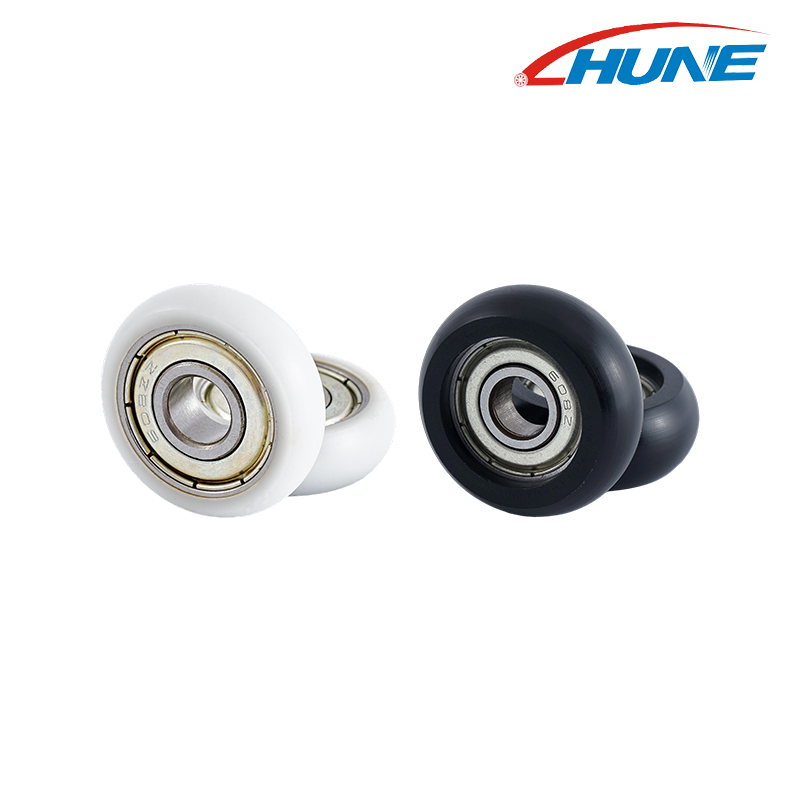
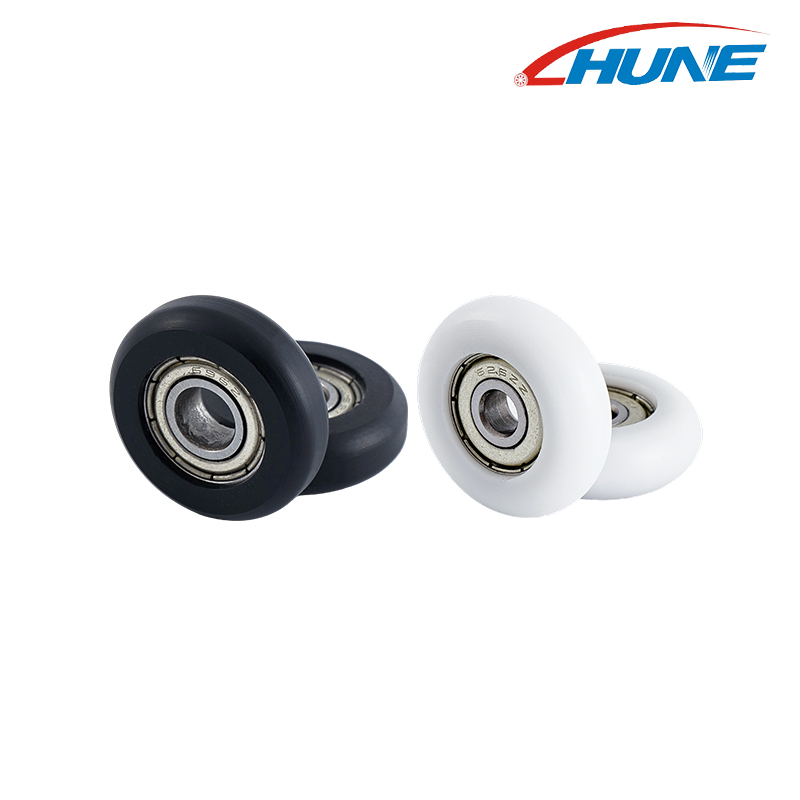
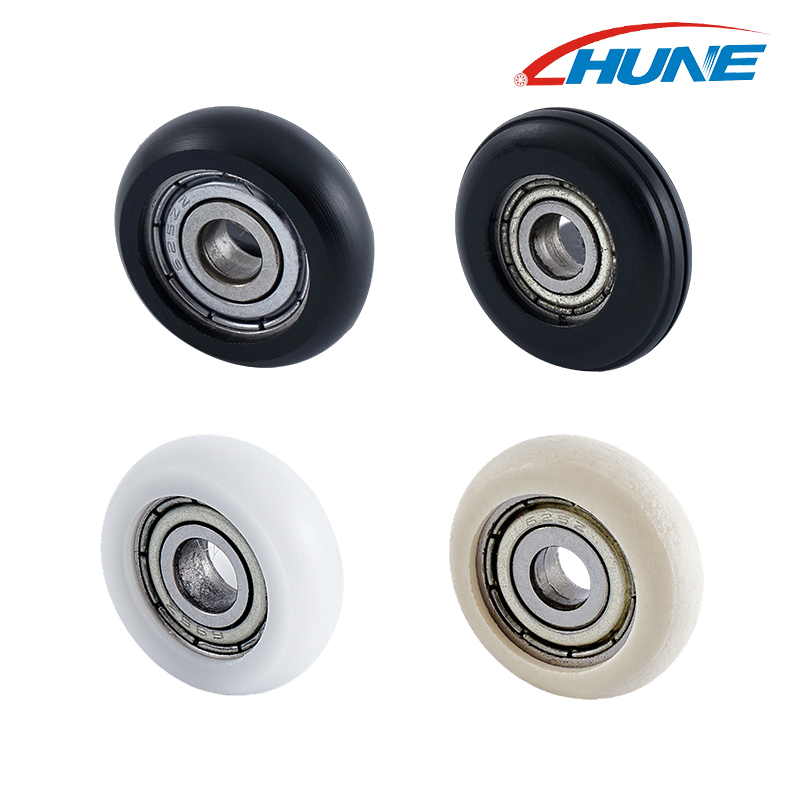
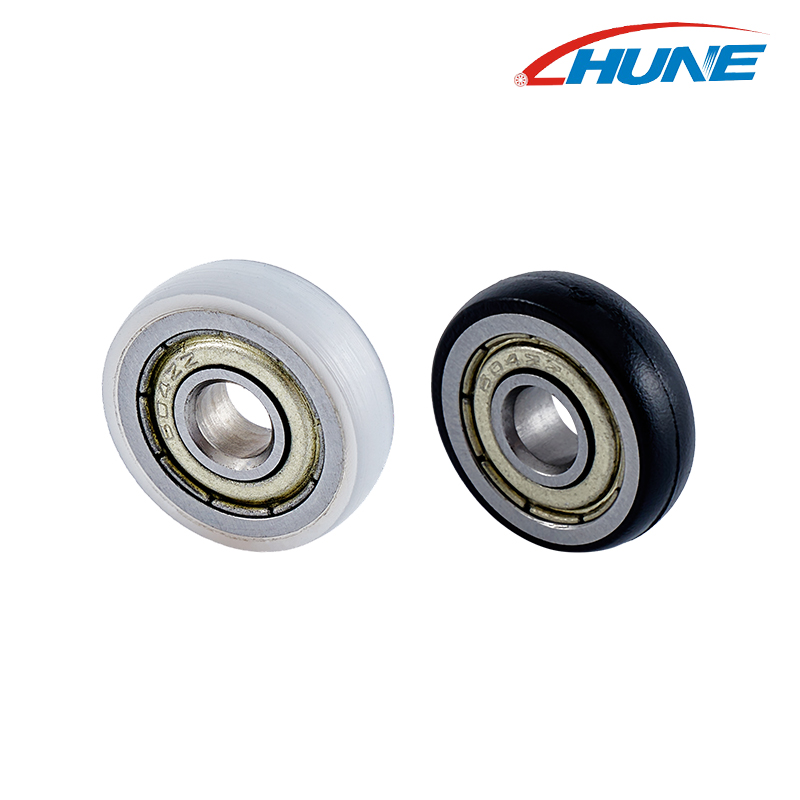
- Single-Wheel Rollers These use a solitary wheel inside the housing. They're simple, take up less space, and work well for standard or lighter sliding panels where the weight remains moderate.
- Double-Wheel Rollers These feature two wheels placed next to each other within the same casing. The paired wheels distribute the load more evenly, offer improved balance, and perform better with heavier sashes or larger glass areas, reducing the chance of tipping or uneven wear.
Main Types of Sliding Window Rollers and Their Applications
|
Category |
Description |
Typical Applications |
|
Single Wheel Rollers |
One wheel per housing; simple and cost-effective design. |
Lightweight residential sliding windows. |
|
Double Wheel Rollers |
Two wheels share load for better stability. |
Heavier residential or light commercial windows. |
|
Heavy-Duty Rollers |
Reinforced housing and high load capacity. |
Large commercial windows and patio doors. |
|
Adjustable Rollers |
Height-adjustable for precise sash alignment. |
Windows requiring leveling or alignment correction. |
|
Custom Rollers |
Designed to match specific dimensions or loads. |
Non-standard, discontinued, or specialty window systems. |
Other key differences include:
- Wheel Materials
- Nylon or polymer wheels: Widely used in homes because they operate quietly, hold up well against moisture, and move smoothly along typical tracks.
- Steel or stainless steel wheels: Made for tougher conditions and heavier use, providing extra strength and longevity, though they can sometimes produce more noise.
- Composite or mixed-material wheels: These blend qualities for a compromise between quietness, durability, and affordability, often customized for specific window systems.
- Bearing Construction
- Plain sleeve bearings: Basic and cost-effective, relying on a simple bushing with no internal rolling elements. They suit everyday applications but may wear quicker under constant heavy loads.
- Ball-bearing designs: These include small ball bearings for lower friction. They deliver smoother rolling, support greater weight more easily, and tend to last longer on frequently used or larger sliders.
- Adjustable versus Fixed
- Adjustable rollers: Equipped with a small screw or cam that lets you raise or lower the sash slightly. This adjustment helps level the panel, improve sealing against drafts, and ensure consistent, rub-free movement.
- Non-adjustable rollers: These have a set height with no way to tweak them. They depend completely on accurate factory sizing and track alignment, making them simpler but less flexible if the frame shifts or settles over time.
The right combination of these features depends on factors like panel size, how often the window gets used, and the surrounding environment. Picking the appropriate type helps keep the sliding action reliable and effortless for the long haul.
Single-Wheel Sliding Window Rollers
Definition and Structure
A single-wheel sliding window roller is a small roller unit built around one wheel that spins on an axle inside a compact housing. Depending on the window system, the assembly may include:
- a wheel made from nylon, steel, stainless steel, or similar materials
- an axle or pin that the wheel rotates around
- a housing, often stamped metal or molded composite/plastic
- an adjustment screw on many models to raise or lower the sash for proper alignment
Since there's only one wheel providing rolling contact, that wheel carries a concentrated portion of the sash's weight and takes the brunt of the load during operation.
Common Applications
Single-wheel rollers are frequently found in:
- typical residential horizontal sliding windows
- lighter sashes, such as smaller units or frames with thinner profiles
- window designs where the sash corner has limited space for hardware
- repair and replacement jobs where matching the existing narrow roller pocket is important for a proper fit
Advantages of Single-Wheel Rollers
Single-wheel rollers remain widely used because they offer several practical benefits:
- Space-friendly design: Their compact size fits well in slim sash frames and tight corner cavities.
- Simple construction: Fewer components can mean fewer things to loosen, bind, or fail over time.
- Budget-friendly: They're often less expensive and may be quicker to replace during maintenance.
- Smooth performance on good tracks: With a clean, straight track and a moderate sash weight, they can glide easily and feel responsive.
Limitations of Single-Wheel Rollers
Their strengths come with trade-offs, especially in tougher conditions:
- More stress on one wheel: Concentrating the load on a single rolling point can accelerate wear on the wheel surface, axle, and even the track.
- Less forgiving of dirt and track flaws: Small debris, pitting, or minor track damage is more noticeable because there's no second wheel to help "average out" bumps.
- Greater chance of flat-spotting on softer wheels: Under constant weight, some materials can develop a flattened section that leads to a lumpy, uneven glide.
- Reduced stability on larger sashes: With heavier or wider panels, slight alignment issues can show up as rocking, chatter, or occasional binding during movement.
Double-Wheel Sliding Window Rollers
Definition and Structure
A double-wheel sliding window roller uses two wheels housed in a single unit to support and guide the moving sash. Most designs place the wheels side by side, though some systems use a tandem arrangement depending on the track profile and sash geometry. A typical assembly may include:
- two wheels, often made from the same material such as nylon, stainless steel, or steel
- one axle shared by both wheels or separate axles for each wheel
- a housing that is generally larger than what you'd see on a single-wheel unit
- an adjustment feature on many models to fine-tune sash height and alignment
The purpose of using two wheels is straightforward: spread the load so each wheel carries part of the sash weight instead of concentrating it on one rolling point.
Common Applications
Double-wheel rollers are commonly chosen for:
- bigger sashes or units with heavier glass
- windows that are opened and closed often, where hardware sees more wear
- installations where added steadiness is important for consistent sliding and locking
- product lines built to deliver a smoother, more refined sliding feel
Advantages of Double-Wheel Rollers
In everyday use, double-wheel rollers can offer several performance benefits:
- Shared weight support: By dividing the load, pressure on each wheel is reduced, which can slow wear and help rollers last longer.
- More forgiving movement on imperfect tracks: Two wheels can roll across minor track dips, light pitting, or small inconsistencies with less noticeable bumping.
- Greater sash stability: The sash is less likely to rock or chatter, which can improve how it meets the frame and how reliably it lines up at the lock and interlock.
- Stronger performance with heavy glazing: The improvement is often most noticeable on larger insulated glass units or thicker glass packages where single-wheel setups can feel strained.
Limitations of Double-Wheel Rollers
Despite the benefits, double-wheel assemblies aren't the best fit for every window:
- More space required: The housing is typically longer or deeper, and some sash corners simply can't accommodate it.
- Still dependent on track cleanliness: Two wheels won't overcome a gritty, paint-splattered, or corroded track; they may continue to grind through debris rather than glide.
- Design quality matters a lot: If the housing flexes, axles are undersized, or wheels are too soft, a double-wheel unit can wear quickly and feel worse than a well-built single-wheel roller.
- Replacement isn't always straightforward: Track shape and roller pocket dimensions can limit what will fit, so “upgrading” to double wheels isn't always a drop-in option.
Key Differences Between Single and Double Wheel Rollers
|
Comparison Aspect |
Single Wheel Rollers |
Double Wheel Rollers |
|
Load Capacity |
Suitable for light to medium window weights. |
Designed to support heavier window panels. |
|
Stability |
Adequate for smaller, standard windows. |
Improved balance and weight distribution. |
|
Smoothness of Operation |
Smooth under light loads; performance drops with weight. |
Consistently smooth, even under heavy loads. |
|
Typical Applications |
Standard residential sliding windows. |
Large residential or commercial sliding windows. |
|
Service Life |
Shorter lifespan under frequent or heavy use. |
Longer lifespan due to reduced wheel stress. |
The real distinction between single-wheel and double-wheel rollers isn't just the number of wheels. It's about how they support the sash weight and how well they keep rolling when the track, frame, or sash alignment is less than perfect.
Weight Capacity and Durability
Single-wheel rollers carry the load through one rolling point, so the wheel and axle take on more concentrated pressure. That setup often performs well on lighter or mid-weight sashes, but it can show wear sooner when the sash is heavy or the window is used constantly.
Double-wheel rollers divide the same load across two wheels. With less stress on each wheel, they typically hold up better in demanding situations and can be gentler on the track over time.
Even so, longevity isn't determined by wheel count alone. It also depends on details such as:
- wheel material and how well it resists flattening and cracking
- axle strength and resistance to rust or corrosion
- stiffness of the housing so it doesn't flex under load
- whether the wheel runs on a simple bearing surface or a higher-quality bearing design
Smoothness of Operation
On a clean, straight, well-aligned track, single-wheel rollers can feel crisp and easy, especially on lighter sashes. The downside is that they tend to "telegraph" imperfections—small bits of grit, tiny dents, or track pitting are more likely to be felt as bumps or roughness.
Double-wheel rollers often produce a steadier glide because the load is shared and the two wheels can roll across minor inconsistencies with less interruption. This difference becomes more noticeable with heavier sashes or tracks that have light wear.
If the track is badly damaged, heavily corroded, or packed with debris, neither style will truly slide well until the track is cleaned, restored, or repaired.
Noise and Vibration Levels
Roller noise usually comes from a combination of friction, vibration, and looseness in the sash or hardware.
Single-wheel rollers are more likely to pass vibration up into the sash when they hit debris or rough spots. If the sash is slightly out of alignment, they can also contribute to chatter or a rattling feel during movement.
Double-wheel rollers often quiet things down by stabilizing the sash and reducing rocking, which cuts down on chatter. That said, wheel material still plays a major role in sound:
- nylon or polymer wheels generally run quieter and feel smoother
- steel or stainless wheels can handle wear well but may sound sharper depending on the track surface and condition
Installation and Compatibility
Single-wheel rollers are commonly easier to replace because they're compact and widely used in older or space-limited sash designs. There are also many common sizes, which helps when matching existing hardware.
Double-wheel rollers may need more room in the sash corner and can be more sensitive to track profile. If the sash pocket is shallow or the track shape is unusual, a double-wheel "upgrade" may not fit without changing the assembly style.
Useful fit checks include:
- housing dimensions, including overall length, height, and depth
- wheel diameter and the wheel tread shape that contacts the track
- adjustment screw placement and whether it aligns with the access hole
- track profile, such as flat tracks, raised ribs, or grooved channels
Maintenance Requirements
Maintenance is driven more by the track and environment than by whether the roller has one wheel or two.
Single-wheel rollers usually demand cleaner tracks to stay smooth because the load is concentrated and debris is felt more immediately. Double-wheel rollers are often a bit more forgiving with light dirt, but they still suffer if grit builds up and grinds into the wheels and track.
Good maintenance habits for either type include:
- vacuuming loose dirt and sand out of the track
- wiping the track clean with a mild cleaner, then drying it
- avoiding heavy, sticky grease that traps grit unless the window system specifically calls for it
- checking roller adjustment so the sash rides on the wheels rather than dragging on the frame or track
Choosing the Right Roller for Your Sliding Window
Selecting the best roller isn't about picking whatever sounds "stronger" on paper. It's about matching the roller style to the sash weight, the track it rides on, and how the window is used day to day. When those pieces fit together, the window feels smoother, stays aligned longer, and wears more slowly.
Factors to Consider: Window Size, Weight, Frequency of Use
A few real-world factors make the decision much easier.
Window size and glass weight
A smaller, lighter sash usually does perfectly well with a single-wheel roller, provided the parts are decent quality and the track is in good shape. As the sash gets larger and heavier—especially with thicker glass or insulated glass units—a double-wheel roller tends to be the more reliable choice because it spreads the load and stays stable under pressure.
How often the window is operated
For a window that's opened occasionally, either roller type can perform well. In that case, getting the correct fit and a well-made assembly matters more than the wheel count. For windows that are opened and closed constantly, double-wheel rollers often keep their smooth feel longer because each wheel carries less stress.
Track condition
If the track is clean, straight, and intact, both styles can slide nicely. When the track shows light wear, minor pitting, or slight unevenness, double-wheel rollers often feel steadier and can reduce chatter. If the track is dirty, damaged, or corroded, replacing rollers alone won't deliver a true improvement until the track is cleaned or repaired—rollers can't roll smoothly over grit and gouges forever.
Environment
In coastal or humid locations, corrosion resistance becomes a priority. Materials like stainless components and better-protected assemblies tend to hold up longer. In dusty areas, the best "upgrade" is often maintenance-friendly hardware and a clean track routine, along with avoiding sticky lubricants that turn dust into grinding paste.
Cost vs. Long-Term Value
The cheapest option upfront isn't always the least expensive over time.
Single-wheel rollers often cost less and can be a smart choice for light sashes on clean tracks, especially when you're matching an existing window design. Their downside is that they may wear sooner when the sash is heavy or the window sees frequent use.
Double-wheel rollers usually cost more initially, but they can offer better long-term value in heavier or high-use windows. By sharing the load, they may reduce wear not only on the roller itself but also on the track—helping prevent the kind of track damage that turns a simple roller swap into a bigger repair.
A good way to frame it is this: if a roller choice lowers friction and protects the track, it can extend the service life of the whole window system, not just the wheels.
Application-Specific Recommendations
Different situations point naturally to different choices.
For a typical residential sliding window with a light-to-medium sash and a track that's in good shape, a well-made single-wheel roller with dependable adjustment hardware is often the right fit.
For a large slider, picture-style unit, or any sash carrying heavy insulated glass, a sturdy double-wheel roller usually provides better weight handling and steadier movement.
For windows that still bind in certain spots after cleaning—especially if the track has mild wear or the sash is slightly out of square—double-wheel rollers can improve the feel, but it's also important to check sash adjustment and overall alignment.
For rentals and other high-traffic spaces where windows are operated constantly, double-wheel rollers often deliver more consistent performance and hold up better over time.
For coastal or high-moisture installations, corrosion-resistant materials are the priority regardless of wheel count, since rust and seized axles can ruin the smoothest design quickly.
Single-wheel rollers fit neatly into slim sash frames and work well when the panel is light and the track is in good condition. Double-wheel rollers spread the load across two wheels, which often improves stability, reduces chatter, and keeps movement smoother over time—especially on larger sashes or windows that get opened every day. The best choice isn't about "more wheels is better," but about using hardware that matches the window's weight and track profile. At Hune, we recommend focusing on correct sizing, durable materials, and a clean, well-kept track so the rollers can do their job properly.