

 English
 Español
 日本語
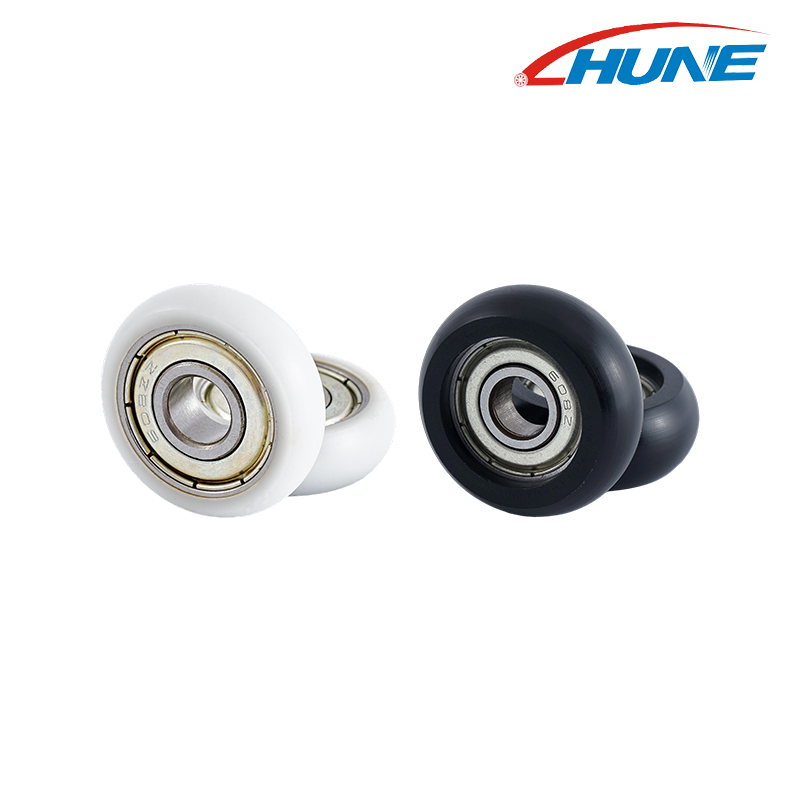
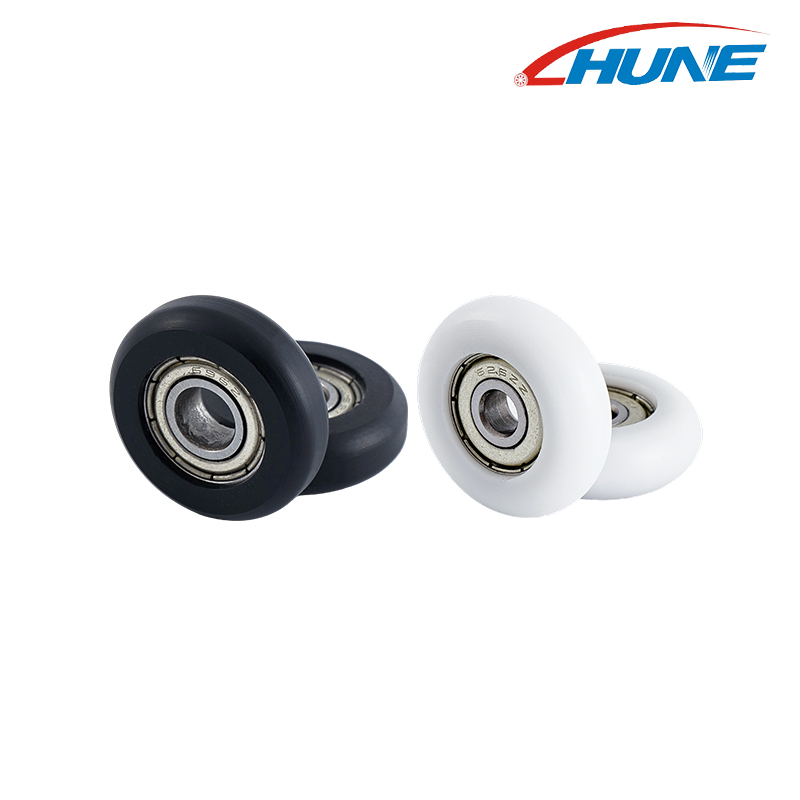
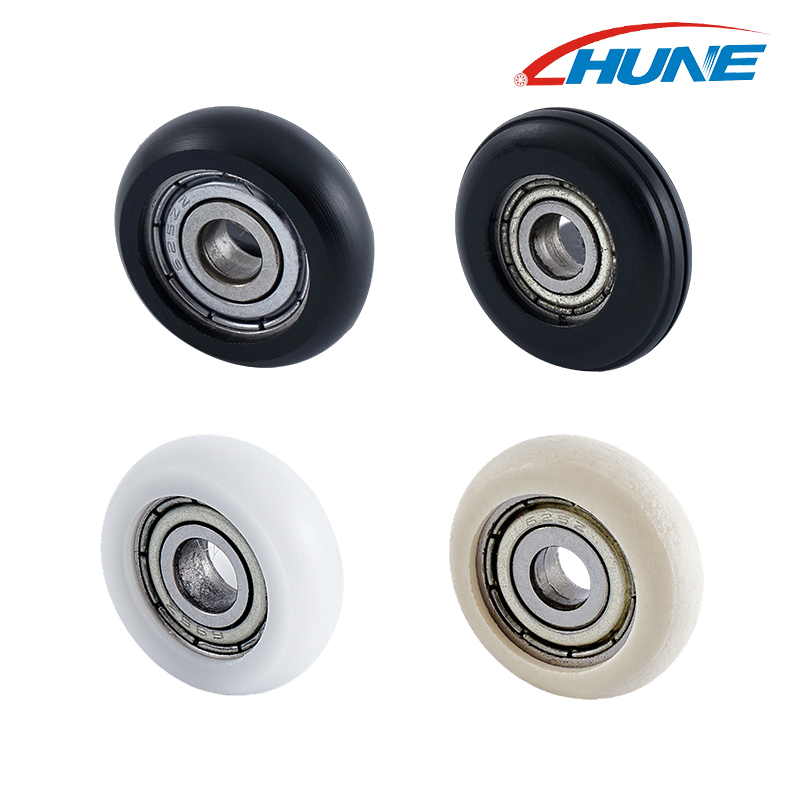
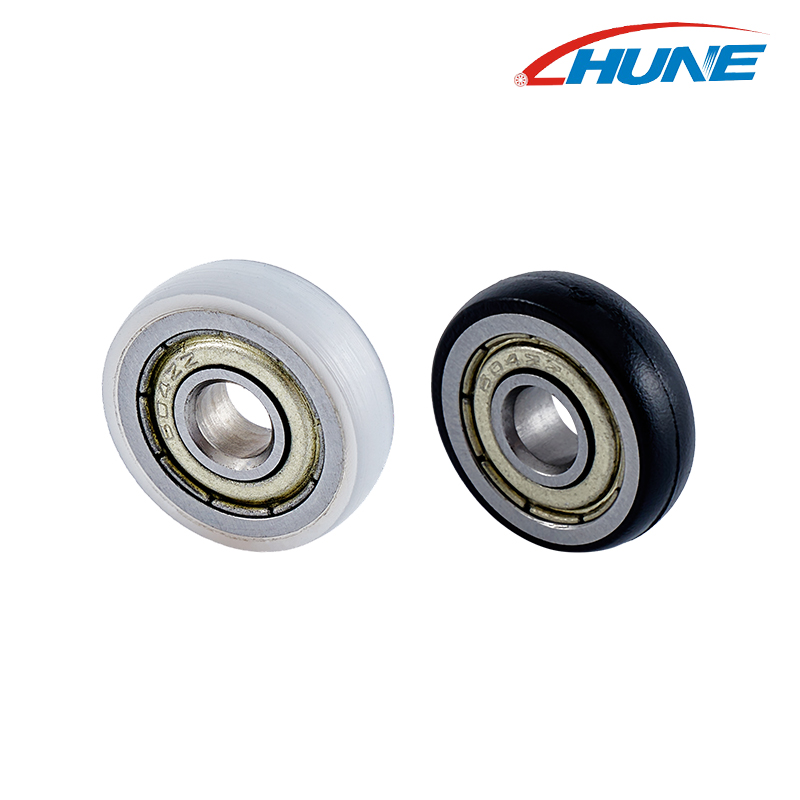
日本語Sliding window rollers are the small, often overlooked components that decide whether a window glides like it's on ice—or grinds like it's dragging a suitcase through sand. If you're choosing between nylon, steel, or stainless steel rollers, you're really choosing how your window will handle weight, wear, corrosion, noise, maintenance, and long-term reliability.
1) What Sliding Window Rollers Actually Do (and Why Material Matters)
A typical sliding window sash rides along a track using one or two rollers (sometimes more). Those rollers experience:
- Radial load (the weight of the sash pressing down)
- Rolling friction (how easily it moves)
- Abrasive wear (grit in the track acting like sandpaper)
- Moisture exposure (condensation, rain, coastal air)
- Chemical exposure (cleaners, salt spray, pollutants)
- Misalignment stress (if the frame shifts or the track isn't perfectly straight)
Material matters because it controls:
- Hardness vs. track wear (hard rollers can wear the track; soft rollers can wear themselves)
- Corrosion resistance (especially in humid or coastal environments)
- Noise and vibration (plastic tends to be quieter)
- Maintenance frequency (some materials tolerate neglect better than others)
2) Nylon Rollers: Quiet, Smooth, and Forgiving (Until They Aren't)
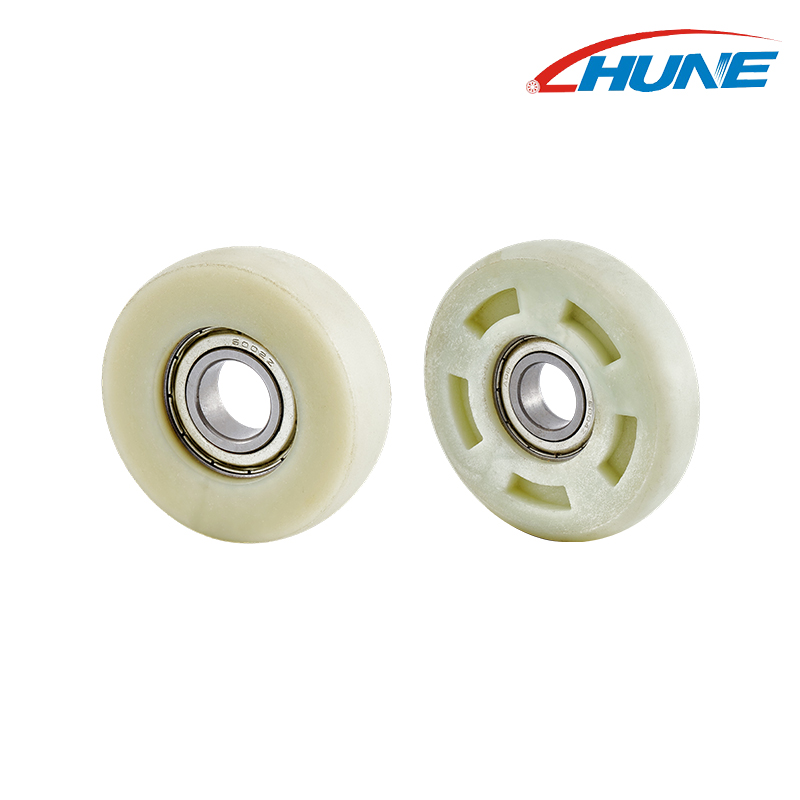
Nylon rollers are widely used because they make windows feel smooth and quiet, especially when new. They're also gentle on tracks.
Why nylon rollers work well
- Low noise: Nylon dampens vibration and reduces "rattle" and grinding sounds.
- Smooth feel: The material naturally reduces friction compared with bare metal-on-metal.
- Track-friendly: Nylon is softer than aluminum or steel tracks, so it's less likely to chew them up.
- Corrosion-proof roller surface: Nylon itself won't rust.
Common nylon downsides
- Wear under heavy loads: Heavier sashes can flatten or deform nylon over time, leading to bumpiness.
- Heat and UV aging: Depending on formulation, nylon can become brittle with age and heat cycling.
- Grit sensitivity: Dust and sand embedded in nylon can turn it into a "grinding wheel," accelerating wear.
- Quality varies a lot: Some rollers marketed as "nylon" are blended plastics that don't hold up as well.
Best use cases for nylon
- Interior or sheltered windows
- Light to medium sash weight
- Homes where quiet operation is a priority
- Aluminum tracks where you want to minimize track wear
Bottom line: Nylon is often the best "feel-good" option: quiet and smooth. The trade-off is long-term durability under heavy weight or abrasive conditions.
3) Steel Rollers: Strong and Durable—But Watch Corrosion and Track Wear
Steel rollers are chosen for strength and load-bearing. They tend to hold their shape better than nylon under heavier sashes.
Why steel rollers are used
- High load capacity: Steel resists deformation and flat-spotting.
- Good wear resistance: In clean conditions, they can last a long time.
- Stable rolling geometry: Less "squish," so the window stays aligned and consistent.
Steel's real-world challenges
- Corrosion (rust): Plain carbon steel can rust quickly in humid environments or where condensation collects in tracks.
- Noise: Metal rollers tend to be louder, especially on metal tracks.
- Track wear risk: Hard metal rollers running on softer tracks (common with aluminum) can accelerate track wear, especially if grit is present.
- Maintenance sensitivity: If you don't clean the track, steel can grind debris into both the roller and the track.
Best use cases for steel
- Dry climates or well-protected installations
- Medium to heavy sashes where nylon deforms too quickly
- Situations where track material is robust (or track inserts are replaceable)
Bottom line: Steel is a workhorse for weight and durability, but it can become a liability in wet or corrosive environments—and it can be harsher on tracks.
4) Stainless Steel Rollers: The "Pay More, Worry Less" Option
Stainless steel rollers aim to keep the strength of steel while resisting rust. For many homeowners, stainless feels like the premium "fit-and-forget" choice—especially near the ocean. But stainless is not a single material; grades matter.
What stainless does better than steel
- Superior corrosion resistance: Especially important in coastal air, high humidity, or areas with frequent condensation.
- Longer service life in harsh environments: Less pitting, less seizure, fewer rust-related failures.
- Consistent performance over time: Rust buildup can dramatically increase rolling friction—stainless helps prevent that.
Stainless steel caveats
- Cost: Usually more expensive than nylon or plain steel.
- Grade differences: Some stainless grades perform far better in chloride (salt) environments than others. If you're truly coastal, the stainless grade can matter as much as the fact that it's "stainless."
- Track wear still possible: Stainless is still metal—harder than many track materials—so track wear remains a consideration if grit is present.
- Noise: Similar to steel in many setups (though bearing design and track condition often dominate noise).
Best use cases for stainless steel
- Coastal homes, marine environments, high humidity locations
- Windows exposed to rain or frequent condensation
- High-use windows where long-term reliability matters
- Installations where maintenance is minimal or inconsistent
Bottom line: Stainless steel is often the best choice when corrosion is the main enemy. It's not automatically the best for noise or track preservation, but it's excellent for longevity in wet/salty conditions.
5) The Hidden Factor: Roller Design Often Matters More Than Roller Material
Two rollers made of the same material can perform very differently because of design details. When comparing options, look beyond the label.
Key design elements to consider
- Bearing type
- Plain (bushing) rollers: Simple and cheap, but more friction and wear.
- Ball-bearing rollers: Smoother under load, typically longer life, better with heavier sashes.
- Wheel profile
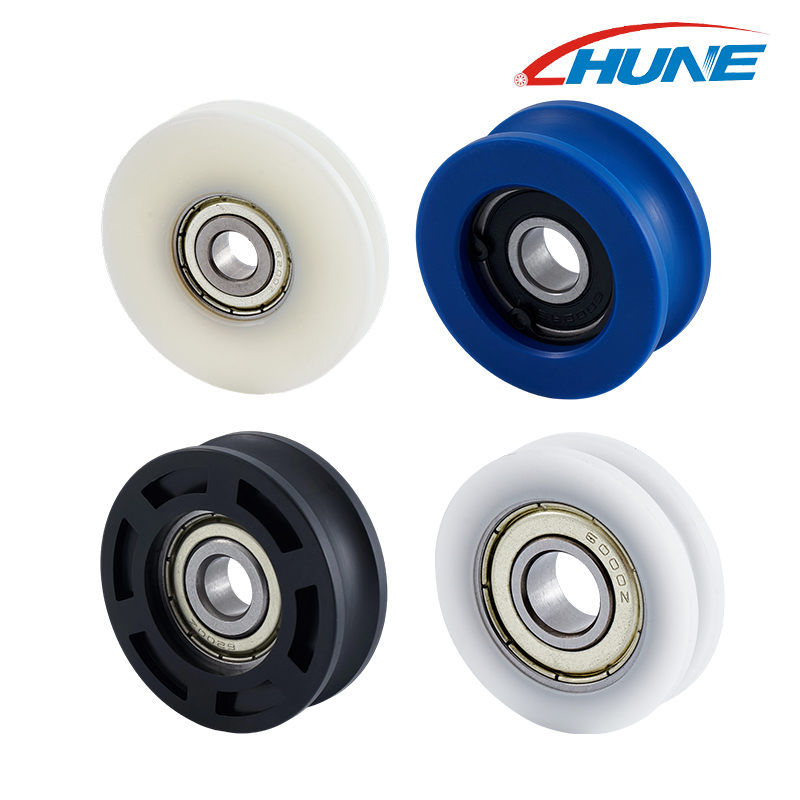
- Flat, concave, or V-groove profiles are meant for specific track shapes.
- A mismatch can cause drag, derailment, and premature wear—regardless of material.
- Axle and housing material
- A nylon wheel on a rusting steel axle can still seize.
- Stainless wheel + poor-quality housing can still wobble and bind.
- Adjustability
- Many rollers include height adjustment. If adjustment strips or screws corrode, you lose alignment even if the wheel is fine.
6) Practical Comparison (No Hype, Just Trade-offs)
Here's how nylon, steel, and stainless steel rollers usually compare in real homes.
|
Factor |
Nylon |
Steel |
Stainless Steel |
|
Smooth/quiet feel |
Excellent |
Fair to good |
Fair to good |
|
Load capacity |
Light–medium (varies) |
Medium–high |
Medium–high |
|
Corrosion resistance |
Wheel: excellent (nylon) |
Poor to fair (rust risk) |
Excellent to very good (grade-dependent) |
|
Track friendliness |
Excellent |
Fair (can wear softer tracks) |
Fair (still metal) |
|
Maintenance tolerance |
Moderate |
Low–moderate |
High |
|
Cost |
Low–moderate |
Low–moderate |
Moderate–high |
A small but important note: many assemblies combine materials. Those hybrids can deliver a “best of both worlds” result—if the corrosion-prone parts are addressed.
7) How to Choose the Right Roller Material for Your Situation
Choose nylon if…
- The window is light to medium weight
- You want quiet operation
- The environment is mostly dry or well protected
- You'd rather protect the track from wear
Choose steel if…
- The sash is heavy and nylon has a history of flattening
- You're in a dry climate or the track stays dry
- You can keep the track reasonably clean
Choose stainless steel if…
- You're in a coastal, humid, or condensation-prone environment
- You want maximum corrosion resistance and long service life
- The window is used frequently and you want fewer "sticking" surprises
8) Make Any Roller Last Longer: Simple, Unsexy Maintenance That Works
- Even the best roller fails early if the track becomes a dirt trench.
- Clean the track first: Vacuum grit, then wipe with a damp cloth; avoid leaving sandy residue.
- Check for track damage: Dents, burrs, and worn grooves create drag and chew rollers.
- Use the right lubricant (sparingly):
- A dry silicone-based or PTFE product often performs better than oily lubricants that attract dirt.
- Re-align the sash: If it rides crooked, it overloads one roller and fails sooner.
- Inspect drainage/weep holes: Standing water in the track defeats even good corrosion resistance.
Getting the best performance from a sliding window often comes down to choosing a roller that matches your sash weight and environment. Nylon rollers are valued for a smooth, quiet glide and gentle contact with the track, making them ideal for lighter to medium-duty windows. Steel rollers provide strong load support and long wear in dry conditions, but they can rust and accelerate track wear if moisture and debris are left unchecked. Stainless steel rollers are the go-to option for humid or coastal areas, helping resist corrosion and reduce sticking over time. Hune is a professional sliding window rollers supplier, and we focus on matching material, wheel profile, and bearing design for reliable, long-lasting operation.