

 English
 Español
 日本語
日本語Sliding doors are a go-to feature in today's buildings, whether it's sharp-looking homes or functional commercial spots. The roller setup often gets ignored, but it's what makes or breaks the whole system. Stainless steel sliding door rollers deliver that effortless slide, tough wear resistance, and consistent performance. The big question we get a lot is single wheel versus double wheel rollers—knowing how they stack up, their pros, and where each fits best helps pick the right one for your setup.
Understanding Stainless Steel Sliding Door Rollers
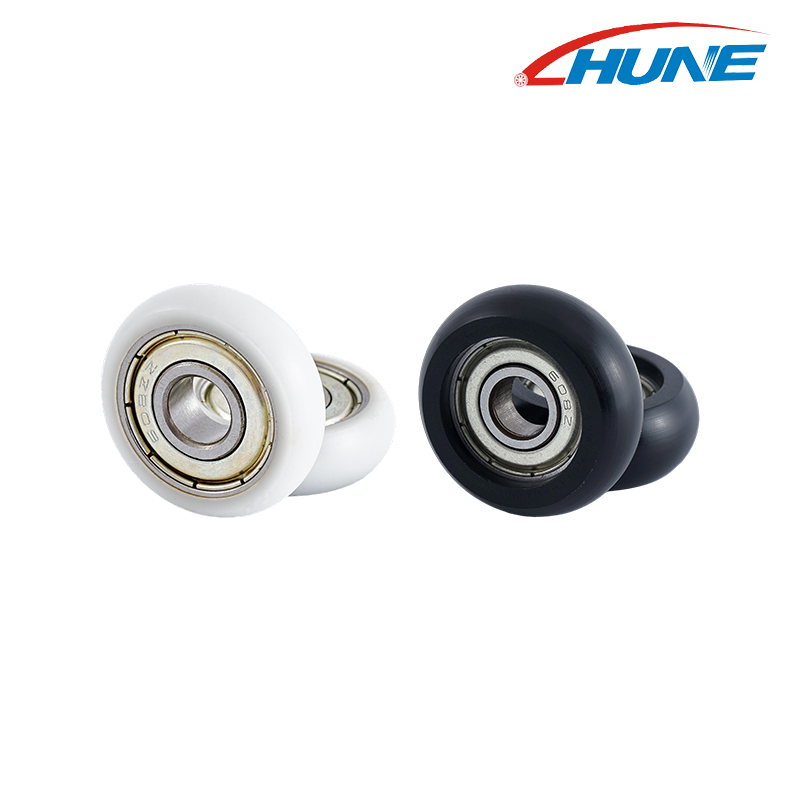
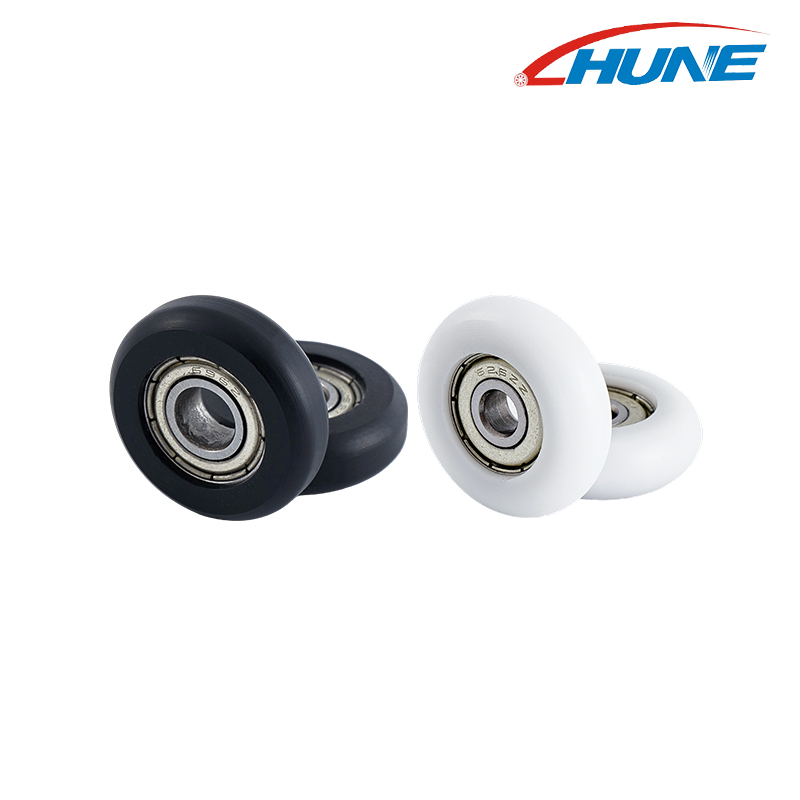
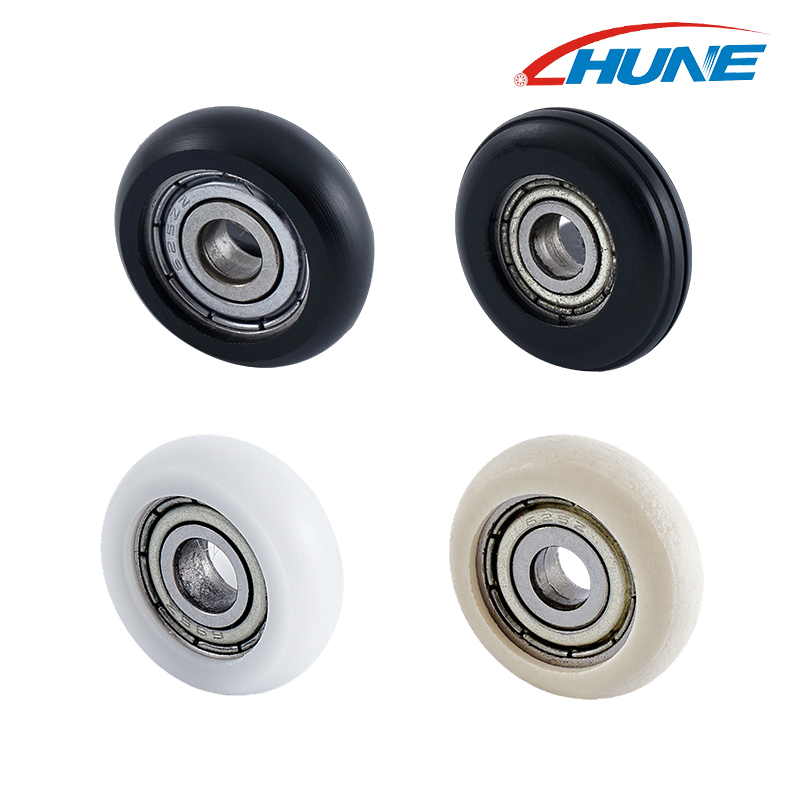
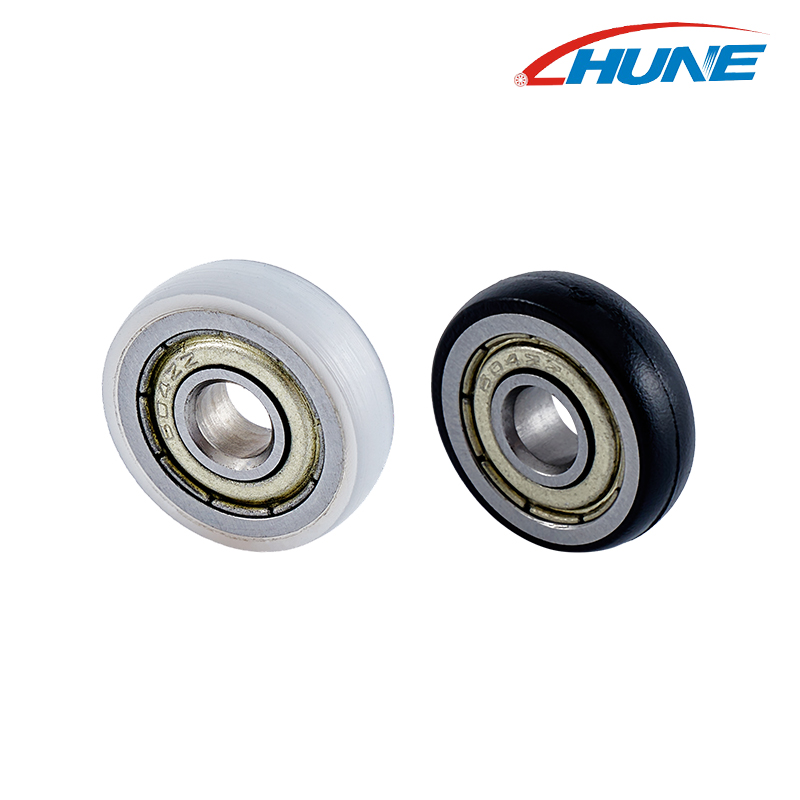
We've worked with these day in and day out at Hune, so here's the core of it: stainless steel sliding door rollers are made up of one or more wheels inside a solid housing, typically with precision bearings to keep friction low. They mount at the bottom (or sometimes top) and run the track to move the door. Stainless steel brings the corrosion fight, serious weight support, and real staying power—great for indoor jobs or outdoor exposure alike.
Going single wheel or double wheel usually ties to the door's weight, how much action it sees, and how silky you want the motion.
Single Wheel Stainless Steel Sliding Door Rollers: Simplicity and Efficiency
Single wheel stainless steel sliding door rollers are the basic, straightforward setup in the lineup—just one wheel fixed to a bracket that rolls the track.
- Advantages of Single Wheel Rollers
- Cost-Effective: Simpler build with fewer parts cuts production and fix-up costs. If you're hunting value and just need reliable basics, single wheel stainless steel sliding door rollers hit the mark.
- Compact Design: Small overall size works perfect in tight frames or clean, minimal stainless steel door designs.
- Ease of Installation: One wheel to set and secure means quicker setup with less fuss.
- Smooth on Light Loads: For smaller or mid-weight doors, that single wheel moves freely and quietly down the track.
- Limitations of Single Wheel Rollers
- Limited Load Capacity: They manage okay weights fine, but heavy panels can overload the wheel and track, speeding up wear.
- Higher Stress on Track: Everything rides on that one contact point, so the track takes extra beating long-term.
- Potential for Misalignment: Uneven floors or tracks can make the single wheel rock or stick, messing with how the door runs.
Double Wheel Stainless Steel Sliding Door Rollers: Strength and Stability
Double wheel rollers do exactly what it sounds like—two wheels on each bracket assembly. That spreads the weight over a broader area and boosts overall steadiness.
- Advantages of Double Wheel Rollers
- High Load Capacity: Load splits between the pair, so they're built for big doors, thick glass, or spots with lots of openings and closings.
- Better Stability: Twin wheels cut down side play and shake, keeping the slide consistent longer.
- Reduced Track Wear: Even pressure means no single hot spot on the track, extending its service life.
- Adaptability: They're more tolerant of small track flaws or floor variations—the shared load avoids pinpoint stress issues.
- Limitations of Double Wheel Rollers
- Higher Cost: Extra wheel and sturdier build push the price above single wheel options.
- Slightly Larger Footprint: Broader housing needs a touch more clearance, which might not suit ultra-narrow stainless steel door frames.
- Installation Complexity: Lining up both wheels right calls for a bit more accuracy to get that perfect roll.
Performance Comparison
|
Feature |
Single Wheel Roller |
Double Wheel Roller |
|
Load Capacity |
Moderate |
High |
|
Stability |
Moderate |
High |
|
Smoothness on Heavy Doors |
Less smooth |
Very smooth |
|
Track Wear |
Higher |
Lower |
|
Cost |
Lower |
Higher |
|
Installation |
Easier |
Slightly harder |
|
Space Requirement |
Compact |
Wider |
From years of fitting these out at Hune, the difference boils down simple: single wheel rollers win on ease and price, while double wheel rollers take the crown for handling tough jobs and lasting longer when things get demanding.
Applications and Recommendations
- Residential Interiors: Light bedroom sliders, wardrobe doors, or internal partitions rarely need more than single wheel rollers. They glide fine, keep the bill low, and suit doors that don't get slammed open and shut all day.
- Commercial Spaces: Think office partitions, shopfront entries, or meeting room stainless steel doors—these usually carry more weight and see constant action. Double wheel rollers hold up better, cutting down on fixes and keeping everything running without interruptions.
- Glass Doors: Big tempered glass panels or frameless designs put real stress on the system. Double wheel rollers spread that load evenly, lowering the chance of cracks or frame issues down the line.
- Outdoor Doors: Patio sliders, balcony access, or any exterior stainless steel door fighting wind, rain, and daily use—double wheel rollers bring the extra toughness, especially with stainless steel fighting off rust.
Maintenance Considerations
No matter which you pick, stainless steel sliding door rollers stay pretty low-maintenance, but a quick check now and then goes a long way:
- Lubrication: A dab of silicone spray every few months keeps the wheels spinning freely without gumming up.
- Track Cleaning: Dust, grit, or outdoor debris builds up fast and grinds things down—regular sweep or vacuum keeps performance sharp.
- Tightening Hardware: Vibration loosens screws over time. A quick pass with a screwdriver every year prevents wobbles.
Double wheel rollers might need a touch more care getting them lined up during install, but once they're in, their even weight spread usually means fewer adjustments and headaches later.
Which Stainless Steel Sliding Door Roller Is Better?
No one-size-fits-all answer here—the right pick depends on your door's weight, size, how often it moves, and where it's installed.
Choose Single Wheel Rollers when you want straightforward setup, lower cost, and you're working with lighter doors or spots that don't see heavy traffic.
Choose Double Wheel Rollers for bigger, heavier, or busier stainless steel doors needing rock-solid stability. They deliver smoother long-term operation and tougher wear resistance, especially in commercial or high-use setups.
In the end, matching the roller to the actual job is what counts. Spending a bit more upfront on the proper setup—especially with stainless steel door construction—pays off big in fewer repairs, replacements, and frustration over the years.