

 English
 Español
 日本語
日本語Top-hung sliding doors have fundamentally changed the way architects and homeowners think about space. They erase visual barriers, flood interiors with daylight, and deliver that effortless, floating elegance that immediately elevates any project—whether it's a discreet wardrobe in a city apartment, a room-dividing timber panel in a minimalist home, or a towering frameless glass wall on a high-end commercial façade.
The difference between a system that clients praise for years and one that becomes a maintenance headache lies entirely in the quality of the components and the precision of the installation.
This in-depth guide gives you the complete, factory-proven workflow developed and used daily by the Hune technical team, so every door you fit performs exactly as it left the Hune production line: silent, perfectly aligned, and built to last decades.
Ready to install top-hung sliding doors the way the professionals do?
1. Understanding Top Hung Sliding Door Systems
1.1 Definition and Operating Principle
A top-hung sliding door is supported entirely from an overhead track. The door weight is transferred through wheeled hangers (rollers) into the track, which in turn is fixed to the structural lintel or soffit. No load-bearing component touches the floor. A shallow floor guide or channel may be present to control lateral swing, but it carries zero vertical load.
This configuration delivers three fundamental advantages over bottom-rolling systems:
-
- Continuous, uninterrupted floor finish across the opening
- Immunity to floor-level imperfections and debris accumulation
- Superior long-term alignment because the door cannot sag or bind at the bottom
1.2 Key Components
-
- Overhead track (aluminium or steel, single or dual channel)
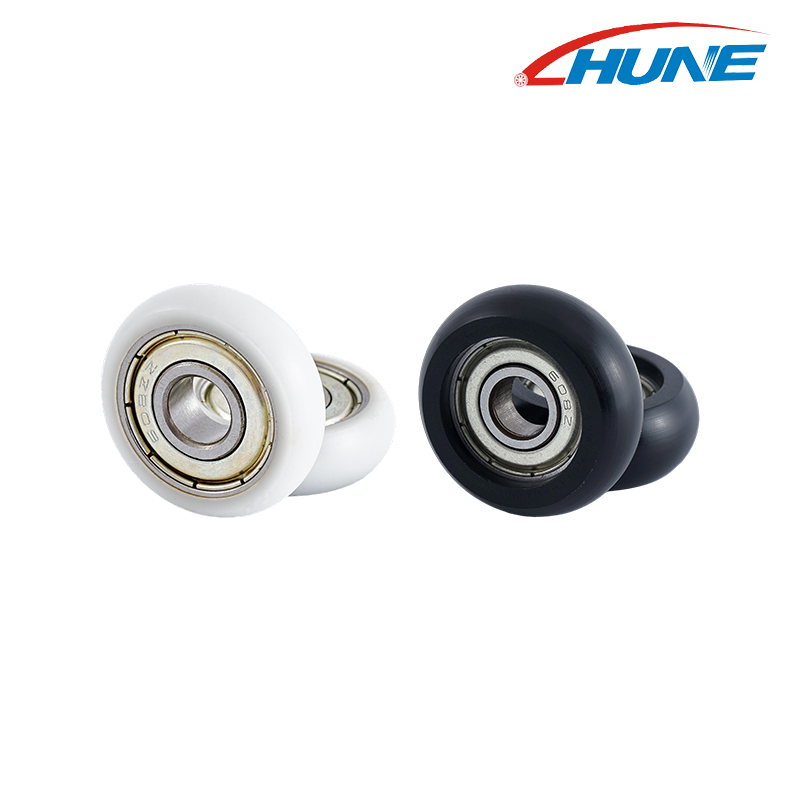
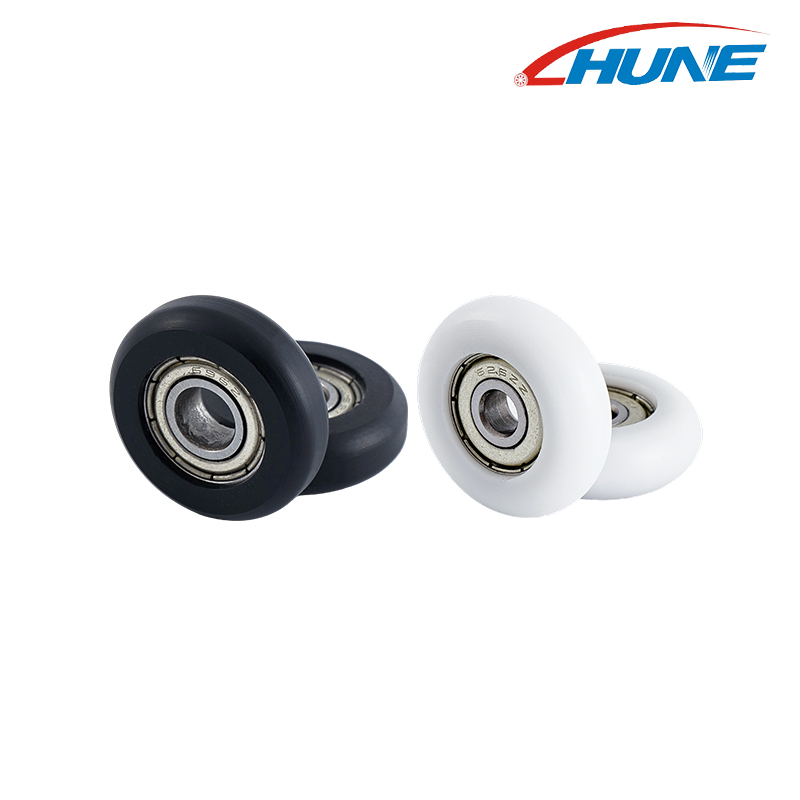
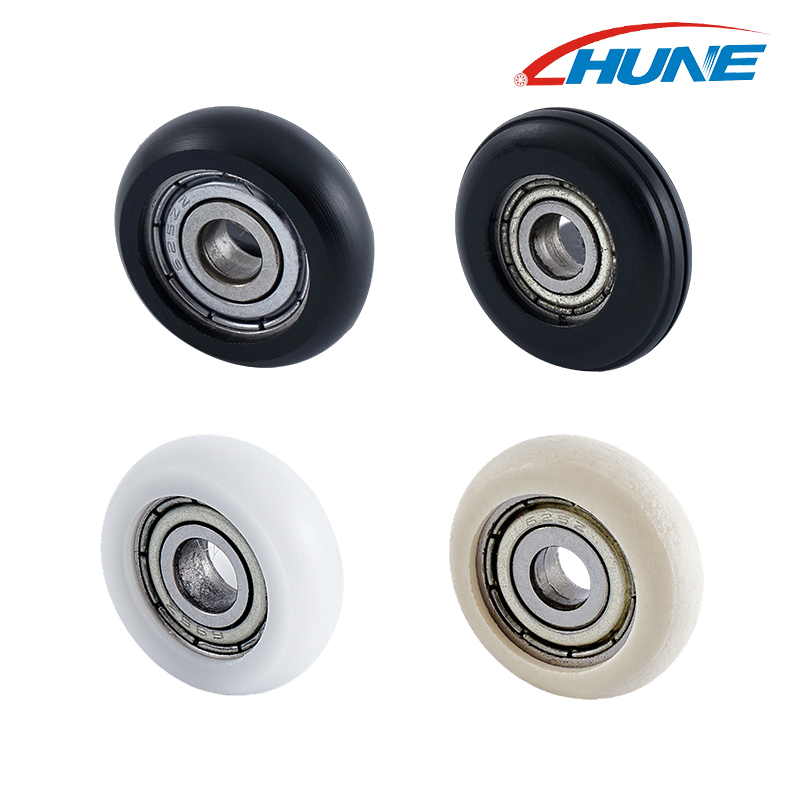
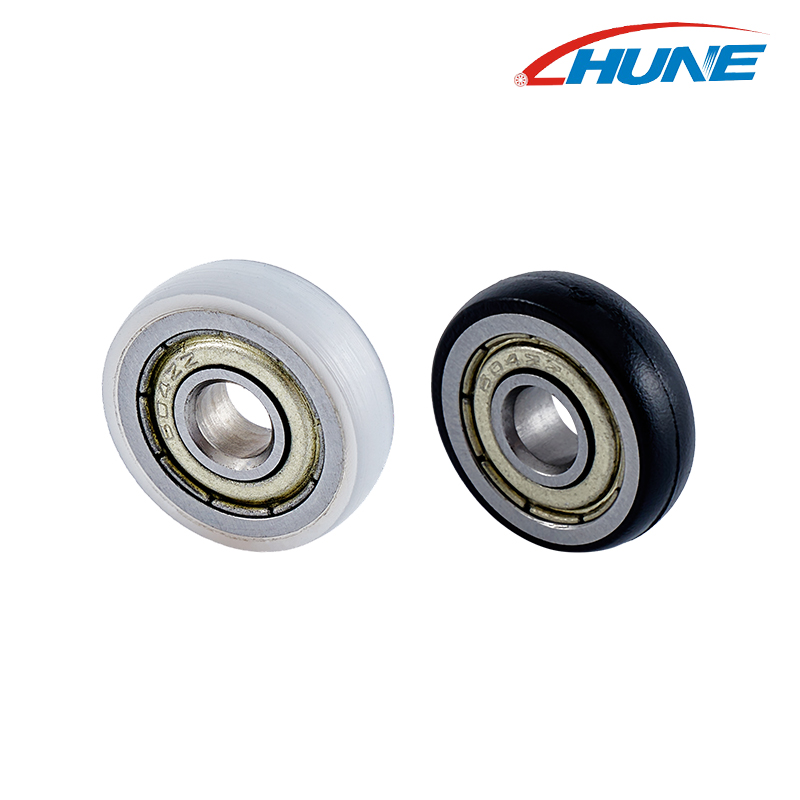
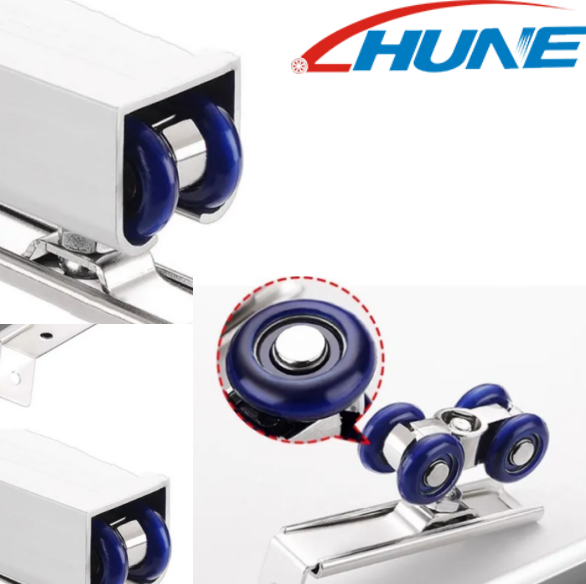
- Hanger assemblies (rollers) with sealed bearings and height adjustment
- Hanger plates or bolts fixed to the top rail of the door
- Anti-jump/anti-lift devices
- Floor guide (nylon, brushed stainless, or recessed aluminium U-channel)
- Stoppers and end caps
- Optional soft-close and self-close mechanisms
- Optional pelmet or fascia to conceal the track
2. Tools and Materials Required
2.1 Essential Tools
-
- Cordless drill/driver with torque control and spare batteries
- Percussion drill + masonry bits
- 1.2 m and 2 m spirit levels
- Laser level
- Digital calliper or high-quality steel rule
- 5 m measuring tape
- Stud finder with deep-scan and live-cable detection
- Set of HSS drill bits and countersinks
- Sharp 25 mm and 12 mm bevel-edge chisels
- Japanese pull-saw or track saw for precise height trimming
- Hex (Allen) key set 1.5–10 mm
- Torx driver set
- Thread-locking compound (medium strength)
- Silicone gun and clear neutral-cure silicone
- Vacuum cleaner with crevice tool
- Pack of 2–10 mm plastic packers
- Temporary timber packing blocks
2.2 Materials
-
- Top track – minimum 2.0 m length, pre-finished aluminium
- 2 × twin-wheel hanger sets rated minimum 80 kg each (120–150 kg preferred)
- Track fixing screws – 6.3 × 80 mm frame fixings or M8 sleeve anchors for masonry
- Hanger bolts with nyloc nuts and washers
- Floor guide (centre or side mounted)
- Track end stops × 2
- Soft-close damper kit (highly recommended)
- Pelmet/fascia board if concealment required
- 6 mm and 3 mm plastic shims
3. Pre-Installation Preparation
3.1 Accurate Measurement of the Structural Opening
Measure width at top, middle, and bottom. Record the smallest dimension. Measure height on left, centre, and right from finished floor level. Record the tallest dimension.
Standard allowances (interior, non-external):
-
- Door width = narrowest opening width + 40–60 mm total overlap (typically 25–30 mm each side)
- Door height = tallest floor-to-lintel measurement – track height – roller clearance – 8–12 mm floor clearance
For exterior or wet-area doors increase floor clearance to 12–15 mm.
3.2 Track and Hardware Selection
Track width and load capacity:
-
- ≤ 80 kg door → 32–35 mm domestic track
- 80–150 kg → 48–50 mm heavy-duty track
- 150–350 kg → 60–63 mm architectural track or dual-track configuration
Recommended hanger systems (current industry standards):
-
- Coburn SlideMaster 120
- Centor E3
- Hettich TopLine XL
- Hafele Slido Classic 120 All offer ±15 mm height adjustment with the door in situ and anti-lift security.
3.3 Door Preparation
Timber doors:
-
- Mark hanger plate positions exactly per manufacturer template (usually 80–120 mm from each end).
- Pilot drill and countersink to accept hanger bolts flush or 1 mm recessed
- Ensure top rail is minimum 90 mm deep for 120 kg+ doors
Frameless glass doors:
- Glass must be supplied with pre-cut corner radiuses (minimum R10) and factory-fitted patch plates or clamp hangers
- Never field-drill tempered glass
4. Installation Procedure
4.1 Installing the Overhead Track – Critical Step
-
- Establish finished floor level and mark both jambs.
- Calculate and mark the track underside line: finished floor → highest point + door height + roller insertion clearance + track depth.
- Transfer the level line across the full width of the opening using a laser or taut string line plus long spirit level.
- Offer the track to the line and centre it so equal overhang exists each end (or align flush with jambs if bypassing multiple doors).
- Mark every fixing hole.
- Remove track and drill pilot holes:
- Timber lintel: 5 mm pilot
- Masonry/concrete: correct size for chosen plugs/sleeve anchors
- Steel lintel: 6.8–8.5 mm depending on fixing type
- Clean holes thoroughly.
- Apply a thin bead of silicone to the top face of the track (prevents water tracking down screws on exterior jobs).
- Secure track using every supplied fixing hole. Tighten progressively in a criss-cross pattern to 18–22 Nm.
- Re-check level in both planes after final tightening.
4.2 Attaching Hangers to the Door
Work on a padded, level surface.
-
- Position hanger plates precisely according to the template.
- Pilot drill and fix with supplied bolts. Apply medium-strength thread-lock to every bolt.
- Wind adjustment bolts fully upward to provide maximum lift range.
- Fit anti-lift blocks or grub screws if supplied separately.
4.3 Hanging the Door
Two-person operation strongly recommended for doors over 50 kg.
-
- Tilt the door to approximately 70° and insert the first set of wheels into the track opening.
- Lift the opposite end and guide the second set of wheels into the track.
- Lower the door gently until both hangers are fully engaged.
- Immediately insert anti-jump blocks or tighten anti-lift grub screws.
- Fit the floor guide loosely at this stage.
4.4 Height and Plumb Adjustment
Most professional systems provide adjustment access via a small hole in the hanger plate.
-
- Insert the correct Allen key and turn clockwise to raise the door.
- Typical final clearances:
- Interior carpet: 8–10 mm
- Hard flooring: 6–8 mm
- Exterior/threshold: 12–15 mm
Check vertical plumb with a 1.2 m level on the door face. Adjust each hanger independently until the door hangs perfectly vertical and the floor clearance is uniform. Tighten the lock-nut on each adjuster once correct height is achieved.
5. Final Commissioning and Testing
5.1 Operational Testing
Slide the door fully open and closed a minimum of 25 cycles. Observe for:
-
- Binding or tight spots (indicates track twist or uneven floor)
- Excessive noise (usually lack of lubrication or debris in track)
- Lateral swing (floor guide incorrectly positioned)
5.2 Soft-Close and Self-Close Installation (Recommended)
Most retrofit kits comprise:
-
- Two damper units that clip into the track
- Activator plates fixed to the top edge of the door
Installation takes under 10 minutes and dramatically improves perceived quality.
5.3 Fitting Fascia/Pelmet (Optional)
Where track concealment is required:
-
- Fix timber or aluminium pelmet to the underside of the track or to separate brackets
- Ensure minimum 5 mm clearance remains between pelmet and top of door
5.4 Sealing and Finishing
-
- Apply clear silicone to the junction between track and wall on exterior applications
- Touch up any scratched paint on the track with matching aerosol
- Fit end caps and final stoppers
6. Ongoing Maintenance Schedule
Annual service (5 minutes):
-
- Vacuum debris from inside the track
- Apply one drop of light machine oil or PTFE dry lubricant to each bearing
- Check and re-tighten track fixings and hanger bolts
- Verify floor clearance has not reduced due to carpet settlement
A correctly specified and installed top-hung sliding door system requires no further intervention for 15–30 years under normal domestic use.
This guide reflects the complete, professional workflow developed and refined by Hune over fifteen years of manufacturing and installing top-hung sliding door systems across residential, commercial, and architectural projects worldwide.
By following the sequence exactly as presented, using genuine Hune tracks, Hune precision hanger assemblies, and recommended accessories, installers eliminate the most common causes of callback. When Hune components are specified and installed to this standard, the system will deliver silent, maintenance-free operation and perfect alignment for decades.