

 English
 Español
 日本語
日本語When it comes to DIY projects, selecting the right parts can make all the difference between success and frustration. One such component that often gets overlooked but plays a crucial role is the bearing pulley. Whether you're fixing a sliding door, building a conveyor system, or tackling other mechanical tasks, choosing between a Nylon Bearing Pulley and a Metal Bearing Pulley can be a tricky decision.
What is a Bearing Pulley?
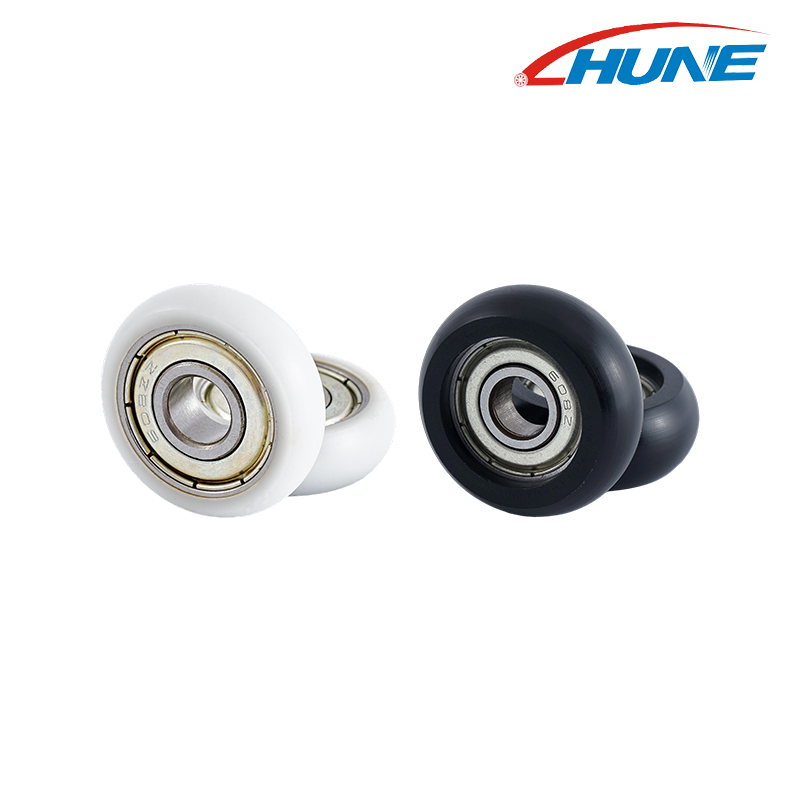
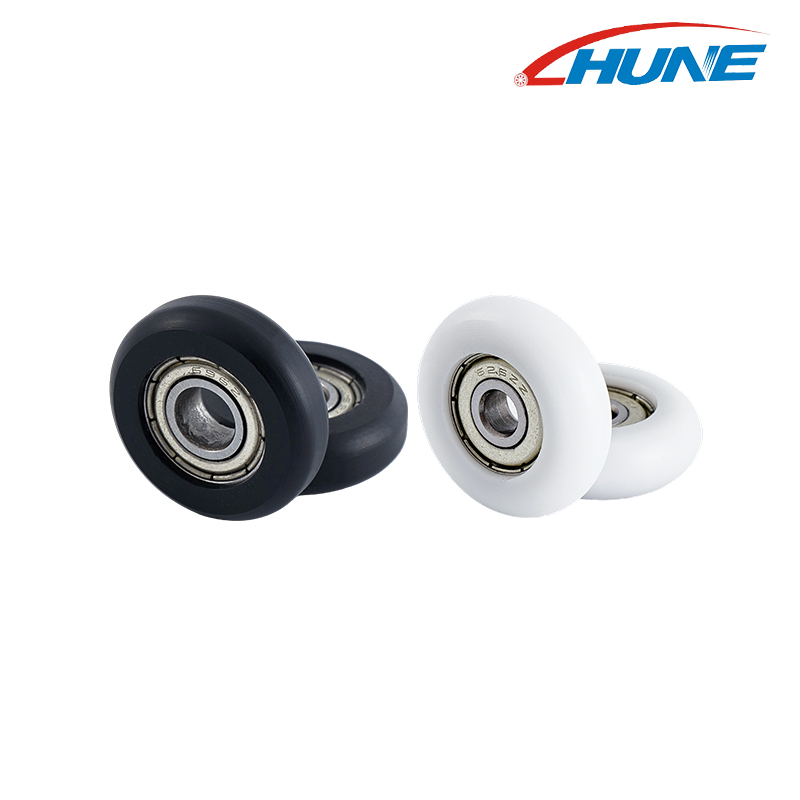
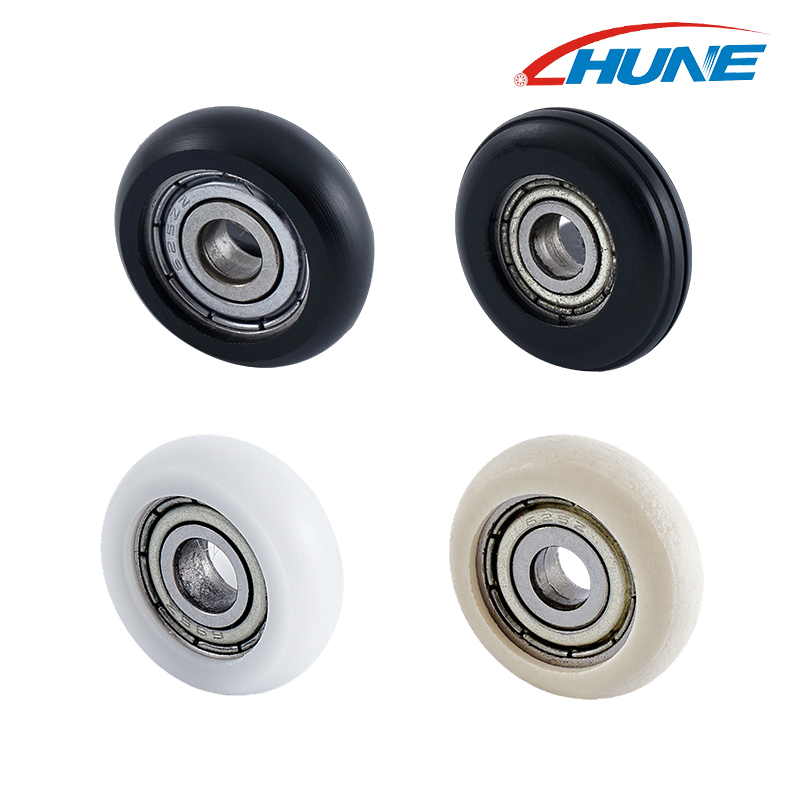
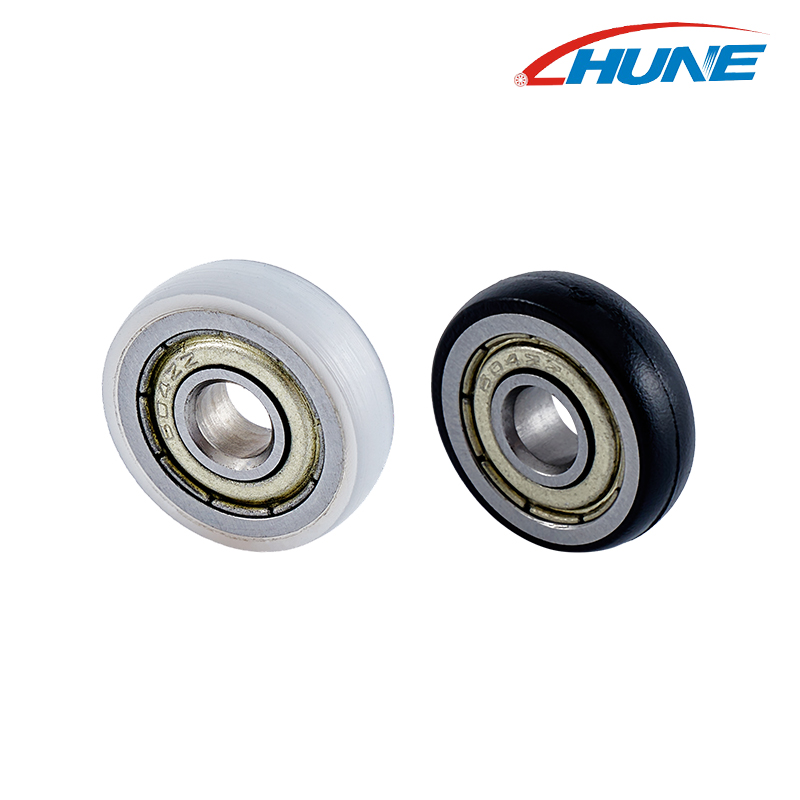
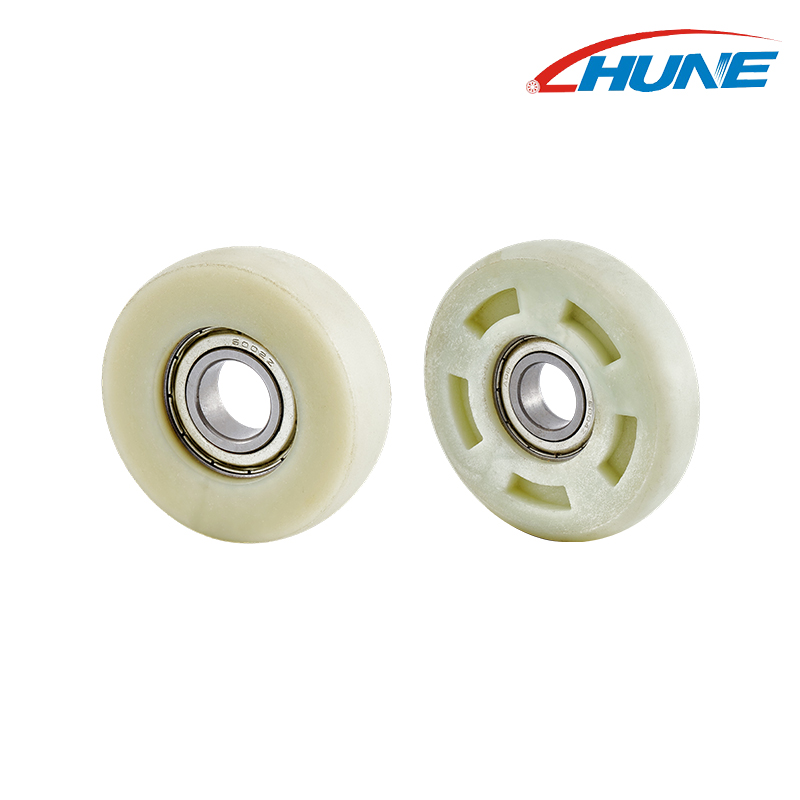
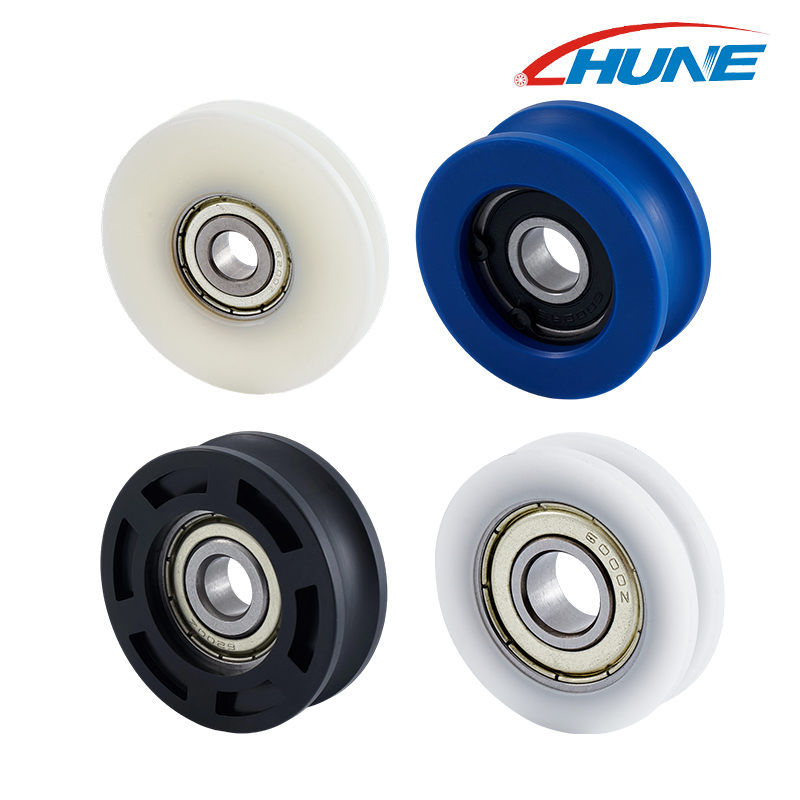
A bearing pulley is a mechanical component used in a variety of applications to transfer rotational motion efficiently. It consists of a circular wheel (pulley) that rotates around a central bearing, reducing friction and providing smooth movement. Bearings within the pulley help to minimize the resistance to rotation, making the system more efficient and reliable.
Bearing pulleys are often used in systems that require precise and smooth motion, such as in conveyor belts, sliding doors, and machinery. They play a key role in systems where there is a need to move objects or materials with minimal effort and maximum control.
These pulleys come in various sizes and materials, including Nylon and Metal, each offering distinct advantages based on the application. The key difference between a regular pulley and a bearing pulley is the addition of a bearing to the wheel, which helps distribute the load and extend the life of the pulley system.

How Bearing Pulleys Work
Bearing pulleys function through a simple mechanism that reduces friction and enhances rotational movement.
Rotational Motion: When force is applied to the pulley, the wheel begins to rotate around its central bearing.
Load Distribution: The bearing supports the load of the pulley and evenly distributes the weight, allowing the pulley to handle higher stress without excessive wear.
Reduced Friction: The bearing reduces friction between the pulley and its axle, ensuring smoother rotation and minimizing energy loss.
Efficiency: By using a bearing, the pulley can rotate more easily, requiring less power to operate. This makes bearing pulleys ideal for long-term use in systems like sliding doors, machines, or conveyors.
Precision: Bearings inside the pulley enable precise and controlled movement, crucial for tasks that demand accuracy, such as lifting, positioning, or transporting.
Ultimately, bearing pulleys enhance the efficiency, longevity, and smoothness of mechanical systems, making them an essential component in many DIY and industrial applications.
What is Nylon?
Nylon is a synthetic polymer widely used for various applications due to its strength, durability, and resistance to wear. It is a type of thermoplastic, meaning it softens when heated and hardens when cooled. As a material, Nylon is known for its low friction properties, making it an ideal choice for applications where smooth motion and minimal wear are required.
What is Metal?
Metal refers to a broad class of materials, such as steel, aluminum, brass, and stainless steel, that are widely used in manufacturing due to their strength, durability, and versatile properties. Metals are typically more robust than plastics like Nylon, and they are capable of withstanding much higher loads and stresses.
Advantages of Nylon Bearing Pulleys
Lightweight and Easy to Handle
Nylon is a lightweight material, making Nylon Bearing Pulleys easy to install and handle. This is especially beneficial when working with smaller or portable systems where weight is a crucial factor.Noise Reduction
One of the standout features of Nylon pulleys is their ability to reduce noise and vibrations. The low friction properties of Nylon allow for smoother rotation, which leads to quieter operation. This makes them ideal for home appliances, sliding doors, or any other applications where minimal noise is required.Corrosion and Rust Resistance
Unlike metal, Nylon does not rust or corrode. This makes Nylon Bearing Pulleys perfect for environments with high humidity or moisture exposure. They are an excellent choice for applications in indoor environments, bathrooms, or areas near water sources.Cost-Effective
Nylon pulleys are generally more affordable than their metal counterparts. This makes them an attractive option for DIY enthusiasts who are working within a budget but still require reliable performance in light-to-medium duty tasks.Low Friction
Nylon's natural lubricity ensures that Nylon Bearing Pulleys operate with low friction, which reduces wear and tear on both the pulley and the axle. This results in smoother motion, less energy consumption, and less frequent maintenance.Ease of Maintenance
Nylon pulleys are relatively easy to maintain. Their corrosion resistance and reduced friction mean they require less frequent lubrication and generally experience slower wear compared to other materials.
Advantages of Metal Bearing Pulleys
High Load-Bearing Capacity
Metal pulleys can handle much higher loads than Nylon pulleys. They are ideal for heavy-duty applications where large forces are involved, such as in industrial machinery, winches, or lifting systems. Metal pulleys offer superior strength and stability under significant stress.Durability and Longevity
Metal is a highly durable material that can withstand harsh conditions for extended periods. Metal Bearing Pulleys are resistant to wear and can endure continuous operation without significant degradation, making them suitable for demanding environments.Heat Resistance
Unlike Nylon, which may degrade under high temperatures, metal pulleys can tolerate extreme heat without compromising performance. This makes Metal Bearing Pulleys ideal for applications where elevated temperatures are a concern, such as in machinery, automotive, or outdoor equipment.Abrasion and Impact Resistance
Metal bearing pulleys are more resistant to abrasions and impacts compared to their Nylon counterparts. They can handle rougher environments and are less likely to crack, chip, or break under heavy stress, making them perfect for rugged applications.Versatility
Metal pulleys come in various types, including stainless steel, aluminum, and brass, each offering different advantages. Stainless steel, for example, is resistant to corrosion, while aluminum is lightweight and resistant to rust. This versatility allows metal pulleys to be used in a wide variety of applications, from industrial systems to DIY projects.Long-Term Cost Effectiveness
While Metal Bearing Pulleys may have a higher initial cost, they tend to offer greater long-term value due to their durability and ability to perform in heavy-duty conditions. For industrial or high-traffic applications, investing in metal pulleys can reduce maintenance costs over time.
Advantages of Nylon Bearing Pulleys vs. Metal Bearing Pulleys
| Advantage | Nylon Bearing Pulleys | Metal Bearing Pulleys |
| Lightweight and Easy to Handle | Nylon is a light material, making the pulleys easy to install and handle, ideal for smaller systems. | Metal pulleys are heavier and may require more effort to handle and install, but they are suited for heavy-duty applications. |
| Noise Reduction | Nylon pulleys operate with low friction, reducing noise and vibrations—great for quieter operations. | Metal pulleys tend to produce more noise and may require lubrication or noise-reduction measures. |
| Corrosion and Rust Resistance | Nylon does not rust or corrode, making it suitable for humid or chemically harsh environments. | Metal pulleys can rust or corrode unless treated (e.g., stainless steel for corrosion resistance). |
| Cost-Effective | Nylon pulleys are generally more affordable than metal ones, making them ideal for budget-conscious projects. | Metal pulleys are more expensive initially but are cost-effective for long-term, heavy-duty use due to their durability. |
| Low Friction | Nylon's low friction properties ensure smoother motion and reduce wear, leading to a longer lifespan. | Metal pulleys may require lubrication to reduce friction and wear, which could increase maintenance costs. |
| Ease of Maintenance | Nylon pulleys require less frequent maintenance due to their corrosion resistance and low friction. |
Metal pulleys require regular maintenance, especially if exposed to moisture or high-stress environments. |
Disadvantages of Nylon Bearing Pulleys
Limited Load-Bearing Capacity
Nylon Bearing Pulleys are not suitable for heavy-duty applications. They are designed for light to medium loads and may break or wear out quickly when subjected to excessive weight or stress. For industrial systems or projects requiring high load capacity, metal pulleys are a better choice.Wear and Tear Over Time
Although Nylon is durable, it is still susceptible to wear and tear under constant use. Nylon Bearing Pulleys may degrade over time, especially if exposed to high friction, high temperatures, or heavy loads. This can result in reduced performance and the need for more frequent replacements.Temperature Sensitivity
Nylon has a limited operating temperature range. Exposure to high heat can cause Nylon to soften, warp, or lose its structural integrity. This makes Nylon Bearing Pulleys unsuitable for high-temperature environments where metal pulleys would perform better.UV Degradation
Nylon can degrade when exposed to ultraviolet (UV) light for extended periods. This means that Nylon Bearing Pulleys used outdoors or in direct sunlight may become brittle and lose their strength over time. UV stabilization can be applied to mitigate this, but it is an additional cost.Chemical Sensitivity
Nylon can be affected by certain chemicals and solvents. If exposed to harsh chemicals, Nylon Bearing Pulleys may break down or lose their mechanical properties. For environments involving chemicals, metal pulleys or other materials may be more suitable.
Disadvantages of Metal Bearing Pulleys
Weight
Metal pulleys are significantly heavier than Nylon pulleys, which can be a disadvantage in applications where weight is a critical factor. For lightweight or portable projects, the additional weight may complicate installation or affect the overall performance of the system.Corrosion and Rust
Without proper protection, Metal Bearing Pulleys can rust or corrode over time, especially in humid, moist, or chemically aggressive environments. While materials like stainless steel offer corrosion resistance, many metals are still prone to degradation under certain conditions.Higher Initial Cost
Metal Bearing Pulleys generally have a higher upfront cost compared to Nylon pulleys. For DIY enthusiasts or hobbyists on a tight budget, the cost of metal pulleys may be a significant consideration. However, the long-term durability of metal pulleys can offset this initial investment.Noise and Friction
Metal bearing pulleys typically generate more noise and friction compared to Nylon pulleys. This can be a disadvantage in applications where quiet operation is essential, such as in home appliances or office equipment. Additional lubrication or maintenance may be required to reduce friction and noise.Maintenance Requirements
While metal pulleys are durable, they require more maintenance than Nylon Bearing Pulleys to prevent corrosion and maintain optimal performance. Regular inspection, lubrication, and rust prevention measures are essential to ensure longevity.
Disadvantages of Nylon Bearing Pulleys vs. Metal Bearing Pulleys
| Disadvantage | Nylon Bearing Pulleys | Metal Bearing Pulleys |
| Limited Load-Bearing Capacity | Nylon pulleys are best for light-to-medium loads and cannot handle heavy-duty applications. | Metal pulleys can handle high loads, making them more suitable for heavy-duty tasks. |
| Wear and Tear Over Time | Nylon degrades over time, especially under heavy use or high-friction conditions, leading to wear and tear. | Metal pulleys are generally more durable but may still experience abrasion and impact under extreme conditions. |
| Temperature Sensitivity | Nylon can soften or degrade at high temperatures, limiting its use in heat-sensitive applications. |
Metal pulleys can withstand high temperatures without degradation, making them ideal for high-heat environments. |
| UV Degradation | Nylon can become brittle and lose strength when exposed to UV light over long periods, making it unsuitable for outdoor use. | Metal pulleys, particularly those made from stainless steel, are more resistant to UV degradation. |
| Chemical Sensitivity | Nylon is sensitive to certain chemicals and solvents, which can weaken its structure over time, limiting its use in some environments. | Metal pulleys may rust or corrode when exposed to moisture or chemicals, but this can be prevented with coatings. |
|
Weight |
Nylon pulleys are lightweight, making them easy to handle and install, but not suitable for heavy-duty tasks. | Metal pulleys are heavier, which may complicate installation and affect the system's overall performance. |
| Corrosion and Rust | Nylon is not susceptible to rust or corrosion, making it ideal for moist or humid environments. | Metal pulleys can rust or corrode without protective coatings, especially in humid or moist conditions. |
| Higher Initial Cost | Nylon pulleys are generally more affordable, making them ideal for budget-friendly projects. | Metal pulleys have a higher initial cost, which may be a concern for budget-conscious DIY enthusiasts. |
| Noise and Friction | Nylon pulleys operate with low friction, reducing noise and wear over time, making them quieter. | Metal pulleys produce more friction and noise, requiring more maintenance to reduce wear. |
| Maintenance Requirements | Nylon pulleys require less maintenance, but still need periodic checks for wear. |
Metal pulleys require more regular maintenance to prevent rust, corrosion, and ensure long-term performance. |
Key Factors to Consider When Choosing Between Nylon and Metal Pulleys
1. Load Capacity
One of the most important factors to consider when choosing a pulley is the load capacity it needs to support. The strength of the material will directly affect its ability to handle heavy loads.
Metal Bearing Pulleys: Metal pulleys, such as those made from steel or stainless steel, are ideal for heavy-duty applications. They can bear high loads and are suitable for industrial-grade tasks like lifting systems, winches, and conveyor belts.
Nylon Bearing Pulleys: While Nylon is durable, it is not as strong as metal and is best suited for light to medium loads. These pulleys are great for sliding doors, home appliances, and other lightweight systems, but may struggle under heavy stress.
If your project involves significant weight or high-load applications, opt for Metal Bearing Pulleys. For lighter, less demanding tasks, Nylon Bearing Pulleys will suffice.
2. Noise and Vibration Control
Another crucial factor in choosing between Nylon and Metal Pulleys is their ability to reduce noise and vibrations. This can be particularly important in projects like sliding doors, window systems, or home appliances where a quiet operation is required.
Nylon Bearing Pulleys: Known for their excellent noise-reducing qualities, Nylon pulleys are a top choice for applications where quiet performance is needed. Their low friction properties result in smoother motion, which reduces vibrations and noise.
Metal Bearing Pulleys: While they are robust and durable, metal pulleys typically produce more noise and friction. Additional measures, such as lubrication, may be needed to reduce noise, but they still tend to be louder compared to Nylon pulleys.
For projects where reducing noise and vibration is essential, Nylon Bearing Pulleys are the better option.
3. Environmental Factors
The environment in which your pulley system will operate plays a significant role in determining whether Nylon or Metal is the better choice. Factors like humidity, temperature, and chemical exposure can impact the longevity and performance of your pulleys.
Metal Bearing Pulleys: Metal is durable and can withstand high temperatures, making it suitable for outdoor applications and high-heat environments. However, metals like steel can rust if not properly coated, and they may require more maintenance in humid or corrosive environments.
Nylon Bearing Pulleys: Nylon is resistant to corrosion, making it a good choice for environments with moisture or chemicals. However, it may degrade when exposed to UV light for extended periods or under extreme temperatures. In extremely hot or cold conditions, Nylon pulleys may soften or become brittle.
For moist, humid, or chemically harsh environments, Nylon Bearing Pulleys are more appropriate. For outdoor or high-temperature applications, Metal Bearing Pulleys will perform better.
4. Durability and Longevity
The lifespan of a pulley system is crucial to minimize downtime and maintenance costs. Understanding the material's durability will help determine how often the pulleys will need replacement or maintenance.
Metal Bearing Pulleys: Metal pulleys are built to last, offering superior durability in demanding applications. They are less likely to wear out from high-stress or high-impact conditions, and with proper maintenance, they can last for years, even in harsh environments.
Nylon Bearing Pulleys: While Nylon is durable, it may not withstand heavy use over extended periods. Nylon pulleys can experience wear and tear faster, especially in high-stress situations or under heavy loads, requiring more frequent replacement.
If long-term durability and minimal maintenance are essential for your project, Metal Bearing Pulleys are the way to go. For lighter, short-term applications, Nylon Bearing Pulleys will perform well but may need more frequent replacement.
5. Temperature and Heat Resistance
The ability to perform in high-temperature environments is vital in many DIY and industrial projects. Nylon and Metal perform differently when exposed to heat.
Metal Bearing Pulleys: Metal can withstand much higher temperatures than Nylon, making it suitable for machinery, automotive, or outdoor applications where heat is a concern. Stainless steel and aluminum are particularly good for heat resistance.
Nylon Bearing Pulleys: Nylon can soften or lose its shape when exposed to excessive heat. As a result, Nylon pulleys are not ideal for high-temperature applications. They are best used in environments with moderate temperatures.
For high-temperature applications, Metal Bearing Pulleys are the best choice, while Nylon Bearing Pulleys should be reserved for cooler, controlled environments.
6. Cost and Budget Considerations
When it comes to choosing between Nylon and Metal, cost is always a key consideration, especially for DIY projects with limited budgets.
Metal Bearing Pulleys: Typically, Metal pulleys come with a higher upfront cost. However, their long-term durability and strength can make them more cost-effective in the long run, especially for industrial applications that require high load-bearing capacity and longevity.
Nylon Bearing Pulleys: Nylon pulleys are generally more affordable, making them a cost-effective solution for light-duty projects or home appliances. While they may need to be replaced more often than metal pulleys, the initial investment is much lower.
If you're working within a tight budget, Nylon Bearing Pulleys are the more affordable choice. However, if your project demands high strength and long-term durability, investing in Metal Bearing Pulleys will pay off over time.
Applications of Nylon Bearing Pulleys
Sliding Doors and Windows
Nylon pulleys are a popular choice for sliding door systems, whether they are interior or exterior doors. Their low friction properties make for smooth and quiet operation, perfect for residential and commercial setups. These pulleys are also resistant to moisture, making them ideal for environments with high humidity, such as bathrooms or kitchens.Conveyor Systems
In small-scale, light-duty conveyor systems, Nylon Bearing Pulleys help in the smooth transfer of goods or materials. Their lightweight nature reduces wear on the system, ensuring long-lasting performance for food processing, warehouse, or packaging applications.Home Appliances
Nylon pulleys are commonly used in home appliances like washing machines, vacuum cleaners, and dryers. Their ability to handle moderate loads and resist moisture makes them ideal for these applications. They also help reduce noise levels, providing quieter operation.Automotive Applications
Nylon pulleys are used in automotive systems where noise reduction, resistance to moisture, and light load-bearing capacity are essential. These pulleys are often found in window regulators, seat adjusters, and other systems requiring smooth movement and corrosion resistance.Robotics
Nylon Bearing Pulleys are often used in small robotics or hobbyist projects. They are lightweight and easy to incorporate into mechanical systems, making them suitable for model robotics, 3D printers, and other precision applications where low friction and quiet operation are crucial.
Applications of Metal Bearing Pulleys
Industrial Machinery
Metal pulleys are the go-to choice for heavy-duty industrial machinery and equipment. They can withstand high stress and heavy loads, making them ideal for conveyor systems, hoisting systems, and machinery in manufacturing plants.Automotive and Transport Systems
In the automotive industry, metal pulleys are used in engine systems, alternators, fan systems, and other high-load parts. Their ability to endure high temperatures, resist wear, and handle heavy loads makes them essential in vehicles and large machines.Construction Equipment
Metal Bearing Pulleys are also commonly found in construction machinery such as cranes, hoists, and winches. They handle extreme loads and high-impact environments, ensuring durability and performance under harsh conditions.Marine Applications
In marine environments, where high resistance to saltwater corrosion is required, stainless steel pulleys are commonly used. These pulleys ensure that boats, sailboats, and maritime equipment operate smoothly even in corrosive conditions.Elevator Systems
Metal pulleys are used in elevator systems, providing strength and durability to support the heavy weight of passengers and cargo. They can handle the demands of continuous operation in commercial and residential buildings.
Applications of Metal Bearing Pulleys vs. Nylon Bearing Pulleys
|
Application |
Nylon Bearing Pulleys |
Metal Bearing Pulleys |
|
Sliding Doors and Windows |
Ideal for light-duty sliding doors and windows due to low friction and smooth operation. |
Suitable for heavy-duty sliding doors that require higher load-bearing capacity. |
|
Conveyor Systems |
Best for small-scale and light-duty conveyor systems that handle minimal weight. |
Ideal for large-scale and high-load conveyor systems in industrial settings. |
|
Home Appliances |
Used in washing machines, vacuums, and dryers for moderate loads and quiet operation. |
Not typically used in home appliances due to higher weight and cost but used in heavy-duty machines. |
|
Automotive Applications |
Used in low-stress systems such as seat adjusters and window regulators where noise reduction is important. |
Found in high-stress automotive systems such as alternators, fan systems, and engine components. |
|
Robotics |
Ideal for small robotics projects, hobby builds, and light-duty systems. |
Not commonly used in hobby robotics but may be found in industrial robotics for high load-bearing. |
|
Industrial Machinery |
Not suitable for heavy-duty machinery due to lower strength, but good for small or medium-scale machinery. |
Perfect for heavy-duty industrial machinery where high load and durability are crucial. |
|
Construction Equipment |
Not typically used in construction machinery, unless in lighter applications. |
Used in cranes, hoists, and winches where heavy loads need to be lifted or moved. |
|
Marine Applications |
Moisture-resistant, but not ideal for saltwater environments due to UV degradation. |
Stainless steel pulleys are used in marine environments, offering corrosion resistance to saltwater. |
|
Elevator Systems |
Not commonly used in elevators, as they are not suited for heavy-duty lifting. |
Used in elevator mechanisms, providing strength and longevity for lifting heavy loads. |
|
Solar Panel Lifting Systems |
Can be used for low-load solar panel lifting systems in home setups. |
Used in industrial solar panel systems, providing strength to handle the weight of large panels. |
Common DIY Projects for Nylon Pulleys
Sliding Door Repairs and Upgrades
If your sliding doors have become noisy or difficult to move, replacing the old pulleys with Nylon Bearing Pulleys will help restore smooth, quiet operation. Nylon pulleys are perfect for both wooden and metal sliding doors, offering durability and reducing the need for frequent maintenance.DIY Conveyor Belts
For smaller projects like a mini conveyor system, Nylon pulleys are ideal. They help in smooth motion with low friction, making them suitable for DIY sorting systems or small material handling systems that are lightweight and require quiet operation.Automated Window Openers
Installing an automated window system in your home or workshop can benefit from Nylon Bearing Pulleys. Their resistance to moisture, along with their quiet and smooth action, makes them perfect for window regulators in automated setups.Hobby Projects
Whether you're building a small robot, model car, or toy, Nylon pulleys offer a cost-effective and efficient solution. They provide smooth rotation and are easy to incorporate into projects that require low load and precise movement.DIY Furniture Projects
If you're building a piece of furniture that requires moving components, such as a pull-out drawer system or a sliding cabinet door, Nylon pulleys can be used to create smooth and functional movement. The low friction characteristics ensure that the system operates with minimal effort.
Common DIY Projects for Metal Bearing Pulleys
Building a Heavy-Duty Pulley System
Whether it's for lifting heavy objects, workshop hoists, or a pulley-based winch system, Metal Bearing Pulleys are the ideal choice due to their strength and high load-bearing capacity.DIY Conveyor Systems
For large-scale or industrial-sized conveyor systems, Metal Bearing Pulleys are necessary to handle the weight and high-stress conditions of material transport. They ensure smooth operation and longevity in demanding environments.DIY Lifting Mechanisms
If you're creating a garage hoist, winch system, or elevating platform, Metal Bearing Pulleys will provide the strength needed to lift heavy loads safely and reliably.Building a Workshop Crane
Metal pulleys are key components for constructing DIY cranes or material handling equipment in your workshop. Their durability ensures the crane can handle large and heavy items without compromising on performance.Solar Panel Lifting Systems
When installing solar panels in areas that require elevation adjustments, Metal Bearing Pulleys are used in manual or automated systems to handle the weight of the panels and ensure smooth operation.
Common DIY Projects for Metal Bearing Pulleys vs. Nylon Bearing Pulleys
|
Project |
Nylon Bearing Pulleys |
Metal Bearing Pulleys |
|
Sliding Door Repairs |
Ideal for home sliding doors that need quiet and smooth operation. |
Suitable for heavy-duty sliding doors requiring more load-bearing capacity. |
|
DIY Conveyor Belts |
Perfect for small, light-duty conveyor systems in home or workshop. |
Used for large-scale conveyor systems in industrial or workshop settings. |
|
Automated Window Openers |
Great for light-duty window openers in homes or workshops. |
Not ideal for DIY; metal is more suited for commercial window systems requiring higher strength. |
|
Hobby Projects |
Perfect for small robotics, model cars, or toy projects. |
Less common for hobby projects; better suited for industrial machinery. |
|
DIY Furniture Projects |
Ideal for sliding cabinet doors, pull-out drawers, or small furniture mechanisms. |
Suitable for large furniture systems or heavy-duty storage mechanisms. |
|
Building Heavy-Duty Pulley Systems |
Not typically used due to strength limitations. |
Ideal for winches, lifting systems, or garage hoists. |
|
DIY Lifting Mechanisms |
Not suitable for heavy lifting. |
Perfect for creating hoists, cranes, and winch systems for heavy loads. |
|
Building Workshop Cranes |
Not suited for heavy lifting; better for lighter mechanical systems. |
Perfect for DIY cranes that require high load-bearing capacity. |
|
Solar Panel Lifting Systems |
Suitable for low-load solar panel systems in home setups. |
Ideal for large-scale solar panel systems that require heavy lifting and strength. |
When to Choose Nylon Bearing Pulleys
While Nylon Bearing Pulleys have many advantages, they are not suitable for every application.
For Lightweight Applications
Choose Nylon Bearing Pulleys when your project involves light to medium loads. Their strength is ideal for small machines, light-duty conveyors, and automated window systems.
Noise Reduction is Key
If your project requires a quiet operation—such as sliding doors or home appliances—Nylon pulleys are a great choice. Their natural low-friction properties minimize noise and vibrations.
Corrosion Resistance is Needed
Nylon is resistant to moisture and chemicals, so if your pulley system will be exposed to water, humid environments, or chemicals, Nylon pulleys are the best option.
Cost-Effective Solutions
If you're on a budget but need reliable performance for a low-load project, Nylon Bearing Pulleys offer a cost-effective solution without compromising quality.
When to Choose Metal Bearing Pulleys
Choosing Metal Bearing Pulleys is ideal for certain types of DIY projects, especially when strength, durability, and long-lasting performance are essential.
Heavy-Duty Applications
If your project involves high loads or heavy-duty tasks, such as lifting systems, industrial machinery, or hoisting systems, Metal Bearing Pulleys are the best option due to their strength and reliability.
High-Temperature Environments
For systems exposed to high temperatures, metal pulleys are the ideal choice because they can withstand heat better than Nylon pulleys.
Corrosive Environments
When working in outdoor, marine, or salty environments, stainless steel pulleys are the preferred choice for Metal Bearing Pulleys due to their resistance to rust and corrosion.
Long-Term Durability
If your project requires long-term performance and minimal maintenance, Metal Bearing Pulleys are more durable and provide a longer service life, even under heavy stress.
When to Choose Metal Bearing Pulleys vs. Nylon Bearing Pulleys
|
For Light-Duty Applications |
Perfect for low load-bearing systems, such as home appliances, small conveyors, and sliding doors. |
Not suitable for light-duty applications; metal pulleys are designed for high loads. |
|
For Noise Reduction |
Ideal for projects where quiet operation is important, such as sliding doors and home appliances. |
Metal pulleys generate more noise and vibration, requiring additional noise-reducing measures. |
|
For Corrosion Resistance |
Excellent choice for environments with moisture, like kitchens or bathrooms, due to its resistance to rust and corrosion. |
Only stainless steel pulleys are suitable for corrosion resistance; other metals may rust in moist conditions. |
|
For High-Load Applications |
Not ideal for high-load, heavy-duty projects as Nylon lacks the strength to bear significant weight. |
Perfect for heavy-duty tasks that require high load-bearing capacity, like industrial machinery, winches, and hoists. |
|
For Cost-Effective Solutions |
More affordable for light-duty applications, making them a cost-effective choice for budget-conscious DIY projects. |
Higher initial cost, but more cost-effective for long-term heavy-duty applications due to durability. |
|
For High-Temperature Environments |
Nylon is sensitive to heat and may degrade in high-temperature environments, limiting its use in such conditions. |
Metal pulleys, particularly those made from stainless steel or aluminum, can withstand high temperatures. |
|
For Durability and Longevity |
Nylon pulleys offer lower durability compared to metal and may require more frequent replacements in high-stress environments. |
Metal pulleys are highly durable, making them perfect for applications where longevity is critical. |
|
For Lightweight Projects |
Best for lightweight projects where ease of installation and handling is important. |
Metal pulleys are heavier, which may complicate installation and handling in lightweight DIY projects. |
|
For Precision Projects |
Ideal for applications requiring smooth, low-friction movement, such as robotics, model cars, or home automation. |
Metal pulleys may require additional components like lubrication to achieve the smooth movement needed for precise applications. |
|
For Environmental Exposure |
Ideal for moisture-prone environments but limited in UV resistance. |
Suitable for outdoor environments, especially with stainless steel, which resists rust and corrosion. |
How to Choose the Right Pulley for Your DIY Project
1. Understand Your Project's Load Requirements
Before choosing a pulley, assess the load it will bear. If you are working on a light-duty project like a sliding door or conveyor system, a Nylon Bearing Pulley will work perfectly. However, for heavy-duty tasks, such as lifting mechanisms, winches, or industrial machinery, Metal Bearing Pulleys are the better option due to their superior strength and durability.
2. Consider the Environment of Use
The environment where your pulley will be installed plays a significant role in material selection:
For indoor projects with low moisture exposure, Nylon Bearing Pulleys are a great choice due to their resistance to wear and low friction.
For outdoor projects, especially those exposed to moisture or harsh weather conditions, Metal Bearing Pulleys—especially stainless steel or aluminum—are more durable and resistant to corrosion.
3. Noise Sensitivity
If your project requires quiet operation, such as sliding doors or home appliances, Nylon Bearing Pulleys are ideal due to their low-friction nature, reducing noise. Metal Bearing Pulleys, on the other hand, tend to be noisier and may require additional lubrication or other noise-reduction measures.
4. Budget Considerations
Nylon Bearing Pulleys are generally more affordable, making them ideal for budget-conscious DIY projects. If your project requires high strength and you’re willing to invest more for durability and long-term performance, Metal Bearing Pulleys offer a higher upfront cost but are more cost-effective in the long run due to their longevity.
Maintenance and Care Tips for Both Types of Pulleys
Proper maintenance will extend the lifespan of your bearing pulleys, whether made from Nylon or Metal.
Maintenance Tips for Nylon Bearing Pulleys
Regular Inspection: Check for signs of wear, cracking, or deformation. Replace pulleys if any part is damaged.
Cleaning: Clean the pulley periodically to remove dirt, dust, or debris that can cause friction and wear.
Avoid UV Exposure: Nylon can degrade when exposed to direct sunlight for long periods, so limit its exposure to UV rays.
Lubrication: While Nylon pulleys are self-lubricating, adding a light coat of lubrication can reduce friction and extend the lifespan.
Maintenance Tips for Metal Bearing Pulleys
Rust Prevention: If your Metal Bearing Pulley is exposed to moisture, especially in outdoor or marine environments, apply a rust-preventive coating like oil or grease to prevent corrosion.
Regular Inspection: Check for rust, cracks, or warping, especially after heavy use. Replace pulleys showing significant signs of wear.
Lubrication: Regularly lubricate Metal Bearing Pulleys to reduce friction and improve performance, especially if used in noisy or high-speed applications.
Cleaning: Clean metal pulleys frequently to remove grease, dirt, or chemicals that can affect their performance.
FAQ
1. Can Nylon Bearing Pulleys handle heavy-duty applications?
No, Nylon Bearing Pulleys are not suitable for heavy-duty applications. They are best suited for light to medium loads, such as in sliding doors, home appliances, or hobbyist projects. For high-load or heavy-duty applications like lifting systems or industrial machinery, Metal Bearing Pulleys are more appropriate.
2. How long do Nylon Bearing Pulleys last compared to Metal Bearing Pulleys?
Nylon Bearing Pulleys typically have a shorter lifespan compared to Metal Bearing Pulleys due to their susceptibility to wear under heavy loads and exposure to high temperatures. Metal Bearing Pulleys, especially stainless steel, offer longer durability and can withstand high-stress environments for extended periods.
3. Are Nylon Bearing Pulleys suitable for outdoor DIY projects?
Nylon Bearing Pulleys can be used for outdoor projects if the exposure to moisture and UV light is minimal. However, if the pulley will be exposed to harsh weather or chemical environments, Metal Bearing Pulleys, especially those made of stainless steel, are the better option due to their superior resistance to corrosion and wear.
4. Which pulley type is better for reducing noise in DIY projects?
Nylon Bearing Pulleys are generally better for reducing noise in DIY projects. Their low-friction properties make them ideal for applications like sliding doors, window systems, and home appliances, where quiet operation is essential.
5. Can Metal Bearing Pulleys rust over time, and how can you prevent it?
Yes, Metal Bearing Pulleys, especially those made from steel, can rust over time, especially when exposed to moisture. To prevent rust, use stainless steel pulleys, apply protective coatings, or regularly lubricate the pulleys to create a protective layer against corrosion. Ensure proper maintenance to extend their lifespan.
6. Which pulley material is more cost-effective for DIY enthusiasts?
Nylon Bearing Pulleys are generally more cost-effective for DIY enthusiasts, especially for light-duty applications. They are cheaper to manufacture and ideal for small-scale projects. Metal Bearing Pulleys have a higher upfront cost, but their durability and long-term performance make them more cost-effective for heavy-duty projects.