

 English
 Español
 日本語
日本語Pulley systems show up in a lot of industrial setups, from sliding doors and warehouse tracks to conveyor lines and automated handling equipment. When they are running smoothly, everything feels pretty straightforward. Once wear starts creeping in, though, you might notice small issues first, like noise, uneven rolling, vibration, or more frequent adjustments.
In real sourcing work, people often focus on the pulley itself, but long-term performance usually depends on the whole picture. Material choice, installation quality, load balance, environment, and even basic cleaning habits all play a role.
Why Pulley Lifespan Is Not Just About the Part Itself
A pulley is rarely working alone. It usually connects with tracks, brackets, shafts, bearings, and sometimes motor-driven systems. If one part starts wearing unevenly, the rest of the system can slowly feel it too.
In real applications, small problems often build up like this:
- Movement becomes slightly noisy
- Rolling feels less even
- Surface starts showing wear marks
- Resistance increases bit by bit
- Maintenance checks become more frequent
- Occasional downtime appears
Different environments also matter a lot. A dusty warehouse door setup behaves very differently compared to a clean indoor automated system running steady cycles.
Understanding where and how the system is used is usually where long-term improvement starts.
Tip 1: Pick Materials Based on Real Working Conditions
Material choice is not just about appearance or price. It directly affects how a pulley behaves over time.
Common Material Options and Their Use Cases
| Material | General Behavior | Typical Applications |
|---|---|---|
| Nylon | Smooth movement, quieter operation | Sliding doors, light-duty systems |
| Steel | Strong structure, handles heavier loads | Industrial lifting or support systems |
| Aluminum | Lighter weight, decent corrosion resistance | Automated equipment setups |
| Polyurethane | Softer contact, helps reduce noise | Indoor or noise-sensitive areas |
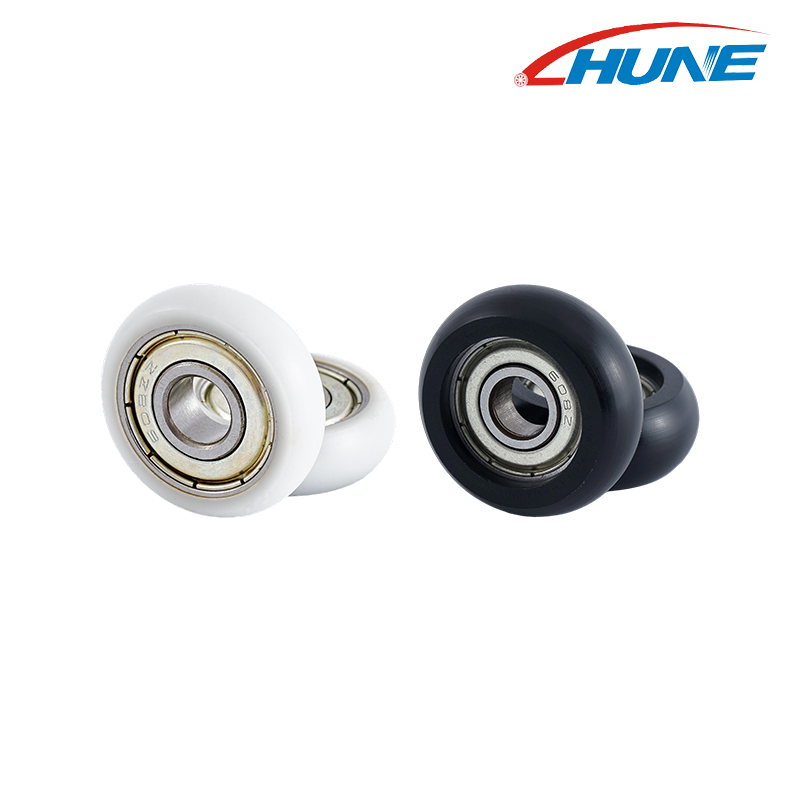
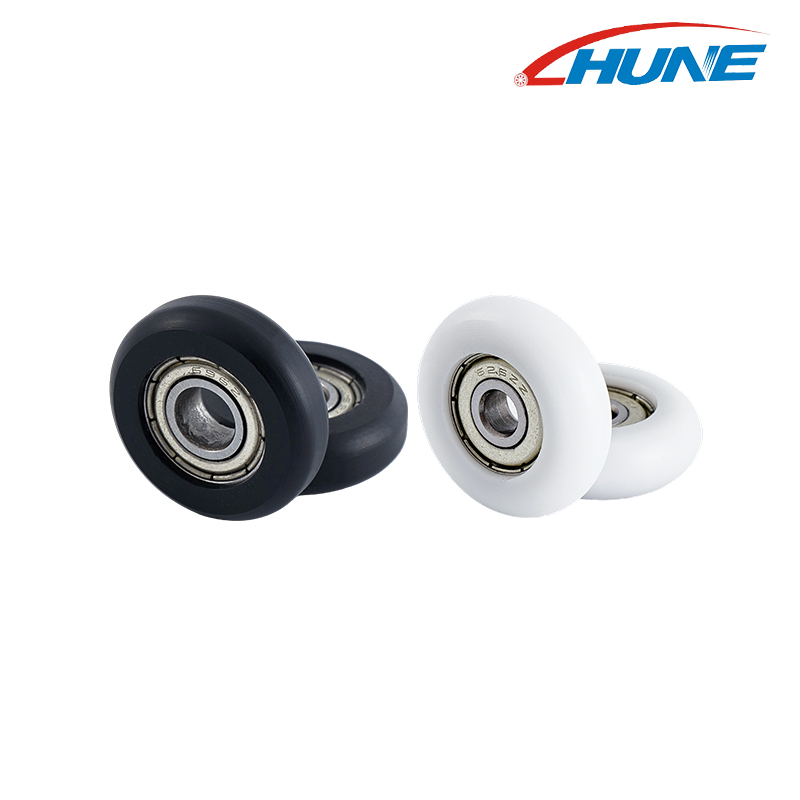
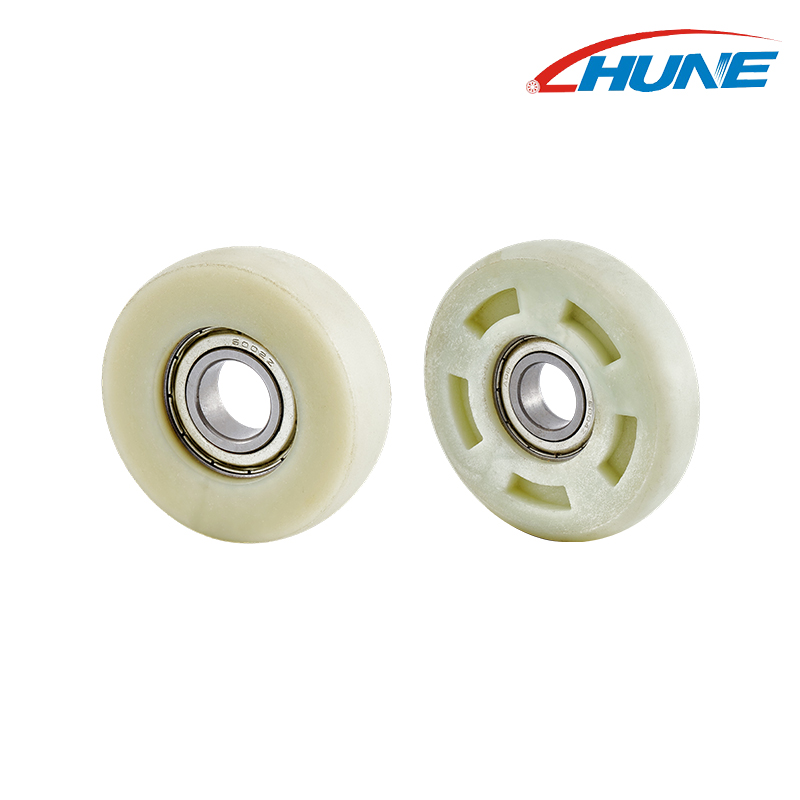
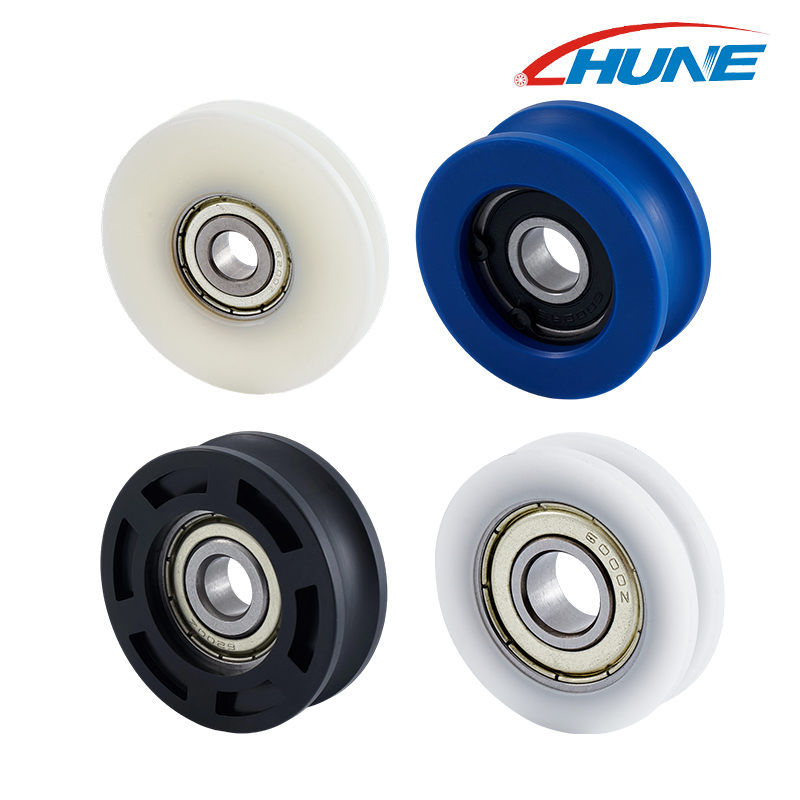
For example, nylon pulley wheels are often chosen when smoother and quieter movement is preferred. Metal types tend to be used when the system needs stronger structural support.
Simple Questions That Help With Selection
- Is the system indoors or outdoors
- Will moisture be present regularly
- Is dust a daily issue
- Does it run continuously or occasionally
- Are vibration levels noticeable in operation
These small checks can prevent mismatches that lead to early wear.
Tip 2: Keep Load Distribution as Even as Possible
Uneven load is one of those issues that does not show up immediately, but it slowly affects performance over time. Even a decent pulley can wear faster if pressure is not balanced.
This usually comes from:
- Slight installation misalignment
- Uneven mounting surfaces
- Frame shifting after long use
- Inconsistent spacing between parts
- Small structural deformation
What Uneven Load Looks Like in Practice
| Symptom | Likely Cause |
|---|---|
| One side wears faster | Uneven pressure |
| Scraping sound on track | Misalignment |
| Movement feels shaky | Load imbalance |
| Wheel looks tilted | Frame shift |
When pressure is more evenly spread, friction becomes more stable, and the system tends to run more smoothly over time.
Tip 3: Bearings Deserve More Attention Than They Usually Get
Bearings are what allow the pulley to rotate smoothly. Even if the outer wheel looks fine, internal bearing issues can quietly affect the whole system.
A lot of real-world problems actually start here.
Why Bearings Matter in Daily Use
Bearings reduce resistance during rotation. When they are not suitable for the environment, you may notice:
- Rotation feels uneven
- Noise starts appearing during movement
- Friction increases gradually
- Heat builds up in use
- Wheel surface wears faster than expected
Matching Bearings With Working Conditions
| Environment Type | What Matters Most |
|---|---|
| Dust-heavy spaces | Sealed protection structure |
| Humid areas | Resistance to corrosion |
| Continuous operation | Stable rotation support |
| Light-duty use | Low resistance movement |
Even small contamination over time can affect how smoothly bearings work, so occasional checks help more than people expect.
Tip 4: Installation Accuracy Sets the Tone for Everything
Installation is one of those steps that quietly decides long-term behavior. If things are slightly off at the beginning, wear patterns often follow that same direction.
Common Setup Issues
- Track not fully straight
- Uneven tightening force on mounts
- Wrong spacing between wheels
- Brackets slightly off position
- Not enough clearance for movement
These issues might not show clearly during initial testing, but repeated use tends to reveal them.
Basic Installation Habits That Help
- Check track alignment before final fixing
- Keep spacing consistent across all wheels
- Avoid tightening too aggressively
- Test movement by hand first
- Watch for resistance points during travel
A bit of care during setup usually saves time later on maintenance.
Tip 5: Keep Tracks and Contact Areas Clean
A pulley system depends heavily on smooth surface contact. When dust, dirt, or residue builds up, resistance slowly increases.
This is especially common in workshops, warehouses, and production areas where particles are always present in the air.
What Dirt Can Lead To Over Time
| Condition | Effect on System |
|---|---|
| Dust buildup | More friction |
| Metal particles | Surface scratches |
| Oil residue | Dirt sticks more easily |
| Moisture mix | Early corrosion risk |
Simple Maintenance Habits
- Wipe visible dust regularly
- Check wheel surface condition
- Look for wear on track edges
- Avoid over-lubrication
- Pay attention to movement smoothness
In some cases, too much lubricant actually attracts more dust, so balance matters.
Tip 6: Don't Delay Replacing Worn Parts
It is common to keep using a pulley until movement becomes noticeably difficult, but waiting too long can sometimes affect other parts of the system.
Once one component weakens, surrounding parts often take on extra stress.
Early Signs to Watch
- Rough or grinding sound
- Uneven rolling feel
- Cracks or deformation on surface
- Slight wobble during movement
- Flat spots forming on wheel
- Resistance increasing suddenly
Replacing small parts earlier often prevents larger repair work later.
Inspection Frequency Idea
| Usage Level | Checking Habit |
|---|---|
| Light use | Occasional visual inspection |
| Moderate use | Regular monthly check |
| Heavy continuous use | Frequent monitoring |
Different environments need different levels of attention.
Tip 7: Work With Suppliers Who Understand Real Applications
Pulley systems are not one-size-fits-all. Different industries have different expectations for movement, load, and environment.
A sliding door pulley is not the same as one used in automated production systems or conveyor lines.
What Experienced Suppliers Usually Think About
- Actual working environment
- Material compatibility with conditions
- Movement frequency and cycle type
- Mounting structure design
- Noise expectations in use
- Long-term wear behavior
Instead of focusing only on product appearance, sharing real usage details often leads to better matching results.
Useful Questions to Ask
- What material fits this environment better
- How should maintenance be done in real use
- What alignment checks are needed over time
- Which bearing type fits the workload
- What wear issues usually appear in similar cases
Manufacturers involved in pulley system development often adjust designs based on real feedback from different industries.
Common Mistakes That Quietly Shorten Lifespan
Even well-designed systems can wear faster if some habits are not adjusted in time.
Frequent Mistakes
| Mistake | Result |
|---|---|
| Ignoring alignment | Uneven wear pattern |
| Skipping cleaning | Higher friction |
| Overloading system | Extra structural stress |
| Wrong material choice | Faster degradation |
| No regular checks | Hidden damage builds up |
Most of these issues develop slowly, which makes them easy to overlook at first.
How Industry Needs Are Shaping Pulley Design
Over time, industrial users have started paying more attention to stable operation, easier maintenance, and smoother movement.
Current Direction in Design Thinking
- Lower operational noise
- More stable rolling behavior
- Reduced maintenance interruptions
- Better fit for automated systems
- Flexible material adaptation
These changes are more about real working needs rather than theoretical performance ideas.
Simple Daily Checklist for Maintenance
Quick Inspection Points
| Area | What to Check |
|---|---|
| Wheel movement | Smooth rotation |
| Track surface | Dirt or deformation |
| Bearing sound | Any unusual noise |
| Mounting points | Loose fittings |
| Surface condition | Wear or cracks |
Price is usually the first thing people look at, but long-term behavior depends on much more.
Installation quality, working environment, maintenance habits, and structural fit all shape how long a pulley system actually lasts.
A lower-cost option might need more frequent attention if it does not match the environment well. A better-matched setup can often run more steadily with fewer interruptions.
Pulley system durability is rarely about one single factor. It is a combination of material choice, installation accuracy, load balance, cleaning habits, and ongoing inspection.
When these details are handled with care, systems tend to run more smoothly and require fewer unexpected interventions.
As industrial environments continue to change, pulley designs are also evolving to match real-world conditions more closely, focusing on practical performance rather than isolated specifications.