

 English
 Español
 日本語
日本語Large wardrobe doors look clean and modern in many homes today. They help save walking space, create a smoother room layout, and match minimalist interior styles that continue growing in popularity. However, behind every quiet sliding movement, there is one small component carrying more responsibility than many people realize. That component is the roller system.
When a closet door becomes wider or heavier, the pressure placed on the lower hardware changes significantly. A roller that works well for a lightweight panel may struggle under larger structures after long-term daily use. This is why many furniture manufacturers, importers, and project contractors spend more time evaluating roller configuration before production begins.
In recent years, buyers have started asking more detailed questions about sliding stability, operational noise, hidden hardware structure, and long-term movement consistency. Homeowners also expect wardrobe systems to feel smoother and quieter than before.
Hune works with sliding hardware used in wardrobes, cabinets, and interior door systems. One noticeable trend across different markets is that large closet doors are becoming more common in apartments, villas, hotels, and custom furniture projects. As the door size changes, roller selection becomes more important for both appearance and user experience.
Large Closet Doors Look Simple Until Daily Use Begins
A wardrobe door may slide smoothly during installation day. After several months of opening and closing, small issues sometimes appear.
The movement becomes uneven. One side feels heavier. The panel creates slight vibration near the track. Some users hear low friction sounds late at night when the room stays quiet.
In many situations, the roller structure sits at the center of these changes.
Large closet doors create continuous pressure because of their wider frame and repeated movement cycles. Every opening action transfers weight through the wheel system. Over time, even small design differences begin affecting operation quality.
Why Bigger Door Panels Create Different Hardware Pressure
A compact wardrobe door usually distributes force differently from a larger panel.
Once the structure becomes wider or taller, the roller must handle:
- Greater movement resistance
- Longer sliding distance
- Increased frame pressure
- Stronger side movement force
- More frequent alignment adjustment
This is why some furniture brands use different roller systems for small wardrobes and large custom closets.
The external appearance may look similar, but the internal structure often changes according to application requirements.
Quiet Sliding Movement Has Become Part Of Modern Home Expectations
People now pay more attention to indoor sound than before.
Minimalist interior styles often reduce decorative distractions, making sliding noise easier to notice. In compact apartments, wardrobes are commonly installed close to sleeping areas. A rough movement sound during late-night use can quickly become annoying.
Because of this, quiet operation is no longer treated as an optional detail.
Many buyers now search for:
- Smooth sliding feeling
- Lower vibration during movement
- Stable operation after repeated use
- Reduced friction sound
- Better track compatibility
The roller system directly influences all these areas.
Why Some Closet Doors Become Noisy Faster Than Others
Noise usually appears gradually instead of suddenly.
At first, the movement feels normal. Later, small vibration begins near the lower track. Dust enters narrow gaps. Internal rotation becomes less stable.
Several factors can increase operational noise:
| Possible Cause | Common Result |
|---|---|
| Uneven installation | Side friction increases |
| Poor alignment | Door movement shakes |
| Weak bearing structure | Rotation becomes rough |
| Dust buildup | Sliding resistance grows |
| Worn wheel surface | Noise appears during movement |
Once vibration develops inside the roller area, the sound often becomes more noticeable over time.
The Roller Material Influences More Than People Expect
Many users focus on the wardrobe surface, frame color, or handle design. Internal hardware receives less attention during early purchasing stages.
However, the wheel material strongly affects long-term movement quality.
Different projects may require different combinations depending on:
- Door weight
- Sliding frequency
- Indoor humidity
- Furniture style
- Installation environment
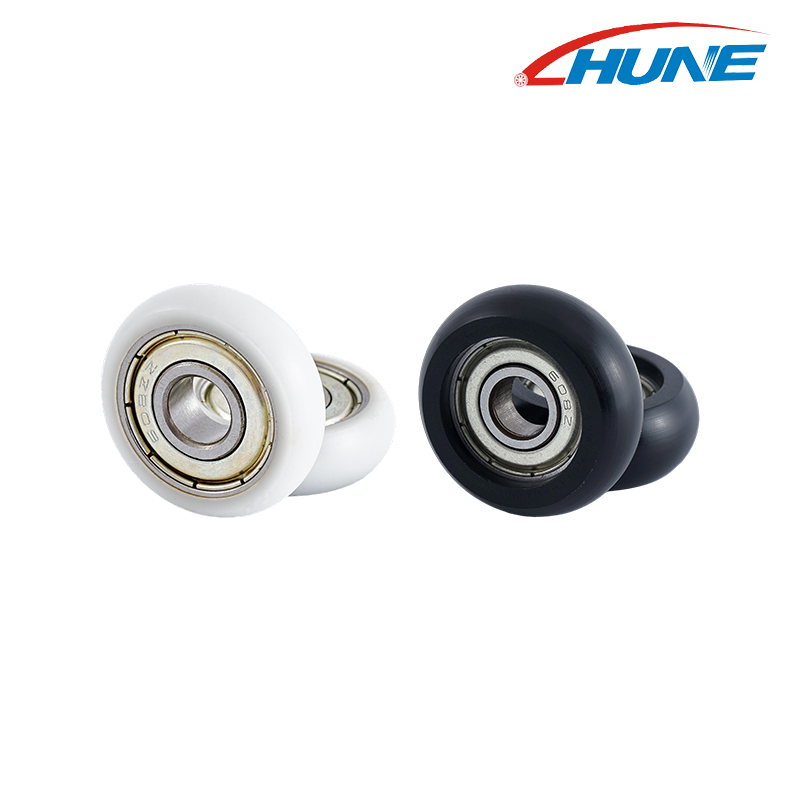
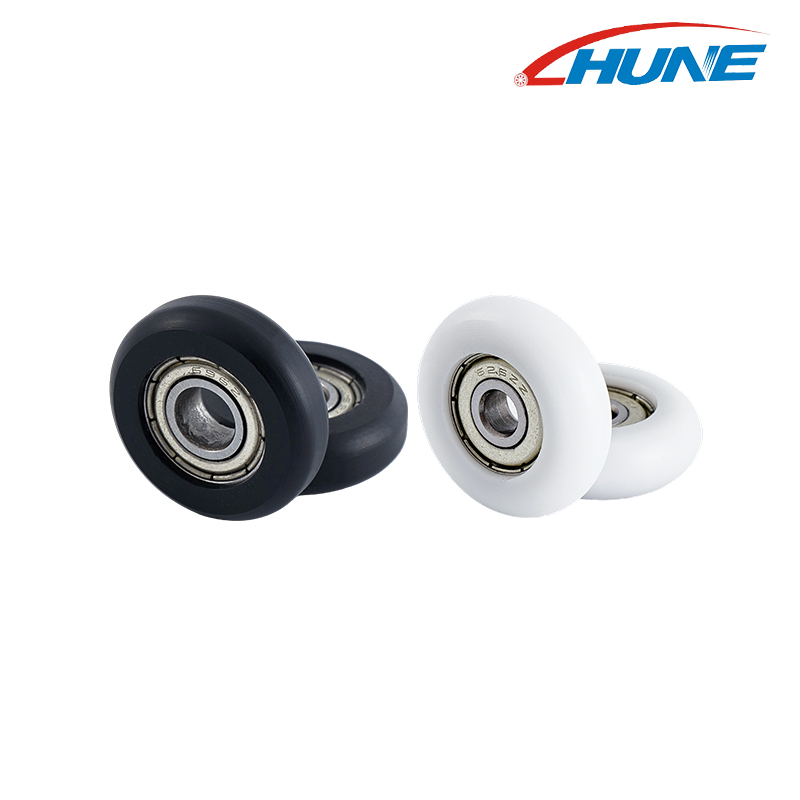
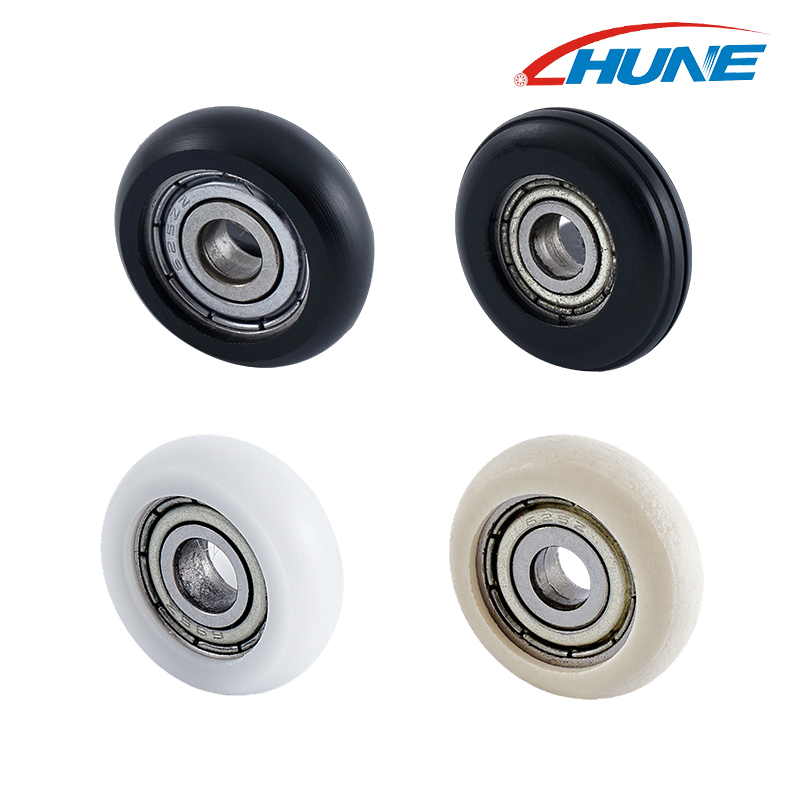
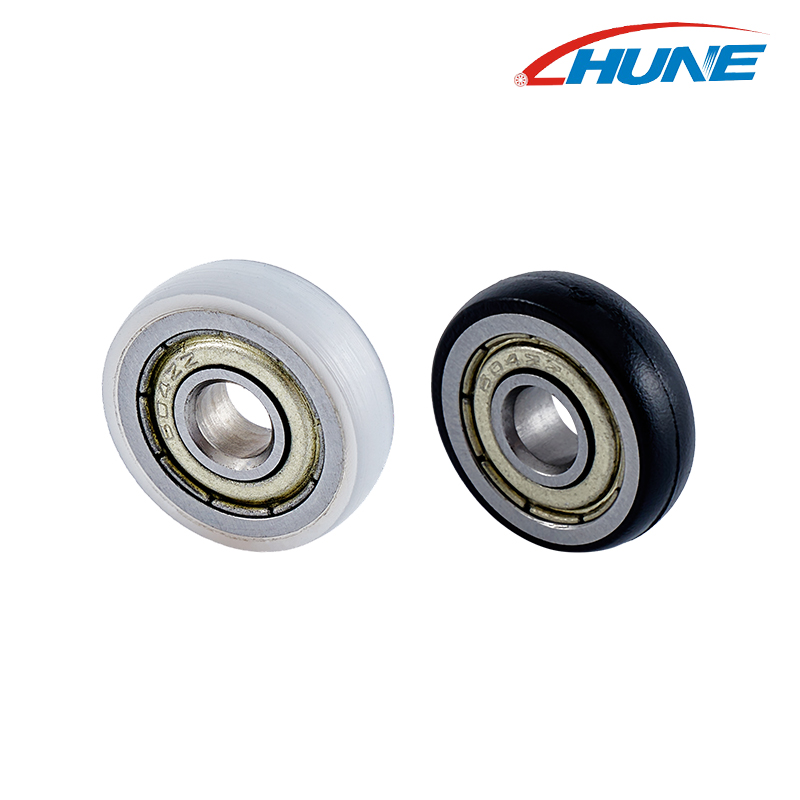
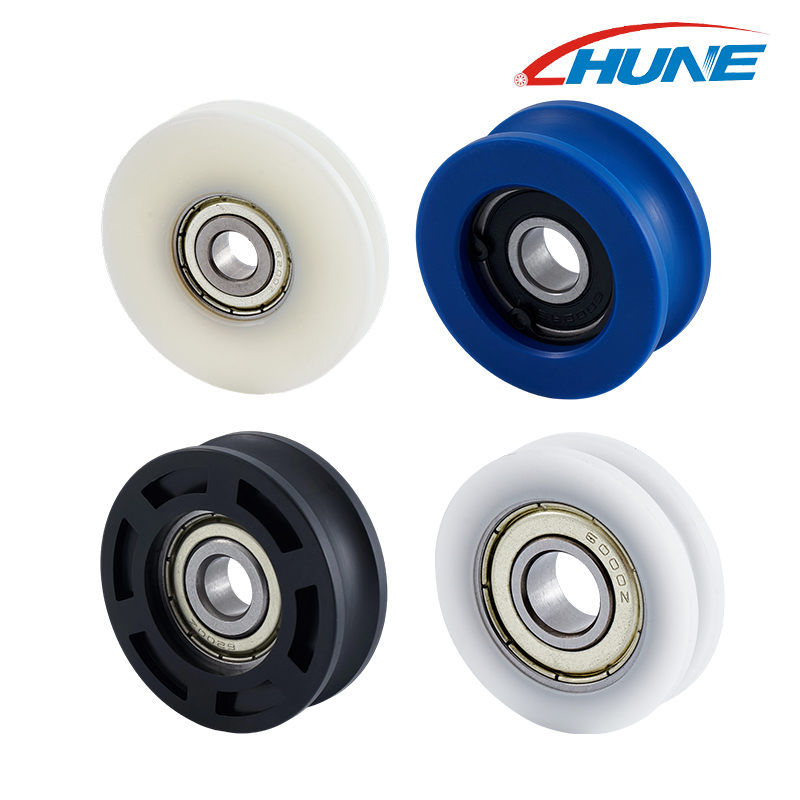
Common roller systems use nylon, plastic compounds, coated metal sections, or mixed structures.
Why Nylon Roller Systems Appear Frequently In Modern Furniture
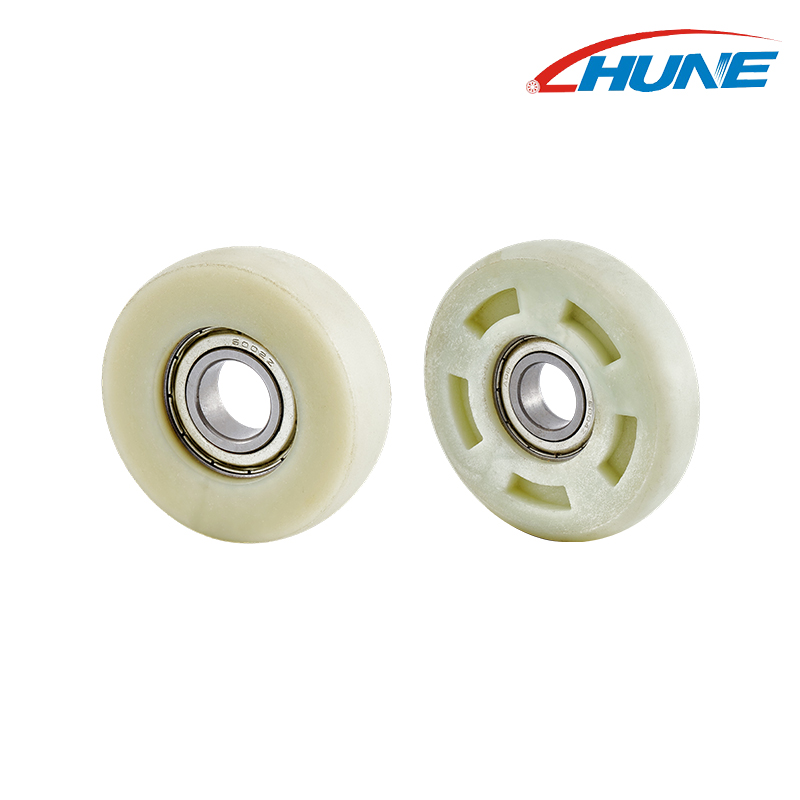
Nylon wheel structures remain common in wardrobe applications because they support relatively stable movement and help reduce direct friction.
In residential furniture projects, buyers often consider nylon because:
- The movement feels smoother
- Operation sound stays lower
- Surface friction becomes lighter
- Daily sliding feels more comfortable
At the same time, surrounding hardware sections still matter. A stable wheel alone cannot fully compensate for weak bearing support or poor track alignment.
Hidden Roller Structure Is Becoming More Popular
Modern furniture design increasingly prefers cleaner visual lines.
Many wardrobe systems now hide the roller inside the frame instead of leaving hardware visible from the outside. This creates a simpler appearance and matches current interior trends.
However, hidden structures also create new sourcing considerations.
What Buyers Usually Ask About Hidden Roller Design
When evaluating concealed systems, buyers often focus on:
- Maintenance accessibility
- Cleaning convenience
- Installation adjustment
- Long-term movement stability
- Track compatibility
Because hidden hardware becomes harder to inspect after installation, structural reliability receives more attention during product selection stages.
Track Compatibility Can Change The Entire Sliding Experience
Even a well-designed roller may perform poorly if the track system does not match properly.
The relationship between wheel shape and track structure influences:
- Sliding direction
- Movement stability
- Pressure distribution
- Noise level
- Long-term wear condition
A mismatch between the roller and rail can create uneven movement very quickly.
Common Track Conditions Seen In Large Wardrobe Systems
| Track Condition | Possible Effect |
|---|---|
| Uneven surface | Door vibration |
| Dust accumulation | Rough sliding |
| Weak alignment | Side movement pressure |
| Narrow channel | Increased friction |
| Loose fixing area | Unstable operation |
For this reason, experienced furniture manufacturers usually evaluate the roller and track together instead of separately.
Why Heavy Closet Doors Need More Stable Bearing Support
The bearing area is one of the most important sections inside a sliding roller system.
When large wardrobe doors move daily, internal rotation experiences repeated pressure cycles. If the bearing structure becomes unstable, movement smoothness changes gradually.
At first, the issue may appear minor. Later, users may notice:
- Uneven pulling force
- Sudden resistance near corners
- Slight shaking during movement
- Louder sliding sound
- Reduced alignment consistency
Professional buyers usually check bearing structure carefully before bulk purchasing.
Details Often Reviewed During Supplier Discussions
Sourcing teams may ask suppliers questions such as:
How stable is the internal rotation
Does the structure support repeated movement
How does the surface react after long-term use
Is the wheel movement balanced
Can the roller fit different track systems
These discussions help reduce mismatch problems during later production stages.
Large Closet Doors In Small Apartments Create Unique Challenges
Urban apartments continue becoming more compact in many cities. At the same time, homeowners still want larger storage systems.
This creates an interesting situation where oversized wardrobe doors operate inside limited spaces.
The result is higher daily usage frequency.
In smaller bedrooms:
- Sliding doors open more often
- Track areas collect dust faster
- Airflow may remain limited
- Furniture sits closer together
- Noise becomes easier to notice
Because of this, many apartment furniture brands now pay closer attention to movement comfort instead of focusing only on visual appearance.
Why Soft Closing Systems Receive More Attention Today
Soft closing mechanisms have become increasingly common in wardrobe systems.
Users prefer doors that slow down gently instead of creating sudden impact at the end of movement.
This trend influences roller selection because the wheel system must cooperate smoothly with the closing structure.
What Can Affect Soft Closing Performance
Several details influence the final result:
| Factor | Influence On Movement |
|---|---|
| Roller stability | Movement consistency |
| Track alignment | Closing smoothness |
| Door weight balance | Pressure distribution |
| Bearing condition | Friction control |
| Installation accuracy | Operational stability |
If one section performs poorly, the entire movement experience changes.
Daily Cleaning Habits Also Affect Sliding Door Performance
Wardrobe systems operate inside bedrooms, dressing rooms, and apartments where dust buildup happens naturally.
Many users clean visible door surfaces but forget the lower track section completely.
Over time, dust particles collect around the wheel path and begin affecting movement.
Common Cleaning Mistakes Seen In Sliding Closet Systems
Some maintenance habits may create additional problems:
- Using excessive water near tracks
- Ignoring debris buildup for long periods
- Applying unsuitable cleaning chemicals
- Forcing movement when resistance appears
Even small particles inside the rail can increase friction during repeated sliding cycles.
Simple Maintenance Habits That Help Daily Operation
Many installers suggest simple routines such as:
- Wiping tracks regularly
- Removing dust from corners
- Checking unusual noise early
- Keeping the rail area dry
- Avoiding impact during opening and closing
These small habits may help preserve smoother movement over time.
Why Furniture Brands Focus More On Long-Term User Experience
Several years ago, many buyers concentrated mainly on appearance and pricing.
Today, online reviews and customer feedback influence furniture reputation much faster. If a sliding door becomes noisy or unstable shortly after installation, end users often share their experiences publicly.
Because of this, furniture brands now evaluate hardware quality more carefully.
Areas Receiving More Attention In Current Projects
Modern sourcing discussions often include:
- Noise reduction
- Sliding comfort
- Stability after repeated use
- Compatibility with hidden design
- Maintenance convenience
This shift encourages suppliers to improve communication about practical application conditions instead of discussing only appearance.
Different Markets Often Prefer Different Roller Styles
Regional preferences continue changing across global furniture projects.
Some markets focus heavily on minimalist hidden systems. Others prioritize easier maintenance or simpler installation structures.
Climate conditions also influence purchasing decisions.
Regional Factors That Affect Hardware Selection
| Market Condition | Common Buyer Concern |
|---|---|
| Humid region | Surface durability |
| Compact apartment market | Quiet movement |
| Luxury wardrobe project | Hidden structure |
| Rental apartment | Easy maintenance |
| Hotel furniture project | Stable repeated operation |
Why Installation Accuracy Matters More With Larger Panels
Even a suitable roller can create problems if installation alignment is incorrect.
Large closet doors place more pressure on the track system compared with smaller panels. Small errors become easier to notice during movement.
Installation Problems Often Seen In Sliding Wardrobes
| Installation Issue | Possible Result |
|---|---|
| Uneven rail position | Door shaking |
| Incorrect spacing | Friction increases |
| Loose fixing point | Unstable movement |
| Poor vertical alignment | Wheel wear grows faster |
Experienced installers usually check movement balance carefully before final adjustment.
Online Furniture Trends Are Changing Buyer Expectations
Social media and interior design platforms influence furniture preferences globally.
Consumers now search for wardrobes that combine:
- Clean appearance
- Smooth movement
- Quiet operation
- Large storage space
- Minimal visible hardware
This increases attention on roller systems because the movement experience becomes part of the product image itself.
Why Sliding Comfort Matters In Product Reviews
When users review wardrobe products online, they often mention:
- How the door feels during movement
- Whether operation stays quiet
- If the frame shakes during use
- How stable the track feels
- Whether cleaning is convenient
These details affect purchasing decisions for future customers.
Suppliers Now Discuss Real Usage Conditions More Frequently
The hardware industry is becoming more practical in its communication style.
Instead of focusing only on visual design, suppliers now spend more time discussing:
- Daily usage frequency
- Indoor environmental conditions
- Door structure compatibility
- Long-term movement expectations
- Maintenance convenience
This helps buyers select roller systems more suitable for specific projects.
Questions Importers Commonly Ask Before Cooperation
Professional buyers often review several areas before placing large orders:
- Production consistency
- Material sourcing approach
- Packaging stability
- Sampling support
- Manufacturing capability
- Communication efficiency
- Project experience
A roller may appear simple externally, but internal structural differences can affect performance significantly.
Future Trends In Wardrobe Sliding Door Hardware
The wardrobe hardware market continues evolving alongside modern interior trends.
Future product discussions are likely to focus more on:
- Hidden structures
- Reduced operational noise
- Easier maintenance access
- Flexible installation systems
- Improved movement stability
As furniture styles become cleaner and apartment layouts become more compact, users expect hardware to feel smoother and quieter during everyday use.
Choosing a Wardrobe Sliding Door Roller for a large closet door involves more than matching wheel size or appearance. Door weight, movement frequency, track compatibility, installation accuracy, and indoor environment all influence long-term performance.
Large wardrobe systems create different pressure conditions compared with smaller furniture structures. Because of this, buyers increasingly evaluate sliding comfort, operational stability, and maintenance convenience during sourcing stages.
For manufacturers, furniture brands, and importers, understanding how rollers behave in real residential environments helps support more suitable hardware selection for modern wardrobe projects.