

 English
 Español
 日本語
日本語At first glance, the question seems simple.A roller is a roller, and if it can carry the weight of a sliding door, many buyers assume it should perform more or less the same wherever it is installed. In real-world use, that is rarely the case. The difference between indoor and outdoor performance becomes obvious once the hardware is exposed to daily wear, changing temperatures, moisture, dust, salt air, and the mechanical stress of heavier door panels.
That matters more in 2026 because sliding door systems are being specified in a wider range of settings than before. Interior cavity doors remain popular in homes, apartments, offices, and hospitality projects, but buyers are also looking more closely at hardware performance in semi-exposed spaces, sheltered exterior openings, and projects where the boundary between indoor and outdoor living is less rigid. As architecture continues to favor larger openings, cleaner transitions, and more concealed hardware, roller performance is receiving the kind of attention it used to avoid.
The key point is this: indoor and outdoor sliding door rollers do not operate under the same conditions, so they should not be judged by the same standards alone. A roller that performs smoothly inside a dry residential wall cavity may struggle in an outdoor environment where corrosion, debris, and weather exposure are constant factors. On the other hand, an outdoor-capable system may be engineered to handle much tougher conditions, but that does not automatically mean it is the best or most cost-effective solution for every interior application.
To understand which performs better, it helps to compare not just where the roller is used, but what it is expected to endure over time.
Understanding the Difference Between Indoor and Outdoor Conditions
The most important distinction is environmental pressure. Indoor cavity sliding door systems usually work in more controlled conditions. Outdoor and semi-exposed systems do not.
Indoor environments are generally more stable
Most interior cavity sliding doors operate in spaces where temperature, humidity, and cleanliness remain relatively predictable. Even in busy homes or commercial interiors, the hardware is often protected from direct exposure to rain, wind, and airborne contaminants.
That gives indoor roller systems several natural advantages:
- less corrosion risk
- lower exposure to moisture
- fewer debris-related interruptions
- more consistent movement over time
- reduced demand on protective finishes
This is one reason indoor cavity sliding doors often feel smoother and quieter for longer, especially when the hardware is properly matched to the door weight and usage level.
Outdoor conditions are much harder on moving hardware
Once a sliding door system is exposed to external conditions, even partially, the roller assembly faces a much tougher job. Moisture, temperature fluctuation, dust, UV exposure, and airborne salts can all affect how the system performs.
Outdoor or semi-exposed conditions may involve:
- rain or condensation
- humidity swings
- coastal salt air
- dirt and windblown particles
- stronger temperature variation
- heavier door panels with insulated glass or more robust framing
Under these conditions, even a strong roller can wear quickly if its materials, bearings, and protective treatment are not designed for that level of exposure.
Which One Performs Better in Daily Use?
The answer depends on what "better" means in the context of the project. If the goal is smoother movement with lower environmental stress, indoor systems often perform better simply because they work in easier conditions. If the question is which roller is built to withstand more demanding use, well-designed outdoor systems can offer stronger resistance, but only when they are engineered correctly.
Indoor rollers usually deliver smoother long-term motion
In standard residential or commercial interiors, cavity sliding door rollers tend to maintain quiet and consistent travel more easily. They are less likely to suffer from:
- corrosion inside bearings
- contamination from heavy debris
- moisture-related roughness
- rapid finish degradation
This does not mean every indoor roller is high quality. It simply means the operating environment is less punishing, which gives a properly made product a better chance of maintaining performance over time.
Outdoor rollers must trade simplicity for resilience
Outdoor-capable roller systems are often designed with durability in mind first. That may involve stronger materials, corrosion-resistant finishes, sealed bearings, and more robust structural components. In harsh weather, those features are essential.
However, outdoor performance is harder to maintain because the conditions remain unpredictable. Even a high-grade system may need more frequent inspection and maintenance than an indoor one. In other words, outdoor rollers are often built tougher, but they also face more reasons to deteriorate.
Why Material Choice Matters More Than Location Alone
A common mistake in buying decisions is focusing only on whether the installation is indoor or outdoor. In practice, material selection often matters just as much as the location.
Bearings make a major difference
A roller bearing has a direct effect on smoothness, noise, and load handling. In outdoor or semi-exposed applications, bearing protection becomes even more important because moisture and airborne contamination can shorten service life quickly.
Poor bearing quality often leads to:
- grinding sounds
- uneven rolling
- reduced load stability
- early failure under repeated use
Wheel material affects wear and noise
Different wheel materials perform differently depending on the environment and load requirement. For example:
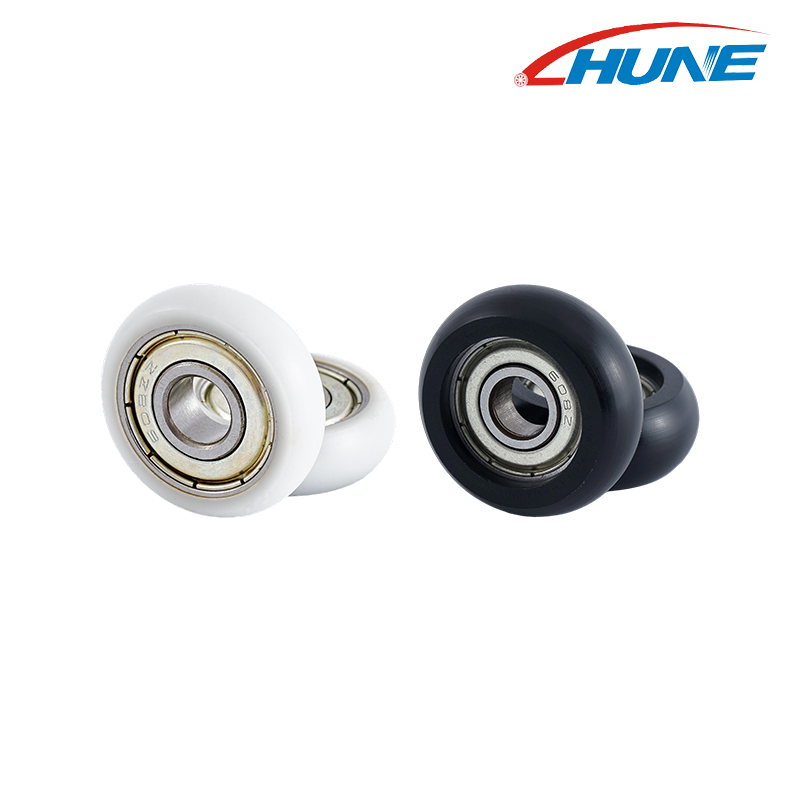
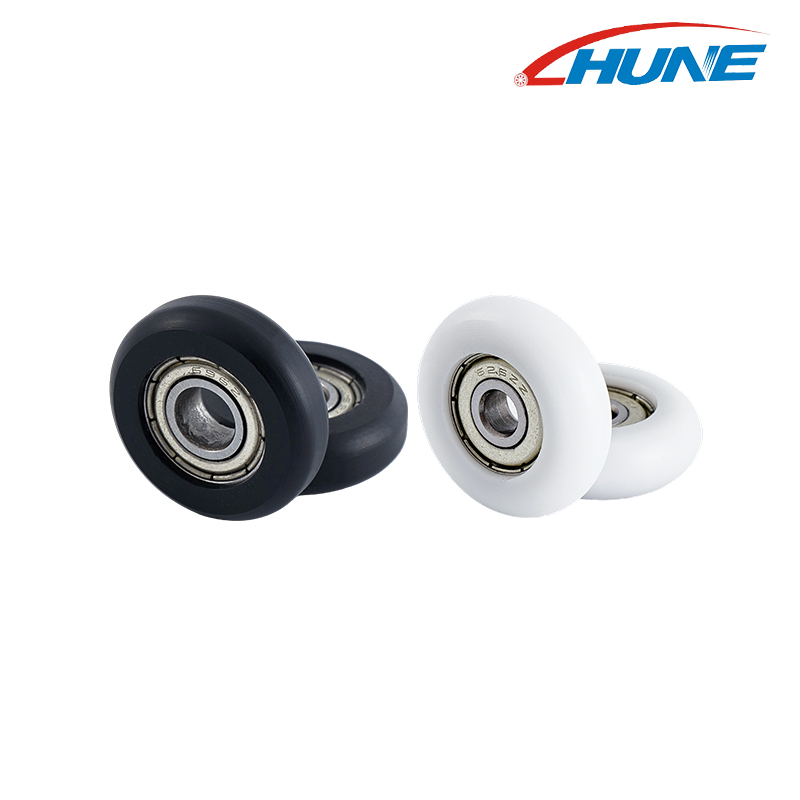
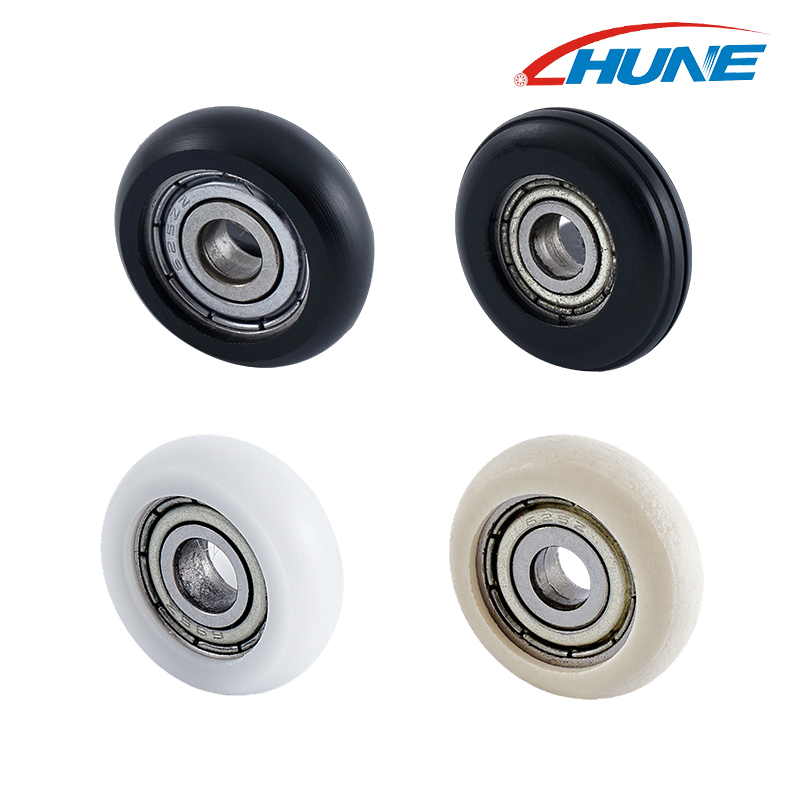
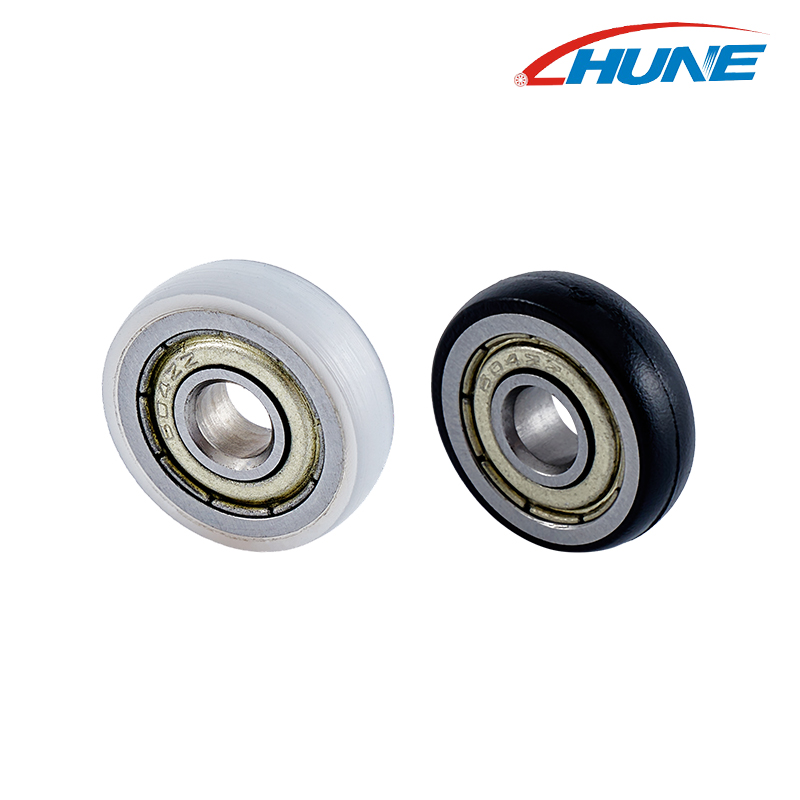
- engineered nylon can support quiet movement and good wear resistance in many interior applications
- reinforced or specialized materials may be better suited to heavier-duty or more demanding conditions
- low-grade wheels may deform, crack, or wear unevenly under stress
A roller's real performance depends on how well the wheel material matches both the track system and the environment.
Surface protection is critical outdoors
Corrosion resistance is one of the biggest dividing lines between indoor and outdoor suitability. Protective coatings, stainless-compatible components, and anti-rust treatment are much more important once the roller is exposed to moisture, salt, or fluctuating weather conditions.
Indoor Applications: Where Roller Performance Is Usually Strongest
For most cavity sliding door systems, indoor use remains the setting where rollers are likely to perform best overall. That is especially true when the installation is well planned and the hardware is correctly selected.
Typical strengths of indoor cavity sliding door rollers
Indoor applications generally offer:
- quieter operation
- less exposure-related wear
- longer bearing life
- lower maintenance frequency
- more predictable day-to-day performance
This is why interior projects such as apartments, offices, hotels, and private homes often achieve excellent long-term results with properly specified cavity sliding hardware.
Common indoor use cases in 2026
Demand remains especially strong in:
- compact urban apartments
- premium home renovations
- hospitality guest rooms
- flexible office spaces
- ensuite and wardrobe access doors
In these spaces, buyers are usually looking for low noise, smooth travel, and a refined user experience rather than extreme weather resistance.
Outdoor and Semi-Exposed Applications: Where the Risks Increase
Strictly speaking, many traditional cavity sliding door systems are intended for interior use. But in 2026, projects increasingly blur the line between indoor and outdoor zones. Covered patios, sheltered entries, transition spaces, and climate-variable buildings all create more demanding operating conditions.
Challenges outdoor-facing systems must overcome
Compared with interior installations, outdoor or semi-exposed systems are more vulnerable to:
- rust and corrosion
- debris accumulation in the track
- moisture intrusion
- heavier operational stress
- shorter maintenance intervals
This means a standard indoor roller is rarely the right choice for exposed or near-exposed use, even if the door seems sheltered most of the time.
Better outdoor performance requires a different standard
A roller intended for tougher environments should usually offer:
- stronger corrosion protection
- higher-quality bearings
- durable wheel materials
- stable load support
- better resistance to contamination
Without those features, outdoor performance tends to decline faster, especially in coastal or humid climates.
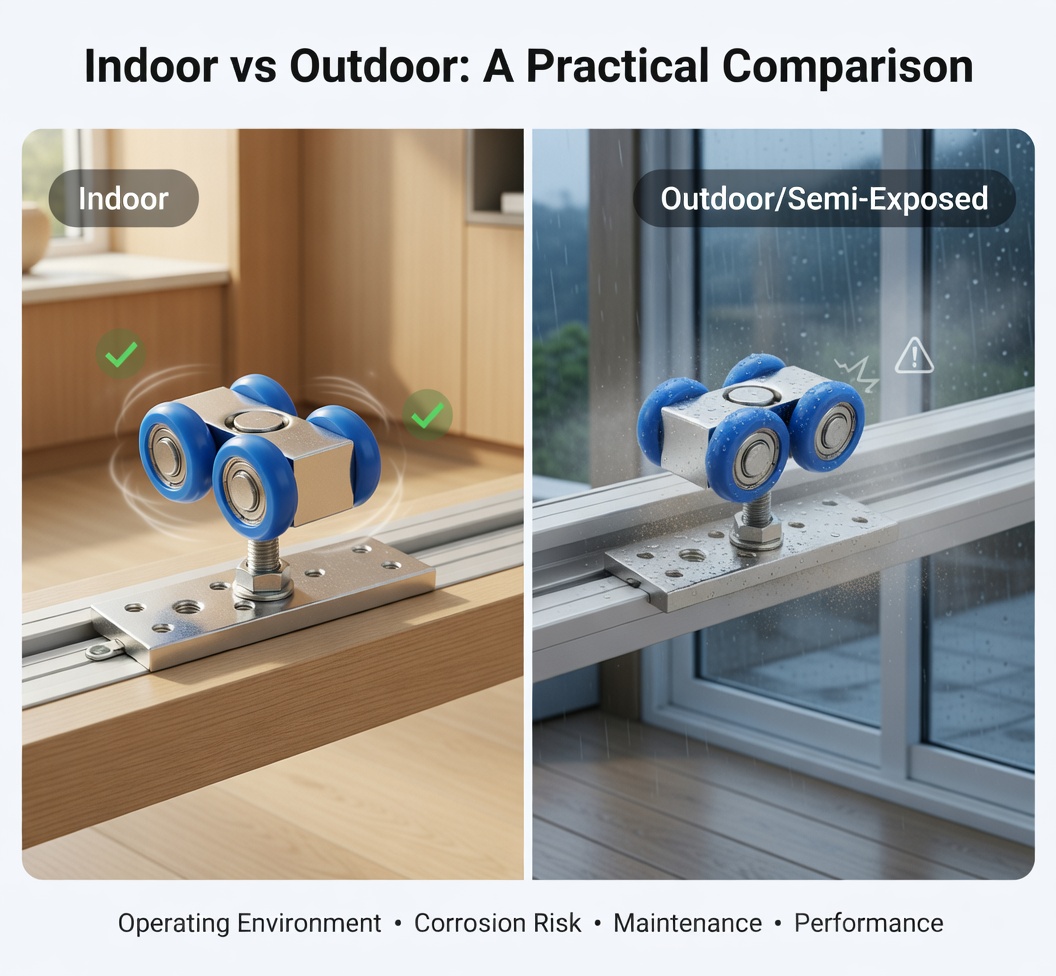
Indoor vs Outdoor: A Practical Comparison
| Factor | Indoor Cavity Sliding Door Rollers | Outdoor / Semi-Exposed Rollers |
|---|---|---|
| Operating environment | More stable and controlled | More variable and demanding |
| Corrosion risk | Usually low | Higher, especially near moisture or salt air |
| Debris exposure | Limited | Frequent in many locations |
| Maintenance need | Lower in most cases | Typically higher |
| Smoothness over time | Easier to maintain | Depends heavily on material quality |
| Hardware stress | More predictable | Often increased by environment and door weight |
The broad pattern is clear. Indoor rollers usually perform better in terms of smoothness and maintenance ease, while outdoor-capable rollers need stronger engineering simply to remain reliable under tougher conditions.
So Which Performs Better?
If the same level of product quality is assumed, indoor cavity sliding door rollers usually perform better over time because the environment is less aggressive. They stay cleaner, are less likely to corrode, and generally require less maintenance to remain smooth and quiet.
But that is only half of the picture. If the application involves exposure, fluctuating humidity, heavier panels, or harsher site conditions, then an outdoor-capable or heavy-duty roller system performs better for that specific job, even if it still faces more wear than an indoor system would.
So the better question is not simply indoor or outdoor. It is whether the roller has been designed for the environment in which it will actually be used.
What Buyers Should Prioritize in 2026
For distributors, project specifiers, and hardware buyers, the practical decision comes down to matching the roller to real installation conditions.
Important factors to review include:
- true load capacity
- bearing quality
- wheel material
- corrosion resistance
- track compatibility
- frequency of use
- exposure level of the installation site
The buyers making better decisions in 2026 are the ones moving beyond generic product labels. They are asking how the roller will perform after six months, one year, or several years of actual service.
When comparing indoor and outdoor cavity sliding door roller performance, indoor systems usually come out ahead in smoothness, consistency, and ease of maintenance. They operate in a friendlier environment, and that naturally supports longer-lasting performance. Outdoor and semi-exposed systems can still perform well, but only when the roller is built with the right materials, bearing protection, and resistance to environmental stress.
That is why choosing the right supplier matters just as much as choosing the right product. For importers, brands, and project buyers looking for a dependable China sliding door roller supplier, HUNE provides sliding door roller solutions designed around real application needs, including durability, stable operation, and quality consistency across different usage environments. When the hardware is properly engineered from the start, the door system has a much better chance of performing the way customers expect.