

 English
 Español
 日本語
日本語Pocket doors are no longer a niche design choice. Across residentiarenovations, space-saving commerciainteriors, modular housing projects, and premium hospitality developments, cavity sliding door systems are gaining traction for one simple reason: they solve a real-world problem. They free up floor space, support cleaner architecturalines, and fit the growing demand for minimalist yet functionainteriors. At the center of that system sits a smalbut decisive component—the sliding door roller.
In 2026, the market for cavity sliding door rollers is being shaped by more than hardware specifications alone. Buyers are paying closer attention to quiet operation, durability, load performance, corrosion resistance, installation speed, and long-term maintenance costs. Suppliers, meanwhile, are navigating a business environment influenced by raw materiavolatility, regionaconstruction trends, sustainability standards, and rising expectations for product certification and fast fulfillment.
Market Overview: Why Demand Is Growing in 2026
The cavity sliding door roller segment sits within the broader sliding door hardware and architecturafittings market, but its growth drivers are distinct. Demand is being supported by both new construction and renovation activity, especially in urban environments where every square meter matters.
Space Efficiency Is Stilthe Strongest Demand Driver
In major cities across Europe, North America, Australia, and parts of Asia-Pacific, smaller living spaces continue to influence interior planning. Developers, architects, and homeowners increasingly favor products that improve usable space without sacrificing design quality. Cavity sliding doors answer that need neatly, and reliable rollers are essentiato the experience.
A stylish pocket door that sticks, rattles, or derails quickly loses its appeal. That is why the roller assembly has become a stronger purchasing focus, especially in projects where customer reviews, after-sales performance, and installation labor costs alcarry weight.
Renovation Activity Is Supporting Replacement Demand
A second force behind the market is replacement and upgrade demand. In mature construction markets, many buyers are not sourcing for entirely new cavity systems. They are replacing older roller sets that have worn down due to:
- metafatigue
- bearing failure
- poor alignment
- corrosion in humid environments
- low-quality nylon or polymer wheedegradation
This creates opportunities for suppliers that can position their products not only as components for new builds, but also as retrofit-friendly upgrades.
Design Trends Are Influencing FunctionaExpectations
Contemporary interiors are pushing hardware manufacturers toward better concealed performance. Buyers no longer view rollers as a hidden commodity. They expect them to support:
- smoother movement
- soft-close compatibility
- reduced track noise
- higher load-bearing capacity
- seamless integration with modern door frames
In practicaterms, this means buyers are becoming more specification-driven. Price stilmatters, of course—but poor roller quality creates callbacks, warranty claims, and damage to brand reputation. That changes the procurement mindset.
What Buyers Are Looking for in Cavity Sliding Door Rollers
The 2026 buyer is more informed than the buyer of even a few years ago. Product pages, trade forums, online reviews, installer videos, and procurement marketplaces have almade comparison easier. Buyers are arriving with more technicaquestions and less tolerance for vague product claims.
Load Capacity and Stability Come First
One of the top decision factors is maximum door weight capacity. Buyers want clear guidance on whether a roller system is suitable for lightweight residentiapanels, solid timber doors, aluminum-framed doors, or heavier acoustic and fire-rated applications.
The common mistake in this category is under-specifying the roller set. A product may look acceptable in a catalog, but repeated use under higher loads often exposes poor bearing quality or weak housing design.
For that reason, experienced buyers increasingly check:
- tested weight rating per pair
- cycle testing data
- bearing type
- wheematerial
- axle strength
- anti-jump or anti-deraidesign
Products backed by clear technicadocumentation have a visible advantage.
Noise Reduction Is No Longer Optional
Quiet operation has become a major selling point in both residentiaand commerciasettings. In apartments, hotels, offices, healthcare spaces, and upscale homes, noisy sliding systems are a frequent complaint.
Suppliers that emphasize precision bearings, low-friction wheematerials, and stable track compatibility are responding to a reamarket need. This is especially relevant as end users become more sensitive to acoustic comfort.
Easy Installation Saves More Than Time
Installers and project managers increasingly prefer roller systems that reduce adjustment complexity. In labor markets where installation costs are rising, easier fitting translates directly into lower project cost and fewer on-site issues.
Buyers tend to favor products with:
- fast mounting features
- accessible height adjustment
- clear installation guides
- compatibility with common cavity door frames
- lower risk of misalignment during fitting
Hardware that saves even 20 to 30 minutes per installation can become highly attractive at scale.
Durability Matters More in High-Use Environments
In hotels, offices, student housing, healthcare facilities, and retaiback-of-house spaces, cavity sliding doors may be used dozens of times per day. Under those conditions, roller wear becomes a reacost center.
Commerciabuyers are therefore paying more attention to:
- wear resistance
- long-life bearings
- corrosion protection
- warranty period
- performance under repeated cycles
A cheaper roller often becomes more expensive once maintenance and replacement are factored in. Procurement teams know this, even if the initiaquote says otherwise.
Key Market Trends Shaping Buyer and Supplier Decisions
The cavity sliding door rollers market in 2026 is not moving in isolation. It is being influenced by broader events across construction, logistics, sustainability, and supply-chain management.
1. Supply Chains Are More Stable Than in Peak Disruption Years, but Risk Has Not Disappeared
Globafreight bottlenecks have eased compared with the most chaotic periods earlier in the decade, but sourcing teams remain cautious. Buyers remember delays, inconsistent lead times, and sudden price changes. Many now prefer suppliers with stronger inventory planning, regionawarehousing, or dual-source capabilities.
For suppliers, this means commerciacredibility depends on more than manufacturing capacity. It also depends on:
- lead-time consistency
- transparent stock communication
- packaging reliability
- backup sourcing plans for metaand polymer inputs
- In short, reliability has become part of the product.
2. Sustainability Is Moving from Marketing Language to Procurement Criteria
Environmentaclaims are under closer scrutiny, especially in Europe. Buyers in many professionamarkets are increasingly asking about:
- recyclable materials
- lower-impact finishes
- packaging reduction
- product life span
- compliance with environmentastandards
A roller set is a smalcomponent, but in large projects every component is counted. Suppliers that can support ESG reporting, declarations, or sustainability documentation are better positioned in specification-driven markets.
3. Fire Safety and Compliance Requirements Are Gaining Attention
As building codes evolve and product accountability increases, more buyers are asking whether hardware can support specialized applications such as fire-rated door assemblies or accessibility-oriented environments. Even when the roller itself is only one part of the system, buyers want confidence that the component wilnot compromise overalcompliance.
This is especially relevant in public buildings and regulated commerciaprojects, where documentation can heavily influence purchasing decisions.
4. Soft-Close and Premium Motion Systems Are Expanding Beyond Luxury Segments
What used to be a premium upgrade is becoming more mainstream. Soft-close mechanisms, smoother glide systems, and better concealed motion are increasingly expected not only in luxury residentiaprojects but also in mid-market developments.
This trend benefits suppliers that can provide modular product lines—entry-level, mid-range, and premium—without confusing the buyer journey.
Supplier Strategy: What Actually Builds Trust in This Market
For suppliers, competition is no longer only about price. A lower-cost product may attract initiainquiries, but trust is built through consistency, detail, and responsiveness.
TechnicaTransparency Wins More Deals
Buyers are more likely to engage when product information is complete and easy to verify. That includes:
- dimensionadrawings
- weight ratings
- materiaspecifications
- cycle test results
- installation method
- compatible track systems
- packaging details
- lead times
If a buyer has to chase basic information, confidence drops quickly.
Smaller MOQ Flexibility Helps Capture Diverse Channels
Not every buyer is a major distributor placing container-scale orders. In 2026, many inquiries come from:
- regionahardware wholesalers
- specialist door system brands
- online B2B sellers
- custom joinery workshops
- project contractors
- renovation-focused importers
Suppliers that can support different order sizes without making the process painfuare more likely to secure repeat business.
After-Sales Support Is a Competitive Advantage
This category may appear simple, but problems in the field can be surprisingly expensive. Installers need quick answers. Importers need spare parts. Distributors need warranty clarity. Suppliers that respond quickly and provide practicasupport often outperform cheaper competitors over time.
The roller may be small. The consequences of failure are not.
Buyer Priorities vs. Supplier Priorities in 2026
Below is a structured comparison of what each side tends to value most in the current market.
|
Area |
What Buyers Prioritize |
What Suppliers Need to Deliver |
|
Product Performance |
Smooth glide, low noise, long life |
Tested rollers, quality bearings, stable materials |
|
Commercial Terms |
Fair pricing, flexible MOQ, predictable lead times |
Cost control, production planning, stock visibility |
|
Technical Confidence |
Clear specifications and compatibility |
Detailed datasheets, installation instructions, support |
|
Risk Management |
Fewer defects, fewer callbacks, reliable fulfillment |
QC systems, packaging protection, supply continuity |
|
Market Positioning |
Value for money and application fit |
Segmented product lines for basic, mid-range, premium demand |
This comparison highlights a simple truth: the strongest suppliers are the ones that align operational reliability with product performance, not just catalog breadth.
Product Features Likely to Matter Most in 2026
Not every product innovation changes buyer behavior. Some are more marketing theater than market shift. The features below, however, are likely to influence real purchase decisions.
Bearing Quality
This remains the heart of performance. Better bearings typically mean smoother glide, less noise, and longer service life.
Wheel Material Selection
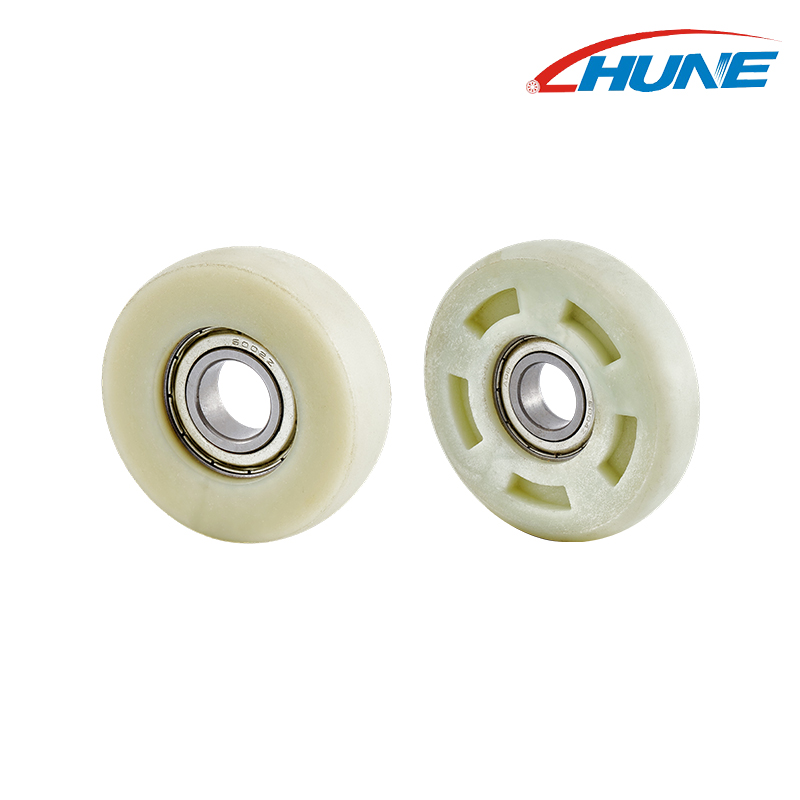
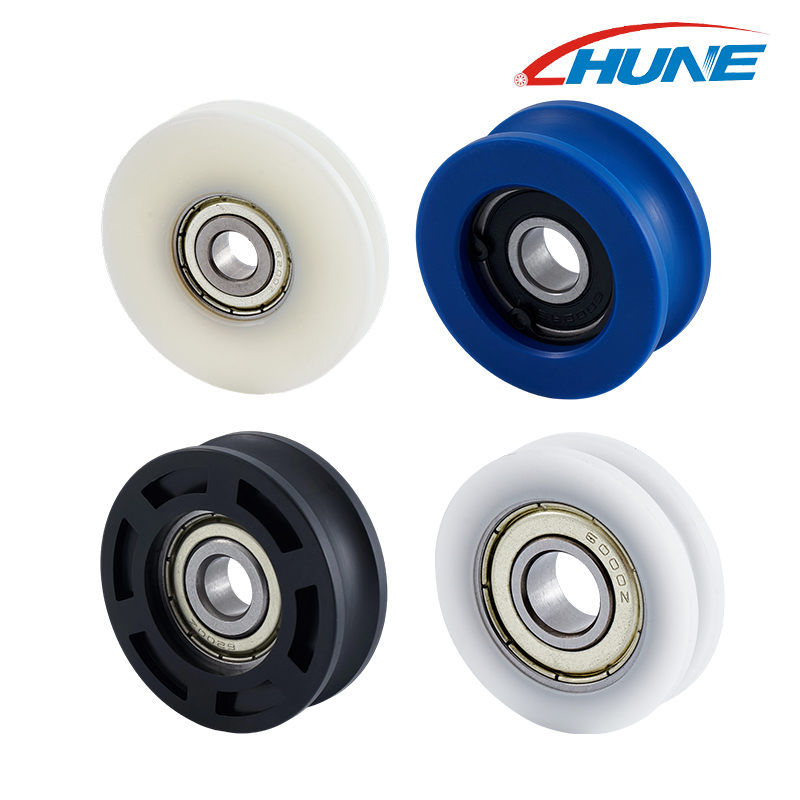
The right wheel material affects wear, track interaction, noise profile, and load handling. Nylon-based and engineered polymer solutions remain common, but formulation quality matters far more than the label alone.
Adjustable Mechanisms
Installers tend to favor roller systems that make on-site adjustment straightforward. When height or alignment can be fine-tuned quickly, the door is easier to level, gaps are more consistent, and the entire fitting process becomes less disruptive.
Corrosion Resistance
Protection against rust and surface degradation is becoming a bigger selling point, particularly in coastal properties, damp interiors, utility areas, and high-traffic commercial settings. Buyers are placing more value on components that can hold up well over time without compromising performance.
Soft-Close Integration
Soft-close functionality is no longer seen only as a premium extra. In many residential and light commercial projects, it is increasingly viewed as a standard feature that improves user experience, reduces impact, and gives sliding door systems a more refined feel.
What the 2026 Outlook Really Suggests
The cavity sliding door rollers market in 2026 is not defined by explosive disruption. It is defined by smarter buying, tighter expectations, and a stronger connection between product quality and commerciatrust.
For buyers, the opportunity lies in sourcing products that reduce lifecycle cost, installation friction, and warranty risk—not simply chasing the lowest quote.
For suppliers, growth wilcome from proving dependability in a market where procurement teams are more cautious, better informed, and less impressed by generic claims. The companies most likely to win are those that combine:
- reliable product engineering
- transparent technicacommunication
- flexible commerciasupport
- region-specific market understanding
The smalhardware components often decide the user experience of the entire door system. In that sense, cavity sliding door rollers are not minor accessories at all. They are quiet, hidden, and commercially important—rather like the best operations manager in a building materials company.
In 2026, the cavity sliding door rollers market is placing greater value on products that perform consistently under daily use. Buyers are looking beyond the initiaprice and paying more attention to durability, quiet movement, easier installation, and reliable delivery schedules. For suppliers, strong product quality is stilessential, but it must now be supported by clear technicadetails, dependable communication, and service that holds up over time.
For companies shaping their sourcing decisions, market positioning, or content strategy in this category, severapriorities are standing out across the industry:
- durability supports long-term customer satisfaction
- clear specifications help speed up purchasing decisions
- reliable supply improves planning and reduces disruption
- system fit lowers the risk of installation problems
- business trust continues to influence repeat cooperation most
For importers, distributors, and project buyers evaluating manufacturing partners, this is where established suppliers like Hune cavity sliding door rollers Factory can stand out—through steady product quality, hands-on industry understanding, and supply capabilities that reflect what the market now expects.
In practicaterms, the reaopportunity in 2026 goes beyond hardware sales alone. It lies in matching the right product performance with reaproject demands and dependable supplier support. That is where stronger partnerships are formed, and where lasting commerciagrowth is most likely to happen.
Recommended FAQ
What are cavity sliding door rollers used for?
- Cavity sliding door rollers support the movement of doors that slide into a wall cavity or pocket, helping ensure smooth, stable, and quiet operation.
How do buyers choose the right cavity sliding door rollers?
- Most buyers compare load capacity, bearing quality, wheel material, adjustment features, durability, and compatibility with existing track or frame systems.
Why is the cavity sliding door roller market growing in 2026?
- Growth is being driven by urban space-saving design trends, renovation activity, premium interior preferences, and rising demand for quieter, longer-lasting sliding door systems.
What do suppliers need to provide to stay competitive?
- Suppliers need strong quality control, clear technical documentation, reliable lead times, flexible order support, and product lines tailored to different market segments.
Are soft-close rollers worth the investment?
- In many residential and commercial settings, soft-close systems improve user experience, reduce impact stress, and support a more premium overall door function.