

 English
 Español
 日本語
日本語Sliding doors rarely fail in dramatic fashion. More often, they slowly become annoying: a little extra effort to open, a mild grind near the middle of the track, a latch that no longer lines up perfectly. In many cases, the root cause is simple—the roller setup is no longer suited to the door's weight, usage, or track condition. That's where the choice between single wheel and double wheel (tandem) sliding door rollers becomes genuinely important.
What's the Difference: Single Wheel vs Double Wheel Rollers?
At a glance, the designs are straightforward:
- Single wheel roller: one wheel supports and guides the door at each corner (most doors use two rollers total—one on each side).
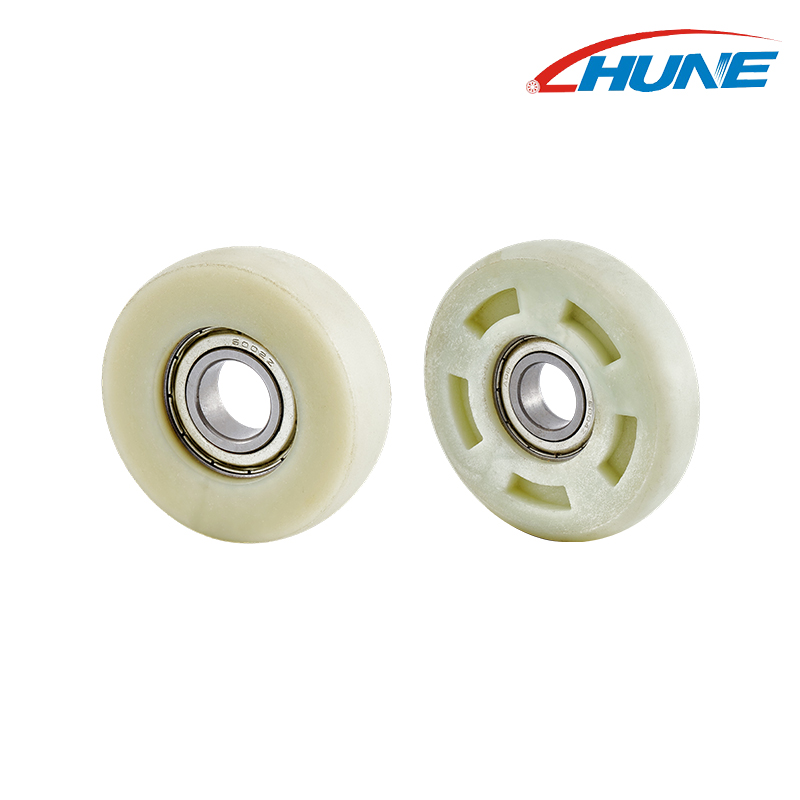
- Double wheel (tandem) roller: two wheels sit in the same roller housing at each corner, sharing the load and improving stability.
The "double wheel" label usually refers to a tandem assembly, not just two separate rollers. It's a single unit designed to distribute weight and reduce vibration as the door travels along the track.
How Roller Design Affects Real-World Door Performance
Before we list pros and cons, it helps to know what actually changes when you add a second wheel:
- Load distribution: two contact points carry the same door weight
- Rolling stability: the housing "bridges" small track imperfections
- Resistance to flat spots: stress is spread across more wheel surface
- Alignment behavior: less rocking means fewer latch and frame rub issues
In practice, double wheel rollers are usually about control and longevity, while single wheel rollers are about simplicity and cost.
Double Wheel (Tandem) Sliding Door Rollers: Pros & Cons
Double-wheel (tandem) sliding door rollers are widely seen as the "heavy-duty" upgrade—and often they are. But they're not a universal fix. The real value of a tandem roller shows up when your door is heavy, used constantly, or rolling over a track that isn't perfectly pristine.
Pros of Double Wheel (Tandem) Sliding Door Rollers
- Built for heavier door panels
- Because the load is spread across two wheels, a tandem roller assembly typically copes better with large glass patio doors and wider panels. Less weight per wheel usually means less deformation and fewer "flat spots" over time.
- Smoother glide on imperfect tracks
- Real tracks have seams, small dents, and grit. With two wheels contacting the track, tandem rollers tend to roll through minor imperfections more consistently—so you feel less bumping, sticking, and sudden resistance.
- Better stability and less side-to-side rocking
- A common complaint with worn rollers is door wobble, which leads to frame rubbing and locks that don't line up. Double wheel rollers generally track more steadily, helping the panel stay aligned and reducing nuisance adjustments.
- Often a longer-lasting setup in high-use situations
- When doors are opened and closed all day—busy households, rentals, storefronts—tandem rollers can last longer simply because each wheel carries less stress and wear accumulates more slowly.
Cons of Double Wheel Rollers (What Buyers Should Know)
- Higher price upfront
- A tandem assembly has more components and is often paired with better bearings, which usually raises the cost compared with standard single wheel replacements.
- Fit can be less forgiving
- Double wheel housings are typically larger. On some doors, space inside the bottom rail is tight, so you'll need to verify housing dimensions, wheel diameter, and adjustment range before ordering.
- They don't "fix" major track or alignment problems
- Tandem rollers can smooth out minor track issues, but they won't compensate for a bent track, severe corrosion, or a door panel that's out of square. If the door is misaligned, even premium rollers can wear prematurely.
- Noise may increase on rough metal tracks (depends on materials)
- If the wheels are metal and the track surface is damaged, you may hear more rolling noise. In many cases, wheel material and bearing quality influence sound just as much as the fact that it's a double wheel design.
Best Use Cases for Double Wheel Sliding Door Rollers
Tandem rollers are usually the right call for:
- Heavy patio doors, especially oversized insulated glass panels
- High-traffic sliding doors (family homes, rentals, commercial entrances)
- Doors that repeatedly develop dragging, uneven wear, or misalignment
- Exterior sliders exposed to sand, dust, and debris where consistent glide matters
If your goal is a steadier door with fewer adjustments and better performance under load, double wheel sliding door rollers are often the most practical upgrade—provided the track profile and housing size match your door system.
Single wheel sliding door rollers are the most common style for a reason: they're straightforward, affordable, and—when matched to the right door—deliver years of dependable performance. For many homeowners, a quality single wheel roller is the fastest way to restore a smooth glide without overcomplicating the repair.
Pros&Cons of Single Wheel Sliding Door Rollers
Pros of Single Wheel Sliding Door Rollers
- Budget-friendly and easy to source
- Single wheel replacement rollers are widely stocked and typically cost less than tandem assemblies, making them a practical choice for routine repairs and quick turnarounds.
- Simple construction, quicker replacement
- With fewer moving parts, installation is often more direct—especially on standard residential sliding doors where you're swapping a like-for-like roller.
- Can run noticeably quieter with nylon wheels
- If noise is a top concern, single wheel rollers with nylon wheels are popular for interior doors and light-duty sliders. The softer wheel material tends to reduce rolling sound and feels smoother on clean tracks.
- A solid match for light to medium door panels
- For closet doors, room dividers, and many typical patio doors, single wheel rollers handle the load well—provided the door weight and usage level stay within a reasonable range.
Cons of Single Wheel Rollers
- Less forgiving on worn or dirty tracks
- Because there's only one rolling point, the wheel "feels" every dent, seam, and bit of debris. That can translate into bumps, sticking, or a gritty glide if the track isn't in good shape.
- More load concentrated on one wheel
- Heavier doors put higher pressure on each wheel. Over time, that can accelerate wear, increase the chance of flat spotting, and lead to dragging or frequent height adjustments.
- Wear can show up as wobble sooner on tall/heavy panels
- On larger doors, even modest roller wear may lead to side-to-side movement, frame rubbing, or a latch that stops lining up cleanly.
Best Use Cases for Single Wheel Sliding Door Rollers
Single wheel rollers are usually the right choice for:
- Standard-weight residential sliding doors
- Interior sliding doors where quiet operation matters most
- Projects where a lower upfront cost is the priority
- Doors with straight, clean tracks and solid alignment
When the door isn't overly heavy and the track is in good condition, single wheel sliding door rollers remain one of the most cost-effective and homeowner-friendly options available.
Quick Comparison Table (What Most Buyers Want to Know)
Here's the side-by-side view people usually need at purchase time.
|
Feature |
Single Wheel Rollers |
Double Wheel (Tandem) Rollers |
|
Load capacity |
Medium (varies by build) |
High (weight shared) |
|
Smoothness over debris/track seams |
Moderate |
Better |
|
Door stability (wobble resistance) |
Moderate |
Higher |
|
Lifespan under frequent use |
Moderate |
Often longer |
|
Upfront cost |
Lower |
Higher |
|
Fitment complexity |
Easier |
Needs careful sizing |
|
Ideal doors |
Light to medium duty |
Heavy duty / exterior / high traffic |
Takeaway: If your door is heavy or used constantly, tandem rollers usually pay off over time. If your door is light and the track is clean, single wheel rollers are often enough.
The "Hidden" Factors That Matter as Much as Wheel Count
Wheel count is only one part of a roller assembly. Many disappointing replacements happen because shoppers ignore the details below.
1) Wheel material (nylon vs steel vs stainless)
- Nylon: quiet, track-friendly, good for many residential doors
- Stainless steel: strong and corrosion-resistant, great for outdoor use
- Plain steel: strong but can rust and pit outdoors
Wheel count won't fix a material mismatch (e.g., non-stainless steel outdoors in coastal air).
2) Bearing quality (and sealing)
- Ball bearings generally glide better than bushings.
- Sealed bearings are a major upgrade for dusty tracks and exterior doors.
A well-made single wheel roller with sealed bearings can outperform a poor-quality tandem unit.
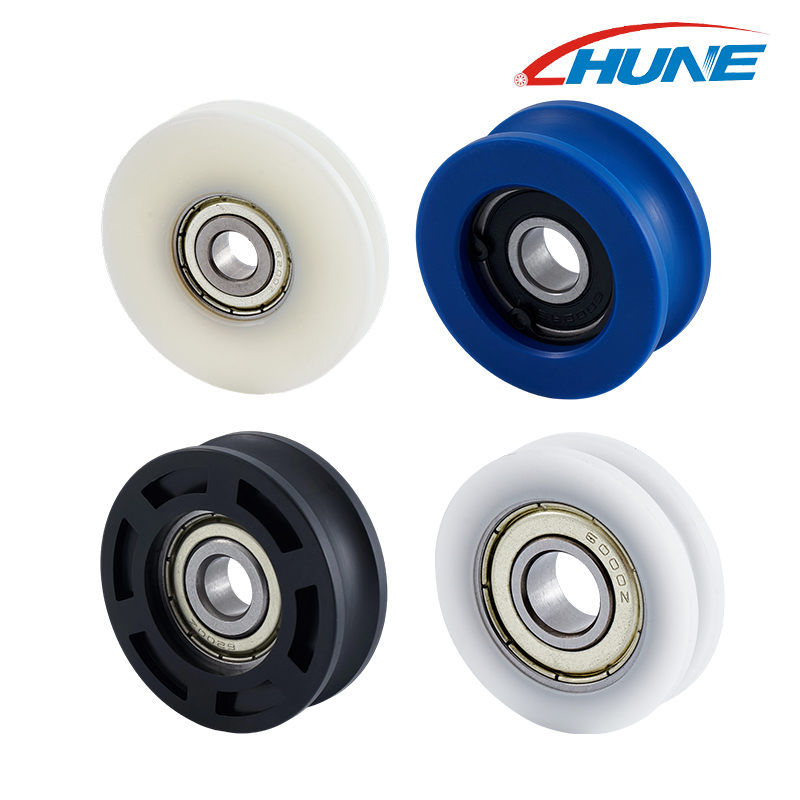
3) Wheel profile must match the track
Common profiles include U-groove, V-groove, and flat. If the profile doesn't match:
- you'll get noise, vibration, and premature wear
- the door may ride too high/low and scrape
4) Wheel diameter and adjustment range
A larger wheel may roll smoother and handle minor imperfections better. Adjustment range determines whether you can level the door and align the latch properly after installation.
How to Choose: A Practical Decision Guide
Choose double wheel (tandem) rollers if:
- the door is heavy or oversized
- the door is used frequently throughout the day
- you've had repeat roller failures
- the track has minor wear you can't fully replace
- you want the smoothest glide under real conditions
Choose single wheel rollers if:
- the door is light to medium weight
- you want a simple, cost-effective replacement
- the track is in good shape and kept clean
- noise reduction is your top priority (especially with nylon wheels)
Installation and Maintenance Tips (Applies to Both)
Even the best roller design won't feel good on a dirty track.
- Clean the track first: vacuum, brush corners, wipe down
- Avoid heavy grease: use a dry silicone product if lubrication is needed
- Replace in pairs: keeping left/right rollers matched helps alignment
- Check alignment: a door that's out of square will eat rollers faster
- Inspect the track: dents and burrs should be corrected or they'll damage new wheels
Tandem (double wheel) sliding door rollers are usually the better performer when a door is heavy, used constantly, or exposed to outdoor grit and weather. Sharing the load across two wheels tends to improve durability, keep the panel tracking straighter, and smooth out travel over minor track seams or wear. Single wheel rollers, on the other hand, still make excellent sense for light-to-medium residential doors—especially when the track is clean, alignment is good, and the goal is a cost-effective replacement that restores quiet, easy movement.
The best choice isn't about "double vs single" in isolation—it's about fit and specs. Before ordering, verify the track profile (U/V/flat), roller housing size and screw spacing, wheel diameter, bearing style (sealed bearings are ideal for exterior doors), and the actual door panel weight. Once those basics are confirmed, selecting single or tandem becomes straightforward: choose the design that matches how much load, traffic, and environmental stress the door will face.
As Hune, a professional sliding door roller manufacturer in China , we help customers match roller type, wheel profile, and bearing configuration to real-world conditions—so the replacement isn't just compatible on paper, but smooth and reliable in everyday use.