

 English
 Español
 日本語
日本語A sliding door looks simple when viewed from the outside. There is a door panel, a frame, a track, and a movement path. Most people do not think much about what is happening underneath because, when everything works properly, the entire system appears effortless.
However, anyone who has worked with sliding doors for a long time knows that smooth movement does not happen by accident.
Behind every opening and closing cycle, forces are constantly moving through the system. Weight is being carried, pressure is being transferred, and contact points are changing from one position to another. These processes are not always visible, but they influence how the door behaves every day.
One component that plays a particularly important role in this process is the wheel assembly.
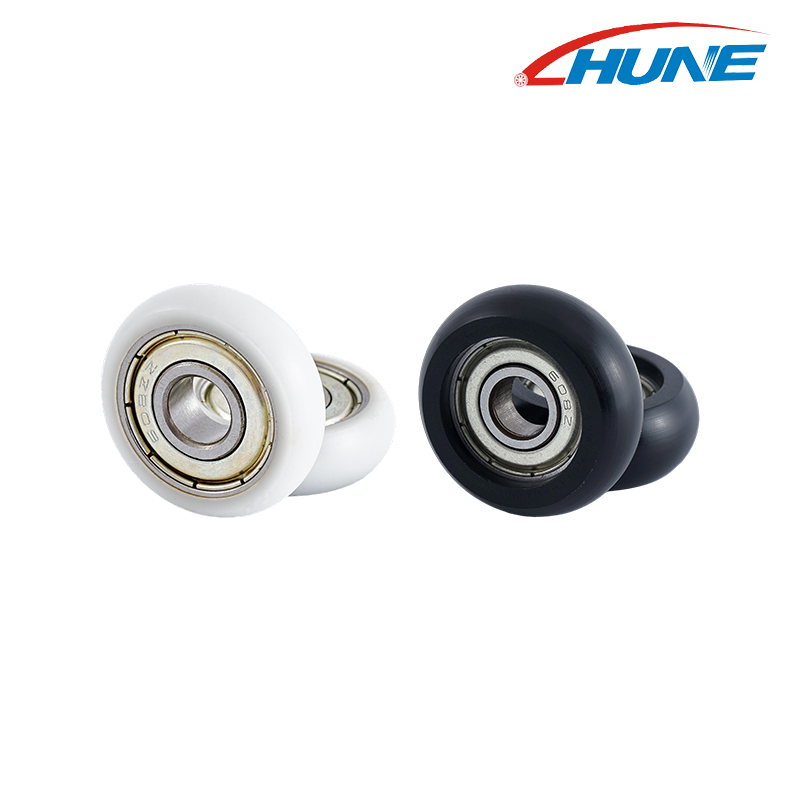
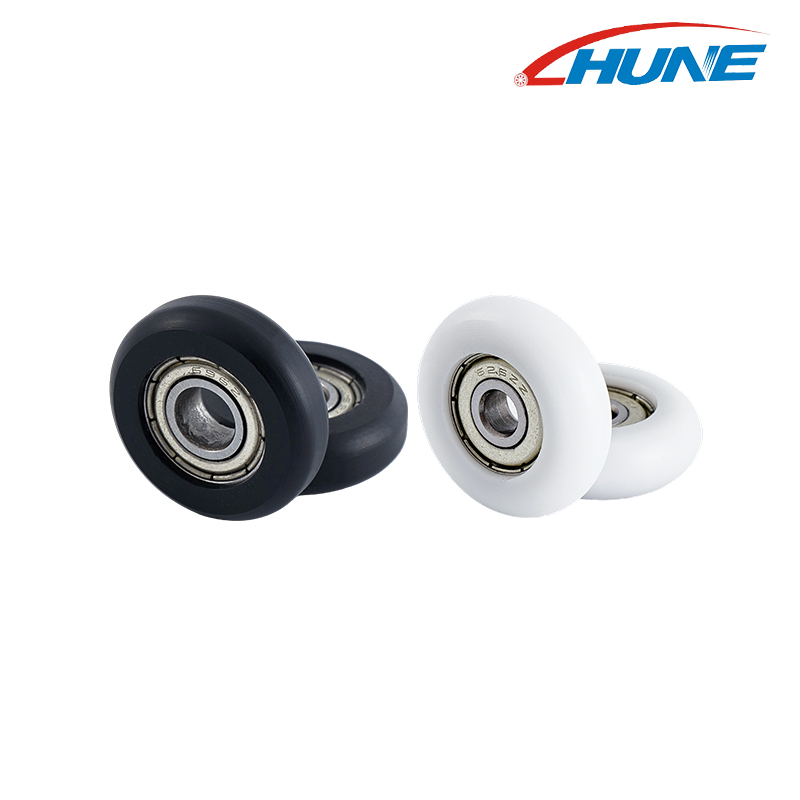
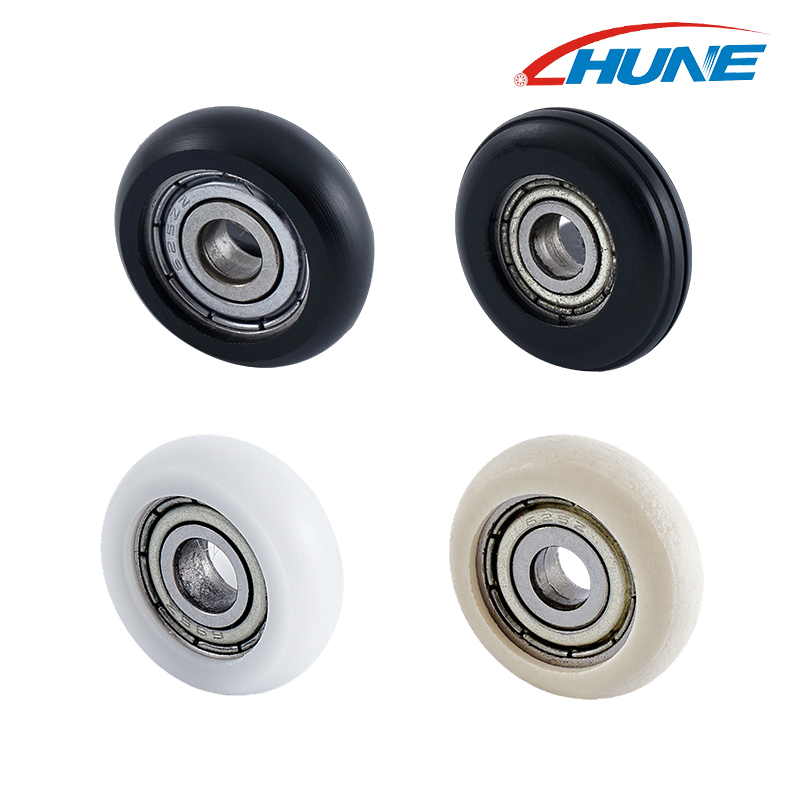
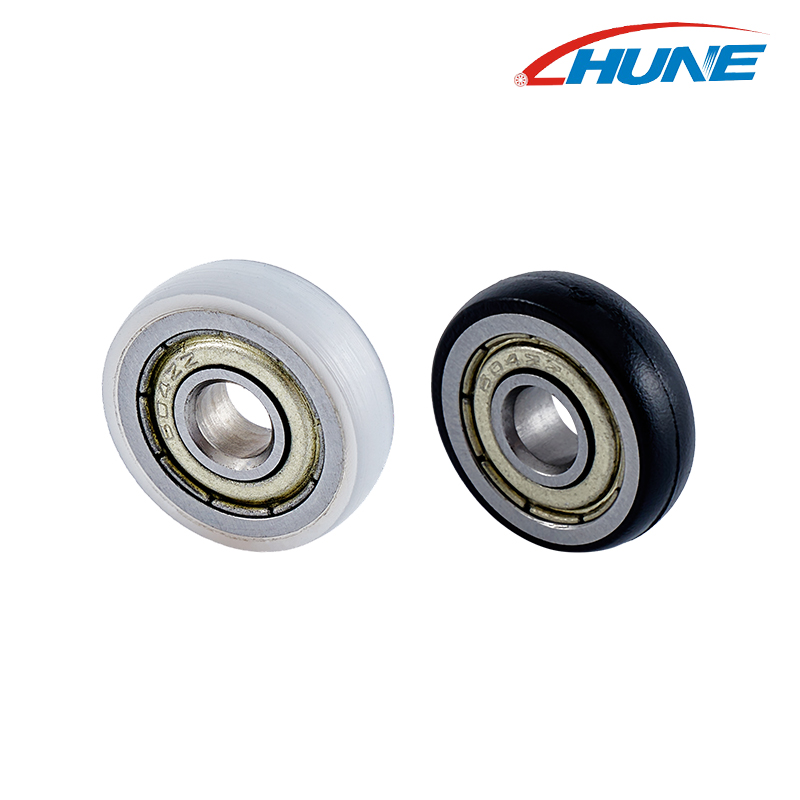
Wheels for Sliding Door Track are often associated with movement alone, but their role goes much further. They are responsible for supporting the door while also helping distribute force between the moving panel and the fixed track. In practical terms, they influence how the load travels through the system and how the system responds after months or years of operation.
Many movement issues that appear later in a door's life are connected, directly or indirectly, to how load has been managed over time.
Understanding load distribution is therefore not just a technical topic for engineers. It is also useful for installers, facility managers, architects, and anyone interested in how sliding systems maintain consistent performance throughout daily use.
Every Sliding Door Is Carrying Weight All the Time
One detail that is easy to overlook is that a sliding door continues to place force on its supporting components even when it is not moving.
A door does not stop creating load simply because it is closed.
The weight remains there.
The wheels remain in contact with the track.
The support structure continues carrying pressure.
Movement simply adds another layer to the situation.
Static Load and Moving Load Are Not Exactly the Same
When a door is stationary, force distribution is relatively stable.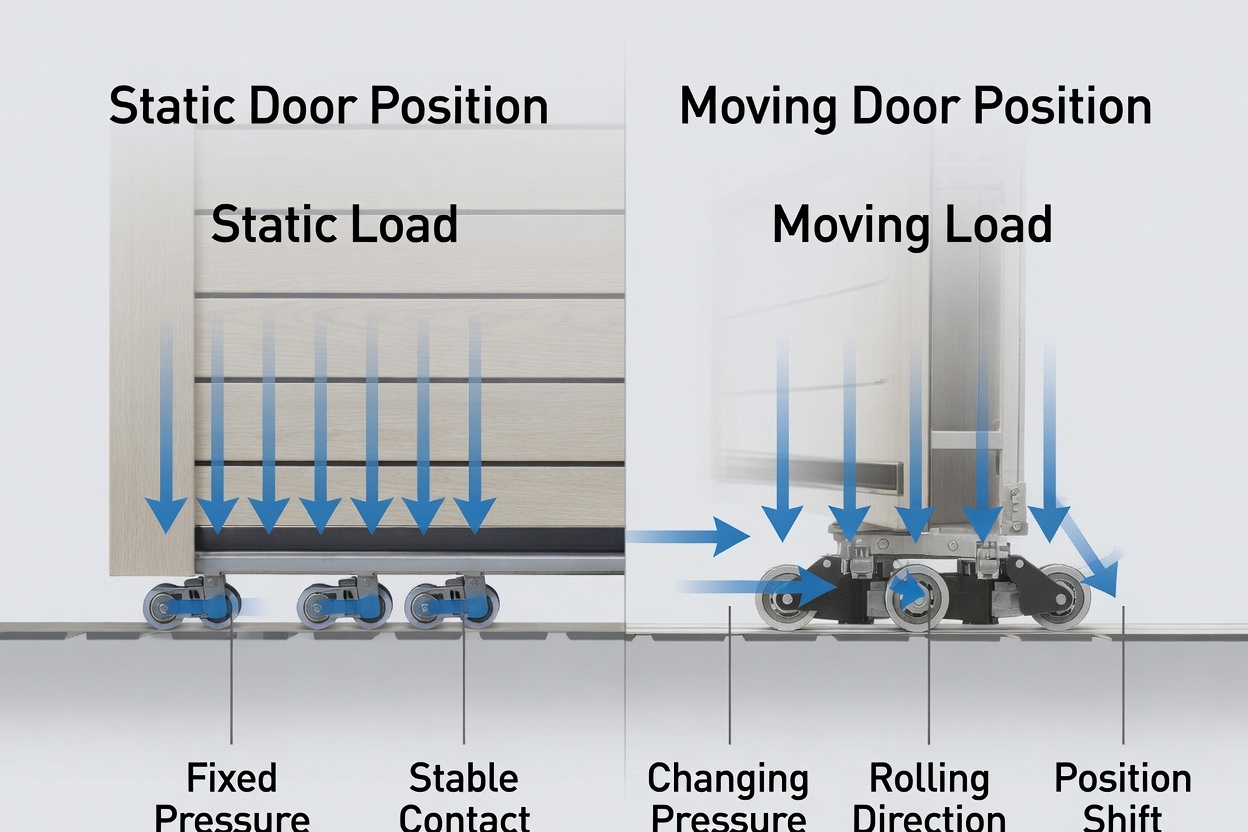
Once movement begins, the conditions change.
The wheel assembly starts responding to:
- Changes in position
- Variations in contact location
- Shifts in pressure
- Changes in direction
- Differences in operating speed
These adjustments happen continuously during normal use.
Most users never notice them, yet they are taking place every time the door moves.
Why Repetition Matters
A single movement cycle creates only a small amount of mechanical activity.
The reality is that sliding doors rarely operate only once.
In many environments, the same door may be used dozens, hundreds, or even thousands of times over extended periods.
What seems insignificant during one cycle can become much more important when repeated over a long time.
This is one reason why load distribution receives so much attention during system design.
Looking at the Wheel Beyond Its Basic Function
People often describe a wheel as the component that allows a door to roll.
That description is technically correct, but it does not tell the whole story.
The Wheel Is Also a Force Transfer Point
Whenever the door moves, force passes through the wheel before reaching the track.
This means the wheel is involved in several processes at the same time:
- Supporting weight
- Managing rolling movement
- Maintaining alignment
- Responding to load changes
- Transferring force into the supporting structure
Because all of these tasks occur together, wheel behavior can influence the overall feel of the door far more than many people expect.
Why Small Mechanical Differences Matter
Two sliding systems can appear nearly identical from the outside.
The door panels may be similar.
The track profiles may be similar.
The installation method may even be the same.
Yet one system may continue operating smoothly while another begins developing slight movement variations after a period of use.
Often, the explanation is found in how force is managed inside the assembly rather than in what is visible from the outside.
How Load Moves During Door Travel
One common assumption is that door weight remains evenly distributed throughout operation.
In practice, things are more dynamic.
Force Is Constantly Relocating
As the door moves along the track, the relationship between weight and support points changes slightly.
The shift may be small, but it is continuous.
Factors that influence this process include:
- Door position
- Travel distance
- Opening direction
- Closing direction
- Movement speed
- User interaction
The wheel assembly must adapt to these changes without creating instability.
Different Areas of the Track Experience Different Conditions
If you observe a sliding door over a long period, you may notice that certain areas of the track receive more activity than others.
For example:
- Frequently used positions experience repeated contact
- Parking positions may carry static load for long periods
- Transition zones experience continuous rolling movement
Because force is not distributed equally across every section of the track, wheel behavior becomes an important part of managing long-term performance.
Why Balanced Load Distribution Supports Consistent Operation
A sliding door does not need perfect force distribution to function properly.
However, balanced load management usually contributes to more stable operation.
What Happens When Load Is Spread More Evenly
When force moves through the system in a controlled manner:
- Contact conditions remain more stable
- Movement feels more predictable
- Rolling behavior changes less over time
- Mechanical stress is shared across larger areas
The result is often a door that behaves more consistently during everyday use.
What Happens When Force Becomes Concentrated
When pressure repeatedly builds in a limited area, the system may gradually respond in different ways.
Possible effects include:
- Increased local wear
- Changes in movement feel
- Higher vibration potential
- More noticeable operating differences
These changes rarely appear overnight.
More often, they develop gradually through repeated cycles.
Understanding Contact Between Wheel and Track
The relationship between wheel and track is one of the most important parts of the entire system.
Contact Is Always Changing
Although the wheel remains connected to the track during operation, the exact nature of that contact changes constantly.
Small variations occur because of:
- Load movement
- Surface conditions
- Environmental influences
- Alignment changes
- Usage patterns
This is normal.
A well-functioning system is not one where conditions never change. It is one where those changes remain controlled.
Why Stable Contact Helps
Stable contact generally supports:
- Consistent rolling behavior
- Predictable movement response
- More balanced force transfer
- Reduced vibration development
Users may not think about contact mechanics, but they often notice the results when movement feels smooth and controlled.
Multiple Wheels and Shared Support
Many sliding systems rely on more than one wheel assembly.
This arrangement serves several practical purposes.
Sharing the Workload
When multiple wheels support the door:
- Force can be distributed across several points
- Pressure concentration can be reduced
- Movement balance can improve
- System stability may become easier to maintain
This does not mean every wheel carries exactly the same load.
Real-world systems rarely operate with perfect symmetry.
Load Distribution Is Always Changing
As the door moves, weight shifts between support points.
Some wheels may carry slightly different loads depending on:
- Door position
- Installation conditions
- Structural tolerances
- Movement direction
The goal is not mathematical precision.
The goal is maintaining consistent operation despite changing conditions.
Environmental Conditions Influence Force Distribution
Sliding door systems are exposed to real-world environments rather than laboratory conditions.
Because of this, external factors often influence load behavior.
Dust and Debris
Dust naturally enters track channels over time.
Even when accumulation is minor, it can influence contact conditions and rolling behavior.
Temperature Variation
Materials expand and contract as temperatures change.
While these changes are often small, they can affect how components interact during long-term use.
Humidity and Building Movement
Buildings settle, materials shift slightly, and environmental conditions evolve throughout the year.
These gradual changes can influence alignment and force distribution patterns within the system.
Why Wear Patterns Follow Force Patterns
Wear does not usually appear randomly.
In many cases, it follows the path of repeated force transfer.
Pressure Leaves a Long-Term Signature
Areas that experience higher pressure more frequently often develop different wear characteristics compared with areas receiving lower stress.
This is a normal part of mechanical operation.
Balanced Force Helps Moderate Change
When load remains distributed more evenly:
- Wear tends to develop more gradually
- Contact conditions remain more stable
- Movement changes are often easier to predict
- Performance remains more consistent over time
For building owners and maintenance teams, predictability is often just as valuable as initial movement quality.
Comparing Different Load Distribution Conditions
| Operating Characteristic | More Balanced Load Distribution | Less Balanced Load Distribution |
|---|---|---|
| Movement Feel | More consistent | More variable |
| Contact Stability | More controlled | Less predictable |
| Vibration Tendency | Lower | Higher |
| Wear Development | More gradual | More concentrated |
| Long-Term Behavior | More predictable | Greater variation |
The purpose of this comparison is simply to illustrate how force management influences system behavior over time.
Why High-Usage Environments Depend on Good Load Management
Not every sliding door experiences the same operating demands.
A door used occasionally behaves differently from one used throughout the day.
Repetition Magnifies Small Differences
As operating cycles increase:
- Contact occurs more frequently
- Force transfer happens more often
- Small movement variations become easier to notice
- Wear patterns develop faster
What appears insignificant at low usage levels may become much more relevant in high-traffic environments.
Common Examples
Load distribution often becomes a larger consideration in:
- Commercial buildings
- Office facilities
- Educational campuses
- Healthcare environments
- Logistics centers
- Warehouses
- Industrial facilities
In these locations, movement consistency often becomes a long-term operational concern.
Common Misunderstandings About Wheel Performance
Bigger Wheels Solve Everything
Wheel size can influence behavior, but it is only one factor among many.
Track condition, installation quality, and system design all contribute to overall performance.
The Track Does Most of the Work
The track provides direction, but the wheel assembly manages the actual transfer of force during movement.
Both components are important.
Load Distribution Only Matters for Large Doors
Even relatively lightweight systems benefit from balanced force management because movement consistency depends on more than total weight alone.
What Designers and Installers Often Evaluate
When selecting Wheels for Sliding Door Track, several practical considerations are usually reviewed:
- Expected usage frequency
- Door configuration
- Environmental conditions
- Track compatibility
- Maintenance expectations
- Operational requirements
- Long-term movement behavior
These factors help determine how the system will perform after extended use rather than only during initial installation.
Sliding door performance is influenced by far more than visible components. Behind every movement cycle, force is being transferred, redistributed, and managed throughout the system.
Wheels for Sliding Door Track sit at the center of this process. They support weight, maintain contact with the track, guide movement, and influence how load travels through the assembly during operation.
Although these components are relatively small compared with the overall structure of the door, their impact extends throughout the entire system. The way they manage force can affect movement consistency, contact stability, wear development, and long-term operating behavior.
As sliding doors continue to be used in residential, commercial, and industrial environments, understanding load distribution remains an important part of creating systems that perform consistently throughout years of everyday use.