

 English
 Español
 日本語
日本語In heavy industrial spaces, sliding doors are part of daily movement, not just building hardware. They open and close many times a day, often without much attention, until something starts to feel slightly off in the way they move. That change is usually subtle at first, maybe a bit more resistance, a faint sound, or a less smooth glide.
Most people look at the track or the door panel when that happens. It feels natural because those are the visible parts. But in real work
ing environments, the behavior of the system is often shaped by something smaller and less visible.
The roller inside the system plays that role.
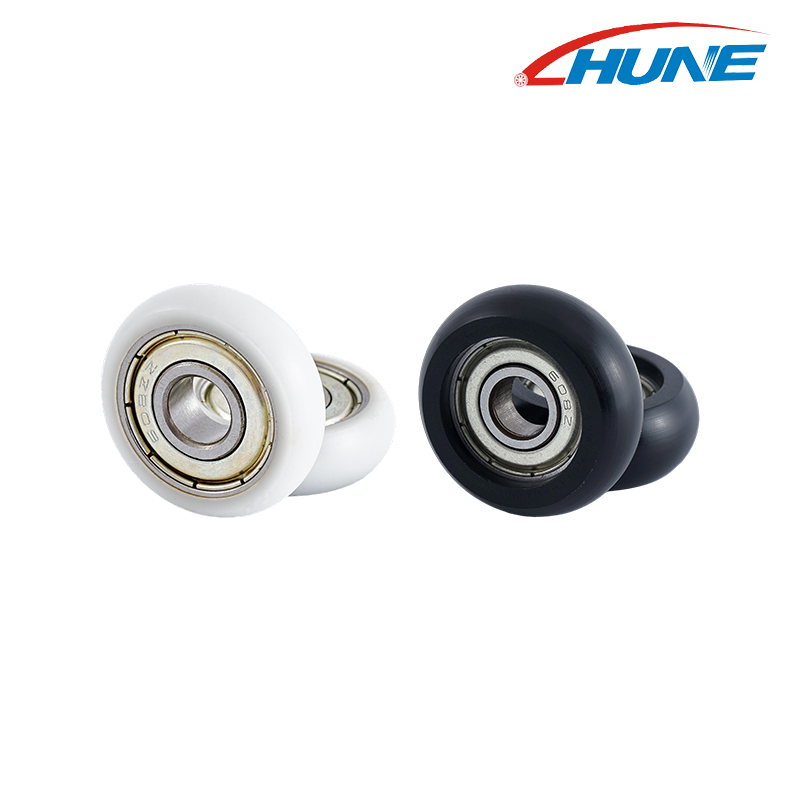
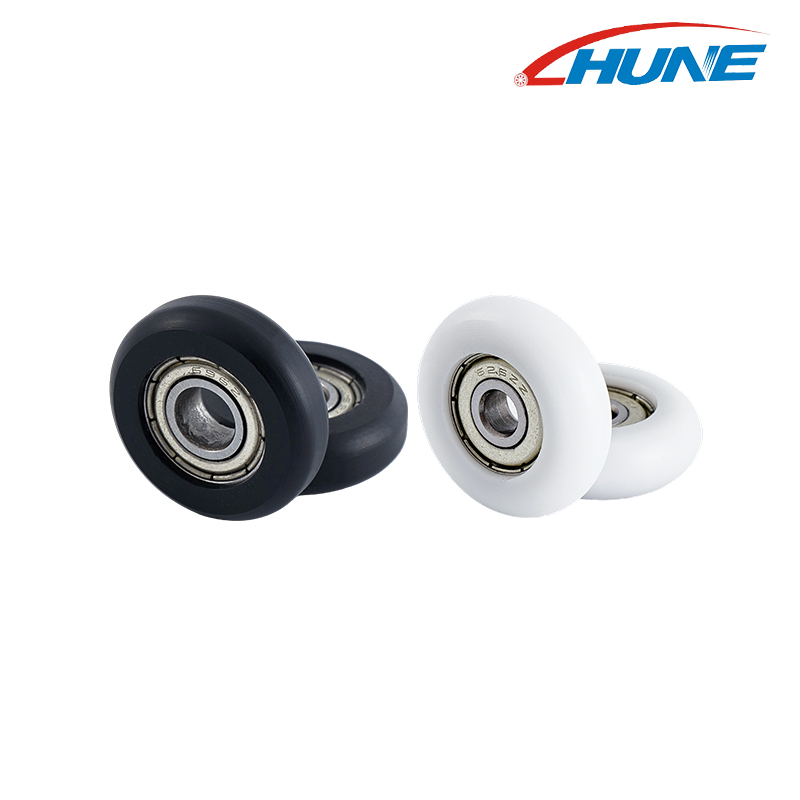
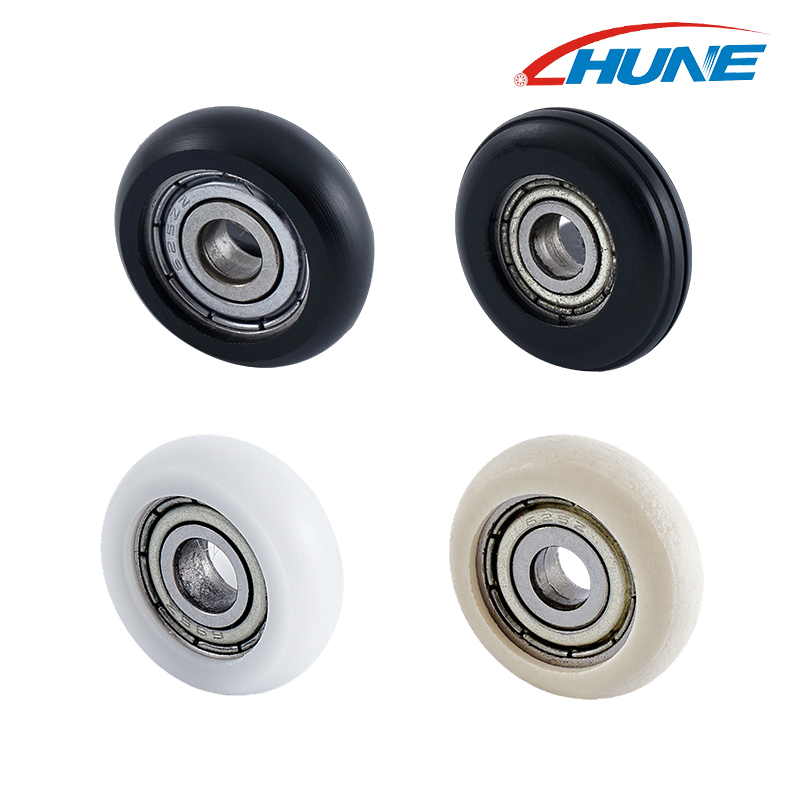
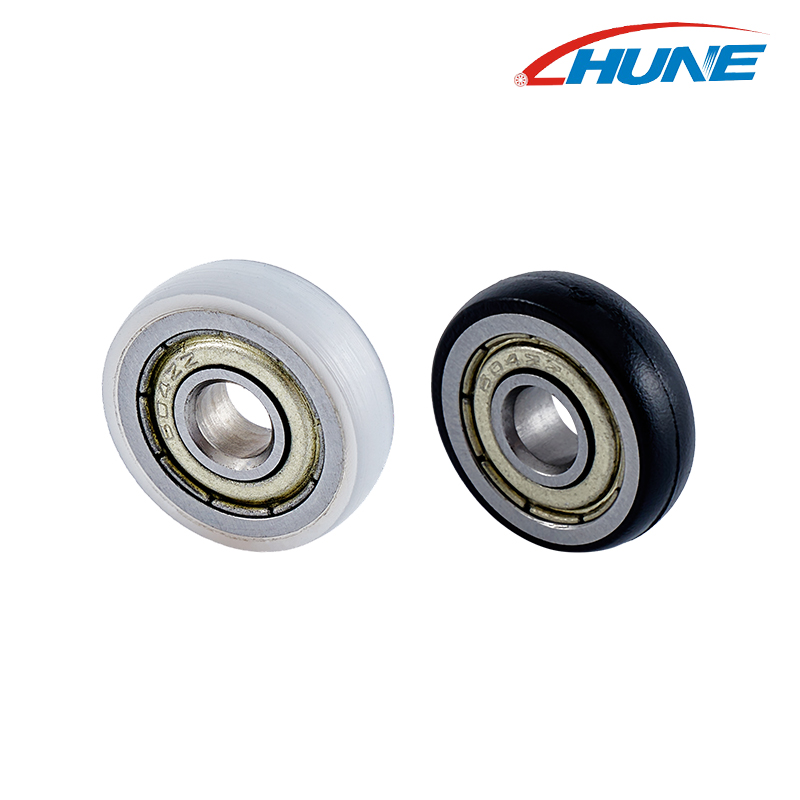
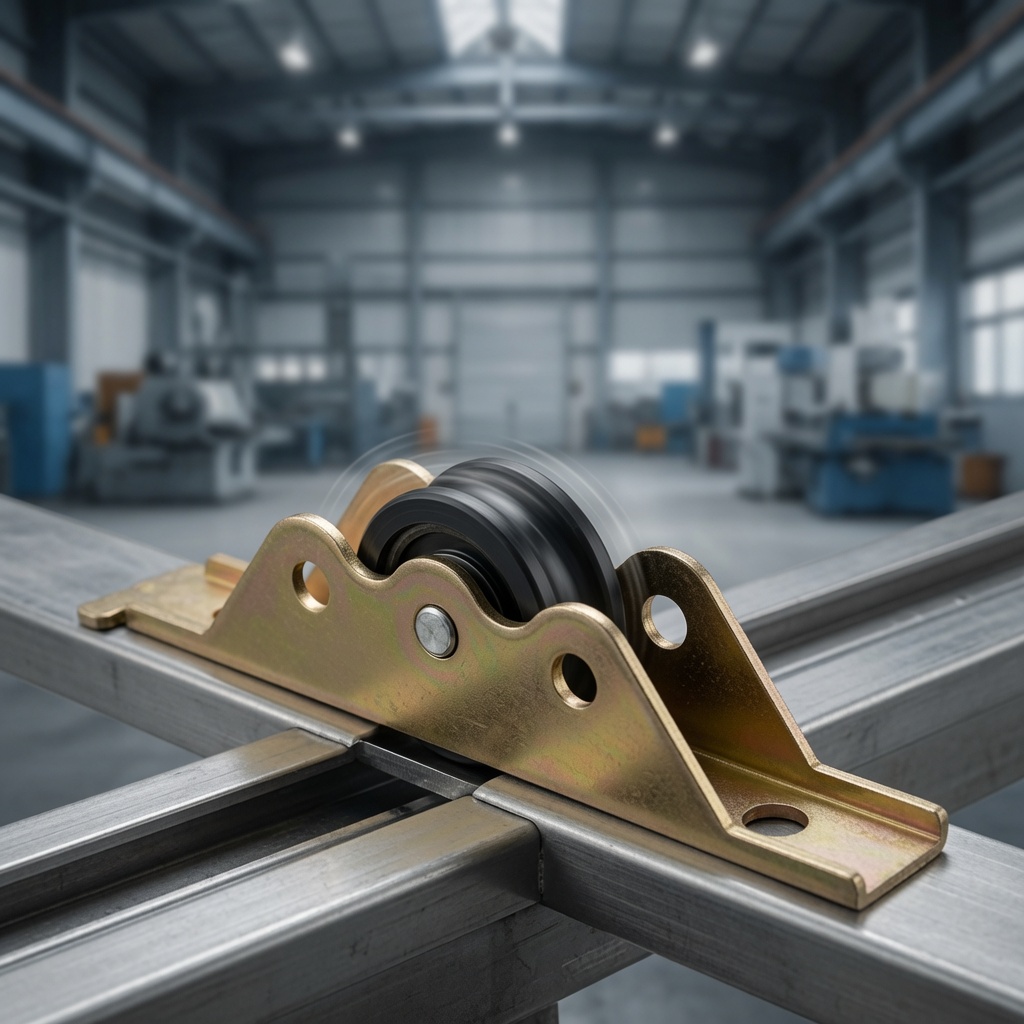
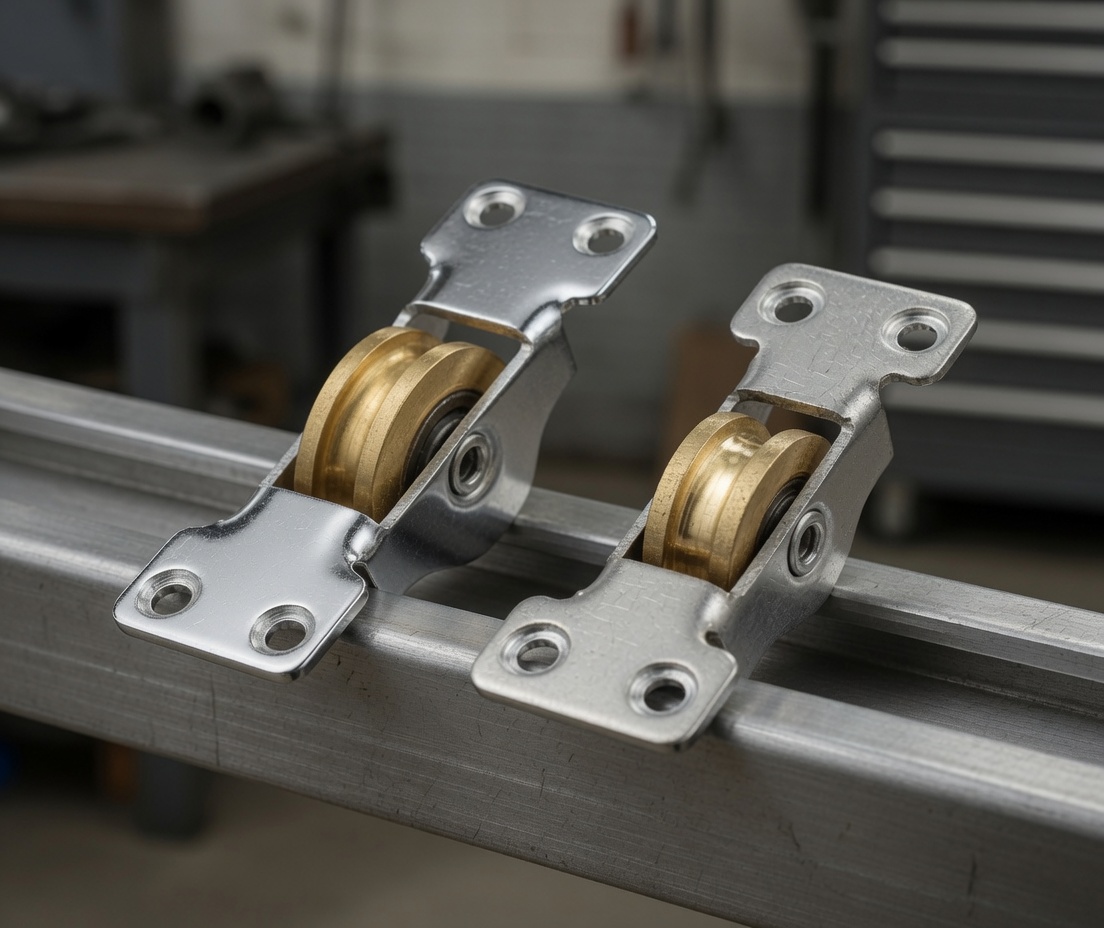
Steel Door Rollers are commonly used in these conditions because they sit directly in the load path of the door. Every movement passes through them. They carry weight, guide direction, and keep the door aligned while everything is in motion. When this part stays stable, the rest of the system usually follows.
In industrial settings, doors are not treated gently. They are used constantly, sometimes under pressure, sometimes in less cont
rolled conditions. So the question is not how the system feels on day one, but how it behaves after months of repetition.
That is where material choice starts to matter more than appearance.
Industrial Spaces Put Hardware Under Constant Pressure
Unlike indoor architectural environments, industrial areas are always active.
Machines run nearby, materials are moved around, and the air itself often carries dust or finea particles.
Sliding doors in these places deal with conditions that change throughout the day:
- Frequent movement cycles with no long breaks
- Dust entering track areas over time
- Small vibrations coming from surrounding equipment
- Temperature changes between different zones
- Occasional impact during fast or unplanned movement
None of these conditions is extreme on its own, but together they slowly shape how mechanical parts behave.
A system that works fine in a calm environment may start to show small changes much earlier in this kind of setting.
Steel Door Rollers are often chosen because they handle these mixed conditions in a more steady way over time.
The Roller Is Doing More Than It Looks Like
It is always involved in movement
Every time a sliding door moves, the roller is active. There is no motion without it. It carries the door, stays in contact with the track, and adjusts as the door changes direction or speed.
This happens again and again, without pause, in real use.
So even small differences in how the roller behaves can slowly change the feeling of the whole system.
Small differences do not stay small forever
At the beginning, most sliding doors feel similar. The movement is smooth, and nothing feels unusual.
But after repeated use, small variations start to build up. One door may still feel steady, while another begins to feel slightly different during movement.
This does not happen suddenly. It builds quietly through repetition.
How Steel Door Rollers Work in Repeated Use
Movement stays more steady over time
In industrial environments, doors are used again and again throughout the day. The roller is under continuous cycles of load and movement.
Steel Door Rollers are often used because they tend to keep their movement behavior more consistent across long periods of use, even when conditions are not stable.
Instead of changing quickly under repeated stress, the motion stays closer to its original feel for longer.
Load changes are part of real operation
A sliding door never carries load in a fixed way. The weight shifts slightly during movement depending on direction, speed, and contact position.
Steel-based rollers usually handle these changes in a more controlled way, so the system does not feel unpredictable when conditions vary.
How Roller and Track Work Together
Contact is always moving
The roller is always in contact with the track while the door is moving. But that contact is not fixed in one position. It shifts slightly as the door travels.
In industrial environments, this interaction happens constantly, often under changing conditions.
If that contact becomes unstable, movement can start to feel uneven or less controlled.
Why stable contact makes a difference
When the roller stays steady against the track, the door moves in a more predictable way. When it does not, small vibrations can appear and slowly become noticeable during daily use.
This is usually what people describe as a change in "feel" before they even notice a sound.
Real Conditions Inside Industrial Buildings
Dust is part of the environment
In many industrial spaces, fine particles are always present in the air. Over time, some of these particles enter the track area and affect how parts interact.
It does not always cause immediate problems, but it can slowly change movement behavior.
Temperature is not constant
Different areas inside a facility may not share the same temperature. Loading zones, storage areas, and production spaces can all behave differently.
These small changes affect how materials respond during long-term use.
Vibration is always nearby
Even when a door is not directly connected to machinery, nearby equipment can create low-level vibration that travels through the structure.
Over time, this becomes part of the background condition the system has to work within.
Steel Door Rollers are often used because they remain more stable under these mixed influences.
What Changes Over Time in Real Use
Nothing in a sliding system stays exactly the same after long use. That is normal.
Gradual changes that happen naturally
Over time, you may see:
- Slight wear on contact surfaces
- Small changes in movement paths
- Different rolling feel in certain positions
- Minor shifts in how the door reacts during use
These are not sudden failures. They are slow adjustments caused by repetition.
Why predictability matters more than perfection
In industrial environments, the goal is not to stop change completely. That is not realistic.
The goal is to keep change slow and predictable so the system does not feel unstable during daily operation.
Steel Door Rollers are often selected because they tend to behave in a more predictable way under long-term use.
Load Movement Inside the System
Weight is always shifting
As the door moves, the load is not sitting still. It moves along with the door, changing position depending on where the door is in its travel path.
The roller has to manage this shifting load continuously.
When balance is not consistent
If load distribution becomes uneven, the system can start to feel slightly different during movement.
Common signs include:
- Slight change in rolling smoothness
- Small increase in vibration
- Uneven feel in certain sections
- Gradual change in operating sound
Steel Door Rollers help keep this movement more balanced in many industrial setups.
Comparing Behavior in Real Applications
| Situation | Steel Door Rollers | Lighter Roller Systems |
|---|---|---|
| Daily use stability | Stays more consistent | Changes more easily |
| Reaction to load shift | More controlled | More sensitive |
| Environmental influence | Lower impact | Higher impact |
| Long-term feel | More steady | More variation |
| Industrial suitability | Common choice | Limited use cases |
Maintenance Reality in Industrial Use
In real factories and warehouses, maintenance is planned around keeping systems running without interruption.
A sliding door that stays stable for longer periods reduces the need for frequent adjustment.
Steel Door Rollers are often chosen because they tend to hold their working condition longer under repeated use, even though regular inspection is still part of normal maintenance practice.
Common Misunderstandings
It is not just about material
People often think the roller material alone decides everything. In reality, installation, track condition, and usage patterns also matter a lot.
Heavier does not automatically mean stronger performance
Performance depends more on movement behavior than weight alone.
Change over time is normal
All sliding systems change slowly with use. What matters is whether that change stays controlled or becomes noticeable too quickly.
Where These Systems Are Commonly Used
Steel Door Roller setups are often found in:
- Warehouses
- Manufacturing plants
- Logistics centers
- Industrial storage areas
- Maintenance workshops
- Loading zones
What Designers Pay Attention To
When selecting roller systems for industrial projects, a few practical points usually guide the decision:
- How often the door will be used
- How load moves during operation
- What kind of environment it will face
- How much vibration is present nearby
- How stable the movement needs to stay over time
- How maintenance will be handled in real conditions
Each of these affects long-term performance in its own way.
Steel Door Rollers are widely used in heavy industrial environments because they help keep sliding door movement stable under continuous use, changing load conditions, and real working environments.
Their role goes beyond simply carrying weight. They influence how the door moves, how the system reacts over time, and how consistent the operation feels after long periods of use.
In places where doors are used constantly and conditions are never fully stable, having a movement system that behaves predictably is not just useful. It becomes part of keeping daily operations running smoothly.