

 English
 Español
 日本語
日本語Sliding glass doors are a favorite in numerous households, creating an easy flow between indoor living spaces and outdoor spots like patios, decks, or backyards. But the enjoyment fades fast when the door starts to hesitate, scrape, or simply won't budge. Typically, the issue boils down to tired or broken rollers—the wheels responsible for carrying the door along its lower track.
The upside? Fixing this by replacing the rollers is a doable project for most homeowners. With standard household tools, careful steps, and a reasonable amount of work, you can revive that effortless slide.
Understanding Sliding Door Rollers
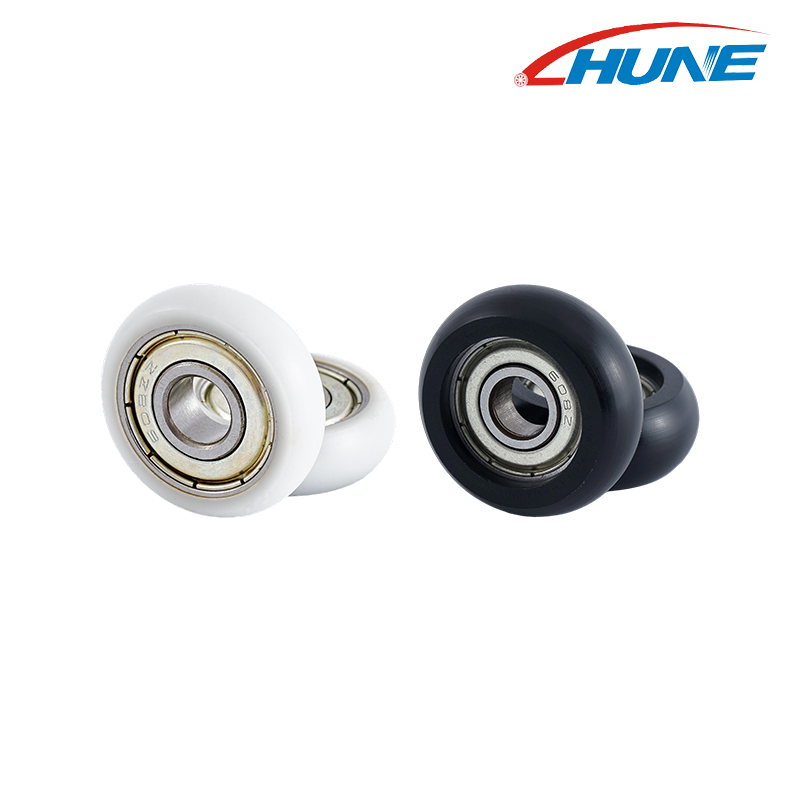
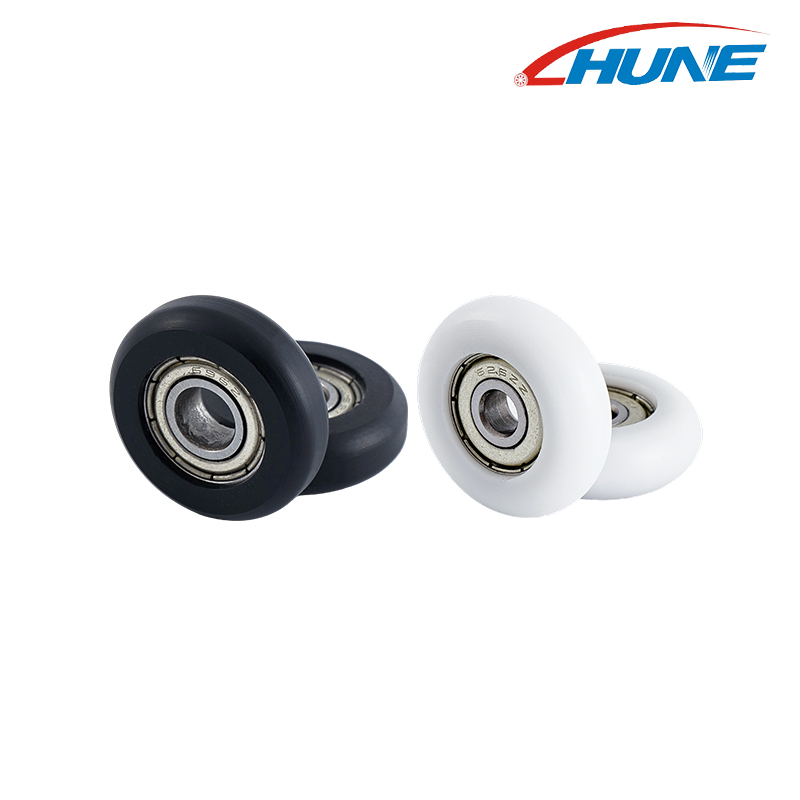
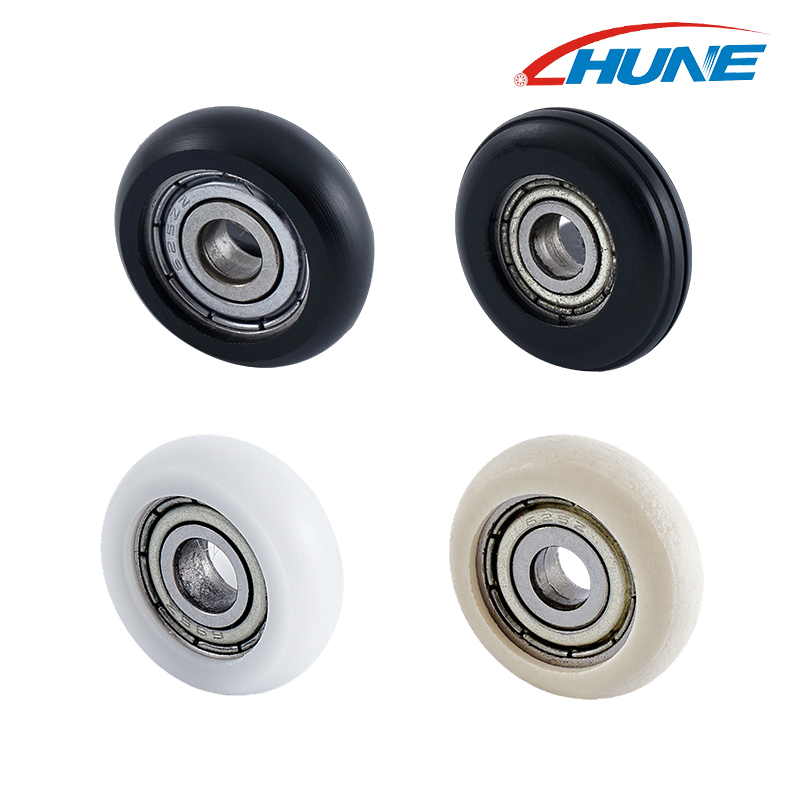
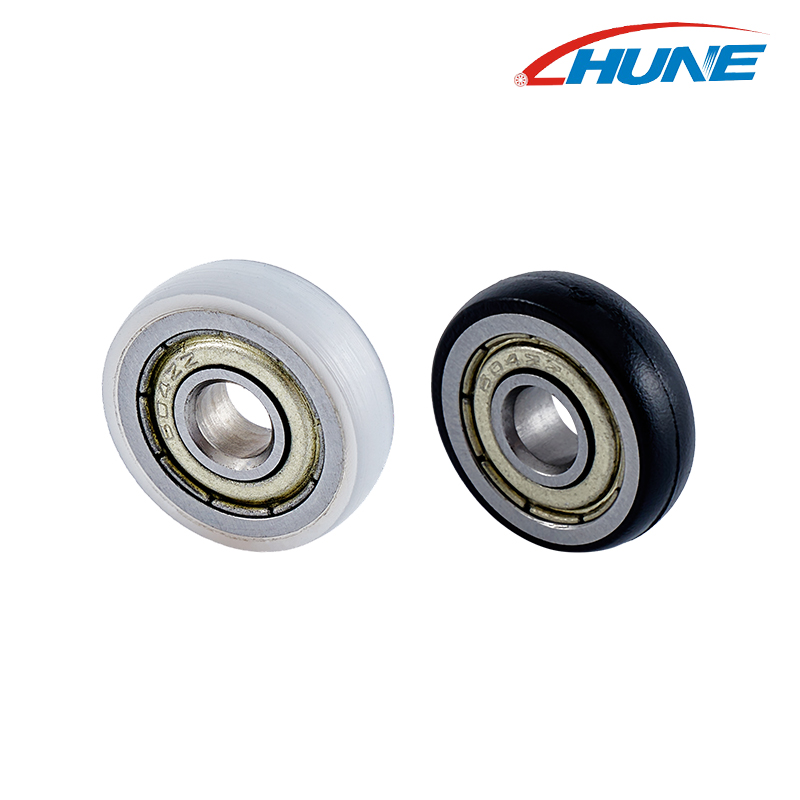
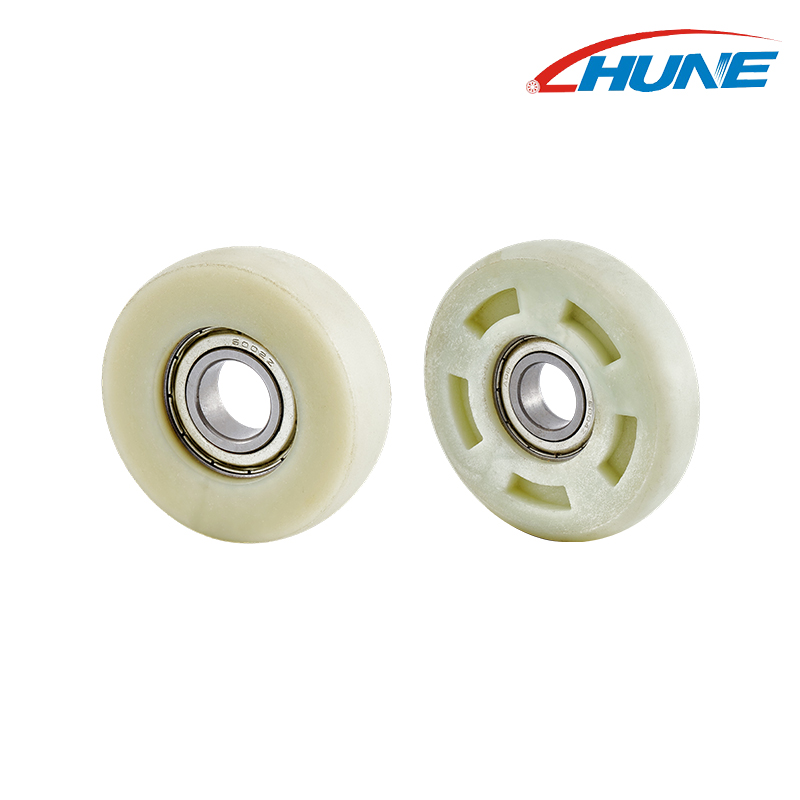
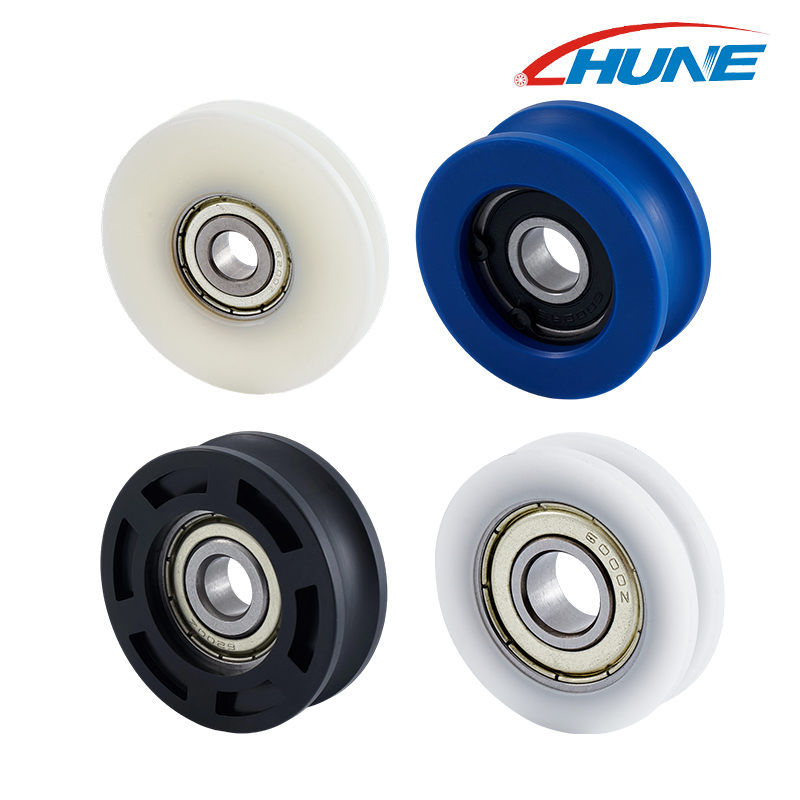
Knowing the fundamentals makes the job easier right from the start. Nearly all sliding patio doors use rollers attached to the bottom frame to enable smooth travel. These are often built from metal, nylon, or reinforced plastic and run inside a dedicated track.
Daily wear, accumulated grime, corrosion from humidity, or general aging can compromise them, causing symptoms including:
- The door halting or sticking partway open or closed.
- Bumpy or lopsided movement.
- Spaces along the edges that invite cold air, insects, or leaks.
- Harsh scraping, squealing, or rattling sounds while operating.
Designs vary across brands and models—some rollers have built-in adjustment screws to tweak the door's height and alignment, while others are permanent fixtures requiring total swap-out. Checking your door's make or inspecting the existing rollers upfront will help you prepare correctly and sidestep avoidable setbacks.
Tools and Materials You'll Need
Here's a basic toolkit for the job:
- Screwdriver (flathead and Phillips)
- Putty knife or pry bar
- Tape measure
- Replacement rollers (make sure they match your door type)
- Lubricant (silicone spray works best)
- Safety gloves and glasses
- Towel or soft padding to protect the door
- Optional but handy: A small hammer and pliers.
Step 1: Remove the Sliding Door
Clear the area – Remove any rugs, furniture, or obstacles near the door.
- Lift the door off the track – Most sliding doors lift slightly and then tilt out of the bottom track. Some doors have screws securing the rollers from the bottom; check your door's manual if unsure.
- Use a helper – Sliding doors are heavy. Having someone assist can prevent injury or accidental breakage.
- Place the door on a soft surface – Protect the glass with a blanket or towel while working.
Step 2: Locate and Assess the Rollers

Once the door is out:
- Inspect the bottom edge of the door.
- Rollers are usually housed in a metal or plastic bracket.
- Look for signs of wear: flattened wheels, cracks, or missing parts.
- Check if the rollers are adjustable (some have screws to fine-tune height).
Step 3: Remove the Old Rollers

- Unscrew the roller bracket – Use your screwdriver to remove screws holding the roller assembly.
- Slide the roller out – Sometimes, a gentle pry with a putty knife helps.
- Take note of orientation – Pay attention to how the rollers are installed; some only fit one way.
- Clean the area – Remove any dirt, debris, or rust from the bottom track and door frame before installing new rollers.
Step 4: Install the New Rollers

- Compare old and new – Make sure your replacement rollers match size and style.
- Insert the roller into the bracket – Some rollers snap in; others require screws.
- Secure the bracket – Tighten screws but avoid over-torquing, which can strip the threads.
- Adjust height if needed – Many rollers have a small screw for height adjustment to ensure the door sits evenly.
Step 5: Reinstall the Door

- Align the top track first – Tilt the door so the top edge slides into the upper track.
- Lower onto the bottom track – Make sure the rollers fit properly.
- Test movement – Slide the door back and forth. Adjust roller height if it drags or sticks.
- Lubricate – Apply a light silicone spray to the track for smoother operation. Avoid oil-based lubricants—they attract dirt.
Step 6: Final Checks
- Ensure the door locks correctly.
- Check for gaps along the edges.
- Confirm the door glides smoothly with minimal effort.
- Clean the track to prevent future buildup of dirt and debris.
Tips for a Successful Replacement
- Choose the proper rollers: Take precise measurements and confirm compatibility to ensure the replacements are perfect for your door.
- Exercise extreme care: These doors are heavy with fragile glass—support them fully and move slowly to avoid damage or injury.
- Maintain clear tracks: A spotless rail is essential for new rollers to roll freely and last longer.
- Adjust subtly: Make minor, careful changes to height settings for the best leveling outcomes.
- Visually record the setup: Capture photos of the current roller placement to serve as a clear reference during reinstallation.
Common Mistakes to Avoid
Avoid these typical errors that can derail your repair efforts:
- Inadequate track cleaning – Remaining dirt or grime will quickly degrade the new rollers.
- Installing mismatched parts – Roller specifications differ by door type; incorrect ones won't function well.
- Over-tightening hardware – Excessive pressure can strip screws or distort brackets.
- Failing to check alignment – Without proper leveling, the door may still operate poorly despite new rollers.
- Compromising on safety – Always use gloves, get assistance for lifting, and handle cautiously to stay safe.
- Picking the wrong type of lubricant – Oil-based products accumulate debris; silicone spray is the recommended option.
Maintaining Your Patio Door Rollers
Regular attention after replacement will promote lasting smooth operation:
- Clean the track frequently – Sweep or vacuum monthly to eliminate dirt buildup.
- Apply lubricant twice yearly – Use silicone spray on the track for consistent performance.
- Treat the door kindly – Steer clear of slamming or rough handling to protect the mechanisms.
- Review annually – Assess and adjust roller positions to keep everything aligned.
- Monitor condition – Detect early wear and replace components before they cause full breakdowns.
Replacing the rollers on your sliding glass door is a practical repair that anyone can tackle with adequate preparation and basic tools. By cautiously removing the door, exchanging the old wheels for new ones, and confirming proper leveling, you'll regain that fluid, effortless movement for your patio entrance.
The benefits go beyond convenience—this update eliminates drafts, reduces ongoing stress on the door components, and refreshes the overall appearance of your space. A modest investment of time today delivers reliable, frustration-free performance for years to come—smooth sailing from here on out!